Review · TOKYO TOURS
Discover the Secrets of Pachinko, Japan’s Traditional Game
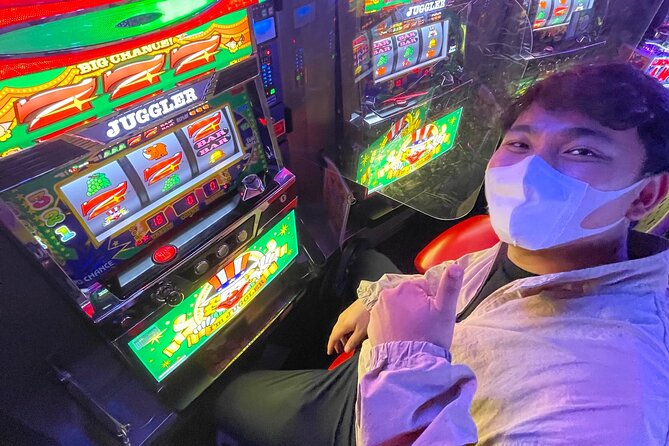
Pachinko looks chaotic, until someone guides your hands. This 1 hour 15 minute lesson takes you into a real parlor near Nippori Station at BB station, where you learn the actual flow of play instead of just watching balls fly. The point is simple: get comfortable fast, understand what you’re doing, and have a good shot at enjoying the game.
I especially like the step by step setup, from purchasing credits with an IC card to launching balls with a flick of the handle. I also like that the instructor focuses on the practical part people get wrong first, adjusting handle position so you can aim for the center pocket with more precision.
One thing to consider is cost on top of the tour price: the tour does not include the token/ball rental fee, listed at 4,000 JPY per person. Also, pachinko has its own rhythm, so if you hate learning curves, plan to approach this like a short lesson, not instant mastery.
In This Review
- Key highlights you’ll feel right away
- Why pachinko is hard to figure out alone
- Meeting up at Nippori, finding BB station, and getting set fast
- The quick rules and parlor manners that prevent awkward moments
- Credit setup: IC card money, not token guessing
- The main skill: flicking the handle and aiming for the center pocket
- What winning feels like, and why learning is the point
- How the 1 hour 15 minute schedule actually works
- Price in real life: $70.73 plus token rental
- Who this pachinko lesson is best for
- Practical tips before you go
- Should you book this pachinko tour?
Key highlights you’ll feel right away
- Start at BB station near Nippori Station, a convenient base if you’re already exploring Arakawa and north Tokyo
- IC card credit purchase, so you spend less time fumbling and more time playing
- Handle position tips that target the center pocket, not just random button pushing
- A quick rules and manners briefing before you hit the machines
- Small group size (max 10 people), which makes it easier to get help in the moment
- Mobile ticket for smoother arrival and fewer last minute logistics
Why pachinko is hard to figure out alone
Pachinko is one of those Tokyo activities that looks straightforward from across the room and feels confusing the moment you’re standing in front of the machine. You hear the clack, you watch the balls bouncing through the maze, and you quickly realize there are skills behind the noise.
That’s exactly where this tour earns its keep. Instead of throwing you into a parlor and hoping you figure it out, you get coached through the flow of play. You learn how credits work, what you’re supposed to do with the handle, and what “aiming” really means in pachinko where the machine controls much of the ball’s path.
There’s also a big mental shift. Many first timers think the goal is to overpower the machine. But what you actually need is repeatable technique, a steady rhythm, and the patience to adjust based on what the game is doing. This is a short session, so the instruction is focused on the parts that let you participate confidently.
A few more Tokyo days to weigh up
- Mt Fuji and Hakone 1-Day Bus Tour Return by Bullet Train
★ 5.0 · 26,383 reviews - 1-Day Tokyo Bus Tour
★ 5.0 · 14,250 reviews - Tokyo: TOKYO SKYTREE® Admission ticket
★ 4.5 · 11,192 reviews
Meeting up at Nippori, finding BB station, and getting set fast
You’ll meet at Nippori Station 2 Chome-19 Nishinippori, Arakawa City, Tokyo 116-0013, Japan. The big practical win here is location. Nippori is well connected, so you can usually reach the area easily without complicated transfers.
From there, your group heads to the pachinko parlor near Nippori Station, BB station. Your tour time is short, so the smoother you are getting from station to parlor, the more of that 1 hour 15 minutes you spend learning and playing instead of wandering.
Also, consider timing. This experience is often booked about 25 days in advance on average. If you’re traveling in peak weeks, booking sooner helps you lock in a spot rather than gambling on last minute availability.
The quick rules and parlor manners that prevent awkward moments
Before you start, you’ll get a brief 5 to 10 minute orientation covering rules and how to behave in the parlor. Pachinko parlors are busy, bright, and fast moving. If you arrive with zero context, it’s easy to do something accidental, like standing in the wrong place, taking too long at a machine, or not knowing how to proceed once the setup is ready.
This short briefing matters because it compresses the learning curve. You don’t need a long lecture to have a good time, but you do need the basics so you feel comfortable. You’ll know what to do next, and you’ll understand the simple etiquette that keeps things smooth while you’re practicing your flick.
If you’re the kind of person who likes to be respectful in shared spaces, this is a solid piece of value. It’s also a confidence booster. Once you feel you’re not going to mess up the flow, you can concentrate on the technique.
Credit setup: IC card money, not token guessing
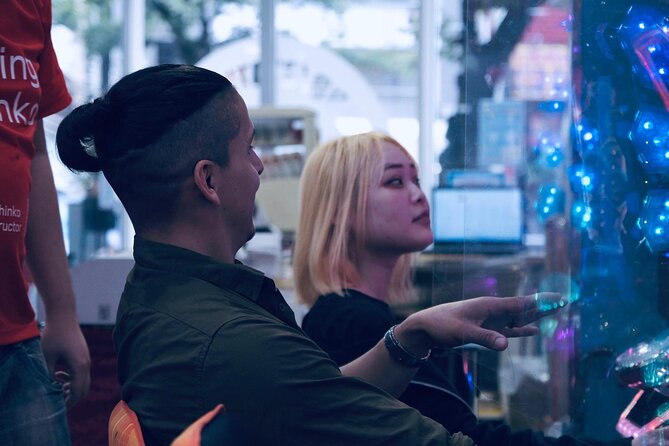
A core part of the lesson is learning the game flow for buying and using credits. The tour specifically walks you through purchasing credits using an IC card. That detail is important. Many first timers expect tokens and balls to be a simple purchase at the counter, then they get stuck in translation when it’s time to load credits.
With instruction, you can get past the setup stage quickly. You learn the basics of how the machine expects your credits to be loaded, and then you transition into the physical part of the game.
Think of this as “pay attention once so you’re not stuck later.” In a 1 hour 15 minute experience, every minute counts. The more time you spend figuring out the electronics, the less time you spend practicing.
A different sort of day in Japan:
- Tokyo: teamLab Planets TOKYO Digital Art Museum Entry Ticket
★ 4.6 · 9,779 reviews - Mt Fuji & Hakone Cruise, Drum Show Bullet Train 1 Day from Tokyo
★ 4.0 · 7,413 reviews - Tokyo: Sumo Show Experience with Chicken Hot Pot and a Photo
★ 4.8 · 6,678 reviews - Tokyo: Shinjuku Food Tour (13 Dishes at 4 Local Eateries)
★ 5.0 · 6,603 reviews
The main skill: flicking the handle and aiming for the center pocket
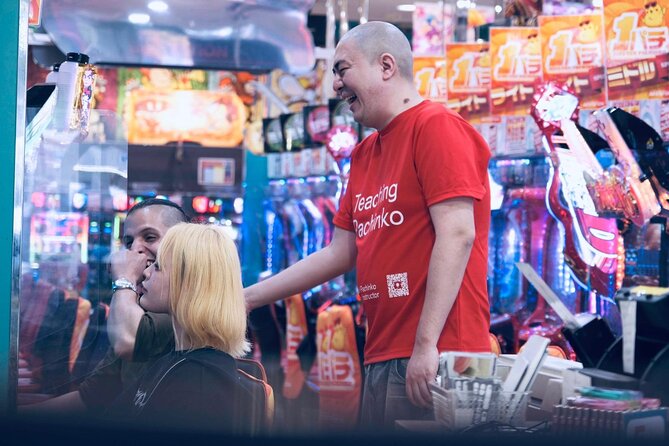
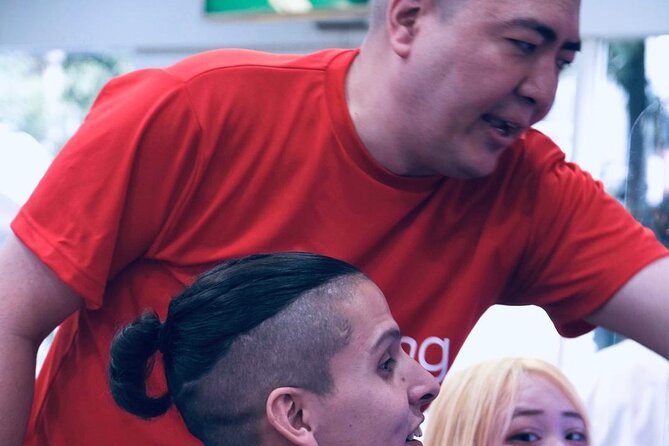
This is the star of the tour. You practice “real pachinko experience” with an expert trainer, not just a general overview. The instructor shows you how to launch balls with a flick of the handle and gives tips on adjusting handle position.
The tour highlights a specific goal: aiming for the center pocket with precision. That’s a useful mental anchor. Instead of trying to control every unpredictable bounce, you aim at a target area, using consistent handle technique to give yourself a better chance.
In practical terms, what I’d focus on while you’re learning:
- Keep your handle action as consistent as possible, because the game responds to your inputs
- Pay attention to how your handle position changes the result, then copy that adjustment next round
- Treat each attempt as feedback, not as a pass/fail test
You also learn the rhythm of how the machine expects you to play. Pachinko isn’t only about strength, it’s about repeatability. Once you understand what to do, the machine goes from chaos to a controllable routine.
What winning feels like, and why learning is the point
The supplied feedback leans positive on one key theme: people have fun, and some manage to win. One participant highlighted that they received great information on how to play and even won, with the clear takeaway that winning is not guaranteed, but learning is.
That matches how you should plan emotionally. Pachinko can feel like a game of skill, but it’s still a game of chance driven by a machine designed to generate outcomes. The sensible mindset is: you’re there to learn the technique, understand the system, and have a guided practice session.
If you do win, great. If you don’t, you’ll still leave with something valuable, you can sit down at a parlor afterward and understand what you’re doing. That alone can turn a frustrating attempt into an enjoyable one the next time you try.
Also, there’s a practical benefit that matters for beginners. With coaching, you’re more likely to find machines that you can actually play confidently, instead of getting lost in the parlor maze. That makes the experience feel less intimidating right away.
How the 1 hour 15 minute schedule actually works
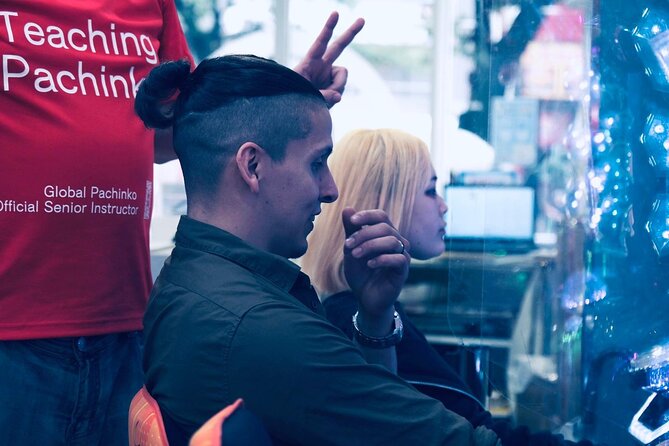
You’re in and out. The flow is straightforward:
- Meet at Nippori Station
- Head to BB station
- Get a 5 to 10 minute rules and manners briefing
- Start playing with your trainer, practicing the mechanics and getting advice as you go
- The activity ends back at the meeting point
That timing is the right format for first timers. It’s long enough for setup and practice, but short enough that you don’t feel trapped in one activity that isn’t clicking.
Two practical strategies will help you get the most from the limited time:
- Listen hard during the briefing, because it sets up the “why” behind the actions
- Ask questions while you’re playing, not only before, since the instructor can correct technique in real time
If you’re having a good run at your first machines, it can be tempting to rush to the end. Instead, slow down just a bit and focus on understanding the technique you’re using. Even a short session can teach you a lot if you pay attention to what changes when you change your handle position.
Price in real life: $70.73 plus token rental
The tour price is $70.73 per person, and gratuities are included. You’re also getting a professional pachinko instructor and coaching during a live session. That’s the core value here. You’re paying for setup guidance, translation support through the steps of play, and the hands-on technique coaching you would otherwise struggle to figure out alone.
But you should budget for what’s not included. The tour notes a token/balls rental fee of 4,000 JPY per person and bottled water is not included. If you want a clean budget estimate, add the 4,000 JPY to your tour cost and plan to spend that on play.
This matters because the total out-of-pocket experience is not just the tour price. The fee for tokens and balls is the part that determines how long you can comfortably keep playing and practicing.
Also, group discounts exist, and the group size is capped at 10 people. Smaller groups typically mean more help when you hit a confusing moment at the machine.
Who this pachinko lesson is best for
This tour makes sense for people who want a hands-on Tokyo experience without having to learn everything by trial and error.
It’s especially good if you:
- Are curious about traditional Japanese games and want to try one in a real parlor
- Prefer short, structured coaching over wandering and guessing
- Want help navigating setup details like IC card credits
- Learn best when someone corrects your technique while you’re actively playing
It might not be the best fit if you want to spend most of your time watching rather than participating, or if you’re on a tight budget and don’t want to add the token/ball rental fee.
That said, the instruction and small group format make it one of the more beginner-friendly ways to try pachinko in Tokyo.
Practical tips before you go
You’ll get more from the lesson if you show up ready to participate.
A few simple ideas:
- Wear comfortable shoes. Parlor floors are busy and you may stand near machines for stretches
- Bring a calm attitude. The goal is technique, not instant victory
- If you’re unsure about how much to play, ask the instructor for a quick suggestion based on your comfort level
Because the tour includes gratuities but not the token/ball rental fee, it helps to plan mentally that you’ll pay that extra amount to participate fully.
Should you book this pachinko tour?
I think you should book this if you want pachinko without the usual beginner frustration. The combination of an instructor, the pre-play rules and manners briefing, and the focus on key mechanics like handle flick technique and aiming for the center pocket makes it a smart learning experience.
Don’t book only if you’re trying to do pachinko on a strict budget, or if you’d rather not pay for token/ball rental to practice. In that case, you might prefer a different format, like just watching and sampling the idea without hands-on play.
If you fall into the first group, go for it. This is one of those short Tokyo activities where the difference between enjoying it and feeling lost comes down to getting the right guidance at the right moment.
Newly listed around Tokyo
- Authentic Kimono Culture Experience Dress, Walk, and Capture★ 5.0 · 57 reviews
- From Tokyo: Top 5 Scenic Spots of Mount Fuji Full-Day Tour★ 4.5 · 67 reviews
- Historic Kamakura: Temples, Shrines and Street Food Private Walking Tour★ 5.0 · 6 reviews
- Private Departure Tour from Hotel/Airport/Cruise (5-6 Hrs)★ 5.0 · 6 reviews
- Creative Japanese Cooking in a Beautiful Tokyo Home with Makiko★ 5.0 · 7 reviews
- Personal Travel and Vacation Photographer Tour in Tokyo★ 5.0 · 19 reviews
- Narita Airport: One Way Private Transfer to Tokyo|Yokohama Hotels★ 4.5 · 69 reviews
- One day private tour to Nikko with English speaking driver★ 4.5 · 6 reviews
Tokyo Tours, compared.

Mt Fuji and Hakone 1-Day Bus Tour Return by Bullet Train
Read our review →

teamLab Planets TOKYO Digital Art Museum Entry Ticket
Read our review →
Mt Fuji & Hakone Cruise, Drum Show Bullet Train 1 Day from Tokyo
Read our review →
Sumo Show Experience with Chicken Hot Pot and a Photo
Read our review →
Shinjuku Food Tour (13 Dishes at 4 Local Eateries)
Read our review →