Review · LOCAL FOOD WALKS
Historic Kamakura: Temples, Shrines and Street Food Private Walking Tour
Kamakura is a temple-and-snack day. This private 6-hour walk links Engaku-ji views with Komachi dori street food, then slows down for tea in the bamboo at Hokoku-ji. I like that lunch and drinks are built in, including snacks and even alcoholic beverages. The one tradeoff is the route has some uphill and uneven steps, so plan on moderate physical effort.
The tour is run for only your group, and you get a mobile ticket plus entrance fees covered. I also appreciate the guide approach, with names like Simon and Chuck showing up in feedback for being personable, helpful, and good at timing breaks without rushing anyone.
You’ll finish at Kamakura Station after a morning that starts at Kita-Kamakura Station and hits five standout stops. If you want classic Kamakura sights with zero planning stress and plenty of food breaks, this is an easy choice.
In This Review
- Key highlights you should care about
- A temple-and-street-food mix that actually feels like a plan
- Price and what you really get for the money
- Route overview: from Kita-Kamakura to Komachi dori to the Great Buddha
- Engaku-ji: Busudan hall, Buddha woodwork, and a climb worth it
- Tsurugaoka Hachimangu Shrine: torii gates, the main hall, and treasures
- Komachi dori: lunch as street-food sampling, not a single meal
- Hokoku-ji bamboo temple: bamboo grove cool, and green tea at a tea house
- Daibutsukiritoshi and the Great Buddha: a big bronze moment
- The guide matters more than you think, especially on a private tour
- Food and drink included: why it’s a real convenience win
- Logistics that can make or break the day
- When to book
- Who this Kamakura private tour is best for
- Should you book this tour?
- FAQ
- Where is the tour meeting point and what time does it start?
- Where does the tour end?
- How long does the private walking tour last?
- Is this a private tour or shared group?
- What stops are included on the route?
- What food and drinks are included?
- Are entrance fees included?
- Are transportation costs included?
- What fitness level do I need?
- Can I cancel, and what happens with poor weather?
Key highlights you should care about
- Busudan hall at Engaku-ji, plus a climb for big views and tengu statues
- Tsurugaoka Hachimangu Shrine as Kamakura’s top Shinto stop, including a small treasures museum
- Komachi dori lunch as street-food sampling, not just a quick pass-by
- Hokoku-ji bamboo grove where you slow down for a traditional cup of green tea
- Daibutsukiritoshi and the Great Buddha, with admissions included
- All the food and drink are handled, from lunch and snacks to bottled water and soda
A temple-and-street-food mix that actually feels like a plan
Kamakura is famous for temples, shrines, and that laid-back seaside rhythm. What makes this tour work is the mix. You get serious cultural stops, but you also get time to eat, wander, and breathe, especially on Komachi dori. The result is a day that feels like sightseeing with a real human pace, not a checklist.
I also like that it’s built around clear order. You start at Kita-Kamakura Station and end at Kamakura Station, which helps you avoid backtracking. And since entrance fees and food are included, you’re not constantly pulling out a calculator mid-walk.
More Food Tours in Tokyo
- Tokyo: Shinjuku Food Tour (13 Dishes at 4 Local Eateries)
★ 5.0 · 6,603 reviews - Tokyo Tsukiji Fish Market Food and Culture Walking Tour
★ 5.0 · 3,184 reviews - Tokyo: Shinjuku Food Tour (15 Dishes and 4 Eateries)
★ 4.9 · 2,033 reviews
Price and what you really get for the money
The price is $220.22 per person for an about 6-hour private walking tour. That sounds steep at first, until you break down what’s included. Your entrance fees are covered. Lunch and snacks are included. Drinks are included too, including bottled water and soda/pop, plus alcoholic beverages. On top of that, you’re paying for a guide for the full day.
For me, the value comes from time. Getting around Kamakura on your own means you’re juggling train timing, ticket lines, and figuring out where to eat without wasting hunger hours. Here, the day is arranged so you move from one major site to the next, then drop into food time when it fits.
The other practical factor is that this is private. You’re not sharing your guide’s attention with strangers. That matters most if you have family needs or you just want the guide to adjust pace when your group wants more time at a hall, or wants to step back after a busier street section.
Route overview: from Kita-Kamakura to Komachi dori to the Great Buddha
This tour is organized into five major stops, each with a set amount of time. The schedule looks like this, in plain language:
- Engaku-ji first, including a climb and views
- Tsurugaoka Hachimangu next, then a short museum stop
- Komachi dori as your lunch and street-food zone
- Hokoku-ji for the bamboo grove and tea
- Daibutsukiritoshi for the Great Buddha area
The pacing is important. Engaku-ji gets time for you to explore, and Komachi dori gets time for you to eat. Then you get the quiet contrast at Hokoku-ji. The day doesn’t just rush from photo stop to photo stop. It alternates energy levels, which makes a big difference over a 6-hour walk.
Engaku-ji: Busudan hall, Buddha woodwork, and a climb worth it
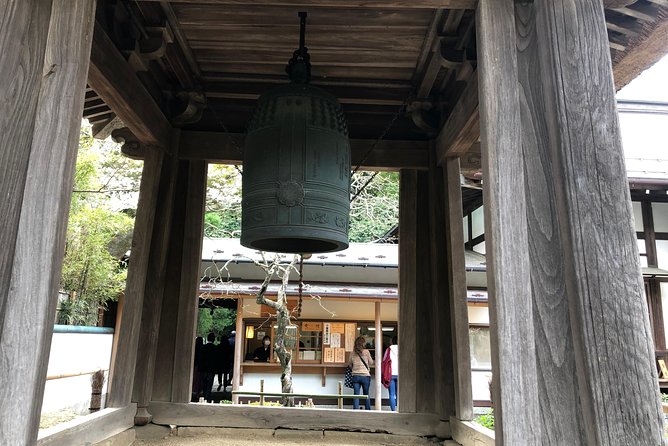
Engaku-ji is the kind of place that rewards slow walking. You start by exploring the temple complex, including the Busudan hall, which houses a wooden statue of Buddha. That detail matters because it’s not just a courtyard photo moment. You’re seeing how the site is structured and what’s preserved there.
Then comes the part many people will remember: the slopes behind the temple. You’ll climb for fantastic views and to spot many tengu statues. Even if you don’t love hiking, this is a short climb within a bigger cultural stop. It’s exactly where a guide helps, because you’re not guessing which path leads to the best vantage points.
One thing to consider: this is where moderate fitness comes in. The tour is built for people who can handle some uphill. If you know your legs get tired quickly, wear supportive shoes and plan to take breaks when your guide suggests them.
More Food Walks in Tokyo
- Tokyo Night Foodie Tour in Shinjuku – Seasonal Sushi, Wagyu Beef
★ 5.0 · 1,161 reviews - Shinjuku Izakaya Food Tour
★ 5.0 · 1,041 reviews - Eat and Drink Like a Local: Tokyo Ueno Food Tour-Taverns&Ramen
★ 5.0 · 957 reviews - Tokyo: Shibuya Food Tour (13 dishes and 4 Eateries)
★ 5.0 · 770 reviews
Tsurugaoka Hachimangu Shrine: torii gates, the main hall, and treasures
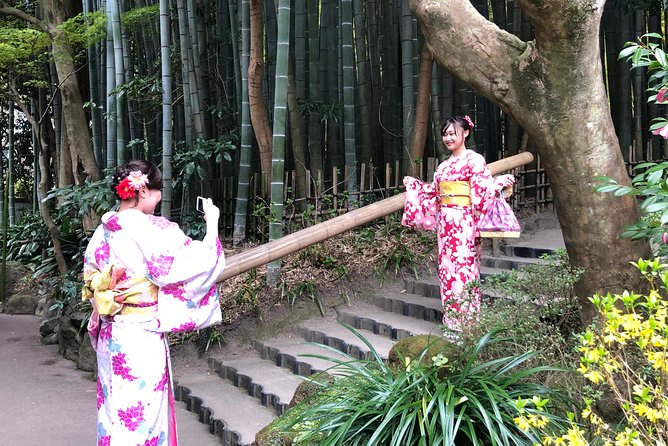
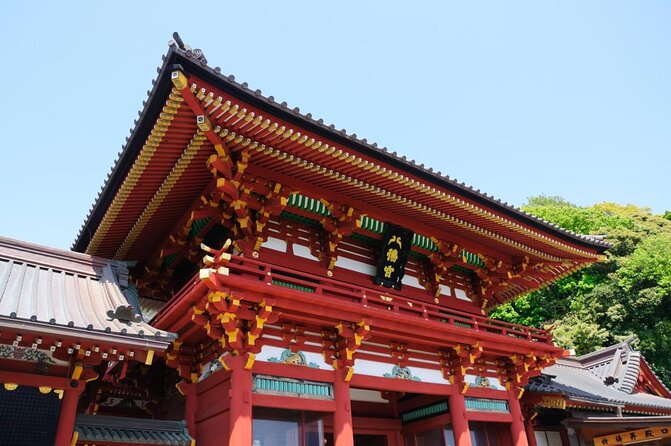
After Engaku-ji, you shift from Buddhist temple grounds to Kamakura’s most important Shinto shrine: Tsurugaoka Hachimangu. The focus here is classic structure and ritual space. You’ll see torii gates and the main hall, and you’ll also have time for a small museum of treasures.
This stop is valuable because it gives you the big-picture feel of Kamakura. Buddhism and Shinto live side by side here, and the shrine is central to how the town presents its heritage. The museum time adds depth without turning the day into a museum day.
The time here is shorter than Engaku-ji, but you still get enough room to take in the setting. If you like being outside and reading the vibe of a place, this is a good mid-tour break before you head into the busy food street.
Komachi dori: lunch as street-food sampling, not a single meal
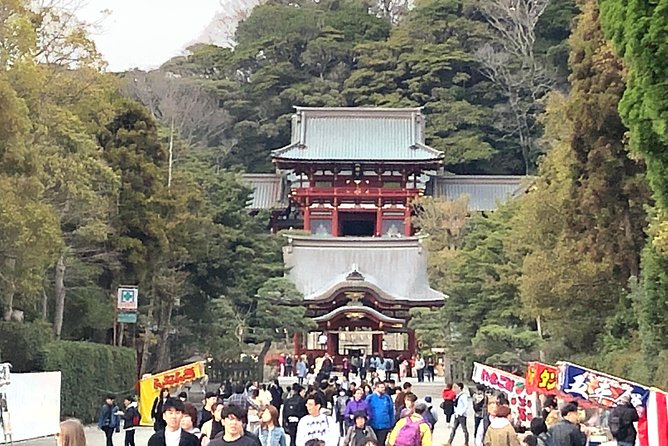
Komachi dori is Kamakura’s famous shopping and street-food street. The tour uses it well. Instead of treating it like a quick stroll, it builds in about an hour specifically for eating and wandering.
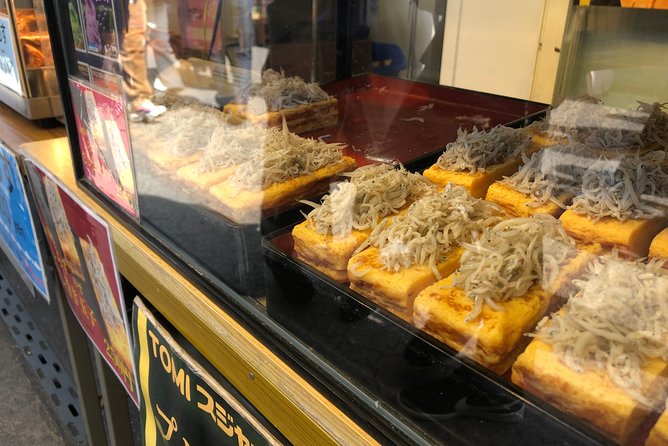
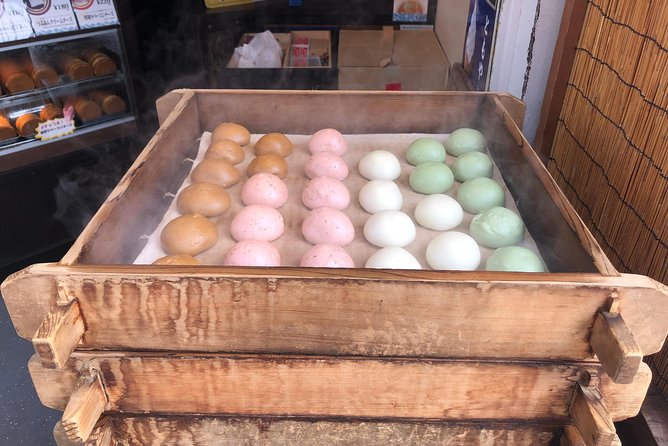
You’ll find delicious eateries and stalls selling a lot of sweet and savoury delights. Then you’ll enjoy a lunch of sampling a variety of local street food. That sampling style is a big win. You get to try more than one thing, so you’re not stuck with a single meal choice that might not fit your tastes.
If you’re worried about finding the right snacks, let that worry go. This part of the tour is basically a guided shortcut to what’s worth trying. It’s also a good place to reset your energy after the earlier temples.
Hokoku-ji bamboo temple: bamboo grove cool, and green tea at a tea house
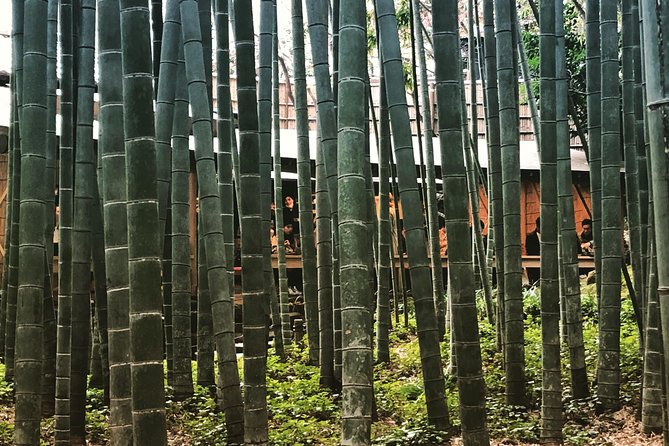
Then you step into a totally different mood at Hokoku-ji, known as the bamboo temple. This is where the day slows down. You’ll relax in the cool bamboo grove, and you’ll have a traditional cup of green tea at a tea house located among the bamboo.
This stop works for two reasons. First, it offers contrast. You get busy street food energy earlier, and then quiet nature energy here. Second, tea in this setting feels like part of the architecture and atmosphere, not just a beverage stop.
I like this segment because it’s structured but not rushed. You’re given time to absorb the setting, take a breather, and enjoy a simple ritual that locals would recognize as a normal way to pause during a walk.
Daibutsukiritoshi and the Great Buddha: a big bronze moment
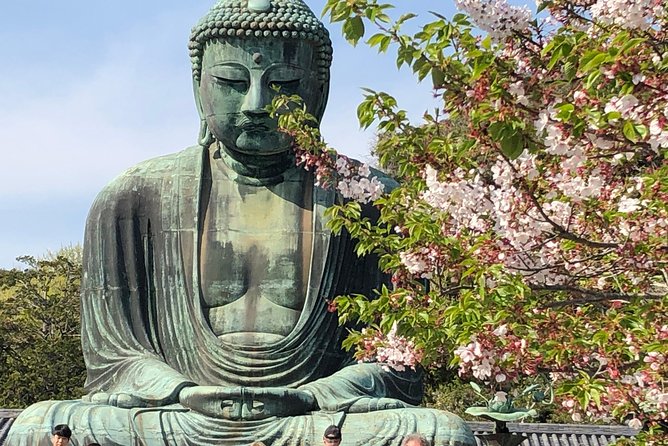
The final major highlight is the Great Buddha of Kamakura, located at Daibutsukiritoshi. You’ll see the bronze statue, and it’s noted as Japan’s second largest bronze buddha.
This stop is short, about 30 minutes. That’s enough for the main viewing area, and it keeps the day from dragging into late afternoon. If you want to spend extra time here on your own, your guide can help you understand where you might want to linger after the tour ends at Kamakura Station.
The Great Buddha is also one of those sights where your expectations matter. If you come in thinking it’s just a photo, you’ll miss some of what makes it special. Stand, look, and take a minute to notice scale.
The guide matters more than you think, especially on a private tour
Because this is private, your guide shapes how the day feels. The feedback highlights this again and again. Guides like Simon and Chuck are described as friendly and engaged, with a knack for timing and flexibility.
One of the most helpful themes in the names shared is care. There’s mention of a guide being considerate of older parents and helpful with a little one. That tells me the tour isn’t just a script. A good guide helps you adjust, keep the group comfortable, and move at a pace that fits real people, not just a schedule.
If you’re the type who likes context while you walk, this kind of guide attention is worth paying for. It also helps when you hit busy areas like Komachi dori, where it’s easy to get lost or spend time wandering in circles.
Food and drink included: why it’s a real convenience win
Food included is not a small perk on a day like this. It changes your choices. You’re not trying to find a restaurant when you’re hungry after walking uphill. You’re not paying separately for entrances and a bunch of small snacks.
Here’s what’s included:
- Lunch
- Snacks
- Alcoholic beverages
- Bottled water
- Soda/pop
- Entrance fees
I especially like the mix of practical drinks like bottled water and soda/pop, plus the option for alcoholic beverages. On a walking day, having hydration and easy access to refreshment keeps your energy steady.
Also, because this is a private tour, the food time is likely easier to manage for your group than when you’re on your own. You’re not making every decision from scratch.
Logistics that can make or break the day
Start at 9:00 am at Kita-Kamakura Station. You’ll end at Kamakura Station. That one-way feel is helpful. You’re not repeatedly re-routing to chase the next stop.
It’s also described as near public transportation, which is a relief if you’re traveling from Tokyo. Still, transportation costs are not included. Plan for trains or whatever route you use to get to Kita-Kamakura.
Physical side note: you should have moderate physical fitness. Engaku-ji includes climbing slopes, and temple visits often involve uneven ground. If you can handle a steady walk with some stairs or small climbs, you’ll likely be fine.
Finally, the tour has a mobile ticket, and it runs as a private activity with only your group. That means the meeting point and timing matter more than on a free-flow group bus tour.
When to book
This tour is often booked far in advance, with an average booking window around 95 days. If you’re aiming for a specific date, I’d plan ahead. A private day in Kamakura can be harder to get last minute than the usual big group tours.
Who this Kamakura private tour is best for
I think this tour fits you best if:
- You want classic Kamakura sights, but you don’t want to plan every turn
- You care about food, and you like street-food tasting with guidance
- You want a calm contrast stop like the bamboo grove at Hokoku-ji
- You prefer a private group experience with entrance fees and food handled
It may be less ideal if your group wants a long, unstructured day with no guided timing at all. The day is scheduled, and it works best when you’re okay with set time windows for each stop.
Should you book this tour?
Book it if you want a stress-free Kamakura day with the right mix of major temples, a shrine that anchors the town, and lunch that turns into a fun street-food break. The included entrance fees and the full food and drink package are a strong value, and the private format makes the pacing feel more personal.
Skip or consider alternatives if your group is very sensitive to walking uphill or you want total freedom to roam at your own speed without a guided route. For everyone else, this is a solid way to see the highlights while still getting the local flavor at Komachi dori, then cooling off in the bamboo at Hokoku-ji.
FAQ
Where is the tour meeting point and what time does it start?
You meet at Kita-Kamakura Station. The start time is 9:00 am.
Where does the tour end?
The tour ends at Kamakura Station.
How long does the private walking tour last?
It runs about 6 hours.
Is this a private tour or shared group?
This is a private tour/activity. Only your group participates.
What stops are included on the route?
The tour includes Engaku-ji, Tsurugaoka Hachimangu Shrine, Kamakura Komachidori, Hokoku-ji, and Daibutsukiritoshi.
What food and drinks are included?
Lunch and snacks are included. Bottled water, soda/pop, and alcoholic beverages are also included.
Are entrance fees included?
Yes, entrance fees are included.
Are transportation costs included?
Transportation costs are not included.
What fitness level do I need?
The tour is listed for travelers with a moderate physical fitness level.
Can I cancel, and what happens with poor weather?
Free cancellation is available up to 24 hours in advance for a full refund. The experience requires good weather, and if it is canceled due to poor weather, you will be offered a different date or a full refund.
More Shrine & Temple Visits in Tokyo
- Tokyo: Meiji Shrine, Asakusa, Skytree Bus Tour and Cruise
★ 4.7 · 1,986 reviews - Tokyo: Asakusa Walking Tour with Sensoji Temple Visit
★ 4.8 · 1,583 reviews - Nikko: Kegon Falls, Lake Chuzenji & Toshogu Temple
★ 4.6 · 1,577 reviews - Tokyo: Nikko Toshogu Shrine and Kegon Waterfall Tour
★ 4.5 · 1,266 reviews
More History Tours in Tokyo
- Tokyo: Imperial Palace Japanese History Walking Tour
★ 4.9 · 987 reviews - Yanaka Walking Tour: Historic and Traditional District of Tokyo
★ 5.0 · 530 reviews - Tokyo: Shinjuku Historical Walking Tour & Secret Backstreets
★ 5.0 · 530 reviews - Mt. Fuji Heritage Tour: Traditional Villages, Lakes & Shrine
★ 4.5 · 509 reviews
Newly listed around Tokyo
- From Tokyo: Top 5 Scenic Spots of Mount Fuji Full-Day Tour★ 4.5 · 67 reviews
- Authentic Kimono Culture Experience Dress, Walk, and Capture★ 5.0 · 57 reviews
- Private Departure Tour from Hotel/Airport/Cruise (5-6 Hrs)★ 5.0 · 6 reviews
- Creative Japanese Cooking in a Beautiful Tokyo Home with Makiko★ 5.0 · 7 reviews
- Personal Travel and Vacation Photographer Tour in Tokyo★ 5.0 · 19 reviews
- Narita Airport: One Way Private Transfer to Tokyo|Yokohama Hotels★ 4.5 · 69 reviews
- Discover the Secrets of Pachinko, Japan’s Traditional Game★ 5.0 · 11 reviews
- One day private tour to Nikko with English speaking driver★ 4.5 · 6 reviews
Local Food Walks, compared.
Shinjuku Food Tour (13 Dishes at 4 Local Eateries)
Read our review →
Shinsekai Food Tour with 13-15 Dishes at 5 Eateries
Read our review →
Osaka Food Tour: 13 Dishes at 5 Local Eateries
Read our review →
Shinjuku Food Tour (15 Dishes and 4 Eateries)
Read our review →
Kyoto Night Foodie Tour in Gion (9+ dishes + 6 Sake tastings)
Read our review →
Hungry Osaka Street Food Tour:15 Tastings & 3 Drinks with a Local
Read our review →
Tokyo Night Foodie Tour in Shinjuku – Seasonal Sushi, Wagyu Beef
Read our review →