Review · TOKYO TOURS
Explore Japan Tour: 12-day Small Group
Japan feels simpler with a plan.
This max-8 Japan experience turns Tokyo to Kyoto into an organized, day-by-day flow, with the kind of hands-on guidance that helps you waste less time figuring things out. I especially like the mix of famous sights with slower, traditional moments, like your ryokan stay near Lake Kawaguchiko and the onsen time that goes with it.
The biggest thing to consider is that this is a fixed itinerary built around major highlights. If you want total freedom to linger, change cities, or skip big-ticket stops, this format may feel like you are checking boxes.
In This Review
- Key Points to Know Before You Go
- Why This Max-8 Japan Tour Feels Easier Than DIY
- Price, Hotels, and Included Meals: Where the Value Comes From
- Day 1 in Tokyo: Shibuya Crossing Gets You Oriented Fast
- Day 2 in Tokyo: Senso-ji, Tsukiji Outer Market, and Ueno
- Senso-ji Temple in Asakusa (about 2 hours)
- Tsukiji Outer Market (about 1 hour, admission included)
- Ueno Park and Ameya Yokocho (about 2 hours)
- Day 3: Lake Kawaguchiko and Fuji Views, Plus a True Ryokan Night
- What you do
- Day 4: Inuyama Castle, One of Japan’s Original Originals
- Day 5: Kiso Valley on the Nakasendo Trail, Magome-juku and Tsumago
- Day 6: Hiroshima Peace Memorial Museum and Atomic Bomb Dome Area
- Day 7: Miyajima and Itsukushima Shrine’s Floating Torii Gate
- Day 8 in Kyoto: Fushimi Inari Torii Gates and a Sake Museum Break
- Fushimi Inari Taisha (about 4 hours, admission free)
- Gekkeikan Okura Sake Museum (about 2 hours, admission included)
- Day 9: Kiyomizu-dera and Higashiyama District Walking Time
- Why this works
- Day 10: Golden Temple (Kinkaku-ji) and Zen Rock Garden (Ryoanji)
- Kinkakuji Temple, Golden Temple (about 1 hour, admission included)
- Ryoan-ji Temple Zen Garden (about 1 hour, admission included)
- Day 11: A Free Day in Tokyo, Plus Optional Tokyo National Museum
- Day 12: Narita International Airport Terminal 1, Observation Deck Stop
- The Real Day-to-Day Difference: How Guides Like Shawn and Becki Change the Trip
- Who This Tour Fits Best (And Who Might Want a Different Style)
- Should You Book Japan and More’s 12-Day Small Group Tour?
- FAQ
- How big is the group for this Japan tour?
- How long is the tour?
- Where does the tour start and where does it end?
- What meals are included?
- Are hotel stays included?
- What are examples of attractions with included admission tickets?
- Is there any free time during the trip?
- What is the physical fitness requirement?
- What is the cancellation policy?
Key Points to Know Before You Go
- Small group, big help: Max 8 people means more personalized attention when plans or train transfers get tricky.
- Ryokan + onsen + kaiseki: Lake Kawaguchiko is set up as a true overnight-style highlight, not just a quick photo stop.
- Temples, shrines, and castle time: You get a balanced Japan mix, from Inuyama Castle to Kiyomizu-dera and Ryoanji.
- Hiroshima and Miyajima built in: The trip includes Peace Memorial sites and the famous torii at Itsukushima Shrine.
- Meals and tickets are included: All breakfasts plus seven dinners, and multiple paid admissions are handled for you.
- Tokyo has a free window: Day 11 leaves room to reset, shop, or add an optional Tokyo National Museum outing.
Why This Max-8 Japan Tour Feels Easier Than DIY
Japan can be intimidating at first, mostly because everything is efficient, organized, and packed into the same small spaces. A group plan helps you get your bearings fast, especially on days that involve multiple stops and transport changes.
What makes this one work is the small group size and the way the guides manage the details. The tour is led by Shawn and Becki, and their help shows up in the kind of “you don’t have to think about the logistics” experience people remember. On top of that, the guides are fluent in Japanese, which matters when you need clarity fast.
You also get practical tech support with a mobile ticket, plus group discounts. That combo usually translates into fewer last-minute surprises and less time lining up or double-checking paperwork.
A few more Tokyo days to weigh up
- Mt Fuji and Hakone 1-Day Bus Tour Return by Bullet Train
★ 5.0 · 26,383 reviews - 1-Day Tokyo Bus Tour
★ 5.0 · 14,250 reviews - Tokyo: TOKYO SKYTREE® Admission ticket
★ 4.5 · 11,192 reviews
Price, Hotels, and Included Meals: Where the Value Comes From
At $8,648 per person for an about 12-day plan, this is not a budget trip. But the value is in what is already bundled, not in trying to squeeze every yen out of the trip.
Here is what you can count on from the tour description:
- Accommodation in 3/4-star hotels plus at least one traditional ryokan
- All breakfasts and seven dinners
- A set number of paid admissions are included, while some major stops are marked as free
- Multiple meals and sites are arranged so you are not constantly hunting for tickets or switching plans
The “you’re paying for convenience” argument matters most when you are visiting places like Kyoto and Hiroshima, where timing, getting to the right entrances, and moving efficiently is half the battle. If you plan to do all of this yourself, the cost is rarely only transportation. It becomes hotels, train reservations, and tickets, plus the mental load of building the route.
One more value point: using a prebuilt route reduces the chance of arriving late to a key temple stop or showing up during the time when lines are worst. You still do plenty of walking, but the schedule is designed to keep you moving with purpose.
Day 1 in Tokyo: Shibuya Crossing Gets You Oriented Fast
Your Tokyo start puts you right in the thick of things. Shibuya Crossing is the one stop that helps you understand scale: huge crowds, big screens, and that Tokyo rhythm where everything moves but nobody looks rushed.
You get about 1 hour here, with admission listed as free. That is enough time to do the classic moment, then wander the surrounding area to pick up the local layout. If you are the type who gets overwhelmed in a new city, this is a smart first day.
Practical tip: wear comfortable shoes, and plan to take photos, not just for the crosswalk, but to get your first mental map. Tokyo neighborhoods are easier to navigate once you have seen one major hub.
Day 2 in Tokyo: Senso-ji, Tsukiji Outer Market, and Ueno
Day 2 is a great blend of old and new Tokyo energy.
A different sort of day in Japan:
- Tokyo: teamLab Planets TOKYO Digital Art Museum Entry Ticket
★ 4.6 · 9,779 reviews - Mt Fuji & Hakone Cruise, Drum Show Bullet Train 1 Day from Tokyo
★ 4.0 · 7,413 reviews - Tokyo: Sumo Show Experience with Chicken Hot Pot and a Photo
★ 4.8 · 6,678 reviews - Tokyo: Shinjuku Food Tour (13 Dishes at 4 Local Eateries)
★ 5.0 · 6,603 reviews
Senso-ji Temple in Asakusa (about 2 hours)
You start at Senso-ji, Tokyo’s oldest Buddhist temple, built in 645 AD. The time block is 2 hours, and admission is listed as free.
This is one of those places where the details matter. You are there for the temple grounds and the surrounding streets, which makes it feel like a neighborhood stroll rather than a museum-style visit. If you like atmosphere, this is where it begins.
Tsukiji Outer Market (about 1 hour, admission included)
Next comes Tsukiji’s Outer Market, a lively, historic food area with seafood vendors. You get around 1 hour, with admission listed as included.
This is not a sit-down meal day. Think quick tastes and snack-sized decisions. The value here is that you are led to the market vibe without having to figure out what is open and where to start.
Ueno Park and Ameya Yokocho (about 2 hours)
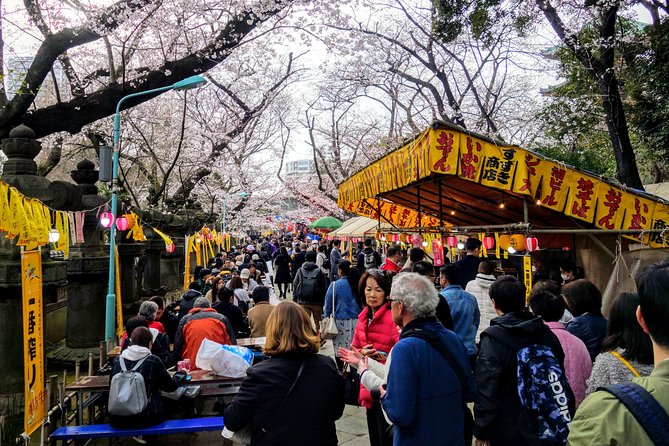
You finish with Ueno Park, highlighted in the plan as a cherry blossom moment, plus time in the small shopping alleys of Ameya Yokocho. It’s about 2 hours, and admission is free.
Even if you are not traveling during peak blossoms, Ueno is still a strong choice because it mixes greenery with shopping streets. It also gives you a different feel from Asakusa, so you don’t get “same type of street” fatigue.
Day 3: Lake Kawaguchiko and Fuji Views, Plus a True Ryokan Night
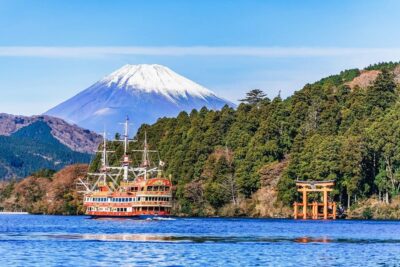
This day is a trip within a trip. You spend about 8 hours in the Lake Kawaguchiko area, and admission is included.
What you do
- View Mount Fuji from the Lake Kawaguchiko area
- Stay in a traditional ryokan
- Soak in mineral-rich hot spring onsen
- Have an authentic Japanese kaiseki dinner
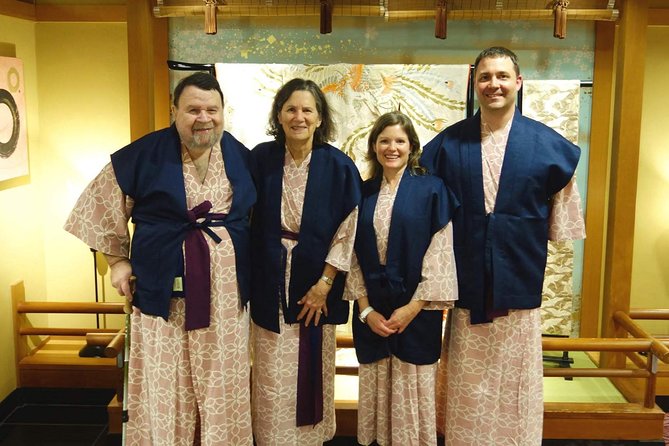
This is the part of the tour that feels most “Japan-as-a-ritual,” not just Japan-as-a-photo. The ryokan + onsen combo changes the pace. Instead of sprinting between sights, you slow down, dress for dinner, and actually enjoy the setting.
A practical note: ryokan experiences often come with rules about timing and how you use facilities. The good news is the itinerary has it scheduled, so you are not guessing how the day will flow.
If you want the tour to feel special, this is the day to lean into.
Day 4: Inuyama Castle, One of Japan’s Original Originals
Day 4 is about Inuyama Castle, described as 480 years old and one of only 12 original castles in Japan, designated a National Treasure. You get 4 hours, with admission included.
This stop stands out because castles are sometimes treated like generic “fortress museums.” Inuyama is a different experience: it is more compact, more local-feeling, and it has the credibility of age.
Practical tip: castles involve stairs and uneven walking. You do not need to be athletic, but moderate physical fitness makes this day more comfortable.
Day 5: Kiso Valley on the Nakasendo Trail, Magome-juku and Tsumago
Day 5 slows down the sightseeing style. You spend about 8 hours exploring the preserved post towns of Magome-juku and Tsumago in the Kiso Valley.
This is tied to the Nakasendo Trail, the route connecting Tokyo and Kyoto during the Edo Period. The idea here is simple: you see what “travel days” looked like before bullet trains and highways.
Admission is listed as free for this stop, which is a nice bonus since you still get a full day of meaningful sightseeing.
What to expect:
- Old streets and traditional town layout
- A feeling of stepping back into a slower rhythm
If you like historic towns, this day gives you a break from big-city intensity.
Day 6: Hiroshima Peace Memorial Museum and Atomic Bomb Dome Area
Day 6 is heavier. You travel to Hiroshima, spend about 4 hours, and admissions are included.
You will:
- Take a streetcar ride
- See the Atomic Bomb Dome
- Visit Peace Memorial Park and the Peace Memorial Museum
This is not a casual checklist stop. The value is in how the sites are grouped in one block so you can connect the story without rushing. It also makes the day feel coherent, rather than scattered across the city.
Practical note: museums and memorial parks can be mentally draining. This day has a defined time, but you may still want a quiet moment afterward.
Day 7: Miyajima and Itsukushima Shrine’s Floating Torii Gate
Day 7 adds a very different mood. You catch a ferry to Miyajima and spend about 4 hours there, with admission included.
The centerpiece is Itsukushima Shrine and its famous floating torii gate. You also stroll Miyajima’s streets and paths and visit the World Heritage site.
This is one of those experiences where the walk matters as much as the shrine itself. The ferry ride also gives you movement and separation from the city day.
If you want classic Japan views plus a fun-feeling island atmosphere, this day delivers.
Day 8 in Kyoto: Fushimi Inari Torii Gates and a Sake Museum Break
Day 8 transitions you into Kyoto and keeps things varied. You have about 4 hours at Fushimi Inari Taisha and then 2 hours at Gekkeikan Okura Sake Museum.
Fushimi Inari Taisha (about 4 hours, admission free)
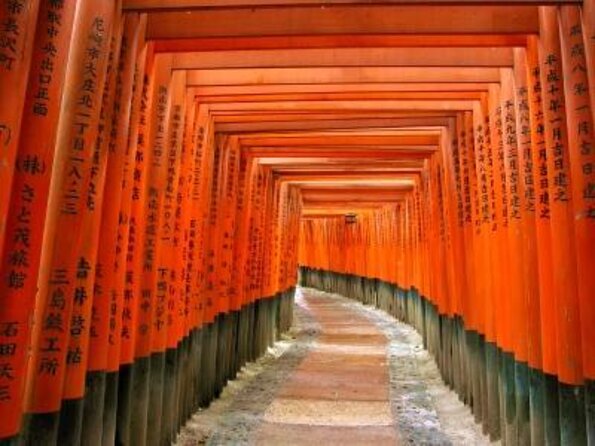
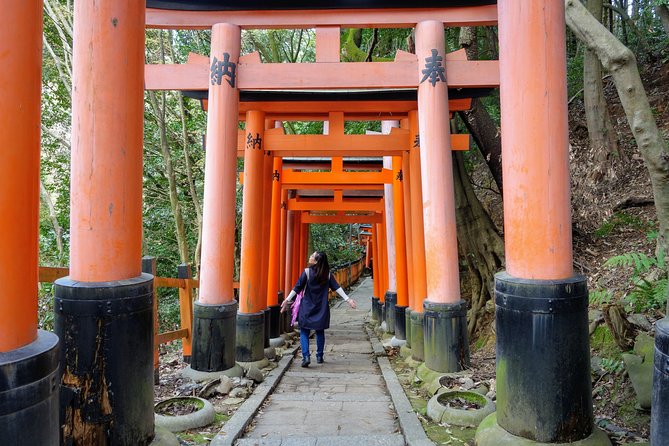
You see thousands of red torii gates at a shrine built in 711 AD. Admission is listed as free.
This stop is visually loud, which is exactly why it works. Even with short time, you feel like you are inside the iconic Kyoto scene.
Practical tip: expect crowds at peak times, and plan to slow down for the gate corridors instead of treating it like a straight line photo op.
Gekkeikan Okura Sake Museum (about 2 hours, admission included)
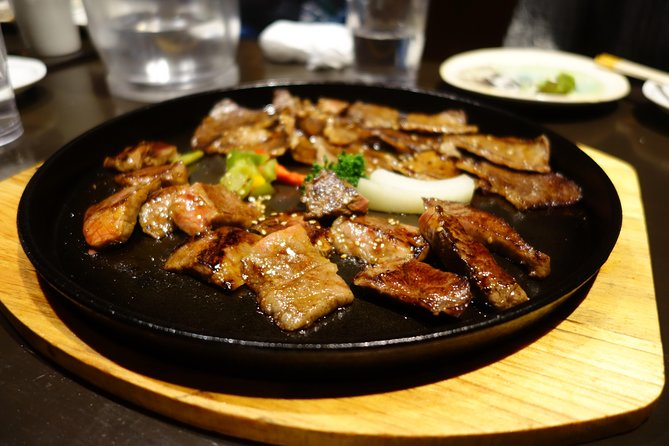
Next is the Gekkeikan Sake Brewery museum, founded in 1637. You see traditional techniques of making sake and taste several of the blends.
This is a smart contrast to temple-heavy days. It adds sensory learning, and the tasting element helps the stop feel interactive instead of purely observational.
If you like food and drink culture, this is one of the tour’s more “hands-on” blocks.
Day 9: Kiyomizu-dera and Higashiyama District Walking Time
Day 9 gives you 4 hours at Kiyomizu-dera, a World Heritage Site, plus a walk through the Higashiyama District with old wooden houses and small shops. Admission is included for this stop.
Why this works
Kiyomizu-dera provides the big, scenic temple moment. Then Higashiyama keeps the day human-scale, with streets that feel like they’re made for wandering.
If your feet start to get tired, this day is still worth it because the district walking gives you small breaks between viewpoints. You are not just going in and out of entrances.
Day 10: Golden Temple (Kinkaku-ji) and Zen Rock Garden (Ryoanji)
Day 10 is compact and focused, which can be a relief.
Kinkakuji Temple, Golden Temple (about 1 hour, admission included)
You get about 1 hour at Kinkaku-ji, the Golden Pavilion.
This is a classic “see it, then soak it in” stop. Short time is not the problem here, because you get a concentrated experience.
Ryoan-ji Temple Zen Garden (about 1 hour, admission included)
You follow with Ryoan-ji Temple and its famous zen rock garden. It’s about 1 hour, with admission included.
This is where the trip becomes calmer. After the visual impact of Kinkaku-ji, the rock garden gives you a different kind of Japan beauty.
Day 11: A Free Day in Tokyo, Plus Optional Tokyo National Museum
Day 11 is a gift. You get about 8 hours of freedom to explore your own way, plus an optional excursion to the Tokyo National Museum.
The practical value of a free day is huge in Japan. You can fix small problems (like buying something you forgot, finding a café you want to repeat, or returning to a neighborhood you liked). It also helps you avoid “temple burnout,” which is real after a string of iconic sites.
If you choose the museum option, you are staying in the Tokyo rhythm without losing the guided structure of the broader tour.
Day 12: Narita International Airport Terminal 1, Observation Deck Stop
Your tour ends with a final check-out and a move to Narita Airport Terminal 1 5F Observation Deck. This scheduled part takes about 2 hours, with admission included.
You also have a note that the activity ends back at the meeting point, so plan to keep an eye on how this final day aligns with your flight time. The safest approach is to treat this as a structured closing moment, not something you want to compress.
The Real Day-to-Day Difference: How Guides Like Shawn and Becki Change the Trip
The most praised parts from this tour are not just the sights. They are the way the trip runs.
Shawn and Becki are described as highly knowledgeable with fluent Japanese, and the logistics are handled masterfully. That translates into fewer moments of confusion on station transfers and a smoother day-to-day pace.
Another subtle win: the hotels and ryokan are positioned strategically to minimize the hassle of getting to the next train station. That matters because Japan’s rail network is excellent, but it still takes time to move between points.
If you like travel that feels confident, not chaotic, this tour design is built for that.
Who This Tour Fits Best (And Who Might Want a Different Style)
This is a great fit if:
- You are visiting Japan for the first time and want a route that covers major highlights
- You like traditional experiences, especially ryokan and onsen
- You want the planning load removed, with tickets and key admissions taken care of
- You are comfortable with a moderate fitness level and temple-stair walking
It might be less ideal if:
- You strongly prefer to customize every day
- You hate group pacing and would rather stay longer in one neighborhood
- You are looking for a lower-cost trip where you book everything yourself
One more honest note: the price is premium, so the smart move is to check whether the included hotels, meals, and admissions are a match for how you actually travel.
Should You Book Japan and More’s 12-Day Small Group Tour?
If you want Japan that feels organized, human, and efficient, I think you will like this. The itinerary strings together Tokyo, Fuji-area ryokan culture, castles and post towns, Hiroshima’s Peace Memorial sites, and Kyoto’s top temples without you needing to map every step.
Book it if you value convenience plus cultural moments, especially the onsen and kaiseki night. Don’t book it if you want total flexibility or you are trying to travel on a tight budget.
And because this experience is non-refundable and cannot be changed for any reason, treat it as a commitment. If your dates are firm, that helps. If you are still unsure, you might wait and plan something more adjustable.
FAQ
How big is the group for this Japan tour?
The tour is a small group with a maximum of 8 travelers.
How long is the tour?
The itinerary runs for 12 days approximately.
Where does the tour start and where does it end?
It starts in Tokyo, Japan. It ends back at the meeting point, and the final scheduled stop is at Narita International Airport Terminal 1 5F Observation Deck on Day 12.
What meals are included?
All breakfasts are included, and seven dinners are provided.
Are hotel stays included?
Yes. Accommodation is included in 3/4-star hotels and a traditional ryokan.
What are examples of attractions with included admission tickets?
Admission is included for stops such as Tsukiji Outer Market, Lake Kawaguchiko, Inuyama Castle, Hiroshima Peace Memorial Museum area stops, Itsukushima Shrine, Gekkeikan Okura Sake Museum, Kiyomizu-dera, Kinkakuji, Ryoanji, and the Narita Airport observation deck.
Is there any free time during the trip?
Yes. Day 11 is a free day with about 8 hours to explore, plus an optional visit to the Tokyo National Museum.
What is the physical fitness requirement?
You should have a moderate physical fitness level.
What is the cancellation policy?
This experience is non-refundable and cannot be changed for any reason. If you cancel or ask for an amendment, the amount you paid will not be refunded.
Newly listed around Tokyo
- Tokyo JDM Experience: Daikoku PA & Fast & Furious Night Drive★ 5.0 · 40 reviews
- Fast & Furious Tokyo Drift 3 (Kaila Yu-SP) : Experience Ride JDM★ 4.5 · 189 reviews
- Flavors of Japan Food Tour in Tokyo★ 5.0 · 39 reviews
- Tsukiji Fish Market Food Tour: Seafood, Street Food & Hidden Gems★ 5.0 · 85 reviews
- Explore Unique Tokyo Streets / Learn with a Pro Photographer★ 5.0 · 19 reviews
- Akihabara: Go-Kart Experience with Local Guide in Tokyo★ 4.5 · 57 reviews
- Tokyo Bike Tour: Shibuya & Hidden Tokyo★ 5.0 · 53 reviews
- Tokyo City 1-Day Private Tour with Bilingual Driver★ 4.5 · 78 reviews
Tokyo Tours, compared.
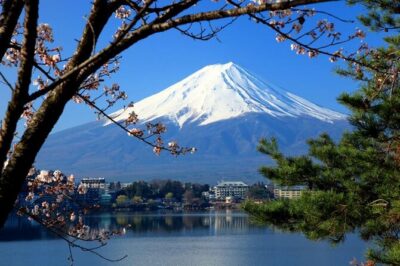
Mt Fuji and Hakone 1-Day Bus Tour Return by Bullet Train
Read our review →

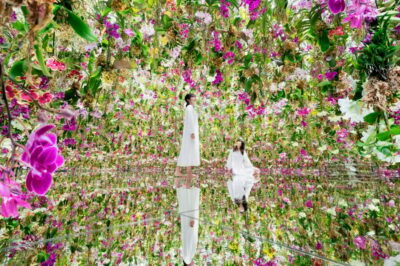
teamLab Planets TOKYO Digital Art Museum Entry Ticket
Read our review →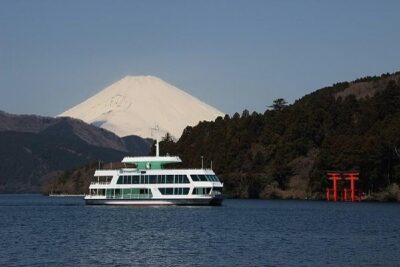
Mt Fuji & Hakone Cruise, Drum Show Bullet Train 1 Day from Tokyo
Read our review →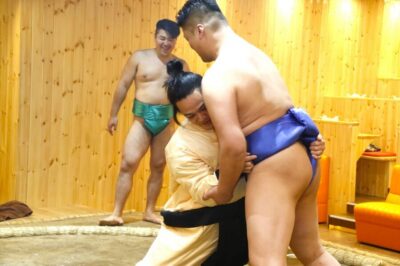
Sumo Show Experience with Chicken Hot Pot and a Photo
Read our review →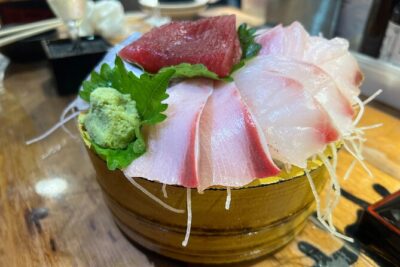
Shinjuku Food Tour (13 Dishes at 4 Local Eateries)
Read our review →