
Review · LOCAL FOOD WALKS
Flavors of Japan Food Tour in Tokyo
Wagashi and street tastes in one walk. What makes the Flavors of Japan Food Tour stand out is the way it teaches you through food: wagashi made and explained as you taste, plus a proper Washoku lunch with multiple Japanese set choices. I also like that it keeps the group small, so the guide can answer questions while you’re eating, not after. One thing to consider is that this is a concentrated, standing-and-walking style tour, so if you want a long sit-down meal or a super slow pace, plan for shorter breaks at each stop.
You’ll start in Nihonbashi around 10:30am and work your way through well-known shopping streets toward an underground “depachika” style market vibe after lunch. The tour is designed around regional Japan, so you’re not just sampling random snacks, you’re building a mental map of flavors, ingredients, and food culture along the way.
If you care about learning how Japanese dishes are assembled, you’ll get a lot here. The tradeoff is simple: it’s about tastings plus one included lunch, so you won’t leave Tokyo knowing every dish in Japan, you’ll leave knowing how to read a menu and order with confidence.
In This Review
- Key things to notice before you go
- Nihonbashi meetup and the “food map” approach
- Starbucks to wagashi: starting your taste education fast
- The wagashi experience: sweets with craft behind them
- Why dashi and pickles matter more than you think
- Fruit ship, 300-year knife shop, and the tea world
- Lunch with Washoku sets: your best chance to order confidently
- Depachika after lunch: how to use the rest of the day
- The included drinks and what to watch for
- Price and value: $209 for 3 hours plus a real meal
- Who this Tokyo food tour fits best
- A small caution: plan for a focused, snack-heavy rhythm
- Should you book Flavors of Japan Food Tour in Tokyo?
- FAQ
- Where does the tour start and what time does it run?
- What’s included in the price?
- What lunch options are available?
- What kinds of foods will you try?
- Is the tour suitable for vegetarians, vegans, or pescetarians?
- Is it family-friendly?
- Can I cancel for a refund?
Key things to notice before you go
- Small-group format (max 10) helps the guide keep things personal while you eat
- Wagashi lesson + tasting turns sweets into something you can actually describe
- Regional stops focus on ingredients like dashi, pickles, and tea, not just sweets
- A full Washoku lunch with multiple set options makes the tour feel like a real meal
- Depachika snack time after lunch gives you a practical way to keep exploring on your own
- Diet-friendly planning for vegan, vegetarian, and pescetarian guests is explicitly supported
Nihonbashi meetup and the “food map” approach
The tour begins in the Nihonbashi area, near a major shopping and transit hub. Your meeting point is Starbucks Coffee in the Nihonbashi Suruga Building (in the Coredo area). Start time is listed as 10:30am, and the experience runs for about 3 hours, which is right in the sweet spot for a short Tokyo day when you still want to do other sightseeing later.
What I like about this setup is the way it treats food like a map. Instead of doing one long lecture or only showing a few signature dishes, the guide connects tastings to where they come from and why they work together. That matters because Tokyo can feel overwhelming when you’re staring at menus full of terms that sound similar but aren’t. This tour helps you start recognizing patterns, like what pickles bring to balance, what dashi does for umami, and how different styles of sweets are built.
The pacing also fits the neighborhood. Nihonbashi and the Coredo shopping complex give you the “upmarket Tokyo” feel without losing access to local food culture. You’ll walk through several stops across the area, sampling along the way, then settle into a Washoku lunch before continuing into the depachika after.
More Food Tours in Tokyo
- Tokyo: Shinjuku Food Tour (13 Dishes at 4 Local Eateries)
★ 5.0 · 6,603 reviews - Tokyo Tsukiji Fish Market Food and Culture Walking Tour
★ 5.0 · 3,184 reviews - Tokyo: Shinjuku Food Tour (15 Dishes and 4 Eateries)
★ 4.9 · 2,033 reviews
Starbucks to wagashi: starting your taste education fast
The first stop is simple, Starbucks Coffee at Nihonbashi Suruga Building. It might sound like an odd opener until you realize the goal is to get everyone organized and ready to snack. Then the tour quickly shifts from coffee-shop logistics into real food education.
From there, you’re moving into core food territory around Nihonbashi and Coredo Muromachi. Coredo Muromachi 1 is specifically called out as part of the tour, and it’s the kind of space that makes it easy to move from one shop concept to the next without wasting time.
The core idea here is that your guide helps you taste with context. You aren’t just receiving items on a plate. You’ll sample and learn about how Japanese cuisine is built from key components, including:
- dashi (soup stock)
- tsukemono (pickled vegetables)
- satsuma imo (fried sweet potatoes)
- regional snack styles
- and tea alongside sweets
That pairing is smart. Japan’s flavor system often works like this: salty and savory foundations (like dashi), then balancing bites (like pickles), then sweets or tea that reset your palate. By the end, you’ll have a rhythm you can reuse when you eat on your own.
The wagashi experience: sweets with craft behind them
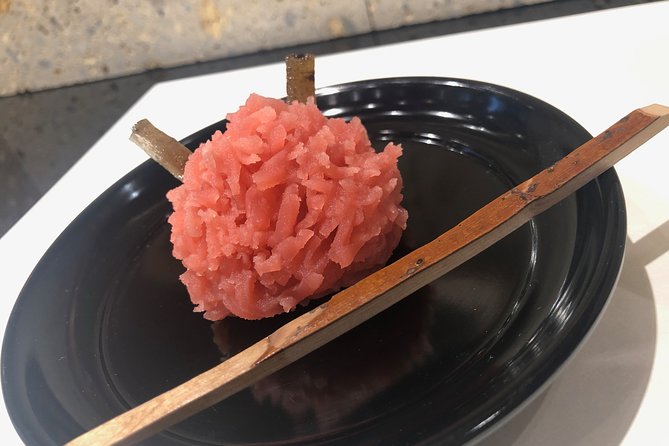
One of the tour’s biggest draws is wagashi, Japanese sweets, and the chance to see how they’re made. Wagashi is easy to misunderstand if you only think of it as “pretty sugar.” On this tour, the focus is on craft and ingredients, so the sweets become a lesson in form, texture, and regional style.
You’ll taste wagashi desserts that are described as artistic, and you’ll also get the feeling for how green tea shows up alongside sweets. The tour includes multiple tea-related elements, so you’re not stuck with one flavor profile. That matters, because a lot of wagashi pairs better with certain teas than others, and learning that connection makes your future orders easier.
In addition to wagashi, your tastings include more “building block” bites that connect to everyday Japanese eating. You might try:
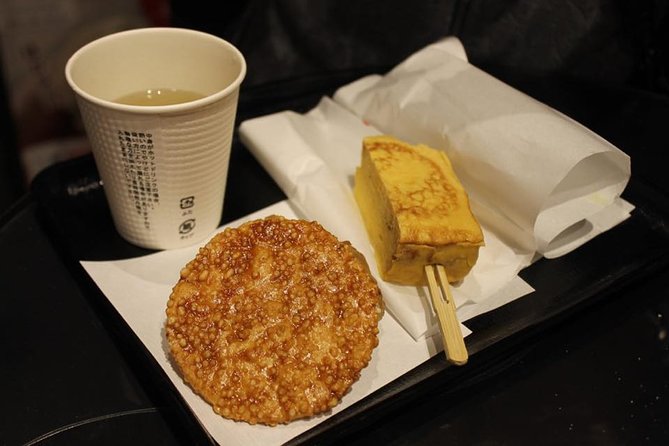
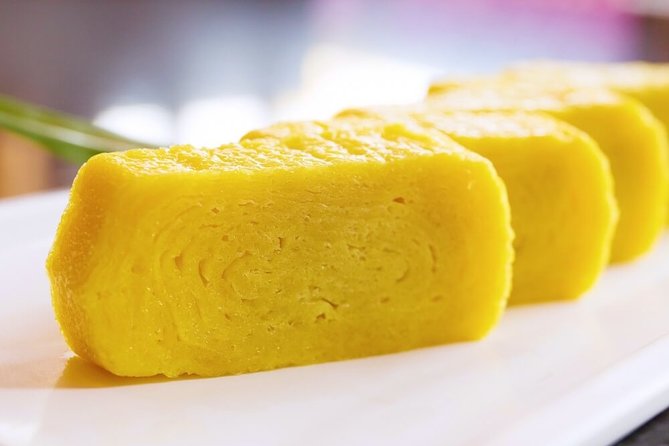
- Tamagoyaki (egg roll)
- fish cakes from Kagoshima
- eel sushi
- and other regional snacks
This is where the tour’s design really helps. You start with sweets and tea, but you don’t stay there. You build outward into savory regional flavors, so the tour feels like a crash course, not just a dessert crawl.
Why dashi and pickles matter more than you think
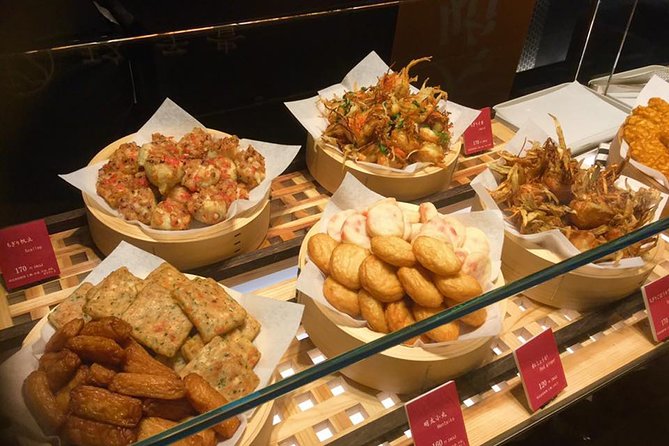
A lot of people come to Japan thinking food is mostly about ramen, sushi, and fried stuff. Those can be great, but Japanese everyday flavor often leans on simple ingredients treated with care.
This tour makes that visible. You’ll sample dashi, and you’ll also encounter pickled vegetables through tsukemono. Dashi teaches you where umami comes from, and how it shows up in soups and set meals. Tsukemono teaches balance. In Japan, pickles often act like a palate cleanser and a flavor contrast, not just a side dish.
If you’ve never eaten dashi before, the tastings are an easy entry point. You don’t need to order a whole soup to understand the role it plays. One small sample plus explanation can be enough to change how you read menu items like miso soup, noodle broths, and set meals.
Likewise, fried sweet potato (satsuma imo) and snack bites help you see how texture works in Japanese food. Crunch, chew, soft, sticky. The tour keeps switching textures so you stay interested, but it also uses those contrasts to teach you how dishes are constructed.
More Food Walks in Tokyo
- Tokyo Night Foodie Tour in Shinjuku – Seasonal Sushi, Wagyu Beef
★ 5.0 · 1,161 reviews - Shinjuku Izakaya Food Tour
★ 5.0 · 1,041 reviews - Eat and Drink Like a Local: Tokyo Ueno Food Tour-Taverns&Ramen
★ 5.0 · 957 reviews - Tokyo: Shibuya Food Tour (13 dishes and 4 Eateries)
★ 5.0 · 770 reviews
Fruit ship, 300-year knife shop, and the tea world
A distinctive part of this experience is the set of specialty stops tied to Japanese food tools and traditions. The tour highlights Japan’s oldest fruit ship (a phrase used for a long-running fruit-related shop), a 300-year-old knife shop, and a unique tea shop.
Even without turning this into a museum visit, these stops help you understand something important: Japanese cooking culture is tool culture and craft culture. Knives matter because they shape how ingredients are cut and presented. Tea matters because it influences sweetness and bitterness, and it changes how you experience desserts.
You’ll also see how these craft spaces connect back to what you eat. The point is not to memorize facts about old shops. The point is to recognize the “why” behind what you taste, like how tea can make wagashi taste different, or how preparation style affects texture and flavor intensity.
The tour also includes temple-linked scenery around the route, with stops that include Fukutoku Shrine and Suitengu Shrine, plus the Nihonbashi Bridge area. These moments add breathing room. They also make the walking feel like a real neighborhood stroll rather than only shop-to-shop consumption.
Lunch with Washoku sets: your best chance to order confidently
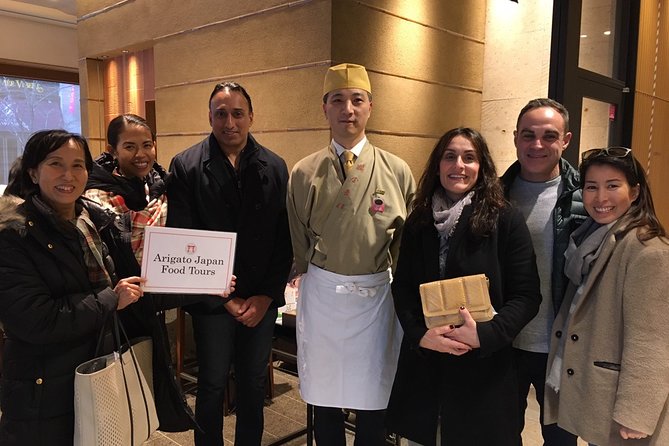
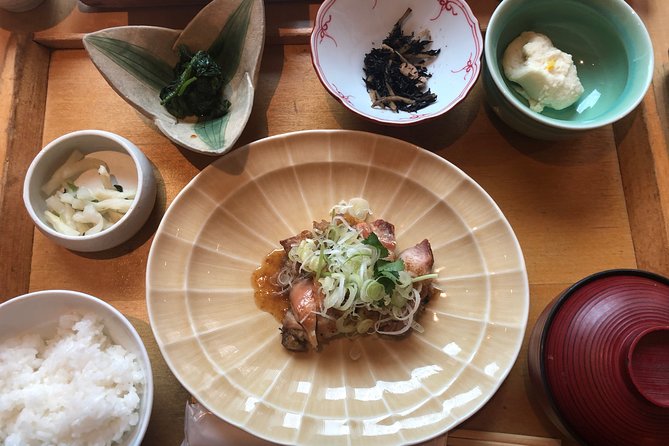
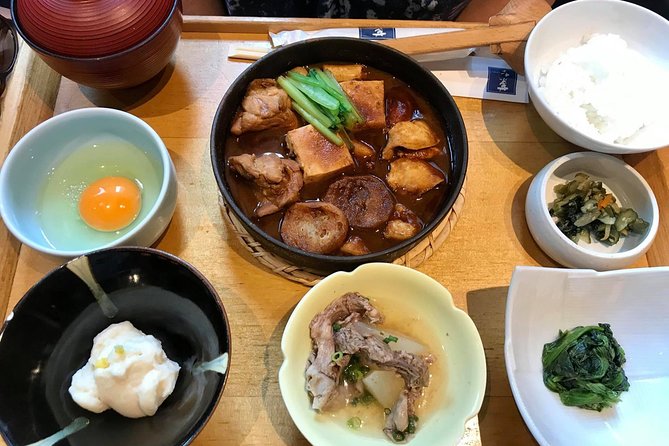
After the morning tastings, you’ll enjoy a full Washoku lunch with your group and guide. This is where the tour stops being only snack education and becomes a genuine meal experience.
Lunch choice is made upon booking, and options include sets such as:
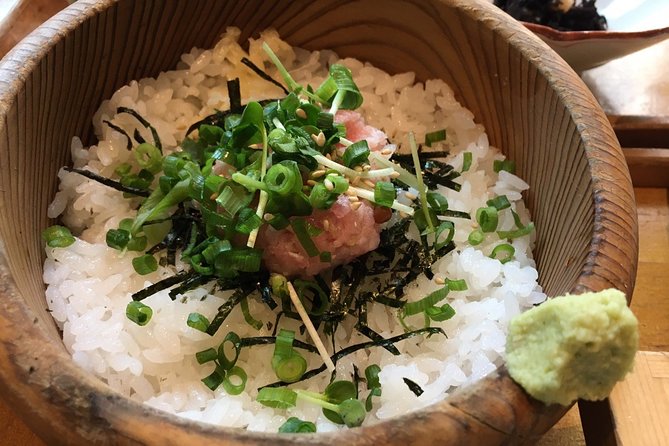
- soba, tempura, and sashimi sets
- grilled fish
- chicken
- sukiyaki
This menu range is valuable. It covers different cooking styles so you don’t leave thinking Japanese food equals one technique. Soba brings buckwheat and noodle texture. Tempura brings crispness. Sashimi shows clean flavor without heavy seasoning. Suikiyaki gives you a sweet-savory, simmered profile. And if you choose grilled fish or chicken, you get another simple but important side of Japanese cooking.
You’ll also get additional elements during the day beyond the main lunch, like dashi sampling and more snack bites, but lunch is where you can finally slow down enough to absorb flavors as a full system.
One more smart touch: you’ll discuss what you learned during tastings over lunch. That discussion helps you lock in the connections between the items you tried earlier. And it directly supports the skill you actually need in Tokyo: reading menus, ordering the right thing, and knowing what to expect.
Depachika after lunch: how to use the rest of the day
Once lunch ends, the tour continues into the depachika section, an underground market style food area. This part of the experience is partly guided and partly free time.
Your guide will point you in the right direction to find the best after-lunch snacks, then you’re on your own to keep exploring. This is a great moment to apply what you learned. After tastings, you can start noticing which products are built around pickles, which ones lean sweet, which ones show off seafood flavors, and which ones are meant to pair with tea.
It’s also the right time to buy small take-home items if you want. Depachika food is made for tasting and sharing, and you’ll likely be more confident about what to choose because the tour already trained your palate on a few key components.
The included drinks and what to watch for
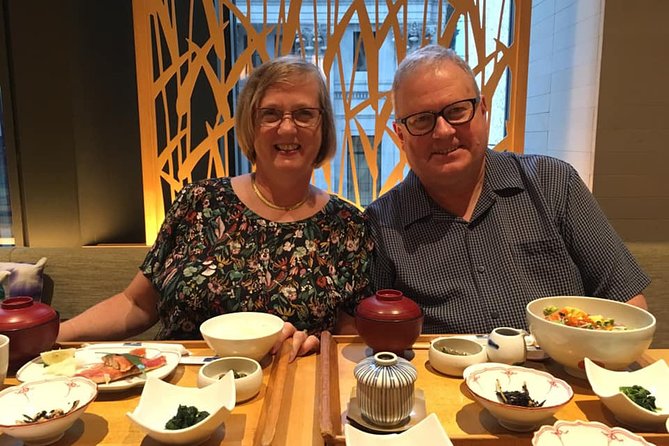
The tour includes one drink. The exact drink type isn’t spelled out in the info you have, but the tour does note a minimum drinking age of 21. If you’re traveling with anyone who doesn’t drink alcohol, it’s worth asking when you book or reviewing the confirmation details you receive at booking time.
Even if you do not drink, don’t worry about the food portion. This tour is not built around alcohol as the main event. Tastings and tea-related elements are clearly part of the experience, and lunch is a major centerpiece.
Also, this is priced at $209 per person, which means you’re paying for the guide time and the value of multiple tastings plus lunch. The included beverage is a bonus, not the main value driver.
Price and value: $209 for 3 hours plus a real meal
At $209 per person for about 3 hours, this tour isn’t a budget street food deal. It’s more like a guided education plus a proper meal. The value comes from several layers working together:
- Multiple food stops, including specialty shops and regional tastings
- A guided wagashi and tea angle, which you’d be hard-pressed to replicate alone without language help
- A Washoku lunch that includes your set choice
- Small group size (max 10), which keeps the guide available and the experience smoother
- A depachika direction step, so you don’t wander blindly after lunch
If you’re the type who hates wasting time in Japan, this tour can actually save you stress. Instead of figuring out where to go for wagashi, dashi tastings, and a dependable lunch set, the tour gives you a guided route that concentrates the best learning moments into a short time window.
On the other hand, if you’re already comfortable with Japanese menus and you just want the maximum quantity of street snacks for the lowest price, you might prefer building your own food crawl. But the learning piece is the big reason this tour works well.
Who this Tokyo food tour fits best
This experience is family-friendly, and children must be accompanied by an adult. It’s also listed as good for rainy days, which is a practical advantage in Tokyo when weather can change quickly.
It’s also explicitly marked as friendly for:
- pescetarian
- vegan
- vegetarian
That’s a big deal because Tokyo food choices can be tricky if you have dietary limits. This tour signals that the provider is prepared for those needs, which is more than you can say for many generic walking food tours.
This tour is especially ideal if:
- you want a guided introduction to Japanese ingredients and regional flavors
- you want help ordering a Washoku lunch set
- you like learning through small tastings rather than one huge meal
- you’re traveling with a group size small enough that questions make sense
A small caution: plan for a focused, snack-heavy rhythm
One possible drawback is the density of the experience. You’ll be walking between shops and tasting at several stops, and then you’ll have lunch. That’s fun, but it also means you should come hungry and wear comfortable shoes. If you need lots of long rests or a slower pace, this may feel like too much in too little time.
Also, because lunch choice is made upon booking, don’t leave it to the last minute. Decide what you want to eat and stick to it, so you feel prepared when you arrive.
Finally, the tour requires good weather in general, but it also states it’s good for rainy days. If the provider cancels due to poor weather, you’re offered a different date or a full refund, so it’s still manageable.
Should you book Flavors of Japan Food Tour in Tokyo?
Book it if you want a guided food lesson with a real lunch, centered on wagashi, dashi, tea, and regional tasting. This is a strong choice for first-timers who want confidence ordering in Japan without spending hours researching restaurants.
Skip it if you’re only chasing cheap and abundant food, or if you prefer a longer, free-form meal schedule where you control every stop. Also skip if you have trouble with standing and walking for a short but active window.
If you’re curious about how Japanese sweets are made, you want to understand why dashi and pickles show up again and again, and you’d like a guided path through the Nihonbashi food world, this tour is a smart use of time.
FAQ
Where does the tour start and what time does it run?
The tour meets at Starbucks Coffee in the Nihonbashi Suruga Building in the Nihonbashi area. The start time is listed as 10:30am, and the tour duration is about 3 hours.
What’s included in the price?
The tour includes one drink, regional food tastings at food stops, a local guide, and a local Japanese lunch.
What lunch options are available?
Lunch choices include soba, tempura, and sashimi sets, grilled fish, chicken, or sukiyaki. Lunch choice is made upon booking.
What kinds of foods will you try?
The tour includes tastings such as wagashi (Japanese sweets), satsuma imo (fried sweet potatoes), tsukemono (pickled vegetables), dashi (soup stock), tamagoyaki (egg roll), fish cakes from Kagoshima, eel sushi, regional snacks, and green teas.
Is the tour suitable for vegetarians, vegans, or pescetarians?
Yes. The tour is listed as vegan, vegetarian, and pescetarian friendly.
Is it family-friendly?
Yes, it is family-friendly. Children must be accompanied by an adult. The tour also notes that children 10 and above require a copy of passport information.
Can I cancel for a refund?
Yes. It offers free cancellation, with a full refund if you cancel up to 24 hours in advance of the experience start time.
More Food & Drink in Tokyo
- Tokyo: Tsukiji Fish Market Food and Walking tour
★ 5.0 · 1,724 reviews - Tokyo: Tsukiji Fish Market Food and Culture Walking Tour
★ 4.7 · 757 reviews - Tsukiji Fish Market: Street Food & Culture Walking Tour
★ 5.0 · 669 reviews - Tsukiji Fish Market Small-Group Food Walking Tour
★ 5.0 · 621 reviews
Newly listed around Tokyo
- Tokyo JDM Experience: Daikoku PA & Fast & Furious Night Drive★ 5.0 · 40 reviews
- Tsukiji Fish Market Food Tour: Seafood, Street Food & Hidden Gems★ 5.0 · 85 reviews
- Fast & Furious Tokyo Drift 3 (Kaila Yu-SP) : Experience Ride JDM★ 4.5 · 189 reviews
- Akihabara: Go-Kart Experience with Local Guide in Tokyo★ 4.5 · 57 reviews
- Tokyo Bike Tour: Shibuya & Hidden Tokyo★ 5.0 · 53 reviews
- Explore Unique Tokyo Streets / Learn with a Pro Photographer★ 5.0 · 19 reviews
- Tokyo City 1-Day Private Tour with Bilingual Driver★ 4.5 · 78 reviews
- Full Day Private Tour in Mt. Fuji and Hakone★ 4.5 · 30 reviews
Local Food Walks, compared.
Shinjuku Food Tour (13 Dishes at 4 Local Eateries)
Read our review →
Shinsekai Food Tour with 13-15 Dishes at 5 Eateries
Read our review →
Osaka Food Tour: 13 Dishes at 5 Local Eateries
Read our review →
Shinjuku Food Tour (15 Dishes and 4 Eateries)
Read our review →
Kyoto Night Foodie Tour in Gion (9+ dishes + 6 Sake tastings)
Read our review →
Hungry Osaka Street Food Tour:15 Tastings & 3 Drinks with a Local
Read our review →
Tokyo Night Foodie Tour in Shinjuku – Seasonal Sushi, Wagyu Beef
Read our review →
Browse the lists this tour appears in