
Review · ANIME & MANGA TRIPS
Explore the Nature that Inspired Ghibli Movies by Kayak (Half Day)
Paddling here feels like a film set. This small-group kayak tour in Tomonoura, Fukuyama follows the same kind of shoreline vibe that inspired Studio Ghibli stories, with the Seto Inland Sea opening up right in front of you. I like that the local guide, including Yasuhiro Murakami, keeps the experience friendly and practical as you launch from the town toward the water.
Two things I really love about this tour are the way it starts at the historic ganki (Edo-period steps down to the sea) and the fact that the route is built around what you can see from a kayak, not just a quick photo stop.
The other standout is your chance to aim for Abuto Kannon or Sensuijima Island, depending on the day’s tides. When Abuto Kannon lines up with the route, you get a dramatic view of a sea-reaching structure that feels made for looking up while you paddle.
One consideration: the guide’s English may not be fluent, and the exact course can shift based on sea conditions, tides, and fitness level. Also, the experience depends on the weather, so you should be ready for a safety-first change if conditions turn.
In This Review
- Key points to know before you paddle in Tomonoura
- Tomonoura, Fukuyama, and why this feels like a Ghibli story
- Small-group kayaking that actually works for beginners
- Getting started at Kayaker’s CAFE and launching from the ganki
- Stop by stop: Tomo to Tomo no Ura, then the Abuto Kannon or Sensuijima choice
- Tomo: your launch base and the first paddle rhythm
- Tomo no Ura: a port town view you can’t get from shore
- Abuto Kannon or Sensuijima Island: the tide-powered highlight
- Kayaker’s CAFE: the short reset on the way back
- What you’ll actually see on the Seto Inland Sea
- What to bring, plus season clothing that keeps you comfortable
- Price and value: is $53.10 worth it for a half day?
- Should you book this Tomonoura Ghibli nature kayak tour?
- FAQ
- FAQ
- How long is the half day kayak tour?
- Where do I meet for the tour?
- What time does the tour start?
- How many people are in the group?
- Can I visit Abuto Kannon during the tour?
- What kind of fitness level do I need?
- What should I bring?
- Are there age requirements?
- What happens if weather is bad?
Key points to know before you paddle in Tomonoura
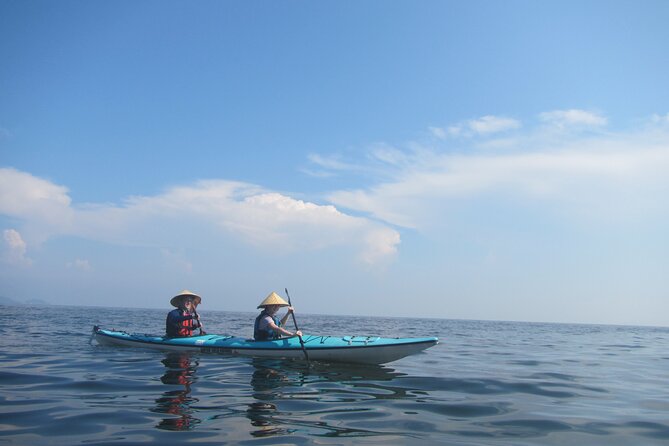
- Small group feel (max 15) with a calmer pace and more attention than big-bus tours
- Launch from the ganki so you go from street to sea fast, with the port town instantly in play
- Abuto Kannon OR Sensuijima Island depending on tides, so the tour stays flexible
- Guides tailor the route to sea conditions and participant comfort, not a rigid checklist
- A short break at Kayaker’s CAFE with drinks and snacks that add a nice reset
- Season gear matters because you may get wet and temperatures change fast on the water
Tomonoura, Fukuyama, and why this feels like a Ghibli story
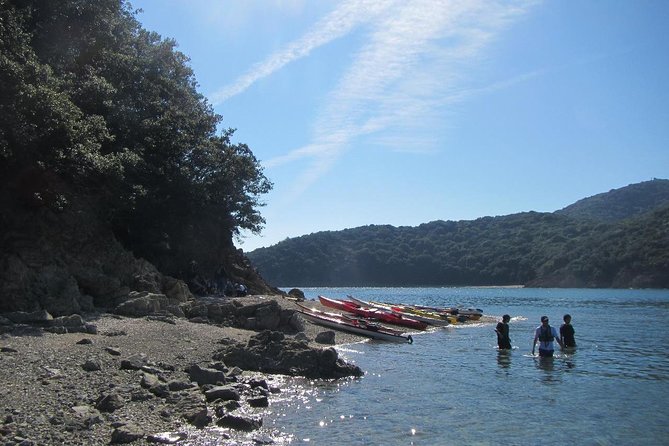
If you’ve ever felt that Studio Ghibli gets coastal Japan right, this tour is aimed at that same feeling. You’re in Tomonoura, a port-town setting tied to the inspiration behind Ponyo, and the water view is the main event.
What I like is that this is not theme-park Ghibli. Instead, you get the quiet, real-world elements that make those animations feel lived-in: stone, boats, tide timing, and the way the sea changes your perspective every few strokes.
You also get variety that keeps it from being a one-note paddle. The route choices swap you between sea-temple views and island scenery, so the “wow” moments come in different shapes.
Other Anime and Manga trips worth a look in Hiroshima:
- Official Street Go-Kart Tour – Akihabara
★ 5.0 · 1,578 reviews - Tokyo Go Kart: Asakusa, Skytree, and Akihabara **IDP MUST**
★ 5.0 · 988 reviews - Tokyo: Tokyo Tower, Shibuya Crossing, Harajuku, Go Kart Tour
★ 4.7 · 446 reviews
Small-group kayaking that actually works for beginners
This tour caps at 15 people, which helps a lot. With fewer kayakers in the same stretch, you get clearer instruction and less waiting around.
The activity is built for people with moderate physical fitness. That usually means you can paddle without sprinting, but you should expect some sustained effort and balance while in and out of the kayak.
One more practical note: the guide’s English is listed as not fluent. In real life, that doesn’t automatically mean you’ll struggle, but you should plan to communicate with simple questions and pay close attention during safety talk.
Getting started at Kayaker’s CAFE and launching from the ganki
Your meeting point is Kayaker’s CAFE in Tomochō, Fukuyama. Start times are 9:00 or 13:30, and the whole experience runs about 3 hours 10 minutes.
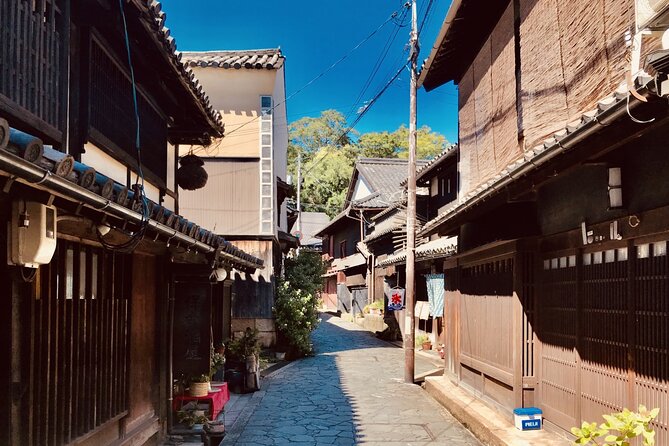
Here’s why the launch is memorable. You don’t just “arrive somewhere and then get on a boat.” You start from ganki, historic Edo-period stairs that drop down to the sea. That matters because it instantly connects you to the geography of Tomonoura, and the moment your kayak hits the water, you feel the town’s layout from sea level.
Timing also helps. The half day format means you can fit kayaking into a normal travel day, then still keep energy for food, walking, or another short activity later.
Stop by stop: Tomo to Tomo no Ura, then the Abuto Kannon or Sensuijima choice
You’ll feel like the tour has three phases: launch and port town viewing, a mid-route nature highlight, then a return that keeps the energy smooth.
A few more Hiroshima days to weigh up
- Ishigaki Island: 2-Hour Miyara River SUP or Canoeing Tour
★ 4.6 · 81 reviews - Okinawa Ishigaki Sunset SUP or Canoe Tour
★ 5.0 · 61 reviews - Ishigaki: Mangrove SUP or Canoe & Phantom Island Snorkeling
★ 4.5 · 52 reviews - Ishigaki Island: SUP or Canoeing and Snorkeling at Blue Cave
★ 4.7 · 36 reviews
Tomo: your launch base and the first paddle rhythm
You begin in Tomo, and your guide adjusts the course based on sea conditions and the physical condition of the group. This is the part where you get your “find your rhythm” phase.
If you’re new, this is also where good teaching helps. Sea kayaking is mostly technique and confidence, not gym strength, and starting with a guidance-heavy stretch can prevent you from overthinking your strokes.
Practical tip: pay attention early to how your guide wants you to hold your paddle and how you should handle small changes in water movement. Small corrections early save frustration later.
Tomo no Ura: a port town view you can’t get from shore
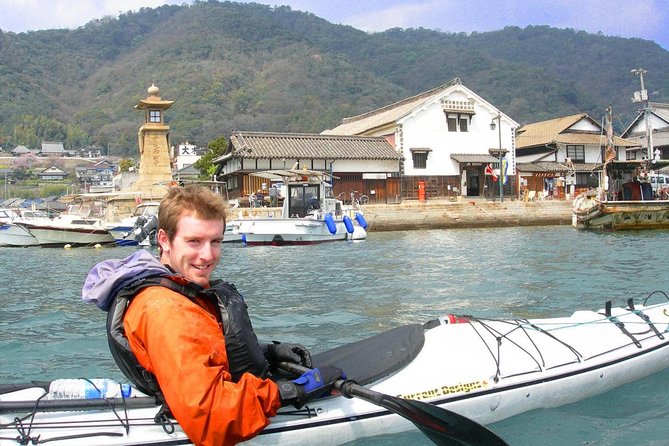
Next you paddle out toward Tomo no Ura. This is where you float past the port town from the sea, which is different from looking at buildings from a street viewpoint.
You’ll notice how the waterline shapes everything, from where boats sit to how the town interacts with the tide. It’s also the part where the scenery feels “real Japan,” not staged. From the kayak, you naturally slow down and look.
One possible drawback: if you’re expecting a calm movie-like glide the entire time, sea conditions can change your effort. You might paddle in slightly choppier water, so pack for that and take breaks when your guide suggests them.
Abuto Kannon or Sensuijima Island: the tide-powered highlight
Your mid-route highlight is choosing between Abuto Kannon and Sensuijima Island, depending on tides.
If you land at Abuto Kannon, the structure built to extend into the sea is a standout. From a kayak, you look up at it instead of approaching it on land, and that angle gives the building a dramatic presence. After landing, you also get a panoramic view from the shore.
If tides don’t favor Abuto Kannon, you’ll pivot to Sensuijima Island. Even then, you’re not getting a bland substitute. The goal stays the same: a nature-focused landing with a viewpoint that makes the trip feel worth every stroke.
This tide-based decision is the heart of the tour’s value. You aren’t treated like you want the “fixed checklist.” You’re out in nature, and nature gets a say.
Kayaker’s CAFE: the short reset on the way back
At the end, you return to Tomonoura and finish back at the meeting point. There’s also a short stop at Kayaker’s CAFE for about 10 minutes.
In practice, guides have offered drinks and snacks during that break. Some hot beverage moments show up in the experience for people who bring the right attitude and ask what’s available.
Even if you skip photos for a minute, this pause matters. Sea air and paddling fatigue can sneak up, and a quick drink can make the last stretch feel easier.
What you’ll actually see on the Seto Inland Sea
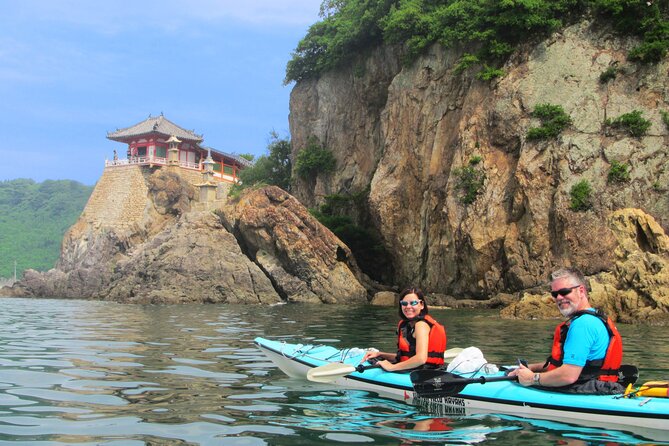
The Seto Inland Sea is the star here, not a single monument. From a kayak, you notice how islands, inlets, and ports all connect into one system.
You’ll also get the benefit of being small and slow. Big tour boats tend to pass fast. Kayaking invites you to look closer. You can watch how the shoreline bends, how water color shifts with light, and how the town’s edges change as you move.
If you care about Studio Ghibli inspiration, focus on the mood rather than trying to match exact scenes. The tour’s best moments are the real ones, like the view from sea-level and the way a temple or island looks different when you’re floating rather than standing.
What to bring, plus season clothing that keeps you comfortable
Packing well is the difference between a fun half day and a damp, miserable one.
The tour asks you to bring:
- Drinks
- Spare clothes (change of clothes)
- Towel
- Sunscreen
- Waterproofing measures for your smartphone
Smartphone protection matters because you’re on open water with spray. Even if you’re careful, wind and paddle splash happen.
Footwear: kayak shoes are available for rental, but you’ll need to provide your shoe size when you reserve. If you already have grippy water shoes, you can still bring them, but confirm what’s recommended when you book.
Clothing by season is clearly thought through:
- Summer (June to October): wear clothes that can get wet. Swimwear under layers is recommended, plus a hat and sunglasses.
- Spring and fall (November, and around April to May): quick-drying shirts and comfortable pants work well, with hat and sunglasses. Paddle jackets may be available for rental.
- Winter (December to March): quick-drying base layers plus fleece or mid-layer, nylon outerwear, warm pants, knit cap, and nylon gloves. After landing, down jackets or similar warmth helps.
If you run hot easily, you might want lighter layers for winter, but keep your gloves. Cold hands ruin paddling quicker than cold feet.
Price and value: is $53.10 worth it for a half day?
At $53.10 per person, you’re paying for equipment plus guided time in a specific, scenic coastal setting. You also get the practical benefit of a short duration, about 3 hours 10 minutes, which is great if you have a busy itinerary in Fukuyama.
Here’s how to judge value for yourself. Ask whether you want:
- A guided nature experience (not just renting a kayak and figuring it out alone)
- A tide-influenced highlight like Abuto Kannon when conditions allow
- A calmer group size so instruction stays clear
If you’re new to kayaking, this tour’s teaching focus and patience from guides can make the experience feel manageable. If you’re an experienced paddler, you may still enjoy the local route knowledge, but you’ll likely want to bring your own pace and expectations.
Also, this is mobile-ticket friendly, which is convenient. No need to wrestle with paper logistics at the meeting spot.
Should you book this Tomonoura Ghibli nature kayak tour?
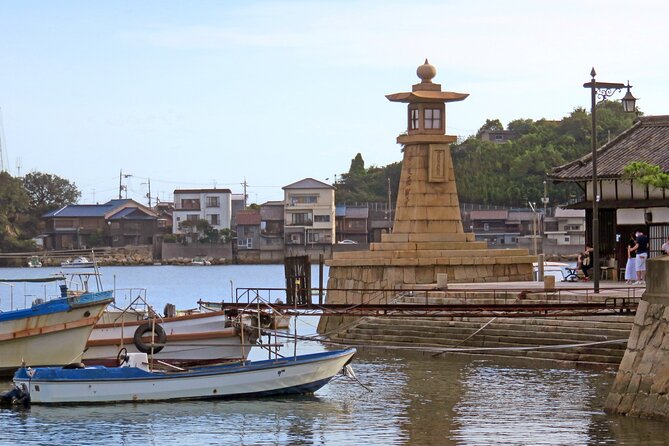
Book it if you want a short, scenic, genuinely local-feeling outdoor activity in Fukuyama. The tide-powered Abuto Kannon option and the sea-level Tomonoura views are the big reasons to choose this over a generic kayaking rental.
Skip it or reschedule if you can’t handle moderate physical effort, or if your schedule can’t flex with weather. The tour can change course for safety, and cancellations are tied to conditions. Pack with the assumption that you might get wet, then you’ll enjoy it instead of fighting it.
FAQ
FAQ
How long is the half day kayak tour?
It runs about 3 hours 10 minutes (approx.).
Where do I meet for the tour?
You meet at Kayaker’s CAFE, Tomo-849 Tomochō, Fukuyama, Hiroshima 720-0201, Japan.
What time does the tour start?
You can choose a start time of 9:00 or 13:30.
How many people are in the group?
The tour is described as a small-group experience with a maximum of 15. The activity also notes a maximum of 20 travelers and says it may be combined with other customers.
Can I visit Abuto Kannon during the tour?
You can visit Abuto Kannon depending on the tides. If tides do not allow it, you’ll instead go to Sensuijima Island.
What kind of fitness level do I need?
The tour advises travelers should have a moderate physical fitness level.
What should I bring?
Bring drinks, spare clothes (a change of clothes), a towel, sunscreen, and waterproofing measures for your smartphone.
Are there age requirements?
Yes. Participation is for over 3 years old.
What happens if weather is bad?
The tour may be canceled depending on the weather. If canceled due to poor weather, the assigned guide will contact you by 6:00 PM on the previous day, and a full refund is provided only if the organizer determines the cancellation in advance. The tour may still proceed in light rain. If you cancel yourself, the experience is non-refundable.
Newly listed around Hiroshima
- Hiroshima and Miyajima 1 Day Walking Tour★ 5.0 · 43 reviews
- Hiroshima and Miyajima 1 Day Cruise Tour★ 5.0 · 24 reviews
- Hiroshima & Miyajima: UNESCO A-Bomb Dome & Itsukushima with Local★ 5.0 · 25 reviews
- Hiroshima & Miyajima: Private Full-Day Tour with a Local Guide★ 5.0 · 39 reviews
- Hiroshima and Miyajima 1 Day Bus Tour★ 4.5 · 145 reviews
- Hiroshima 5k Running Tour of Hijiyama Park★ 5.0 · 7 reviews
- Hiroshima and Miyajima Bus Tour with Indian Lunch★ 5.0 · 10 reviews
- Hiroshima Peace Memorial and Atomic Bomb Dome Private Tour★ 5.0 · 37 reviews
Anime & Manga Trips, compared.

Tokyo Go Kart: Asakusa, Skytree, and Akihabara **IDP MUST**
Read our review →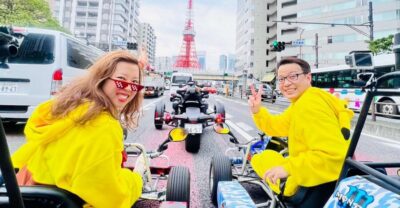
Tokyo Tower, Shibuya Crossing, Harajuku, Go Kart Tour
Read our review →
Tokyo Studio Ghibli Museum and Ghibli Film Appreciation Tour
Read our review →
Akihabara Anime & Game Adventure Walking Tour (Group or Private)
Read our review →
Browse the lists this tour appears in