
Review · ANIME & MANGA TRIPS
Tokyo: Gameboy Mod Workshop at Akihabara
Akihabara turns nostalgia into a hand-built souvenir. This Game Boy mod workshop takes you into a small, friendly space in the Wakita Building, where Ro and the Gameboy masters help you pick components and rebuild your own working handheld. It is hands-on Tokyo fun, not a museum stop.
I love two parts the most: the hands-on rebuild process where you actually take the system apart and put it back together, and the custom color and part choices that make the final device feel truly personal. The staff keep it moving without rushing, and they have the energy you want when you are working with tiny electronics.
One consideration before you book: the workshop is on the second floor without elevators or escalators, so wheelchair access is not available.
In This Review
- Key highlights that make this workshop different
- Where Akihabara Nods to the Past, Then Hands You a Screwdriver
- The “Dream Build” Part: Choosing Your Colors, Buttons, and Screen Changes
- The Workshop Flow: History, Demos, Then Real Modding Work
- Taking Apart a Game Boy in Real Life (Not Just on YouTube)
- Choosing Games After You Build: A Retro Shopping Win
- Price and Value: Is $360 Reasonable for a 2-Hour Workshop?
- Who This Workshop Suits Best, and Who Might Want to Skip It
- Getting to the Wakita Building, Second Floor Set-Up
- Should You Book This Akihabara Game Boy Mod Workshop?
- FAQ
- How long is the Gameboy Mod Workshop in Akihabara?
- What does it cost?
- What is included in the workshop?
- How many people are in the group?
- Is the workshop wheelchair accessible?
- Where is the meeting point?
Key highlights that make this workshop different
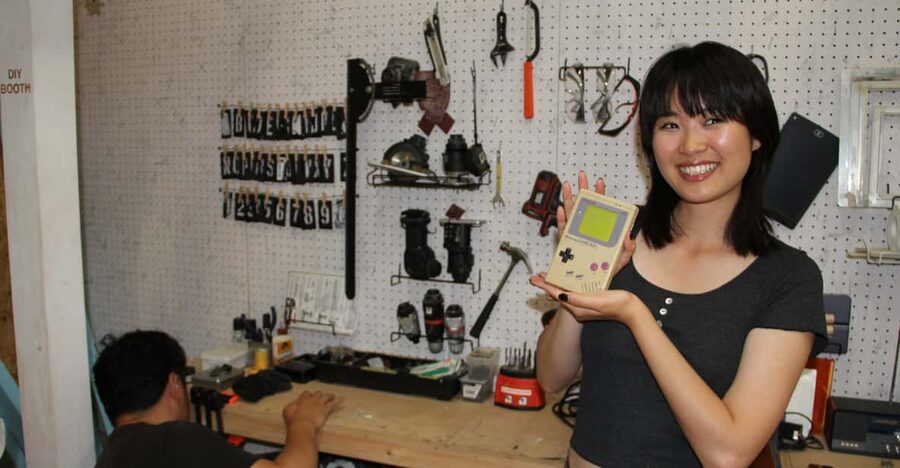
- Pick your own DMG-01 Game Boy build and choose the parts that go into your unit
- Choose colors and controls like the case and button set, so it looks like you
- Hands-on disassembly and rebuild with staff right there to troubleshoot
- A short, practical history and tech talk tied directly to what you are holding
- Finish with games to play and buy, including an option to select a game priced at 1000 yen
- Small group size (up to 4) keeps the attention focused on you
Where Akihabara Nods to the Past, Then Hands You a Screwdriver
If you like retro gaming, Akihabara can feel like sensory overload. This workshop is the opposite of wandering. You sit down, pick what you want, and build something you can keep using after you leave Tokyo.
Your base is a classic DMG-01 Game Boy, and you customize it with provided parts. In other words, you are not just decorating a gadget or watching a demo. You are learning how it comes apart, how it goes back together, and what changes matter when you upgrade the screen and controls.
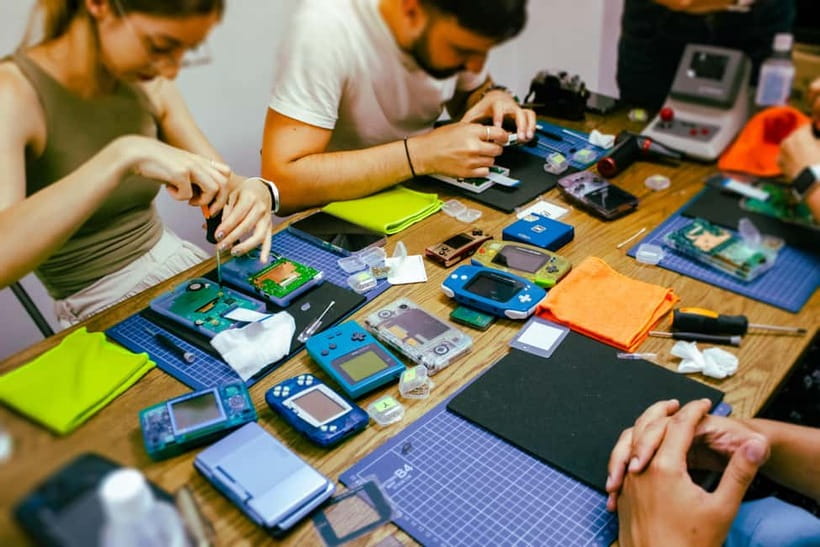
The whole thing runs for 2 hours, and the group is limited to 4 participants. That small size matters because modding work is detailed work. When you run into a snag, having multiple staff members and a calm pace makes a big difference.
Other Anime and Manga trips worth a look in Tokyo:
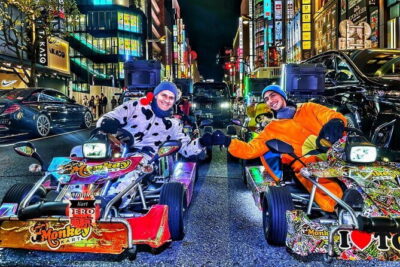
- Official Street Go-Kart Tour – Akihabara
★ 5.0 · 1,578 reviews - Tokyo Go Kart: Asakusa, Skytree, and Akihabara **IDP MUST**
★ 5.0 · 988 reviews - Tokyo: Tokyo Tower, Shibuya Crossing, Harajuku, Go Kart Tour
★ 4.7 · 446 reviews
The “Dream Build” Part: Choosing Your Colors, Buttons, and Screen Changes
The most exciting moment is the picking phase. You get to choose your device and then start making it yours with options for colors, buttons, and key parts. The workshop is built around that idea: you leave with a handheld that feels like a souvenir, not just an activity badge.
You are customizing a vintage Game Boy (DMG-01) using provided components. That includes changes like screen updates and button upgrades, plus cosmetic choices such as the shell colors. One highlight from multiple experiences is that people remember the options as extensive, not limited. You can take your time deciding because the workshop is paced for actual building.
A few reviews also mention upgrades like an improved backlit screen. The exact tech on your particular unit can vary by what the workshop provides at the time, but the consistent point is that you should expect to leave with a device that is working and playable, not half-finished.
What I like about this setup for first-timers is that it turns customization into a learning tool. When you choose a screen or a button style, you are not just making it pretty. You are shaping how the Game Boy feels in your hands.
The Workshop Flow: History, Demos, Then Real Modding Work
You start with a short explanation of the history and technology behind handheld consoles, with Nintendo and Game Boy in the spotlight. This is not vague trivia. The talk is connected to what you will be doing next, so it helps you understand why certain parts exist and what modern upgrades change.
Then you get hands-on exposure to the kind of hardware the workshop is working with. Reviews mention that the team brought consoles out for demonstration, so you can compare versions and recognize what makes each one different. This is a smart way to teach, because modding is easier when you can see the big picture before you touch the small screws.
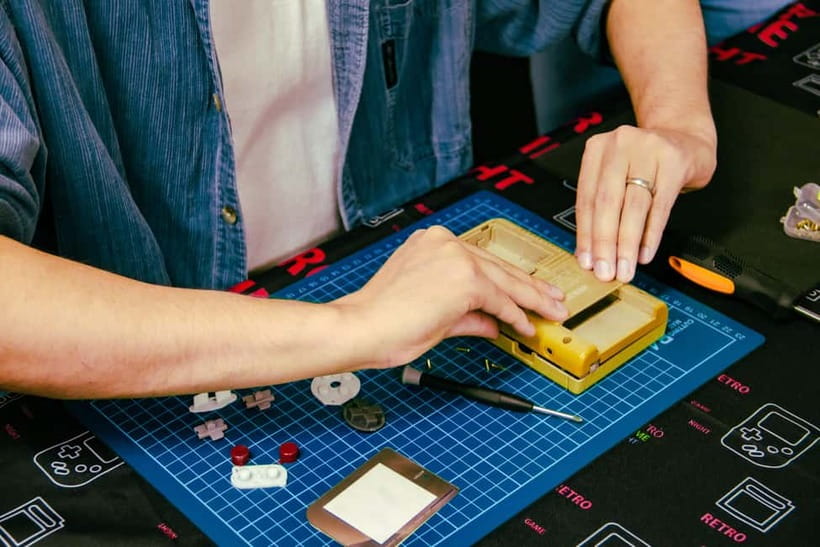
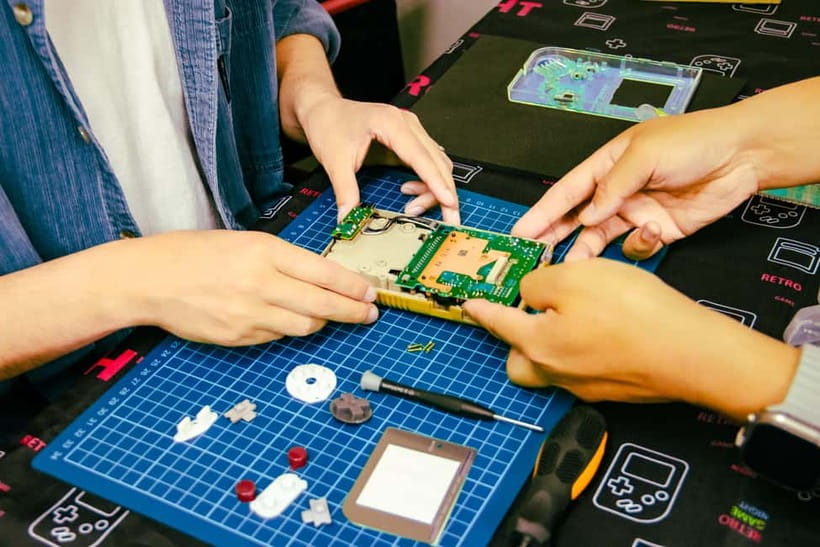
After the intro, the workshop shifts into build mode. You take apart your Game Boy and rebuild it with your chosen parts. If you are new, the good news is that the staff explain clearly and help quickly when something does not go the way you expect. Multiple people describe the guides as patient and hands-on, with a steady rhythm so you do not feel lost.
The key is that the whole process stays interactive. You can ask questions, and the staff are not just checking you off a list. They want you to understand what you are installing and why it fits.
Taking Apart a Game Boy in Real Life (Not Just on YouTube)
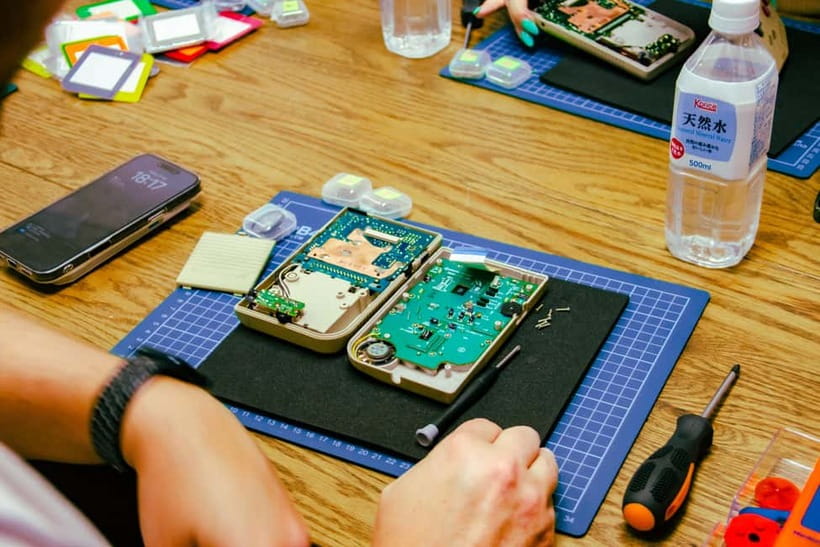
This is where the workshop earns its reputation. There is something deeply satisfying about disassembling a Game Boy you grew up with, or wished you had. It also gives you a real appreciation for how small and precise the internals are.
In this session, you are expected to do the build work, with guidance. The highlights call out taking apart and rebuilding your Game Boy, and that is exactly the core experience. Staff help you as you work, including double-checking details so your final device runs properly.
For me, the biggest practical benefit is confidence. Once you have seen how the pieces line up and how the upgraded parts integrate, you are no longer scared of the idea of modding. You leave with a working souvenir and a story you can explain to friends.
For the nervous types, remember this is built for a small group and a short 2-hour window. That means they are managing time carefully. You are not expected to become a repair technician overnight, but you are definitely expected to participate and learn what matters most.
A few more Tokyo days to weigh up
- Mt Fuji and Hakone 1-Day Bus Tour Return by Bullet Train
★ 5.0 · 26,383 reviews - 1-Day Tokyo Bus Tour
★ 5.0 · 14,250 reviews - Tokyo: TOKYO SKYTREE® Admission ticket
★ 4.5 · 11,192 reviews - Tokyo: teamLab Planets TOKYO Digital Art Museum Entry Ticket
★ 4.6 · 9,779 reviews
Choosing Games After You Build: A Retro Shopping Win
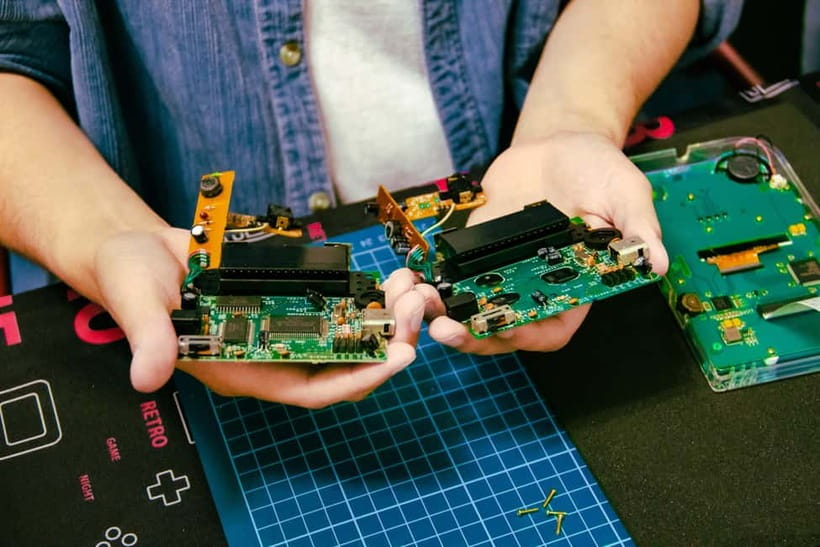
A Game Boy workshop would be incomplete without time playing and shopping. After you finish your device, you get options for games from the workshop’s collection. Reviews mention there are games you can try and also purchase, with lots of choices.
One specific detail that stood out is that you can select a game priced at 1000 yen. Even if you only pick one, it is a nice touch because it gives you something ready to go once you are back in your hotel.
Another practical win: people note that game prices can be better than what they found at other shops around Akihabara. One comparison mentioned that certain titles were around 40% more expensive at Super Potato. I cannot promise every title will be cheaper that much, but it is a useful clue that the workshop is not just a build class, it is also a smart place to source games without hunting for them all day.
If you care about value, this part matters. You are already spending money on the hardware. Getting a fair deal on cartridges or learning what to buy is part of making the whole experience feel worth it.
Price and Value: Is $360 Reasonable for a 2-Hour Workshop?
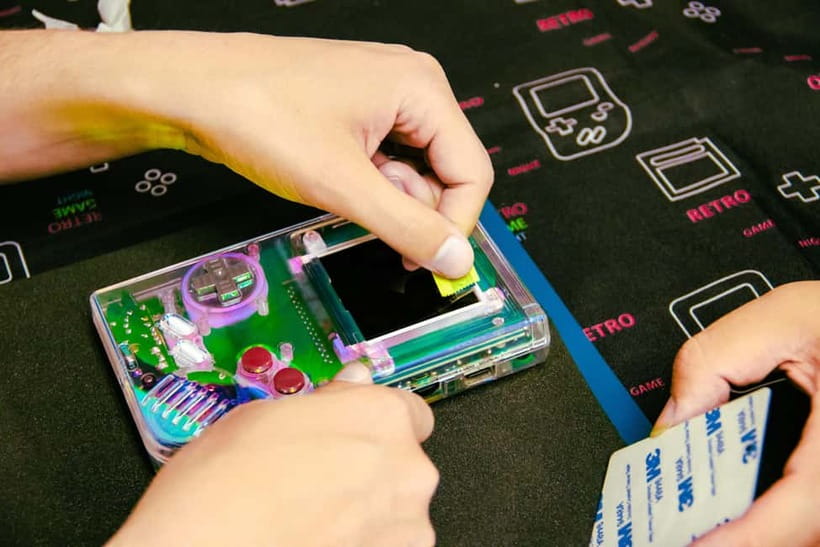
At $360 per person, this is not a casual add-on. It is a premium workshop. So you should ask the question plainly: what are you paying for?
You are paying for a few high-cost things that DIY or casual workshops do not cover:
- access to the hardware and components needed for a small-group session
- expert help from the Gameboy masters throughout a delicate rebuild
- the time and prep required to keep the class running smoothly for up to 4 people
- a functioning, customized handheld you take home
Multiple reviews also talk about the fair value relative to the difficulty of sourcing retro hardware in enough quantity for repeated workshop times. That matters, because retro parts are not cheap or easy to obtain, and you are not seeing that effort from the outside.
If you compare it to buying a modded Game Boy outright, you are also effectively paying for the experience plus guidance. If you love tinkering or you have nostalgia for the system, the hands-on part is the value. If you only want a quick souvenir photo, then yes, $360 will feel steep.
My practical take: if you are a Game Boy fan, or you like tech workshops where you leave with something working, this price starts to make sense fast.
Who This Workshop Suits Best, and Who Might Want to Skip It
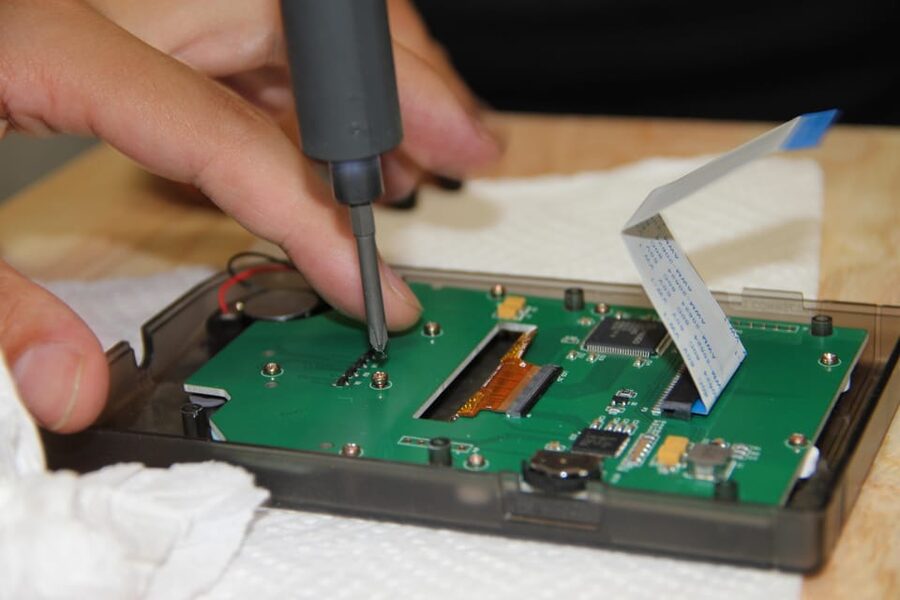
This is a great fit if you fall into at least one category:
- You grew up with the Game Boy and want to reconnect with it in a hands-on way
- You like electronics and do not mind careful, slow work
- You want a unique Tokyo souvenir that you will actually use
- You want small-group attention and a friendly, nerdy atmosphere
It also works well solo. The session size is small enough that you will not get ignored, and reviews mention it feels fun whether you come alone or with a small group.
I would be more cautious if you are expecting a casual, walk-in style activity. This is modding, with parts and setup time. You will get instructions and help, but you are still doing real work.
Also think about mobility. The workshop is on the second floor without elevators or escalators, so if stairs are hard for you, this may not be the right choice.
Getting to the Wakita Building, Second Floor Set-Up
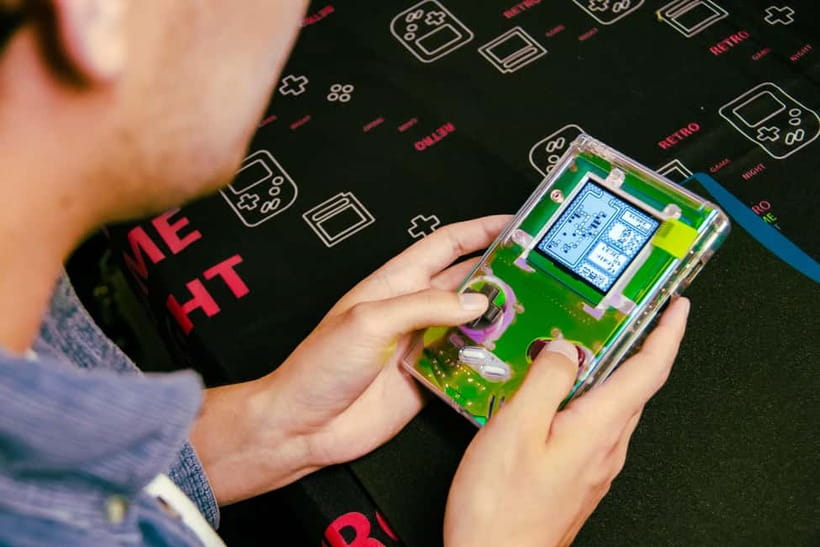
Your meeting point is on the second floor of Wakita Building. The address will guide you to the entrance, but you should plan for stairs since there are no elevators or escalators mentioned.
Akihabara is easy to get around by train, but this type of workshop can be easy to miss if you are rushing. Build in a little buffer time so you can find the Wakita Building entrance calmly, then climb up and check in.
Also note that the experience is offered with English and Japanese instruction, and the instructor works in those languages. If you know even basic phrases, you will likely enjoy asking questions more, but you do not need special tech vocabulary to participate.
Should You Book This Akihabara Game Boy Mod Workshop?
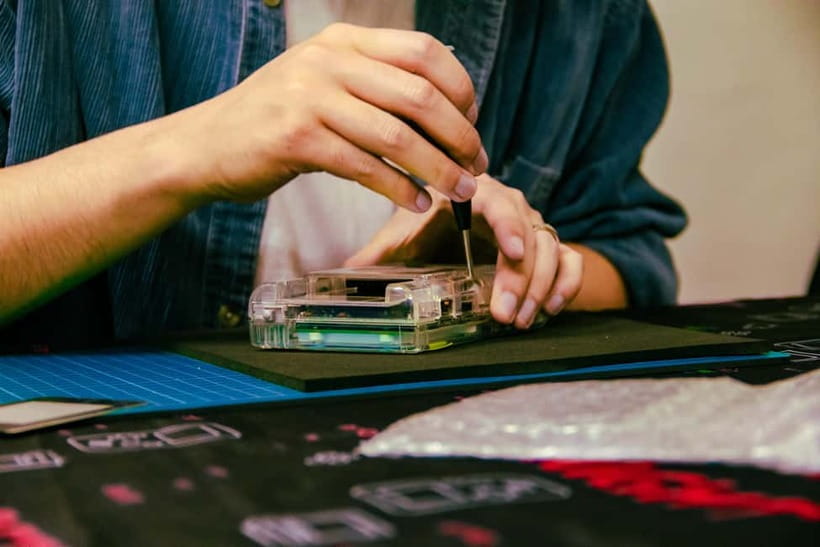
Book it if you want more than a store purchase. This is the rare Tokyo activity where you leave with a functioning custom Game Boy, you learn why the hardware works the way it does, and you get a chance to pick a game afterward so you can play right away.
Skip it if you are shopping for something quick and hands-off. This is best when you enjoy learning and working with your hands, even if you start as a beginner.
If you are on the fence, use this rule: if you would rather build a souvenir than buy one, this workshop is a strong yes.
FAQ
How long is the Gameboy Mod Workshop in Akihabara?
The workshop lasts 2 hours. Starting times vary, so you should check availability for the time slots.
What does it cost?
The price is $360 per person.
What is included in the workshop?
You get the full build experience for a Dream Gameboy using provided parts, including history and guidance. It is an all-inclusive experience with activities, admissions, and multilingual expert support.
How many people are in the group?
The group is small, limited to 4 participants.
Is the workshop wheelchair accessible?
No. It is on the second floor without elevators or escalators, so wheelchair access is not available.
Where is the meeting point?
Meet at the second floor of Wakita Building, following the provided address to find the workshop.
Newly listed around Tokyo
- Tokyo private transfer for Yokohama Port★ 4.5 · 63 reviews
- Luxury Kimono Photoshoot at Ginza Tokyo★ 5.0 · 7 reviews
- Tokyo Allstar Food Tour★ 4.5 · 206 reviews
- Tokyo Art Aquarium Museum E-Ticket with optional Tokyo Metro Pass★ 5.0 · 17 reviews
- Tokyo: Best Ginza Food Tour at 3 Local Eateries★ 5.0 · 83 reviews
- Private One Day Nikko Tour with Bilingual driver★ 3.5 · 11 reviews
- PRIVATE tour in 180SX to Daikoku+++++★ 5.0 · 6 reviews
- Kabuki Talk★ 5.0 · 10 reviews
Anime & Manga Trips, compared.
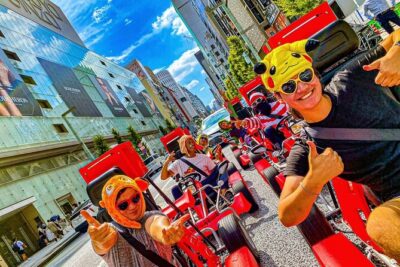

Tokyo Go Kart: Asakusa, Skytree, and Akihabara **IDP MUST**
Read our review →
Tokyo Tower, Shibuya Crossing, Harajuku, Go Kart Tour
Read our review →
Tokyo Studio Ghibli Museum and Ghibli Film Appreciation Tour
Read our review →
Akihabara Anime & Game Adventure Walking Tour (Group or Private)
Read our review →
Tokyo Go-Kart Tour Shibuya-Harajuku-Shinjuku (*IDP Required)
Read our review →Browse the lists this tour appears in