
Review · LICENSED GUIDES & PRIVATE DRIVERS
Kyoto: Early Morning Tour with English-Speaking Guide
Kyoto before the crowds feels different. This early-morning, English-guided, small-group tour uses public transportation and gets you to Kyoto’s biggest sights before the rush, so the morning feels more like Kyoto than a queue line. I especially love the early start and the small group size of up to 8.
The best part is how the stops are timed for real moments, not just a fast walk-by. I love that your guide helps you understand what you’re looking at, from the torii tunnel calm of Fushimi Inari Taisha to the gold glow of Kinkaku-ji.
One heads-up: this is a walking tour tied to trains and a little bus riding, so you should be ready for steady movement. Also, you need to arrive on time at Kyoto Station, because late arrivals can’t join after the group starts.
In This Review
- Key highlights worth caring about
- The smart reason to go early in Kyoto
- Price and logistics, with the real math
- Meeting at Kyoto Station, and how to avoid stress
- Fushimi Inari Taisha: the torii gates when the air is still calm
- Arashiyama district: time well spent before Kyoto fills up
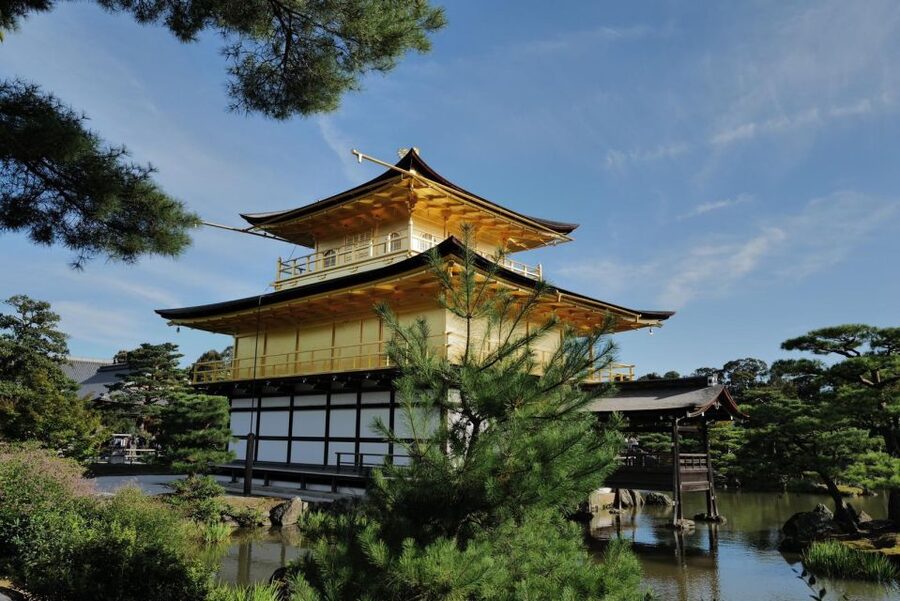
- Kinkaku-ji Golden Pavilion: the classic payoff
- Public transportation that keeps your day efficient
- The guide makes the tour feel personal
- Comfort and who this tour fits best
- Is $101 worth it for this early Kyoto highlights route?
- Should you book this early morning Kyoto tour?
- FAQ
- Where is the meeting point?
- What time should I arrive?
- Is this tour private?
- How long is the tour?
- What is included in the price?
- What is not included?
- Do I need an IC card or JR pass?
- Is the tour wheelchair or stroller accessible?
Key highlights worth caring about
- Early start you can feel, with time at the big icons before crowds build
- Fushimi Inari Taisha for reflection, not just photo time
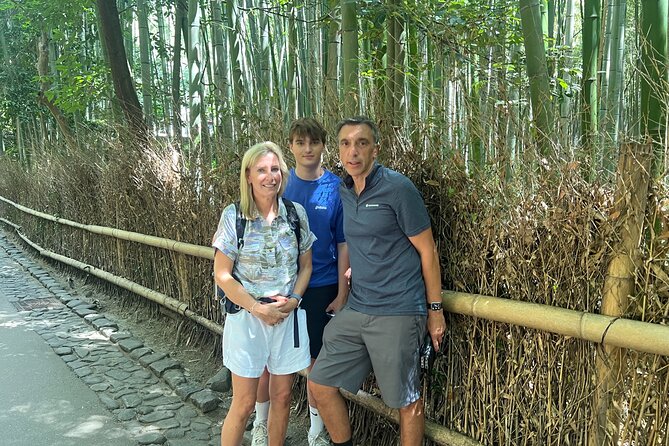
- Arashiyama morning time, including the area many people come for like the bamboo grove
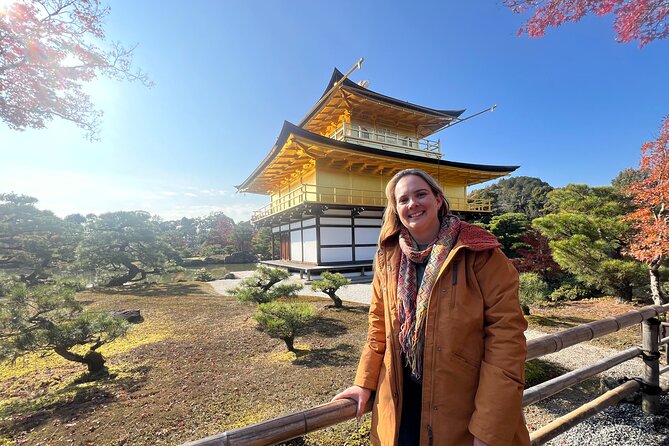
- Kinkaku-ji Golden Pavilion, guided and easier to enjoy when you arrive early
- Up to 8 people with an English-speaking guide, which keeps questions and pacing sane
The smart reason to go early in Kyoto
This tour is built around one simple idea: Kyoto is famous, and that fame creates crowds. Starting early gives you a chance to see the main sights with breathing room, and it also helps you avoid that feeling of being swept along.
You’re also on a tight schedule. The total time is about 5 hours (roughly 330 minutes), and you’re back at Kyoto Station by lunch. That matters because you can use the rest of the day for quieter neighborhoods, a second temple you care about, or just wandering without rushing.
Because it’s a small group, the day stays flexible. You can ask questions, get help with what to look for, and take photos without everyone constantly stopping and starting.
More Private Guides in Kyoto
- Kyoto Early Morning Tour with English-Speaking Guide
★ 5.0 · 1,427 reviews - Kyoto 6hr Private Tour with Government-Licensed Guide
★ 5.0 · 1,369 reviews - Kyoto 4hr Private Tour with Government-Licensed Guide
★ 5.0 · 629 reviews
Price and logistics, with the real math
The tour price is $101 per person. For that, you get an English-speaking guide and guided sightseeing time at the major stops, plus help moving between locations with public transit.
Two costs are not included. You’ll pay transportation, about 1240 yen, and you’ll pay the Kinkaku-ji entrance fee, 500 yen. When you factor those in, you’re still paying for a guide to handle timing and navigation, not just a ticket to a site.
Here’s where the value really shows: you’re paying for time efficiency. Trying to coordinate trains, walking, and the right order of sights on your own can eat up your morning fast, especially if you want the early hours.
Meeting at Kyoto Station, and how to avoid stress
You meet at Kyoto Station Central Ticket Gate. It’s the big gate where you can see the Kyoto Tower outside, near a 7-Eleven, and you’ll spot your guide holding a board that says GuideMe Japan.
Plan to show up 5 to 10 minutes early. The tour can’t wait for late arrivals, because other groups are moving too. If you’re the kind of person who likes a buffer for train delays or last-minute bathroom stops, build that buffer before you leave your hotel.
The guide contacts you through WhatsApp, so download it before you arrive. You’ll also want an IC card like SUICA, ICOCA, or PASMO, or a JR pass if you use one. This is not a bus-only day, so having transit access matters.
Fushimi Inari Taisha: the torii gates when the air is still calm
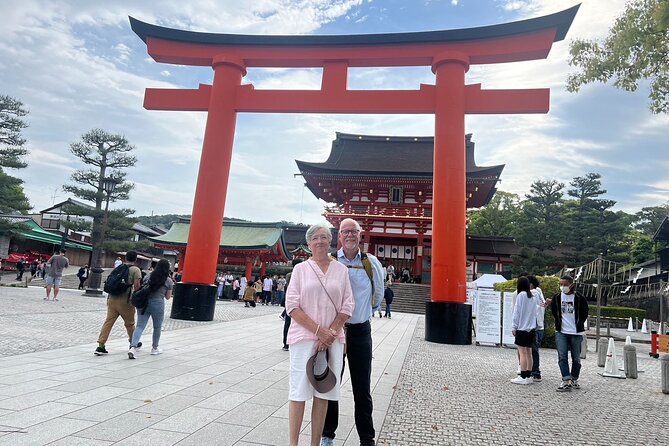
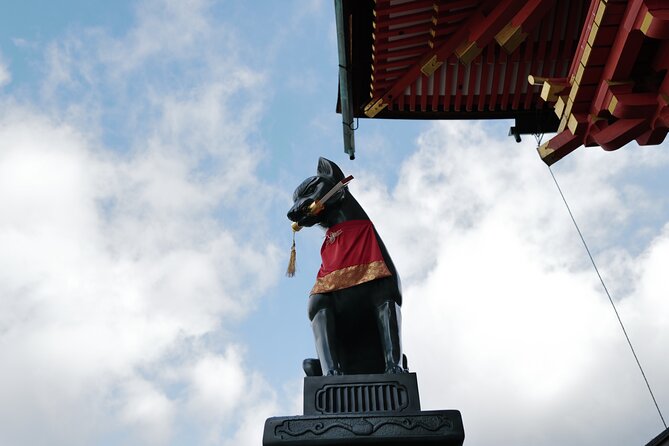
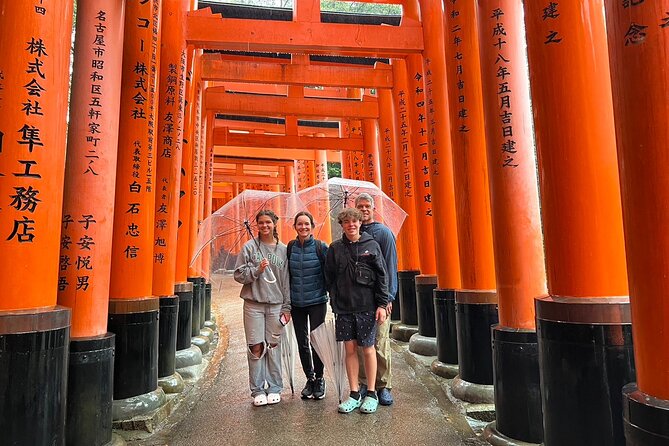
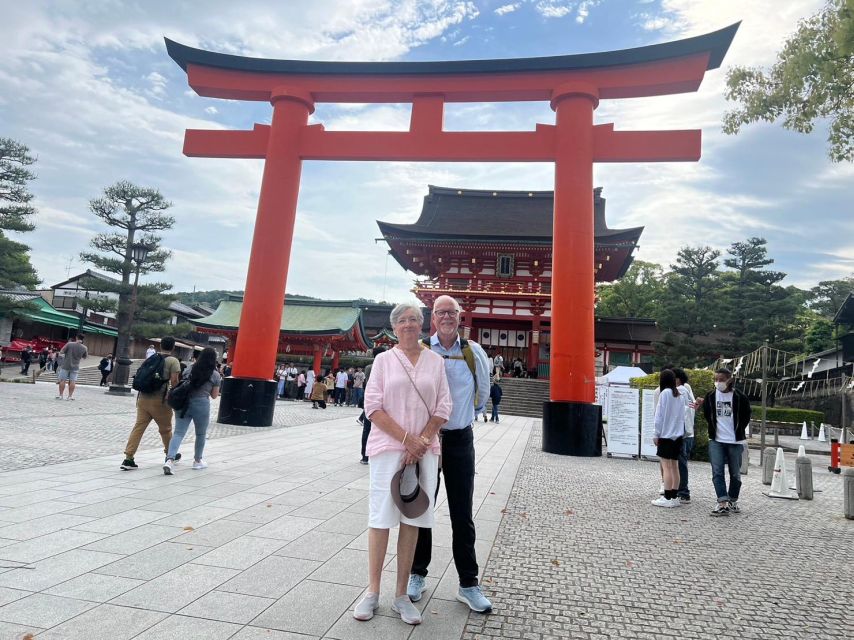
The day starts with Fushimi Inari Taisha. You get about 70 minutes here with guided time, and the goal is to let you experience the shrine without being swallowed by later crowds.
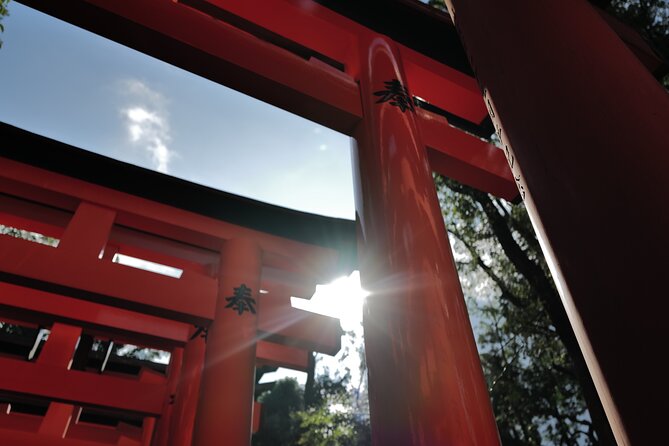
This is one of Kyoto’s signature scenes. The torii gates create a tunnel effect, and the sheer number of them is part of the awe. With an early start, you’re more likely to enjoy the slow rhythm of walking and stopping to look.
One reason this stop works well on a guided morning is how the guide frames what you’re seeing. Instead of only reading signs, you learn the meaning behind the place, which makes your photos more satisfying because you know what the symbols represent.
If you want the shrine atmosphere to really land, keep your phone away during the quiet moments. Use your guided time to learn first, then switch to photos once you understand the flow.
A different sort of day in Japan:
- PERFECT KYOTO 1-Day Bus Tour
★ 5.0 · 13,518 reviews - Kyoto: Fushimi Inari, Kinkakuji, Bamboo Grove 1 Day Bus Tour
★ 4.8 · 4,316 reviews - Kyoto: Tea Ceremony in a Traditional Tea House in Kiyomizu
★ 4.9 · 3,519 reviews - Kyoto Geisha Walking Tour: Gion District & Hidden Gems
★ 4.7 · 3,273 reviews
Arashiyama district: time well spent before Kyoto fills up
After Fushimi Inari, you head to Arashiyama. You have about 1 hour there with guided time, which is a decent chunk for a first look.
Arashiyama is one of those areas where Kyoto’s variety shows up quickly. It’s scenic, it feels different from downtown station life, and it’s popular for a reason. Many guides use this hour to help you find the right walking routes and viewpoints, including the bamboo grove area that people often associate with Arashiyama.
The biggest advantage of doing Arashiyama in the morning is how it changes the vibe. In peak hours, the area can feel packed. In the early window you have more room to notice details, like how crowds move through paths, where people naturally pause, and which direction gives you better views.
If you’re someone who likes photos, this is also where you’ll benefit from a guide who can point out the angles. I’ve seen guides described as great at taking or helping with photos, which is practical when you want the shot without blocking everyone.
Kinkaku-ji Golden Pavilion: the classic payoff
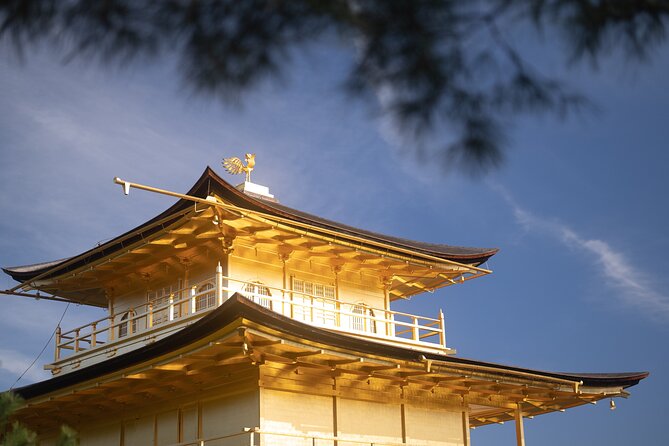
Then comes Kinkaku-ji, with about 1 hour of guided sightseeing. Expect it to be the emotional high point of the day, since this is the Buddhist temple most people recognize right away.
The entrance fee is 500 yen, so plan for that. Also, the better you handle timing, the more enjoyable this stop becomes. Arriving earlier generally helps you enjoy the pavilion and the grounds without feeling like you’re sprinting between bottlenecks.
What you get from a guide here is interpretation, not just directions. You learn what makes the building style and setting special, and you understand what to notice so you do not miss the important details while the crowd surges around you.
This is also a good stop to slow down. The pavilion is easy to photograph, but the calm experience happens when you step back, look from a couple angles, and let the scene sink in.
Public transportation that keeps your day efficient
This tour is a walking tour that uses public transportation. You’re not on a dedicated bus waiting around in traffic.
That matters for two reasons. First, trains and local transit are often faster than you’d expect for short hops. Second, once you see how the guide uses the system, you’ll feel more confident using public transit for the rest of your trip.
The day includes short travel segments plus some bus or coach time to move between areas. It sounds simple, but it’s exactly why a guide helps. Even in a city with good signage, timing and the right transfer stop can be confusing when you are managing crowds and your own energy.
If you want to keep the experience comfortable, wear shoes that you can walk in for hours. You will move.
The guide makes the tour feel personal
This is an English-speaking guided experience (and Korean is also listed). The group is limited to up to 8 people, which keeps the tone friendly and makes it easier for the guide to answer questions.
The most praised element across guide experiences is how much they explain without turning the tour into a lecture. I’ve seen names like Hinano Yoshida, Ramu, Genki, Koi, Karin, Aya, Haruki, and Hina stand out in different groups for being friendly, using clear English, and sharing practical context at the stops.
You’ll also notice how some guides act as a day-of planner. A common style is to share helpful food suggestions and tips after the tour. Even if you do not get a perfect recommendation for your exact tastes, you’ll leave with ideas you would not have found quickly on your own.
If you care about photography, look for a guide who points out photo spots and helps you time shots. Several guides were described as good at getting people great pictures.
Comfort and who this tour fits best
Bring comfortable shoes. You’ll do real walking, and the route includes shrine and temple approaches that can involve uneven ground.
Bring cash. You’ll want it for entrance fees and for small purchases, plus you might find it easier than cards in certain places.
This tour is not wheelchair or stroller accessible. It is also not recommended for guests who use a cane, and it is not a fit for people with heart problems or for very elderly travelers (the limit listed is over 95 years). If any of that is you, you should skip this one and choose a gentler format.
Baby strollers are not allowed, and no wheelchair access is mentioned, so plan accordingly.
Is $101 worth it for this early Kyoto highlights route?
If you have limited time in Kyoto, this feels like a smart use of your morning. You cover three headline areas in about 5 hours: Fushimi Inari Taisha, Arashiyama, and Kinkaku-ji.
You are paying for a guided flow. The guide handles the order, the pacing inside each stop, and the transit transitions. That reduces the biggest hidden cost of traveling independently: decision fatigue plus wasted time figuring out the next move.
You also get something money cannot easily buy on your own: a smoother first experience with Kyoto’s major landmarks. The early start plus guided context means you spend your energy looking, not troubleshooting.
The main trade-off is physical. You trade a slower, pick-your-own pace day for an efficient, structured morning. If you are not comfortable walking and using public transit, your enjoyment will drop.
Should you book this early morning Kyoto tour?
Book it if you want Kyoto’s top sights without losing half your day to crowd management and navigation. It’s a great first Kyoto morning, especially if you like the idea of finishing by lunch and then exploring on your own.
Skip it if mobility is an issue, if you cannot commit to arriving early at Kyoto Station, or if you hate walking with breaks measured in minutes. This tour works best when you show up ready to move and ready to follow a plan.
If you do book, do two things and you will feel the difference. Wear comfortable shoes, and arrive at the meeting point on time so the group can start. Then enjoy the morning window while Kyoto is still yours to take in.
FAQ
Where is the meeting point?
You meet at Kyoto Station Central Ticket Gate, near the Kyoto Tower outside view and a 7-Eleven. The guide will be holding a board that says GuideMe Japan.
What time should I arrive?
Please arrive 5 to 10 minutes before the scheduled time. Late guests cannot join once the tour starts, and refunds are not mentioned for lateness.
Is this tour private?
No. It’s a group tour with a maximum of 8 participants.
How long is the tour?
The total duration is about 330 minutes, roughly 5 hours, with a possible variance of around 30 minutes.
What is included in the price?
You get a sightseeing tour with an English-speaking guide.
What is not included?
Lunch is not included. Transportation fees are not included (about 1240 yen), and Kinkaku-ji entrance is not included (500 yen).
Do I need an IC card or JR pass?
Yes, it’s a public transportation tour. You should bring an IC card such as SUICA, ICOCA, PASMO, or a JR pass.
Is the tour wheelchair or stroller accessible?
No. It is not wheelchair or stroller accessible, and baby strollers are not allowed. It is also not recommended for guests who use a cane.
Newly listed around Kyoto
- Taste of Nishiki Market Walking Food Tour with Local guide★ 5.0 · 17 reviews
- Kyoto: Sushi Making Class with Sushi Chef★ 4.8 · 64 reviews
- Simple Plan with Maiko★ 4.4 · 10 reviews
- Shibori Furoshiki Course at Kyoto Shibori Museum★ 5.0 · 21 reviews
- Kyoto: City Secrets eBike Tour★ 4.9 · 196 reviews
- Sacred Pathways: Discover the Philosopher’s Path of Kyoto★ 4.9 · 20 reviews
- Private Tour to Monkey Park and Arashiyama Highlights★ 5.0 · 22 reviews
- Private Nara Tour from Osaka – Meet at Your Hotel★ 5.0 · 22 reviews
Licensed Guides & Private Drivers, compared.
Tokyo 6hr Private Tour with Government-Licensed Guide
Read our review →
Kyoto Early Morning Tour with English-Speaking Guide
Read our review →
Tokyo 4hr Private Tour with Government-Licensed Guide
Read our review →
Kyoto 6hr Private Tour with Government-Licensed Guide
Read our review →
Hiroshima / Miyajima Full-day Private Tour with Government Licensed Guide
Read our review →
Tokyo Private Sightseeing Tour by Car- English speaking chauffeur
Read our review →
Mt Fuji Private Tour with English Speaking Driver
Read our review →
Mt Fuji Private Day Trip from Tokyo with English speaking driver
Read our review →Browse the lists this tour appears in