
Review · LICENSED GUIDES & PRIVATE DRIVERS
Tokyo 4hr Private Tour with Government-Licensed Guide
Tokyo can feel like a puzzle. A private, government-licensed guide turns it into a plan you can actually follow. In about 4 hours, you pick a few stops from classic landmarks and quieter parks, then let your guide handle the flow of streets and trains.
I especially like the customizable route. You choose 2 to 3 sites, so you are not burning time on the wrong thing, and the pace can match your group. I also like that the guide is local and English-speaking, and many guides focus hard on practical transit tips so you get your bearings fast.
One consideration: this is a walking tour, and not a car tour. Pickup is on foot in a designated area, and while many sights are free, several gardens and museums have tickets that are not included, plus the tour does not include going inside the Imperial Palace.
In This Review
- Key things to know before you go
- A 4-hour Tokyo private tour that fits real schedules
- How the customization works when you choose 2 to 3 sites
- Getting value from a government-licensed guide, not just a route
- Senso-ji and Asakusa: a classic start with real atmosphere
- Shibuya Crossing and Hachiko: the city’s speed in one glance
- Imperial Palace grounds: what you get, and what you do not
- Meiji Jingu, Harajuku, and Yoyogi Park: calmer Tokyo in the middle of it
- Tsukiji Fish Market: where food curiosity becomes part of the tour
- Gardens and museums when you want Tokyo to slow down
- Tokyo Tower and viewpoints: the big skyline hit
- Beyond the headline stops: Akihabara, Golden Gai, Nezu, and more
- How pickup, walking, and metro navigation affect your comfort
- Price and value at about $109 per person
- Quick decision guide: who should book this tour
- Should you book the Tokyo 4-hour private highlights tour?
- FAQ
- How long is the Tokyo private tour?
- Is this tour a walking tour, and do I get picked up by car?
- Can I choose which sights to visit?
- Are entrance fees included for temples, gardens, or attractions?
- Does the tour include going inside the Imperial Palace?
- How much of Tokyo Tower is included?
- Is the tour private for my group?
- What is the cancellation window?
Key things to know before you go
- Government-licensed English guide keeps your half-day focused and stress-free.
- Pick 2-3 sites from a wide menu, so your Tokyo highlights match your interests.
- Transit coaching is a big part of the value, from metro routing to navigating stairs when needed.
- Iconic photo stops like Shibuya Crossing and Tokyo Tower are balanced with temples and gardens.
- Some entrances cost extra, and Imperial Palace access is limited to the outside areas.
- Private means just your group, and guides tailor the route in real time.
A 4-hour Tokyo private tour that fits real schedules
A good Tokyo plan is not about seeing everything. It is about seeing the right things, without getting worn down. This tour is built for time-tight visits, and the half-day length usually feels right because you get variety without turning the day into a blur.
You also avoid a very common first-time problem: spending mental energy on navigation instead of enjoying Tokyo. With a guide who knows the city layout, you get a cleaner timeline, fewer dead ends, and more time at the places you actually picked. This is especially helpful if you are juggling jet lag, different interests within your group, or you just want the easiest path between neighborhoods.
The tradeoff is the walking. Even when stops are near public transit, you should expect time on foot between areas. If you have limited mobility or you know stair-heavy stations will be an issue, tell your guide early, since some guides specifically help route around long stairs when possible.
More Private Guides in Tokyo
- Tokyo 6hr Private Tour with Government-Licensed Guide
★ 5.0 · 3,902 reviews - Tokyo Private Sightseeing Tour by Car- English speaking chauffeur
★ 5.0 · 1,004 reviews - Mt Fuji Private Tour with English Speaking Driver
★ 5.0 · 861 reviews
How the customization works when you choose 2 to 3 sites
The core structure is simple: you meet your licensed guide on foot in a designated area, then you choose 2-3 sites from the available list of popular landmarks and parks. That choice matters, because it is what decides your walking and transit pace during the 4 hours.
In practice, customization is not just a checkbox. Several guides are known for adjusting the plan when you want to linger, move faster, or swap one area for another that better fits your energy level. If you are traveling with older family members, teens, or multiple generations, this flexibility is often the difference between a tour that feels fun and one that feels rushed.
Also note what is not included in the customization. This is not a vehicle tour, and it does not include entrance fees or lunch. So if you want maximum value, pick at least one or two free sights, then consider paid gardens or a museum only if you truly want them in your half day.
Getting value from a government-licensed guide, not just a route
A private guide earns their fee in two ways: context and logistics. The best part here is the practical support. You are not just listening to stories. You are also learning how to move through Tokyo’s transit system with confidence.
In reviews, guides are praised for helping with metro direction, easing route planning, and even advising on reload points for transit cards like Suica. If you have never used Tokyo rail before, those little pointers can save you from wrong trains and long detours.
Context is the other half. Guides tend to connect what you are seeing to larger themes like Japanese temple life, Shinto and Buddhism basics, and how different neighborhoods evolved. For example, you may get shrine etiquette explained before you step into Meiji Jingu, or you may get story-level background at Sensoji so you understand what you are looking at instead of just snapping photos.
One more value point: because it is private, the guide can match the pace to you. Some groups like a brisk walking style, while others prefer a calmer rhythm and more time for viewpoints and photos.
Senso-ji and Asakusa: a classic start with real atmosphere
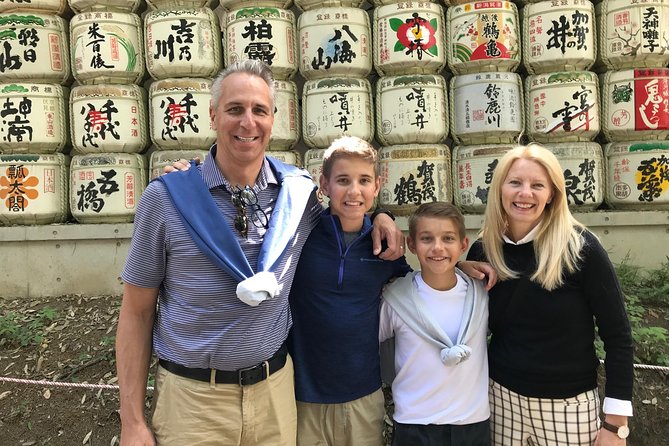
Asakusa is Tokyo’s shitamachi, the older downtown vibe where the city feels more familiar and less engineered. The centerpiece is Senso-ji, one of the most popular Buddhist temples in Tokyo. The temple is tied to a long-running legend dating back to the year 628, which adds meaning to the visuals rather than making it feel like a tourist stop.
This area is also great because it naturally gives you layers: temple buildings, street energy, and the sense that you are standing in a neighborhood with history. Even if you only have time for one Asakusa stop, it is an easy win for first-time visitors because it gives Tokyo texture fast.
Watch-outs are practical, not dramatic. Asakusa draws crowds, and a half day means you should choose whether you want to prioritize the temple itself or time on the surrounding streets. A private guide helps you pick the best approach so you do not waste your limited time walking in loops.
A different sort of day in Japan:
- Mt Fuji and Hakone 1-Day Bus Tour Return by Bullet Train
★ 5.0 · 26,383 reviews - 1-Day Tokyo Bus Tour
★ 5.0 · 14,250 reviews - Tokyo: TOKYO SKYTREE® Admission ticket
★ 4.5 · 11,192 reviews - Tokyo: teamLab Planets TOKYO Digital Art Museum Entry Ticket
★ 4.6 · 9,779 reviews
Shibuya Crossing and Hachiko: the city’s speed in one glance
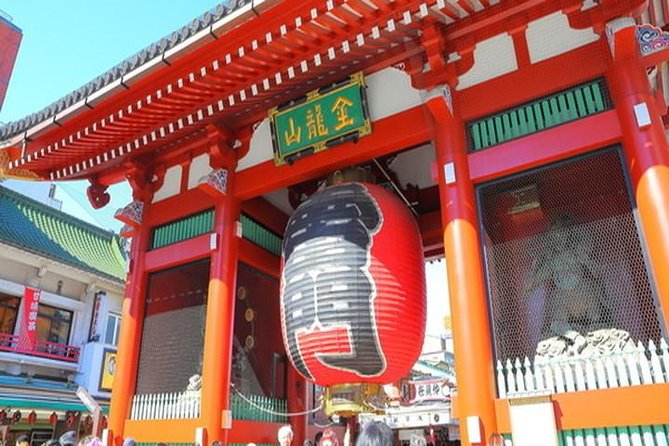
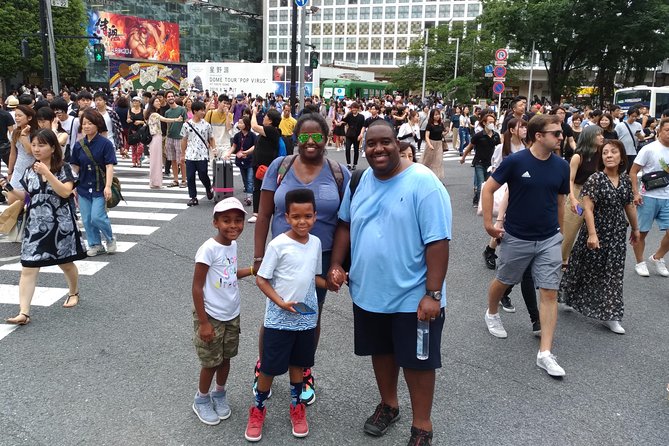
If Tokyo has a postcard moment, it is Shibuya Crossing. Locals call it Shibuya scramble, and the crossing is famous for how it spreads foot traffic in multiple directions. The area also connects to the beloved Hachiko dog statue, which gives you a story you can repeat later, long after the walking tour ends.
What makes Shibuya special on a guided half-day is that you can do it without turning the whole experience into a photo frenzy. A good guide will point out where to stand for a clear view and how to time your visit so you spend more minutes watching the scene and less time fighting the crowd.
Shibuya is also a great pivot point because it connects to nearby neighborhoods and transit lines. If your second choice includes places like Harajuku or the Meiji Jingu area, Shibuya can work as a central anchor for the route.
Imperial Palace grounds: what you get, and what you do not
The Imperial Palace area is a major Tokyo landmark, and it is tied to the former site of Edo Castle. Expect moats and massive stone walls around the grounds, and a park-like feel rather than a “single building tour” vibe.
Important limitation: this experience does not include access inside the Imperial Palace itself. So if you are hoping to step into palace buildings, you will be disappointed. What you can do is enjoy the surrounding grounds and learn how the location fits into Tokyo’s broader history.
This stop also works well for balance. It gives you a break from dense city energy and resets the atmosphere before or after more chaotic areas like Shibuya or shopping districts.
Meiji Jingu, Harajuku, and Yoyogi Park: calmer Tokyo in the middle of it
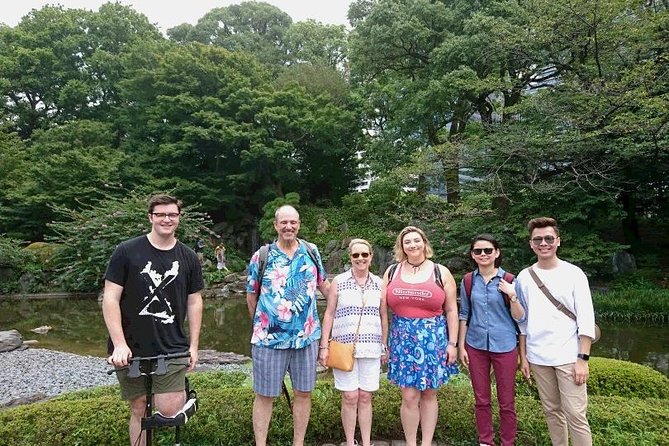
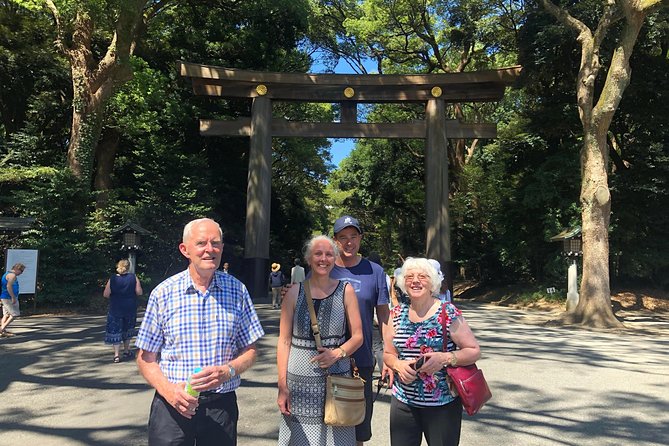
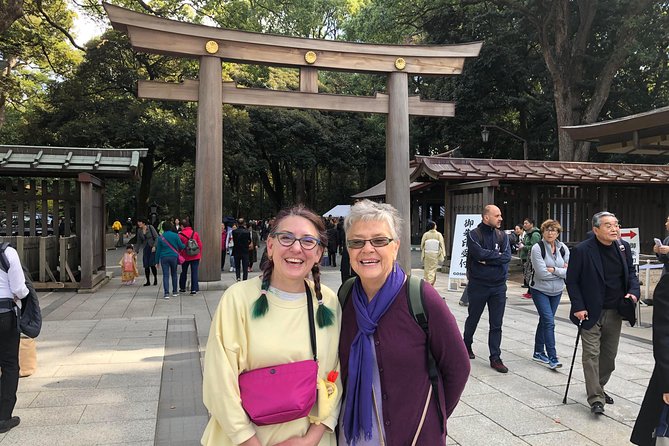
Meiji Jingu is a shrine dedicated to the deified spirits of Emperor Meiji and Empress Shoken. It sits near Harajuku Station by the JR Yamanote Line, which makes it easy to reach even when you are visiting during peak hours. If you want a spiritual reset during a half day, this is one of the best choices.
Pairing it with Harajuku and Yoyogi Park is where the day starts to feel like Tokyo, not just “Tokyo attractions.” Harajuku is known as the center of Japan’s teen fashion culture, especially around Takeshita Street. Then Yoyogi Park offers lawns, ponds, and forested areas, which gives you breathing room.
A useful angle here is etiquette and context. In reviews, guides are praised for explaining shrine basics before you walk in. That turns a quick visit into something you understand, even if you are not religious. If you are traveling with teens, this is also a way to keep the visit engaging without losing cultural respect.
Tsukiji Fish Market: where food curiosity becomes part of the tour
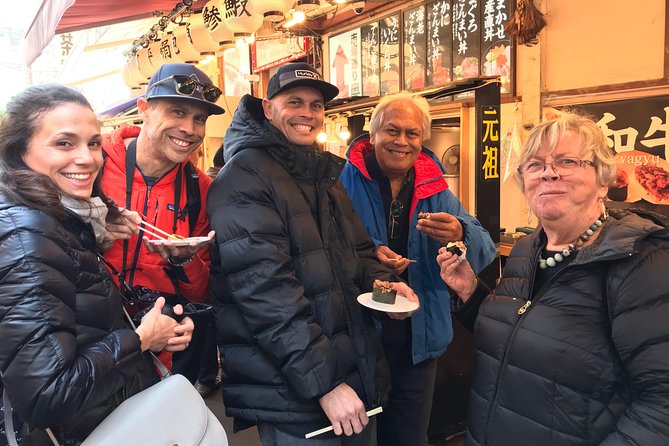
Tsukiji is the old fish market of Japan, and it is known for a food-filled scene where locals and visitors come to snack and shop. Even if you are not planning a full meal, it is a strong cultural stop because Tokyo food culture is built on what happens in markets like this.
What to expect is simple: you can explore, and you can buy something to eat. Several guides are recognized for helping with food choices and finding spots to try items while still keeping the tour moving.
There is also a useful pacing lesson here. Tsukiji can eat up time if you let it. A private guide can help you sample without losing the rest of your afternoon, which matters when you still want to fit in areas like Shibuya, a garden, or a museum.
Gardens and museums when you want Tokyo to slow down
Tokyo has a softer side, and these stops are the proof. If you choose a paid garden or museum, your tour becomes more than city landmarks. It turns into a change of pace.
Shinjuku Gyoen National Garden is one of Tokyo’s largest and most popular parks, with spacious lawns and walking paths that feel calmer than the neighborhoods around it. It is a great choice if you want scenery and a less intense walking experience.
Koishikawa Korakuen Garden is an older Edo-period style garden and one of Tokyo’s best known traditional garden choices. Hama Rikyu Gardens add a special twist with seawater ponds that change level with the tides, plus a teahouse setting. Rikugien Garden is also a fan favorite, built around 1700 for the 5th Tokugawa Shogun, and its name connects to the idea of six poems.
If you want culture indoors, consider Tokyo National Museum. It is the oldest and largest of Japan’s top-level national museums. Since admission is not included, decide if museum time is worth the ticket cost compared to a different garden stop.
The practical caution is time. Gardens and museums can be larger than they look from outside, so you will get the best result if you choose one garden or museum as your “slow down” stop rather than trying to cram multiple.
Tokyo Tower and viewpoints: the big skyline hit
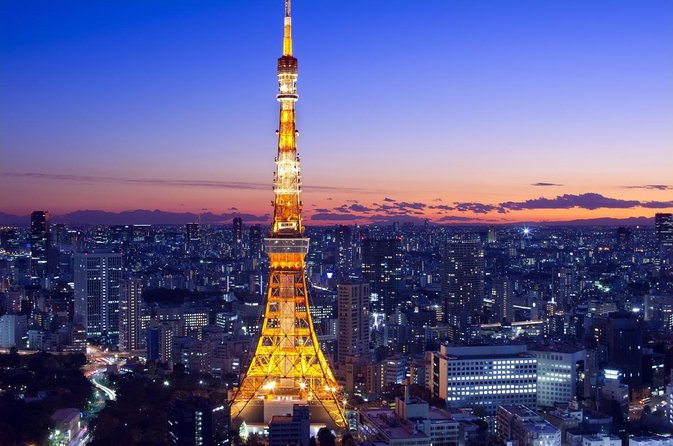
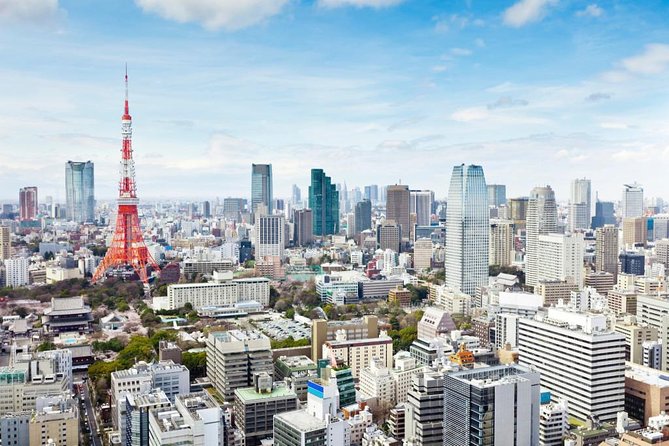
Tokyo Tower is a communications and observation tower, built in 1958 and reaching 332.9 meters. For this tour, you get access up to the main deck, while the top deck is not included.
This is a solid choice if you want a dramatic skyline moment without switching to a full-day plan. It also works well late in the afternoon, when you may still have workable visibility but crowds can feel different than midday.
Since entry tickets are not included, treat this as an add-on you opt into. If you like views and you want an iconic Tokyo landmark, it is worth weighing into your 2-3 site picks.
Beyond the headline stops: Akihabara, Golden Gai, Nezu, and more
Not everyone wants the same three photos. The route also supports Tokyo’s personality through neighborhoods.
Akihabara is famous for electronics shops and has become a magnet for pop-culture fans. If you want modern Tokyo flavor, this is a smart choice.
Golden Gai is a tight area known for small bars and eating spots, with an origin story tied to the 1950s move of the black market near Shinjuku Station. If you care more about atmosphere than big monuments, Golden Gai can be a memorable stop.
Nezu (with the surrounding Yanaka and Nezu area) is described as a neighborhood that avoided major damage during wars and disasters, so it retains a last-century character. That makes it a good contrast to the mega-areas where everything feels new.
Shibamata keeps old-school charm in Tokyo’s east end near the Edogawa River. If your group likes local neighborhoods, this is a nice way to show Tokyo beyond the central highlights.
How pickup, walking, and metro navigation affect your comfort
This is a walking tour. Pickup is offered, but it is on foot within a designated meeting area, and the tour is near public transportation. That means you should expect a day built on walking plus trains, not taxis or private vehicles.
The upside is speed and flexibility. With trains, you can jump between areas like Asakusa, Shibuya, Meiji Jingu, and more without wasting time stuck in traffic.
The upside in reviews is the “how” of it. Guides are praised for handling the metro system with guests, including helping avoid long stairs for older visitors and guiding how to reload transit cards. If you want to learn how Tokyo transit works rather than just getting carried to each stop, this style of tour does that.
The one practical downside is that you cannot fully avoid walking or stairs in a city like Tokyo. Your best defense is to pick the stops that match your energy and communicate needs early so your guide can plan around them.
Price and value at about $109 per person
At $109.43 per person for about 4 hours, the value depends on how you use the private time. You are paying for a government-licensed English guide and a customized half-day that reduces your time spent figuring things out.
What is not included matters. Entrance fees are not included, and lunch is not included. Also, transportation fees and private vehicle are not included. Many major sights on the list show as free, so you can keep costs down by choosing more free stops and one optional paid experience like a garden, museum, or Tokyo Tower main deck.
Where the pricing starts to feel especially fair is when your alternative is doing Tokyo “blind” on your first day. If you would otherwise spend an hour plus each way wrestling with trains, you are buying back that time and energy.
For couples and small families, the private format usually pays off because you can shape the route to match your interests. For example, one group might want temples plus a garden, while another prefers Shibuya, Harajuku, and Akihabara.
Quick decision guide: who should book this tour
Book this tour if you are:
- Short on time and want a tight introduction to Tokyo without navigating on your own
- Choosing between multiple neighborhoods and want a guide to help you pick the best 2-3 stops
- The kind of traveler who enjoys learning how things work, especially Tokyo transit
- Traveling with mixed ages or different interests, where flexibility helps
Consider skipping or changing your plan if you:
- Need guaranteed access inside the Imperial Palace, because this tour does not include it
- Do not like walking or you know stairs will be a major issue, since it is a walking tour even with metro help
- Want a full day packed with everything, because 4 hours is intentionally not a marathon
Should you book the Tokyo 4-hour private highlights tour?
Yes, if you want Tokyo to feel navigable quickly and you plan to pick stops that match your interests. The best outcomes come from choosing a smart mix, like one big landmark, one culture or shrine stop, and one park or garden option.
If you are price-sensitive, aim for free sights like Sensoji, Meiji Jingu, and many neighborhood areas, then add just one paid experience like Shinjuku Gyoen or Tokyo Tower. And if communication matters to you, be clear about your preferred pace and language comfort early, since a tour experience is only as good as the guide match.
FAQ
How long is the Tokyo private tour?
It is about 4 hours.
Is this tour a walking tour, and do I get picked up by car?
Yes, it is a walking tour. Pickup is offered on foot within a designated area of Tokyo, not as a private vehicle pickup.
Can I choose which sights to visit?
Yes. You can customize and choose your tour based on your interests, selecting 2 to 3 sites from the available options.
Are entrance fees included for temples, gardens, or attractions?
Entrance fees are not included. Some stops are listed as free, while others are listed as not included, so your total cost will depend on what you choose.
Does the tour include going inside the Imperial Palace?
No. The tour does not include access to the inside of the Imperial Palace.
How much of Tokyo Tower is included?
Access is only up to the main deck. The top deck is not included.
Is the tour private for my group?
Yes. This is a private tour, so only your group participates.
What is the cancellation window?
You can cancel up to 24 hours in advance for a full refund, based on local time. If you cancel less than 24 hours before the start time, the amount paid is not refunded.
Newly listed around Tokyo
- Tokyo private transfer for Yokohama Port★ 4.5 · 63 reviews
- Luxury Kimono Photoshoot at Ginza Tokyo★ 5.0 · 7 reviews
- Tokyo Allstar Food Tour★ 4.5 · 206 reviews
- Tokyo Art Aquarium Museum E-Ticket with optional Tokyo Metro Pass★ 5.0 · 17 reviews
- Tokyo: Best Ginza Food Tour at 3 Local Eateries★ 5.0 · 83 reviews
- Private One Day Nikko Tour with Bilingual driver★ 3.5 · 11 reviews
- PRIVATE tour in 180SX to Daikoku+++++★ 5.0 · 6 reviews
- Kabuki Talk★ 5.0 · 10 reviews
Licensed Guides & Private Drivers, compared.
Tokyo 6hr Private Tour with Government-Licensed Guide
Read our review →
Kyoto Early Morning Tour with English-Speaking Guide
Read our review →
Kyoto 6hr Private Tour with Government-Licensed Guide
Read our review →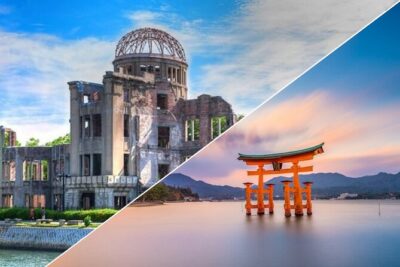
Hiroshima / Miyajima Full-day Private Tour with Government Licensed Guide
Read our review →Early Morning Tour with English-Speaking Guide
Read our review →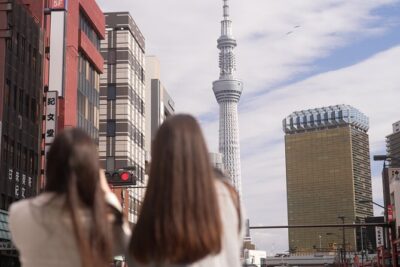
Tokyo Private Sightseeing Tour by Car- English speaking chauffeur
Read our review →
Mt Fuji Private Tour with English Speaking Driver
Read our review →
Mt Fuji Private Day Trip from Tokyo with English speaking driver
Read our review →Browse the lists this tour appears in