
Review · MOUNT FUJI DAY TRIPS
Tokyo:Mt.Fuji,Kawaguchiko Oishi Park,Arakurayama Sengen Park
Mt. Fuji looks different at every turn. This full day outing strings together the classic Chureito Pagoda frame, lakeside views, and the storybook Saiko Iyashi-no-Sato Nenba village. It runs with a live guide and comfort-focused transport, so you spend less time figuring out trains and more time taking pictures.
I love how the route gives you Mt. Fuji from several angles, not just one viewpoint. I also like that you get real time to walk and explore places like Oishi Park and the craft-and-lunch stop at Kawaguchiko Craft Park, instead of feeling rushed in every location.
The main consideration is the pace. It is a long day (about 10 hours), with walking plus serious steps at Arakurayama Sengen Park, so comfortable shoes matter.
In This Review
- Key Things to Know Before You Go
- A Mt. Fuji Day Trip That Stops at the Best Types of Viewpoints
- Getting Started: Two Tokyo Meeting Points and an Air-Conditioned Coach
- Arakurayama Sengen Park: 398 Steps to the Pagoda and Fuji Frame
- Hikawa Clock Shop and Arakura Fuji Sengen Shrine: Small Stops, Photo Payoff
- Chureito Pagoda Time: Your Chance to Get the Shot Before Moving On
- Lake Kawaguchi: Fuji Reflections Plus Real Free Time for Walking
- Kawaguchiko Craft Park: Lunch With a View, Shopping, and Workshop Options
- Oishi Park and the Flower Road: Seasonal Color With Fuji in the Background
- Saiko Iyashi-no-Sato Nenba: Thatched Village, Crafts, and Optional Costume Photos
- Price and Logistics: Why $54 Can Make This a Smart Move
- The Realistic Pace: Walking Steps, Timing, and Building in Flexibility
- Who This Tour Fits Best
- Should You Book This Mt. Fuji Route?
- FAQ
- How long is the Mt. Fuji, Kawaguchiko, and Saiko tour?
- What is included in the $54 per person price?
- What are the main stops during the day?
- What lunch options are available?
- What languages are the guides available in?
- Where does the tour start and end?
Key Things to Know Before You Go
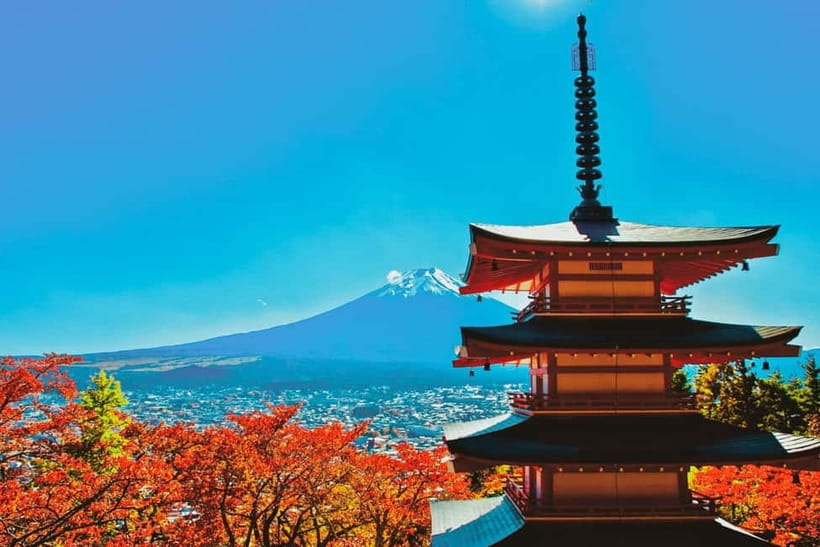
- Multiple Mt. Fuji photo angles across Arakurayama, Lake Kawaguchi, and Oishi Park
- Arakurayama Sengen Park climbs 398 stone steps, with an observation deck and iconic pagoda views
- Kawaguchiko Craft Park combines lunch, shopping, and Fuji-facing views in one stop
- Oishi Park Flower Road changes by season, including spring tulips and summer lavender festival vibes
- Saiko Iyashi-no-Sato Nenba is a restored thatched village with craft shops and optional costume photo fun
- Guides like Omar and Koji are often praised for clear timing, good humor, and helping you get the most out of each stop
A Mt. Fuji Day Trip That Stops at the Best Types of Viewpoints
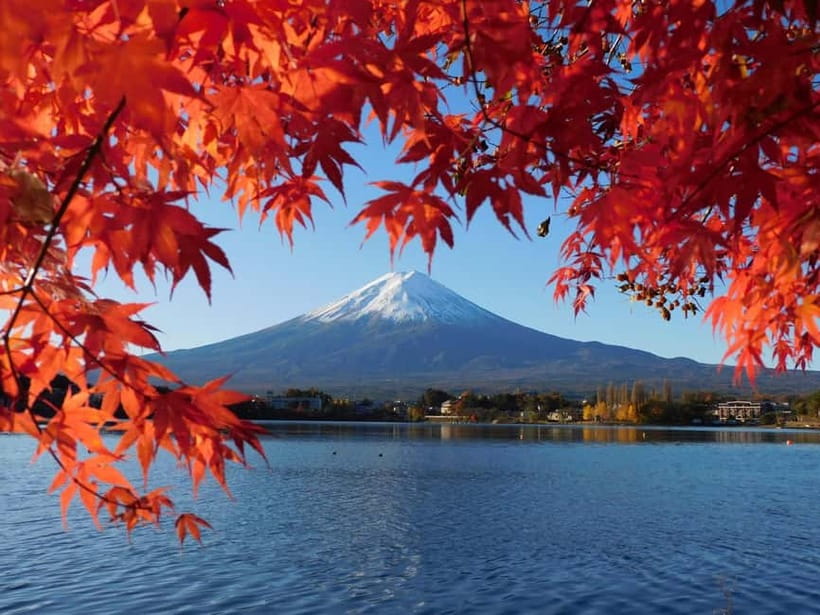
If you only have one day to chase Mt. Fuji, this kind of itinerary makes sense. You are not just going to one mountain overlook and hoping for the best. The day is built around classic Fuji scenes: the pagoda silhouette, Fuji reflected in the lake, and seasonal flower and foliage settings.
The other thing I like for planning is how the stops balance photos with actual strolling. You get short walking breaks, longer free-time windows, and a lunch stop that is not an afterthought. It feels like a route designed for real day-trip pacing, not a checklist sprint.
You will also notice the tour is structured around “best possible moments,” especially for scenery visibility. Weather controls everything in Japan, but the route gives you several chances to see Mt. Fuji clearly.
More Mount Fuji Day trips in Tokyo:
- Mt Fuji and Hakone 1-Day Bus Tour Return by Bullet Train
★ 5.0 · 26,383 reviews - Mt Fuji & Hakone Cruise, Drum Show Bullet Train 1 Day from Tokyo
★ 4.0 · 7,413 reviews - Tokyo Mt Fuji 5th St & Hakone Cruise Bus Tour w/Bullet Train
★ 4.4 · 5,024 reviews
Getting Started: Two Tokyo Meeting Points and an Air-Conditioned Coach
You start from one of two Tokyo-area options, and the meeting point can vary depending on what you book. One option is LOVE (Robert Indiana) near Shinagawa, and the other is the Kokuyo office location in Shinagawa. Either way, the tour leaves on schedule, so arrive about 10 minutes early.
Once you are loaded onto the air-conditioned vehicle, the day becomes about timing. Because traffic can happen, your stop lengths may shift slightly, but the overall plan stays the same. It helps to think of this as “scenic time plus travel time,” not a quick hop outside the city.
A practical detail I appreciated from the tone of the operation: the tour runs with a live guide in English or Chinese, and multiple language groups may be combined in the same car. That usually keeps the logistics smooth and the guide communication clear.
Arakurayama Sengen Park: 398 Steps to the Pagoda and Fuji Frame
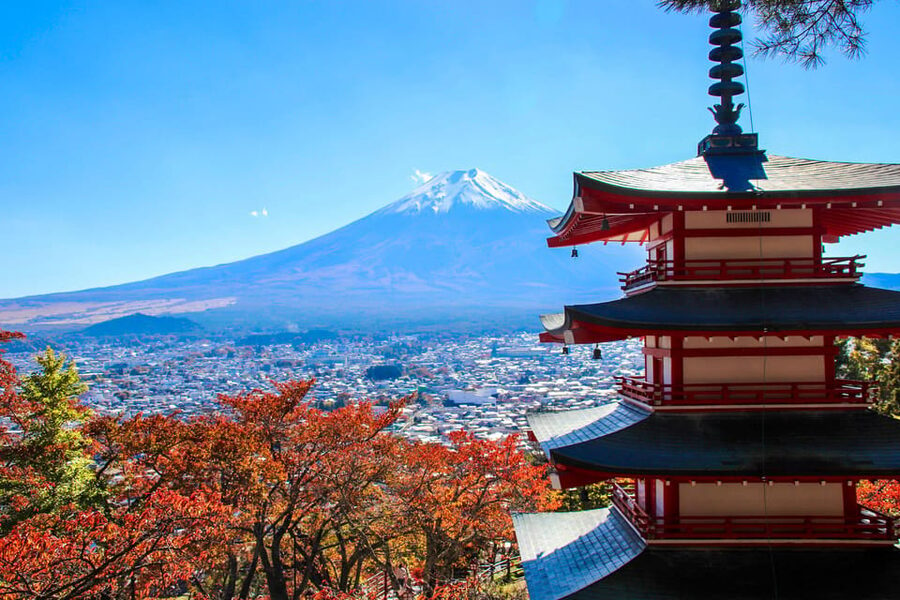
Arakurayama Sengen Park is the headliner for a reason. It is one of the most recognizable Mt. Fuji scenes in Japan: the mountain in the background, paired with the five-story pagoda you see in the famous Chureito style photos.
The climb is no joke. You rise from the entrance up 398 stone steps to an observation deck. On a clear day, that elevation is what turns the pagoda-and-Fuji view into a postcard moment. On cloudy or misty days, you may still get atmosphere and good framing, but the views can soften.
Here is a useful tip for planning your body for the climb. Some people report there is a slope option available for those who do not want to do every step. If you need it, ask your guide early. Also, wear shoes with good grip, because stone steps are slippery when wet.
Seasonal timing makes this stop even better. In late March to mid-April, you can hit the cherry blossom season when around 650 cherry trees are in bloom. In autumn, the park turns into red and gold contrast with the pagoda and snow-capped Fuji (when visible).
Hikawa Clock Shop and Arakura Fuji Sengen Shrine: Small Stops, Photo Payoff
After Arakurayama, the route adds two quick cultural-photo detours: Hikawa Clock Shop and Arakura Fuji Sengen Shrine.
These are not long-duration stops. Instead, they are about getting a different angle of the Fuji area without adding a major commute. If you like photos that feel slightly less generic than the main pagoda shot, these short walks can be worth it.
Think of them as “the buffer” for the day. You get a chance to stretch, take photos, and reset after the step climb. It also gives you flexibility if Fuji decides to show up briefly during the day.
A few more Tokyo days to weigh up
- 1-Day Tokyo Bus Tour
★ 5.0 · 14,250 reviews - Tokyo: TOKYO SKYTREE® Admission ticket
★ 4.5 · 11,192 reviews - Tokyo: teamLab Planets TOKYO Digital Art Museum Entry Ticket
★ 4.6 · 9,779 reviews - Tokyo: Sumo Show Experience with Chicken Hot Pot and a Photo
★ 4.8 · 6,678 reviews
Chureito Pagoda Time: Your Chance to Get the Shot Before Moving On
You will also have a Chureito Pagoda stop built into the flow. This is where most people aim for the classic composition: pagoda in the frame, Mt. Fuji behind it, and often cherry blossoms in spring or autumn leaves later.
What matters here is not just the photo itself, but your timing inside the stop. You get photo stop, visit, and free time. That means you can reposition, try different angles, and avoid feeling stuck at only one viewpoint.
If you are a photography person, arrive mentally ready to wait for the lighting to cooperate. If you are not, just treat it as the “signature moment” and enjoy the views, because the rest of the day keeps the scenery theme going.
Lake Kawaguchi: Fuji Reflections Plus Real Free Time for Walking
Now you shift from the pagoda frame to the Fuji-by-water experience at Lake Kawaguchi. This stop is long enough to matter, with about 2 hours on site including regional food options.
Why Lake Kawaguchi is such a big deal: when the weather cooperates, you can get that iconic “Fuji reflected on the lake” look. Even when reflections are partial, you still get a calmer scene than the step-stairs areas, and it feels more like a day out than a photo mission.
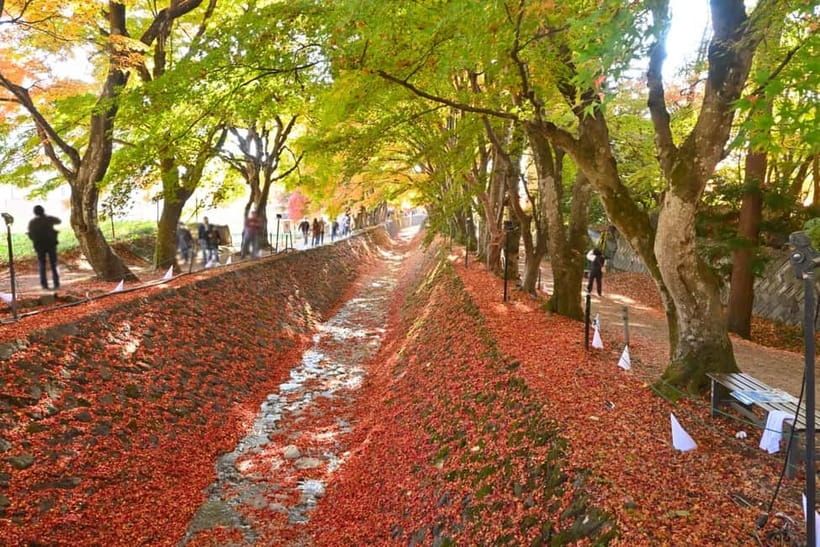
You also get a separate stop for the Lake Kawaguchi Maple Corridor. This is the season-based foliage moment. If you go in autumn, you are chasing a red and gold feel along a corridor that pairs well with Fuji in the background (when the mountain is visible).
A practical move: use your free time to walk a bit near the water. It is usually the easiest way to understand the lake’s layout and find pleasant angles quickly, without needing any local knowledge.
Kawaguchiko Craft Park: Lunch With a View, Shopping, and Workshop Options
Kawaguchiko Craft Park is where the tour adds a “less scenic, more fun” block, and it works well. You get a dedicated time for lunch, shopping, and optional workshop activities.
Most importantly, the park is designed for people who want to eat while looking out. There are dining spaces and open-air seating, so you can pause from walking and still keep the Fuji scenery in your field of view.
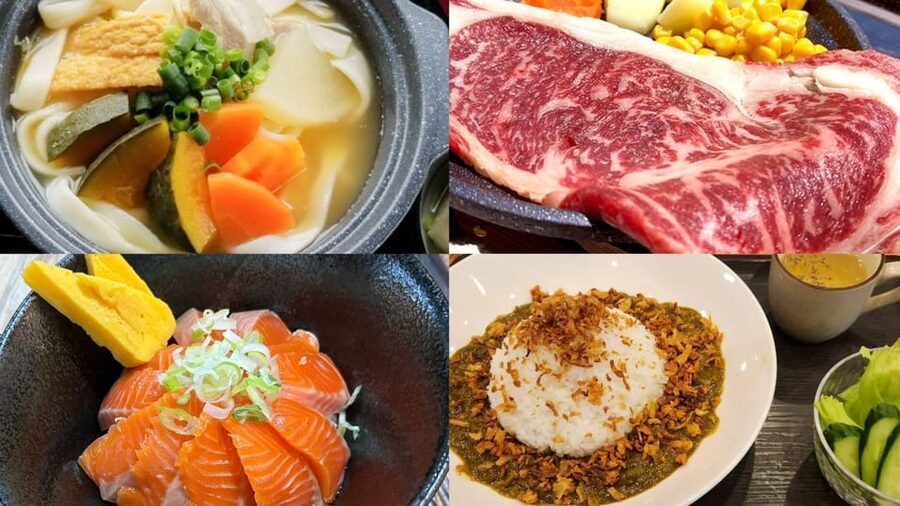
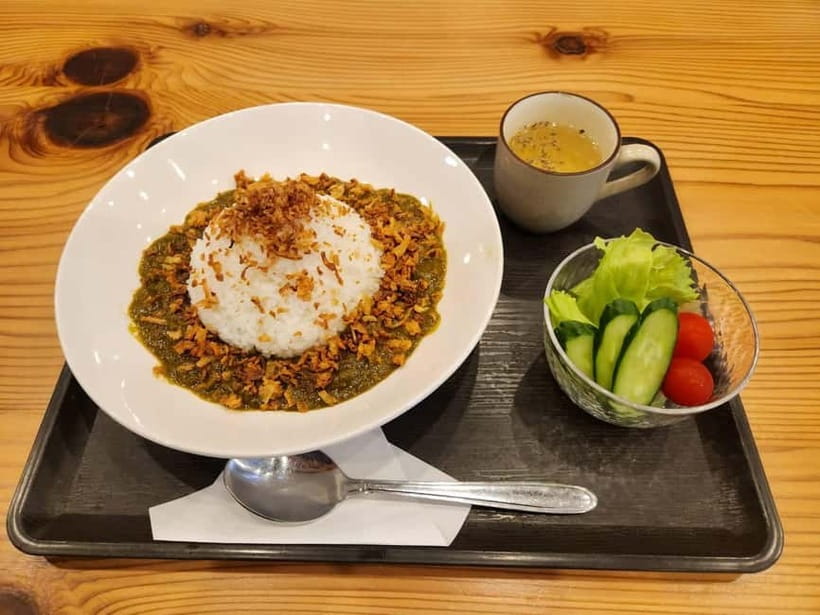
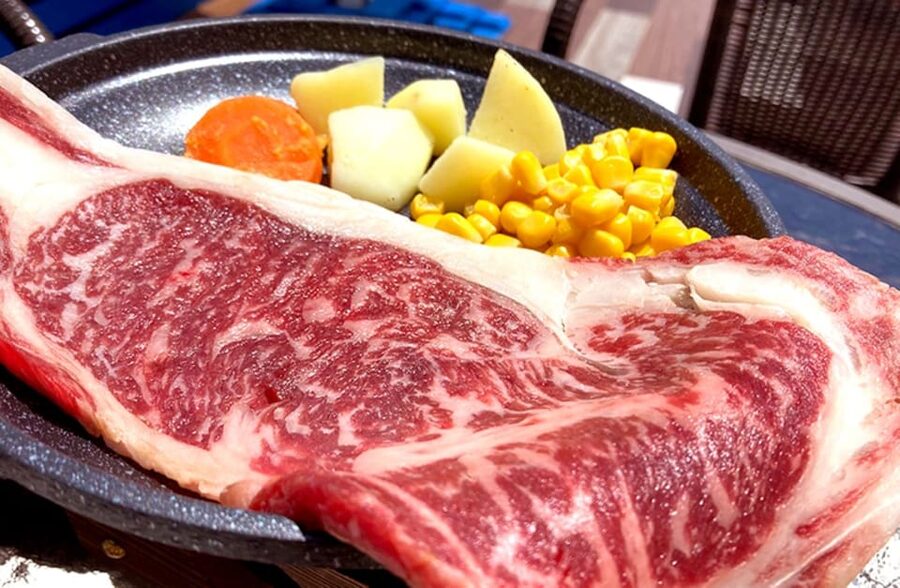
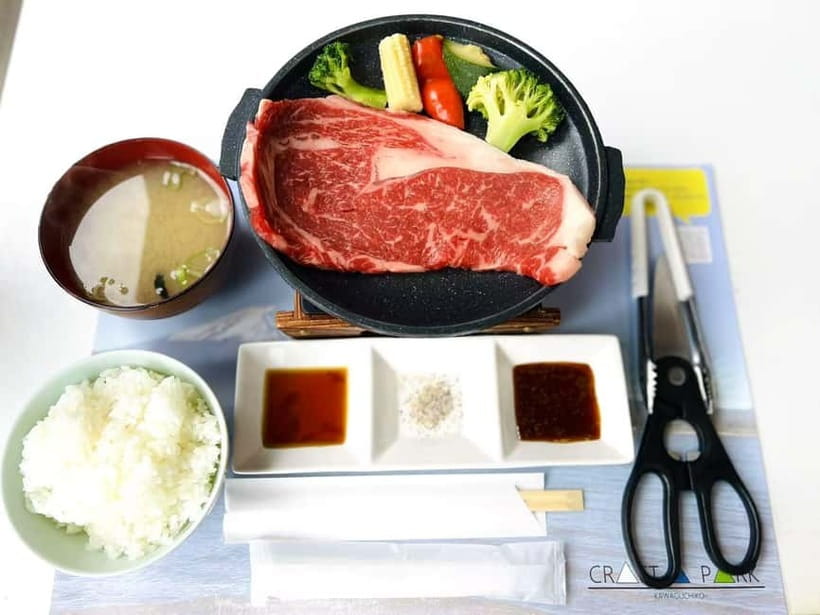
Lunch options are one of the best parts of the value here. You can choose from:
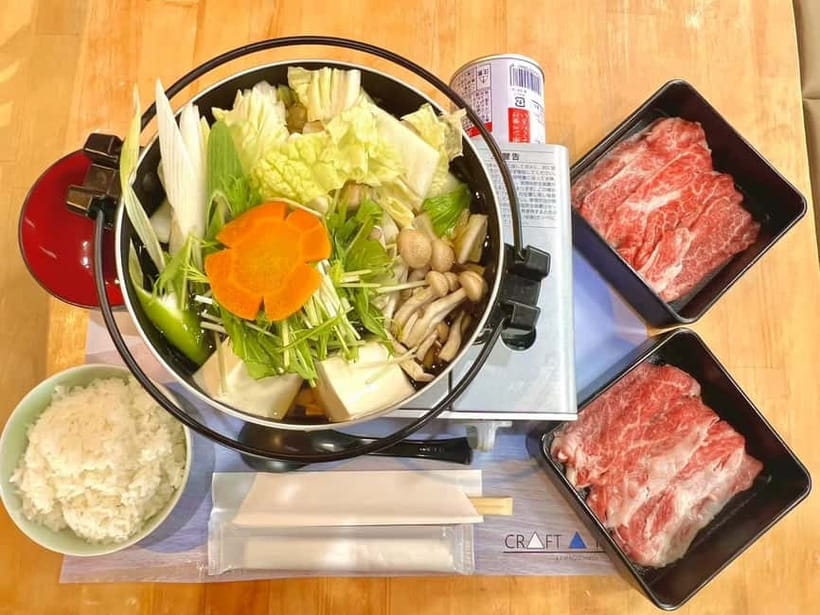
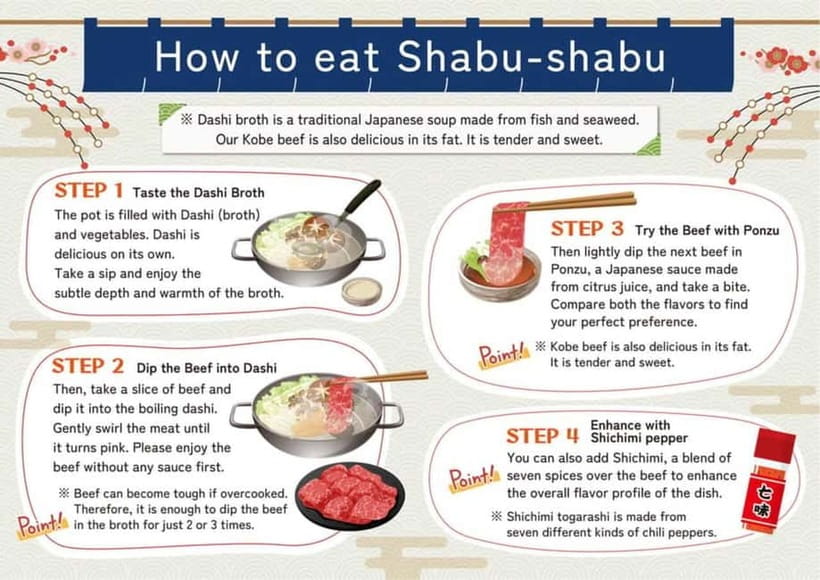
- Kobe beef shabu-shabu made with A5-grade Japanese black Wagyu
- Koshu wine beef steak, using Wagyu raised on grapes in Yamanashi
- Houtou noodles, a local specialty simmered in miso broth with vegetables and chicken
If you prefer noodles, houtou is a comforting choice after a step-heavy morning. If you want a “special meal” day trip, Wagyu shabu-shabu or Koshu wine steak is the way to go.
And yes, some people mention a vegan lunch option being offered on their day. If that matters for you, check when you reserve and confirm your meal choice.
This stop also has a souvenir area with local specialties and limited-edition items. So you can shop without turning the day into a department-store errand.
Oishi Park and the Flower Road: Seasonal Color With Fuji in the Background
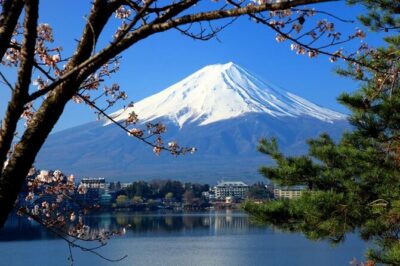
Next up is Oishi Park, a go-to for wide Fuji views and lake scenery. You have a smaller window here (about a half-hour bus transfer segment plus free time), so you will want to be selective.
The star feature is the Flower Road, a long strip by the lakeside about 350 meters. It changes by season:
- Tulips in spring
- Lavender in summer
- Kochia (broom grass) in autumn
During the Kawaguchiko Herb Festival, usually late June to mid-July, you can catch the dreamlike purple lavender look with Fuji in the background. Even outside festival peak, Oishi is worth it because the park layout makes it easy to take multiple angles quickly.
My advice for Oishi: wear something light and bring a small water bottle. You will likely walk the Flower Road path in sections, then pause at the best Fuji-facing spots.
Saiko Iyashi-no-Sato Nenba: Thatched Village, Crafts, and Optional Costume Photos
The final “wow” stop is Saiko Iyashi-no-Sato Nenba, located by Lake Saiko in Yamanashi. This is a restored traditional village, built to feel like the kind of place you see in old Japanese farming scenes, with thatched-roof houses reminiscent of Shirakawa-go.
You are walking through about 20 houses, many of which act as craft studios, souvenir shops, and eateries. That mix makes it feel more alive than a photo set.
One of the standout activities here is dressing up. People can wear kimono or ninja outfits and take photos with Mt. Fuji in the background. Even if you skip costumes, the village gives you a calmer, cultural finish to the day after Lake Kawaguchi.
The seasonal mood is also different here year-round:
- Spring cherry blossoms and carp streamers
- Summer greenery
- Autumn fall leaves
- Winter snow scenes
That means you are not just visiting a static village. You are stepping into a seasonal snapshot.
Price and Logistics: Why $54 Can Make This a Smart Move
At about $54 per person for a roughly 10-hour day trip, the real value is what you get included and how much effort you avoid.
You are paying for:
- Air-conditioned round-trip transport from Tokyo
- A live English or Chinese guide
- Entrance ticket to Saiko Iyashi-no-Sato Nenba
- Lunch if you choose the lunch option
Then there is the time savings. Going to Fuji areas like Kawaguchiko and Saiko on your own means managing bus timing, rail connections, and multiple transfers. This route keeps you on a single vehicle plan and organizes the day around scenic priorities.
Is it cheap compared with a DIY plan using train passes and buses? It can be, especially when you factor in your time and energy. Is it worth it if Fuji is partly hidden by weather? Yes, because the itinerary is still full of interesting places, not only one mountain lookout.
The other logistics theme from guide feedback is that many guides are praised for clear instructions and good humor, with names like Omar and Koji coming up in how guides communicate timing and help guests make the most of each stop. That kind of guidance matters on a day where you do not control visibility.
The Realistic Pace: Walking Steps, Timing, and Building in Flexibility
This is not a sit-on-the-bus-all-day tour. You will walk at multiple stops, and Arakurayama’s stairs are the big physical moment at 398 steps.
If you are going in chilly weather or rain, dress in layers. You are outside at several stops, and weather can change quickly around Fuji regions. Also, bring footwear you can trust on wet stone.
A useful mental framework: think of the day as “photo stops plus exploration windows.” When you are at each viewpoint, use the free time to move around and take in the place, not just one quick photo and a sprint to rejoin the group.
Finally, do not schedule tight train or flight connections the same day. The tour can adjust stop time if traffic affects the bus, and you want margin for your own plans after returning to Tokyo.
Who This Tour Fits Best
This one-day route is a strong fit if:
- You want a classic Mt. Fuji day trip from Tokyo without complicated planning
- You like photography and want multiple Fuji viewpoints in one go
- You also want a cultural stop, not only scenery
- You want an organized lunch and souvenir time built into the schedule
It may be less ideal if:
- You want a slow, minimal-walking day
- You hate stairs, since Arakurayama includes a big step climb (and you may need the slope option if available)
Should You Book This Mt. Fuji Route?
I think you should book it if you are aiming for the best odds of seeing Mt. Fuji during a short stay in Japan. The itinerary gives you several different “Fuji styles,” pagoda framing, lakeside atmosphere, seasonal flower and foliage settings, and a thatched-roof village finish.
You should also book if you value structure. The guide-led timing, the comfort-focused transport, and the built-in lunch options make the $54 price feel practical, especially when you would otherwise spend hours coordinating multiple transport segments.
If you are sensitive to walking or steps, plan ahead and consider asking your guide about step alternatives early. If you are flexible on the day’s weather outcome, you will still get a full, varied experience.
In short, this is a solid one-day plan for Mt. Fuji seekers who want more than one view and a day that runs smoothly.
FAQ
How long is the Mt. Fuji, Kawaguchiko, and Saiko tour?
The duration is about 10 hours.
What is included in the $54 per person price?
The tour includes air-conditioned vehicle transportation and a live tour guide. Entry tickets to Saiko Iyashi-no-Sato Nenba are included. Lunch is included only if you select the lunch option.
What are the main stops during the day?
You visit Arakurayama Sengen Park, Hikawa Clock Shop, Arakura Fuji Sengen Shrine, Chureito Pagoda, Lake Kawaguchi (including time at the Maple Corridor), Kawaguchiko Craft Park, Oishi Park, and Saiko Iyashi-no-Sato Nenba. The tour ends at Shinjuku Station.
What lunch options are available?
Lunch options include Kobe beef shabu-shabu (A5-grade Japanese black Wagyu), Koshu wine beef steak (Wagyu raised on grapes in Yamanashi), or Houtou noodles (a local miso broth noodle dish). Lunch is tied to selecting the lunch option.
What languages are the guides available in?
The live tour guide is available in English and Chinese.
Where does the tour start and end?
The meeting point can vary depending on which starting option you booked, with options including LOVE (Robert Indiana) near the Shinagawa area and a Kokuyo office location in Shinagawa. The tour finishes at Shinjuku Station.
Newly listed around Tokyo
- Tokyo private transfer for Yokohama Port★ 4.5 · 63 reviews
- Luxury Kimono Photoshoot at Ginza Tokyo★ 5.0 · 7 reviews
- Tokyo Allstar Food Tour★ 4.5 · 206 reviews
- Tokyo Art Aquarium Museum E-Ticket with optional Tokyo Metro Pass★ 5.0 · 17 reviews
- Tokyo: Best Ginza Food Tour at 3 Local Eateries★ 5.0 · 83 reviews
- Private One Day Nikko Tour with Bilingual driver★ 3.5 · 11 reviews
- PRIVATE tour in 180SX to Daikoku+++++★ 5.0 · 6 reviews
- Kabuki Talk★ 5.0 · 10 reviews
Mount Fuji Day Trips, compared.
Mt Fuji and Hakone 1-Day Bus Tour Return by Bullet Train
Read our review →
Mt Fuji & Hakone Cruise, Drum Show Bullet Train 1 Day from Tokyo
Read our review →
Tokyo Mt Fuji 5th St & Hakone Cruise Bus Tour w/Bullet Train
Read our review →
Mt. Fuji Tour, Hakone Ropeway, Owakudani, Lake Ashi
Read our review →
Mt. Fuji 5th Station & Hakone Cruise 1-Day Bus Tour
Read our review →
Mt Fuji Top 5 Spots Day Tour: Arakurayama Park,Oshino Hakkai
Read our review →
Private Tour to Mt. Fuji and Hakone (Fully Licenced Operator)
Read our review →Browse the lists this tour appears in