

Review · MOUNT FUJI DAY TRIPS
From Tokyo: Mount Fuji Full-Day Sightseeing Trip
Fuji views can change in minutes. This full-day bus trip strings together the most photogenic stops around Kawaguchiko Lake and up to Mt. Fuji, with a clear, guided plan. My main caution is the big one for this area, Mt. Fuji visibility depends on weather, and the 5th Station portion can shift if roads close or clouds roll in.
What I love most is the variety of Fuji perspectives packed into 10 hours, plus the small cultural stops that keep the day from feeling like a single long photo sprint. The standout for me is the chance to taste water linked to Mt. Fuji at Oshino Hakkai, then look at the spring-fed ponds and their famous layouts up close.
In This Review
- Key Things to Know Before You Go
- Tokyo to Kawaguchiko: One Long, Organized Bus Day
- First Fuji Frames at Oishi Park by Lake Kawaguchi
- Arakurayama Sengen Park and Chureito Pagoda: The Fuji View That Everyone Wants
- Hikawa Clock Shop: A Short Cultural Detour With Free Time
- Oshino Hakkai: Taste Fuji Water and See the Eight Lakes
- Mt. Fuji 5th Station Around 2,300 Meters: The Closest Big View
- How the Timing Works: Crowds, Queues, and That Tight But Doable Schedule
- Price and Value: What $68 Buys You in Fuji Time
- Who This Tour Suits Best, and Who Might Feel Cramped
- Final Decision: Should You Book This Mount Fuji Day Trip?
- FAQ
- How long is the Mt. Fuji full-day sightseeing trip from Tokyo?
- Where are the pickup and drop-off locations in Tokyo?
- What are the main sightseeing stops on the route?
- Is Mt. Fuji 5th Station always guaranteed?
- Are food and drinks included in the tour price?
- Can I bring luggage or large bags?
- What languages are the guides?
- Is free cancellation available?
Key Things to Know Before You Go
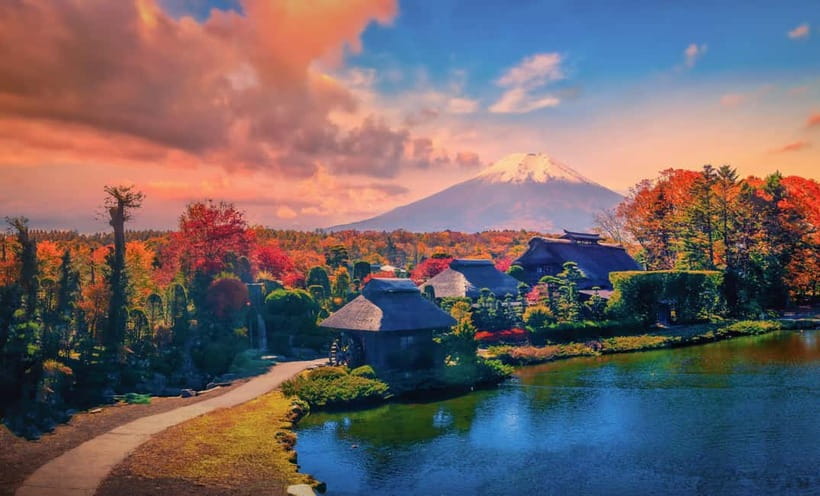
- Kawaguchiko Lake views early in the day, when the odds are usually better for clear skies
- Oshino Hakkai spring ponds and eight lakes, plus the iconic water-tasting moment
- Arakurayama Sengen Park and the Chureito Pagoda view, with a walk and city panoramas
- Mt. Fuji 5th Station at about 2,300 meters, your closest big payoff for the day
- A flexible itinerary option if the 5th Station road is closed, shifting to other Fuji viewpoints
- Long day, timed stops, and walking, so plan for quick breaks rather than lingering
Tokyo to Kawaguchiko: One Long, Organized Bus Day
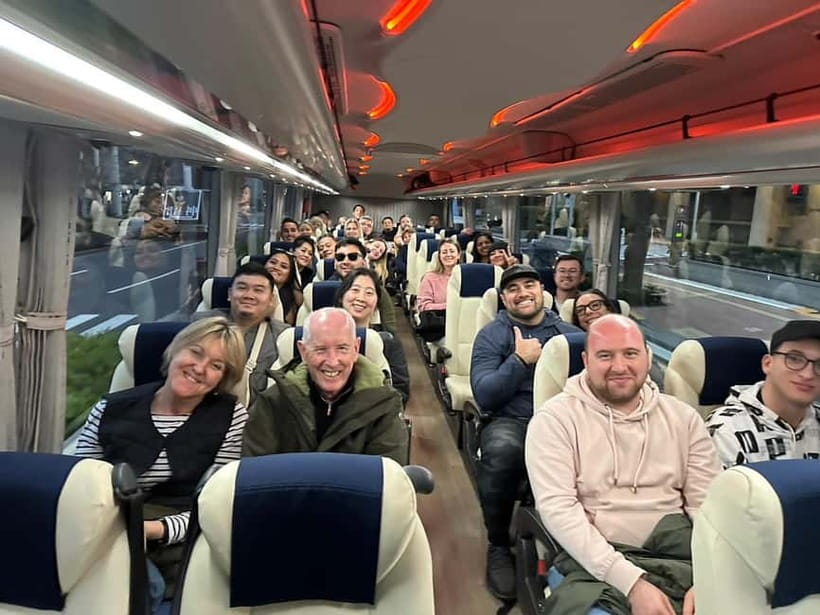
This is a bus tour for people who want Fuji without the stress of transfers and route planning. You depart from Tokyo by coach and you can expect a comfortable, air-conditioned ride, with pickup and drop-off from two main hubs in the city area. The tour is built around efficiency, not staying overnight or taking slow detours.
Because the whole day is structured, it also means your time at each stop is intentional. You get photo stops, guided moments, and short walks, then you move on. That works well if you like a checklist day, but it helps to have the right mindset going in: you are there to hit the highlights around Fuji, not to slow travel.
A practical note that matters more than it sounds: this tour is weather-dependent. Even with a perfect route, clouds and visibility can change quickly. The upside is that the itinerary doesn’t rely on only one view. You’ll see Fuji from multiple angles across the region, so even a partially cloudy day can still feel like a win.
More Mount Fuji Day trips in Tokyo:
- Mt Fuji and Hakone 1-Day Bus Tour Return by Bullet Train
★ 5.0 · 26,383 reviews - Mt Fuji & Hakone Cruise, Drum Show Bullet Train 1 Day from Tokyo
★ 4.0 · 7,413 reviews - Tokyo Mt Fuji 5th St & Hakone Cruise Bus Tour w/Bullet Train
★ 4.4 · 5,024 reviews
First Fuji Frames at Oishi Park by Lake Kawaguchi
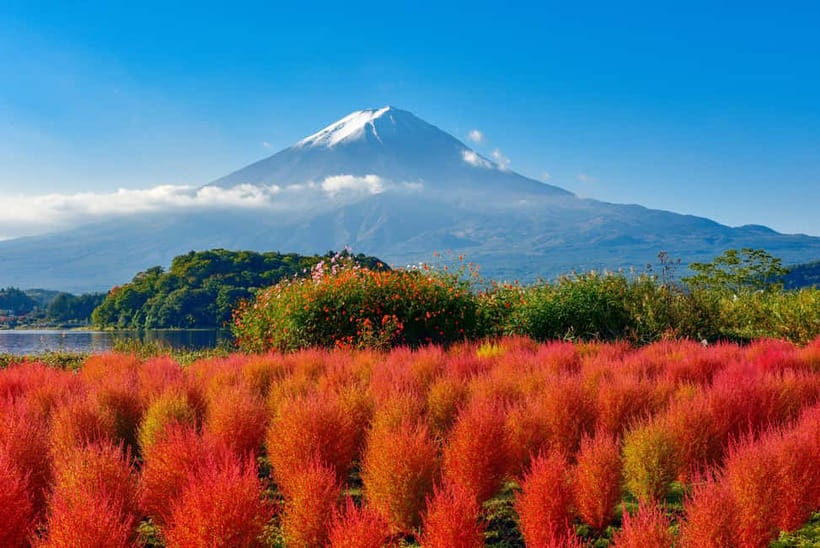
Kawaguchiko is where Mt. Fuji starts to feel real, not just like a distant postcard. The first big photo moment is Oishi Park, timed as an early stop where you can frame Fuji with Lake Kawaguchi in the background.
This is a classic composition setup: you get open sightlines, and you can photograph both the lake’s calm surfaces and Fuji’s shape if the sky cooperates. It’s also a good place to get oriented for the rest of the day. You’ll notice how the mountain sits in the landscape, and that makes later stops easier to understand.
Two small things to keep in mind. First, it can get busy in the good weather windows, especially on weekends. Second, the tour schedule keeps your visit to about 30 minutes here. That’s enough for a solid photo run, but not enough to treat it like a full hangout. Go for your shots early, then enjoy the walk.
Arakurayama Sengen Park and Chureito Pagoda: The Fuji View That Everyone Wants
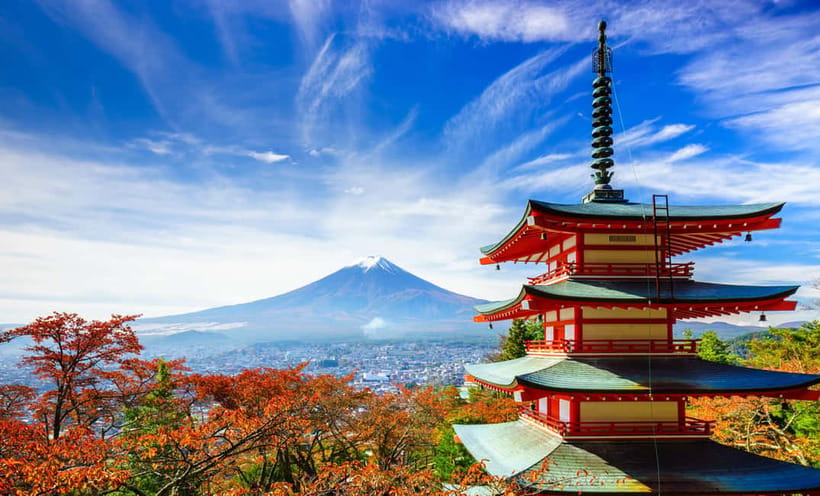
After the lake stop, you head to Arakurayama Sengen Park in Fujiyoshida. This is where you’ll find the famous Chureito Pagoda viewpoint, the one that has become almost synonymous with Mt. Fuji in photos.
The payoff here is the combination of three elements: the shrine grounds, the pagoda in its layered silhouette, and the city below with Fuji behind it. This stop also includes sightseeing and walking time, so it feels more like exploring than just standing and shooting.
In my view, this is one of the best places on the itinerary for people who want variety in one stop. The pagoda is the obvious target, but the walk and changing angles matter. Even if clouds soften Fuji’s contrast, the scene around the shrine still has strong visual structure.
Seasonal timing can influence what you notice too. In spring, you might admire cherry blossoms in the area, which adds a second layer to the scenery beyond Fuji itself. If you’re traveling outside cherry blossom season, the gardens still give the stop a lived-in feeling, not just a photo platform.
Hikawa Clock Shop: A Short Cultural Detour With Free Time
Between the main Fuji hits, the tour includes a stop at Hikawa Clock Shop. This is one of those brief stops that adds local texture to an otherwise mountain-heavy day.
You get visit time plus free time, so you can browse, take photos, or just step out of the bus rhythm for a bit. It’s also a chance to reset your pace before you move on to Oshino Hakkai and the mountain viewpoints.
One thing to consider: these “free time” slots can create quick decisions. If you want snacks, souvenirs, or restroom time, treat this as your window to handle small errands. If you wait until later, some stops can feel more crowded and queues can form.
A few more Tokyo days to weigh up
- 1-Day Tokyo Bus Tour
★ 5.0 · 14,250 reviews - Tokyo: TOKYO SKYTREE® Admission ticket
★ 4.5 · 11,192 reviews - Tokyo: teamLab Planets TOKYO Digital Art Museum Entry Ticket
★ 4.6 · 9,779 reviews - Tokyo: Sumo Show Experience with Chicken Hot Pot and a Photo
★ 4.8 · 6,678 reviews
Oshino Hakkai: Taste Fuji Water and See the Eight Lakes
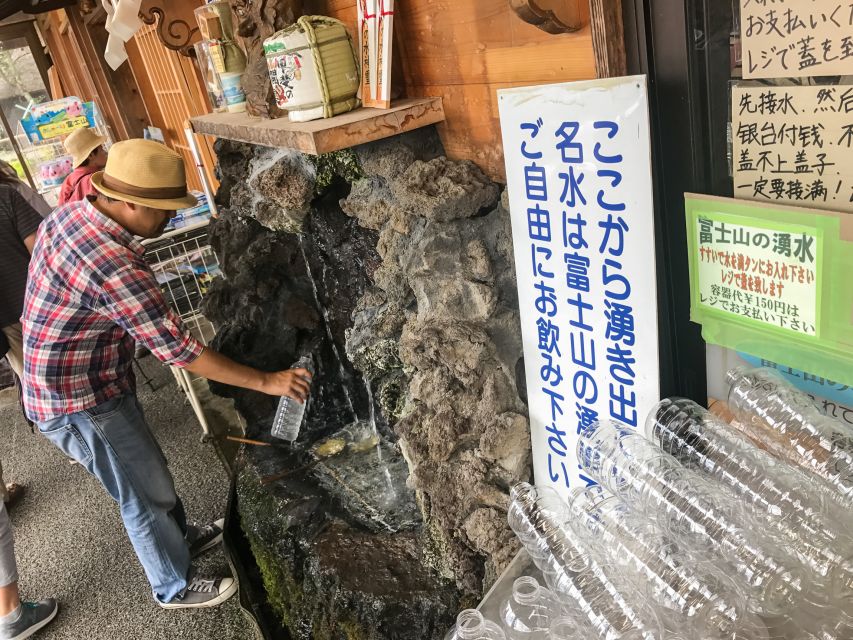
Oshino Hakkai is the stop that turns Fuji from a view into a lived-in experience. You’ll arrive at one of the best-known areas in the Fujisan region for spring-fed ponds and the famous layout of lakes formed by filtered meltwater.
This is where you get the signature moment: you can taste water from Mt. Fuji. For a lot of people, this is the most memorable sensory detail of the whole tour, because it connects the mountain to something you can actually experience in your hands.
The area is also famous for its eight different lakes, and the best approach here is to slow down just slightly inside the limits of the scheduled time. Look for how each pond sits, how the water reflects light, and how the scene changes as you walk. It’s not a museum stop. It’s an outdoor “water landscape” stop.
Time matters here because you also have time set aside for lunch at this stop. Food and drinks aren’t included in the tour price, so you’ll need to plan to buy what you want on your own. If you’re picky about meals or you travel with dietary needs, I’d treat this stop as your main meal planning moment rather than hoping you’ll find the perfect option later.
Mt. Fuji 5th Station Around 2,300 Meters: The Closest Big View
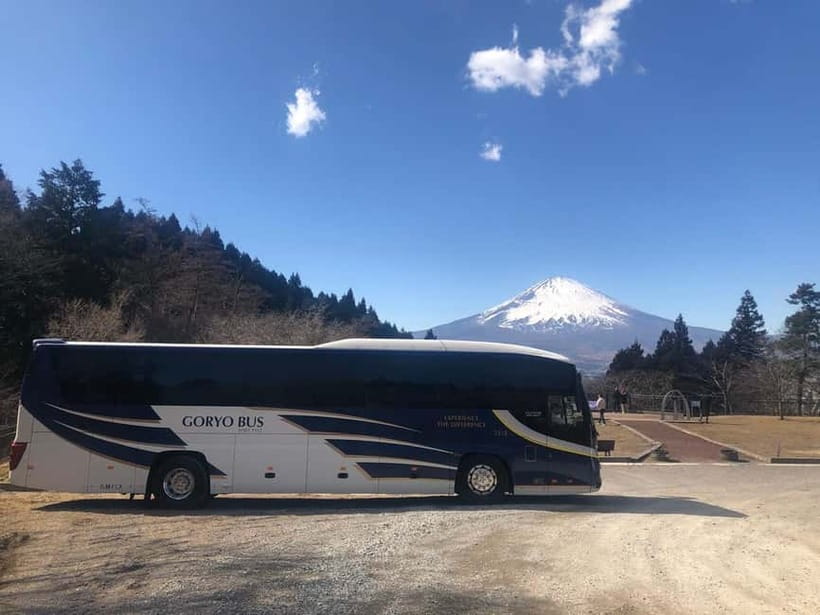
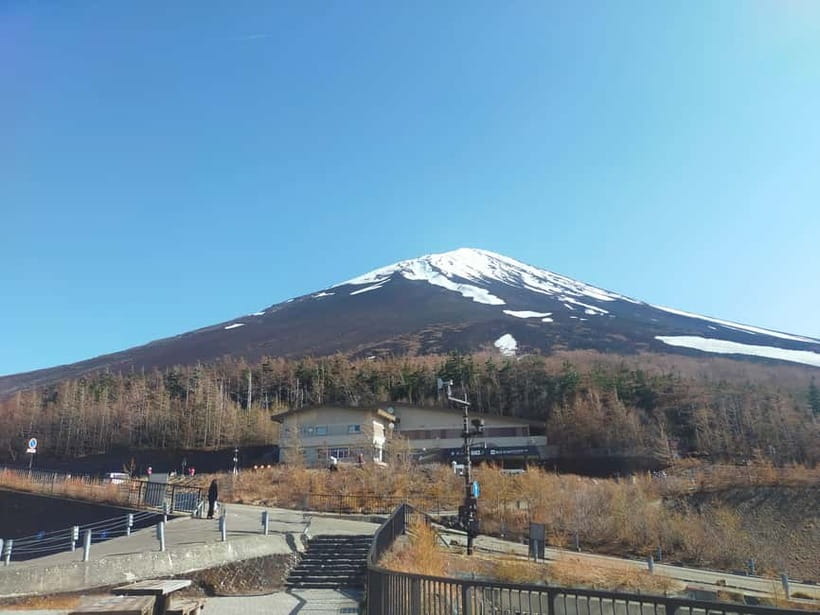
The final mountain payoff is Mt. Fuji 5th Station, about 2,300 meters up. This is the point where your day stops being “near Fuji” and starts feeling like you’re actually reaching the mountain zone.
Even if visibility is not perfect, the higher altitude perspective is still the experience. You get a close view of the top of Mt. Fuji when conditions allow, plus the chance to walk around the station area, take photos, and browse for souvenirs or food.
This is also where you’ll feel temperature shifts more than earlier stops. Winter conditions in particular can be cold, and even in milder seasons, the air can feel sharper and windier at elevation. If you pack like you live in Tokyo, you might underestimate how much your layers matter.
There’s one more important planning detail. If the road to the 5th Station is closed due to weather or traffic conditions, the tour may switch to other options like Mt. Fuji 4th Station, Mt. Fuji 1st Station, or Lake Yamanakako Hana no Miyako Park. In winter, there’s also an option to target a diamond Fuji sunset view from alternatives like 4th or 1st Station or Yamanakako Hana no Miyako Park. So the “mountain ending” can vary, but the intent stays the same, maximize your chances to see Fuji when the sky allows it.
How the Timing Works: Crowds, Queues, and That Tight But Doable Schedule
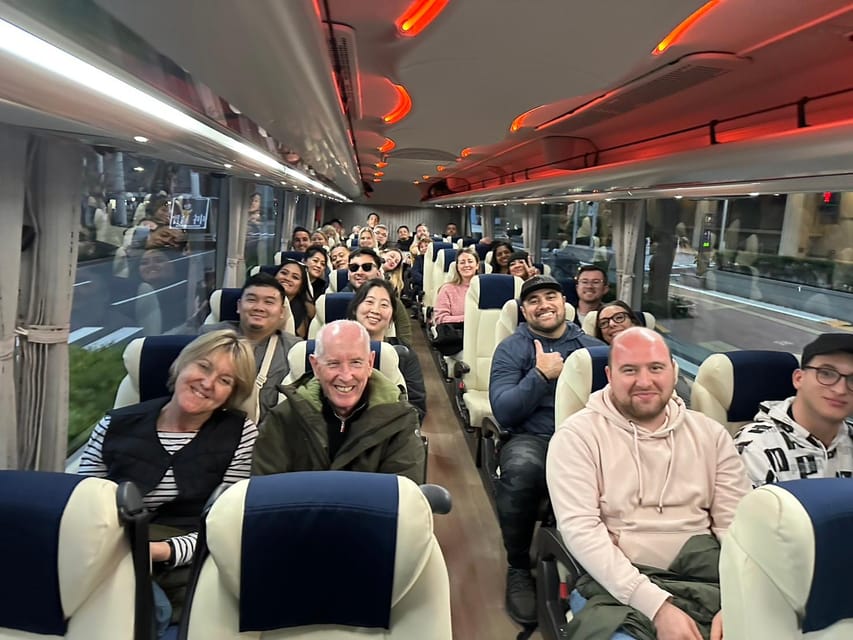
This tour is built for a full day, about 10 hours total. Realistically, you should plan for a long day on the move. You’ll be on the bus for sections of the day, then you’ll switch to timed stops with limited minutes for photos and quick walks.
It helps to think of the itinerary as a set of photo windows. The good weather windows are the ones you can capture at each location. That’s why the schedule includes multiple Fuji viewpoints rather than betting everything on a single peak.
Crowds are another factor. Congestion can be heavy during flower season and on weekends. On busy days, you can still have a good time, but you should expect slower movement and maybe less time for lingering at popular spots.
Restroom and food logistics are the most common “small frictions” on days like this. At stops with queues, you can spend precious minutes waiting. If you know you’ll need a break, I’d treat the earlier free time stop and the longer Oshino Hakkai window as your practical buffers.
Price and Value: What $68 Buys You in Fuji Time
At about $68 per person for a 10-hour day trip, the value comes from three things you get bundled together.
First, you’re paying for the heavy lift of transportation. The tour runs by bus from Tokyo and back with pickup and drop-off from two convenient hubs. In one day, that saves you the time and hassle of planning public transit for multiple Fuji area stops.
Second, you’re paying for the guided routing and entry fees. Entrance costs are included for all sightseeing spots. That matters because it prevents the annoying “surprise cost later” problem that sometimes happens with DIY day trips.
Third, you’re paying for an on-the-ground interpreter and group guide. The tour provides a professional guide who works in English, Mandarin, or Cantonese. Based on the tone of the experience people describe, the best guides keep the day flowing with clear instructions about meeting times and directions, and they add context so the sights feel less random.
The main value trade-off is that food and drinks are not included. Since you’re on your own for meals, you’ll want to budget extra cash or cards beyond the tour price. Also, you can’t expect to slow down or customize your route much, because the day is tightly timed around the most famous Fuji locations.
So is it worth it? If you want a guided, well-sequenced Fuji day with multiple photo stops and minimal logistical stress, this price is a fair way to buy time. If you love slow travel and prefer solo flexibility, you might feel constrained by the fixed schedule.
Who This Tour Suits Best, and Who Might Feel Cramped
This tour fits best if you want the iconic Fuji highlights without planning a thing. It also suits people who like structure and clear stop-by-stop pacing, because the itinerary is designed to deliver a lot of scenery in one go.
It’s also a good pick if you’re traveling with mixed abilities, since you get coach rides between stops and each viewpoint comes with defined time slots. That said, you should still expect walking. Even the “short walk” stops add up across the day.
If you hate crowds or you dislike lines, be selective about dates. Flower season and weekends can get packed, especially around the more famous viewpoint areas.
It might be less ideal if you strongly prefer independence. You cannot bring luggage or large bags, and you’re also not allowed unaccompanied minors. And because weather can block visibility at higher elevations, you should be comfortable with the possibility of seeing Fuji partially or through clouds.
Final Decision: Should You Book This Mount Fuji Day Trip?
Book it if you want a Fuji day that feels guided, structured, and efficient, with multiple chances to photograph the mountain and a memorable cultural stop at Oshino Hakkai. It’s especially strong on clear-weather days, but it still works even when visibility isn’t perfect because you get several different Fuji perspectives.
Skip or reconsider if you only want the 5th Station view at all costs, or if you don’t handle long days and timed stops well. Since Mt. Fuji visibility is not guaranteed and road conditions can change the ending, this is not the tour to choose if you need a single exact payoff no matter what.
My practical advice: pack for possible cold at elevation, plan to buy your own food and drinks, and arrive at the meeting points with extra time. Once you’re settled, the format does exactly what it promises, a full-day route that hits the region’s best-known Fuji sights in one smooth sweep.
FAQ
How long is the Mt. Fuji full-day sightseeing trip from Tokyo?
The tour lasts about 10 hours.
Where are the pickup and drop-off locations in Tokyo?
You have two starting options, Shinjuku Nishiguchi Branch at 2-chome-2-1 Yaesu, Sumitomo Mitsui Bank, and another option near Tokyo Station at the same address listing, with drop-off also at the same two locations after the tour.
What are the main sightseeing stops on the route?
The tour includes Oishi Park by Lake Kawaguchi, Arakurayama Sengen Park with the Chureito Pagoda area, Hikawa Clock Shop, Oshino Hakkai, and Mt. Fuji 5th Station (with winter alternatives depending on conditions).
Is Mt. Fuji 5th Station always guaranteed?
No. If the road to Mt. Fuji 5th Station is closed due to unexpected weather or traffic, the itinerary may change to Mt. Fuji 4th Station, Mt. Fuji 1st Station, or Lake Yamanakako Hana no Miyako Park.
Are food and drinks included in the tour price?
No. Food and drinks are not included, even though there is time allocated for lunch during the day.
Can I bring luggage or large bags?
No. Luggage or large bags are not allowed.
What languages are the guides?
The live tour guide language options include Chinese and English (English, Mandarin, and Cantonese are listed as available).
Is free cancellation available?
Yes. You can cancel up to 24 hours in advance for a full refund.
Newly listed around Tokyo
- Tokyo private transfer for Yokohama Port★ 4.5 · 63 reviews
- Luxury Kimono Photoshoot at Ginza Tokyo★ 5.0 · 7 reviews
- Tokyo Allstar Food Tour★ 4.5 · 206 reviews
- Tokyo Art Aquarium Museum E-Ticket with optional Tokyo Metro Pass★ 5.0 · 17 reviews
- Tokyo: Best Ginza Food Tour at 3 Local Eateries★ 5.0 · 83 reviews
- Private One Day Nikko Tour with Bilingual driver★ 3.5 · 11 reviews
- PRIVATE tour in 180SX to Daikoku+++++★ 5.0 · 6 reviews
- Kabuki Talk★ 5.0 · 10 reviews
Mount Fuji Day Trips, compared.
Mt Fuji and Hakone 1-Day Bus Tour Return by Bullet Train
Read our review →
Mt Fuji & Hakone Cruise, Drum Show Bullet Train 1 Day from Tokyo
Read our review →
Tokyo Mt Fuji 5th St & Hakone Cruise Bus Tour w/Bullet Train
Read our review →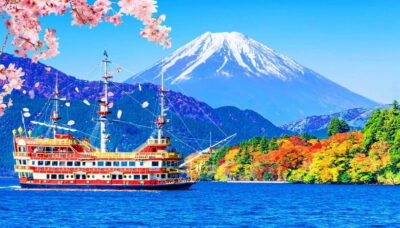
Mt. Fuji Tour, Hakone Ropeway, Owakudani, Lake Ashi
Read our review →
Mt.Fuji,Kawaguchiko Oishi Park,Arakurayama Sengen Park
Read our review →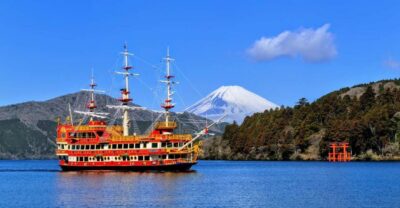
Mt. Fuji 5th Station & Hakone Cruise 1-Day Bus Tour
Read our review →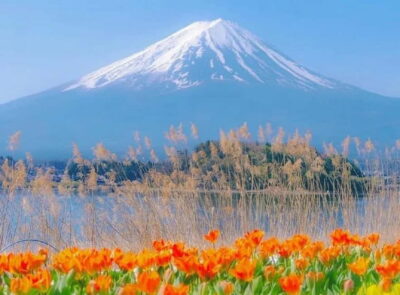
Mt Fuji Top 5 Spots Day Tour: Arakurayama Park,Oshino Hakkai
Read our review →
Private Tour to Mt. Fuji and Hakone (Fully Licenced Operator)
Read our review →Browse the lists this tour appears in