
Review · SHIBUYA & SHINJUKU NIGHTLIFE
Graffiti in Tokyo Walking Tour: Shibuya and Harajuku
With expert guide Elena Calderon, I followed the thread of street art from Shibuya to Harajuku and learned what these marks mean in everyday Japanese city life.
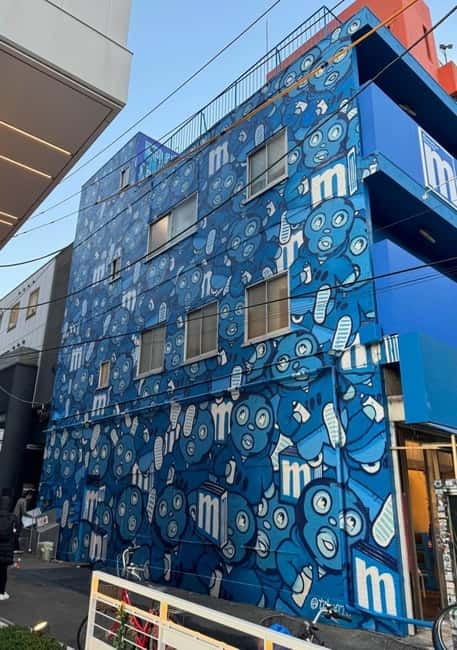
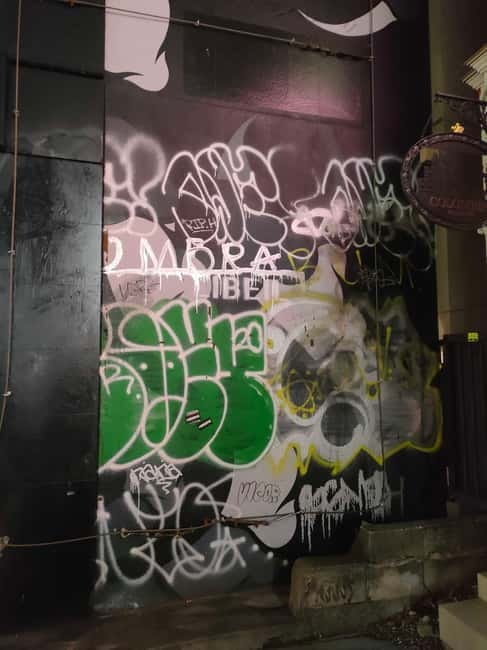
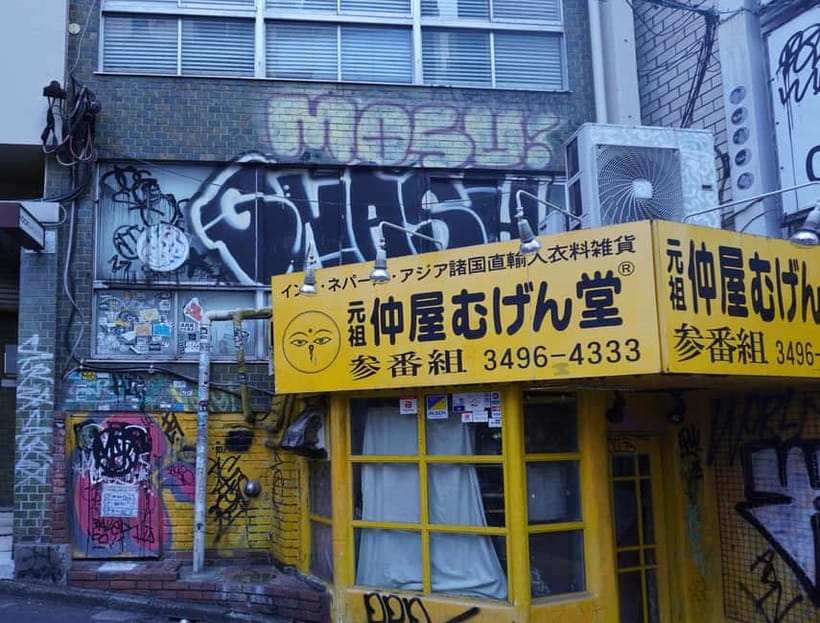
What I love most is how the tour teaches you to see details, from tags and throw-ups to bigger wall pieces, without needing an art degree. I also like the way you’re guided to hidden spots you would probably miss while doing the usual tourist shuffle.
One possible drawback: this is a walking tour, so plan on moving a lot, and bring comfortable shoes because Tokyo weather changes fast.
In This Review
- Key things that make this tour work
- Tokyo graffiti on foot, not in a textbook
- From Manhattan Records to the back streets of Shibuya
- Shibuya: tags, throw-ups, and stories you don’t get elsewhere
- Harajuku in a short stop, long aftertaste
- The guide matters: Elena Calderon and why the walk feels personal
- Reading the underground scene without turning it into a lecture
- Price and value: why $38 can feel like a steal
- What to bring (and what to skip) so the walk stays fun
- Who this tour is best for
- Should you book the Graffiti in Tokyo: Shibuya and Harajuku tour?
- FAQ
- Where is the meeting point?
- How long is the tour?
- What does it cost?
- Do I need to know any specific language?
- What should I bring?
- Is transportation to the meeting point included?
- Are meals included?
- Are art galleries or museums included with paid entry?
- Is smoking or alcohol allowed during the tour?
- Who is the tour not suitable for?
- Is free cancellation available?
Key things that make this tour work
- Meet point is Manhattan Records (Shibuya), so you start in a real neighborhood hub, not some random hotel lobby.
- Most time is in Shibuya, with a short Harajuku stop (you’ll use it to compare vibes and spot different styles).
- Elena Calderon is a graffiti researcher (10+ years) and art curator, so you get context, not just sightseeing.
- You get exclusive access to hidden graffiti spots, plus help reading what you’re looking at.
- You’ll learn the underground scene, including the mix of legal walls and street corners where art seems to appear overnight.
- English and Spanish are available, which makes it a good fit for mixed groups.
Tokyo graffiti on foot, not in a textbook
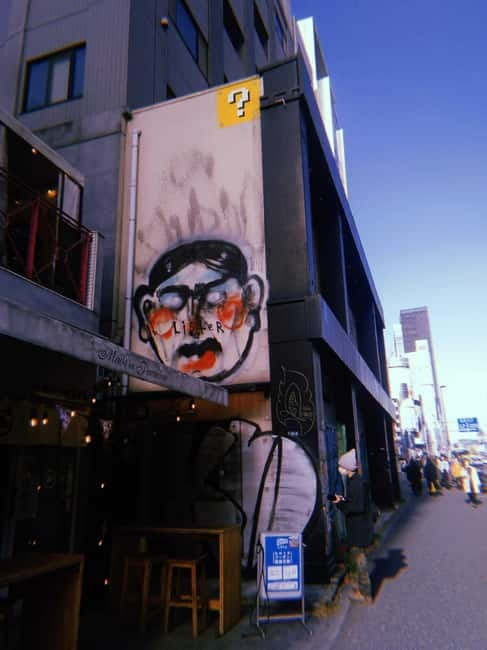
Tokyo graffiti lives in plain sight, then vanishes again when you stop looking the right way. On this Shibuya and Harajuku walking tour, you train your eyes to notice what’s usually overlooked: small tags tucked in corners, throw-ups that look quick but are carefully done, and larger mural work that changes how a block feels.
You also get a cultural lens. The guide doesn’t treat graffiti like a single global style. Instead, you see how the art fits into Tokyo’s rhythm, street life, and creative communities. That matters, because graffiti is never just paint. It’s identity, message, and sometimes a quiet kind of competition between writers, crews, and time itself.
I like that the tour is built around spotting and understanding. It’s not an art history lecture that forgets you’re outside. It’s the opposite: you’re walking first, then learning what you just saw.
More Walking Tours in Tokyo
- Tokyo Tsukiji Fish Market Food and Culture Walking Tour
★ 5.0 · 3,184 reviews - Tokyo: Shinjuku Local Bar and Izakaya Guided Walking Tour
★ 4.9 · 1,794 reviews - Tokyo: Tsukiji Fish Market Food and Walking tour
★ 5.0 · 1,724 reviews
From Manhattan Records to the back streets of Shibuya
Your meeting point is MANHATTAN RECORDS SHOP in Shibuya. This is useful because it’s easy to recognize, and it places you right where you can start walking immediately after the intro.
From there, the route shifts into smaller streets and less-obvious angles. That’s where graffiti becomes practical to see. In open, wide pedestrian zones, you get the “everybody sees it” stuff. On the smaller lanes, you start seeing layers: overlapping tags, stickers that survived multiple seasons, and paint that looks like it was added to the city like a living layer-cake.
Wear shoes you can trust. The tour runs about 2 hours, so there’s little time to slow down. You’ll also want a camera ready, since part of the fun is photographing pieces before the light changes or you move on.
If you’re the type who likes to talk to guides, you’ll be happy here. The tour format invites questions, especially around meaning, styles, and the practical realities of street art in Tokyo.
Shibuya: tags, throw-ups, and stories you don’t get elsewhere
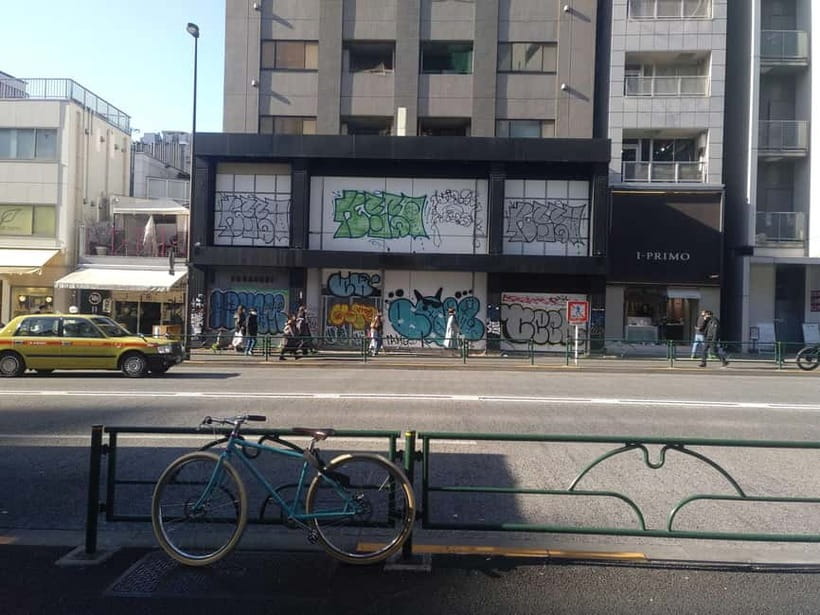
Shibuya is the obvious name on most visitor lists, but it’s the less obvious streets that make this tour sing. The Shibuya portion is where you get the biggest concentration of what the guide calls raw urban art energy, from often illegal-looking expressions to pieces that sit in places that feel almost protected by their clever location.
Here’s what I’d focus on while you walk:
- Look for the “effort clues.” Even quick-looking tags often show a writer’s control of line thickness, spacing, and tag structure.
- Notice how pieces relate to their surroundings. Some works feel like they’re in dialogue with signage, shutters, stairs, or wall textures.
- Watch for the difference between quick marks and larger statements. The transition from small throw-ups to bigger mural-like work tells you something about how writers plan their presence.
What makes Shibuya special on this tour is the context. Elena shares the stories behind the art and helps you understand why the work looks the way it does. You’re not just looking at a wall. You’re learning the logic of a street art scene: crews, styles, reputation, and the constant back-and-forth between visibility and secrecy.
Also, you’ll likely spot work that an untrained eye could miss. One of the strongest themes from real tour experiences is how the guide helps you notice details you would normally walk right past.
Harajuku in a short stop, long aftertaste
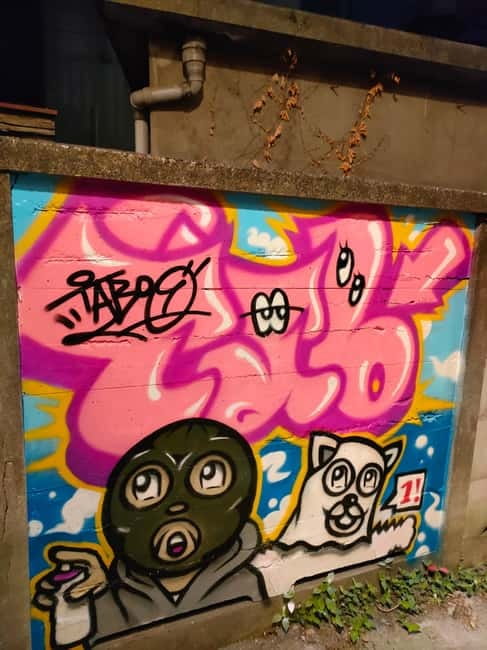
Harajuku is quick on this plan, just about 10 minutes, but it’s not an afterthought. Think of it as a contrast panel. You go from Shibuya’s dense graffiti patterns to Harajuku’s different street culture and visual language.
In that short window, the goal is efficient looking:
- Check for small additions like stickers and tight tags.
- Compare how the same graffiti vocabulary shows up in a different neighborhood feel.
- Photograph the spots the guide points out, especially if you want to revisit later with better framing.
Because the stop is brief, I’d treat this part as a scouting mission. If something really catches your eye, you’ll be in a better position to follow up after the tour.
Even with the time crunch, this tour avoids the common problem of “see one thing, move on.” The guide keeps the focus on what you can learn from what you see, not just what you can count.
A few more Shibuya and Shinjuku Nightlife around Tokyo:
- Tokyo: Shinjuku Food Tour (13 Dishes at 4 Local Eateries)
★ 5.0 · 6,603 reviews - Tokyo Bar Hopping Tour in Shinjuku (All-You-Can-Drink + Dinner)
★ 5.0 · 3,587 reviews - Official Street Go-Kart in Shibuya
★ 5.0 · 3,435 reviews - Tokyo: Shinjuku Food Tour (15 Dishes and 4 Eateries)
★ 4.9 · 2,033 reviews
The guide matters: Elena Calderon and why the walk feels personal
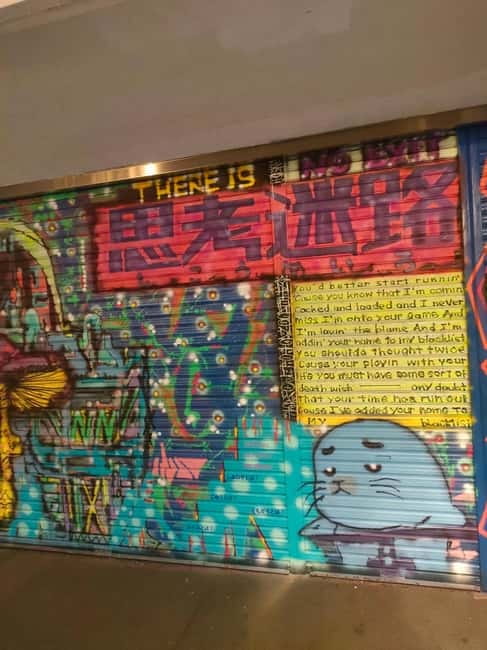
This tour shines because of its guide. Elena Calderon, who works as both a graffiti researcher (10+ years) and an art curator, runs the experience. That combination matters. Research gives structure and credibility. Curatorial work gives perspective on why art exists where it does.
In practical terms, that means you get more than “this is a tag.” You get guidance on what you’re seeing and why it appears in that specific place. That’s why the tour tends to feel like a conversation with an insider.
I also like that the guide can point you toward other street art you might want to photograph after the tour. That turns a 2-hour activity into something you can extend into your own time in Tokyo.
One more good sign: the guide is described as flexible and easy to communicate with. If you’re the kind of person who likes to slow down for a close-up photo, you’ll likely find the pace works better than on some stricter walks.
Reading the underground scene without turning it into a lecture
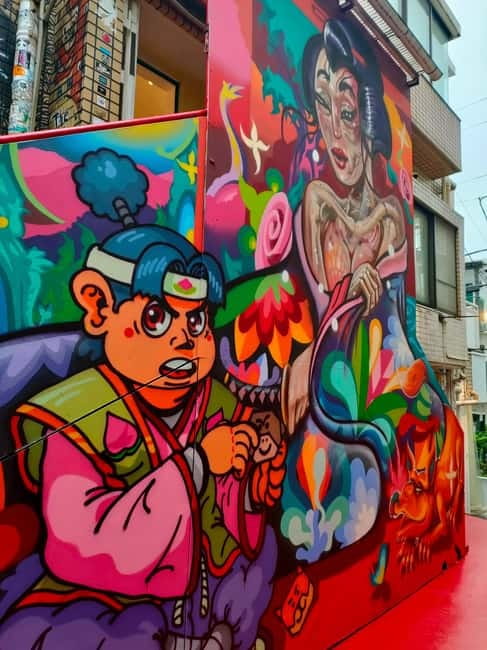
Graffiti is often described as rebellious, but on the ground it’s more complex than that. This tour treats graffiti like an ecosystem with rules of its own, including:
- A mix of legal walls and wall work that feels more risky or temporary.
- The hidden layer of the scene, where art is placed for people who know where to look.
- The “street map” knowledge locals pick up over time.
The big value for you is learning how to read the art’s decisions. You start seeing how size, placement, and style can change meaning. A small tag might be about a presence. A bigger piece might be about a statement. A throw-up might be about speed, reach, or repetition.
And because Tokyo is highly regulated in many public contexts, it’s important that the tour frames respect for local laws as part of the experience. You’re there to observe and learn, not to treat the street like an art supply aisle.
Price and value: why $38 can feel like a steal
At $38 per person for about 2 hours, the cost feels reasonable in a city where guided experiences can jump quickly. But the real value is what’s included, not just the time on the clock.
You’re getting:
- An expert guide with 10+ years in graffiti research and art curation
- Exclusive access to hidden graffiti spots
- Insider knowledge about Tokyo’s graffiti scene
- Insider knowledge on top art galleries
- Discounts in art galleries and restaurants tied to the tour
A lot of cities charge for a guided walk and then give you little extra. Here, the guide’s access plus the “where to look next” knowledge can actually save you time later. Also, the tour notes that many art galleries and museums are free of charge, which means your money can go further during your own exploring.
You might still spend extra on food and snacks, but meals and drinks are not included, so budget for that like you would on any short walking plan.
What to bring (and what to skip) so the walk stays fun
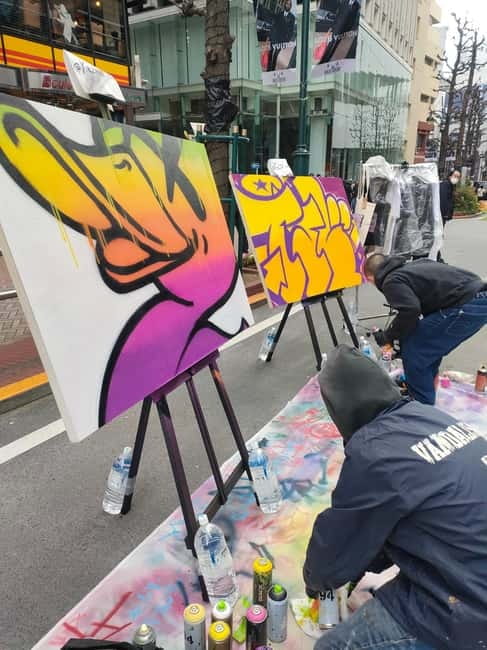
This is the kind of tour where small preparation makes the difference between great photos and annoying stops.
Bring:
- Comfortable shoes
- A camera
- Water
- Cash
Skip:
- Smoking
- Alcohol and drugs
- Littering
Tokyo weather can shift, so plan for it. The guide will take you through outdoor streets, and you’ll want to stay comfortable enough to focus on what’s on the walls, not just the next corner.
If you’re thinking about photography, go in with a simple plan. Take a quick wide shot when you arrive at a spot, then switch to a close-up for the details the guide highlights. Graffiti often looks better up close because you see line quality and layering.
Who this tour is best for
This tour fits best if you:
- Want Tokyo street art that goes beyond postcards and mainstream photo stops
- Like visual art but also care about the why behind the style
- Enjoy walking and don’t mind a short but focused Harajuku comparison
- Appreciate an expert who can explain what you’re seeing in plain language
If your goal is only museums and indoor exhibits, you might prefer a more traditional art option. And if you have mobility limitations, this tour is not suitable based on the stated constraints.
Should you book the Graffiti in Tokyo: Shibuya and Harajuku tour?
Yes, if you want a street-level Tokyo experience led by a real specialist. The biggest reason to book is the combination of hidden spots plus context from Elena Calderon. You don’t just get to look. You learn how to look.
I’d skip it if you hate walking, need fully accessible routes, or you’re only interested in ticketed museums. This tour is about streets, time, and noticing what Tokyo tries to hide in plain sight.
If that sounds like your kind of Tokyo, you’ll get a lot out of your two hours, and you’ll likely leave with ideas for where to keep photographing after the tour ends.
FAQ
Where is the meeting point?
You meet at MANHATTAN RECORDS SHOP (Shibuya).
How long is the tour?
The tour lasts 2 hours.
What does it cost?
It costs $38 per person.
Do I need to know any specific language?
The live guide offers English and Spanish.
What should I bring?
Bring comfortable shoes, a camera, water, and cash.
Is transportation to the meeting point included?
No, transportation to the meeting point is not included.
Are meals included?
No, meals and drinks are not included.
Are art galleries or museums included with paid entry?
Entrance to art galleries/museums is not included, and the info notes that most are free of charge.
Is smoking or alcohol allowed during the tour?
No, smoking is not allowed, and alcohol and drugs are also not allowed.
Who is the tour not suitable for?
It’s not suitable for people with mobility impairments, babies under 1 year, or people over 95 years.
Is free cancellation available?
Yes, you can cancel up to 24 hours in advance for a full refund.
Other Anime & Manga Trips in Tokyo
- Official Street Go-Kart Tour – Akihabara
★ 5.0 · 1,578 reviews - Tokyo Go Kart: Asakusa, Skytree, and Akihabara **IDP MUST**
★ 5.0 · 988 reviews - Tokyo: Tokyo Tower, Shibuya Crossing, Harajuku, Go Kart Tour
★ 4.7 · 446 reviews - Tokyo Studio Ghibli Museum and Ghibli Film Appreciation Tour
★ 4.5 · 421 reviews
Newly listed around Tokyo
- Tokyo Oldtown: Historic Landmarks Go Kart Tour (100 Minutes)★ 5.0 · 8 reviews
- Wagyu Beef & Sake Pairing Foodie Tour in Tokyo★ 5.0 · 16 reviews
- Iconic Tokyo Uptown Landmarks Go Kart Tour (120 Minutes)★ 5.0 · 7 reviews
- Ginza, Tokyo: Sake Experience with traditional vessels★ 4.7 · 8 reviews
- Ginza Tokyo: Easy Matcha (Green Tea) Experience★ 5.0 · 7 reviews
- Full Tokyo: Meiji Shrine, Imperial Palace, Asakusa & Skytree★ 4.7 · 16 reviews
- GINZA: Go Kart Experience with NEO GINZA★ 4.9 · 30 reviews
- Full Day Tokyo City Private Tour Sightseeing Full Customised★ 4.7 · 8 reviews
Shibuya & Shinjuku Nightlife, compared.
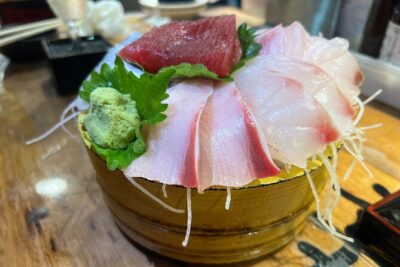
Shinjuku Food Tour (13 Dishes at 4 Local Eateries)
Read our review →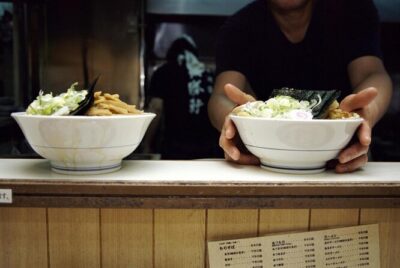
Tokyo Bar Hopping Tour in Shinjuku (All-You-Can-Drink + Dinner)
Read our review →
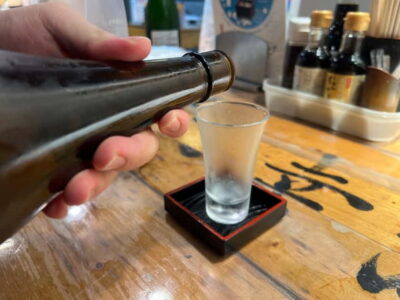
Shinjuku Food Tour (15 Dishes and 4 Eateries)
Read our review →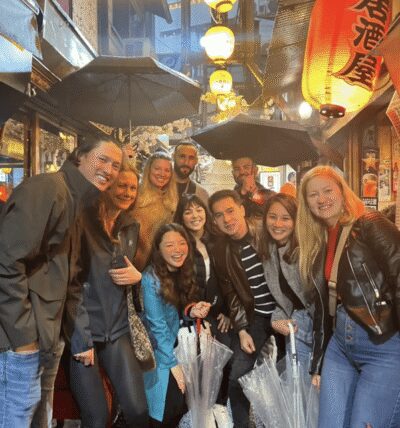
Shinjuku Local Bar and Izakaya Guided Walking Tour
Read our review →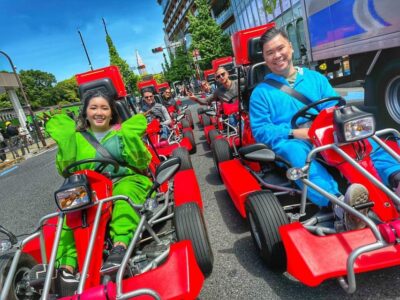
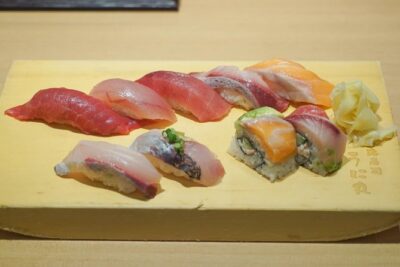
Tokyo Night Foodie Tour in Shinjuku – Seasonal Sushi, Wagyu Beef
Read our review →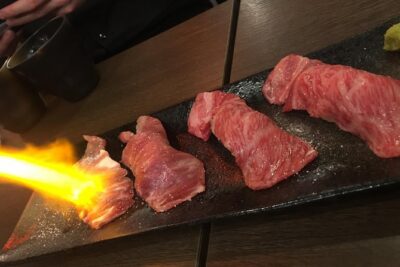
Shibuya Meltdown Nightlife Tour: All-You-Can-Drink Bar Hopping
Read our review →Browse the lists this tour appears in