
Review · SHIBUYA & SHINJUKU NIGHTLIFE
Highlights & Hidden Gems of the Shibuya District Private Tour
Shibuya is loud, but this walk feels calm. I love the private pace, because you are not stuck with a loud herd. I also love that you get a local drink or tasting included, so you start sampling Tokyo right away. One thing to consider: there is no hotel pick-up, and you will be doing a moderate amount of walking to cover the highlights.
You meet at 2 Chome Dogenzaka in Shibuya, and the tour loops back to the same spot at the end. With a 4.9 average rating and 98% recommending it, the standout theme in guide feedback is clear English and good pacing, with names like Sheilina Toh, Carlos, and Gulay popping up often. For a first-time Tokyo day, this is a smart way to get your bearings without losing hours to guesswork.
In This Review
- Key highlights and smart reasons this tour works
- Why Shibuya and Kinza fit together so well in one private walk
- Meeting at Dogenzaka and getting your route right fast
- Shibuya for 90 minutes: shopping streets, local rhythm, and easy photo access
- Hachiko Statue as your orientation shortcut
- Shibuya Crossing: famous streets with context, not just a photo stamp
- Meiji Jingu Shrine: the calm reset after Shibuya’s noise
- How the included drink, plus guide flexibility, makes it feel personal
- Price and value: what $142.70 buys you in a short Tokyo day
- Small risks and how to make sure your day runs smoothly
- Should you book this Shibuya and Kinza private tour?
- FAQ
- How long is the Shibuya and Kinza private tour?
- Is this tour private?
- What is included in the price?
- Where do we meet for the tour?
- Are there admission fees for the stops?
- What is the cancellation policy?
Key highlights and smart reasons this tour works
- Private for just your party: your guide can slow down, answer questions, and tailor what you do
- Shibuya + Kinza in one route: you get Tokyo’s fashion-and-commerce energy, then a more reflective pace
- Hachiko first, not last: it is a quick orientation tool for the whole area
- Shibuya Crossing with context: you see the famous spot, then understand why it matters
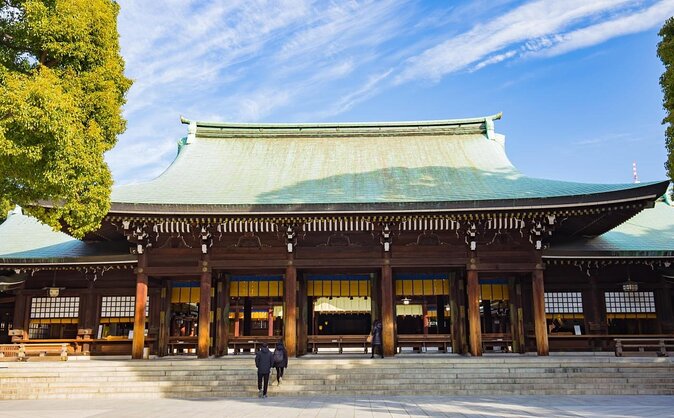
- Meiji Jingu as the reset button: a calm shrine visit after the street chaos
- One included local drink or tasting: small extra value that makes the tour feel real
Why Shibuya and Kinza fit together so well in one private walk
Shibuya is Tokyo’s volume knob. You feel it in the crowds, the fashion, the screens, and the fast pace of daily life. Kinza, on the other hand, tends to bring a cleaner, more polished Tokyo vibe, where people are shopping, walking with intention, and treating the street like a runway. Seeing both areas in one 3-hour outing helps you stop thinking of Tokyo as one theme. It is many tones in the same day.
The private format is the real value here. A fixed group tour usually forces you to move when the slowest person moves. With a private guide, you can spend an extra few minutes at a shrine gate if it feels meaningful, or you can power-walk back to Shibuya Crossing if you are chasing the best photo moment. The tour also lets you steer the vibe toward what you care about, whether that is anime culture, traditional arts, or just learning how locals actually move through the city.
You do need to be in the right mindset. This is a walking experience through busy urban streets. You are not doing a car-heavy sightseeing day, and you are not staying in one museum room. If you prefer totally relaxed, sit-down sightseeing, you might want a different type of tour. If you like moving at a human pace, this one makes a lot of sense.
A few more Shibuya and Shinjuku Nightlife around Tokyo:
- Tokyo: Shinjuku Food Tour (13 Dishes at 4 Local Eateries)
★ 5.0 · 6,603 reviews - Tokyo Bar Hopping Tour in Shinjuku (All-You-Can-Drink + Dinner)
★ 5.0 · 3,587 reviews - Official Street Go-Kart in Shibuya
★ 5.0 · 3,435 reviews
Meeting at Dogenzaka and getting your route right fast
The meeting point is 2 Chome Dogenzaka, Shibuya, Tokyo 150-0043, Japan, and the tour ends back there. That matters more than it sounds, because you are not relying on a long train-hop to start and stop. The tour is also listed as near public transportation, which makes it easier to join even if your hotel is not right in the neighborhood.
Because hotel pick-up and drop-off are not included, I suggest planning your arrival so you are already calm and early. This is a tour where timing helps your experience. If you arrive stressed, you will feel it as the guide tries to start the walk and give you an overview.
Good news: the itinerary is built for a short attention span. The first chunk focuses on Shibuya, then you hit major landmarks like the Hachiko Statue, then Shibuya Crossing, and finally the Meiji Jingu Shrine. In about three hours, you get a full “Tokyo quick scan,” not just one pretty photo stop.
Also, it is worth noting the tour is private, only you and your local guide. That means fewer waiting games and less pressure to keep up. You can ask practical questions as you go, like how to handle directions or where locals tend to pause.
Shibuya for 90 minutes: shopping streets, local rhythm, and easy photo access
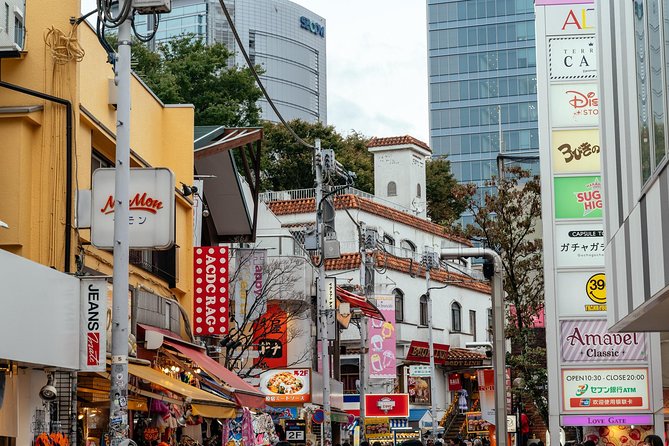
The Shibuya portion is where you learn how the area breathes. In a single block of time, you usually notice three things: people watching, retail energy, and the way Shibuya channels visitors into specific pedestrian flows. Your guide’s job is to translate what you see into something you understand. That is the difference between walking through Shibuya and understanding Shibuya.
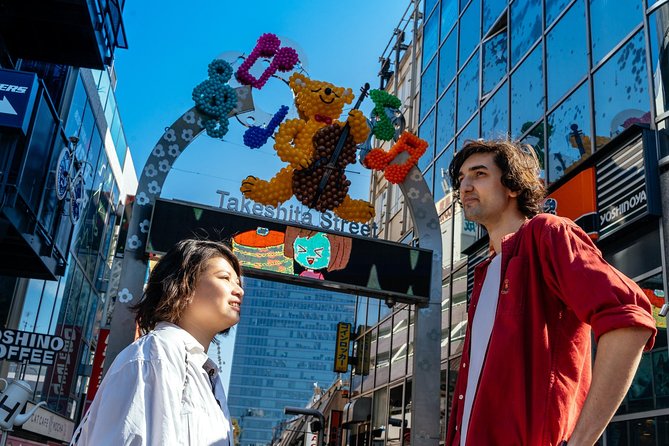
This is also where hidden details tend to show up. Based on past guide experiences, you may get side streets that feel less like a postcard and more like a normal day in Tokyo. You might pass areas connected to street fashion and shopping culture, including spots like Cat Street and Omotesando, which come up in guide notes. You could also get surreal, stop-and-stare moments on the route, like a river scene with large floating flowers and fish mentioned in past feedback.
If you love pop culture, bring it up early. The tour description explicitly supports tailoring to your interests, so if anime culture is your angle, ask your guide where that energy shows up in the real world. If you prefer traditional arts, you can steer the conversation toward the meaning behind shrines, ceremonies, and everyday customs you see on the walk.
Drawback to keep in mind: Shibuya can feel hectic. That is not a problem with the tour, but it affects pacing. If crowds bother you, choose comfortable shoes, and be ready to take short pauses when your guide suggests them.
Hachiko Statue as your orientation shortcut
The Hachiko Statue is more than a famous landmark. It is a practical meeting and orientation anchor for Shibuya itself. When you see it with your guide, you also hear the story behind why it became such a strong symbol in Japan. The bronze dog is tied to loyalty and memory, so you get cultural context before you plunge into the crossing chaos.
This stop also works like a warm-up. It is quick, easy to reach, and it gives your guide a chance to set expectations for the rest of the route. You can ask questions here too, like how to approach the crossing without feeling overwhelmed. It is one of those landmarks that helps you relax, because once you understand the anchor point, the rest of the streets feel less like a maze.
In past feedback, Carlos is specifically noted for explaining the Hachiko story clearly, so if you see him listed, that is a good sign for an English-friendly explanation and a friendly, structured pace.
A few more Tokyo days to weigh up
- Mt Fuji and Hakone 1-Day Bus Tour Return by Bullet Train
★ 5.0 · 26,383 reviews - 1-Day Tokyo Bus Tour
★ 5.0 · 14,250 reviews - Tokyo: TOKYO SKYTREE® Admission ticket
★ 4.5 · 11,192 reviews - Tokyo: teamLab Planets TOKYO Digital Art Museum Entry Ticket
★ 4.6 · 9,779 reviews
Shibuya Crossing: famous streets with context, not just a photo stamp
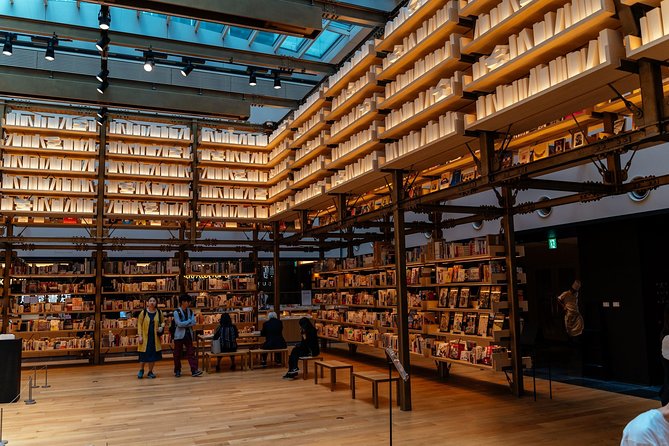
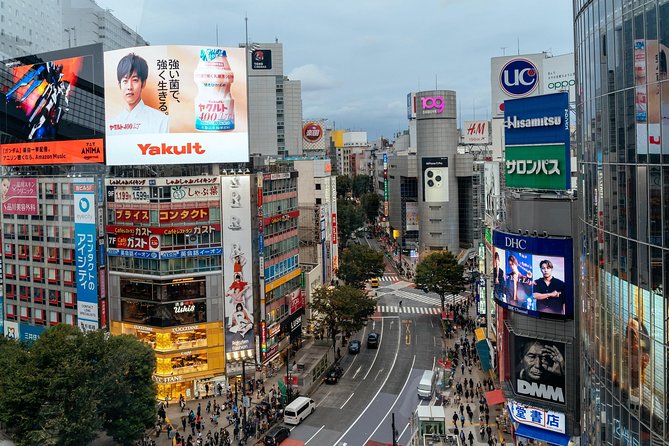
Shibuya Crossing is the headline, but the best part is what happens around it. Your guide should help you read the scene, not just stand at the edge and hope your timing is perfect. The guide can also point out how pedestrian signals and crowd movement work, which makes the crossing feel less chaotic and more predictable.
The tour includes a dedicated Shibuya Crossing segment, so you are not rushed through the area. That time cushion is important. Standing near the crossing with one wrong direction can waste your photo moment. With a guide, you are more likely to get to a good viewing position, then learn what to notice once you are there.
This is also where the contrast hits. You go from shopping streets and street-level Tokyo energy, to a massive choreographed moment of movement, then onward to quieter sacred space. That emotional rhythm is part of why the route feels satisfying. It is not just “see famous thing, leave.” It is more like Tokyo’s mood changes in front of you.
One more practical tip: bring your patience for crowds. Even on a short tour, the crossing area attracts people. If you are prone to getting overwhelmed, tell your guide early. You can adjust your position and break timing so you still enjoy it.
Meiji Jingu Shrine: the calm reset after Shibuya’s noise
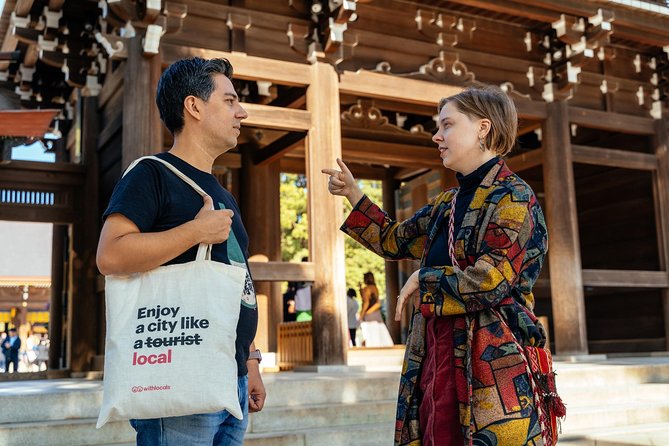
Finishing at Meiji Jingu Shrine is smart. The shrine is the kind of place that makes you slow down without being forced. After Shibuya and Shibuya Crossing, it feels like someone turned the volume down in your head. You get a breather, plus a real look at a different side of Tokyo culture.
The tour description is clear that the shrine is dedicated to the divine souls of Emperor Meiji and his consort Empress Shoken. Your guide can connect what you see, like shrine layout and the spirit of the place, to the bigger cultural picture. In past guide notes, people praised how Meiji Jingu gets added meaning through commentary, so you are not just walking through greenery.
There is also an emotional payoff. You start the day with motion, and you end with reflection. Even if you are not big on temples, the atmosphere usually makes you want to pause, look closely, and take in the quiet.
Possible drawback: if it is crowded, you might spend more time moving through people than lingering. Still, the shrine’s layout helps, and your guide can suggest a good pace so you get both the calm feeling and the key moments.
How the included drink, plus guide flexibility, makes it feel personal
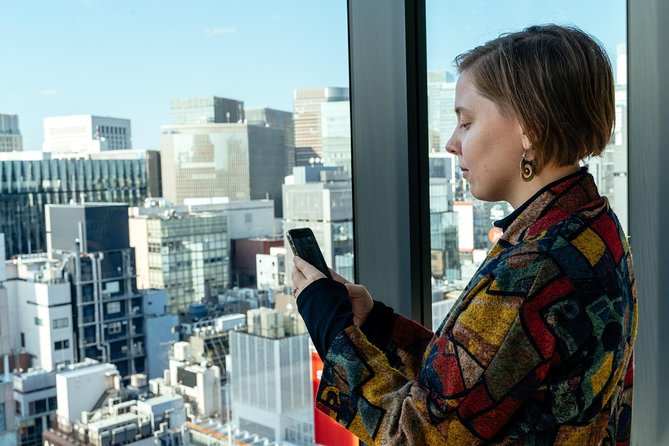
A small line item in the tour description actually matters: one local drink or tasting is included. It is not a huge meal, but it creates a moment of authenticity. You taste Tokyo along the walk, instead of treating the day like a checklist. It also gives your guide a natural break point to talk, answer questions, and adjust based on your energy level.
The private format also lets you tailor the day. If you want anime-related stops, ask directly. If you prefer traditional arts or stories tied to places, ask for that too. A good guide will adjust the route and the explanations so you stay engaged.
This is where guide names mentioned in past feedback can help you choose wisely. Gulay is repeatedly praised for flexibility and for making the walk feel practical, including helping with things like finding specific snacks for kids and recommending places like ramen that delivered. Sheilina Toh is noted for tuning quickly to a group’s interests, which is exactly what you want in a short, 3-hour window.
And if you want help making Tokyo feel less stressful, look for guides known for walking you through transit and basic phrasing. RamK is one example from feedback, with notes about helping with train navigation and Japanese phrases, especially useful for first-timers.
Price and value: what $142.70 buys you in a short Tokyo day
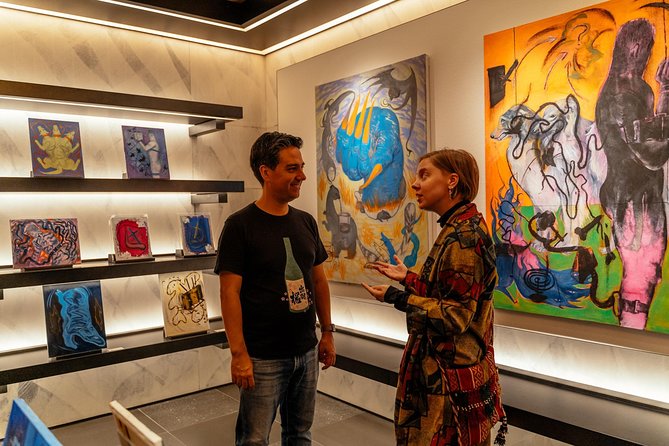
At $142.70 per person for about 3 hours, this is not a budget street walk. It is priced like a serious convenience. You are paying for three things you cannot easily replicate alone: a guide to interpret what you see, a private pacing setup for your group, and a route that hits major anchors plus space for side interests.
The value gets stronger if you travel with at least one or two people. Since it is private for your party, the experience is designed to scale better than a standard tour where you might feel like you are constantly waiting for a big group.
Also, admission tickets for the listed stops show as free. That means your money is mostly going into the guidance and time, not into buying attraction access. You also get that one local drink or tasting included, which adds a small but real “use it now” benefit.
One more value angle: with a short itinerary, a private guide can save you time you would spend figuring things out on your own. If you are trying to plan a first night or first full day, this kind of orientation walk can prevent you from wasting future hours.
Small risks and how to make sure your day runs smoothly
I like private tours, but they need the right setup. One past experience described a guide not showing up at the meet-up point, which is the kind of failure that can throw off the whole day. It is not the norm implied by the overall rating, but it is a reminder to handle logistics carefully.
What you can do:
- Arrive at the Dogenzaka meet-up point a bit early so you are not waiting under time pressure.
- Have your booking confirmation ready on your mobile device, since mobile ticketing is part of the setup.
- If you have any doubts, contact the tour provider before departure so you have clarity on timing.
Also, the tour lists moderate physical fitness as required. That usually means you should be comfortable walking through busy streets and taking short stops while moving between landmarks. If you have mobility limitations, ask the provider in advance about what “moderate” means for this route.
Finally, remember there is no hotel pick-up. If you are staying far away, you will either need to handle the train trip or consider adding a separate plan to get to Shibuya.
Should you book this Shibuya and Kinza private tour?
Book it if you want an efficient Tokyo orientation without feeling trapped by a group schedule. This is especially good for:
- First-timers who want major Shibuya anchors like Hachiko and Shibuya Crossing, plus a calmer finish at Meiji Jingu
- People who like walking tours but want context, not just signage
- Anyone who wants to tailor the day toward anime culture or traditional interests
Skip it or consider alternatives if you:
- Hate walking through crowds and prefer fewer street transitions
- Need hotel pick-up or door-to-door convenience
- Want a deep, slow museum-style day instead of a 3-hour street-to-shrine route
If you do book, pick your guide based on your priorities. If English explanation and clear storytelling matter, look for guides like Carlos or Gulay based on past feedback. If you want extra help navigating the city for a short visit, consider guides praised for guiding first-timers through trains and basic phrasing.
Overall, this tour is a strong choice when you want Tokyo’s contrasts in one afternoon: the fast, the famous, and the quiet.
FAQ
How long is the Shibuya and Kinza private tour?
It runs for about 3 hours.
Is this tour private?
Yes. It is a private tour, only you and your local guide, with your group participating.
What is included in the price?
A private tour, a local guide, and one local drink or tasting are included. The tour is also listed as CO2 neutral, with carbon emissions offset.
Where do we meet for the tour?
You start at 2 Chome Dogenzaka, Shibuya, Tokyo 150-0043, Japan, and the tour ends back at the meeting point.
Are there admission fees for the stops?
The listed stops show admission ticket free.
What is the cancellation policy?
You can cancel for free up to 24 hours in advance for a full refund. Changes made less than 24 hours before the start time are not accepted.
Newly listed around Tokyo
- Tokyo Architecture and Contemporary Art Walking Tour with a local guide★ 5.0 · 15 reviews
- Tokyo Akihabara Anime Manga Video Games and Hidden Gems Tour★ 4.5 · 9 reviews
- Tofu cooking class★ 5.0 · 9 reviews
- Tokyo 6 hours Customized Private Tour★ 5.0 · 6 reviews
- Tokyo 8hr Private Tour with Government-Licensed Guide★ 5.0 · 121 reviews
- Tokyo: 3-Hour Bike/E-Bike Tour of the City’s Hidden Gems★ 5.0 · 47 reviews
- Tokyo: 2-Hour Night E-Bike Tour of the City’s Hidden Gems★ 5.0 · 17 reviews
- Private Tokyo Day-Tour by Car with English Speaking Guide.★ 4.5 · 27 reviews
Shibuya & Shinjuku Nightlife, compared.
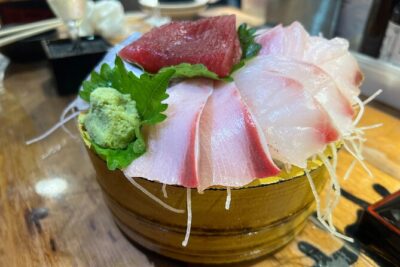
Shinjuku Food Tour (13 Dishes at 4 Local Eateries)
Read our review →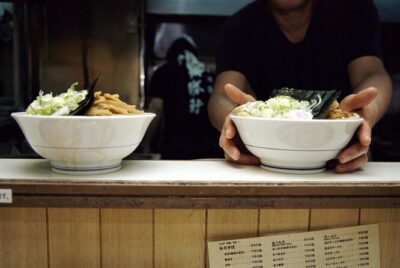
Tokyo Bar Hopping Tour in Shinjuku (All-You-Can-Drink + Dinner)
Read our review →
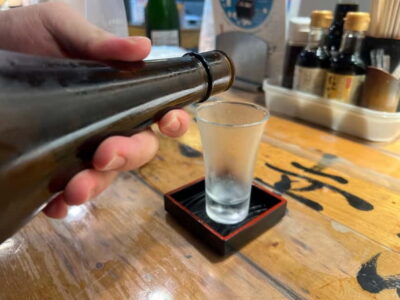
Shinjuku Food Tour (15 Dishes and 4 Eateries)
Read our review →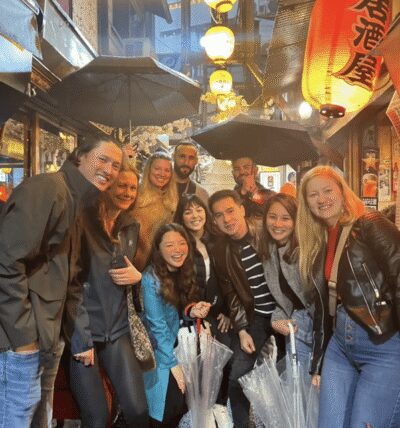
Shinjuku Local Bar and Izakaya Guided Walking Tour
Read our review →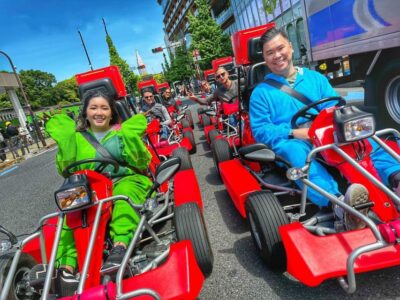
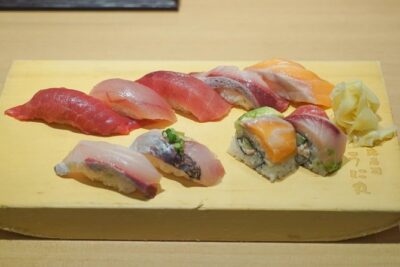
Tokyo Night Foodie Tour in Shinjuku – Seasonal Sushi, Wagyu Beef
Read our review →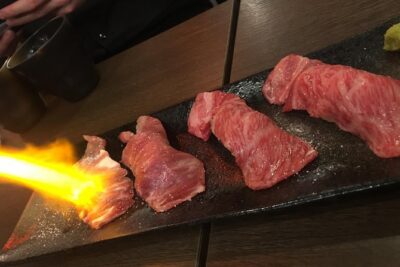
Shibuya Meltdown Nightlife Tour: All-You-Can-Drink Bar Hopping
Read our review →Browse the lists this tour appears in