
Review · WALKING TOURS
Tokyo Architecture and Contemporary Art Walking Tour with a local guide
Tokyo reads better through buildings. This private, art-and-architecture walk is built for real city pacing, with a local guide, bottled water, and frequent public transport connections between neighborhoods. You move through places you might see on photos, plus design-minded areas where the streets themselves feel like a gallery.
I especially like two things. First, you get a plan that hits major modern landmarks (hello, Tokyo International Forum and Shibuya), but you do it with time to actually look, not just snap and sprint. Second, the route mixes famous design with everyday fashion and book culture, so the day feels like Tokyo, not a museum checklist.
One heads-up: the best way to connect these areas is often underground, so you will spend meaningful time on trains and station walks. If you hate transitions, wear patience and good shoes.
In This Review
- Key highlights worth knowing
- Tokyo at a walking pace that actually makes sense
- Value for money: a private day without the huge-group headache
- How the day moves: meeting up, transit between zones, and step count reality
- Stop 1: Ginza, where architecture meets high-end shopping
- Stop 2: Tokyo International Forum, Rafael Viñoly’s postmodern statement
- Stop 3: Roppongi and the Art Triangle effect
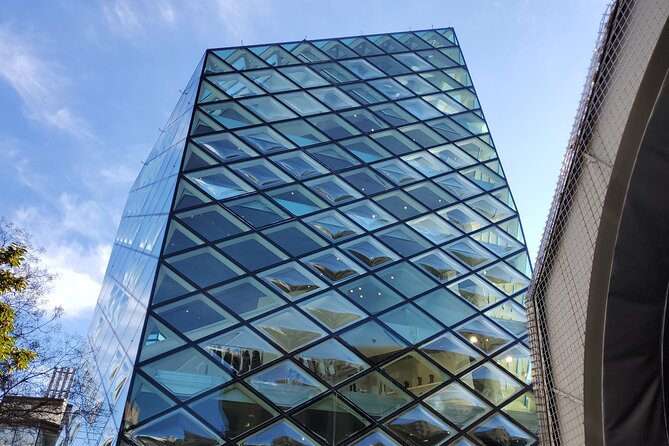
- Stop 4: Omotesando, Prada’s Herzog & de Meuron moment
- Stop 5: Takeshita Street, youth fashion and design experiments
- Stop 6: Shibuya Crossing, the intersection that sets the tempo
- Stop 7: Daikanyama and Nakameguro, a calmer design pace
- What kind of traveler this suits best
- Should you book this Tokyo architecture and contemporary art walking tour?
- FAQ
- What is the price and group size?
- How long is the tour?
- Is hotel pickup included?
- Is bottled water provided?
- Do I need an admission ticket for the stops?
- How much walking is involved?
- What areas will we visit?
- Can I cancel for a full refund?
- When will I receive confirmation?
Key highlights worth knowing
- Private group pacing (up to 9) so the guide can adjust as you go
- Bottled water included, useful for Tokyo heat and long station walks
- Architecture plus contemporary art stops across Ginza, Roppongi, Omotesando, and beyond
- Free entry at the listed sights, so your budget stays calmer
- A route that mixes icons and style streets, from Prada in Omotesando to youth fashion in Harajuku
Tokyo at a walking pace that actually makes sense
Tokyo can feel like a blur if you chase only landmarks. This tour is designed around a simple idea: look at how the city is put together, then move to the next chapter. You start with meeting your guide and then travel via public transport, which keeps the schedule realistic for a 6 to 8 hour day.
The payoff is how the day changes as you move. Ginza gives you sleek shopping architecture, Roppongi brings a museum cluster feel, Omotesando adds designer building moments, and Shibuya shows you the city’s loudest intersection energy. By the time you reach calmer areas like Daikanyama, you feel the contrast in how Tokyo presents itself.
More Walking Tours in Tokyo
- Tokyo Tsukiji Fish Market Food and Culture Walking Tour
★ 5.0 · 3,184 reviews - Tokyo: Shinjuku Local Bar and Izakaya Guided Walking Tour
★ 4.9 · 1,794 reviews - Tokyo: Tsukiji Fish Market Food and Walking tour
★ 5.0 · 1,724 reviews
Value for money: a private day without the huge-group headache
At $424.58 per group (up to 9), this is not the cheapest thing in Tokyo. But for a private architecture-and-art day, it can be good value because you are buying three practical benefits: a local guide, an efficient route, and less time wasted figuring things out.
This is a private tour, so you are not competing for attention in a large herd. The guide is there to connect the dots between building styles, design choices, and what you see on the street. You also get bottled water, and the schedule runs long enough to feel like a real day out, not a quick highlight reel.
If you are coming as a couple, the per-person price might feel higher than a standard group tour. If you are coming with friends and can fill the group size, the value climbs fast. Also, since the average booking lead time is 77 days, planning ahead helps lock in dates you want.
How the day moves: meeting up, transit between zones, and step count reality
You get a guide and then use public transport to hop between neighborhoods. Pickup is offered, and the guide meets you outside your hotel or at a handy central point, then the tour ends back at that meeting area. A mobile ticket is provided, so you are not scrambling with printouts at the train station.
One practical note: expect a serious walking load. In real use, groups have logged roughly 13,000 to 20,000 steps during a long day like this. Add station staircases and platform changes, and suddenly you understand why comfortable shoes matter more than the perfect outfit.
You should also plan for time underground. One catch in this kind of route is that the best connections between design districts can mean lots of transit and walking within stations. If you are sensitive to that, slow your expectations and treat the travel time as part of the experience, not a failure of the plan.
Stop 1: Ginza, where architecture meets high-end shopping
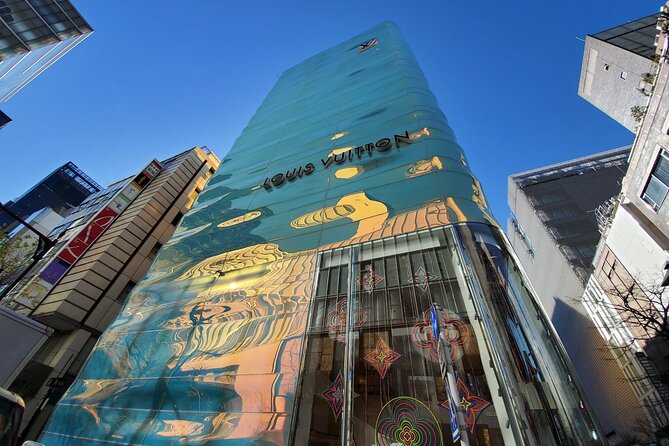
Ginza is the starting point for a reason. It is one of Tokyo’s most famous districts, and it blends polished shopping streets with cutting-edge building design. You get a full hour here, which is long enough to pause, look up, and spot how architects shape street-level experience.
What I like about Ginza in this context is that you do not just see buildings. You see how design supports a lifestyle: storefront rhythm, street edges, and the way modern facades frame movement. If you enjoy comparing “old Tokyo” street patterns to newer architectural lines, this is a great warm-up.
If you want a snack break, this is a smart place to do it. You can also browse intimate galleries and stylish stores without feeling like you are racing through a single photo spot. The only drawback is that Ginza is popular, so it can be crowded, and you may need to keep an eye on your footing while people flow around you.
A few more Tokyo days to weigh up
- Tokyo: Asakusa Walking Tour with Sensoji Temple Visit
★ 4.8 · 1,583 reviews - Tokyo: Tsukiji Fish Market Guided Walking Tour
★ 4.9 · 1,397 reviews - Tokyo Castle & Imperial PalaceーShogun Walking Tour
★ 4.7 · 1,068 reviews - Tokyo: Imperial Palace Japanese History Walking Tour
★ 4.9 · 987 reviews
Stop 2: Tokyo International Forum, Rafael Viñoly’s postmodern statement
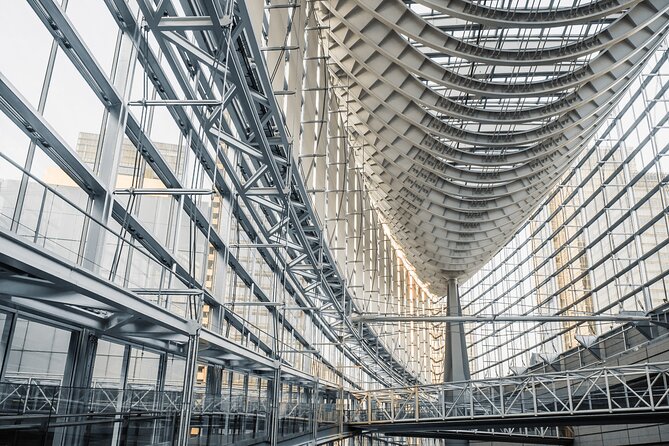
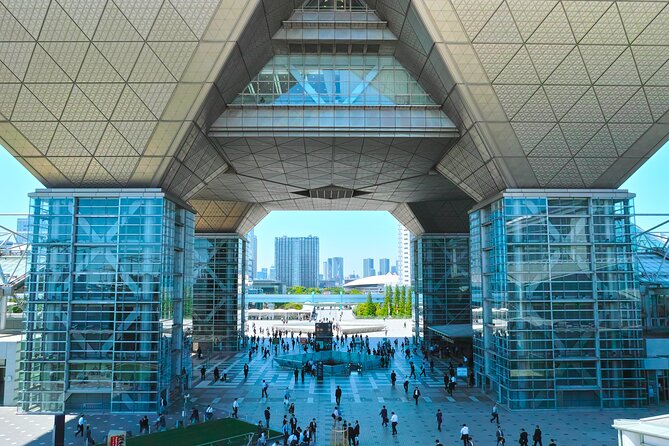
Next comes Tokyo International Forum, and this is the kind of building that gives you instant architecture context. The design is by Uruguay-born American architect Rafael Viñoly, and the building is known as a major convention and art center in Tokyo.
You only have about 15 minutes at this stop, so treat it like a focused look, not a long sit-and-stare moment. With a guide, you get the benefit of knowing what to watch for, like how the structure creates form and presence rather than just function.
This is also a good stop for your camera. The building’s geometry tends to read well from multiple angles, so you can take photos without needing to rush. If you are the type who likes to understand why a building looks the way it does, this short segment is a high-efficiency win.
Stop 3: Roppongi and the Art Triangle effect
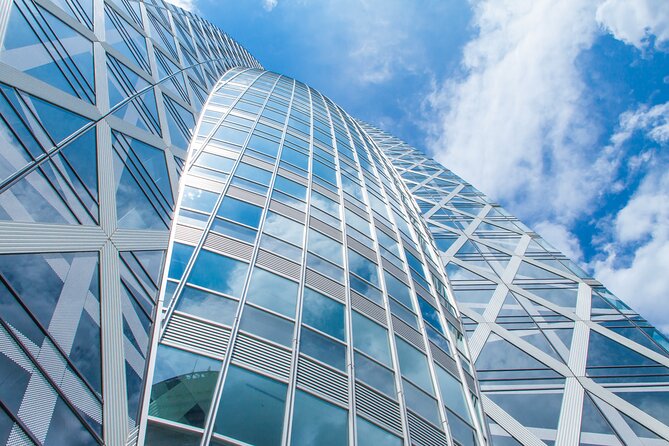
Roppongi brings the contemporary art energy. This area is associated with what people call the Art Triangle, centered on three major institutions: National Art Center, Mori Art Museum, and Suntory Museum of Art. Even if you are not spending your time inside every museum, the neighborhood layout makes you feel the “art cluster” idea.
You get about an hour here, which is a strong amount of time for walking between design-minded pockets. You also get context about how Roppongi balances big cultural venues with modern city life, including shopping and public spaces that feel designed for pedestrians.
One practical tip: art museums can be tempting time sinks. If you want to stick to the full route, treat this as a neighborhood orientation plus exterior and quick interior views if you choose. The guide can help you decide what matches your interests so you do not miss the rest of the day.
Stop 4: Omotesando, Prada’s Herzog & de Meuron moment
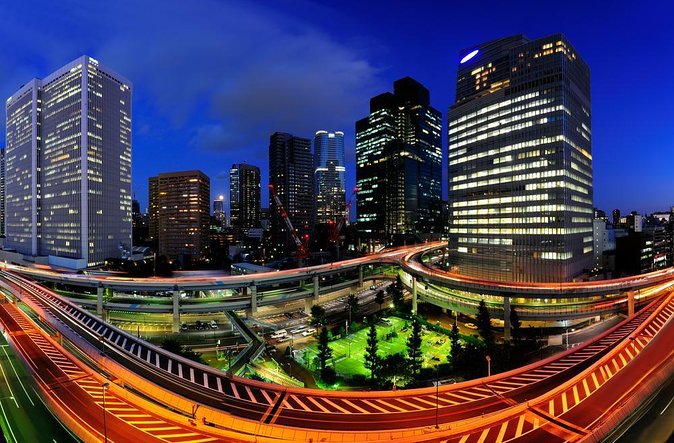
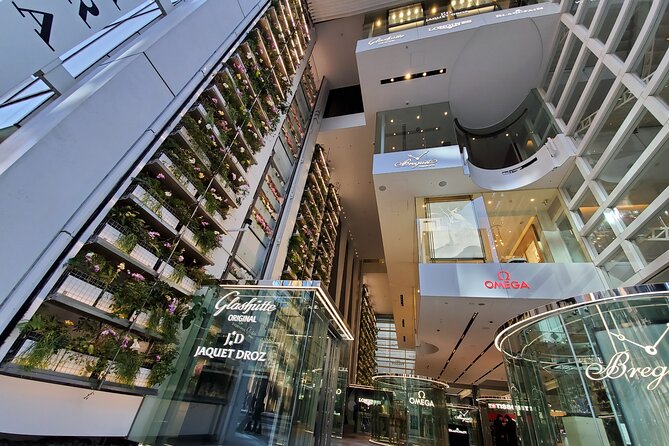
Omotesando is where Tokyo’s high-fashion side meets architecture that looks like it belongs in a design magazine. You spend about an hour here, and the area is full of beautiful buildings, especially around landmark fashion stores.
A big highlight in this segment is the Prada flagship store designed by the Swiss firm Herzog & de Meuron. This is a stop that works best if you slow down and look at transitions: how the facade meets the street, how the building’s form guides your eye, and how the retail environment shapes movement.
If you like fashion but also care about design thinking, Omotesando hits both. The environment is more structured and stylish than some other shopping streets, so it is easier to focus on architecture instead of getting lost in the noise.
The main drawback is crowds, especially around major storefronts. If you want calmer viewing, ask your guide when to step off the main foot traffic flow for a better look.
Stop 5: Takeshita Street, youth fashion and design experiments
Harajuku’s Takeshita Street is the opposite feeling from the more polished corners of the day. You get about an hour here, and it is all about youth culture and bold fashion.
This is not just shopping. It is a street-level design lesson in how people express identity through clothing, color, and storefront energy. If you like street photography, you will have plenty to work with.
That said, this is a place where you should be ready for crowds. Keep your bag secure, watch your pace, and plan to enjoy it in small chunks. If you get overwhelmed, step with your guide to an area that feels less packed, then come back when you are ready.
Stop 6: Shibuya Crossing, the intersection that sets the tempo
Then you hit Shibuya crossing, arguably Tokyo’s most famous “move or get moved” moment. You get about 30 minutes, and it is enough time to take in why it is so well known.
The crosswalk chaos is the spectacle, but the architecture context is what makes this tour worthwhile. With a guide, you are not just staring at the crowd, you are noticing how the built environment manages flow. The whole district is designed to handle constant movement, and Shibuya shows you the city’s confidence in turning crowds into an efficient system.
If you are trying to photograph, arrive ready to adapt. The timing and lighting can shift quickly, and there is always someone stepping into frame. The smart move is to focus on one or two viewpoints, get your shots, then step back and watch how people move through the intersection’s lines.
Stop 7: Daikanyama and Nakameguro, a calmer design pace
To finish with a different mood, the route heads to Daikanyama and the nearby Nakameguro area. This is where the day cools down. You spend about an hour here, and the vibe is quieter than the more famous hotspots.
The appeal is in the blend of boutiques and cafes, plus a more relaxed street energy. It feels like Tokyo design culture with fewer rush tactics. If you want a break from crowds, this is a great place to slow down, grab a drink, and let your feet recover.
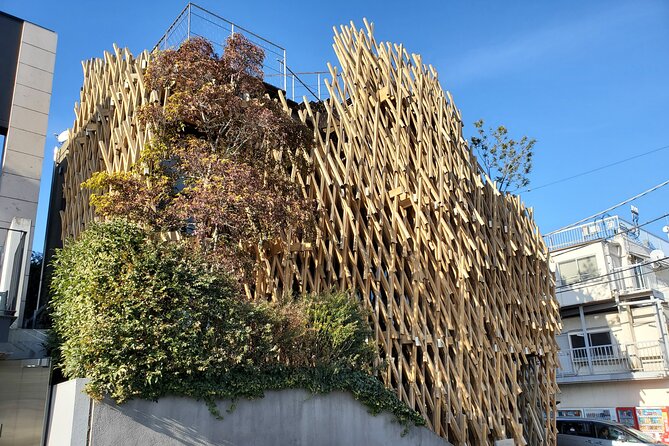
One named highlight is Tsutaya bookstore, located in this area. Even if you do not buy anything, bookstores can be a surprisingly effective window into a neighborhood’s identity. You also get a chance to see how people treat everyday spaces as part of their urban style.
What kind of traveler this suits best
This tour works best if you care about the story buildings tell. If you enjoy architecture, design, and contemporary art, you will love how the route connects major institutions with retail streets and youth culture areas.
It also suits people who want a day that is active but not random. With private pacing, you can ask questions and get direction on where to focus your attention instead of wondering what you are supposed to be looking at.
I would think twice if you have limited mobility or a very low tolerance for station walking. The route uses public transport heavily and includes time underground. Also, the walking load can be substantial for a 6 to 8 hour day.
Should you book this Tokyo architecture and contemporary art walking tour?
If you want Tokyo with context, this is a strong choice. You get a private guide, a well-chosen mix of icons and style districts, and admission for listed stops is free. The bottled water helps, and the route is designed so you can keep moving without feeling stuck waiting for a crowded big-group schedule.
Book it if your ideal Tokyo day looks like this: looking up at buildings, then looking at street-level culture, then tying the two together. If you hate transit time and would rather stay in one neighborhood for the whole day, you might prefer a more single-area walking tour instead.
FAQ
What is the price and group size?
The price is $424.58 per group, with a maximum of up to 9 people.
How long is the tour?
The tour lasts about 6 to 8 hours.
Is hotel pickup included?
Pickup is offered, and the experience description says you meet your guide outside your hotel.
Is bottled water provided?
Yes, bottled water is provided to help you stay refreshed during the day.
Do I need an admission ticket for the stops?
The information provided lists admission as free for each stop on the route.
How much walking is involved?
It is described as a walking tour, and it uses public transport between neighborhoods, so you should be ready for substantial walking plus station time.
What areas will we visit?
You will visit Ginza, Tokyo International Forum, Roppongi, Omotesando, Takeshita Street, Shibuya, and Daikanyama (near Nakameguro).
Can I cancel for a full refund?
Yes. You can cancel up to 24 hours in advance of the experience start time for a full refund.
When will I receive confirmation?
Confirmation is received within 48 hours of booking, subject to availability.
Newly listed around Tokyo
- Tokyo Akihabara Anime Manga Video Games and Hidden Gems Tour★ 4.5 · 9 reviews
- Tofu cooking class★ 5.0 · 9 reviews
- Tokyo 6 hours Customized Private Tour★ 5.0 · 6 reviews
- Tokyo 8hr Private Tour with Government-Licensed Guide★ 5.0 · 121 reviews
- Tokyo: 3-Hour Bike/E-Bike Tour of the City’s Hidden Gems★ 5.0 · 47 reviews
- Tokyo: 2-Hour Night E-Bike Tour of the City’s Hidden Gems★ 5.0 · 17 reviews
- Private Tokyo Day-Tour by Car with English Speaking Guide.★ 4.5 · 27 reviews
- Private Day Tour in Tokyo with Government-Licensed Guide★ 5.0 · 62 reviews
Walking Tours, compared.
Kyoto Geisha Walking Tour: Gion District & Hidden Gems
Read our review →
Tokyo Tsukiji Fish Market Food and Culture Walking Tour
Read our review →
Gion Geisha District Walking Tour – Stories of Geisha
Read our review →
Shinjuku Local Bar and Izakaya Guided Walking Tour
Read our review →
Asakusa Walking Tour with Sensoji Temple Visit
Read our review →
Kyoto Gion Geisha District Walking Tour – The Stories of Geisha
Read our review →Browse the lists this tour appears in