
Review · SHRINE & TEMPLE VISITS
Ise Jingu(Ise Grand Shrine) Half-Day Private Tour with Government-Licensed Guide
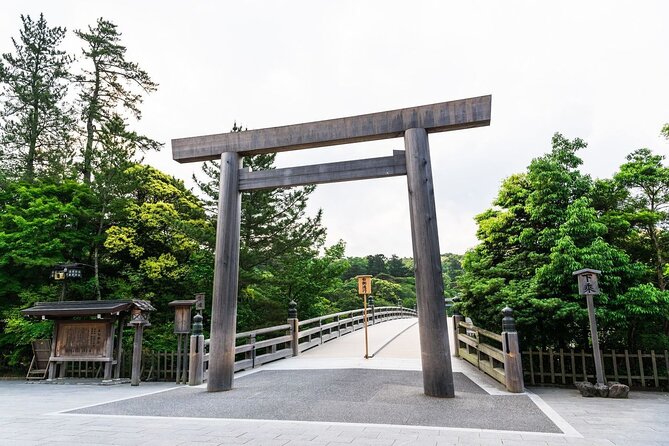
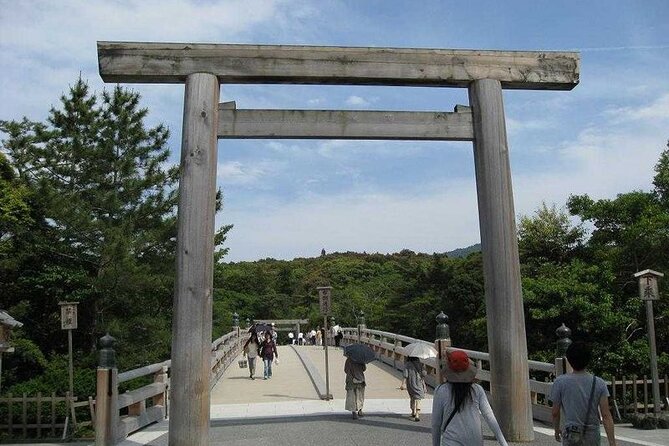
Ise Jingu turns a stroll into a story. This half-day private tour brings you right into the Shinto heart of Ise, with a guide who explains what you are seeing at Naiku and Geku, plus time for nearby sacred scenery like the Isuzugawa River and the ocean views of Meoto Iwa. The main value is not just getting to the right places, it is understanding the meaning behind the architecture, the rituals, and the cultural rules you might otherwise miss.
I love the private pacing. You can make special requests and choose 2 to 3 sites from the tour’s suggested list, which is perfect when your group has specific interests or a tight schedule. I also like that you get a licensed local English speaking guide who can tailor the commentary to your questions, including Shinto basics and how worship works at the shrine compounds.
One thing to consider: admission tickets and transportation are not included, and the tour runs about 4 hours. If you are on a busy day, you may need smart planning for getting between far points efficiently, so ask your guide early how to handle timing.
In This Review
- Key things that make this tour worth it
- Why Ise Jingu feels different with a guide
- The half-day rhythm: timing, walking, and how to plan your day
- Stop 1: Naiku, where Amaterasu is honored
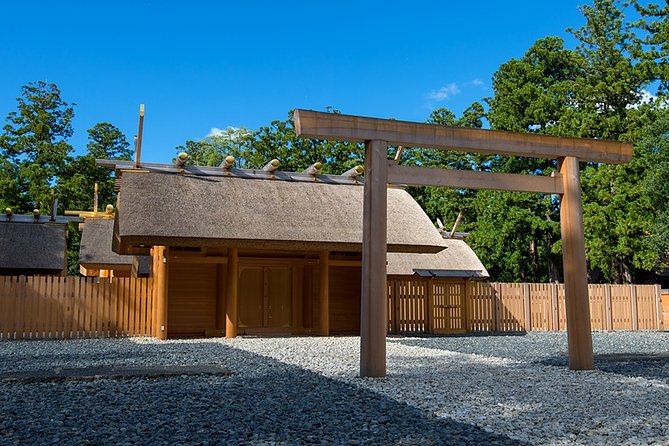
- Stop 2: Geku, the outer shrine with its own mood
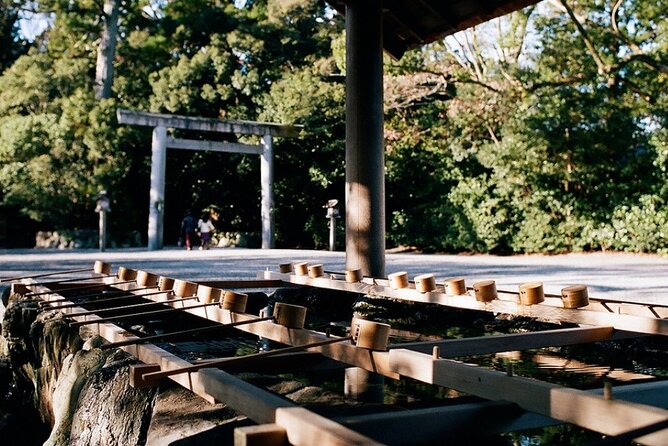
- Stop 3: Isuzugawa River, purification and nature side of Ise
- Stop 4: Okage Yokocho, a street that recreates old-town atmosphere
- Stop 5: Meoto Iwa and the Futami-area views of the sacred rocks
- Price and logistics: is $108.38 per person good value?
- The guides make the difference: what their commentary adds
- Who should book this private Ise Jingu tour
- Should you book this half-day Ise Jingu private tour?
- FAQ
- How long is the Ise Jingu half-day private tour?
- What places does the tour include?
- Are entrance tickets included in the price?
- Is transportation included, and do you provide private transportation?
- How does pickup or meeting work?
- Are service animals allowed?
- Can I get a full refund if I cancel?
Key things that make this tour worth it
- Government-licensed, English-speaking guide who focuses your time on what matters most at Ise Jingu
- Private format for just your group, with room for custom site choices (2 to 3)
- Real sacred stops: Naiku, Geku, Isuzugawa River, Okage Yokocho, and Meoto Iwa area views
- Practical Shinto context like what purification is about and how people actually pray
- Guided route and pacing help, especially when conditions are crowded or travel between sites is tight
Why Ise Jingu feels different with a guide
Ise Jingu is not just a pretty set of buildings. It is a working religious site with rules, rhythms, and traditions that make sense only if someone helps you read the place. A good guide helps you notice what you might otherwise rush past, like the way sacred spaces are arranged and why certain features exist. You will also get the kind of context that makes Shinto feel practical, not mysterious, including how worship is done and what the shrine structures symbolize.
On a private tour, the experience stays responsive. If your group wants to linger for photos, slow down near specific structures, or focus on the meaning of the rituals, the plan can flex. Guides can also explain details that are easy to miss on your own, such as how certain paths and areas function at major shrine precincts.
And because this is a licensed local guide, you are not stuck with general talk. You get commentary that fits Ise, in English, and aimed at helping you understand what you are looking at right now, not just a history lecture from a distance.
More Private Guides in Japan:
- Tokyo 6hr Private Tour with Government-Licensed Guide
★ 5.0 · 3,902 reviews - Kyoto Early Morning Tour with English-Speaking Guide
★ 5.0 · 1,427 reviews - Tokyo 4hr Private Tour with Government-Licensed Guide
★ 5.0 · 1,394 reviews
The half-day rhythm: timing, walking, and how to plan your day
This tour is designed around a roughly 4-hour window, so pacing matters. You meet in a designated area in Ise, and the tour includes pickup offered. At the same time, the meet-up approach is described as on foot and using public transport, so think of this as a guided route that walks parts of the way and uses local transit where it fits.
What you get from this format is focus. Your time is not scattered across random stops. The itinerary is built around the most important shrine precincts plus a couple of nearby points of interest that pair naturally with Naiku and Geku.
If your travel day is busy, plan to stay flexible. One guide tip that shows up in how this tour is run is to ask in advance about using a taxi or another quick option between stops, because four hours can disappear fast if transfers take longer than expected. Your guide can help you make a realistic order of sights so you do not end the tour feeling like you sprinted through the best parts.
Stop 1: Naiku, where Amaterasu is honored
Naiku is the “inner” part of Ise Grand Shrine, and it is the spiritual center of the visit. The shrine is dedicated to Amaterasu Omikami, the sun goddess. Even if you have never studied Shinto, Naiku has a way of making the worship feel clear: you will see the sacred structures and hear how this deity is honored through shrine tradition.
You typically spend about 1 hour here. That is long enough to take in the main precinct experience without needing to rush off to the next photo stop. The guide explanation helps you connect the physical layout to the purpose of the visit. Instead of treating it like a backdrop, you learn how people are meant to behave and how the space guides worship.
Naiku is also the place where the shrine’s age and continuity feel tangible. You will see Shinto structures that are described as around 2,000 years old, which makes the scale of time hard to ignore. With a guide, that age becomes meaningful, not just a trivia line.
Stop 2: Geku, the outer shrine with its own mood
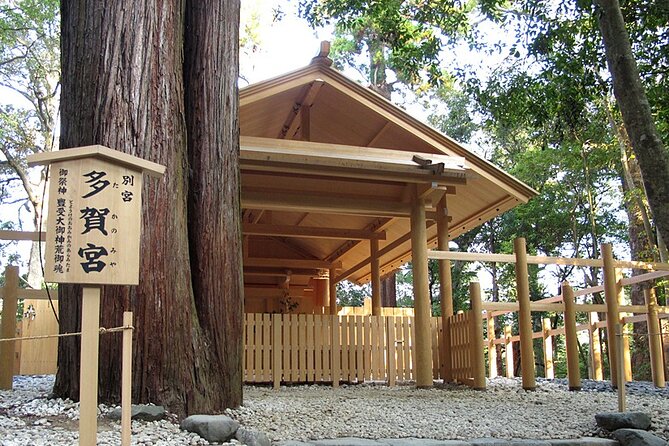
Geku is often the second anchor for first-timers because it balances what you experience at Naiku. It is also dedicated to the tradition connected to Amaterasu, but the “outer” shrine gives a different feel and a different flow through the grounds. You typically get another 1 hour here.
What I like about including both Naiku and Geku in a half-day is that it prevents the common mistake of thinking you saw all of Ise after one precinct. A guide helps you understand how these two major shrines work together in the overall Ise Jingu system.
This is also where the tour’s private nature really helps. If you want to ask questions about the meaning of particular structures, or how prayer is done in practice, the guide can answer in the moment. That makes the second stop feel like a continuation, not a repeat.
One practical note: shrine admission tickets are not included, so factor that into your day budget. Your guide can still help you navigate efficiently, but you should expect to pay any required entry fees on site.
More Shrine and Temple visits in Japan:
- Kyoto: Fushimi Inari, Kinkakuji, Bamboo Grove 1 Day Bus Tour
★ 4.8 · 4,316 reviews - Kyoto: Tea Ceremony Ju-An at Jotokuji Temple
★ 4.9 · 3,207 reviews - Tokyo: Meiji Shrine, Asakusa, Skytree Bus Tour and Cruise
★ 4.7 · 1,986 reviews - Fushimi Inari Hidden Hiking Tour (Private Option Available)
★ 5.0 · 1,750 reviews
Stop 3: Isuzugawa River, purification and nature side of Ise
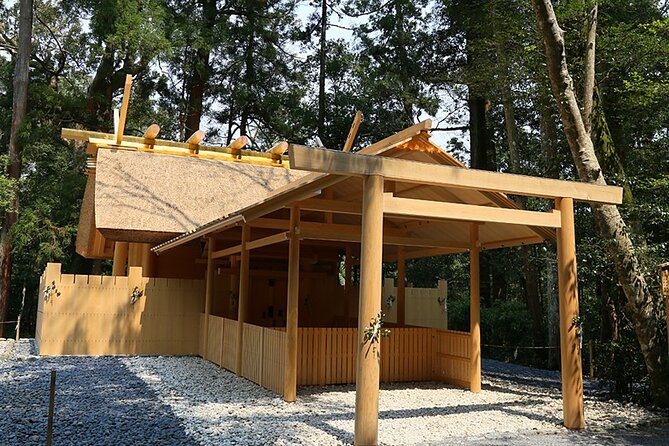
Between shrine compounds, Ise gets more than ceremonial. The Isuzugawa River runs along the grounds of Naiku, and it is widely visited by pilgrims and tourists. This part of the tour adds a nature element that makes the experience feel grounded.
You spend time here and learn about the idea of purification at Ise. The tour notes that Naiku is not only the shrine, it has much more in terms of purification and nature. That is exactly what the river stop is for. Even if you are not a ritual deep-dive person, this is a good moment to slow down and understand why the area feels like more than a museum.
Good news for planning: admission is free for this stop. That makes it a smart use of time if you want variety without adding extra costs.
Stop 4: Okage Yokocho, a street that recreates old-town atmosphere
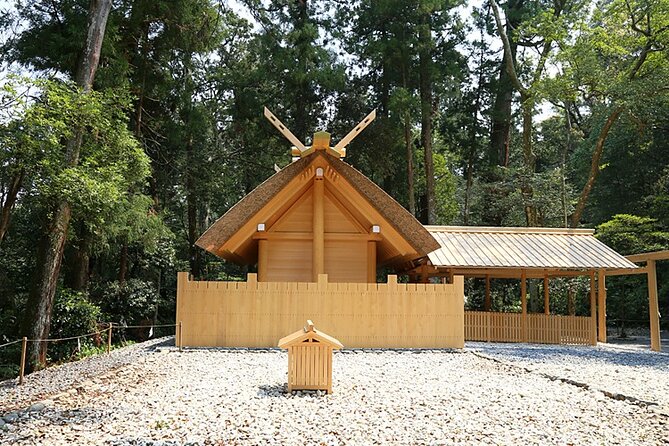
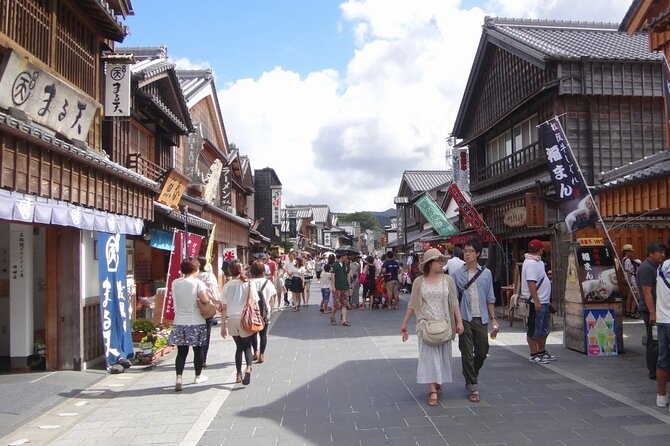
After the shrine precincts, Okage Yokocho shifts you into the human side of Ise. This is an alleyway or street built in 1993 in front of the Naiku gate. The point is atmosphere, with the townscape designed to reflect the Edo to Meiji periods.
You typically get about 1 hour here, which works well because it gives you time to browse without eating up your entire half-day. The tour describes various shops and a restored historical-feeling street layout. This is a good place to slow down after the solemnity of the shrine grounds, grab a snack if you want, or pick up small souvenirs that feel tied to the area rather than generic.
One useful way to approach this stop: go in with a plan for what you want to buy. Since your total time is limited, decide if you want food treats, local crafts, or just photos and a quick look. That way you do not lose the thread of the schedule.
Also, remember that lunch is not included, so if you are hungry, this is one of your best times to handle food on your own.
Stop 5: Meoto Iwa and the Futami-area views of the sacred rocks
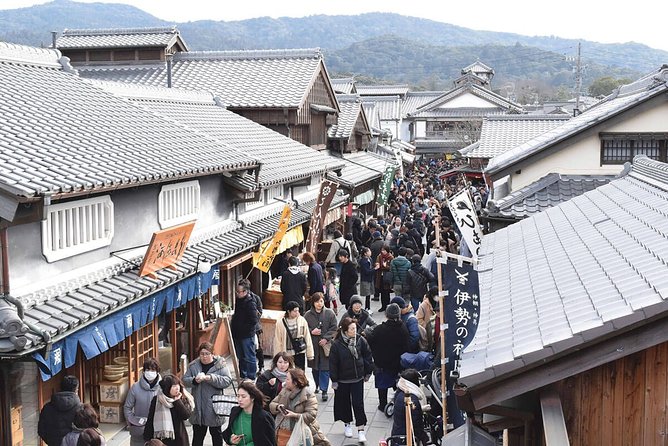
The final “wow” sight for many people is Meoto Iwa, the wedded rocks near the ocean. The tour notes that when you are near Futami, you should not miss this scenic beauty. Meoto Iwa is a pair of sacred rocks, with the larger rock described as connected to the sacred pairing idea.
You also get time in the Meoto Yokocho area, where you can look out over the coastline and take in the scenery with the guide’s context. This stop is a strong match for the half-day format because it gives you a visual payoff that is easy to understand even if you are still learning about the shrine tradition.
This is another place where a guide helps you interpret what you are seeing. Without that, it can still be pretty. With it, you understand why it is sacred and why people travel here specifically for the view.
Price and logistics: is $108.38 per person good value?
At $108.38 per person for about 4 hours, the price can be fair or pricey, depending on how you travel. Here is the value logic:
You are paying for:
- a private experience (just your group)
- a licensed local English speaking guide
- a guided route that includes key Ise Jingu sights
- the ability to customize which 2 to 3 sites you focus on
You are not paying for:
- transportation fees
- entrance fees
- lunch
- other personal expenses
- private transportation
So the question becomes this: do you want someone to translate the meaning of what you see while you are actually in it? If yes, the private format makes sense because it saves time and reduces confusion. If you are the type who only wants a simple walk-through and is happy reading on your phone, you might feel the cost more.
This tour can be especially good value if:
- you have limited time in Mie prefecture and want the core highlights
- your group wants to ask questions about Shinto, praying, or shrine etiquette
- you would otherwise spend time figuring out the order of stops and how to handle transfers
The guides make the difference: what their commentary adds
The best feedback tied to this tour is about guidance that feels prepared and tuned to the group. Guides named in the experience include Tetsuya Tanahashi, Yoshi, and Nishio. Across those examples, the common thread is clear: they explain what you are seeing and help you move efficiently through the main shrine compounds and nearby streets.
One guide even gave practical advice in advance about hiring a taxi when the schedule gets tight. Another guide described topics like how people pray, who works at the shrines, and details such as a road that is used only by the emperor at the largest temple areas. You might not remember every detail, but it changes how you look at the place. Suddenly you are not just walking through gates, you are noticing the structure of sacred space and the meaning behind it.
Guides also help make the street and scenic parts click. For example, Okage Yokocho is not just a shopping lane, it is designed to recreate historical town atmosphere in a modern way. Meoto Iwa is not just a scenic photo, it is a sacred pair tied to shrine symbolism.
Who should book this private Ise Jingu tour
This experience is a strong fit if you:
- want Naiku and Geku without wasting time guessing what to do next
- care about Shinto context and how worship works
- prefer private, question-friendly touring over bus-style group schedules
- want a half-day plan that also includes a scenic stop like Meoto Iwa
It may be less ideal if you:
- want a fully free-roaming schedule where you decide everything minute by minute
- have already mastered Shinto background and only want a photo checklist
- are trying to keep costs ultra-low, since entrance tickets and transport are not included
Should you book this half-day Ise Jingu private tour?
If you want the meaning of Ise Jingu, book it. The main strength here is the combination of licensed guidance and a focused route that hits both major shrine precincts and the most natural nearby add-ons. For many visitors, that is the difference between seeing Ise and understanding it.
My advice for making the booking pay off:
- choose your 2 to 3 sites based on your priorities, shrine focus vs street atmosphere vs ocean views
- if you are visiting on a busy day, ask your guide early about the most efficient way to move between stops
- budget for shrine admission tickets and your own meals so you do not feel rushed at the end
If you plan it like that, a half-day is enough to feel Ise Jingu in a way that stays with you.
FAQ
How long is the Ise Jingu half-day private tour?
The tour runs about 4 hours.
What places does the tour include?
The tour centers on Ise Jingu areas including Naiku and Geku, plus optional choices among Isuzugawa, Okage Yokocho, and the Meoto Iwa (Futami) area.
Are entrance tickets included in the price?
No. Admission tickets are not included, and lunch is also not included.
Is transportation included, and do you provide private transportation?
Transportation fees are not included, and private transportation is not included.
How does pickup or meeting work?
Pickup is offered, and the meet-up is on foot within a designated area of Ise. The tour also works around public transportation.
Are service animals allowed?
Yes, service animals are allowed.
Can I get a full refund if I cancel?
Yes. You can cancel for a full refund if you cancel at least 24 hours in advance of the experience start time.
Newly listed around Japan
- 1-Day Togakushi Tour: Soba making, Ninja Town, and Hidden Shrines★ 5.0 · 18 reviews
- Matsumoto Private One Day Tour from Nagano★ 5.0 · 6 reviews
- Half-Day Zenkoji Tour with Tea Experience★ 5.0 · 14 reviews
- 1-Day Snow Monkeys & Snow Fun in Shiga Kogen Tour★ 5.0 · 94 reviews
- 1-Day Winter Tour From Nozawa Onsen: Snow Monkeys, Zenko-ji Temple & Sake★ 5.0 · 32 reviews
- 1 Day Tour From Nagano to Matsumoto Castle and Narai-Juku★ 5.0 · 37 reviews
- (Spring Only) 1-Day Snow Walls of Tateyama-Kurobe Alpine Route Tour★ 5.0 · 75 reviews
- Explore Jigokudani Snow Monkey Park with a Local Guide★ 4.5 · 30 reviews
Shrine & Temple Visits, compared.
Fushimi Inari, Kinkakuji, Bamboo Grove 1 Day Bus Tour
Read our review →
Meiji Shrine, Asakusa, Skytree Bus Tour and Cruise
Read our review →
Fushimi Inari Hidden Hiking Tour (Private Option Available)
Read our review →
Osaka/Kyoto:Kinkakuji,Arashiyama,FushimiInariShrine,NaraPark
Read our review →
Asakusa Walking Tour with Sensoji Temple Visit
Read our review →
Nikko: Kegon Falls, Lake Chuzenji & Toshogu Temple
Read our review →
Kamakura & Enoshima Day Trip including Temple Tickets
Read our review →Browse the lists this tour appears in