
Review · SHIBUYA & SHINJUKU NIGHTLIFE
Kintsugi Workshop Class in Shibuya, Tokyo with mon cadeau
A broken thing can turn into a work of art. That is the whole idea behind kintsugi, and this Shibuya class makes it practical, calm, and surprisingly moving. I love that it starts with a matcha tea reset, then moves into hands-on repair with real guidance. The one thing to consider is that you are working on a fixed time window, so you will want to listen closely and follow the steps.
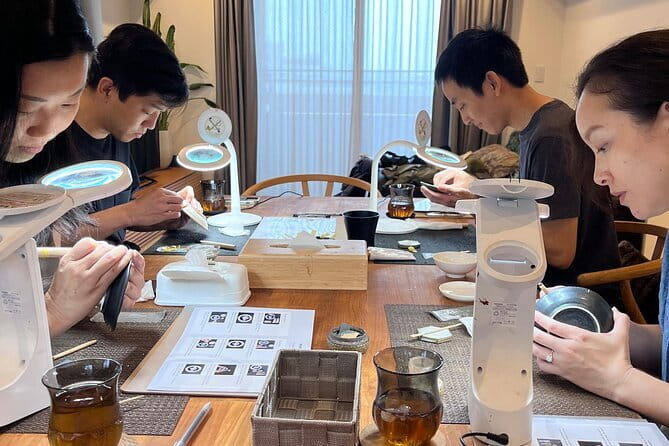
What I like next is the size. You keep things intimate with a maximum of 6 travelers and a private group setup, which means the instructors can slow down when you need it. Michiko-san and Yuki-san are repeatedly described as patient, warm, and focused on helping each person succeed, not just watching from the sidelines.
My only caution: this is a non-refundable experience, so make sure your dates in Tokyo are firm before you book. Also, you cannot pick any specific item you want from home, you will choose from the workshop’s available pottery collection.
In This Review
- Key highlights to look for
- Kintsugi in Shibuya: what makes this class feel special
- Meeting at Central Hospital, then getting oriented fast
- Matcha tea and local sweets: the mindset part that actually matters
- Choosing your piece: how the workshop keeps it personal
- Step-by-step kintsugi instruction with Michiko-san and Yuki-san
- The repair process: making the break look intentional
- What 2 hours gets you, and what the take-home piece is really like
- Who this workshop is best for (and when you might skip it)
- Price and value: is $145.35 worth it?
- Practical tips for your Shibuya kintsugi session
- Should you book Mon Cadeau in Shibuya?
- FAQ
- Where does the kintsugi workshop start?
- How long is the workshop?
- How much does it cost?
- Is the group size limited?
- What is included at the beginning of the class?
- Do I get to repair my own piece?
- Is the experience accessible by public transportation?
- Are service animals allowed?
- Can I get a refund if I cancel?
Key highlights to look for
- Small group attention with a max of 6 people, plus a private setup for your group
- Matcha tea and local sweets to start you in the right headspace
- Choose your own broken piece from the workshop’s pottery collection
- Step-by-step instruction with hands-on guidance from Michiko-san and Yuki-san
- Take-home results after creating your own repaired crockery design
- In Shibuya, near public transportation with a clear meeting point at Central Hospital
Kintsugi in Shibuya: what makes this class feel special
Kintsugi is basically a philosophy you can touch. When pottery cracks or chips, Japan’s tradition says the best response is not hiding it, but repairing it so the break becomes part of the story. In this workshop, that idea shows up in a very grounded way: you sit down, choose a piece, and learn the repair process step by step.
I also like that this experience is not “watch and hope.” You are guided through what to do, and you leave with a repaired item you can actually use or display. That matters in a city like Tokyo, where so many experiences feel like a quick stop, photo first, technique later.
Finally, the atmosphere helps. Multiple reviews point to the instructors making you feel welcome like you are visiting a home. You get the classic calm vibe, but you also get clear help when you are doing something new with your hands.
A few more Shibuya and Shinjuku Nightlife around Tokyo:
- Tokyo: Shinjuku Food Tour (13 Dishes at 4 Local Eateries)
★ 5.0 · 6,603 reviews - Tokyo Bar Hopping Tour in Shinjuku (All-You-Can-Drink + Dinner)
★ 5.0 · 3,587 reviews - Official Street Go-Kart in Shibuya
★ 5.0 · 3,435 reviews
Meeting at Central Hospital, then getting oriented fast
The workshop starts at Central Hospital, 25-1 Shinsenchō, Shibuya, Tokyo 150-0045. That is a helpful detail because Shibuya can be confusing if you are relying on landmarks alone. Having a specific starting point makes it easier to get there using public transit, then meet your group without stress.
Once you meet, the workshop ends back at the meeting point. So you do not have to plan extra transit for pickup later. With a class that runs about 2 hours, that simple back-to-start structure is a big plus. You can fit this into a full day in Tokyo without it turning into a half-day puzzle.
Also, this class is near public transportation, and confirmation is provided at booking. And yes, the workshop uses a mobile ticket, which is handy if you are already living off your phone in Japan.
Matcha tea and local sweets: the mindset part that actually matters
Most people come to kintsugi for the technique. But what makes this workshop worth your time is how it sets your pace before you touch anything.
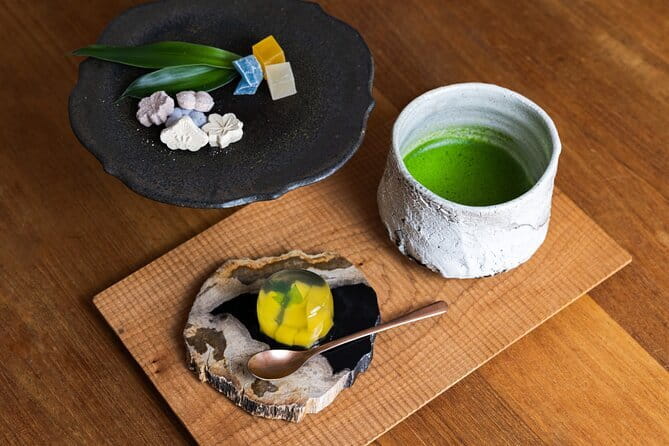
The class begins with a calming matcha tea experience. You sip first, then you learn. That sounds simple, but it changes how you work. When you are trying to repair something delicate, rushing does not help. The matcha start gives you a minute to slow down, listen, and focus.
Then you also get local Japanese sweets. Reviewers call out the tea and snacks as excellent, and they mention the instructors’ hospitality. In practice, that means you are not stuck in a cold, formal studio. You are in a warmer, friendlier setting where it feels normal to ask questions and take your time.
If you like workshops that mix hands-on craft with cultural context, this format does a good job of connecting the dots. You are learning the origins and traditions behind kintsugi while you work, not after the fact.
Choosing your piece: how the workshop keeps it personal
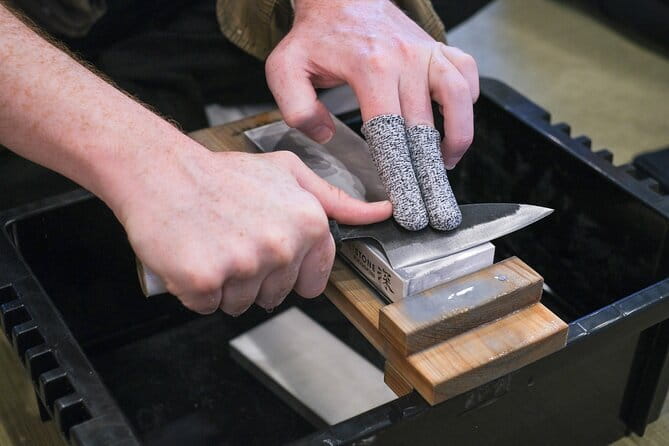
One of the best parts is that you pick a piece of crockery to repair. You are not assigned a random item, and you are not stuck with a “demo only” approach. Choosing your pottery helps you care about the outcome, because it is your hands doing the repair.
What you should know ahead of time is that the workshop provides pieces from its collection. The class description does not promise a large selection of specific shapes or styles, so be ready to choose from what is available that day. This is not a problem, it is just the reality of a workshop experience.
With a max of 6 travelers, your choice and your progress stay part of the conversation. The instructors can give feedback in real time, instead of spending the session watching everyone from across the room. That is exactly what many reviews emphasize, the small group size and the personalized guidance.
A few more Tokyo days to weigh up
- Mt Fuji and Hakone 1-Day Bus Tour Return by Bullet Train
★ 5.0 · 26,383 reviews - 1-Day Tokyo Bus Tour
★ 5.0 · 14,250 reviews - Tokyo: TOKYO SKYTREE® Admission ticket
★ 4.5 · 11,192 reviews - Tokyo: teamLab Planets TOKYO Digital Art Museum Entry Ticket
★ 4.6 · 9,779 reviews
Step-by-step kintsugi instruction with Michiko-san and Yuki-san
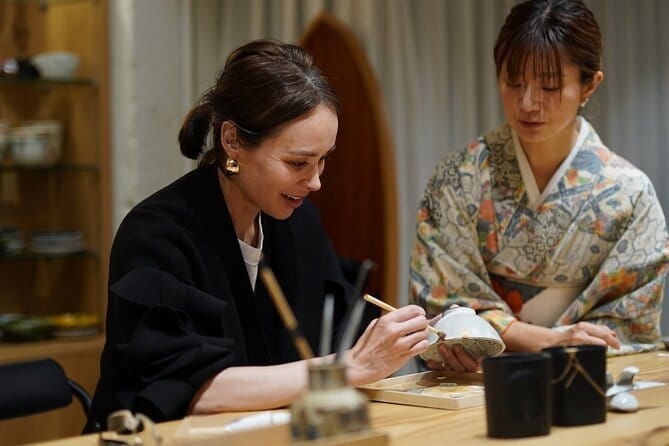
The workshop is built around clear demonstrations and step-by-step guidance. You start by watching how the instructor approaches the process, then you get hands-on with your own chosen piece.
Reviews repeatedly name Michiko-san and Yuki-san as the facilitators, and that shows up in how the experience is described. People highlight that they are kind, patient, and helpful at every step. That matters because kintsugi is not something you can master by reading a sign on the wall. The technique requires careful actions, and beginners benefit from immediate correction.
Here is how this usually plays out in a class like this, and what you should focus on while you are there:
- Listen for the “why,” not just the “what.” The class includes origins and traditions, so you are not only assembling pieces, you are learning how the repair connects to the concept of honoring breakage.
- Follow the instructor’s pace. If the guide pauses to show a detail, do not treat it as a slow moment. It is part of the method.
- Ask questions early. If you wait until the end, you lose the easiest chance to adjust.
The goal is not to rush to a finished object. The goal is to repair your crockery in a way that looks intentional, with the gold-accent concept understood as part of the design language.
The repair process: making the break look intentional
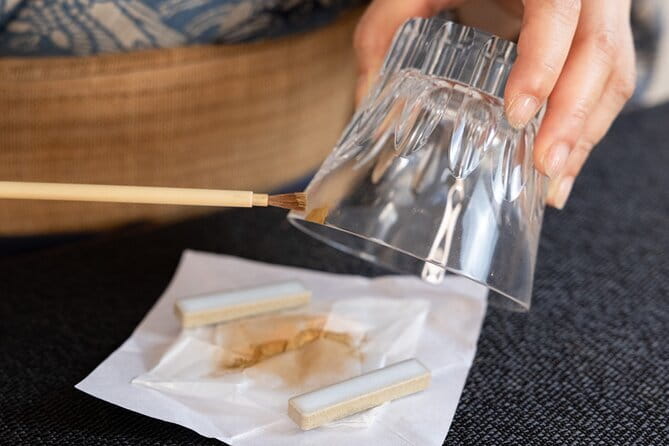
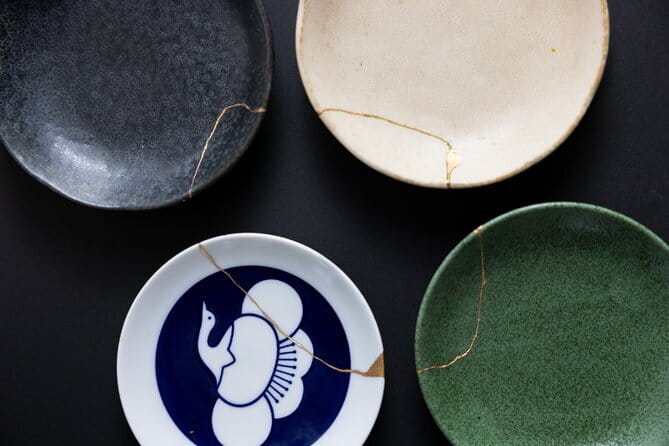
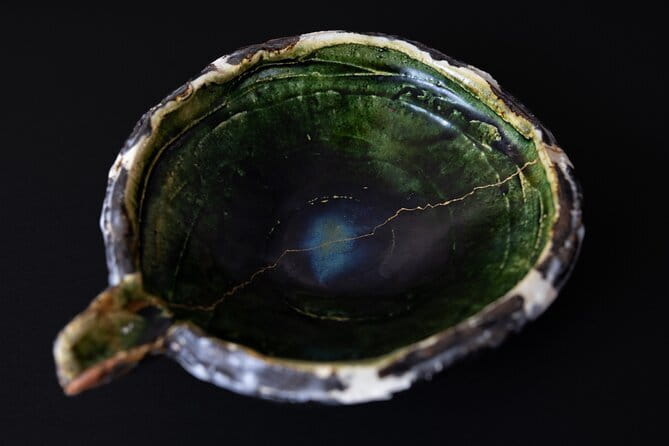
Kintsugi is known for repairing broken pottery with gold glue. That single idea is what makes the craft visually recognizable. Instead of hiding damage, kintsugi highlights it. Gold lines mark where the fracture was, turning the crack into a design element.
In this workshop, you learn the repair process while you work. The class description emphasizes that you gain hands-on experience using the instructor’s step-by-step approach, and personalized guidance helps ensure you get a successful result.
What does that mean for you as a participant? It means you should expect to do more than “glue and hope.” Even if you are new to craft work, the instruction is designed to guide you through the actual actions, not just the story.
You will also learn about the origins and traditions around kintsugi. That cultural context is valuable because it helps you understand why the aesthetics matter. The gold lines are not just decoration. They represent a shift in perspective, from fix it and forget it, to repair it and remember.
And yes, the end result is a restored crockery piece you can take home. That matters because it changes the experience from a lesson into a souvenir with meaning.
What 2 hours gets you, and what the take-home piece is really like
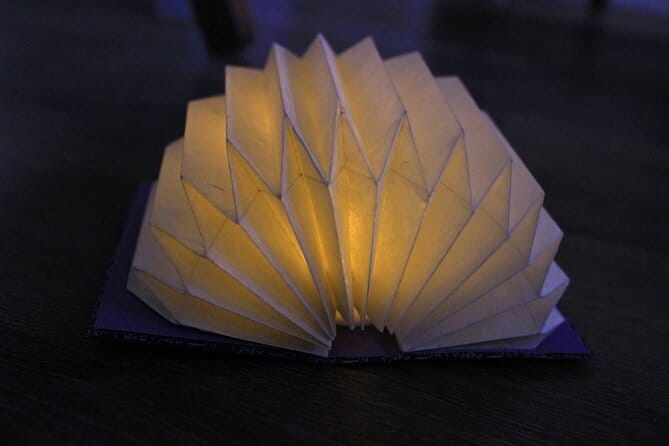
The class lasts about 2 hours. That is long enough to do real hands-on work, but short enough that you should treat it like a focused session, not a leisurely craft day.
You can expect a complete arc: meet at the start point, enjoy the matcha and sweets, learn the method, and then repair your own chosen pottery. The workshop includes guidance through the steps, so you should not feel stuck staring at a broken item and guessing.
Your take-home outcome is the big payoff. You are leaving with a beautifully restored crockery piece. Reviewers describe the experience as joyful, welcoming, and worth repeating, especially for first-timers who wanted to learn kintsugi in Japan.
Two small practical expectations for a first workshop:
- Your final result will reflect the time you have and your follow-through during the steps.
- You will want to handle the finished piece carefully after the session, since it is a crafted repair you will want to protect.
If you like meaningful souvenirs, this is one of the better choices in Tokyo because it is not mass-produced. It is made by you, guided by someone who teaches the method and the story.
Who this workshop is best for (and when you might skip it)

This class is a great fit if you want a quieter cultural experience in the middle of Tokyo. With the small group limit and the matcha start, it is designed for people who enjoy calm, guided learning.
It is also a strong option if you are traveling with a partner or family member who likes doing one focused activity together. One review mentions booking with a daughter, and the tone in that feedback points to a warm, approachable atmosphere rather than a strict craft lab vibe.
You might consider a different option if you are looking for a long, slow, detailed craft session. With only about 2 hours, you should expect guided steps, not hours and hours of experimenting. Also, if you need a flexible schedule, remember that this experience is non-refundable and cannot be changed for any reason.
Overall, it suits:
- beginners who want clear instruction
- travelers who want a take-home piece with personal meaning
- people who like small group experiences in Tokyo
Price and value: is $145.35 worth it?
At $145.35 per person, this is not a “cheap and cheerful” activity. But it also is not overpriced when you look at what you get.
You pay for:
- a max 6-person group (and private group setup for your party)
- hands-on guidance through the repair process
- matcha tea and local sweets included in the session
- the chance to take home your repaired crockery piece
In Tokyo, craft workshops can range from very casual to more formal and expensive. This one feels like it lands in the practical middle, where you get real attention. The reviews are almost uniformly positive, highlighting the instructors’ patience and the welcoming home-like feel. That kind of instructor support is part of what you are paying for, not just the materials.
If you are the type who values one high-quality activity over several rushed ones, this price starts making sense fast. And because it ends with a tangible piece you made, it also functions as a memorable souvenir instead of another ticket to store in your inbox.
Practical tips for your Shibuya kintsugi session
To get the most out of your 2-hour class, plan to arrive with a calm attitude. This is not the time for multitasking.
A few practical pointers:
- Bring a phone only as needed. You will likely want a couple of quick photos, but the focus should stay on your hands and the instructor’s cues.
- Wear comfortable clothes. Craft work can get a little messy, and you will be working close up.
- Ask questions if you are unsure. Michiko-san and Yuki-san are described as patient and engaged, so you should use that.
- Treat the piece gently after you finish. It is a restored item you will want to keep in good shape.
Because the class meets at Central Hospital and ends back there, it is also easy to plan your next Tokyo stop. Just keep your schedule flexible enough that you do not feel rushed during the last 15 minutes.
Should you book Mon Cadeau in Shibuya?
Book this workshop if you want a hands-on cultural experience with a calm pace, clear instruction, and a take-home souvenir with real meaning. The combination of matcha and sweets at the start, the small group size, and the named instructors Michiko-san and Yuki-san creating a welcoming, patient environment is exactly what makes this class feel different from typical “activity shopping.”
Skip it or consider another option if your travel schedule is tight, you do not want a non-refundable booking, or you are expecting a long multi-hour studio session with lots of experimentation. This class is focused, friendly, and time-efficient, and that is a strength for most people.
FAQ
Where does the kintsugi workshop start?
The workshop starts at Central Hospital, 25-1 Shinsenchō, Shibuya, Tokyo 150-0045, Japan.
How long is the workshop?
The duration is approximately 2 hours.
How much does it cost?
It costs $145.35 per person.
Is the group size limited?
Yes. The experience is limited to a maximum of 6 travelers, and it is private for your group.
What is included at the beginning of the class?
The workshop begins with matcha tea, along with local sweets.
Do I get to repair my own piece?
Yes. You choose your own piece of crockery to repair from the workshop’s collection.
Is the experience accessible by public transportation?
Yes. It is near public transportation.
Are service animals allowed?
Yes, service animals are allowed.
Can I get a refund if I cancel?
No. The experience is non-refundable and cannot be changed for any reason.
Newly listed around Tokyo
- Private Tokyo Food Tour – A Journey Through Time Through Food★ 5.0 · 36 reviews
- Private Tokyo Tour with Licensed Guide & Vehicle (Max 15 persons)★ 5.0 · 107 reviews
- Private Tokyo Custom Full-Day Tour by Chartered Vehicle★ 5.0 · 16 reviews
- Private Tokyo Custom Half-Day Tour by Chartered Vehicle★ 4.5 · 13 reviews
- Private Outstanding Nikko Tour with English Speaking Driver★ 4.0 · 11 reviews
- Private Sightseeing to Mt Fuji and Hakone with English Driver★ 5.0 · 51 reviews
- Private Snow Monkeys park Day Trip From Tokyo or Nagano★ 4.5 · 26 reviews
- Private Omiya Bonsai Village Tour with Licensed Guide★ 5.0 · 8 reviews
Shibuya & Shinjuku Nightlife, compared.
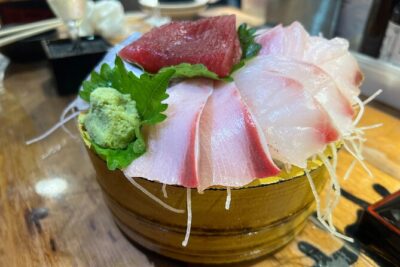
Shinjuku Food Tour (13 Dishes at 4 Local Eateries)
Read our review →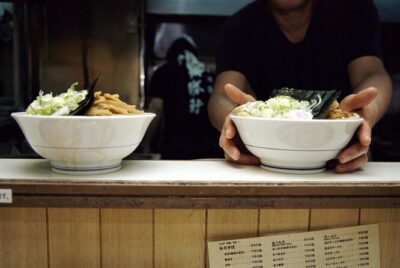
Tokyo Bar Hopping Tour in Shinjuku (All-You-Can-Drink + Dinner)
Read our review →
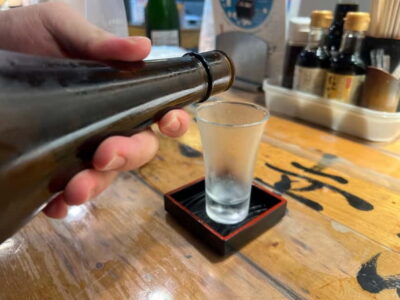
Shinjuku Food Tour (15 Dishes and 4 Eateries)
Read our review →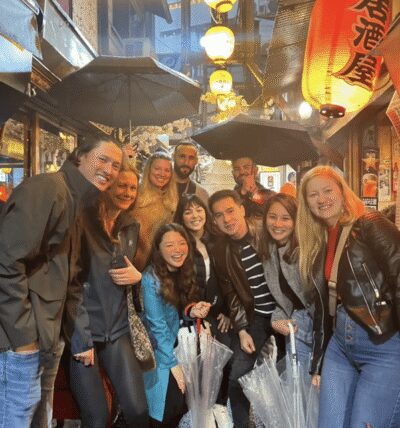
Shinjuku Local Bar and Izakaya Guided Walking Tour
Read our review →
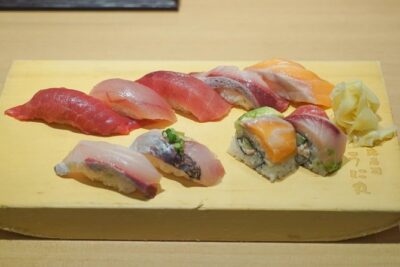
Tokyo Night Foodie Tour in Shinjuku – Seasonal Sushi, Wagyu Beef
Read our review →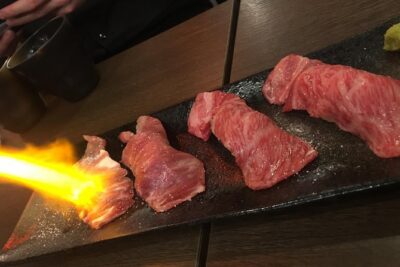
Shibuya Meltdown Nightlife Tour: All-You-Can-Drink Bar Hopping
Read our review →Browse the lists this tour appears in