
Review · SHRINE & TEMPLE VISITS
Kyoto Hidden Treasures: Special Temple & Garden Access Tour
Cherry blossoms hit different with a guide. This Kyoto walking tour blends Zen temples and garden design with special access and expert interpretation, so the sights connect to the ideas behind them. You also get a morning start that helps you see Kyoto in a calmer rhythm, before the day fully warms up.
I especially love the private pace. You can move at a comfortable speed, linger where the guide points out the details, and skip the frantic group shuffle. I also love that you learn to use public transit with your guide, which turns the hardest part of Kyoto into a simple walk, train, or short taxi hop.
One thing to consider: the itinerary is not fully customizable and can vary by date, plus it is moderate walking in rain or shine. If you dislike transfers or you have tight mobility limits, you may want to choose a slower, car-based option instead.
In This Review
- Key points to know before you go
- Morning Kyoto at 6:45 am, why the timing matters
- Private pacing beats a rushed checklist
- How the guide helps you get around Kyoto on local transit
- Tenryu-ji Temple in Arashiyama, Zen garden atmosphere in real life
- To-ji Temple and Japan’s tallest wooden pagoda
- Kiyomizu-dera’s nail-less stage and cliffside views
- Haradani-en, the cherry tunnel that stays quiet
- Ninna-ji and Omuro-zakura, the late-bloom cherry you might miss
- Taizō-in, Zen quiet plus a national treasure ink painting
- The itinerary can vary by date, so plan with flexibility
- What it feels like on the ground, walking distance and weather
- Price and value, why $140 can work for the right traveler
- Who this Kyoto tour suits best
- Should you book Kyoto Hidden Treasures?
- FAQ
- What time does the tour start?
- How long is the tour?
- Where is the meeting point?
- Is this a private tour?
- Is it a walking tour?
- Are admission tickets included?
- Does the itinerary stay the same on every day?
- Can I customize which temples I visit?
- How do you travel between the temples, and does it run in rain?
- Is there free cancellation?
Key points to know before you go
- Morning start at 6:45 am from Kyoto Brighton Hotel, which sets a great tone for temple-and-garden sightseeing.
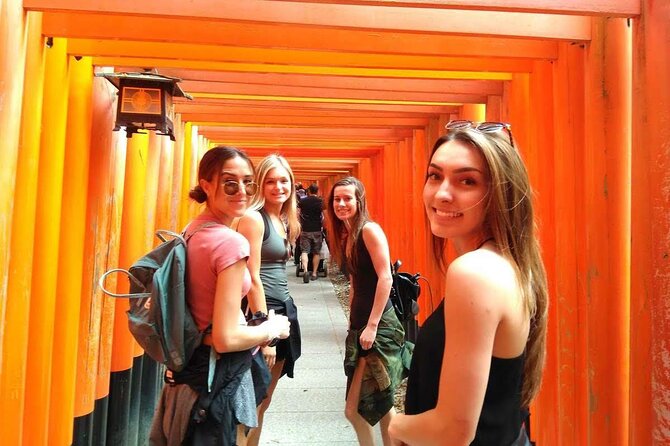
- Private group experience with only your party, so you do not get rushed through complex temple grounds.
- Public-transit training included, with your guide handling the routing between stops.
- Tenryu-ji, To-ji, Kiyomizu-dera, and more covered in a flexible 2 to 4 hour window, with admissions built in for most stops.
- Seasonal cherry-blossom focus, from Arashiyama gardens to 400-cherry-tree pathways at Haradani-en.
Morning Kyoto at 6:45 am, why the timing matters
Kyoto’s temples are beautiful any time of year, but the morning changes how they feel. Starting at 6:45 am from the lobby of Kyoto Brighton Hotel puts you in the quiet stretch where gardens look composed, not crowded.
This tour is built around Zen philosophy and garden design. That is not just marketing talk. When a guide explains why a garden is arranged the way it is, you stop seeing it as random scenery and start seeing it as a way to practice attention.
You’ll also appreciate the simple rhythm of a short day. The overall duration is listed as 2 to 4 hours, with an order that can vary. That usually means fewer transit headaches and more time with each stop’s atmosphere.
More Shrine & Temple Visits in Kyoto
- Kyoto: Fushimi Inari, Kinkakuji, Bamboo Grove 1 Day Bus Tour
★ 4.8 · 4,316 reviews - Kyoto: Tea Ceremony Ju-An at Jotokuji Temple
★ 4.9 · 3,207 reviews - Fushimi Inari Hidden Hiking Tour (Private Option Available)
★ 5.0 · 1,750 reviews
Private pacing beats a rushed checklist
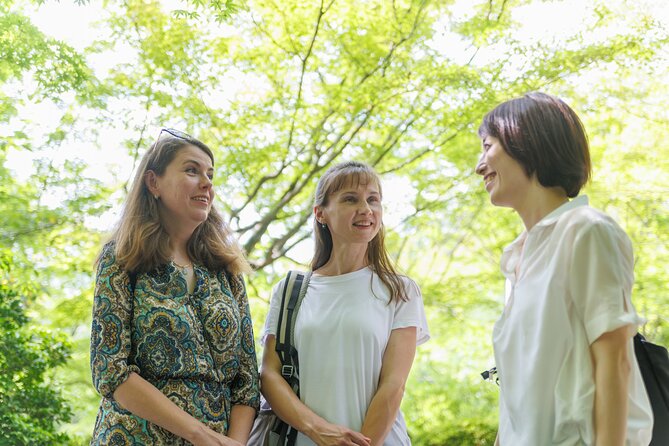
This is a private tour/activity, meaning it is only your group. That sounds like a small detail, but it matters in Kyoto because temples and gardens do not reward speed. They reward pauses, looking up and looking down, and noticing small shifts in light and composition.
You can also personalize how you experience the walk, even though the day’s core stops can vary. In other words, you are not locked into a rigid script where you are marched forward every time the schedule says so.
Practical note: the tour is a walking tour, with moderate physical fitness expected and a moderate amount of walking. Plan for comfortable shoes and a steady pace, not long sprints between gates.
How the guide helps you get around Kyoto on local transit
If you have ever tried to figure out Kyoto transit mid-trip, you know the stress. This tour is designed to make that part manageable. You’ll be near public transportation, and the plan may use public transport or local taxis between spots.
Your guide’s job is not only to talk, but to help you navigate smoothly. That includes helping you choose the right routes and keep the day efficient so you can spend your energy on the temples, not on logistics.
Also, there’s a mobile ticket component. That usually makes entry smoother and reduces fumbling with paper tickets in the cold morning air.
Tenryu-ji Temple in Arashiyama, Zen garden atmosphere in real life
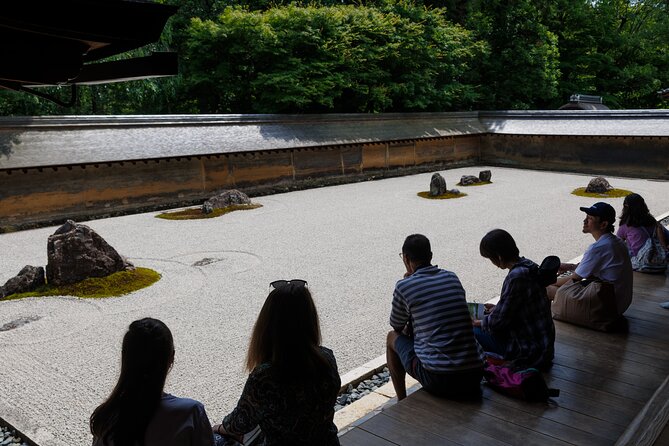
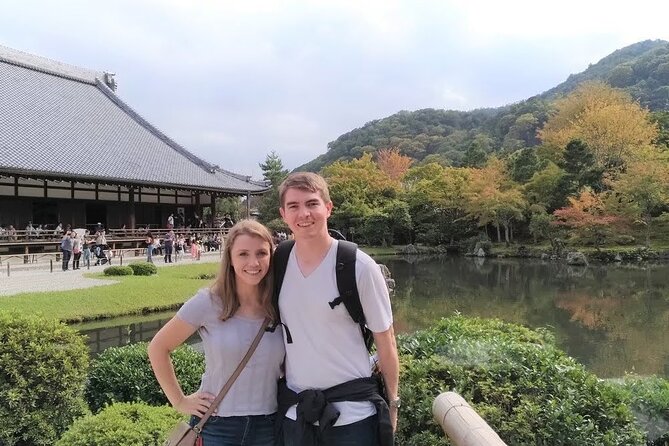
Tenryu-ji is one of those Kyoto places that makes you understand why people come back again and again. It was founded in 1339, and it is a World Heritage Site known for an exquisite garden. This is a Zen temple where the garden is not decoration, it is part of the spiritual experience.
You’ll also see why Tenryu-ji is strongly associated with Arashiyama. It’s best enjoyed alongside the Bamboo Grove and the Togetsukyo Bridge, which are both in the same wider area. Even if you do not spend extra time beyond the scheduled stop, your guide can help you frame what to notice.
Seasonal timing is huge here. Tenryu-ji is especially breathtaking during cherry blossom season and in autumn foliage. If you are traveling for spring color, this is one of the places where blossoms feel integrated into the landscape rather than pasted on top.
What to watch for: the garden views can be subtle. Instead of chasing the biggest photo angle, slow down and let the guide point out sightlines and how the terrain shapes what you see next.
More Shrine and Temple visits in Kyoto:
- Osaka/Kyoto:Kinkakuji,Arashiyama,FushimiInariShrine,NaraPark
★ 4.1 · 1,596 reviews - Kyoto/Osaka: Nara, Fushimi Inari Taisha, Arashiyama Bus Tour
★ 4.7 · 1,275 reviews - Arashiyama Bamboo, Temple, Monkeys, or Secret Sake Brewery
★ 4.8 · 886 reviews - Osaka/Kyoto: Arashiyama, Nara & Fushimi Inari Shrine w/Lunch
★ 4.4 · 754 reviews
To-ji Temple and Japan’s tallest wooden pagoda
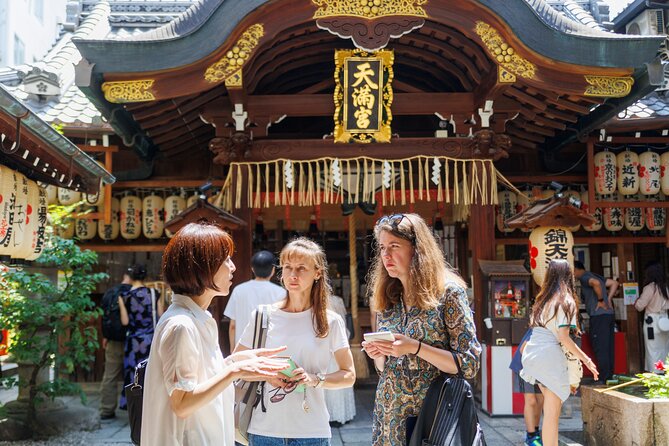
To-ji brings the wow factor in a very different way. It has about 1,300 years of history, and it’s famous for its 55-meter-tall five-story pagoda, described as the tallest wooden pagoda in Japan.
The contrast is striking, especially in spring when cherry blossoms frame the structure. That mix of ancient architecture and soft seasonal color is one of Kyoto’s best tricks.
Inside the temple complex, you’ll also hear about a very specific Shingon tradition. To-ji features a three-dimensional mandala connected to Shingon Esoteric Buddhism, with 21 Buddhist statues. Named examples include Dainichi Nyorai (Mahavairocana), Fudo Myo-o (Acala), and the Four Heavenly Kings. There’s also a National Treasure Fudo Myo-o statue, plus the scale and importance of the Kodo (Lecture Hall) and Kondo (Main Hall), which are associated with Kobo Daishi.
If you want your temples to come with context, this stop is a strong payoff. It’s not just buildings. It’s symbolism made physical.
Potential drawback: To-ji can feel dense with details. If you prefer light commentary and minimal explanation, you may want to ask your guide to focus on the top features rather than every historical layer.
Kiyomizu-dera’s nail-less stage and cliffside views
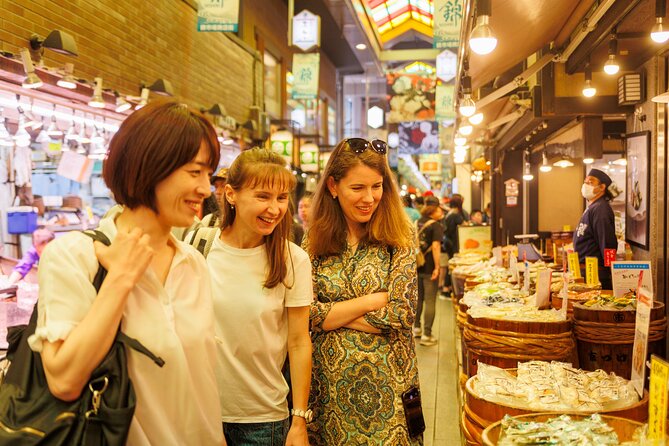
If you want the most dramatic Kyoto view, Kiyomizu-dera is the classic target. This temple has over 1,200 years of history and is known for its massive wooden stage that extends over a cliff.
One detail that always pulls people in: it is described as being built without using a single nail. That kind of construction story turns the architecture into a puzzle, which makes the place more interesting than it would be as just scenery.
The stage view is especially spectacular in spring cherry blossom season and again in autumn foliage. The reason matters for your experience. From that height, you’re not only looking at the temple, you’re looking at the way Kyoto’s layers spread out behind it.
Practical tip: dress for wind. The cliffside stage can feel exposed compared with the sheltered parts of the grounds.
Haradani-en, the cherry tunnel that stays quiet
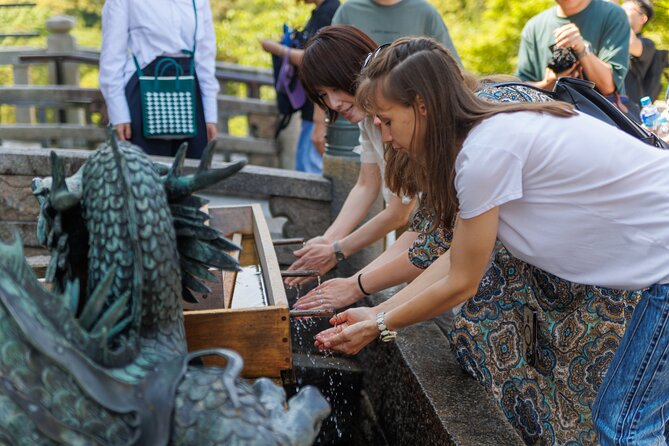
Haradani-en is a special change of pace. The tour describes it as one of Kyoto’s stunning spots that remains relatively unknown, even among locals. It is privately owned, so it is rarely visited by tourists.
This is where the tour’s “garden access” idea makes real sense. You’re not only checking off famous temples. You’re also seeing a garden that fewer people experience, which changes how you feel while you walk.
Seasonal highlight here is dramatic: in spring, more than 400 cherry trees create a tunnel-like corridor of blossoms. That tunnel effect is exactly what you want if you like Kyoto visuals, but you also care about atmosphere. Fewer crowds help you notice the gentle rhythm of the path and the way blossoms frame the walk.
What to consider: because it is privately owned and less frequented, you may have less time for wandering and photo experiments than at the busiest temples. That’s not bad, it just means you’ll want to move deliberately and let the guide set the pace.
Ninna-ji and Omuro-zakura, the late-bloom cherry you might miss
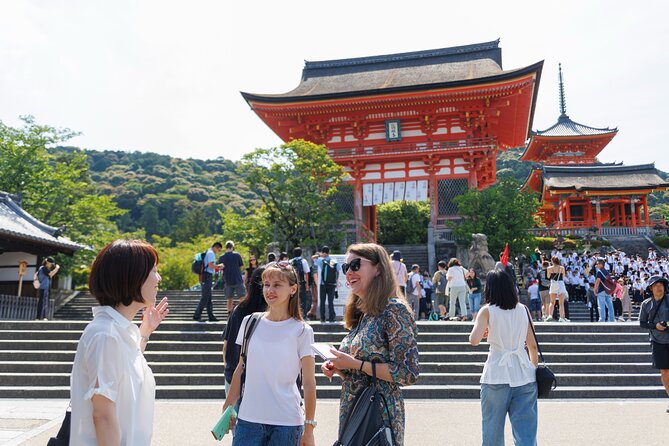
Ninna-ji stands out for its imperial connection and refined design. It was founded in 888 by Emperor Uda and later became a monzeki temple, where emperors and members of the imperial family served as head priests. That heritage shows up in the elegant architecture and refined gardens.
The cherry-blossom angle here is also smart because it does not repeat the exact same spring peak. In spring, Ninna-ji is famous for Omuro-zakura, a late-blooming cherry blossom. Late-blooming flowers can feel like a secret bonus, especially if you’ve already seen the main early-season blossoms in other areas.
If you like the idea of Kyoto as a calendar of seasons, Ninna-ji fits your mindset. It gives you a different cherry-blossom flavor than the most famous front-of-line spots.
Taizō-in, Zen quiet plus a national treasure ink painting
Taizō-in is described as a hidden Zen temple with a national treasure ink painting and a beautiful garden. This is the kind of stop that rewards quiet. If you enjoy art in a calm setting, this tends to land well.
Because it is framed as a Zen space, you can expect the tone to be more reflective than showy. You are not only looking at structures, you are looking at the environment as a whole, including how the garden supports stillness.
The national treasure ink painting adds another layer. Even if you do not read art like a specialist, a guide can help you understand what you’re actually looking at, and why ink paintings carry a different energy than bright, color-heavy art.
The itinerary can vary by date, so plan with flexibility
One honest expectation: the exact content can differ depending on your tour date. The tour data also says it is not customizable, which means you should not count on swapping stops on the fly.
The good news is that all the listed stops share a theme. Whether your day leans more into Arashiyama garden calm or temple architecture drama, you should still get the Zen-and-garden thread, plus cherry blossom or seasonal foliage.
This is why the timing and private pacing matter. Even with a slightly different lineup, a guide can adjust the route to keep the experience cohesive within the 2 to 4 hour window.
What it feels like on the ground, walking distance and weather
This is moderate walking, with comfortable shoes strongly recommended. You are moving between temple areas, and the tour uses a walking approach without a private vehicle.
It also runs rain or shine. Kyoto rain can be light or heavy depending on the day, so pack for weather and keep a simple mindset. You will still be able to see the temples and gardens, and the mood can even feel more atmospheric in drizzle.
Because transfers may be by public transit or local taxi, the day still feels active even when weather changes your route. Your guide’s job is to keep the transitions efficient, so you can focus on the sights rather than the schedule.
Price and value, why $140 can work for the right traveler
The listed price is $140 for a 2 to 4 hour private tour, with group discounts and a mobile ticket option. On paper, that can sound like a lot, until you look at what it likely covers in practice.
Most stops list admission as included. That means you’re paying for more than a walk with a map. You’re paying for an expert guide to connect the temples and gardens to meaning, plus time saved on interpretation and transit routing.
Value also comes from structure. Kyoto’s major temples can be overwhelming if you’re trying to figure out what matters once you arrive. A guide helps you prioritize what to notice, where to stand for the best views, and how to understand the religious symbolism and garden design without turning your trip into a textbook project.
If you enjoy cherry blossoms, gardens, and spiritual context, this tour’s price is easier to justify. If you only want photos and minimal explanation, you might find a cheaper self-guided plan works better.
Who this Kyoto tour suits best
This tour fits you if you want a small, focused Kyoto day rather than trying to conquer everything in one blur. It’s especially suitable for first-time Kyoto visitors who want the big temples, but also want the deeper “why” behind what they’re seeing.
It’s also a good fit for couples and travelers who want a calm, meaningful morning. Reviews include examples of guides being friendly and organized, and the overall private setup is the kind of thing that makes a honeymoon or anniversary trip feel more personal.
You’ll likely enjoy it most in seasons when the gardens shine. The tour highlights cherry blossoms heavily, and it also references autumn foliage as a major seasonal draw at multiple stops.
If you have limited tolerance for walking or you strongly prefer fully customizable routes, you may want to consider a different format. The tour is private, but the route depends on the date and the day’s available content.
Should you book Kyoto Hidden Treasures?
I think you should book if you want Kyoto with explanations, not just sightseeing. This tour’s biggest strengths are the private pacing, the way it ties temples to Zen and religious context, and the practical help with local transit so you spend less time stressed and more time paying attention.
If you are traveling around cherry blossom season, the stops make a compelling seasonal chain, from Tenryu-ji’s garden atmosphere to Haradani-en’s 400-tree tunnel effect. If you prefer late-bloom color, Ninna-ji’s Omuro-zakura focus adds variety instead of repeating the same peak bloom you’ve already seen.
Wait or choose another option if you need total control over which temples you visit, or if moderate walking in rain is not your comfort zone. The tour is short, but it is still a walking day.
If that sounds like your style, this is a strong way to get value out of limited time in Kyoto.
FAQ
What time does the tour start?
The meeting start time is listed as 6:45 am.
How long is the tour?
The duration is listed as 2 to 4 hours, approximately.
Where is the meeting point?
Meet at the lobby of Kyoto Brighton Hotel, 330 Shiteichō, Kamigyo Ward, Kyoto 602-8071, Japan.
Is this a private tour?
Yes. This is a private tour/activity, and only your group will participate.
Is it a walking tour?
Yes. It is a walking tour with moderate walking involved, and comfortable walking shoes are recommended.
Are admission tickets included?
Admission tickets are listed as included for multiple stops such as Tenryu-ji, To-ji, Kiyomizu-dera, Haradani-en, Ninna-ji, and Taizō-in. The first stop lists admission as free, depending on the date.
Does the itinerary stay the same on every day?
No. The tour content varies depending on the tour date, so the exact stops and flow can change.
Can I customize which temples I visit?
No. The tour is not customizable, and the itinerary varies by day.
How do you travel between the temples, and does it run in rain?
There is no private vehicle included. You may use public transportation or local taxis between spots, and the tour will take place rain or shine.
Is there free cancellation?
Yes. Free cancellation is offered if you cancel at least 24 hours in advance for a full refund. If you cancel less than 24 hours before the start time, you will not get a refund.
Newly listed around Kyoto
- Otagi Nenbutsu Temple and Arashiyama Bamboo Forest Tour★ 5.0 · 37 reviews
- Private Ramen or Gyoza Cooking Class in Kyoto with Chef Midori★ 5.0 · 18 reviews
- 2-Hour Oriental Body and Head Massage in Kyoto Japan★ 5.0 · 9 reviews
- Kyoto Private & Personalized Full-Day Tour with a Local Guide★ 4.5 · 31 reviews
- Exclusive Gion Kyoto Photoshoot: A Private Experience★ 5.0 · 11 reviews
- Nishiki Market, Private Sushi class & Sake Tasting in Townhouse★ 5.0 · 6 reviews
- Nishiki Market Lunch Tour★ 5.0 · 47 reviews
- One-Day Walking Tour : Enjoy Kyoto to the fullest!★ 5.0 · 78 reviews
Shrine & Temple Visits, compared.
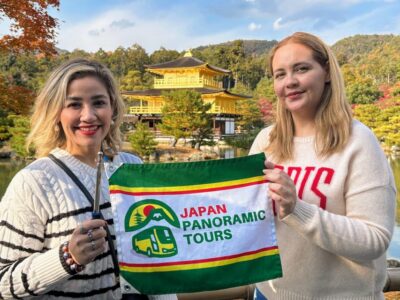
Fushimi Inari, Kinkakuji, Bamboo Grove 1 Day Bus Tour
Read our review →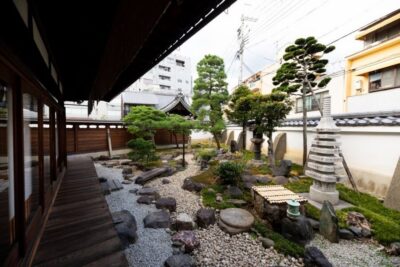

Meiji Shrine, Asakusa, Skytree Bus Tour and Cruise
Read our review →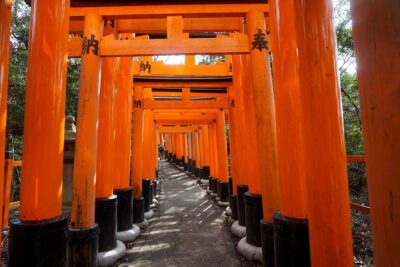
Fushimi Inari Hidden Hiking Tour (Private Option Available)
Read our review →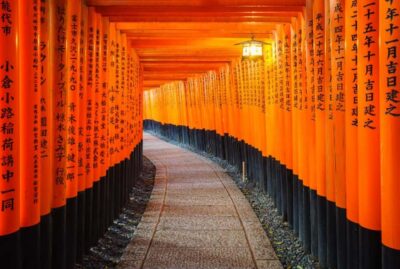
Osaka/Kyoto:Kinkakuji,Arashiyama,FushimiInariShrine,NaraPark
Read our review →
Asakusa Walking Tour with Sensoji Temple Visit
Read our review →
Nikko: Kegon Falls, Lake Chuzenji & Toshogu Temple
Read our review →
Kamakura & Enoshima Day Trip including Temple Tickets
Read our review →Browse the lists this tour appears in