Review · JAPANESE COOKING WORKSHOPS
Private Ramen or Gyoza Cooking Class in Kyoto with Chef Midori
Cooking in Kyoto should feel personal, not rushed. This private class in a local cooking studio near Gion gives you one-on-one time with Chef Midori and a calm, local setting where you cook and chat like regulars.
Two things I love about it are the interactive teaching style and the fact that you eat what you make at the end. Midori talks you through ingredients and techniques, then shares Kyoto favorites while you’re still sitting at the table with your food in front of you.
One possible drawback to think about: you need to choose from set menu options (and tell the team about any dietary needs ahead of time), so you are not ordering off a free-form menu once you arrive.
In This Review
- Key highlights you should know
- Why this Kyoto cooking studio class feels different
- Meeting Chef Midori near Gion, with tea and real ingredients
- Choose your set menu, and plan for dietary needs early
- Hands-on cooking time: learning technique, not just steps
- The shared meal is the point, and Midori stays in conversation mode
- The cat upstairs rule, and why it works
- Value for $169: what you really get in 2.5 hours
- Where this class fits in your Kyoto day
- Who this Kyoto cooking class suits best
- Practical tips before you book
- Should you book this private cooking class with Chef Midori?
- FAQ
- Where does the Kyoto cooking class start?
- How long is the cooking class?
- Is this experience private?
- What menu options are available?
- Can the class accommodate dietary restrictions?
- Is there a cat in the home during the class?
- Do I get a mobile ticket?
- What is the cancellation policy?
Key highlights you should know
- Chef Midori’s 30+ years teaching means you get practical steps, not vague tips.
- Private class for just your group so you can ask questions and get hands-on help.
- Set menus with vegetarian or vegan options included, plus kosher and halal if requested in advance.
- A shared meal right after cooking so you taste your results while the class is still fresh.
- Relaxed Kyoto studio vibe near public transportation, so the experience feels grounded, not staged.
- A cat lives upstairs but stays out of the kitchen, which keeps the lesson focused.
Why this Kyoto cooking studio class feels different
Kyoto has plenty of food experiences that look great on Instagram, but this one is built around something simpler. You come into a home-like cooking space, roll up your sleeves, and cook with a real teacher who can correct what you are doing in real time.
The private format matters more than it sounds. In a crowded cooking room, you can end up watching and waiting. Here, your party gets personalized attention from Chef Midori, so you can move at a comfortable pace and still learn the technique behind each dish.
I also like that it is designed around home-style cooking fundamentals. You are not just assembling something quick. Midori introduces core Japanese seasonings and cooking building blocks like soy sauce, mirin, sake, and miso, then you use them right away in your meal.
More Cooking Classes in Kyoto
- Ramen Cooking Class at Ramen Factory in Kyoto
★ 5.0 · 1,937 reviews - Kyoto: Ramen Cooking Class at a Ramen Factory with Souvenir
★ 4.9 · 532 reviews - Kyoto: Ramen, Gyoza, and Onigiri Cooking Class
★ 5.0 · 445 reviews
Meeting Chef Midori near Gion, with tea and real ingredients
Your experience starts at a listed meeting point in Kyoto with your activity ending back there. From there, you head to Midori’s cooking studio near Gion, a part of Kyoto that is easy to recognize if you have walked around town. It is also near public transportation, which helps if you want to keep the rest of your day flexible.
When you arrive, Midori welcomes you warmly and offers traditional Japanese tea. It is a small touch, but it sets the tone. The class is relaxed. You are not crammed into a line. You are settling in.
Then comes the practical part: you learn what you need and why it matters. Midori covers the foundation ingredients behind Japanese cooking, including soy sauce, mirin, sake, and miso. That matters because it helps you cook later at home, even if you are not making the exact same dishes.
Choose your set menu, and plan for dietary needs early
Before cooking starts, you pick from Chef Midori’s set menu choices. This is one of the most important planning details. The class is structured around these pre-selected menus, so you want to decide what you genuinely want to learn.
The options include both meat and vegetarian or vegan friendly choices, and the materials you cook match your selected set. You can also request kosher or halal options, as long as you advise the host at booking.
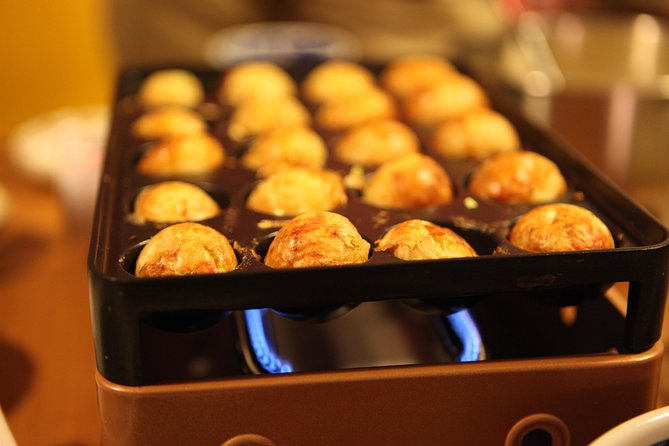
From the menu ideas offered, you are likely to see dishes such as teriyaki chicken, sushi, tonkatsu, and Kansai-style street snacks like gyoza (dumplings), takoyaki (octopus balls), or okonomiyaki (savory pancakes). If your goal is gyoza, this is the kind of format where you can focus on technique and seasoning rather than just eating dumplings.
If you have allergies or specific dietary patterns, treat this as a heads-up rather than a last-minute hope. Tell the host clearly at booking so the kitchen can accommodate you properly.
Hands-on cooking time: learning technique, not just steps
The cooking session runs about 1.5 hours, which is a good length for a private class. Long enough to actually cook, short enough that you do not feel exhausted before you eat.
Midori blends live demonstration with hands-on guidance. That means you see the technique first, then you try it yourself while she watches and corrects. This is one of the reasons people walk away feeling more confident, not just full.
You learn by doing, whether your set menu includes dumplings, frying, or other Japanese staples. Midori guides you through using time-honored techniques and traditional ingredients. Even when recipes sound simple, Japanese cooking often depends on small timing and seasoning details, and she is the kind of teacher who can explain those adjustments in plain language.
Also, this is not a sterile lab kitchen. It is a local cooking studio setting, so the lesson feels like you are learning from a friend who is good at cooking. In the earlier part of the day, Midori’s explanations connect directly to what you are about to plate.
More Cooking Workshops in Kyoto
- Kyoto: Japanese Washoku Bento Small Group Cooking Class
★ 5.0 · 380 reviews - Kyoto: Afternoon Japanese Izakaya Cooking Class
★ 4.9 · 241 reviews - Izakaya Style Cooking Class
★ 5.0 · 219 reviews - Gyoza Cooking Class in Kyoto: Traditional Japanese Dumplings
★ 5.0 · 210 reviews
The shared meal is the point, and Midori stays in conversation mode
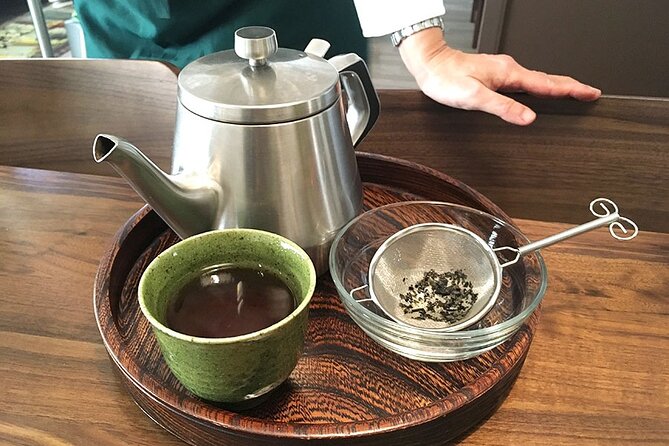
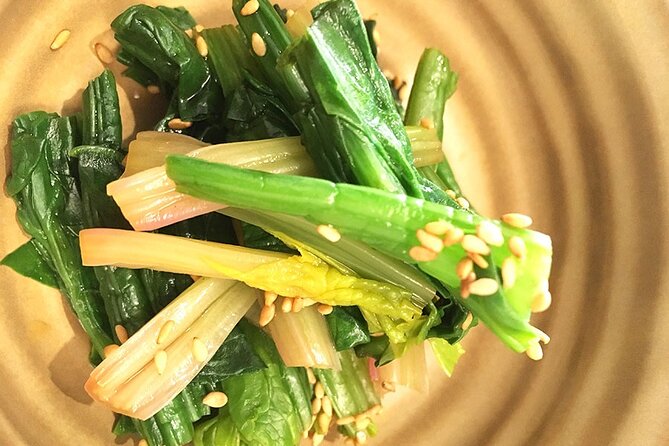
After the cooking, you sit down to share the meal. This is not a quick snack stop. You eat the dishes you helped create, and Midori stays with the group while you enjoy them.
This is a strong part of the experience because it turns the class into a complete arc. Instead of rushing out once the lesson ends, you get to taste your work right away. You can also ask Midori questions while you are actually chewing the food, which makes the learning stick.
During the meal, Midori shares her favorite local restaurant recommendations and insider tips. People typically love this because it shifts the planning from generic guidebook picks to where you can eat and what to look for. She can also guide you on where to shop for food and souvenirs in Kyoto, which helps you avoid spending energy wandering for the right ingredients or snackables.
Some guests also mention being able to record the lessons for later. That is helpful if you want to recreate the dishes at home and review the flow when you are back in your kitchen.
The cat upstairs rule, and why it works
A cat resides in the home, but it stays upstairs during the class and does not enter the kitchen or dining area. That detail sounds quirky, but it is actually reassuring. It means the kitchen stays focused, and you do not have to worry about interruptions.
If you are sensitive to animals in closed spaces, you still know the rules in advance. That kind of clarity makes it easier to relax and concentrate on cooking.
Value for $169: what you really get in 2.5 hours
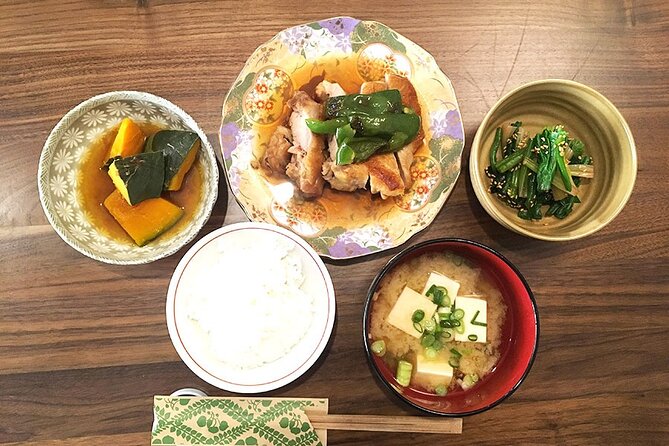
At $169 per person, this is not a budget activity. But it is also not paying for a theme park. You are paying for a private lesson, Chef Midori’s long teaching experience, and a meal that is part of the experience rather than an add-on.
The value comes from three places:
First, the format. Private time changes everything. You can ask follow-up questions and get corrections while you cook.
Second, the teaching credibility. Midori has been teaching Japanese cooking for over 30 years. That matters because the class is built around fundamentals, ingredients, and technique, not random guesswork.
Third, the meal and tips. Eating what you make adds real satisfaction. Then Midori’s Kyoto recommendations help you get more out of your trip, especially if you want the next meal to be good without spending hours researching.
If you are traveling solo, the price can feel steep compared with group cooking classes. If you are a couple, the private format can start to feel more reasonable because you are splitting the cost of having a dedicated teacher for your time.
Where this class fits in your Kyoto day
This activity is about 2 hours 30 minutes total. That includes the cooking session and the shared meal. It is a great mid-day or early evening plan, especially if you want your Kyoto day to have one grounded, sensory experience.
Since it is near public transportation, you can also pair it with other Kyoto stops without complicated routing. I like placing it before dinner plans. Midori’s restaurant tips can help you choose where to eat later that night or where to return the next day.
Who this Kyoto cooking class suits best
This class is a strong match if you fit any of these:
- You love Japanese food and want to understand how it is built, not just what it tastes like
- You and your group enjoy hands-on learning, especially in a smaller, calm setting
- You travel as a couple, family, or small group and want a private experience where everyone has a role
- You have dietary needs and want real options like vegetarian or vegan sets, plus kosher or halal if arranged
If your idea of a vacation day is rushing from landmark to landmark, you might find the cooking time more like a pause than a sprint. But that can also be the point. Kyoto is better when you slow down and do one meaningful thing well.
Practical tips before you book
A few small moves will make your class smoother:
- Decide which set menu you want, especially if gyoza or another street snack is a priority for you.
- Add dietary needs in the special requirements at booking. This is the safest way to ensure your set menu can be accommodated.
- Wear comfortable clothes you can move in. You will be cooking, not just standing and watching.
- Bring questions. If you want to know how to replicate the flavors at home, ask about ingredients like miso, mirin, or how soy sauce gets used in different dishes.
Also, the lesson happens in a home-like studio. That means the experience is personal and relaxed, but it is still a working kitchen setting. A respectful, calm attitude helps.
Should you book this private cooking class with Chef Midori?
I think you should book it if you want a genuine Kyoto food experience with real teaching, not a noisy production. The private format, Chef Midori’s long teaching background, and the fact that you eat your own results make it a satisfying use of time.
You might skip it if you want the freedom of choosing dishes on the spot, since you pick from set menus ahead of time. And if you are trying to keep Kyoto costs very low, $169 per person is worth judging against what else you can do with that budget.
If you are excited about Japanese cooking and you like the idea of learning ingredients and technique you can actually use later, this is one of the most practical, memorable food classes in Kyoto.
FAQ
Where does the Kyoto cooking class start?
The activity starts at Japan, 600-8806 Kyoto, Shimogyo Ward, Chūdōji Mibukawachō, 713 7番地13, and it ends back at the same meeting point.
How long is the cooking class?
The cooking session lasts about 1.5 hours, and the full experience is about 2 hours 30 minutes including the shared meal.
Is this experience private?
Yes. It is a private tour or activity, and only your group will participate.
What menu options are available?
You choose between 5 different set menu options. The menus include items such as teriyaki chicken, sushi, tonkatsu, and Kansai street snacks like gyoza, takoyaki, and okonomiyaki.
Can the class accommodate dietary restrictions?
Yes. Vegetarian and vegan options are available, and kosher and halal options are available if you advise the host at the time of booking.
Is there a cat in the home during the class?
Yes, a cat resides in the home, but it remains upstairs during the class and does not enter the kitchen or dining area.
Do I get a mobile ticket?
Yes. The experience includes a mobile ticket.
What is the cancellation policy?
You can cancel for a full refund up to 24 hours in advance of the experience start time. If you cancel less than 24 hours before, you will not receive a refund.
More Ramen Trips in Kyoto
- Home style Ramen and Homemade Gyoza in Kyoto
★ 5.0 · 152 reviews - Kyoto Michelin Ramen Workshop or Painting Ramen Essentials
★ 4.9 · 100 reviews - Kyoto Ramen Noodle Making Class
★ 5.0 · 58 reviews - Ramen Gyoza Onigiri Japanese Cooking Class in Kyoto
★ 5.0 · 44 reviews
Newly listed around Kyoto
- Otagi Nenbutsu Temple and Arashiyama Bamboo Forest Tour★ 5.0 · 37 reviews
- 2-Hour Oriental Body and Head Massage in Kyoto Japan★ 5.0 · 9 reviews
- Kyoto Private & Personalized Full-Day Tour with a Local Guide★ 4.5 · 31 reviews
- Exclusive Gion Kyoto Photoshoot: A Private Experience★ 5.0 · 11 reviews
- Nishiki Market, Private Sushi class & Sake Tasting in Townhouse★ 5.0 · 6 reviews
- Nishiki Market Lunch Tour★ 5.0 · 47 reviews
- One-Day Walking Tour : Enjoy Kyoto to the fullest!★ 5.0 · 78 reviews
- Ninja Experience (Family Friendly) at Samurai Ninja Museum KYOTO★ 4.5 · 132 reviews
Japanese Cooking Workshops, compared.
Ramen Cooking Class at Ramen Factory in Kyoto
Read our review →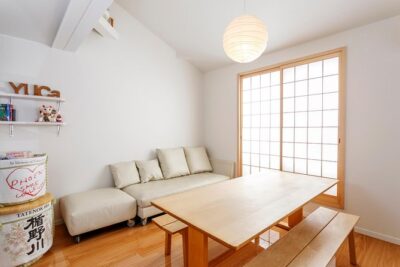
Ramen & Gyoza Cooking Class in Tokyo with Local Supermarket Visit
Read our review →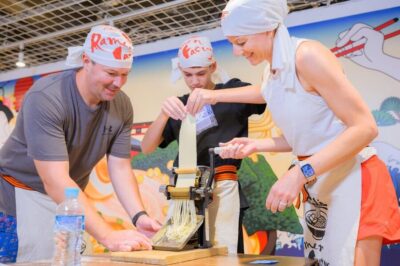
Ramen Cooking Class at a Ramen Factory with Souvenir
Read our review →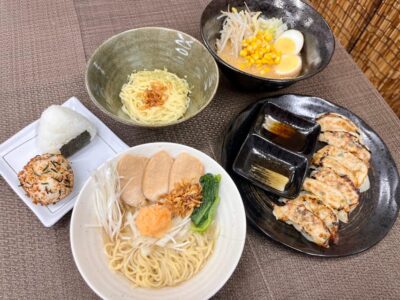
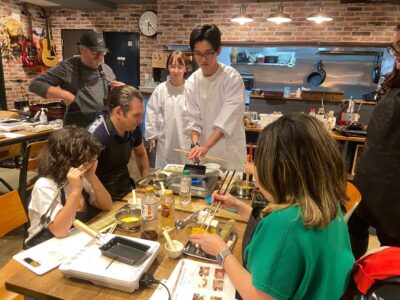
Japanese Washoku Bento Small Group Cooking Class
Read our review →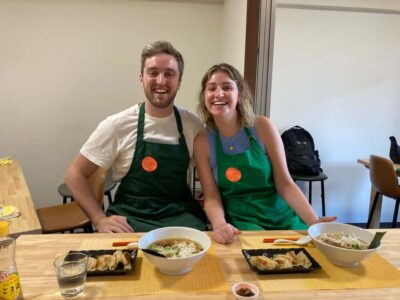
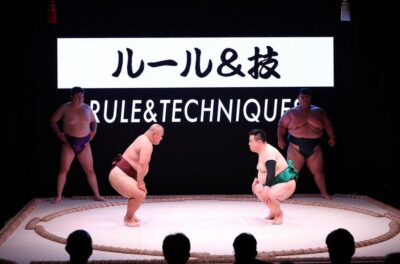
Sumo Stage Show with Bento or Snack + Fight & Photo
Read our review →