
Review · COOKING CLASSES IN OSAKA
Master Washoku: 5 Core Techniques for Authentic Cooking
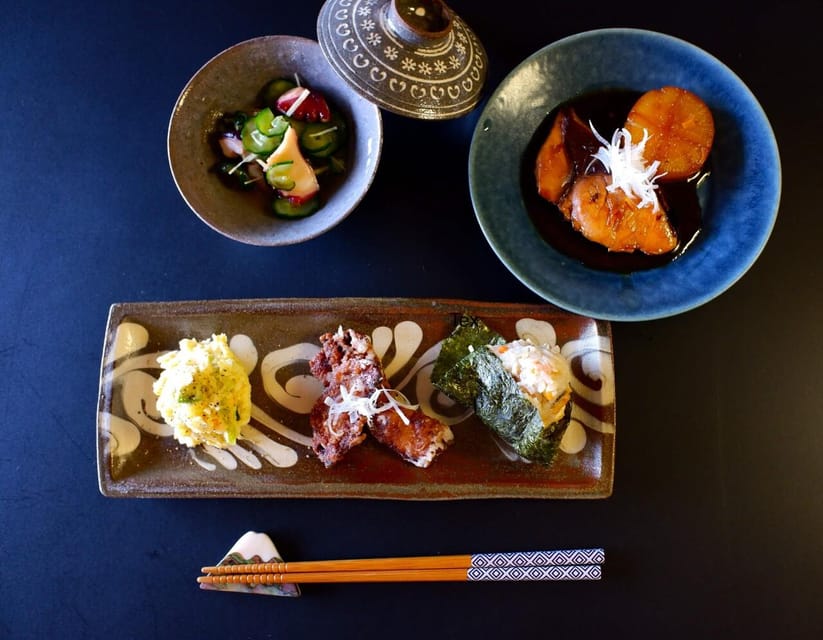
Five snacks, one kitchen, and real washoku technique. I like that Yuki brings Michelin-level training, and I also like that this class is hands-on, so you work the methods while learning the logic behind Japanese flavor. You focus on staples like soy sauce, mirin, and sake, plus key approaches such as simmering, marinating, grilling-style heat, and pickling.
One thing to think about: it’s 3 hours and the menu is snack-sized, so it’s not a full multi-course dinner. At small-group scale (up to 4), you get attention and corrections, but the value is in technique you can repeat, not in eating a huge amount.
In This Review
- Key Highlights You Should Know
- Why This Osaka Washoku Class Feels More Useful Than a Typical Food Tour
- Price and What You Really Get for $109
- Where It Happens: A Central Osaka Apartment Kitchen Setup
- The Class Flow: How You Learn Five Core Washoku Techniques
- Wasabi Garlic Potato Salad: Learning How Japanese Heat Cuts Through Creaminess
- Octopus and Cucumber Vinegar Salad: Why Brightness Matters in Japanese Meals
- Fish Tatsuta-age with Scallion Sauce: Crisp Texture From Marination
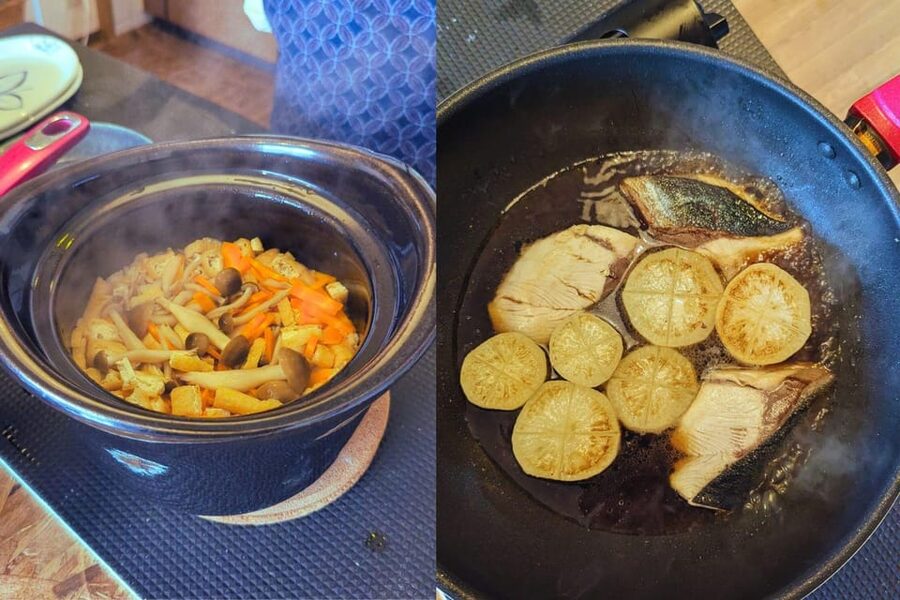
- Simmered Yellowtail with Daikon: Tender Texture From Patience
- Mixed Rice Onigiri: How Japanese Rice Becomes a Snack, Not a Side
- Optional Premium Sake Tasting: Chilled, Junmai vs Junmai Ginjo, Then Warm
- Chef Yuki Style: Relaxed, Engaging, and Focused on Fixes
- Bringing It Back Home: What You’ll Be Able to Cook Later
- Who Should Book This Class in Osaka, and Who Might Skip It
- Quick FAQ Answers Before You Go
- FAQ
- Where is Master Washoku located?
- How long is the cooking class?
- How much does it cost?
- Is the class hands-on?
- What dishes are included in the menu?
- Is a sake tasting included?
- How many people are in the group?
- What languages does the instructor speak?
- Are allergies accommodated?
- Is transportation to the venue included?
- Should You Book Master Washoku?
Key Highlights You Should Know
- Michelin-trained instruction in Osaka with English and Japanese support, led by Yuki
- Five authentic snacks built from scratch, not just watching or assembling
- Flavor-building methods you can repeat at home using soy sauce, mirin, sake, and traditional techniques
- Crispy tatsuta-age plus calming vinegar salad, a smart mix of textures and tastes
- Optional sake tasting with temperature contrast, comparing chilled Junmai and Junmai Ginjo plus one warm pour
- Relaxed, attentive teaching style focused on tips and small adjustments while you cook
Why This Osaka Washoku Class Feels More Useful Than a Typical Food Tour
Osaka does food well, but a lot of cooking experiences stop at “here’s a dish, enjoy it.” This one is different because the goal is technique. You learn how Japanese cooks build flavor in layers, then you practice those layers with your own hands.
I especially like the framing beyond sushi and tempura. Washoku is broader than that, and you’ll feel it in the menu. You’re not just chasing novelty snacks. You’re learning how vinegar balances fat, how marination seasons the inside, and how simmering turns tough ingredients into tender bites.
You’ll also get a clear sense of what makes Japanese home cooking work: measured, repeatable flavor formulas and careful timing. It’s the kind of lesson you can use the next time you cook at home and want food to taste like you didn’t just wing it.
More Cooking Classes in Osaka
- Osaka: Ramen and Gyoza Cooking Class in Dotonbori
★ 5.0 · 378 reviews - Osaka Cooking Class: Okonomiyaki &Japanese cuisines experience
★ 5.0 · 261 reviews - Ramen and Gyoza Cooking Class in Osaka
★ 5.0 · 202 reviews
Price and What You Really Get for $109
At $109 per person for a 3-hour class, you’re paying for more than a plate of food. You’re paying for expert coaching from a Michelin-trained chef, plus ingredients, equipment, and guided tasting time.
Here’s what that looks like in practice:
- Five dishes cooked hands-on, so you’re not waiting in a line while someone else does the work
- All necessary ingredients and equipment provided, which matters in Japan where you can’t always count on finding the right tools quickly
- Sake tasting optional, with three pours (two chilled and one warm) if you choose to include it
- Digital photos and aprons provided, which helps you remember what you made and how it should look
Is it expensive compared to a casual meal? Yes. But it’s also cheaper than stacking a private class, buying premium sake, and paying for the ingredients yourself. For visitors who want skills, not just snacks, this is solid value.
Where It Happens: A Central Osaka Apartment Kitchen Setup
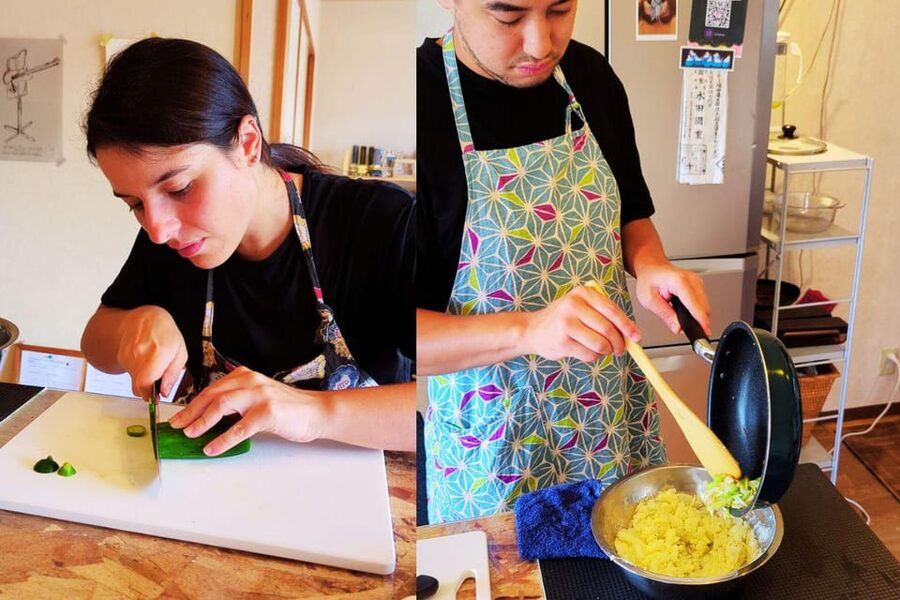
This class takes place in an apartment setting near central Osaka, and that detail matters more than you might think. You’re not cooking in a huge public studio where everything feels like a production line. The apartment kitchen setup tends to feel more like a real home workflow, just with pro guidance.
The small group size (limited to 4) also changes the experience. You get chances to ask questions in the middle of cooking, not only at the end. In a class like this, small fixes make a big difference, like how long something simmers or how much sauce you use so it coats rather than overwhelms.
One practical note: transportation to the venue is not included. If you’re staying near major stations, it should be manageable, but you’ll want to plan your route in advance. The meeting point can vary depending on the option you book.
The Class Flow: How You Learn Five Core Washoku Techniques
The structure is simple, which is a good thing. You cook the menu one piece at a time, learning the technique as you go. You also get cultural context along the way, so the food doesn’t feel like random instructions.
You’ll practice a mix of methods that Japanese cooks use all the time:
- Marinating for flavor inside the bite
- Simmering for tender texture and steady seasoning
- Pickling/vinegar balancing for brightness and bite
- Heat and crisping to build contrast (think crispy outside, tender inside)
- Seasoning and shaping for rice dishes like onigiri
And throughout, you’ll work with core ingredients that show up across Japanese cooking: soy sauce, mirin, and sake. That trio is the backbone of many savory-sweet flavor profiles, so learning how to use them is a big payoff.
A few more Osaka days to weigh up
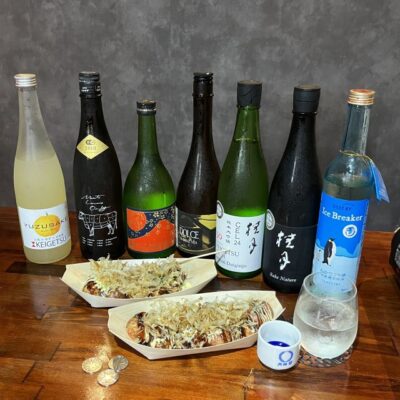
- Osaka Sake Tasting with Takoyaki Cooking
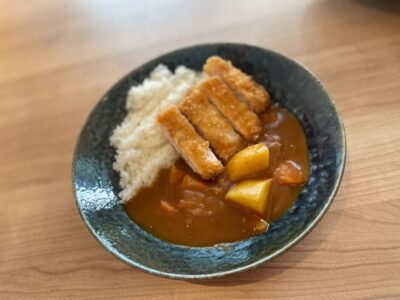
★ 5.0 · 156 reviews - Katsu Curry OR Bento Making Cooking Class & Local Shop Tour
★ 4.9 · 11 reviews - Ramen Cooking Class at Ramen Factory in Kyoto
★ 5.0 · 1,937 reviews - Ramen & Gyoza Cooking Class in Tokyo with Local Supermarket Visit
★ 5.0 · 823 reviews
Wasabi Garlic Potato Salad: Learning How Japanese Heat Cuts Through Creaminess
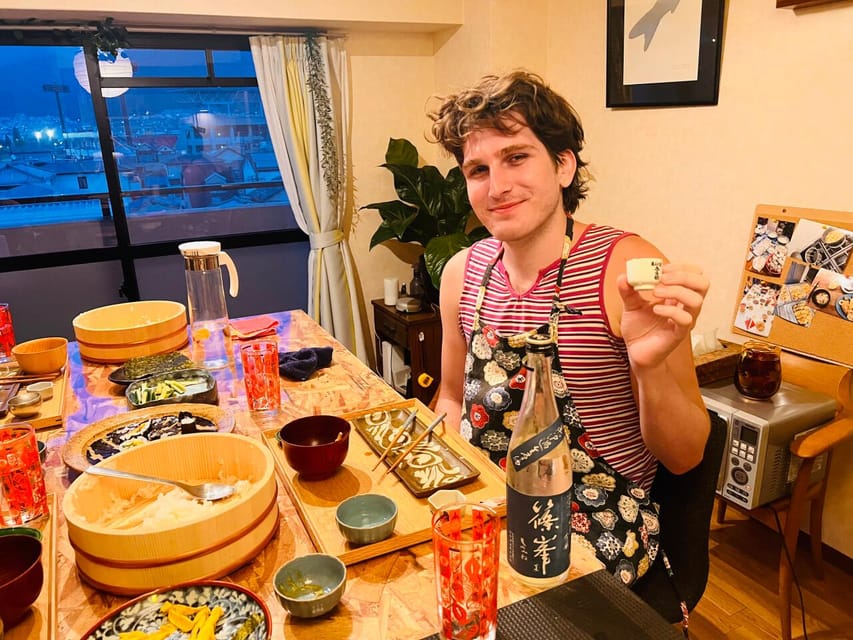
Your first dish is Wasabi Garlic Potato Salad, a spicy twist on a classic izakaya-style favorite.
This is a great opener because potato salad can go bland or heavy if you don’t balance it. You learn how wasabi heat and garlic flavor change the way the dish tastes. Instead of thinking of wasabi as just “spice,” you’ll see it as part of the flavor architecture, adding sharpness and aroma that prevents the salad from feeling dull.
You’ll get hands-on practice with:
- mashing or cutting in a way that keeps texture interesting
- mixing flavors evenly rather than dumping sauce at the end
- adjusting punch so the wasabi doesn’t dominate or vanish
If you like izakaya snacks, this is the one that helps you understand how Japanese side dishes stay addictive without being sugary or greasy.
Octopus and Cucumber Vinegar Salad: Why Brightness Matters in Japanese Meals
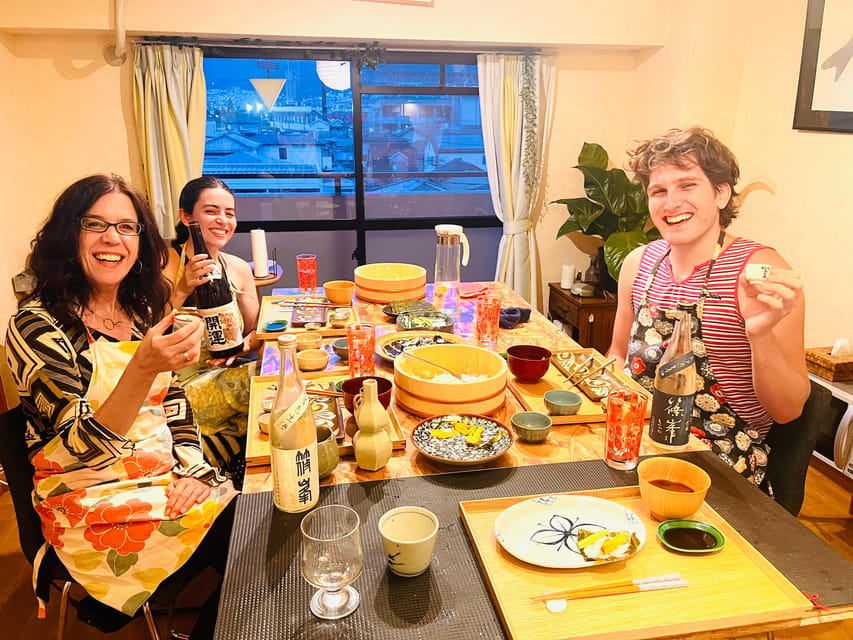
Next comes Octopus and Cucumber Vinegar Salad. This is all about vinegar. Vinegar salads are everywhere in Japan, but the magic is balance.
Cucumber brings freshness and crunch. Octopus brings chew and a mellow seafood sweetness. Vinegar ties it together, but only if the seasoning isn’t too sharp and not too mild. You learn how to aim for that clean, refreshing snap that clears the palate between richer bites.
This dish teaches two useful lessons for home cooks:
- vinegar works best when you control intensity, not just when you add vinegar
- cooling ingredients plus sharp seasoning creates a more complete flavor than either element alone
From a practical point of view, this is also one of the easiest dishes to recreate later because the flavor logic stays consistent.
Fish Tatsuta-age with Scallion Sauce: Crisp Texture From Marination
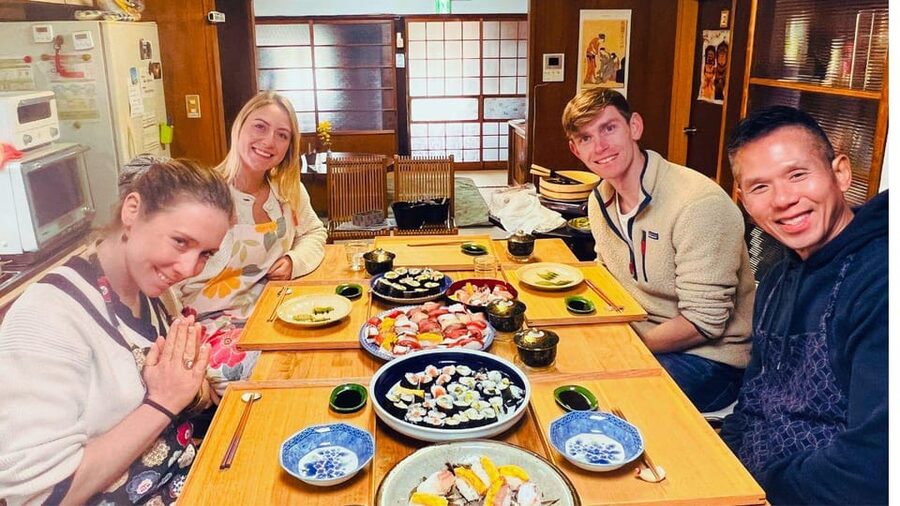
Your third dish is Fish Tatsuta-age with Scallion Sauce. This one is designed to show you how Japanese cooking handles seafood flavor.
Tatsuta-age is built on a key idea: marinate the fish, then cook it until it gets crispy. The tour description calls it a crispy, marinated fish dish, and that’s exactly the point. You’re learning that marination isn’t just for taste, it also helps the fish stay flavorful during cooking.
The scallion sauce matters too. Scallions bring freshness and a mild bite that keeps the fried fish from feeling heavy. It also gives you a sauce template you can steal for other fried or pan-fried foods.
What you’ll likely focus on during this course:
- marination timing so flavor permeates without turning mushy
- how crisping changes texture and mouthfeel
- how a light sauce can make a fried dish taste more balanced
This is also one of the best dishes to pair mentally with sake, because savory, crisp seafood snacks love a clean alcohol finish.
Simmered Yellowtail with Daikon: Tender Texture From Patience
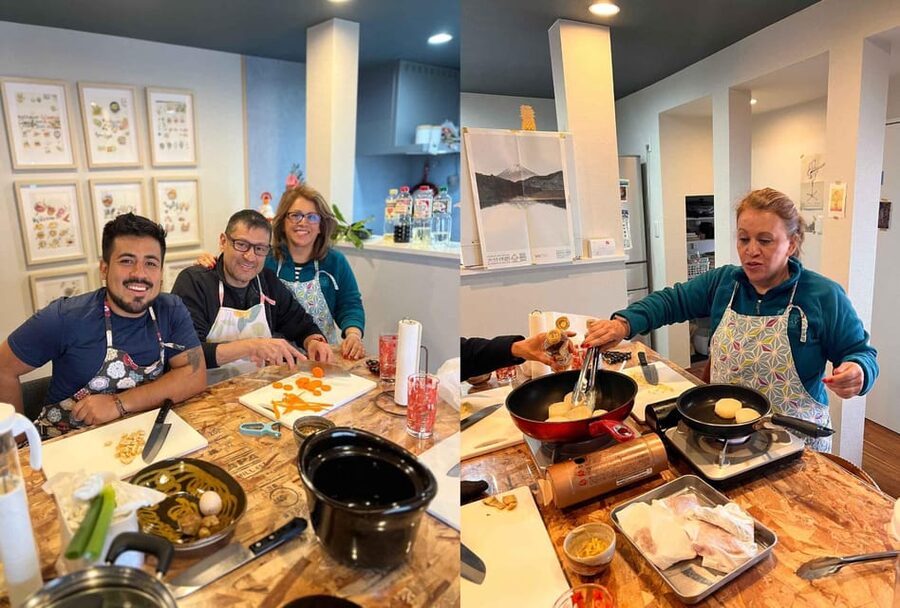
Now you shift into Simmered Yellowtail with Daikon, a traditional dish built around patience.
Simmering is a technique that rewards calm heat and steady time. Daikon is the star ingredient because it absorbs flavor and becomes tender in a way that grilling or stir-frying can’t match. Yellowtail brings richness, but it still needs careful heat so it doesn’t get overcooked.
In class, you’re not just learning the dish. You’re learning the method behind it:
- how simmering gently turns tough roots into tender bites
- how to use seasoning so it coats rather than just tastes salty
- why timing matters as much as ingredients
This dish is a nice counterweight to the crispy fish. You get a full texture range across the menu, and by the end you’ll understand why Japanese meals are often built like a conversation between contrasting bites.
Mixed Rice Onigiri: How Japanese Rice Becomes a Snack, Not a Side
You finish with Mixed Rice Onigiri, a comforting rice snack with a twist in the seasoning and mix.
Onigiri might look simple, but it’s deceptively technical. The rice seasoning has to taste right on its own, then it has to support whatever fillings or mix-ins are involved. You’ll practice how to shape it into onigiri form without crushing the texture.
This is also the dish that connects your other lessons. The same flavor principles you used in sauces and marinades apply here, just in a different format.
You’ll learn:
- how seasoned rice tastes more complete than plain rice
- how to shape neatly and keep a consistent bite
- why onigiri is a practical snack culture move, portable and satisfying
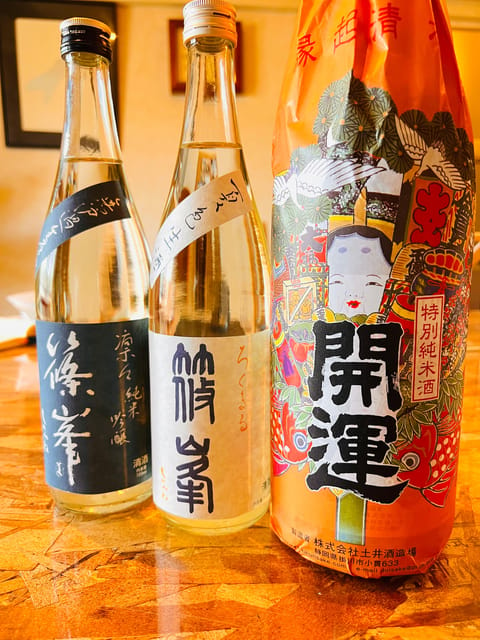
By the time you take your onigiri home or eat it there, you’ll understand why it’s such a common part of everyday Japanese food life.
Optional Premium Sake Tasting: Chilled, Junmai vs Junmai Ginjo, Then Warm
If you choose the optional addition, you’ll taste three premium sakes: two chilled and one warm.
The key detail is the comparison. You’ll taste:
- two chilled sakes, comparing a Junmai and a Junmai Ginjo from the same brand
- one warm sake, so you can notice how temperature changes the flavor experience
This is a smart pairing with the snack menu. Chilled sake often feels crisper and cleaner, while warm sake tends to feel rounder and more aromatic. If you’re new to sake, temperature is one of the fastest ways to understand why Japanese drinking culture can be so method-driven.
If you don’t drink alcohol, you can skip the tasting since it’s optional. You still get the full five-dish cooking lesson.
Chef Yuki Style: Relaxed, Engaging, and Focused on Fixes
A big part of why this works is Yuki’s teaching approach. The vibe is relaxed, and you’re not stuck in a lecture. You get lots of tips and small adjustments while you cook, which is exactly how you improve fast.
Because the group is limited to 4, you also get better correction timing. Mistakes get addressed before they become a full dish problem. That’s where technique classes win. Food is forgiving up to a point, but rice seasoning, simmer timing, and crisp texture need attention.
Yuki also handles both English and Japanese, which helps a lot if you want to ask practical questions about ingredients, steps, or flavor balance.
Bringing It Back Home: What You’ll Be Able to Cook Later
After a class like this, the best souvenir is your new set of “repeatable moves.”
Here are a few ways you’ll likely use what you learned:
- Use soy sauce, mirin, and sake as a baseline flavor trio, then adjust intensity based on your taste
- Build dishes with contrasts, like pairing bright vinegar with savory seafood, or crisp textures with clean sauces
- Rely on simmering logic for tender daikon-style outcomes when you want comfort food without guesswork
- Cook smarter for rice snacks, because onigiri techniques teach seasoning discipline and shaping
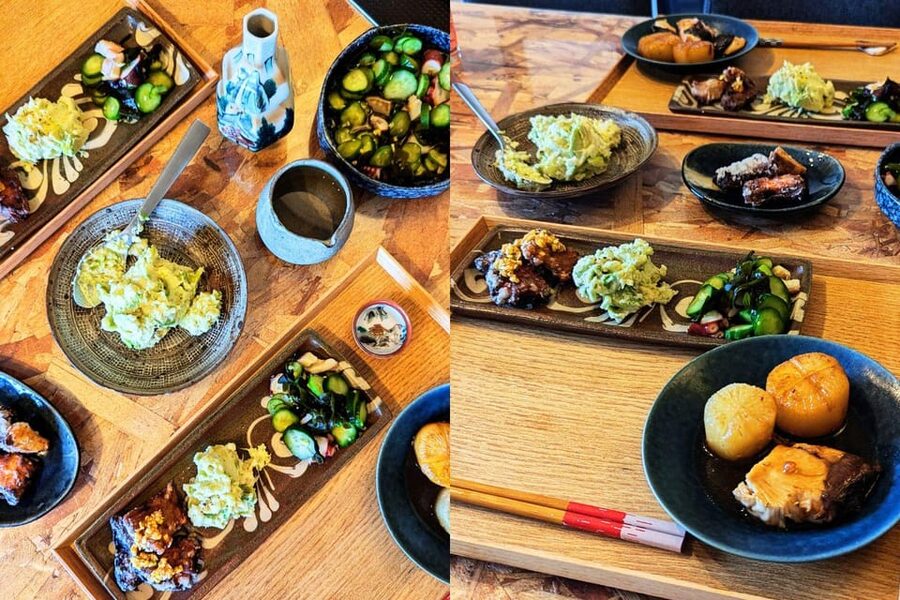
You also leave with a menu you can recreate for friends. Potato salad, vinegar salad, crisp fried fish, simmered daikon, and onigiri are all home-friendly and not too exotic to source, once you know what flavor you’re aiming for.
Who Should Book This Class in Osaka, and Who Might Skip It
This experience is a great fit if you:
- want hands-on technique instead of just eating
- like Japanese snacks and want washoku skills beyond sushi and tempura
- enjoy small-group cooking where questions are welcome
- want an optional sake component without making it the whole focus
You might skip it if you:
- want a long, full-course meal experience with lots of variety in volume
- prefer cooking lessons that focus on one cuisine specialty in depth, like only ramen or only sushi
- expect transportation to be included
Quick FAQ Answers Before You Go
FAQ
Where is Master Washoku located?
The class takes place in Honshu, Japan, and it is in an apartment near central Osaka.
How long is the cooking class?
It lasts 3 hours.
How much does it cost?
The price is $109 per person.
Is the class hands-on?
Yes. You cook five authentic Japanese snacks during the class.
What dishes are included in the menu?
The menu includes Wasabi Garlic Potato Salad, Octopus and Cucumber Vinegar Salad, Fish Tatsuta-age with Scallion Sauce, Simmered Yellowtail with Daikon, and Mixed Rice Onigiri.
Is a sake tasting included?
Sake tasting is optional. If you add it, you taste three premium sakes, two chilled and one warm.
How many people are in the group?
The group is limited to 4 participants.
What languages does the instructor speak?
The instructor teaches in English and Japanese.
Are allergies accommodated?
If you have any food allergies, you should let the organizer know, and they will adjust your preferences as much as possible.
Is transportation to the venue included?
No. Transportation to the venue is not included.
Should You Book Master Washoku?
If you want Japanese food skills that actually transfer to your own kitchen, I think this is a strong booking. You get Michelin-trained coaching, a small group setup, and five focused snacks that teach practical methods you can reuse: marinating, simmering, vinegar balancing, crisping, and rice seasoning.
If your priority is eating a huge amount or staying purely in sushi territory, you might feel it’s more skill-forward than quantity-forward. But if you like the idea of coming home with technique, templates, and a menu you can repeat, this Osaka washoku class is a smart use of your time.
Newly listed around Osaka
- Matcha Tea Bowl Experience in Osaka★ 5.0 · 11 reviews
- Learn Zen in a class of making Matcha tea near Osaka Castle★ 4.8 · 17 reviews
- Learning Shodo with a kimono and Trying Samurai Calligraphy★ 4.2 · 7 reviews
- Kyoto: Immersive Arashiyama & Fushimi Inari by Private Car★ 5.0 · 35 reviews
- Katsu Curry OR Bento Making Cooking Class & Local Shop Tour★ 4.9 · 11 reviews
- JAPAN 7Days Unlimited 4G SIM (OSAKA Pick-up)★ 4.6 · 9 reviews
- Himeji: Private Guide Tour of the Castle from Osaka or Kyoto★ 4.5 · 7 reviews
- Get to know Minoo from Osaka. Katsuoji Temple, Ryuanji Waterfall and Ryuanji Temple★ 5.0 · 16 reviews
Cooking Classes in Osaka, compared.
Osaka Cooking Class: Okonomiyaki &Japanese cuisines experience
Read our review →
Katsu Curry OR Bento Making Cooking Class & Local Shop Tour
Read our review →Browse the lists this tour appears in