
Review · LOCAL FOOD WALKS
Eat Osaka: Street Food Cooking in an Authentic Kitchen!
Osaka tastes better when you cook it. I love the old restaurant kitchen feel and the small-group attention that keeps the class personal as you make Osaka favorites like okonomiyaki and hand-made udon. One watch-out: you are there to cook the set menu in about 2.5 hours, so this is not a full-on roaming street food walk around the city.
In past classes, guides such as Miki, Niki, and Natalie were praised for clear step-by-step coaching and for making it easy to ask questions. You also get welcome drinks, professional tools, and then a sit-down meal with beer, sake, or green tea after you finish cooking.
In This Review
- Key Highlights You’ll Actually Feel
- Old House, Small Group, Real Osaka Cooking
- What You Cook in This Osaka Street Food Class
- Osaka Okonomiyaki, Made From Scratch
- Hand-Made Udon Noodles
- Osaka-Style Tempura
- Yakitori Skewers With Signature Sauce
- Pickled Cucumber
- Sweet Mochi Dessert
- Welcome Drinks, Then Coaching That Actually Clicks
- How the Class Usually Flows From Start to Finish
- Dining With Your Own Food: The Part People Remember
- Price and Value: Why $79.28 Works Here
- Who This Class Is Best For (And Who Might Prefer Something Else)
- Tips So You Leave Happy, Not Frustrated
- Should You Book Eat Osaka Street Food Cooking?
Key Highlights You’ll Actually Feel
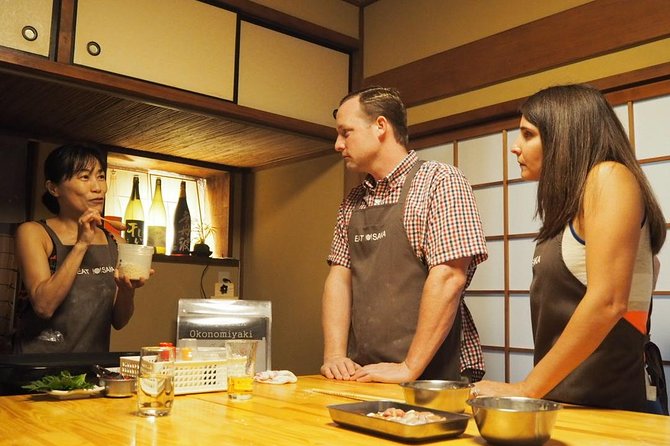
- Old Japanese house setting with a purpose-built cooking studio vibe, not a generic cooking space
- Small group up to 8 for better one-on-one help
- Okonomiyaki from scratch using Osaka-style technique, batter to plate
- Real hand-made udon plus tempura and other street-food plates you build yourself
- Included drinks and dining time so you eat what you cook, not just taste scraps
- Sweet mochi dessert at the end, so the lesson finishes on a satisfying note
Old House, Small Group, Real Osaka Cooking
This class is the kind of food experience that makes Osaka click fast. Instead of just tasting street food, you learn the method behind it, using your own hands and your own tools. The setting matters here: it happens in an old Japanese house kitchen, with a setup designed for cooking, so you get an authentic feel without feeling like you are in someone’s cluttered living room.
The small-group size, capped at 8 travelers, is a big part of the value. You are not stuck watching a demo from the back row. You can ask why something works one way instead of another, and you actually get feedback while you cook.
Timing is tight in the best way. The class runs about 2 hours 30 minutes, so you will focus on what the menu is teaching you, then sit down and eat. If you love structure, this format is ideal.
More Cooking Classes in Osaka
- Osaka: Ramen and Gyoza Cooking Class in Dotonbori
★ 5.0 · 378 reviews - Osaka Cooking Class: Okonomiyaki &Japanese cuisines experience
★ 5.0 · 261 reviews - Ramen and Gyoza Cooking Class in Osaka
★ 5.0 · 202 reviews
What You Cook in This Osaka Street Food Class
The menu is built around Osaka comfort street food, so you get both savory and sweet, plus noodles and fried items. The big theme is learning how street food becomes street food: batter consistency, heat control, and sauce balance.
Here is what’s on the menu, based on the class description and what participants highlight:
Osaka Okonomiyaki, Made From Scratch
Okonomiyaki is the headline, and this class treats it like a skill, not a snack. You make your Osaka-style okonomiyaki pancake from the beginning, so you understand what the batter needs to be doing and how the layers come together.
Why this matters: okonomiyaki tastes simple when you order it. Learning it shows you where the flavor really lives, in texture and technique. You also learn how to handle the cooking flow so your pancake cooks through without turning soggy.
Hand-Made Udon Noodles
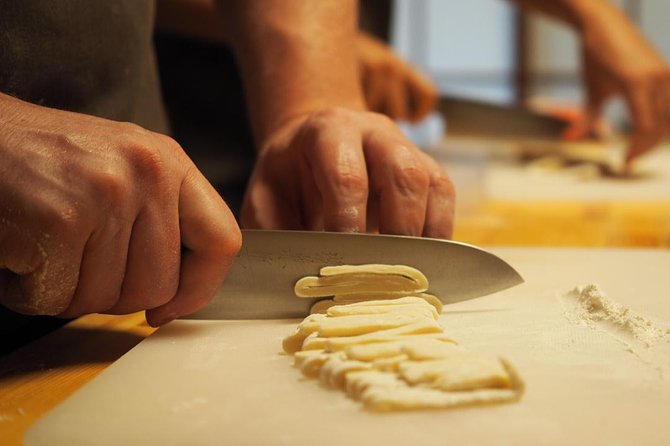
You do not just roll out store noodles. You make udon noodles by hand, which is a rare thing to learn in a short class. Expect attention to dough feel and timing, since udon is all about chew and thickness consistency.
If noodles are your thing, you will probably remember this part the longest. One of the best-reviewed moments is the udon step, where the guide helps you get comfortable with the process and the results are genuinely good.
More Food Tours in Osaka
- Osaka: Shinsekai Food Tour with 13-15 Dishes at 5 Eateries
★ 4.8 · 2,204 reviews - Osaka Food Tour: 13 Dishes at 5 Local Eateries
★ 5.0 · 2,149 reviews - Hungry Osaka Street Food Tour:15 Tastings & 3 Drinks with a Local
★ 5.0 · 1,727 reviews - Osaka Backstreet Nightlife & Street Food Walking Tour
★ 5.0 · 1,011 reviews
Osaka-Style Tempura
Osaka is known for its street food tempura, and the class includes tempura preparation. You get guidance on how to prep and cook, with the kind of practical coaching that helps you avoid the two classic tempura problems: oil that is not hot enough, or batter that ends up too heavy.
In short: you are learning heat and timing, not just following a recipe.
Yakitori Skewers With Signature Sauce
You also prepare yakitori skewers with a signature sauce. Skewers are where you can feel heat control instantly, because you can see what the food is doing as it cooks.
This is a nice contrast to the pancake and noodles. You get a different kind of cooking rhythm, and the sauce component teaches you why Japanese street-food flavors feel balanced even when they are bold.
Pickled Cucumber
Pickled cucumber is small, but it matters. It cuts richness, refreshes your palate, and helps you understand how Osaka street food often pairs warm items with something sharp or bright.
When the meal includes both fried or sauced dishes, that little side can make everything taste more intentional.
Sweet Mochi Dessert
To finish, you make a sweet mochi dessert. That final touch turns the class into a complete meal arc, rather than ending on a savory note. It also makes the whole experience feel like a proper local food moment, not just a cooking workshop.
Welcome Drinks, Then Coaching That Actually Clicks
Before cooking ramps up, you get welcome drinks. It is a small detail, but it helps you settle in and makes the class feel friendly right from the start.
The main driver of the experience is the coaching style. Reviews highlight guides like Miki, Niki, and Natalie for explaining steps and the reasoning behind them. That kind of teaching is what makes the difference between I made food and I learned something.
You will also use professional tools during the cooking. That reduces frustration, because you are not trying to improvise with random kitchen gadgets. If you have ever cooked at home and wondered why something does not turn out the same way twice, this class solves that problem by giving you the right equipment and the right guidance.
One practical note from reviews: there is at least one example of vegetarian accommodation being handled kindly. Still, do not assume it will be available for every situation. If you have dietary needs, tell the operator when booking so they can plan for you.
How the Class Usually Flows From Start to Finish
While the exact minute-by-minute plan can vary, the structure stays consistent. Here is how it typically feels as a guest, from the moment you arrive to the moment you leave full.
First, you meet at Eat Osaka, in Higashinari, 1丁目-2-10 東中本 東成区 大阪市 大阪府 537-0021, Japan. The class is near public transportation, so you can reach it without a long taxi ride. You also get a mobile ticket, which makes check-in simpler when you are juggling trains and schedules.
Next comes the cooking prep and the first dish start. For this type of class, you usually begin with something that needs a foundation step, then move into noodles, frying, and sauces. The staff help you manage heat and timing so multiple dishes do not collide in a chaotic way.
Then you hit the main build: okonomiyaki batter and cooking, plus hand-made udon. Tempura and yakitori usually follow as the session progresses, with cucumber pickles and mochi rounding things out near the end.
Finally, you sit down to eat what you cooked. The experience is designed so the meal feels earned, not just included.
Dining With Your Own Food: The Part People Remember
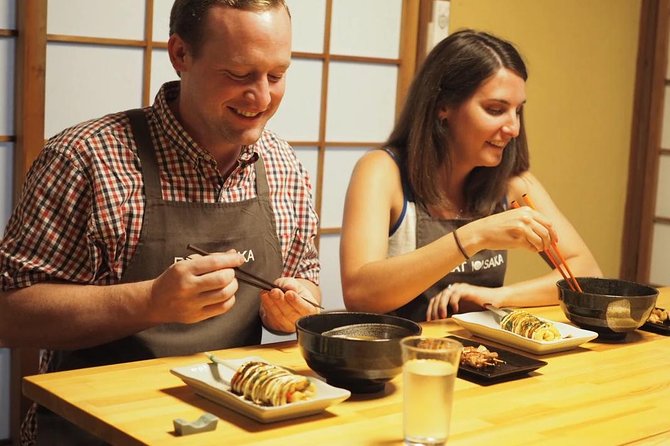
This is one of the best parts: you do not just cook, then run off to find dinner somewhere else. You match your creations with local drinks, including beer, sake, or green tea.
Even if you do not plan to drink alcohol, green tea is part of the options, so you still get the intended pairing. The goal here is balance. You made fried and sauced dishes, and now you can slow down and actually taste them as a meal.
This meal segment is also where you get a quick reality check. When you cook okonomiyaki, you can taste whether your thickness and texture hit the mark. When you make udon, you can feel the chew. That feedback loop is what makes the class worth repeating later at home.
Price and Value: Why $79.28 Works Here
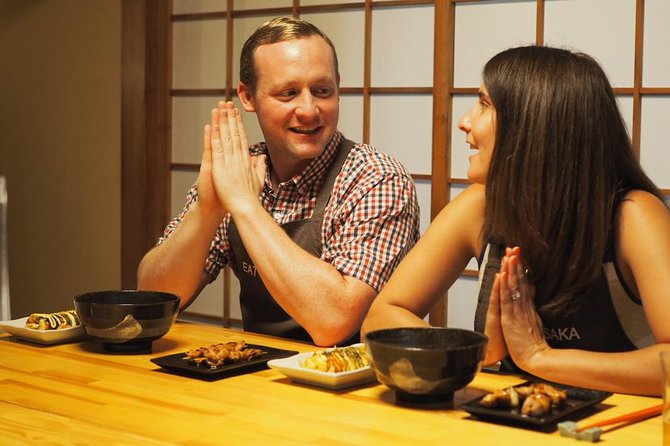
Let’s talk money plainly. At $79.28 per person for roughly 2 hours 30 minutes, this class is not the cheapest thing you can do in Osaka. But it is also not overpriced for what you get.
Here’s the value equation:
- Ingredients and instructions are included
- Welcome drinks are included
- You use professional tools and get guided cooking
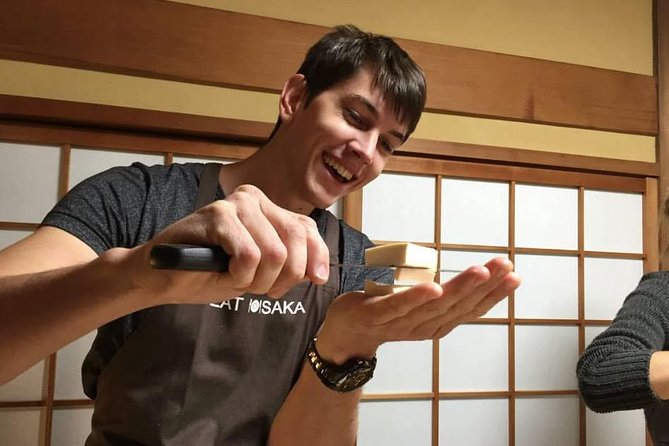
- You eat the dishes you make, paired with beer, sake, or green tea
In other words, you are paying for coaching plus a full meal with drinks, and you are learning multiple Osaka street foods, not just one.
For many people, that is the sweet spot. You get an experience that feels like a night out, but you also take home technique and confidence.
Who This Class Is Best For (And Who Might Prefer Something Else)
This suits you if:
- You want a hands-on Osaka experience rather than just eating your way through
- You like learning technique, especially okonomiyaki, udon, and tempura
- You prefer a small group where you can ask questions, not a big factory group
- You want included dining, so you do not have to plan another meal after
You might think twice if:
- You already know all your way around the stove and just want casual tastes
- You are traveling with very limited time and only want a quick snack stop
- You would rather explore multiple neighborhoods on a walking food tour instead of staying in one kitchen
If you are on the fence, consider your personality. If you love doing, this class wins. If you only want eating, you could still enjoy it, but you will get the most satisfaction from cooking.
Tips So You Leave Happy, Not Frustrated
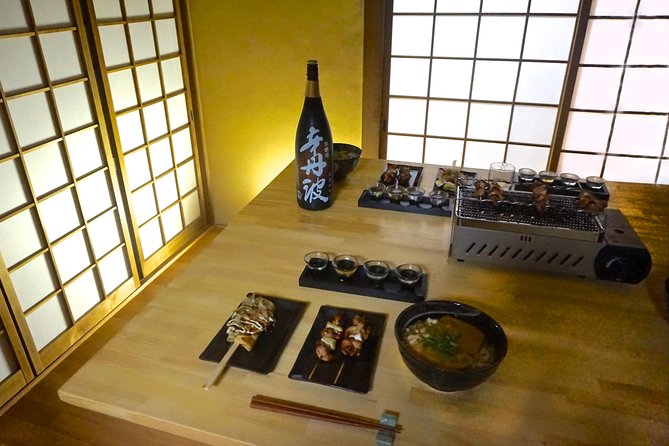
A few practical things make this kind of class smoother.
Wear comfortable clothes you do not mind getting a little splashed, since cooking involves batter, frying, and sauce. Bring your curiosity, because the guides explain steps and reasoning, and that makes the results better.
If you drink alcohol, this meal pairing with beer or sake makes for a nice Osaka evening vibe. If you do not, choose green tea and treat it like part of the tasting experience.
Finally, show up hungry. You are about to cook and then eat what you make, and you will appreciate every dish more when your appetite is ready.
Should You Book Eat Osaka Street Food Cooking?
If your goal is to taste Osaka and learn how it is made, I think you should book this class. It hits the core street-food skills people actually want to learn: okonomiyaki technique, hand-made udon, tempura, yakitori sauce work, and a sweet mochi finish. The old house setting and the small-group cap make it feel personal, not rushed.
It also has strong signals of quality: a 5-star rating with a very high recommendation rate, plus lots of recent bookings, which usually means the experience continues to land well.
The only real reason to skip is if you only want casual street-food sampling without cooking. If you are open to getting your hands a little busy, this is one of the more rewarding ways to spend a half day in Osaka.
More Food & Drink in Osaka
- Kuromon Market Food Walking Tour in Osaka (6 stops, 6 tastes)
★ 5.0 · 550 reviews - Osaka: Traditional Mochi Pounding Experience with Tasting
★ 4.9 · 306 reviews - Osaka: Kuromon Market Food Walking Tour (6 stops, 6 tastes)
★ 4.6 · 272 reviews - [1 Group Only] Osaka Street Food Tour for Family
★ 5.0 · 208 reviews
More Food Walks in Osaka
- Osaka Local Foodie Walking Tour in Dotonbori and Shinsekai
★ 5.0 · 985 reviews - Hungry Osaka Street Food Tour: 15 Dishes & 3 Drinks
★ 4.9 · 694 reviews - Absolute Osaka Food Tour
★ 5.0 · 309 reviews - Osaka After Dark: Small-Group Night Food Tour (Max 6)
★ 4.5 · 245 reviews
Newly listed around Osaka
- Osaka’s Best and Brightest: Private Full-Day Tour by Vehicle★ 5.0 · 147 reviews
- Osaka and Nara Attractive One Day private Tour★ 4.5 · 11 reviews
- Kansai/KIX Airport to or from Osaka/Kyoto Private Transfer★ 5.0 · 20 reviews
- Osaka Food Adventure Tour: Walking with a Local Guide★ 5.0 · 119 reviews
- Osaka in a Nutshell: Three hour bike tour★ 5.0 · 121 reviews
- Osaka Walking Tour to Local Gems, Food & Culture★ 5.0 · 103 reviews
- Osaka Food Tour with 10 Classic Japanese Tastings & Drinks★ 5.0 · 38 reviews
- Full Day Guided Tour in Osaka by Van★ 5.0 · 27 reviews
Local Food Walks, compared.
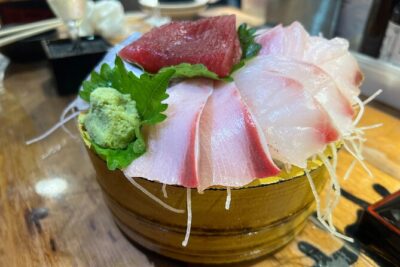
Shinjuku Food Tour (13 Dishes at 4 Local Eateries)
Read our review →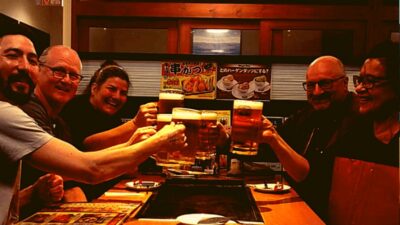
Shinsekai Food Tour with 13-15 Dishes at 5 Eateries
Read our review →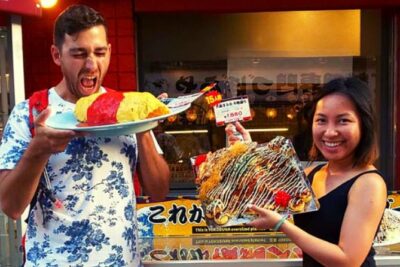
Osaka Food Tour: 13 Dishes at 5 Local Eateries
Read our review →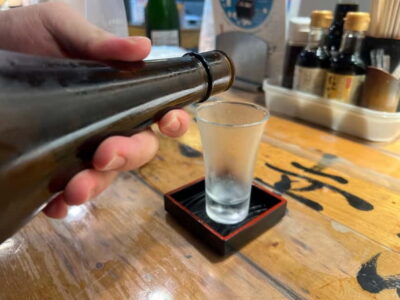
Shinjuku Food Tour (15 Dishes and 4 Eateries)
Read our review →
Kyoto Night Foodie Tour in Gion (9+ dishes + 6 Sake tastings)
Read our review →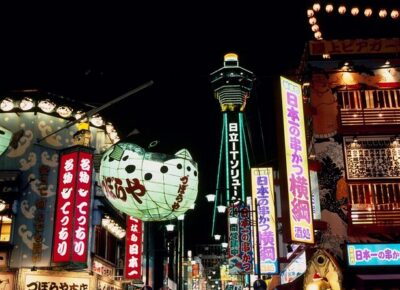
Hungry Osaka Street Food Tour:15 Tastings & 3 Drinks with a Local
Read our review →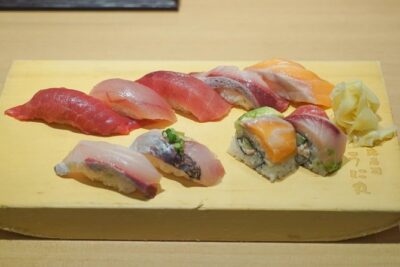
Tokyo Night Foodie Tour in Shinjuku – Seasonal Sushi, Wagyu Beef
Read our review →
Browse the lists this tour appears in