
Review · MIYAJIMA ISLAND TRIPS
Miyajima: Cultural Experience in Zen Temple
Kimono, matcha, and kanji in a quiet temple setting. This Miyajima experience at Tokujuji Temple pairs a hands-on tea ceremony with take-home calligraphy and a photo session in the Japanese garden. I love that it is structured and calm, so you get real steps to follow, not just a quick look around.
Two standouts for me: the kimono selection and dressing help, plus the calligraphy lesson built around your own name (including Kanji and then Hiragana or Katakana). One consideration, though, is practical and important: you must remove your shoes, and it is not recommended for people with limited mobility.
In This Review
- Key Things You Should Know Up Front
- Tokuji Temple on Miyajima, Where the Calm Is the Real Attraction
- Picking Your Kimono and Getting Dressed Right
- Tea Ceremony in Ryurei Style, Matcha with Real Procedures
- Calligraphy Workshop, Write Your Name in Kanji Then Kana
- Optional Amulet Making in the Temple Hall
- Garden Photo Time, With Real Guidance (and Good Light Tips)
- Timing, Group Size, and What to Expect in the Flow
- Price and Value, Why Around $90 Can Make Sense Here
- Who Should Book This, and Who Might Skip It
- Should You Book This Miyajima Zen Temple Experience?
- FAQ
- What activities are included with this experience?
- Is the tea ceremony done at a table or on the floor?
- Can I learn calligraphy and take my work home?
- What will I learn to write during the calligraphy lesson?
- Do you provide photos, or do I take them myself?
- Do I get to choose the kimono I wear?
- Are there options besides tea and calligraphy?
- Is this experience suitable for people with limited mobility?
- Is there a minimum age for children?
- How long is the experience?
Key Things You Should Know Up Front
- Your kimono is part of the experience, not just a costume rental, and you get help with the fit and obi
- Tea ceremony follows strict steps, including tool purification, making matcha, and closing the ceremony
- Calligraphy is personal, built around practicing lines and your name, then wrapping your finished work to take home
- You get photos done for you, and the team sends images by email or on-site air drop
- An amulet-making option exists, with more than 300 kimono-made bags and a wish you report to Kinseki Jizou
- Expect a peaceful pace, typically 1 to 2 hours with a small group
Tokuji Temple on Miyajima, Where the Calm Is the Real Attraction
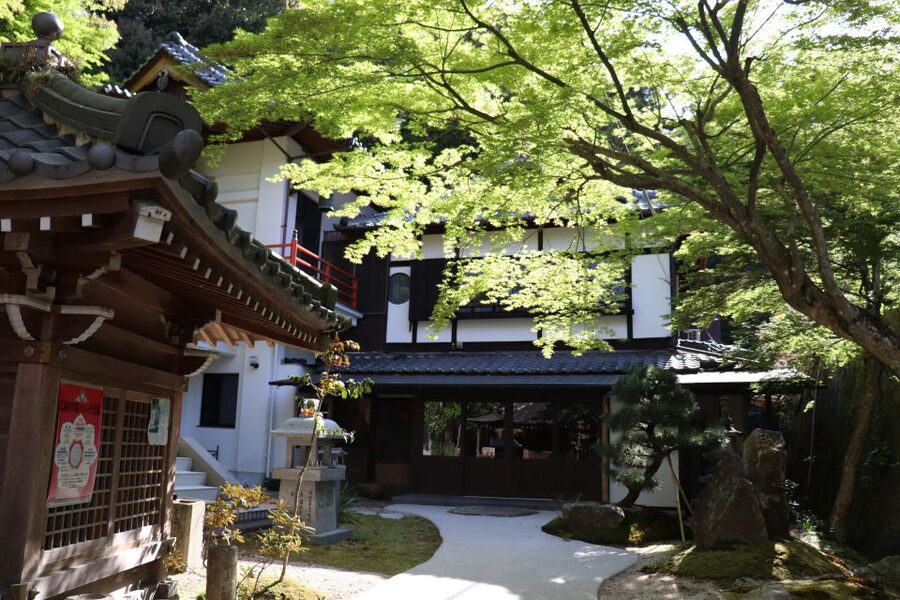
Miyajima is famous for big shrine energy, but this experience gives you a different angle on the island. You enter Tokujuji Temple and step into a cultural space where the focus is manners, mindfulness, and careful instruction. Many people book this for a break from crowds, and you can feel the difference as soon as the schedule slows down.
You should plan for basic temple etiquette right away. You must remove your shoes to enter, and the activity is not set up for pushchairs or limited-mobility needs. If that sounds like a hassle, this is the one part you cannot “work around” once you arrive.
The time window is also a gift. At 1 to 2 hours, you can do this without losing a whole day to logistics. And because it is a small group, you are more likely to get attention while learning, not just follow along from the back.
More Shrine & Temple Visits in Hiroshima
- Hiroshima and Miyajima Day Trip with Itsukushima Shrine & Ferry
★ 5.0 · 378 reviews - Day Trip to Hiroshima & Miyajima with Itsukushima Shrine
★ 4.6 · 124 reviews - Miyajima: Private Rickshaw Tour to Itsukushima Shrine
★ 4.9 · 45 reviews
Picking Your Kimono and Getting Dressed Right
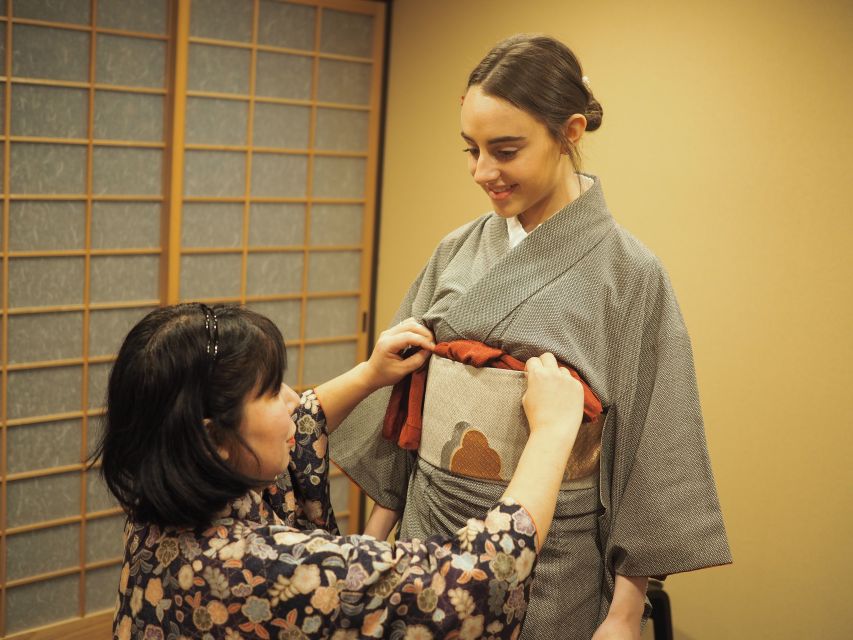
This is one of the most praised parts for a reason: choosing your kimono and having it dressed on you turns culture into something you physically wear. You pick your favorite kimono, and the staff helps with the overall look, including helping the obi sit nicely. People highlight how patient the team is, especially when dressing multiple outfits quickly but carefully.
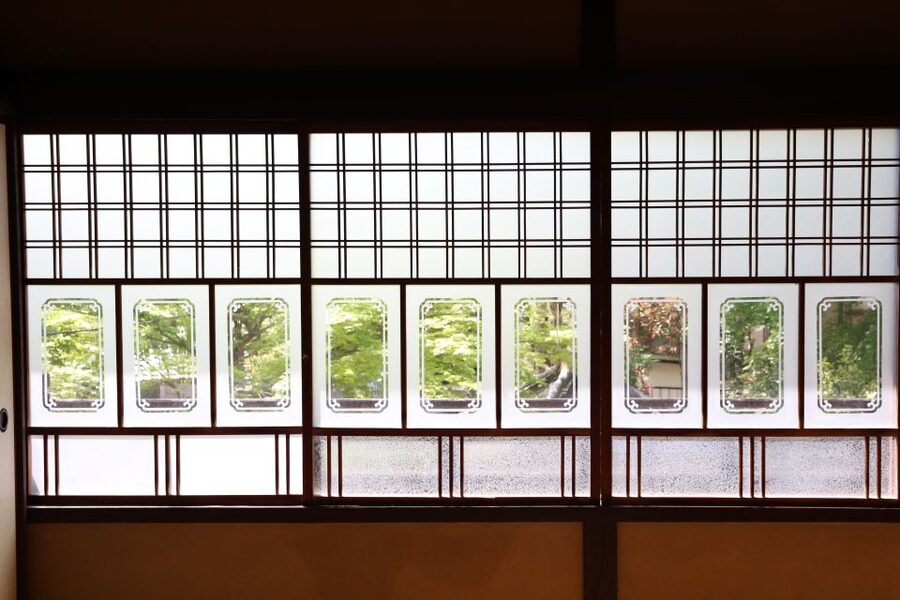
What makes this valuable for you is the “photo memory” effect. The garden backdrops are part of the experience, and being dressed correctly helps your photos look intentional instead of like a last-minute costume change. Even small details matter here, like having the obi tied in a way that shows off the kimono pattern instead of covering it.
You will also do more than stand still. The team takes photos for you, and they often suggest good angles while you pose. One helpful detail from feedback: some photos depend on light, so when you get a moment to choose spots, take five seconds to face where the light hits your face best. It can make a difference in the final results.
Plan mentally for the practical side of kimono dressing too. You are in traditional dress, so you will want to move slowly, especially when walking around the garden. If you come in expecting to sprint for photos, this will feel slow by design.
Tea Ceremony in Ryurei Style, Matcha with Real Procedures
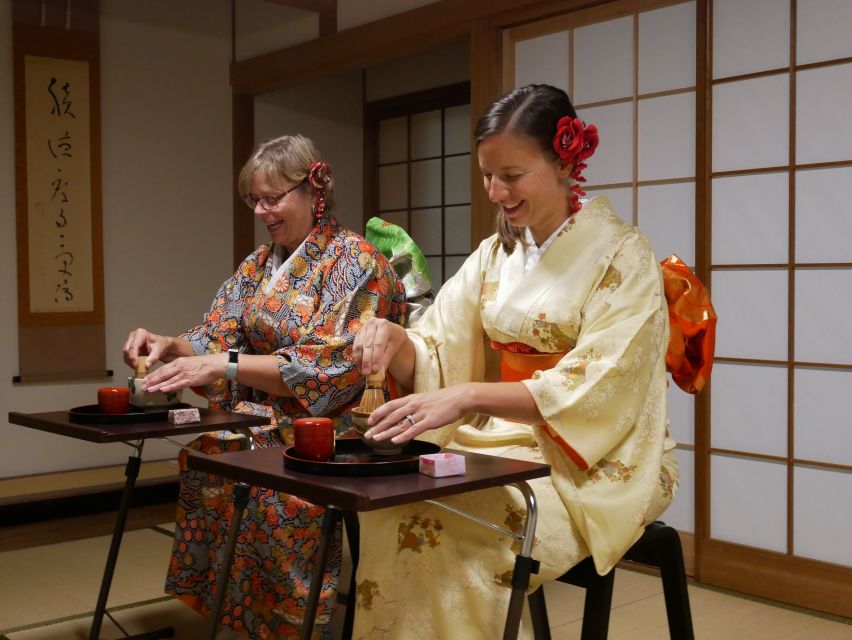
If you only take one cultural class on Miyajima, the tea ceremony is usually the easiest win. You get sweets plus matcha, and you also learn how the steps work. This ceremony uses Ryurei style, which means you sit at a setup that uses table and chairs, so you are not forced into extreme kneeling positions.
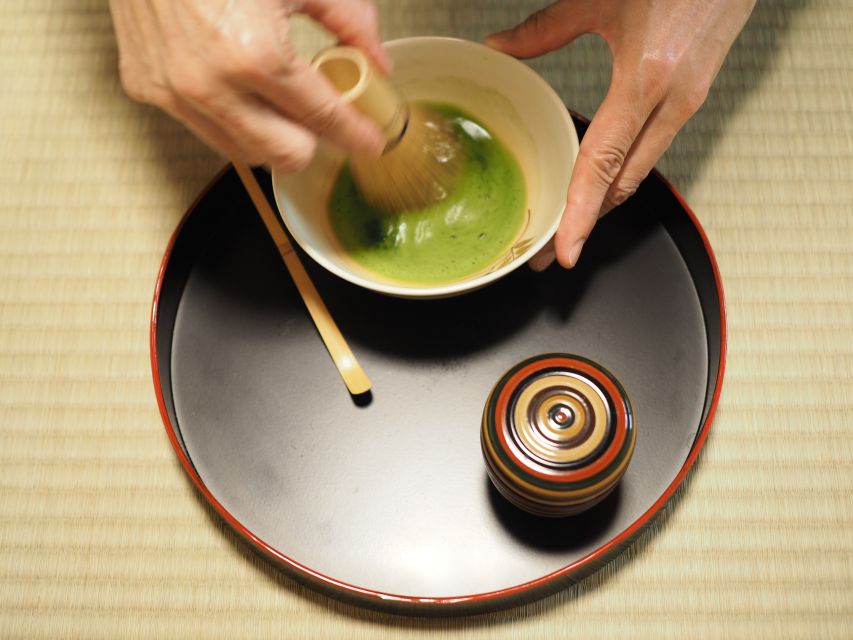
The ceremony runs on strict procedures, and that is part of the point. You go through a flow that includes greeting, purifying the tools, making the tea, cleaning the tools, and closing. It is not just tasting matcha, it is watching (and learning) a whole sequence of respectful actions.
For you, the big value is the “why” baked into the “how.” When you learn the correct way to drink and make matcha, you start to notice the symbolism in each movement. That matters on a trip because you stop treating culture as a photo prop and start understanding it as a system of intention.
You should also know what you are actually getting included. The experience includes two types of sweets and two bowls of matcha tea. That means you get more than a sip, which helps if you are a matcha skeptic. You can taste, compare the overall sweetness, and then focus on the ritual part.
Calligraphy Workshop, Write Your Name in Kanji Then Kana
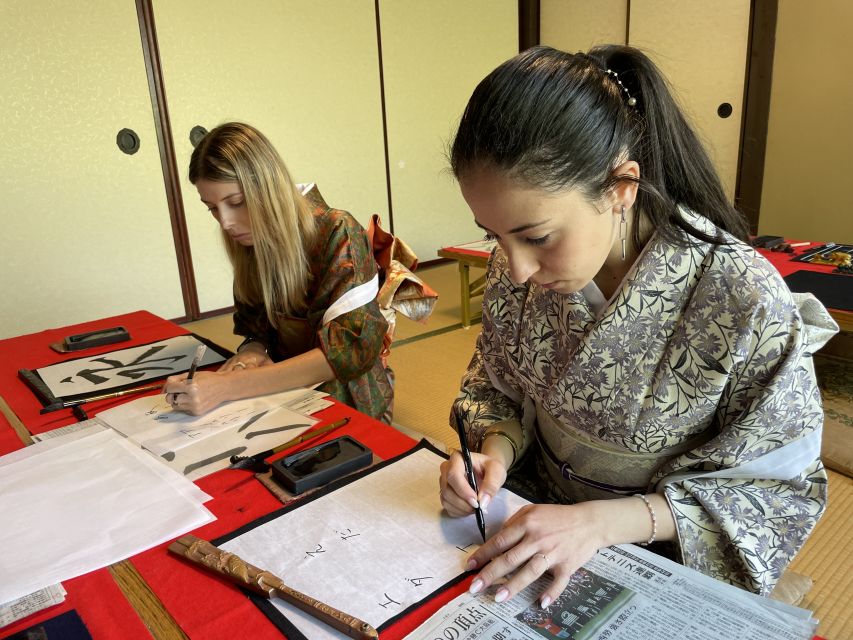
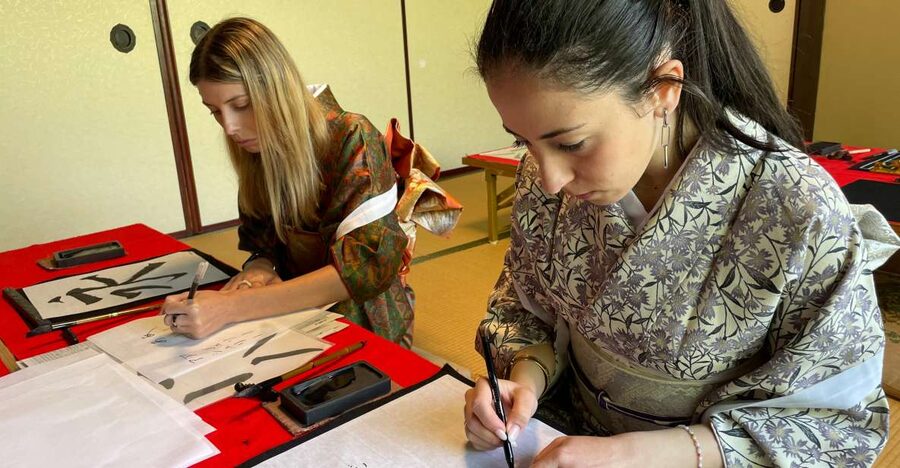
The calligraphy segment is the part most people describe as relaxing and personal. You learn how to draw lines with step-by-step guidance, and you practice more than one character set. The format is designed around you, not around copying a random sample.
Here is how it typically plays out. You practice the Kanji and other Chinese characters, with plenty of time for repetition. The instructor makes a sample of your name, so you understand what you are aiming for before you start committing your strokes to paper. After the Kanji practice, you switch to writing your name using Japanese alphabet: either Hiragana or Katakana, based on the lesson.
Then you sign your work with Japanese and wrap it to take home safely. That “take home” part is more than a souvenir. It is proof you followed a process long enough to get results, and that makes the memory stick after you leave the island.
Language support is also real here. The instructor is English and Japanese, and feedback notes that instructors like Yoko are comfortable with fluent English. If you worry about missing steps, you are not left hanging.
If you bring kids, calligraphy can be a great fit because the activity is guided and forgiving. Even with different ages in the group, instructors help them practice their names and encouraged focus, so everyone leaves with something they made.
One small caution: calligraphy is slower than you expect. Even though the full experience may be listed as 1 to 2 hours, calligraphy practice takes time because instructors check each person’s progress. If you have a strict ferry departure, build in breathing room.
More Shrine and Temple visits in Hiroshima:
- Miyajima Highlights: Itsukushima Shrine & Island Nature
★ 5.0 · 21 reviews - Miyajima Highlights: Itsukushima Shrine & Island Nature
★ 4.9 · 21 reviews - Hiroshima: Peace Park, Castle, and Mitaki Temple E-Bike Tour
★ 4.8 · 11 reviews - Hiroshima: Itsukushima Shrine and Miyajima Summit Tour
★ 4.9 · 7 reviews
Optional Amulet Making in the Temple Hall
Not everyone wants tea and brush work, and that is why the amulet option exists. Instead of, or alongside, tea and calligraphy, you can make a wish amulet in the temple’s main hall.
You choose from more than 300 amulet bags, and the key detail is that the bags are hand made from kimono fabric. That gives you variety and a personal touch, because you are not stuck with one generic design. It also ties the experience together, since you already spent time choosing your kimono for dressing up.
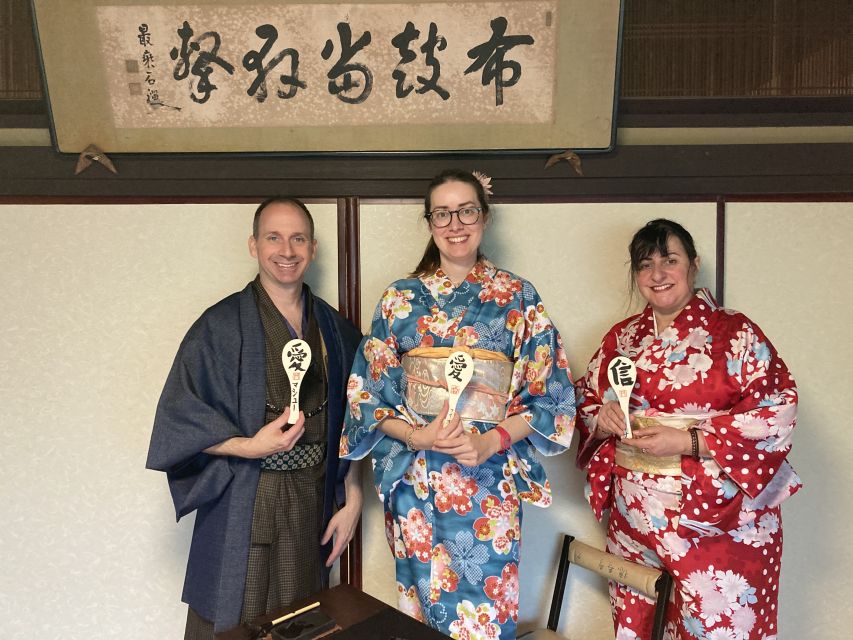
You also choose Kumihimo, a special code tied in a particular way for the wish. Then you choose your wish and write or stamp it onto a mini rice scoop. Once you put it all together, you make your amulet into something original.
Then comes the spiritual moment. You greet Buddha Kinseki Jizou to report that you are here to make a wish. For many people, this is the part that makes the activity feel more than a craft class.
If you like hands-on making, this option is worth considering. It gives you a physical item tied to an intention, and it adds meaning beyond matcha and ink.
Garden Photo Time, With Real Guidance (and Good Light Tips)
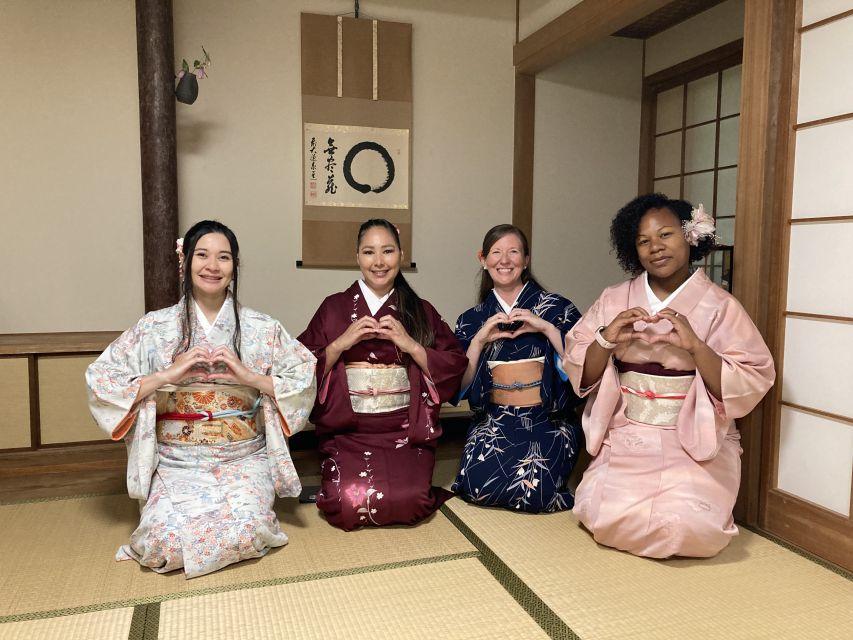
After tea and calligraphy, or after dressing, you get time for photos in the Japanese garden. This is not a free-for-all. The team takes pictures of you, and they also help with suggestions for poses and angles.
Why this matters: if you are wearing kimono, your best look often depends on posture and where you stand. The staff helps you get photos that actually look good rather than random snaps. And because they send your photos by email or air drop, you do not need to worry about immediately sorting files.
One honest note from feedback: lighting can affect results, with some faces coming out darker if you pick the wrong spot. You can solve this fast by choosing places where the light hits your face rather than the background. It takes five seconds, and it can dramatically improve how the photos feel.
Also remember that moving in kimono is slower. Give yourself time to walk between photo points without rushing. Your photos will look more natural when you are not constantly adjusting your outfit mid-shot.
Timing, Group Size, and What to Expect in the Flow
The experience runs 1 to 2 hours and is offered in small groups. That is a sweet spot: long enough to do tea, calligraphy (or amulets), and photos, without feeling like a rushed “factory” stop.
You can expect the flow to move in a sequence: enter temple, remove shoes, get dressed in kimono, then shift into one or more cultural activities. Tea ceremony has strict order. Calligraphy has step-by-step practice. Amulet making has guided selection and assembly. Photos fit in with breaks, often after the dressing part, and you get dedicated time for them.
Also, the meeting point can vary based on which option you book. The key for you is to check the exact meeting point for your chosen session so you do not waste time hunting around once you arrive on Miyajima.
The session language is English or Japanese, and you will have instruction that matches your group. If you are traveling solo, small group can still feel personal, especially because calligraphy centers on your own name.
Price and Value, Why Around $90 Can Make Sense Here
The price is listed at $90 per person, and for this kind of experience, the real question is what your money is covering. In this case, it is not just instruction. You are paying for temple-based cultural access, staff time to dress you, guided tea ceremony steps, calligraphy materials, and the photo service.
Calligraphy tools are included, along with two types of sweets and two bowls of matcha. If you choose kimono, the dressing support is part of the package, and that is labor-heavy. You are also leaving with written art that you wrap to take home.
You can think of the value like this. Traditional tours often sell the chance to watch. This one sells the chance to do, with enough structure that you can actually finish something. Add the photos that get sent to you, and it becomes a “memory plus skills” transaction instead of a one-off snapshot.
If you are on a budget, the best move is to pick the option that matches your interests. Tea and calligraphy tends to be the most universally satisfying combo because it covers manners, taste, and a lasting craft.
Who Should Book This, and Who Might Skip It
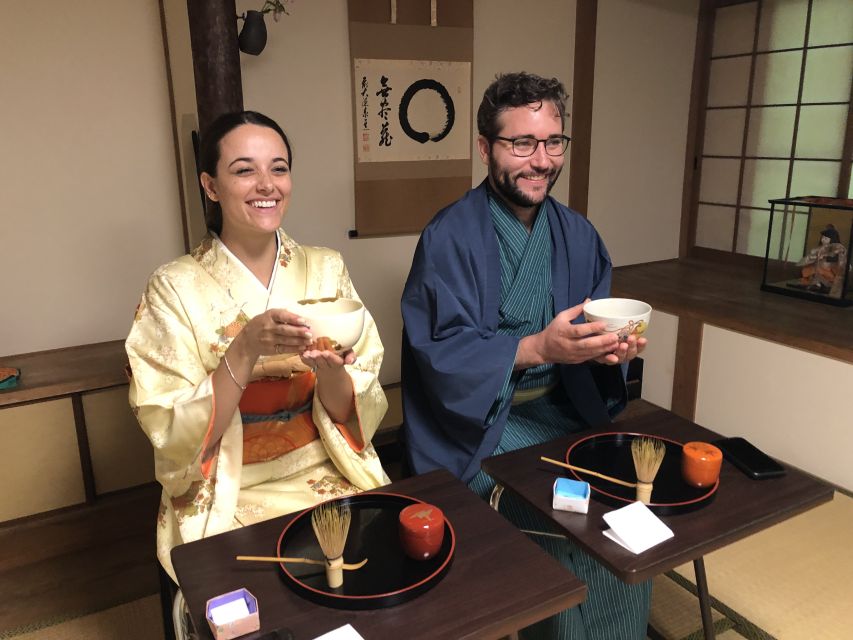
I think this experience suits people who want a hands-on, calm cultural stop that does not eat the whole day. It is especially good for couples and families with kids who can sit for a short class segment and handle shoe removal.
It is also good if you like making things that last. A take-home piece of calligraphy and a wish amulet give you more than photos. And if you want a clear structure to follow, tea ceremony procedures plus guided brush strokes take the guessing out.
But I would skip it if mobility limitations are an issue. It is not recommended for people with limited mobility, and the entry requires removing shoes. Also, children under 6 cannot participate in the activities, so plan accordingly if you are traveling with toddlers.
Should You Book This Miyajima Zen Temple Experience?
If you want a meaningful cultural stop on Miyajima that produces lasting souvenirs, book it. The combo of kimono dressing, matcha tea ceremony steps, and a calligraphy lesson centered on your own name is a strong use of time at 1 to 2 hours. You also get help with photos in the garden, which makes this feel like you get professional results without paying for a separate session.
I would only hesitate if you dislike formal etiquette, hate shoe-off entry, or need an experience designed for mobility constraints. Otherwise, it is one of the more practical ways to experience traditional Japanese culture without feeling like you are wandering through it blindly.
FAQ
What activities are included with this experience?
The experience includes calligraphy tools, two types of sweets, and two bowls of matcha tea. Depending on the option you book, you may also do a tea ceremony, a calligraphy lesson, and/or amulet making, all while wearing a kimono.
Is the tea ceremony done at a table or on the floor?
The tea ceremony is described as Ryurei style, which uses table and chairs.
Can I learn calligraphy and take my work home?
Yes. You practice writing characters and your name, sign your work with Japanese, and wrap your art to safely take it home.
What will I learn to write during the calligraphy lesson?
You will practice Kanji (and other Chinese characters) and then write your name in Japanese alphabet, either Hiragana or Katakana.
Do you provide photos, or do I take them myself?
The hosts take photos. You receive the photos by email or by air drop on site.
Do I get to choose the kimono I wear?
Yes. You choose your favorite kimono, and staff help dress you in it.
Are there options besides tea and calligraphy?
Yes. You can choose amulet making as an option. The amulets are made in the temple hall, and you choose from more than 300 amulet bags made from kimono.
Is this experience suitable for people with limited mobility?
It is not recommended for people with limited mobility.
Is there a minimum age for children?
Children under 6 years old cannot participate in the activities.
How long is the experience?
The duration is listed as 1 to 2 hours, depending on availability and the option booked.
More Miyajima Island Trips Around Hiroshima
- Peaceful Hiroshima & Miyajima UNESCO 1 Day Bus Tour
★ 5.0 · 5,309 reviews - Hiroshima: Hiroshima and Miyajima UNESCO Sites 1-Day Tour
★ 4.9 · 2,330 reviews - Hiroshima / Miyajima Full-day Private Tour with Government Licensed Guide
★ 5.0 · 1,298 reviews - From Hiroshima: Hiroshima & Miyajima 1 Day Tour with Lunch
★ 4.7 · 395 reviews
Newly listed around Hiroshima
- Hiroshima and Miyajima 1 Day Walking Tour★ 5.0 · 43 reviews
- Hiroshima and Miyajima 1 Day Cruise Tour★ 5.0 · 24 reviews
- Hiroshima & Miyajima: UNESCO A-Bomb Dome & Itsukushima with Local★ 5.0 · 25 reviews
- Hiroshima & Miyajima: Private Full-Day Tour with a Local Guide★ 5.0 · 39 reviews
- Hiroshima and Miyajima 1 Day Bus Tour★ 4.5 · 145 reviews
- Hiroshima 5k Running Tour of Hijiyama Park★ 5.0 · 7 reviews
- Hiroshima and Miyajima Bus Tour with Indian Lunch★ 5.0 · 10 reviews
- Hiroshima Peace Memorial and Atomic Bomb Dome Private Tour★ 5.0 · 37 reviews
Miyajima Island Trips, compared.
Peaceful Hiroshima & Miyajima UNESCO 1 Day Bus Tour
Read our review →
Hiroshima and Miyajima UNESCO Sites 1-Day Tour
Read our review →
Hiroshima / Miyajima Full-day Private Tour with Government Licensed Guide
Read our review →
Osaka/Kyoto: Hiroshima Miyajima Bus Tour & Shinkansen Ticket
Read our review →
Hiroshima and Miyajima Day Trip with Itsukushima Shrine & Ferry
Read our review →
Full Day Hiroshima and Miyajima Bus Tour from Hiroshima
Read our review →
Miyajima Peace Memorial Icons of Peace and Beauty
Read our review →Browse the lists this tour appears in