
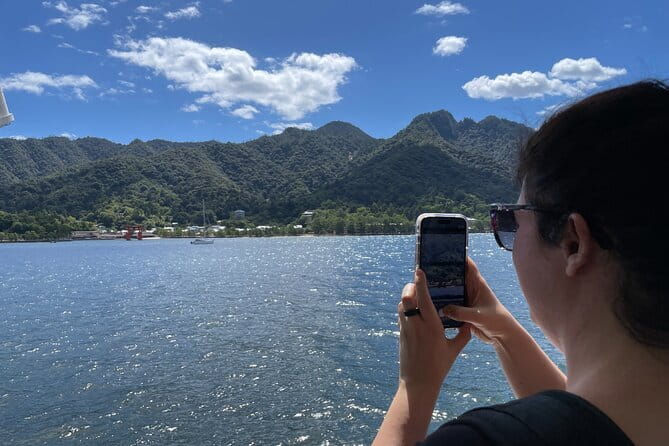
Review · MIYAJIMA ISLAND TRIPS
Miyajima Highlights: Itsukushima Shrine & Island Nature
Floating torii meets a quieter, local pace. This private 5-hour Miyajima walk pairs Itsukushima Shrine with Daishoin Temple, then adds calm, less-cookie-cutter stops around the island. The day is designed so you can ask questions, set your own rhythm, and see more than just the landmark everyone posts.
I love that you get a guide focused on your group, with cultural context that makes the shrine and temples feel connected instead of random sights. I also like the flexibility to adjust the order between Miyajima and Peace Park to improve your chances of seeing the torii at the right tide, since the gate’s whole look changes with the sea.
One consideration: this is a walking tour and you’ll handle public transport on your own, plus lunch is not included. So pack comfortable shoes and plan for snacks.
In This Review
- Key highlights you can count on
- Floating torii and calmer island time, not a speed-run
- How the private guide makes Itsukushima click
- Tide timing at Itsukushima Shrine, what to watch for
- Stop-by-stop: Hiroshima to Miyajima and back toward Peace Memorial Park
- Stop 1: Hiroshima departure, with an order tweak for the torii
- Stop 2: Miyajima island, deer and first impressions
- Stop 3: The torii area, where the sea becomes the frame
- Stop 4: Itsukushima Shrine itself
- Stop 5: Daishoin Temple, the calm temple in nature
- Stop 6: Senjokaku, open spaces and quiet scale
- Stop 7: Miyajima Omotesando Shopping Street
- Stop 8: Miyajima port area, then toward Peace Memorial Park
- Price and what you’re really paying for (about $141.23)
- What to bring and how to pace yourself on a 5-hour walking day
- Who this tour suits best
- Should you book Miyajima Highlights: Itsukushima Shrine & Island Nature?
- FAQ
- How long is the tour?
- What sites do we visit?
- Is the Itsukushima Shrine entrance fee included?
- Are there any admission fees for other stops?
- Do we use public transportation?
- Is lunch included?
- Is this a private tour?
Key highlights you can count on
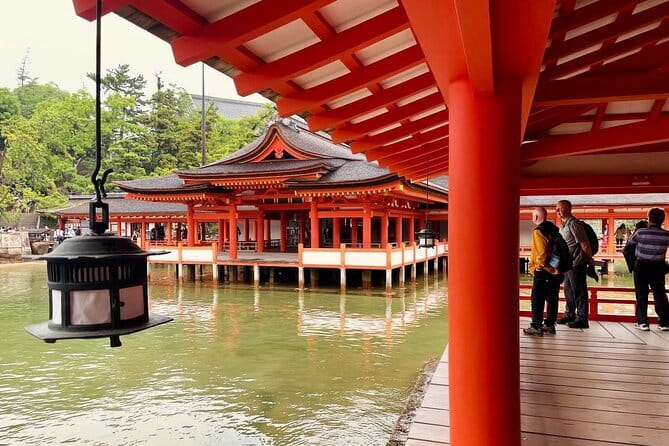
- Tide-changing view at Itsukushima’s floating torii, with low tide options to walk by it
- Private guide with cultural context, plus time for your questions as you go
- Daishoin Temple as a standout stop in nature (and an included-free entry)
- Quieter Miyajima moments beyond the main photo spots, including Senjokaku’s open hall spaces
- Omotesando shopping street time for Miyajima snacks like oysters, conger eel rice bowl, and momiji-manju
- Smooth pacing through Hiroshima on public transportation, with an optional faster direct boat back toward Peace Memorial Park
Floating torii and calmer island time, not a speed-run
Miyajima is one of those places where the “main view” is real, but the best memories are often the in-between moments. This tour leans into that. You start in Hiroshima, then head over to Miyajima for the spiritual core, before moving through temple grounds and quieter structures that most half-day plans rush past.
You’re also not stuck in a generic checklist. The private format means your guide can explain why each place matters, and you can ask follow-ups while you’re actually standing there. In past groups led by guides like Aya-san, Yuka, Masayo, Masa, and Mana, the common thread was clear communication and flexibility, including adapting to what the group wanted to prioritize.
The result is a Miyajima day that feels paced for humans, not cameras.
More Shrine & Temple Visits in Hiroshima
- Hiroshima and Miyajima Day Trip with Itsukushima Shrine & Ferry
★ 5.0 · 378 reviews - Miyajima: Cultural Experience in Zen Temple
★ 5.0 · 258 reviews - Day Trip to Hiroshima & Miyajima with Itsukushima Shrine
★ 4.6 · 124 reviews
How the private guide makes Itsukushima click
Itsukushima Shrine is famous for good reasons, but it can still feel like a postcard if you only know the headline. A big value here is getting context as you walk. Your guide helps you connect the shrine’s spiritual identity, the way it looks during different tides, and how the island’s traditions shape daily life there.
And it’s not just “here’s some history.” Because it’s a private walk, you can ask practical questions like how to read what you’re seeing, what to notice first, or why certain temple spaces feel so different from others. People also seem to appreciate guides who are punctual and friendly, and who stay flexible if your group wants to linger.
If you want a richer day without adding another museum ticket, this guide-led approach is the point.
Tide timing at Itsukushima Shrine, what to watch for
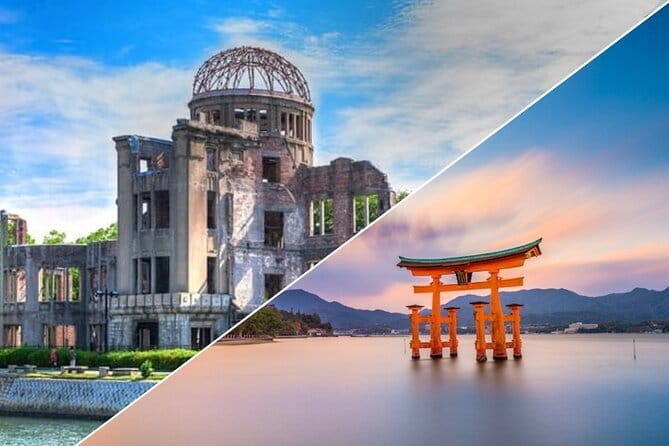
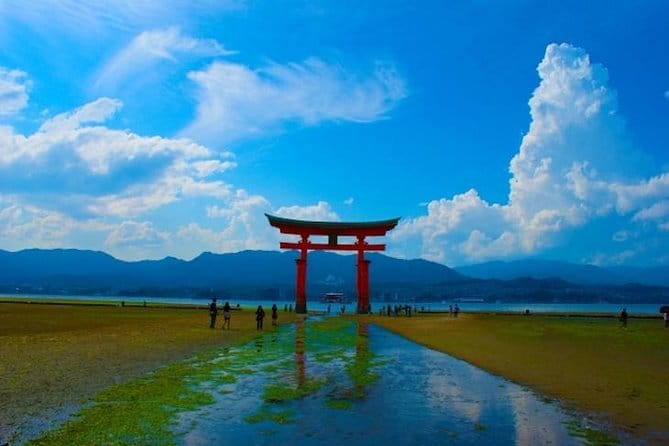
This is where Miyajima wins. The torii at Itsukushima Shrine literally changes with the tide. When the tide is high, the gate appears to float in the sea. When the tide is lower, you can walk by and get impressed by the sheer size up close.
So during your visit, keep your eyes on two things:
- The shoreline water level and how much of the gate sits over the sea
- The overall look of the shrine structures as the surrounding waterline changes
That’s why the tour can adjust the order between Miyajima and Peace Park. The idea is simple: give yourself a better chance at seeing the floating torii effect when conditions are right.
Practical note: even if you’re not tracking tide charts yourself, your guide’s flexibility helps you make the most of what the day gives you.
Stop-by-stop: Hiroshima to Miyajima and back toward Peace Memorial Park
Here’s what your time looks like, in a way that helps you plan your energy level.
More Shrine and Temple visits in Hiroshima:
- Miyajima: Private Rickshaw Tour to Itsukushima Shrine
★ 4.9 · 45 reviews - Private Miyajima Rickshaw Tour Including Itsukushima Shrine
★ 5.0 · 32 reviews - Miyajima Highlights: Itsukushima Shrine & Island Nature
★ 4.9 · 21 reviews - Hiroshima: Peace Park, Castle, and Mitaki Temple E-Bike Tour
★ 4.8 · 11 reviews
Stop 1: Hiroshima departure, with an order tweak for the torii
You meet your guide in Hiroshima, and the tour departs from a hotel or train station in Hiroshima City. The order of the day can be changed between Miyajima and Peace Park to improve your chances of catching the floating torii.
This matters because Miyajima days go smoother when you’re not just stuck in one fixed route. If the tour can help you time your big photo moment better, you get more value from the same number of hours.
Also, you use public transportation rather than private transfers as the default. That keeps things realistic, but it also means you’ll need to pay transit yourself.
Stop 2: Miyajima island, deer and first impressions
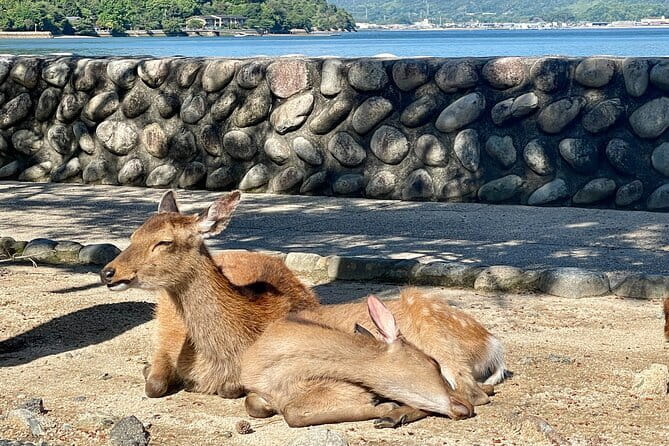
Once you arrive on Miyajima, you get a short orientation stretch (about 30 minutes). Deer are part of the welcome, and they set the island tone immediately. It’s a good moment to slow down before your shrine and temple time.
You’ll want to watch your footing on any uneven paths, and keep an eye on where you step around animals and foot traffic. It’s not “danger,” but it is a reminder to stay alert.
Stop 3: The torii area, where the sea becomes the frame
You spend about 15 minutes at the floating torii gate. This stop is short on purpose, because the goal is to let you take in the view and notice what the water is doing.
If the tide is low enough, you can walk by and appreciate the gate’s scale in a more up-close way. If the tide is high, you’ll see that classic floating effect where the sea does most of the visual work for you.
Either way, the key is to look beyond the one iconic shot. Notice how the gate lines up with the shrine complex.
Stop 4: Itsukushima Shrine itself
Next is Itsukushima Shrine proper, around 30 minutes. The shrine floats on the sea and is a UNESCO World Heritage site, and it’s also connected to national treasure status. The big takeaway is that it doesn’t look the same minute to minute, because the tide keeps changing the surrounding scene.
This is also the place where your guide’s explanations help. The shrine’s atmosphere makes more sense when you understand why the tide and sea relationship matter spiritually.
Entrance here is included, so you do not have to manage that ticket during the walk.
Stop 5: Daishoin Temple, the calm temple in nature
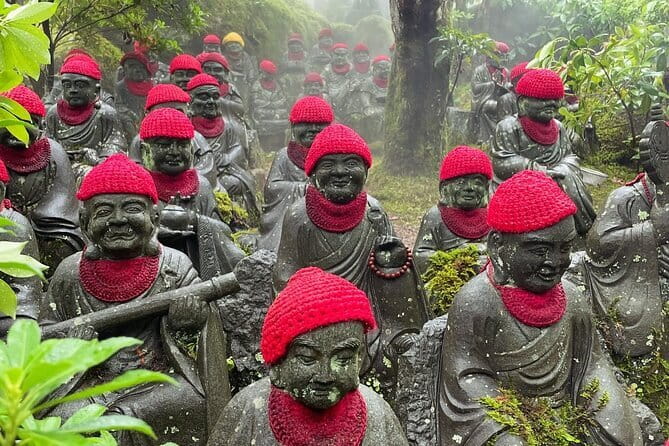
Daishoin Temple is on your route for about 45 minutes, and it’s entry free on this tour. It’s described as a unique and rare temple and the oldest temple on Miyajima. It’s located in the midst of nature, so your experience here is less “shoreline drama” and more “temple stillness.”
There’s also a historical connection that your guide can bring to life: it was loved by Shogun Hideyoshi and other figures. That adds weight to the walk without turning it into a lecture.
If you only have one temple to appreciate beyond the main shrine complex, Daishoin is the one that tends to feel most balanced, because nature is part of the setting.
Stop 6: Senjokaku, open spaces and quiet scale
Senjokaku is next (about 20 minutes). It’s part of the Itsukushima Shrine complex, listed as UNESCO, and built in the 16th century. Shogun Hideyoshi ordered it to be built, and it’s known for large halls and wall-less spaces that feel quiet even when the island is busy.
One thing to know: admission for Senjokaku is not included. So if you want to go inside, budget for that during your day.
This stop is a good contrast piece. After walking shrine and temple paths, the open, airy feel of Senjokaku gives your legs and mind a different kind of rest.
Stop 7: Miyajima Omotesando Shopping Street
You get about 40 minutes on Omotesando, the island’s main shopping street. This is where you can pivot from temples to everyday island life.
You’ll find food shops and souvenir stores selling Miyajima specialties, including:
- Oysters
- Conger eel rice bowl
- Momiji-manju, the maple leaf-shaped buns
Lunch is not included, but this is a very practical place to buy a snack or light meal if you want to eat while you stroll. Just remember you’re on a walking schedule, so choose something you can carry and eat without slowing the group too much.
Stop 8: Miyajima port area, then toward Peace Memorial Park
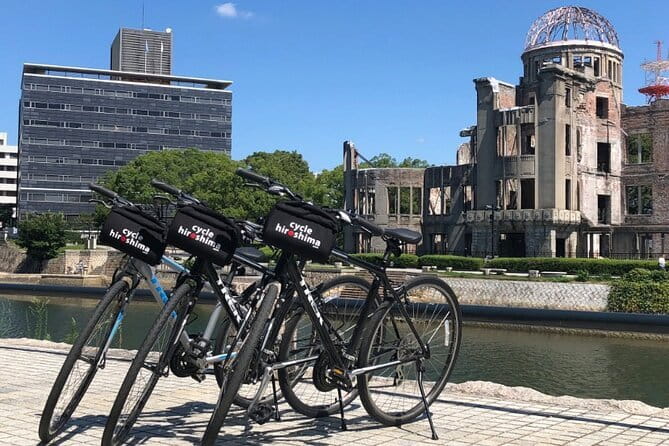
At the end, you move toward Peace Memorial Park. The tour description notes travel using ferry, JR, or train, taking about 1 hour. There’s also an option for a direct boat that takes about 45 minutes, depending on your situation.
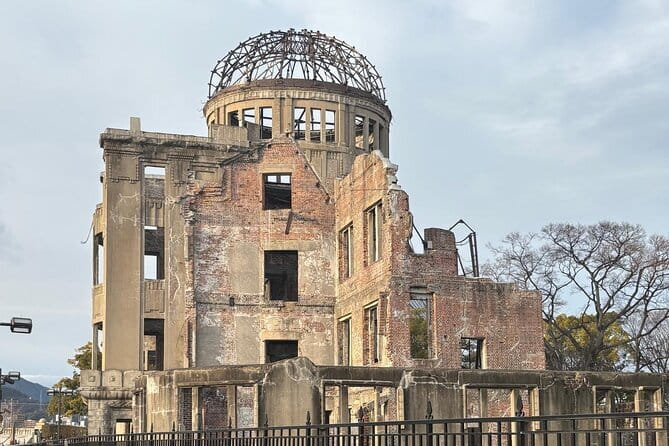
This isn’t random tacking on of a famous site. It’s a logical connection if your Hiroshima plan includes both Miyajima and the Peace Memorial area. If your time in Hiroshima is tight, this structure helps you stitch the day together instead of bouncing between separate tours.
Price and what you’re really paying for (about $141.23)
At $141.23 per person, the biggest question is whether this is “worth it” versus piecing the day together on your own.
Here’s what you’re paying for, from the provided inclusions:
- Entrance fee for Itsukushima Shrine is included
- Live local tour guide
- Advance customization consultation
- Tour photo data
- Meet-up with your guide in Hiroshima on foot
- Group discounts are mentioned, and the experience is private for your group only
What you’re not paying for:
- Lunch
- Public transportation (¥1,340 per person)
- Any private transport options (fast boats, direct boats, taxis), if you choose them
- Tips
- Senjokaku admission is not included
So the value equation is pretty clear. If you care about interpretation and timing the important shrine moments, the guide and flexible pacing can save you stress. You also avoid having to manage your day around multiple tickets and likely end up spending similar money on transit and entry fees anyway, then you add the guide for the “why it matters” part.
If your priority is just ticking off sights with no explanation, you could DIY. But if you want the island to feel meaningful rather than scenic, this price starts to look fair fast.
What to bring and how to pace yourself on a 5-hour walking day
Even though the tour is only about 5 hours, you should treat it like a full half-day with real walking. Your feet will do most of the work. You’ll be moving through shrine areas, temple paths, and a shopping street. Public transportation also means you’ll be standing around at least briefly.
I suggest:
- Comfortable shoes you can walk in for an extended stretch
- A light layer, since the island can feel cooler in sea air
- Snacks or cash for Omotesando, since lunch is not included
- A phone with enough battery, because mobile tickets are part of the setup and photo data is offered
Also, the experience requires good weather. If conditions are poor, you should expect the operator to offer a different date or a full refund.
Who this tour suits best
This works especially well if:
- You want a private guide with time to ask questions
- You care about understanding shrine and temple context, not just taking photos
- You’re doing Hiroshima and want an efficient, logical link to Peace Memorial Park
- You prefer quieter island moments beyond the most crowded landmark area
It’s also a decent choice for families and mixed ages since the tour structure is short stops rather than long marathons, though you still need workable walking shoes.
If you’re traveling with a service animal, note that service animals are allowed.
Should you book Miyajima Highlights: Itsukushima Shrine & Island Nature?
If you’re aiming for Miyajima’s big sight plus meaningful context, I think it’s a smart booking. The torii tide factor alone makes a guided plan more useful than you’d expect, and Daishoin plus Senjokaku gives you more variety than a “floating gate only” day.
I’d skip it only if you’re determined to travel on your own without guide time, and you don’t care about cultural explanations or timing flexibility. Otherwise, this is the kind of tour that helps the island feel like a place you understood, not just a place you visited.
FAQ
How long is the tour?
The experience is about 5 hours (approx.).
What sites do we visit?
You’ll visit Miyajima, Itsukushima Shrine and the floating torii gate, Daishoin Temple, Senjokaku, and Omotesando shopping street, and you’ll move toward Peace Memorial Park at the end.
Is the Itsukushima Shrine entrance fee included?
Yes. The entrance fee for Itsukushima Shrine is included.
Are there any admission fees for other stops?
Senjokaku admission is not included. Daishoin Temple and the other listed stops show admission ticket free in the tour details.
Do we use public transportation?
Yes. The tour is a walking tour and you basically use public transportation. Public transportation costs ¥1,340 per person are not included.
Is lunch included?
No. Lunch is not included, and you’ll need to handle food and drinks on your own.
Is this a private tour?
Yes. It’s a private tour/activity, meaning only your group participates.
More Miyajima Island Trips Around Hiroshima
- Peaceful Hiroshima & Miyajima UNESCO 1 Day Bus Tour
★ 5.0 · 5,309 reviews - Hiroshima: Hiroshima and Miyajima UNESCO Sites 1-Day Tour
★ 4.9 · 2,330 reviews - Hiroshima / Miyajima Full-day Private Tour with Government Licensed Guide
★ 5.0 · 1,298 reviews - From Hiroshima: Hiroshima & Miyajima 1 Day Tour with Lunch
★ 4.7 · 395 reviews
Newly listed around Hiroshima
- Hiroshima Local Life Walking Tour (Private)★ 5.0 · 11 reviews
- The Peace Memorial to Miyajima : Icons of Peace and Beauty★ 4.5 · 31 reviews
- Sake Town Tour in Saijo Hiroshima★ 5.0 · 9 reviews
- Okunoshima Rabbit Island Cycling Tour with Local Guide★ 4.5 · 17 reviews
- Hiroshima & Miyajima All-Inclusive Tour w/Licensed guide Pancho★ 5.0 · 54 reviews
- Private Full Day Hiroshima Tour★ 4.5 · 29 reviews
- Miyajima Island Tour with Certified Local Guide★ 5.0 · 9 reviews
- Hiroshima Country Cycling: Explore Rural Life 1 HR from City★ 5.0 · 22 reviews
Miyajima Island Trips, compared.
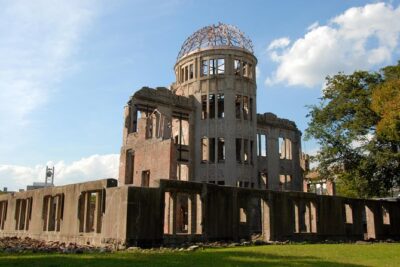
Peaceful Hiroshima & Miyajima UNESCO 1 Day Bus Tour
Read our review →
Hiroshima and Miyajima UNESCO Sites 1-Day Tour
Read our review →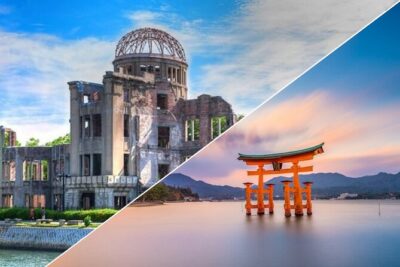
Hiroshima / Miyajima Full-day Private Tour with Government Licensed Guide
Read our review →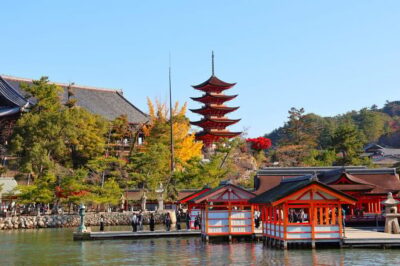
Osaka/Kyoto: Hiroshima Miyajima Bus Tour & Shinkansen Ticket
Read our review →
Hiroshima and Miyajima Day Trip with Itsukushima Shrine & Ferry
Read our review →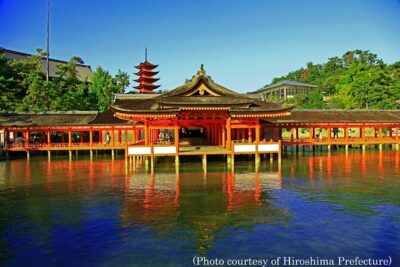
Full Day Hiroshima and Miyajima Bus Tour from Hiroshima
Read our review →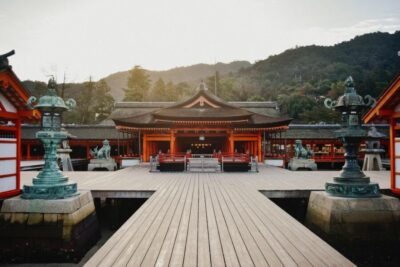
Miyajima Peace Memorial Icons of Peace and Beauty
Read our review →Browse the lists this tour appears in