
Review · MOUNT FUJI DAY TRIPS
Mt Fuji Area Private Guided Tours in English-Nature up close, quiet, personal
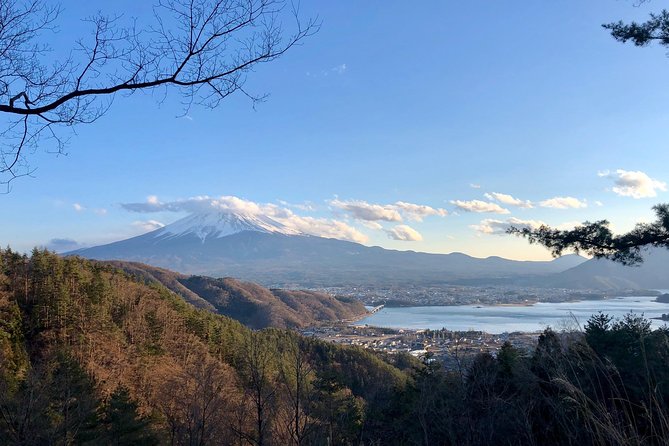
Quiet Mt. Fuji beats the crowds. This private, English-guided outing focuses on calm nature and close-up views, mixing lake lookouts, a famous cedar shrine, a waterfall with Fuji views, and the volcanic Aokigahara Sea of Trees. Two things I like a lot are the slow, non-rushed pace and the fact that you can tailor stops to what you care about. One drawback to plan for: you do not get lunch or drinks included, so you’ll want to budget for food breaks on the day.
I also like that the day is built around a tight base area, Fujikawaguchiko, so you spend time outside, not stuck in transit. The guides behind the experience, including Chris and Yumi (both show up in the guide stories people share), are known for being prepared, bringing practical hiking gear, and finding spots where Fuji is framed without wall-to-wall tour groups. If you’re dreaming of a totally effortless, no-walking tour, you should know there are short walks and light hikes along the way.
In This Review
- Key highlights you should care about
- Why this “up close, quiet” Mt. Fuji day works
- Pickup, timing, and how the day is paced
- Asama Shrine and the 1,200-year cedar forest
- Mother White Falls with Fuji in the same frame
- Lake Kawaguchiko and Lake Saiko, why two lakes matter
- Aokigahara Jukai: lava rock forest at Yacho no Mori Koen
- Customization with an English guide, and what it looks like
- Price and value: is $320 per person fair?
- Who this tour fits best, and who should consider alternatives
- Final call: should you book this Mt. Fuji nature tour?
- FAQ
- Where is the tour located?
- Does the tour offer pickup?
- What is included in the price?
- Is lunch or food included?
- What is the tour timing and duration?
- What is the cancellation and weather rule?
Key highlights you should care about
- Private group only so the route can flex to your pace and interests
- Asama Shrine cedar grove with 1,200 plus year old trees and a sacred Mt. Fuji heritage connection
- Mother White Falls near Lake Kawaguchiko, a Fuji-and-waterfall photo moment
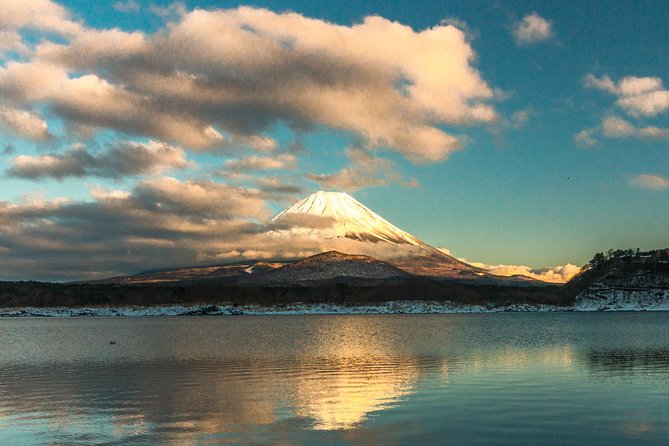
- Lake Kawaguchiko and Lake Saiko drives for changing angles of Fuji through the day
- Aokigahara Jukai at Yacho no Mori Koen on lava rock, with a quieter trail feel
- Practical support like pickup, English guide/driver, and gear such as footwear and layers (when needed)
Why this “up close, quiet” Mt. Fuji day works
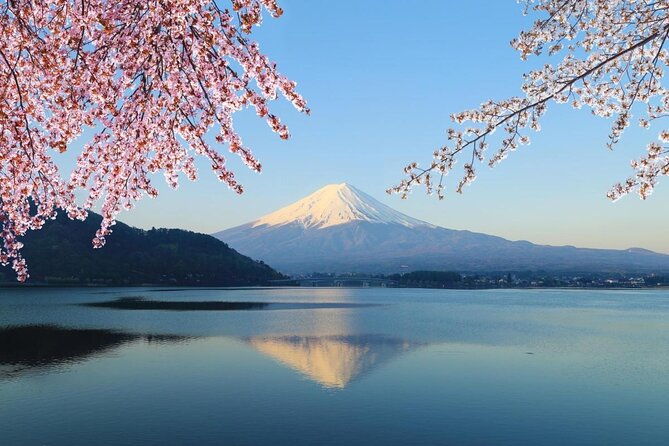
Most Mt. Fuji day trips either feel rushed, or they drop you at the busiest viewpoints and wish you luck. This one is different because it is built around small nature stops plus viewpoint flexibility. You’re not just collecting photos. You’re moving through the area like someone who actually lives there.
The best part is the vibe: quiet nature with room to linger. The route is designed to keep you away from the thickest tourist clusters, even though you are still visiting famous landmarks. And when Fuji decides to show up behind clouds, the guide can shift where you stand and when you look.
The second big win is the human factor. This is a private tour, so your guide can respond to what you want, not what a coach schedule demands. If you want more time at a waterfall, or you want to step off the main path for a calmer view, that’s the point of having one guide, not two hundred people.
More Mount Fuji Day trips in Fujikawaguchiko machi:
- Scenic Spots of Mt Fuji and Lake Kawaguchi 1 Day Bus Tour
★ 4.5 · 585 reviews - Explore Mt. Fuji Ice Cave in Aokigahara Forest
★ 5.0 · 243 reviews - Private Mt Fuji Tour from Tokyo: Scenic BBQ and Hidden Gems
★ 5.0 · 128 reviews
Pickup, timing, and how the day is paced
The tour starts in the morning, and you get a practical pickup option from Kawaguchiko Station or hotels in the Fujikawaguchiko area. The stated start window is 8:30 AM to 11:30 AM, and the full experience runs about 5 to 6 hours.
That timing matters because Mt. Fuji looks different as the day moves on. Early light can make the mountain feel crisp, while later conditions can shift the contrast and cloud patterns. You’ll drive around the lakes for multiple angles, which is exactly what you want on a private itinerary: a chance to compare, not just snap and leave.
A lot of people love this day because it doesn’t feel like a checklist. Instead, you get a rhythm of short moves, short walks, and time to take in what you’re seeing. One of the recurring themes in the stories people share is that you’re allowed to set the pace. If you need bathroom breaks, extra time to stretch legs, or a slower tempo due to mobility limits, this tour style is built to accommodate that kind of reality.
Asama Shrine and the 1,200-year cedar forest
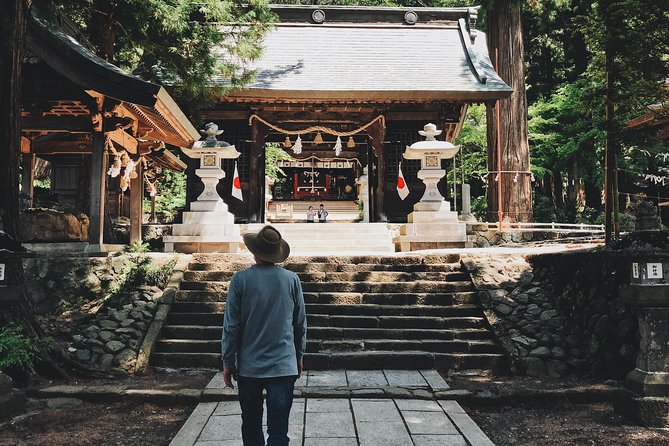
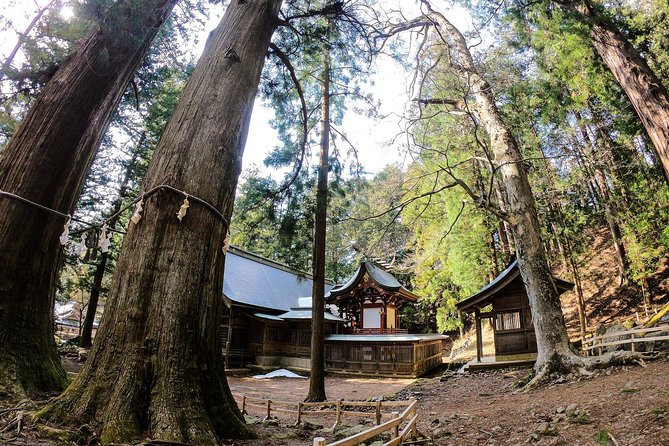
The day typically begins at Kawaguchi Asama Shrine. This isn’t just a quick stop. It’s a forest approach that immediately changes your mood from city mode to mountain mode.
Here’s what makes it special:
- The shrine is approached through giant cedar trees that are said to be over 1,200 years old
- It’s described as the oldest shrine in the area
- The plan also flags it as part of a Mt. Fuji World Cultural Heritage connection
Even if you aren’t a shrine person, this stop works because of the trees and the sound. You get the feeling of walking into a protected pocket, not just an attraction you pass through.
Practical tip: the shrine forest walk can be cooler than the lake road nearby, especially in shoulder seasons. Wear layers. The air can change fast around the base of Fuji.
Mother White Falls with Fuji in the same frame
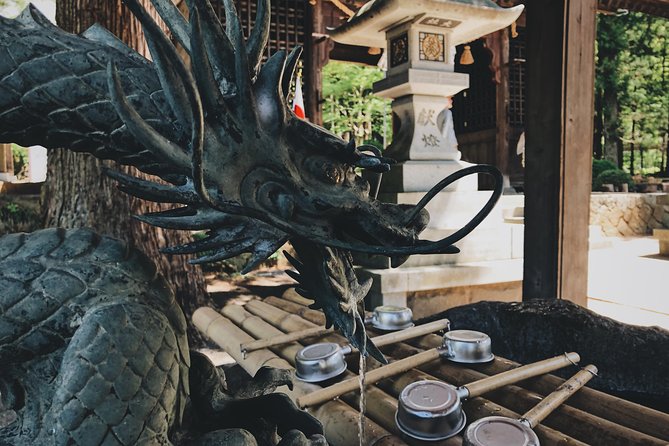
Next up is Haha no Shirataki, also called Mothers White Falls. The attraction isn’t only the waterfall. It’s the relationship between the waterfall, the lake, and Mt. Fuji when conditions cooperate.
The plan notes that the falls are near Lake Kawaguchiko, and that the viewpoints can be strong, with Fuji and lake scenery in the same visual zone. In winter, some stories also mention the falls area when it’s icy, which can make the scene feel almost unreal. In other seasons, the appeal shifts to the water shape and the clarity of the mountain.
The drawback here is simple: waterfalls are weather dependent. If clouds hide Fuji, you’ll still get the water and the forest, but you may lose the mountain alignment you hoped for. The good news is that a private guide can respond by repositioning where you stand and adding nearby viewing points around the lakes.
A few more Fujikawaguchiko machi days to weigh up
- Private guided hidden gems tour by local English speaking driver
★ 5.0 · 142 reviews - Ramen Cooking Class at Ramen Factory in Mt.Fuji
★ 5.0 · 101 reviews - Johnny’s Exclusive: Mt. Fuji Adventure from Kawaguchiko
★ 5.0 · 62 reviews - Mt. Fuji Five Lakes Area Private Tour with Licensed Guide(Kawaguchiko area Dep)
★ 5.0 · 55 reviews
Lake Kawaguchiko and Lake Saiko, why two lakes matter
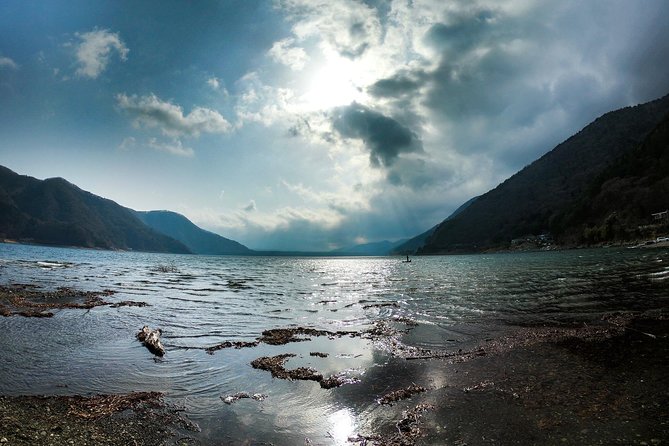
A big chunk of the day is a drive around Lake Kawaguchiko and Lake Saiko, with stops at different viewing points. This is one of those choices that sounds obvious until you experience it. Fuji isn’t a single photo. It’s an angle problem, and lake roads give you multiple lines of sight.
You’ll see the mountain from different sides, with the lake surface affecting how the view feels. Some angles feel wide and calm, while others feel tighter and more dramatic. Even if you’ve seen Fuji on postcards, the real value of this part is how the atmosphere shifts as you change viewpoints.
Also, the itinerary mentions Oishi Flower Park on the route toward Lake Saiko. That’s a good bridge stop if you want something colorful without leaving the nature focus of the day.
Aokigahara Jukai: lava rock forest at Yacho no Mori Koen
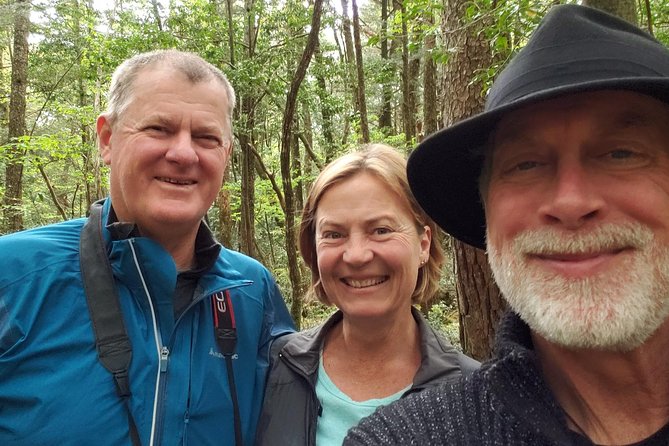
Then you move from lakes and shrine calm into the main event style stop: Aokigahara Jukai, the well-known Sea of Trees, at Yacho no Mori Koen (Wild Birds Forest Park).
The plan highlights that you walk in a lava rock forest created by volcanic activity. That detail matters. You’re not just in a generic woodland. You’re in a place formed by geology, with the ground and structure feeling different underfoot.
What to expect:
- Short walking sections, often on uneven ground near natural formations
- A quieter atmosphere where you can focus on the forest itself
- A chance to learn about how the environment works here, based on your guide’s explanations
From the stories shared by people who went on this tour, the best forest moments tend to happen when the guide picks a seldom used path and gives you time to slow down. That fits the theme of the day: up close, quiet, personal.
Practical tip: if you’re visiting in colder months, the forest can feel much colder than the road. One reason this tour is so praised is that the guide may bring extra layers and gear so you don’t arrive underprepared. Still, come ready with decent shoes.
Customization with an English guide, and what it looks like
This tour is private, so customization isn’t a marketing line. It shows up in the way the day flows.
The experience is described as tailored to your tastes, and the guide can:
- adjust the order or emphasis of stops
- build in time for snacks, pastries, and lunch at local spots
- take photo requests seriously and find better angles
- shift on the fly when weather changes
In some real day examples, guides even handled specific needs like mobility pace, late starts, or extra time for stargazing when skies cooperated. That tells you the guide is listening, not forcing a script.
Also, some people mention the guide arriving with gear that saves you from the typical Mt. Fuji problem: cold hands, slippery trails, and shoes that weren’t meant for uneven paths. You might see hiking footwear, warm layers, and small comfort items like tea for pauses. You still should bring your own basics, but it helps a lot when your guide shows up prepared.
Price and value: is $320 per person fair?
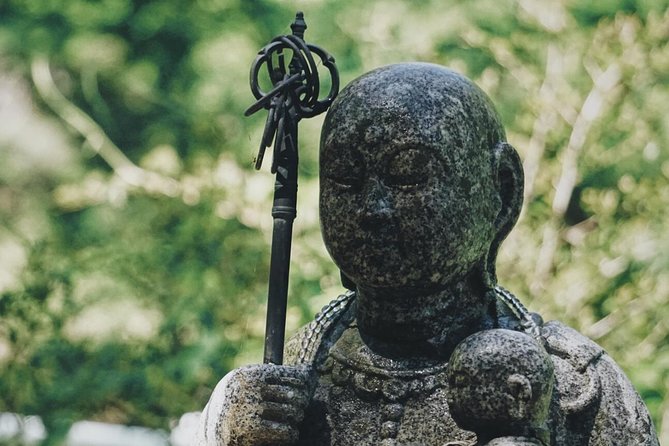
Let’s talk money without hand-waving. $320 per person is not cheap, especially compared with the cheaper bus-and-crowd options. But this price buys three things that matter on a Mt. Fuji day trip:
- Private transportation and time efficiency
You’re not spending half the day commuting between far stops. You’re also not stuck waiting for everyone else. That time shows up in how much you actually see.
- A native English speaking guide/driver
You’re paying for interpretation, not just movement. The guide can explain what you’re looking at and help you navigate viewpoint timing. That’s how you get more out of each stop, including places you might miss on your own.
- Gear, pacing, and flexibility
People consistently mention the tour’s calm pace and practical support, especially when weather shifts. If you end up with better boots, better layers, and fewer rushed moments, the value gets easier to see.
Food and lunch are not included, so your total day cost depends on your appetite. But the structure still aims to keep you out of long hunger gaps: there are commonly built-in opportunities to refuel at local eateries.
My rule of thumb: if Mt. Fuji is a major highlight of your Japan trip and you want a day that feels like nature time, not an overcrowded photo run, the price starts to make sense fast.
Who this tour fits best, and who should consider alternatives
This is a strong match if you want:
- a nature-focused Mt. Fuji day, with shrines, waterfalls, lakes, and forest walks
- fewer crowds and more quiet time
- a private guide who can slow things down
- scenic viewpoints plus context, instead of just photo stops
It may be less ideal if you want:
- zero walking at all (there are short hikes and forest paths)
- a fully planned lunch with no decisions on your side (food and drinks are not included)
One more thought: because the tour requires good weather, plan this for a day when you can be a little flexible. If clouds roll in and the company changes dates, you’ll be glad you didn’t schedule this as a single fixed, last-hour slot.
Final call: should you book this Mt. Fuji nature tour?
Yes, I’d book it if you’re prioritizing a calm, close-up Mt. Fuji experience in the Fujikawaguchiko area. The biggest reason is the balance: famous places (Asama Shrine, Mother White Falls, and key lake viewpoints) plus a forest stop that feels genuinely different, thanks to Aokigahara Jukai on lava rock.
But book with eyes open. Bring your own food budget, wear good shoes, and accept that weather will decide how crisp Fuji looks on the day. If you want the mountain to feel personal and quiet instead of crowded and rushed, this tour fits that goal very well.
FAQ
Where is the tour located?
The tour takes place in the Fujikawaguchiko-machi area, Japan, around the Mt. Fuji lakes and surrounding nature.
Does the tour offer pickup?
Yes. Pickup is offered from Kawaguchiko Station or from hotels in the Fujikawaguchiko area.
What is included in the price?
The price includes pickup, and a native English speaking guide/driver. A mobile ticket is also used for this activity.
Is lunch or food included?
No. Food and drinks are not included, and lunch is not included.
What is the tour timing and duration?
It runs daily with an opening start window of 8:30 AM to 11:30 AM, and the duration is about 5 to 6 hours.
What is the cancellation and weather rule?
You can cancel for free up to 24 hours in advance for a full refund. The experience requires good weather, and if it’s canceled due to poor weather, you’ll be offered a different date or a full refund.
Newly listed around Fujikawaguchiko machi
- Ramen Cooking Class at Lake Kawaguchiko (Short Course)★ 5.0 · 42 reviews
- View of Mt. Fuji is good! Sushi making experience class★ 5.0 · 6 reviews
- Cute & Fun E-Car tour following guide around Lake Kawaguchiko★ 5.0 · 54 reviews
- Fujisan Sushi Making Lesson★ 5.0 · 16 reviews
- Private Local Hiking to enjoy the nature and culture of Mt.Fuji★ 5.0 · 22 reviews
- Ramen Cooking Class at Ramen Factory in Mt.Fuji★ 5.0 · 101 reviews
- Sushi Cooking Class at Sushi Factory -KIWAMI- Mt.Fuji★ 5.0 · 23 reviews
- Mt. Fuji Five Lakes Area Private Tour with Licensed Guide(Kawaguchiko area Dep)★ 5.0 · 55 reviews
Mount Fuji Day Trips, compared.
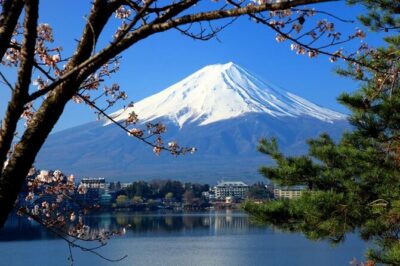
Mt Fuji and Hakone 1-Day Bus Tour Return by Bullet Train
Read our review →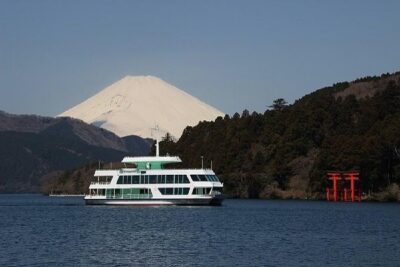
Mt Fuji & Hakone Cruise, Drum Show Bullet Train 1 Day from Tokyo
Read our review →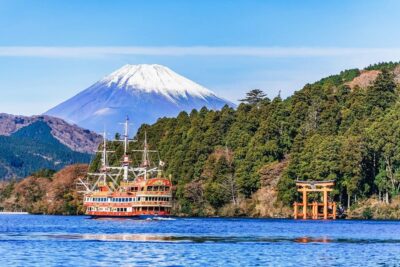
Tokyo Mt Fuji 5th St & Hakone Cruise Bus Tour w/Bullet Train
Read our review →
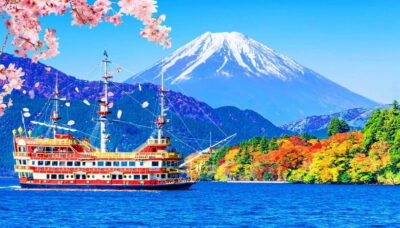
Mt. Fuji Tour, Hakone Ropeway, Owakudani, Lake Ashi
Read our review →
Mt.Fuji,Kawaguchiko Oishi Park,Arakurayama Sengen Park
Read our review →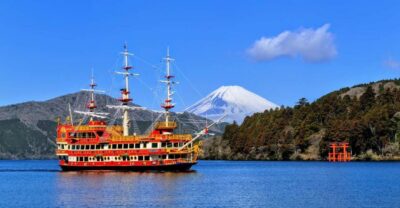
Mt. Fuji 5th Station & Hakone Cruise 1-Day Bus Tour
Read our review →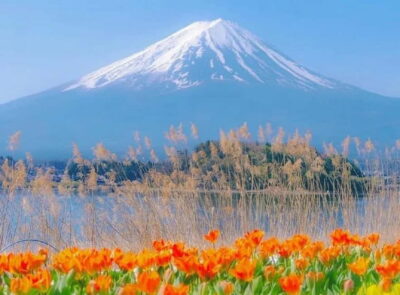
Mt Fuji Top 5 Spots Day Tour: Arakurayama Park,Oshino Hakkai
Read our review →Browse the lists this tour appears in