
Review · LICENSED GUIDES & PRIVATE DRIVERS
Nagoya Half-day Private Custom Tour with National Licensed Guide
Nagoya can feel big fast, unless someone points the way. This half-day private walking tour lets you build your own route around the places you care about most, with a licensed English guide leading the walk. You pick 2-3 stops from a solid menu, then the guide shapes the timing so you do not feel rushed.
What I love here is the custom flexibility. You are not locked into a fixed bus-group route, and the guide can steer you toward the best order for your interests. I also like that it is a walking format with local guidance, so you spend less time worrying about directions and more time noticing details you would otherwise miss. One thing to consider: it is still a city walk, so comfort footwear matters, and entrance fees and transport are on you.
In This Review
- Key highlights at a glance
- A private, custom half-day is the smart way to see Nagoya
- How 4 hours feels: walking pace and realistic stop timing
- Nagoya Castle: shachihoko roofs and the thrill of climbing up
- Atsuta Jingu Shrine’s sacred woods and prayer culture
- Mirai Tower and the science museum: quick views and big imagination
- Art museum and Tokugawa sites: Edo elegance in short doses
- Toyota commemorative museum and Noritake no Mori: making things is the theme
- Osu Shopping Street, Shikemichi, and Shirotori Garden: street life and old-world calm
- sky-promenade and Wakamiya Hachimansha: modern height and older faith
- Price and value: is it worth $107.45 per person?
- Who should book this tour, and who might skip it
- Should you book this Nagoya half-day private custom tour?
- FAQ
- How long is the Nagoya half-day private custom tour?
- Is this a walking tour?
- Can I choose which sites to visit?
- Are entrance fees included?
- Do I need to arrange transportation?
- Is the tour private?
- What happens if weather is bad?
Key highlights at a glance
- Pick your 2-3 stops from major Nagoya icons and culture stops
- Licensed local English guidance with route help so you avoid getting lost
- Popular landmark power like Nagoya Castle, Atsuta Jingu, and Mirai Tower
- Real choices for your interests (shrines, gardens, art, science, shopping, industry)
- Short visits, smart order so you can cover a lot in about 4 hours
A private, custom half-day is the smart way to see Nagoya
Nagoya is not short on sights, but it is also not a place where you want to blindly follow a checklist. A private custom tour works well because you can aim the experience at your real interests, whether that is the Tokugawa era, modern industry, or just getting a feel for local neighborhoods.
The biggest practical win is choice. You decide what you want to see from a menu that includes everything from Nagoya Castle to Osu Shopping Street and several museums. Then the guide builds a route for you, which usually means fewer awkward detours and less time asking yourself what to do next.
If you want to avoid the rigidity of a full-day shared group tour, this setup makes that easy. You get structure, but not a one-size-fits-all schedule.
More Private Guides in Nagoya:
- Nagoya Full-day Private Custom Tour with National Licensed Guide
★ 5.0 · 44 reviews - Tokyo 6hr Private Tour with Government-Licensed Guide
★ 5.0 · 3,902 reviews - Kyoto Early Morning Tour with English-Speaking Guide
★ 5.0 · 1,427 reviews
How 4 hours feels: walking pace and realistic stop timing
This is a walking tour, and the meet-up is on foot within a designated area. You are not using a private vehicle as part of the standard offering. That means the tour is designed for short, focused visits, typically around 10 to 20 minutes per stop, plus time to move between locations.
Here is the trade-off. You can cover multiple highlights, but you cannot expect a deep, slow museum binge at every stop. That is where your stop selection matters. If you love gardens, you might choose a garden plus a shrine rather than trying to stack two museums with long ticket lines.
A good sign is how the tour is built for flow. The guide leads the way, and you do not have to navigate route changes on your own. Guides from this program, including people named Todd and Matt, are also praised for being patient with questions and energetic with explanations, which helps the time feel well spent.
Nagoya Castle: shachihoko roofs and the thrill of climbing up
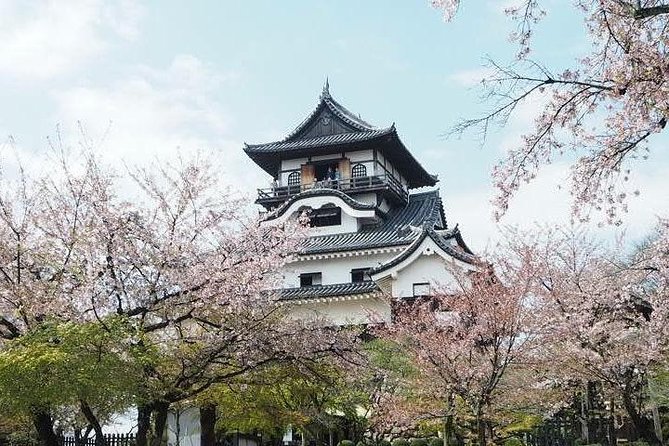
Starting with Nagoya Castle makes a lot of sense because it is central and iconic. It is famous for the golden shachihoko on the roof, mythical creatures with a tiger’s head and carp’s body. The castle traces back to 1521, when Tokugawa Ieyasu, the first shogun who established the Edo shogunate, built it.
One of the most enjoyable parts is how the castle tells its story. The main structure was rebuilt after the war, and now you can climb to the top. That climb is not just about views. It gives you the feeling of being inside the power symbol of the city, even if you are just visiting for a short while.
Practical consideration: if you are hoping for extra time at the castle, plan your other stops carefully. Castle time is the anchor. When your itinerary is only 4 hours, everything else should complement it, not compete with it.
Atsuta Jingu Shrine’s sacred woods and prayer culture
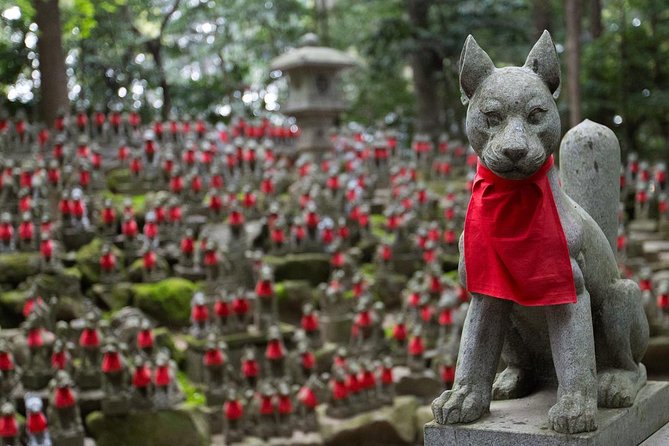
If Nagoya Castle is about power, Atsuta Jingu Shrine is about devotion. This shrine is the second highest rank in Japan, founded in the 8th century. What you notice first is the scale of the grounds and the feeling of being pulled into a forested pocket of calm in the middle of the city.
The woods matter here. They create a reverent mood that is hard to fake with just photos. It is also a place where many people are actively coming to pray, so the shrine feels alive in a quiet, everyday way.
Atsuta Jingu is also a great stop for cultural participation. You might try omikuji, the fortune slips, and learn about shrine customs such as purification and prayer practices. One guide named Matt is specifically mentioned as teaching these kinds of details, including what to do and why.
Timing tip: if you choose Atsuta, pair it with something that does not require a long museum session afterward. The shrine refreshes you, and you will likely appreciate a change of pace.
A few more Nagoya days to weigh up
- From Nagoya: Gujo, Hida Takayama, and Shirakawa-go Day Tour
★ 4.4 · 398 reviews - Ghibli Park 1-Day Bus Tour from Nagoya
★ 4.5 · 277 reviews - From Nagoya: Hida Takayama & Shirakawa-go Tour w/Opt. Lunch
★ 4.5 · 256 reviews - Hiking the Historic Nakasendo Trail [1 Day Tour from Nagoya]
★ 5.0 · 104 reviews
Mirai Tower and the science museum: quick views and big imagination
Two different kinds of fun often work well in a half-day itinerary: skyline views and a hands-on science break.
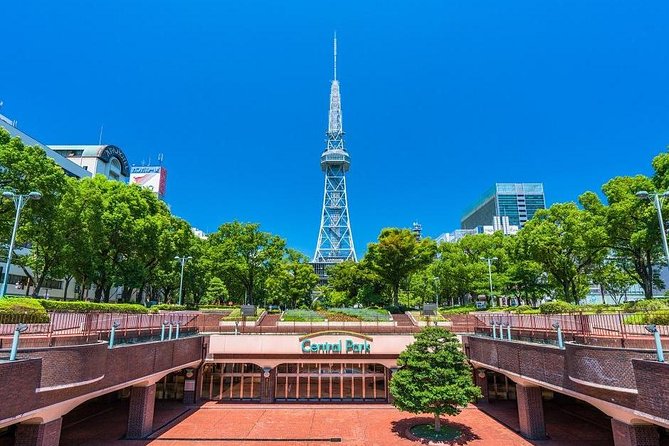
At Chubu Denryoku MIRAI TOWER (still commonly referred to as the Nagoya TV Tower), you get a landmark that visually says Nagoya. It is a straightforward choice if you want something modern and easy to place on a route.
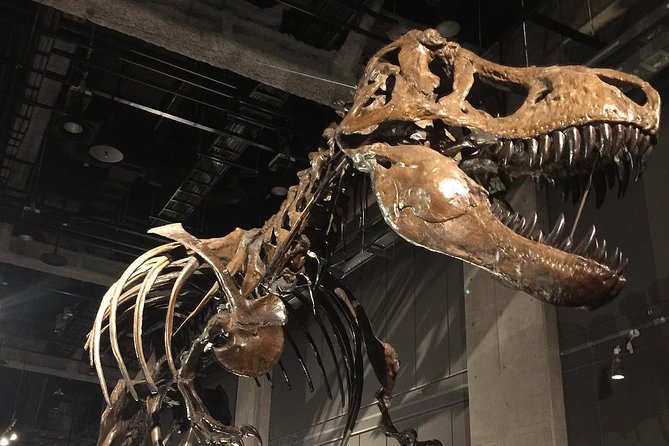
If you want something that feels more playful, switch to the Nagoya City Science Museum. It is known for having the largest planetarium in the world. The experience is designed for wonder, including the chance to feel like an astronaut moving through the universe.
Practical consideration: both of these stops are good for shorter time windows, but they can be affected by how busy you are inside. If you are traveling on a day with crowds, keep your expectations realistic and focus on the overall arc of your tour rather than trying to squeeze in extra add-ons.
Art museum and Tokugawa sites: Edo elegance in short doses
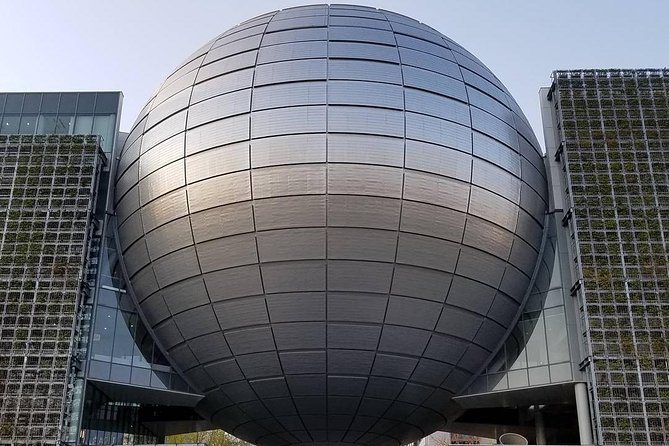
Nagoya has several cultural stops that pair beautifully with the castle-and-shrine theme. You just have to pick the type of art you want.
For general museum art, the Nagoya City Art Museum opened in 1987 and has permanent works alongside temporary exhibits. It also features a permanent collection that includes Surrealist artists from around the globe, such as Sean Scully, Kansuke Yamamoto, and Alexander Calder, plus other exhibits you might want to see while you are in the area.
For Tokugawa-specific atmosphere, Tokugawa Garden is a calm match. It is a Japanese garden built around a pond, and it reflects the mainstream daimyo garden style from the Edo period. Even with a short visit, you get a sense of the design thinking, with the water and surrounding views doing most of the talking.
If you want a more concentrated Tokugawa collection, consider the Tokugawa Art Museum. It is a private museum in the former Ōzone Shimoyashiki compound and holds more than 12,000 items. The collection includes swords and armor, Noh costumes and masks, lacquer furniture, ceramics, calligraphy, and paintings from the Song and Yuan dynasties (960 to 1368).
Timing tip: if you pick Tokugawa Garden, you can often pair it with either a museum stop or a shrine stop, because the garden already gives you a “slow down” moment. If you pick two art-heavy stops, it can get rushed fast in 4 hours.
Toyota commemorative museum and Noritake no Mori: making things is the theme
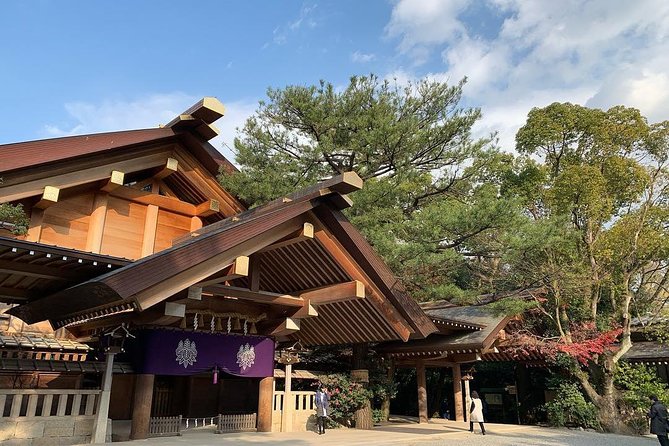
Nagoya is a place where “industry history” is not a dry lecture. If you like how things are made, the Toyota Commemorative Museum of Industry and Technology and Noritake no Mori can be excellent picks for a half-day.
The Toyota museum was established in June 1994, 100 years after the birth of Toyota Motor founder Toyoda Kiichiro. The museum’s messaging centers on innovation and “monozukuri,” the idea of craftsmanship and making things, while still respecting origins. It is a strong choice if you want your Nagoya experience to connect with real-world modern life.
Then there is Noritake no Mori, tied to tableware. The Noritake brand started in 1904, and the museum area highlights traditional Japanese craftsmanship shaped with Western aesthetics, aimed at high-quality dinnerware for European markets.
These two can work as a themed pair: innovation and craft, modern industry and everyday objects. Also, if you are traveling as a family or mixed-age group, these stops often feel less intimidating than pure history sites, while still delivering meaning.
Practical consideration: museums usually have their own pacing. In a shorter tour, choose the exhibits you care about, and let the guide help you prioritize rather than trying to see everything.
Osu Shopping Street, Shikemichi, and Shirotori Garden: street life and old-world calm
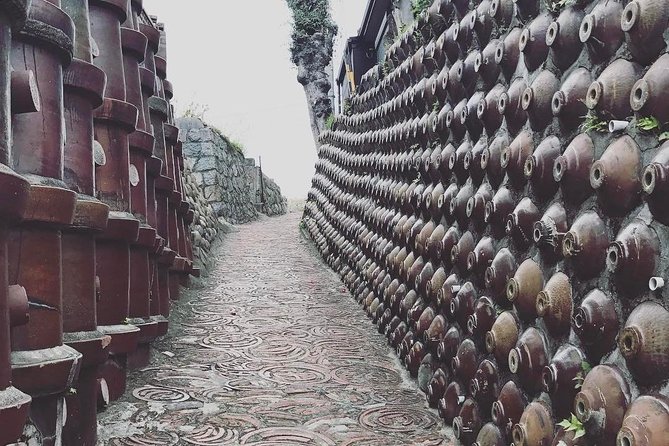
If you want Nagoya to feel like a place where people actually live, mix in one neighborhood-style stop. Osu Shopping Street is the classic choice. It used to be Nagoya’s number one entertainment quarter and developed after the war around electrical and second-hand clothing stores. Today it is known for anime merchandise and also a wider mix of sub-cultures, including idol-style fandoms.
The setting helps. Osu is built around covered arcades near Osu Kannon Temple, with over 1,200 shops in the shopping streets. This is the kind of stop where you can browse in short bursts, grab snacks if you want, and still feel like you are moving through real daily life.
For a more historical walking atmosphere, look at Shikemichi. It is a town of merchants on the west bank of the Horikawa River, built in 1610 after the relocation of Kiyosu to the Nagoya castle area. The street name refers to its about 7 meter width, originally expanded for fire protection after a 1700 fire. Storehouses line stone walls, with traditional townhouses in a row, and the streetscape took its modern form around 1740.
If your brain needs a quiet reset after shopping and streets, consider Shirotori Garden. The White Bird Gardens cover 3.7 hectares, designed for changing views across seasons and even light and water movement. It is a traditional Japanese garden experience that can feel restful.
Timing tip: in 4 hours, these stops work best as one “feel the place” moment, not a heavy second museum.
sky-promenade and Wakamiya Hachimansha: modern height and older faith
For a skyline moment, sky-promenade at Midland Square is a strong choice. The building reaches 47 floors and 247 meters, and it is described as the tallest building in the Chubu region and the seventh tallest in Japan as of 2015. The location is convenient too, right outside JR Nagoya Station, which makes it easy to build into a route.
For the old-faith side, add Wakamiya Hachimansha Shrine. Its enshrined deities include Emperor Nintoku, Emperor Ojin, and Takeuchinosukune. Tokugawa Ieyasu designated the shrine as the main tutelary deity of Nagoya in 1610. If you happen to travel around the May festivals, it includes events like the Wakamiya Festival held May 15-16, and also the harikuyo festival, connected to memorial services for broken or dull needles.
Practical consideration: choose either shrine plus castle, or shrine plus skyline. Two shrines plus a museum can get packed, but one shrine works well for balance.
Price and value: is it worth $107.45 per person?
At $107.45 per person for an about 4-hour private custom tour, the value depends on what you would otherwise do.
This price covers a licensed local English-speaking guide and your ability to choose 2-3 sites from the options. You are paying for time efficiency and decision help. In Nagoya, that matters because you are mixing very different experiences, castles and shrines, gardens and museums, and the guide helps you connect them into one smooth arc.
What is not included is just as important: entrance fees, lunch, and transportation fees are on you. The tour also does not include a private vehicle. So if you are only planning to visit one paid attraction and spend the rest of the time walking independently, this might feel pricier than expected.
But if you want to actually make the most of 4 hours, a private custom route is often the best deal. It helps you avoid the common mistake of spending half your day figuring out how to get from stop to stop, especially when you are not trying to follow a preset bus schedule.
A nice extra: the tour uses a mobile ticket, and it offers pickup that is on foot within the meeting area, which can reduce friction at the start.
Who should book this tour, and who might skip it
This tour is a great fit if you:
- Want 2-3 highlights in half a day, without a fixed group route
- Enjoy history, but also want modern Nagoya options like MIRAI TOWER or Toyota-related stops
- Prefer clarity over chaos, meaning you want a guide to lead and explain rather than you solving everything alone
It may be less ideal if you:
- Want a full museum deep dive, because most stops are designed for short visits
- Have trouble with walking, since it is a walking format and timing is tight
- Expect transportation and entrance fees to be included automatically, because they are not
Should you book this Nagoya half-day private custom tour?
I think you should book it if you are the type who likes to choose your own highlights. The combination of a private guide, licensed English support, and the ability to mix Nagoya Castle, Atsuta Jingu, and your preferred museums or neighborhoods is exactly what a half-day plan should do.
If you are traveling with limited time, this works especially well. In practice, the guide names that show up in this program, like Todd and Matt, are praised for being professional, friendly, and patient with questions, and they help the tour feel more like understanding Nagoya than just moving between landmarks.
If you want a single-site day, or you have plenty of time to wander on your own, you could skip it. But for most people who want a smart, guided sampler of Nagoya, this is a strong choice.
FAQ
How long is the Nagoya half-day private custom tour?
It is about 4 hours.
Is this a walking tour?
Yes. It is a walking tour, and you meet the guide on foot within a designated area.
Can I choose which sites to visit?
Yes. You can customize the itinerary by selecting 2-3 sites from the available options, such as Nagoya Castle, Atsuta Jingu Shrine, Mirai Tower, Noritake no Mori, Osu Shopping Street, and others listed in the tour options.
Are entrance fees included?
No. Entrance fees are not included, and the guide’s entry fees are only covered for sights listed for what to expect.
Do I need to arrange transportation?
Transportation fees are not included. The tour is near public transportation, and you would cover transit costs yourself.
Is the tour private?
Yes. It is private, meaning only your group participates.
What happens if weather is bad?
This experience requires good weather. If it is canceled due to poor weather, you will be offered a different date or a full refund.
Newly listed around Nagoya
- Shirakawa-go and Hida-Takayama Private Day Trip from Nagoya★ 4.5 · 11 reviews
- Walking Small-Group Nagoya City Tour★ 5.0 · 13 reviews
- Toyota Automobile Tour for Car Lovers★ 4.5 · 11 reviews
- Private Full-day Nagoya City Tour★ 5.0 · 22 reviews
- Nagoya: 2026 Hida Takayama Shirakawa-go Light-up Winter Tour★ 3.5 · 16 reviews
- Pub Crawl in Nagoya★ 5.0 · 15 reviews
- Nagoya Private Tour with a Local: Highlights & Hidden Gems★ 5.0 · 13 reviews
- Nagoya Night Bar & Food Tour with Locals 【Private Tour】★ 4.5 · 9 reviews
Licensed Guides & Private Drivers, compared.
Tokyo 6hr Private Tour with Government-Licensed Guide
Read our review →
Kyoto Early Morning Tour with English-Speaking Guide
Read our review →
Tokyo 4hr Private Tour with Government-Licensed Guide
Read our review →
Kyoto 6hr Private Tour with Government-Licensed Guide
Read our review →
Hiroshima / Miyajima Full-day Private Tour with Government Licensed Guide
Read our review →Early Morning Tour with English-Speaking Guide
Read our review →
Tokyo Private Sightseeing Tour by Car- English speaking chauffeur
Read our review →
Mt Fuji Private Tour with English Speaking Driver
Read our review →Browse the lists this tour appears in