
Review · HISTORIC CASTLE VISITS
Odawara Castle and Town Guided Discovery Tour
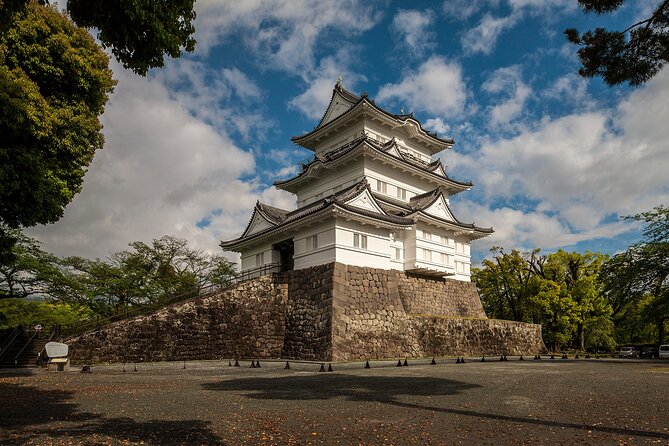
Odawara Castle turns samurai legends into something you can walk through. This guided discovery tour threads the Sengoku Period through the castle grounds, a Ninja Museum stop, and a shrine visit, so the stories feel grounded instead of random. I especially liked how the tour makes ninja feel less like movie magic and more like real people with real skills, and how close you get to genuine samurai armor and swords at the Samurai Museum. One thing to plan for: it’s a walking tour with moderate walking time, so comfortable shoes matter.
Small group size keeps the experience from feeling rushed, and you’ll start right at the Odawara Station Tourist Information center. I also like that tickets are handled for you with a mobile ticket, plus it caps at about 12 travelers, so the guide can actually answer questions as you go.
In This Review
- Key things to know before you go
- Why Odawara Castle works as a day trip
- Starting at Odawara Station, easy to find and easy to start
- The city walking part: samurai connections in everyday streets
- Odawara Castle Park: preserved grounds that explain how castles worked
- Ninja-kan (Ninja Museum): separating fact from pop-culture
- Tokiwakimon Samurai Museum: armor and swords you can actually see
- Odawara Castle museum time: architecture plus stories in the same flow
- Hotokuninomiya Shrine: the scholar connection you might not expect
- Price and value: is $98 a fair deal?
- What can be challenging, and how to make it smooth
- Who should book this Odawara Castle guided discovery tour?
- Final call: should you book it?
- FAQ
- How long is the Odawara Castle and Town Guided Discovery Tour?
- What is included in the $98 price?
- Is lunch included?
- Where does the tour start?
- Does the tour end back at the meeting point?
- What group size should I expect?
- Is it suitable for everyone in terms of walking?
Key things to know before you go

- Tickets included for the Ninja Museum, Samurai Museum, and Odawara Castle, so you are not piecing together admissions.
- A real guide story thread, from the castle grounds to the museum rooms and the shrine stop.
- Ninja-kan (Ninja Museum) focuses on what ninja really were, including tools and techniques.
- Samurai Museum (Tokiwakimon) lets you see and appreciate crafted armor and swords on display.
- On-foot pacing with multiple short stops, great for first-timers who want the highlights without stress.
- Odawara context: the town’s location near Hakone and south of Tokyo helps the Sengoku-era setting make sense.
Why Odawara Castle works as a day trip
Odawara sits just south of Tokyo, between the Pacific side and the Hakone mountain region. That geography matters, because it explains why this area became important in earlier centuries, not just because it is pretty on a map. When you visit the castle grounds with a guide, the setting stops being scenery and starts being part of the story.
This tour is built for people who want a clear path through the main sites, without turning your day into museum roulette. You get a walking circuit that combines outdoors views, indoor exhibits, and a short shrine pause that ties the castle area to people and ideas that outlast wars.
More Castle visits in Hakone:
- Odawara: Odawara Castle Tenshukaku Entrance Ticket
★ 4.2 · 30 reviews - Odawara: Guided Ninja & Samurai Tour of Odawara Castle
★ 5.0 · 25 reviews - Ninja, Samurai, Odawara Castle Experience
★ 5.0 · 9 reviews
Starting at Odawara Station, easy to find and easy to start

Your tour begins at the Odawara Station Tourist Information center inside the East exit area, right by New Days. That is a practical choice. If you are coming from Tokyo, you will likely arrive with some energy and a little uncertainty about where to start, so starting inside the station helps you get your bearings fast.
From there, the rhythm is simple: the guide leads the group, you walk, and you get short explanation bursts at each stop. The whole experience runs about 3 hours, and the pacing suits people who want the main highlights without needing to plan every turn.
If you are the type who likes asking questions, the small group size helps. With a maximum of about 12 travelers, you are not shouting over the crowd, and you can usually hear the guide when the talk gets more detailed.
The city walking part: samurai connections in everyday streets
One of the smartest pieces here is the early city walk. You do not just jump straight into the castle. Instead, you start with a local bilingual guide who explores Odawara on foot and points out the town’s connections to samurai-era traditions and culture.
This is where the tour earns its keep. Odawara still has links to that past, and a guide can point them out in a way you would probably miss if you wandered alone. Even if you only catch a few references, it changes how you see the castle grounds once you arrive. You start noticing how the town and the castle function as one story, not two separate stops.
Also, the walk includes a brief push into viewpoints around the area. One review noted a stop near the highest point of the town for a view back toward the castle. That kind of pause does two things: it gives your legs a break, and it helps you understand the layout so the castle feels less random once you are inside the park.
Odawara Castle Park: preserved grounds that explain how castles worked
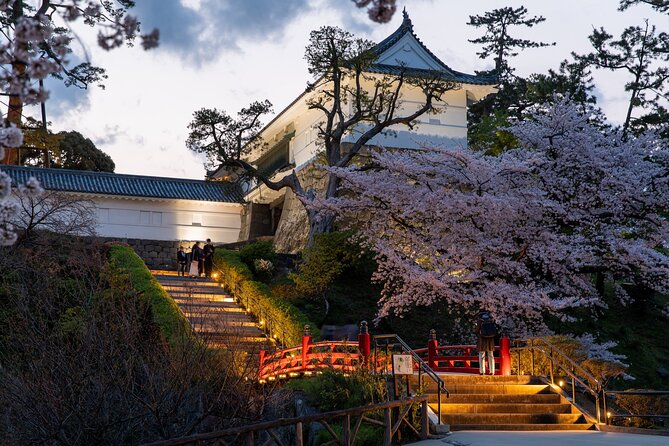
The tour moves into Odawara Castle Park, where the grounds are preserved in ways that help you understand castle-building techniques and the kind of defensive thinking that shaped the site. You are not just looking at pretty ruins. You are walking through a place that was designed for control, movement, and protection.
This stop is a good example of why guided tours beat do-it-yourself for history sites like this. The guide can point out what you might otherwise treat as background. Even if you only have 20 minutes here, you can walk away with a few solid takeaways, like the idea that Japanese castles were not only about a single main keep, but about layers of structure and how the ground influenced everything.
The outdoor pace also gives you a breather between museums. If you arrive on a day that is hot or rainy, you still get the story, and you still get the views, but you will likely appreciate that the indoor stops exist right afterward.
A few more Hakone days to weigh up
- Mt Fuji and Hakone 1-Day Bus Tour Return by Bullet Train
★ 5.0 · 26,383 reviews - Mt Fuji & Hakone Cruise, Drum Show Bullet Train 1 Day from Tokyo
★ 4.0 · 7,413 reviews - Tokyo Mt Fuji 5th St & Hakone Cruise Bus Tour w/Bullet Train
★ 4.4 · 5,024 reviews - Tokyo: Mt. Fuji Tour, Hakone Ropeway, Owakudani, Lake Ashi
★ 4.7 · 4,002 reviews
Ninja-kan (Ninja Museum): separating fact from pop-culture
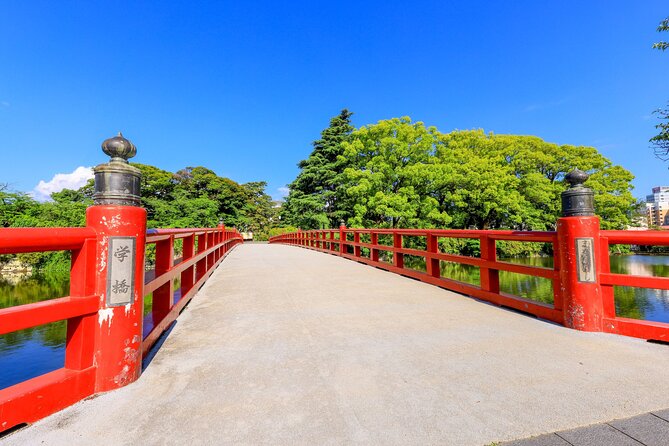
The Ninja-kan stop is short but focused. The museum is designed to explain what ninja really were, with examples of the tools they used and the techniques they mastered.
This is a win for two kinds of visitors. First, if you already like ninja lore, you get a structured, museum-style look that is more grounded than what you see in fictional stories. Second, if ninja myths are not your thing, the tour gives you a straightforward entry point: who they were, and what skills mattered in practical terms.
The most useful part is the framing. Instead of treating ninja as costumes or tricks, the museum presentation connects ninja to craft, training, and specific tools. That makes the whole day click, because you can then return your attention to the castle grounds with a better sense of why certain places were strategically important.
If you care about museums that actually explain rather than just decorate, this stop is one of the reasons this tour earns such high praise.
Tokiwakimon Samurai Museum: armor and swords you can actually see
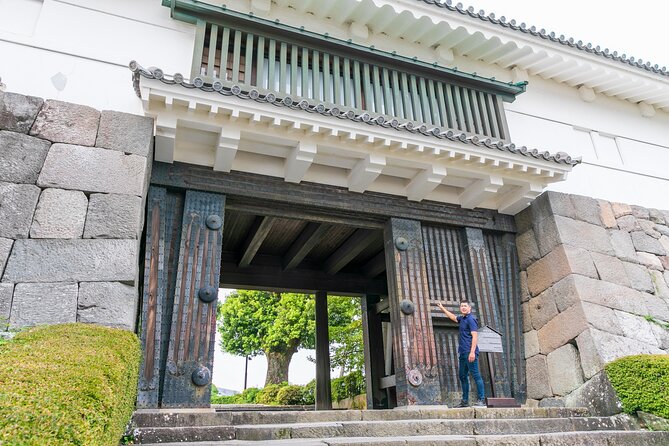
Next comes the Tokiwakimon Samurai Museum, inside the castle grounds. Here, you can see a selection of genuine samurai armor and swords. Even a quick look helps, because it shows craftsmanship, materials, and design choices that are hard to understand from photos.
I like this stop because it gives you a sensory change from the walking outdoors to something tactile in feeling, even though you obviously cannot touch the exhibits. Armor is not one thing. It is layered, it is shaped for movement, and it reflects the wearer’s role. Swords, too, tell you a lot about training and artistry, not just the idea of combat.
This museum is also a good place to slow down. The guided talk helps you understand what you are looking at, but you also get time to look longer at the pieces that catch your eye. That makes it feel less like a checklist stop and more like a real museum visit.
Odawara Castle museum time: architecture plus stories in the same flow
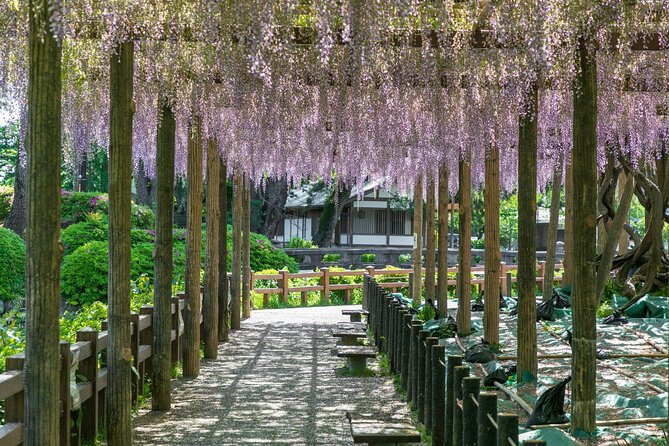
The tour continues with Odawara Castle itself, where you walk around the castle grounds and then get guided time through the museum for deeper stories about the area.
This part matters because it ties the outdoors elements to what is inside. The castle area is where you see the bigger picture: the architecture, the historical setting, and how the site fits into the wider Sengoku-era world.
I find that this stop is where many guided tours feel either generic or actually thoughtful. Here, the structure helps: the guide has already set up themes in the park and the museums, so when you arrive at the castle museum, you are ready to connect the dots. You are not starting from zero, and you are not trying to read everything alone while everyone else moves on.
If you like architecture and physical space, take advantage of the time to look around before you focus only on the museum rooms. Even short looks at gates, walls, and preserved areas can change how you imagine how the place functioned.
Hotokuninomiya Shrine: the scholar connection you might not expect
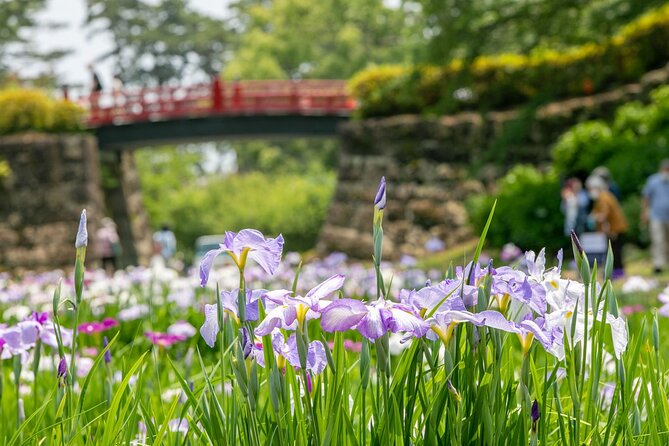
The last main cultural stop is Hotokuninomiya Shrine, on the castle grounds. This shrine commemorates one of Japan’s most famous scholars and government officials. The guide also explains the man it is dedicated to, and notes that his statue appears at almost every elementary school in Japan.
That detail is a nice reality check. War and power get the spotlight around castles, but this shrine connects the area to education and public service ideas. It reminds you that history is not only battles. It is people who shaped institutions, learning, and civic life.
The shrine stop also gives you a calm moment at the end of a story-heavy day. It is short enough to keep momentum, but meaningful enough that the tour does not feel like it ends abruptly.
Price and value: is $98 a fair deal?
At $98 for about 3 hours, this tour can feel either steep or fair depending on what you plan to do that day. Here is the practical way to judge it: the price includes entrance tickets to the Ninja Museum, Samurai Museum, and Odawara Castle.
If you were doing Odawara yourself, you would likely spend money on at least some admissions, and you would still need to figure out the best order and what to prioritize. What you get here is organization plus guided storytelling, and that often saves time and frustration.
I also like that the tour is small (up to 12), which usually means the guide can handle questions and the group does not move like a herd. For many people, that alone makes a guided tour worth it, because Odawara’s highlights are easier to enjoy when someone helps you see what matters.
Add the fact that it starts at a major transit hub and includes a walking route through the town, and you get a package that works well for visitors who are staying briefly in the Tokyo area and want one solid themed outing.
What can be challenging, and how to make it smooth
This is not a sit-and-watch tour. You will walk between Odawara Station, city stops, castle areas, and museums, with short timed breaks for each site. The tour lists moderate physical fitness as the expectation, so plan accordingly.
Here are my practical tips:
- Wear comfortable shoes you trust for uneven ground and museum entrances.
- If you visit in warm weather, bring something light to drink, since you are outdoors between stops.
- If it is rainy, you will still likely go, but the experience can be sensitive to weather, so pack a small umbrella or rain layer.
Also, note that lunch is not included. That can be a positive if you like trying local food, but you should plan where you will eat during the rest of the day. The tour does not try to lock you into a single meal stop, which gives you flexibility.
Who should book this Odawara Castle guided discovery tour?
I think this tour is a strong match for:
- First-timers in Odawara who want a guided path through the big sights.
- People who like samurai and ninja topics but prefer explanations that feel grounded.
- Travelers who want a walkable outing that still includes multiple indoor stops.
- Visitors combining Odawara with Hakone or a Tokyo trip who want a themed day without heavy planning.
It may be less ideal if:
- You hate walking tours or want long seated time.
- You already know a lot and only want self-guided museum time, because some of the value here is in the guide’s story flow.
Final call: should you book it?
If you want a compact, guided way to understand Odawara Castle, with samurai and ninja museums built into one route, this is an easy yes. The included admissions make the price feel more reasonable, and the tour design helps you connect the castle grounds to the people and ideas that made the site important.
Book it when you want clarity, not just photos. Skip it only if you prefer fully independent travel and you do not want to pay for guided context. For most visitors, this strikes a smart balance: history you can follow, places you can actually visit, and a day that stays interesting from the station to the final shrine stop.
FAQ
How long is the Odawara Castle and Town Guided Discovery Tour?
The tour runs for about 3 hours (approx.).
What is included in the $98 price?
Entrance tickets are included for the Ninja Museum, Samurai Museum, and Odawara Castle.
Is lunch included?
No. Lunch is not included, and the tour involves walking through town so you can choose local food on your own.
Where does the tour start?
The tour starts at the Odawara Station Tourist Information Center inside the East exit area near New Days.
Does the tour end back at the meeting point?
Yes, the activity ends back at the meeting point.
What group size should I expect?
This tour has a maximum of 12 travelers.
Is it suitable for everyone in terms of walking?
It is recommended for travelers with moderate physical fitness level, since it is a walking tour with multiple stops. Service animals are allowed.
Newly listed around Hakone
- Mt. Fuji and Hakone Private Tour with English Speaking Driver★ 5.0 · 22 reviews
- Mt. Fuji or Hakone Private Sightseeing Day Trip From Tokyo★ 4.5 · 17 reviews
- Forest Bathing in Temple and Enjoy onsen with healing power★ 5.0 · 17 reviews
- Ninja, Samurai, Odawara Castle Experience★ 5.0 · 9 reviews
- Hike Japan Heritage Hakone Hachiri with certified mountain guide★ 5.0 · 46 reviews
- Custom Private Tour in Hakone with a Certified Local Guide★ 5.0 · 91 reviews
- Traverse Outer Rim of Hakone Caldera and Enjoy Onsen Hiking Tour★ 5.0 · 30 reviews
- Hike Japan Heritage Hakone Hachiri (Half Day)★ 5.0 · 18 reviews
Historic Castle Visits, compared.
Tokyo Castle & Imperial PalaceーShogun Walking Tour
Read our review →
Nijo-jo Castle and Ninomaru Palace Guided Tour
Read our review →
Ultimate Osaka Walking Tour: Castle, Dotonbori & Hidden Gems
Read our review →Tokyo Castle & Imperial PalaceーShogun Walking Tour
Read our review →
Imperial Palace East Garden and Edo Castle Walking Tour in Tokyo
Read our review →
Imperial Palace & Nijo Castle Guided Walking Tour
Read our review →
Japanesel Archery Experience HIROSHIMA CASTLE SHARAKU
Read our review →Browse the lists this tour appears in