
Review · OKINAWA TOURS
Okinawa Jungle Trails & Waterfalls – Private Yanbaru Tour
A jungle river hike in Okinawa sounds simple, until you do it. This private Yanbaru trek pairs a humidity-soaked river walk with mini waterfalls, and (in summer) a real chance to swim at the waterfall’s base. I also like that it is custom to your day, not a one-size-fits-all slog, but one consideration is the waterfall swim is seasonal, so it may not be available year-round.
What makes this outing feel special is how it stays outdoors the whole time, with breaks built into the walk and plenty of chances to slow down. You’ll follow a river through rocky sections, shallow crossings, and shaded jungle paths that feel more like forest time than a check-the-box tour.
In This Review
- Key highlights you will feel on the trail
- Yanbaru jungle river trekking, Okinawa’s nature you can actually slow down in
- The 30 minute Nago start: where the river trek really begins
- The waterfall break in summer: how the swim stop works
- How hard is it, really: walking distance, stairs, and river rocks
- Guide Nik and the details that make it feel like a high-quality private tour
- Price, time, and value: what you actually get for $69.02
- Timing, weather, and what to pack so you do not hate the day
- Getting there and back: the Nago meeting point and return loop
- Should you book the private Yanbaru jungle river tour?
- FAQ
- How long is the Okinawa Jungle Trails & Waterfalls private Yanbaru tour?
- Is this a private tour?
- Where does the tour start and end?
- Is it possible to swim at the waterfall?
- What should I wear and bring?
- Does the tour run in bad weather?
- What is the cancellation policy?
Key highlights you will feel on the trail
- Private, custom-fit pacing for your group and your comfort level on the day
- Yanbaru river trekking through humid jungle, rocky outcrops, and mini waterfalls
- Seasonal waterfall stop with a refreshing break and optional swimming in summer
- Guide support that keeps you steady, including help with wet footing and gear
- Small “comfort wins” like snacks and tools to help you stay drier
Yanbaru jungle river trekking, Okinawa’s nature you can actually slow down in
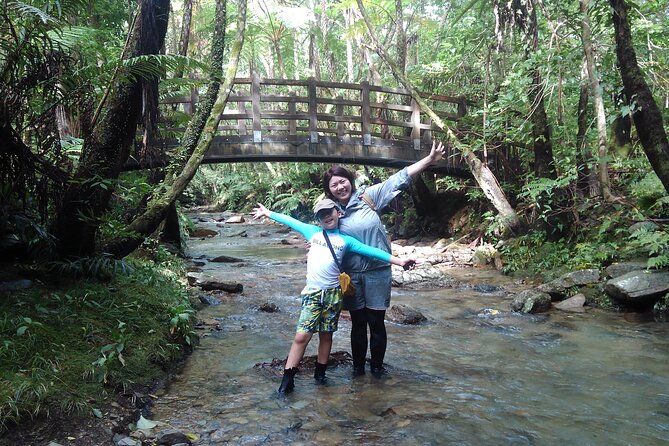
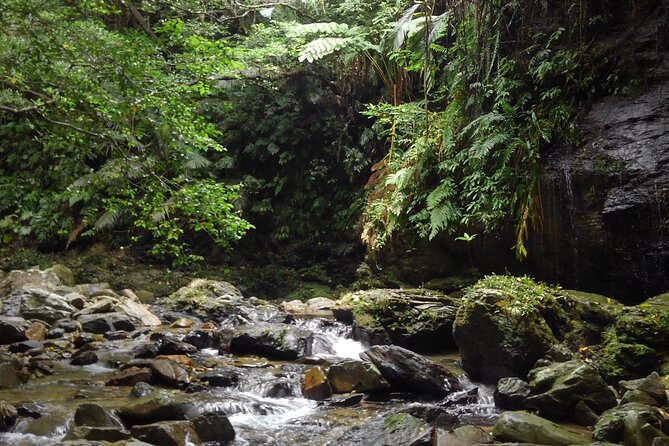
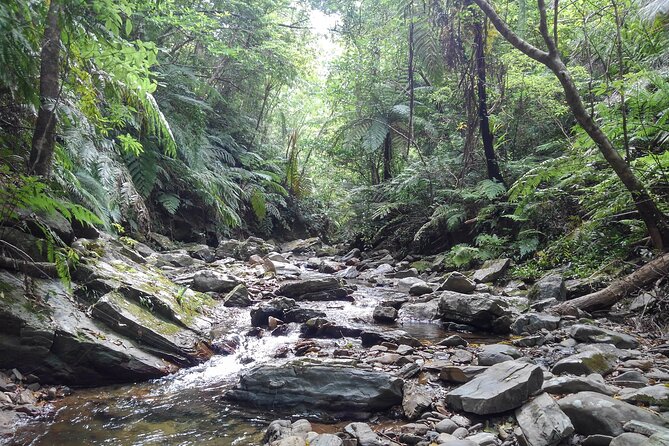
Most Okinawa experiences focus on beaches or big-ticket sights. This one takes a different route. You head into Yanbaru, the northern, greener part of Okinawa Island, where the air tends to feel thicker and the plants look like they’ve been growing for centuries. Yanbaru also means field and mountain, and that simple idea shows up immediately: you walk between living green walls and along a river route that keeps changing as the terrain gets rockier.
I like that the goal here is not speed. The rhythm is closer to what people call forest bathing, meaning you use the walk to calm your mind as you move through the greenery. You’ll get that sense of switching gears, especially if you have been bouncing between temples, markets, and bus rides.
If you like nature, you also get more than scenery. The guide can point out the types of plants and animals that call this region home, including endemic species tied to Yanbaru, and famous banyan trees you may notice as you go. You are not chasing a checklist. You are building a relationship with the place by paying attention.
A few more Okinawa days to weigh up
- Official Street Go-Kart Tour – Okinawa Shop
★ 5.0 · 699 reviews - Naha: North Okinawa Sightseeing Tour & Churaumi Aquarium
★ 4.4 · 472 reviews - Okinawa: From Naha: Kerama Islands 1-day snorkeling tour
★ 4.4 · 423 reviews
The 30 minute Nago start: where the river trek really begins
The first stop is in Nago, and it is short, about 30 minutes. This is the moment where you get set up and get your bearings before you start moving upstream along the river. Expect a jungle walk atmosphere right away, with dense foliage around you and the humidity that makes Okinawa feel unmistakably different from cooler parts of Japan.
Even though this portion is brief, it matters. A good start helps you figure out what kind of walking day you are having. If conditions are slick or the river sections look more demanding, this is where your guide can adjust pacing and route to keep everyone safe and comfortable.
There is also a natural “teach as you go” feel here. This is when you may learn about local highlights like the Yanbaru Kuina bird and why the region’s ecology is so unique. The best part is that it does not turn into a lecture. It stays connected to what you can see around you.
The waterfall break in summer: how the swim stop works
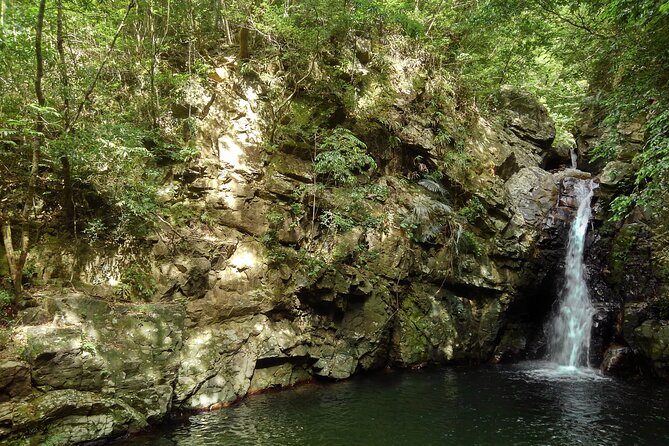
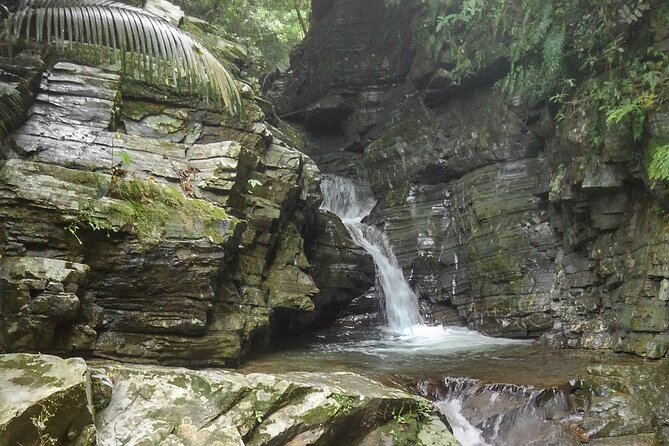
The second stop is where the experience earns its reputation. It runs about 2 hours and includes the iconic break at a waterfall’s foot. This is a summer-only feature, so plan your expectations based on the season you visit. When it is available, the water is cool and clear, and the scene is the kind of quiet you usually only get when you step away from crowds.
This part is also where you will want to be prepared to get wet, at least to your ankles and sometimes more depending on the day’s conditions. The tour is built for that. You typically get help with gear and guidance for moving through slick sections, and you will likely have options like neoprene-style booties provided to help you step into the water safely.
If you decide to swim, treat it as a break, not a gym session. Think: cool down, float a bit if you can, then get back into the walk with a towel and dry layer ready. Even if you do not swim, the waterfall stop is still worth it because it gives your body time to reset after the river trek.
Practical tip: bring clothes that you are truly okay getting wet, plus a towel and a change of clothes. You can often keep a change with you or leave it in the car depending on the season, so ask when you book.
How hard is it, really: walking distance, stairs, and river rocks
This tour is described as suitable for most ages and abilities, but you should still think about your footing. The baseline option involves walking about 1 km on a maintained path, with a few stairs. That is the kind of distance you can handle with a normal walking pace if you are steady on your feet.
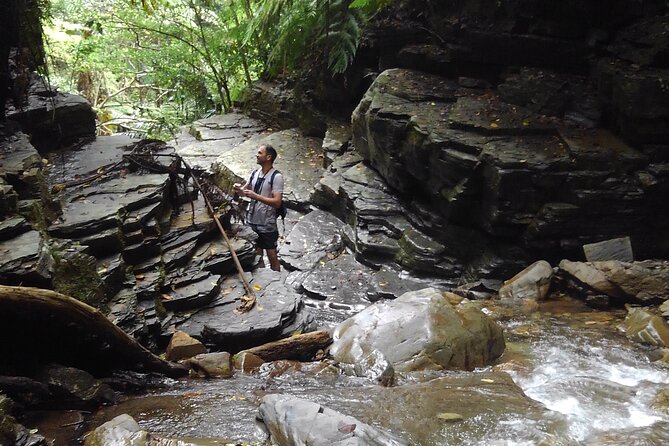
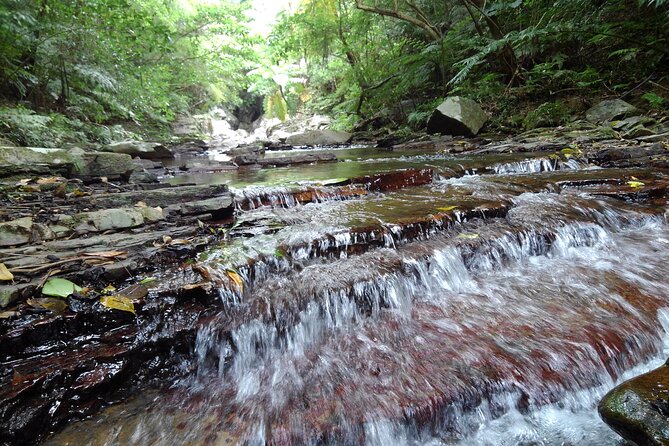
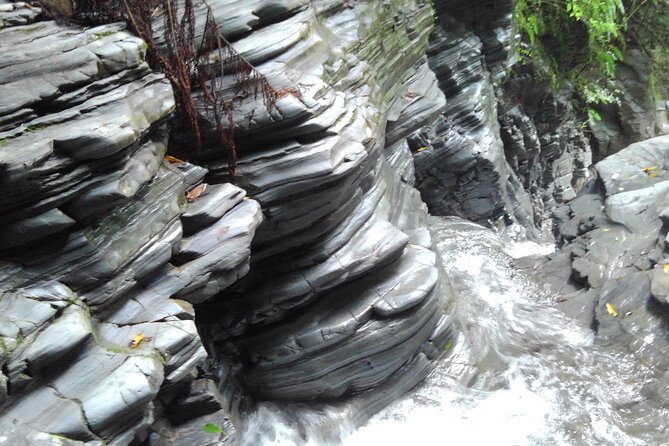
Then there is the extended option, which becomes more challenging. The reason is not just distance. It is the nature of the terrain. You will likely navigate a shallow river bed with rocks and boulders, and wet surfaces can make everything feel harder than it looks.
Here’s the honest consideration: if you are worried about balance or you do not handle uneven footing well, choose the gentler day option and let your guide know what feels comfortable that morning.
There is also a weight consideration listed by the operator. The activity may not be suitable for those with a BMI around 30 or over 109 kg / 240 lb, so contact the provider if that applies. This is one of those tours where safety planning matters more than it does on a flat city stroll.
A different sort of day in Japan:
- From Naha: Tokashiki Island Day Trip by Boat
★ 4.3 · 385 reviews - [Miyako Island/Half Day] Sea Turtle Snorkeling
★ 5.0 · 337 reviews - Okinawa Ishigaki Blue Cave Snorkeling Tour
★ 5.0 · 332 reviews - Naha, Okinawa: Keramas Island Snorkeling Day Trip with Lunch
★ 4.7 · 326 reviews
Guide Nik and the details that make it feel like a high-quality private tour
A private tour is only as good as its guide. In this case, the guide named Nik is consistently described as kind, thoughtful, and very good at communication. That matters even if you do not speak much English, because clear explanations help you understand what comes next and how to move safely.
Two details tend to stand out in the stories: sure-footed help on the climb and practical comfort items. One highlight is that you may be provided neoprene booties to help you cross the water and step over wet sections. Another is that you can get a snack at a summit or turnaround point, which sounds small until you remember how quickly a hot, humid hike can drain your energy.
Flexibility is another big value piece. If you mention food needs, the guide can pivot. For example, one experience included a quick switch to a vegetarian lunch when requested. Even if you do not need special meals, this kind of adaptability makes the tour feel responsive rather than rigid.
There is also convenience. One past outing included pickup from Nago station, and another included being dropped off at a bus stop on the way back. That is not guaranteed for every situation, but it is a good sign. If you are car-free in Okinawa, ask what can be arranged for your exact pickup and return.
Price, time, and value: what you actually get for $69.02
At $69.02 per person for about 2 to 3 hours, this is not a cheap “walk around” activity. But it also is not trying to be a full-day, high-end expedition. The value comes from three things:
First, it is private, meaning you are not sharing your hike with a large crowd. That lets the guide tailor the pace, routes, and breaks to your group.
Second, the tour includes real nature time plus a waterfall stop when conditions allow. You are not just driving to a view. You are moving through the habitat, learning as you go, and getting a cool-down point that makes the walk feel rewarding.
Third, there are small extras that reduce hassle. Things like neoprene-style booties, tools to help you stay dry, and a snack are the sort of touches that make a difference when you are dealing with humidity and wet rocks. When you add those comfort factors, the price starts to look more reasonable.
Also, the listing notes group discounts and a mobile ticket, which can help if you are traveling with friends or family and want to keep costs down without sacrificing a private guide.
Timing, weather, and what to pack so you do not hate the day
This tour can run in most weather conditions, but it still needs good weather to operate safely. If the weather is poor, you may be offered a different date or a full refund. That means you should keep your schedule flexible if possible, and check in close to your departure.
Packing is straightforward. Bring:
- Clothes that can get wet
- A towel
- A change of clothes
If the waterfall swim is available for your season, you will be glad you packed like it was expected. If it is not available, you still get the river walk and waterfall area as a break point, just without the water play.
One more tip: Okinawa humidity can make “moderate exercise” feel more intense. Pace yourself on the first stretch, and take advantage of break moments so you stay comfortable for the return.
Getting there and back: the Nago meeting point and return loop
The meeting point is 888 Makiya, Nago, Okinawa 905-1143, Japan. This is the start, and the tour ends back at the same meeting point, so you are not guessing where you will finish.
If you are relying on public transport, plan ahead. Okinawa outside the main hubs is easier with a car, and at least one prior experience included pickup from Nago station and a friendly return drop-off. If your plans are tight, message the operator ahead of time and ask what is realistic for your exact location.
Should you book the private Yanbaru jungle river tour?
Book it if you want a real nature experience in Okinawa, not another schedule full of driving and quick photo stops. This is a good choice for couples, families with capable walkers, and small groups who like outdoors time and want a guide who can adjust the day to your comfort level.
Skip or choose a gentler option if you are very uncomfortable with uneven footing, wet rocks, or stairs, or if the listed weight guidance applies to you. Also remember the standout swim moment is seasonal, so check timing when you decide.
If you like attention to practical details, like help with wet sections and comfort items, you will probably feel like this is money well spent. It is the kind of tour where the success is tied to the guide’s care and your own willingness to get a little damp and slow down.
FAQ
How long is the Okinawa Jungle Trails & Waterfalls private Yanbaru tour?
It runs about 2 to 3 hours.
Is this a private tour?
Yes. It is private, so only your group participates.
Where does the tour start and end?
It starts at 888 Makiya, Nago, Okinawa 905-1143, Japan, and ends back at the same meeting point.
Is it possible to swim at the waterfall?
Swimming at the waterfall is available in summer only.
What should I wear and bring?
Wear clothes that can get wet. Bring a towel and a change of clothes for after the swim or wet parts of the walk.
Does the tour run in bad weather?
It operates in most weather conditions, but it does require good weather. If canceled due to poor weather, you’ll be offered a different date or a full refund.
What is the cancellation policy?
Free cancellation is available up to 24 hours in advance for a full refund. If you cancel less than 24 hours before the start time, the amount paid is not refunded.
Newly listed around Okinawa
- Tea ceremony experience with simple kimono in Okinawa★ 5.0 · 17 reviews
- [Okinawa Blue Cave] Snorkeling with Private Guide+ Free Photos★ 5.0 · 127 reviews
- Okinawa: Kayak Mangroves & Ocean Native-English Private Tour★ 5.0 · 66 reviews
- Blue Cave Introductory Dive–Private Guide, Boat Tour&Free Photos★ 5.0 · 34 reviews
- Okinawa: Kayak & Snorkel, Private Tour in Yanbaru★ 5.0 · 18 reviews
- Port Pick-Up: Naha Private Tour Licensed Guide& Vehicle★ 4.5 · 16 reviews
- Zodiac Shrines and Naha Backstreets Cycling Tour★ 5.0 · 29 reviews
- E-Bike Nature Tour in Shuri★ 5.0 · 25 reviews
Okinawa Tours, compared.

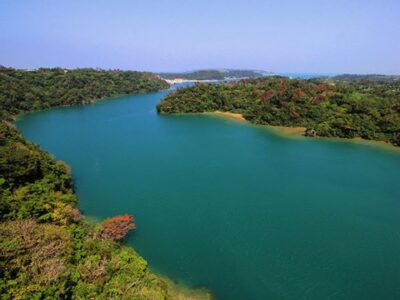
Naha: North Okinawa Sightseeing Tour & Churaumi Aquarium
Read our review →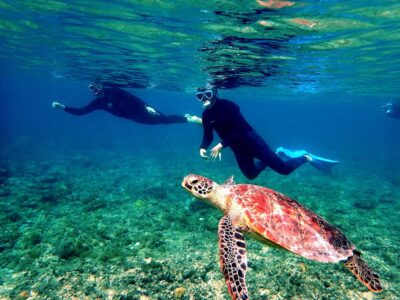
Okinawa: From Naha: Kerama Islands 1-day snorkeling tour
Read our review →
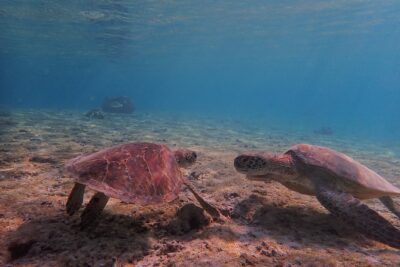
Naha, Okinawa: Keramas Island Snorkeling Day Trip with Lunch
Read our review →
Snorkeling in the Blue Cave area【Okinawa Prefecture: Free feeding & photo images!English and Chinese speaking guide available!
Read our review →Browse the lists this tour appears in