
Review · SHRINE & TEMPLE VISITS
Zodiac Shrines and Naha Backstreets Cycling Tour
Temple hopping by electric bike beats bus tours.
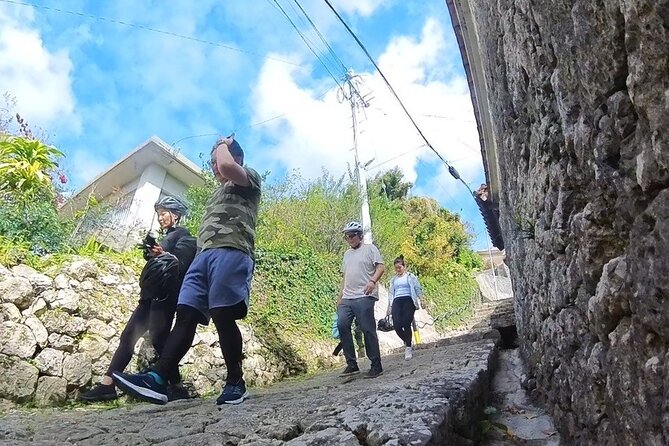
This zodiac shrines cycling tour turns Naha into a walkable-feeling pilgrimage route, mixing shrine visits with quiet stories about Okinawan worship traditions. I love how the electric bicycles make it practical to cover temple-heavy terrain without arriving exhausted, and you still get that local, back-alley feel. It is not just sightseeing, it is observing modern-day Okinawans paying respects to traditions with roots in the Ryukyu Kingdom era.
Second, I like that the guide keeps things human and useful as you ride, from safe handling on city lanes to clear explanations at each stop. Guides you might meet include Maria, Jojo, Sally, or Reija, and they focus on what you are looking at and why it matters in Ryukyuan life. The main drawback is that part of the ride can include busy streets and the day moves along at a steady pace, so if you prefer long, slow temple time, 4 hours may feel a bit “go go go.”
In This Review
- Key Highlights of the Naha Zodiac Shrines E-Bike Pilgrimage
- A Zodiac Shrines Ride That Feels Local, Not Theatrical
- Price and What Feels Like Good Value for Naha
- Where You Meet and How the Tour Starts Smoothly
- Stop by Stop: Shuri Kannon and the Vermilion Temple Feel
- Ankoku-ji Temple: Okinawan Buddhism With That Old-Temple Calm
- The Shuri Castle Ceremonial Gate for Photos and Meaning
- Sairaiin (Daruma Temple): Red Dolls, Health, and Pregnancy Prayers
- Seikoji and the Sacred Mood Change After the Main Street
- Shuritobarucho Miraculous Spring: A Princess Story You Can Feel
- Sogenji-dori and the Downhill Toward Royal Tomb Park
- How the Ride Feels: Hills, Traffic, and Staying Comfortable
- What’s Included, What to Bring, and What to Skip
- Weather Rules: When Okinawa Changes the Plan
- Who This Tour Fits Best in Naha
- Should You Book This Zodiac Shrines and Naha Backstreets Cycling Tour?
- FAQ
- How long is the Zodiac Shrines and Naha Backstreets Cycling Tour?
- Where do I meet the group?
- What kind of bikes are used?
- Are temple or shrine admission fees included?
- What is included in the price?
- What should I bring if I want water or phone photos?
- Is there a safety briefing before riding?
- How big is the group?
- What happens if the weather is bad?
Key Highlights of the Naha Zodiac Shrines E-Bike Pilgrimage
- Small group size (up to 5) keeps the ride calmer and easier for questions.
- E-bikes with a safety briefing help you tackle hills and stay comfortable.
- Free entry at each listed stop means you pay more for the experience, less for tickets.
- You cycle between Naha and Shuri landmarks tied to Okinawan belief and royal-era sites.
- You get a pilgrim book, Goshuin-cho, plus snacks for the ride.
- The route includes a downhill segment toward a sacred entombment park, so stay alert.
A Zodiac Shrines Ride That Feels Local, Not Theatrical

This tour is built for people who like culture that lives in daily life. You do not just line up at famous spots. You ride through everyday Naha, then stop at shrines and temples where worship is part of the rhythm of the neighborhood. The idea of a zodiac shrines pilgrimage adds a layer beyond “temples and photos,” because you are moving from one sacred point to the next like you are joining a continuing practice.
What makes it work well is the format: a short ride, brief temple time, then back on the bike. In a few hours you see a surprising mix, from Kannon Bodhisattva carvings to a bright red daruma shrine and a spring tied to a princess story. It is a neat way to understand how Okinawan spirituality blends sacred places, royal-era memory, and folk belief.
More Shrine and Temple visits in Naha:
- Naha: Guided E-Bike Tour of the 12 Zodiac Temples
★ 4.9 · 50 reviews - Kyoto: Fushimi Inari, Kinkakuji, Bamboo Grove 1 Day Bus Tour
★ 4.8 · 4,316 reviews - Kyoto: Tea Ceremony Ju-An at Jotokuji Temple
★ 4.9 · 3,207 reviews
Price and What Feels Like Good Value for Naha
At $108.72 per person, you are not paying just for “getting around.” You are paying for a guided, structured route plus the equipment and small comforts that keep things smooth. The included items matter: use of a bicycle, an installed cycling helmet, the pilgrim book Goshuin-cho, and snacks.
Also, each stop lists admission free during your visits, so the cost is mostly about access, guidance, and time saved figuring out the route. You are likely to spend less mental energy hunting for parking or transit transfers, and more energy actually noticing what makes these places distinct.
One more practical angle: this kind of tour is easy to do even if your Japanese is limited, because the guide can point out what you are seeing and translate the “why” into plain language.
Where You Meet and How the Tour Starts Smoothly
You meet at 3-chōme-13-20 Makishi, Naha, near Makishi Monorail Station, and it is about a 1-minute walk from the station. The tour begins with picking up your electric bicycles and a short information session.
That briefing is more important than it sounds. With e-bikes, you still need to handle the bike safely, especially when the route includes traffic and a downhill section later. A good first session also helps you avoid the common vacation mistake of feeling rushed because you have not adjusted to the bike yet.
The tour length is about 4 hours, and it ends back at the shop where you return the bicycles. After that, you are free to explore Naha on your own.
Stop by Stop: Shuri Kannon and the Vermilion Temple Feel
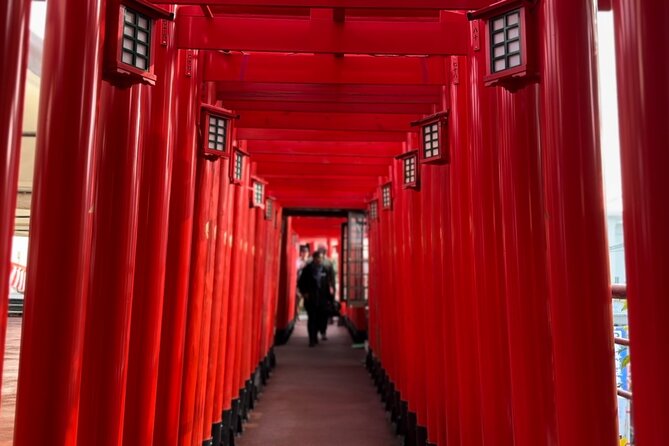
Your first temple stop is Shuri Kannondo, a place tied to Kannon Bodhisattva, often described as the guardian deity of the Ryukyu Kingdom. When you arrive, you get a close look at carvings and ornaments, and you can take in a view over the Shuri cityscape from the bright vermilion temple.
This stop works for two reasons. First, Kannon symbolism is easy to connect to what you see, because the guide explains what you are looking at while you are standing there, not after you have already left. Second, the color and the viewpoint give you a visual anchor for Shuri, so it stops feeling like you are “just passing” through.
A small practical note: with only about 20 minutes at each stop, decide early if you want more time for photos or for quiet observation. If you want both, let your first photo be quick, then slow down.
More Bike rides in Naha:
- Afternoon Adventure: Okinawa Local Cycling with Spectacular Views
★ 5.0 · 92 reviews - Okinawa: Afternoon Cycling Tour with Local Guide
★ 4.8 · 39 reviews - E-Bike Nature Tour in Shuri
★ 5.0 · 25 reviews - Shuri+Naha: Cycling Tour Explore Water Heritage with E-Bike
★ 4.9 · 22 reviews
Ankoku-ji Temple: Okinawan Buddhism With That Old-Temple Calm
Next you pass through local Naha areas where traditional houses remain, then arrive at Ankoku-ji Temple. This temple has been practicing Okinawan Buddhism for over 500 years, and it brings a different mood than the brighter, more decorative spots.
If you care about seeing how faith actually holds up over time, this kind of long-practicing temple is valuable. It is also a good reminder that Okinawan religion is not only about “big historical sites.” It is maintained in daily life, in places that have kept going for generations.
Give yourself permission to slow down for a minute here. Even if the group keeps moving, you can stand, breathe, and notice the space. That short pause changes the way the next stops feel.
The Shuri Castle Ceremonial Gate for Photos and Meaning

Then you reach Shuri Castle, specifically the special ceremonial gate that symbolizes Okinawa. It is bright vermilion and has a well-balanced design, and you get a photo moment with your bicycle in front of the gate.
This is the most “classic photo stop” on the route, but it is not only about selfies. The gate is a strong visual symbol that helps you connect the entire day to the wider Ryukyu Kingdom setting. After you have seen smaller shrine details, the gate gives you scale.
Try positioning yourself so you capture the gate and your bike without blocking the view for other people. It makes the moment better for you and kinder to the place.
Sairaiin (Daruma Temple): Red Dolls, Health, and Pregnancy Prayers
At Sairaiin (Daruma Temple), you will see many devotees and the famous bright red daruma dolls. This is a stop people visit for prayers related to good health and pregnancy, and the temple is also visited for thanks for one’s current life.
This is one of the stops that tends to stick with people because it is visually loud and emotionally clear. You can feel how the practice is both personal and communal. The guide can help you interpret what you are seeing, so the daruma dolls are not just decorative objects.
If you are the type who likes to understand meaning before you take pictures, this is a great stop to slow down. Even with a short visit window, you can read the atmosphere and watch how people approach the shrine.
Seikoji and the Sacred Mood Change After the Main Street

Next is Seikoji. You cross the main street, pass under the monorail that runs above you, and then you arrive at a temple with a more sacred atmosphere. Seikoji was rebuilt after the war, and beside the newer structure you can see what seems older and ancient in character.
This contrast matters. The monorail overhead and the main street crossing make Seikoji feel like a sudden “step aside” from everyday noise. It is also a practical cycling moment, because transitions like this remind you to watch traffic, check your speed, and stay aware when conditions change.
If you tend to get distracted by your surroundings, this is a place where you can refocus quickly. Let the guide point out the key visual cues, then take your time looking.
Shuritobarucho Miraculous Spring: A Princess Story You Can Feel
After the temple air, the tour heads to Shuritobarucho, a spring described as miraculous. Water was found deep in the forest after an Okinawan princess noticed waterfowl nearby. You get a chance to connect that story to the water’s meaning today.
This is the kind of stop I like because it breaks the day into something more than architecture. It is an origin story, a place-based explanation for why a spring matters. Even if you are not religious yourself, you can appreciate how people create a link between nature, observation, and sacred respect.
At about 15 minutes, it is not long, but the story gives you something to hold onto while you stand there.
Sogenji-dori and the Downhill Toward Royal Tomb Park
One of the most exciting moments is the ride to Sogenji-dori. You get a downhill run to the area where successive Ryukyu Kingdom kings were entombed. Today it is a park in the city, with a stone gate and banyan tree that help anchor the sacred feeling.
This stop is special because it combines motion and location. You are not only visiting a place, you are cycling through the geography. If you like a little thrill, this part delivers. Just respect the bike speed, keep your braking smooth, and avoid sudden steering.
Also, note that this stop is shorter, roughly 15 minutes, so you will want to be ready when you arrive. When the group is ready to move, the momentum carries forward.
How the Ride Feels: Hills, Traffic, and Staying Comfortable
This tour is not a flat leisure cruise. The electric bikes matter because the route includes hills and changing terrain. You will also spend some time on busy streets, which is why the earlier safety briefing pays off and why you should not rush your gear.
E-bikes help in two ways: you conserve energy, and you arrive at the sites with a clearer head. That changes your temple time because you are not fighting fatigue.
For your comfort, plan your day with simple clothing and shoes you trust on paved surfaces. Since the tour provides helmets and bikes, your job is mostly to ride steadily and stay aware, especially during the downhill stretch.
What’s Included, What to Bring, and What to Skip
Included:
- Bicycle use
- Installed cycling helmet
- Goshuin-cho pilgrim book
- Snacks
- Mobile ticket
Not included (so pack accordingly):
- Bottled water
- Camera mounts and mobile phone holder
That last bit is worth thinking about. If you like using your phone for photos, bring something you trust, like your own strap or case setup. Without a phone mount, you may be doing a quick hand-held shot when it makes sense, otherwise you will just enjoy the ride and save photos for stable stops.
Also, since water is not included, I recommend carrying a small bottle even if you think you will be fine. The tour is only about 4 hours, but you are moving, and the e-bike still has you pedaling.
Weather Rules: When Okinawa Changes the Plan
This experience depends on weather. If the precipitation probability goes over 70% or if severe weather hits, the plan may change. In that case, you are contacted the day before.
So, if you are planning around tight schedules, keep an eye on forecast updates. If rain threatens, bring a light layer and consider a small umbrella you can manage while cycling.
Who This Tour Fits Best in Naha
This tour is a good match if you want culture you can see in motion, not only from a bus window. It suits you especially if you like:
- religious and historical sites with practical context
- photography that includes your bike in front of major landmarks
- a guided route that prevents time-wasting
Most travelers can participate, and the group is capped at 5 travelers, which helps it feel more conversational and less crowded. If you have kids, children aged 1 to 5 can have a child seat attached to the parent’s bicycle, but you need to consult staff first.
If you are a solo traveler, this kind of small group is also a relief. You get companionship, but you do not feel swallowed by a big crowd.
Should You Book This Zodiac Shrines and Naha Backstreets Cycling Tour?
I think you should book it if you want a smart blend of e-bike convenience and Okinawa spirituality in a short time. The free admission stops, the included helmets, and the small-group setup make it good value for what you get, especially if you want to see both Naha and Shuri highlights without overplanning.
Skip it if you want lots of quiet time at a single temple, or if you are uncomfortable riding near traffic and on a downhill section. Also, if you dislike any weather uncertainty, remember the tour can change for conditions above the stated threshold.
If you like being outside, moving between places, and learning as you look, this is a strong pick for a half-day in Okinawa.
FAQ
How long is the Zodiac Shrines and Naha Backstreets Cycling Tour?
The tour is about 4 hours.
Where do I meet the group?
You meet at 3-chōme-13-20 Makishi, Naha, Okinawa 900-0013, Japan, near Makishi Monorail Station.
What kind of bikes are used?
The tour includes use of electric bicycles.
Are temple or shrine admission fees included?
The stops listed on the tour show admission as free during the visits.
What is included in the price?
Included items are bicycle use, an installed cycling helmet, the pilgrim book Goshuin-cho, and snacks.
What should I bring if I want water or phone photos?
Bottled water is not included, and camera mounts or a mobile phone holder are not included.
Is there a safety briefing before riding?
Yes. You pick up the electric bikes and get a brief information session so everyone can enjoy a safe ride.
How big is the group?
The tour has a maximum of 5 travelers.
What happens if the weather is bad?
If the precipitation probability exceeds 70% or in severe weather, the plan may be changed, and you will be contacted the day before.
More Cycling Tours in Naha
- Hidden Kyoto E-Biking tour
★ 5.0 · 1,843 reviews - Tokyo Guided Small-Group Biking Tour
★ 5.0 · 1,250 reviews - Bike Tour Exploring North Kyoto plus Lunch
★ 5.0 · 1,087 reviews - Tokyo Great Cycling Tour
★ 5.0 · 811 reviews
Newly listed around Naha
- Port Pick-Up: Naha Private Tour Licensed Guide& Vehicle★ 4.5 · 16 reviews
- E-Bike Nature Tour in Shuri★ 5.0 · 25 reviews
- Naha 6hr Private Walking Tour with Government Licensed Guide★ 5.0 · 73 reviews
- Okinawa Sightseeing Bus Tour★ 3.5 · 9 reviews
- Sushi Making Experience Class in Naha Makishi Public Market★ 5.0 · 35 reviews
- Okinawa:Kerama Islands experience Diving/Snorkeling/WhaleWatching★ 4.5 · 16 reviews
- Naha Bar Hopping Tour in Okinawa★ 5.0 · 28 reviews
- Traditional Japanese Costumes “Kimono”, “Yukata”, “Ryuso”, “Photograph Course “Hair Set & Lipstick & Kimono & Photography”★ 5.0 · 17 reviews
Shrine & Temple Visits, compared.

Fushimi Inari, Kinkakuji, Bamboo Grove 1 Day Bus Tour
Read our review →

Meiji Shrine, Asakusa, Skytree Bus Tour and Cruise
Read our review →
Fushimi Inari Hidden Hiking Tour (Private Option Available)
Read our review →
Osaka/Kyoto:Kinkakuji,Arashiyama,FushimiInariShrine,NaraPark
Read our review →
Asakusa Walking Tour with Sensoji Temple Visit
Read our review →
Nikko: Kegon Falls, Lake Chuzenji & Toshogu Temple
Read our review →
Kamakura & Enoshima Day Trip including Temple Tickets
Read our review →Browse the lists this tour appears in