
Review · SUMO STABLE VISITS
Osaka: Sumo Wrestling Tournament with Chair Seat Tickets
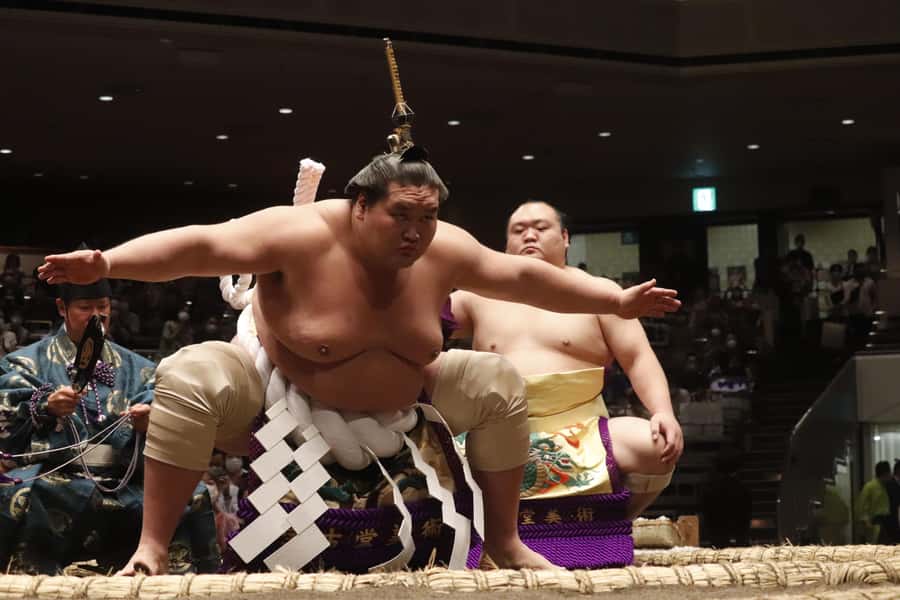
Sumo in Osaka feels ancient and electric. This tour pairs chair-seat tickets with an English guide, so you can follow bouts, rankings, and rituals instead of just watching motion. You also get help spotting key wrestlers and matchups, which turns the noise into something you actually understand.
The main trade-off is comfort and control: these are 2F chair seats you cannot choose, and views can be tight. Also, sumo bouts are fast, so if you want nonstop action, you might find the rhythm takes getting used to.
In This Review
- Quick Key Points You Should Know
- From Namba to the Dohyo: Your 2:15 PM Start in Osaka
- What You’ll See: How the Tournament Builds in the Afternoon
- Chair Seats at Edion Arena Osaka: The View and the Trade-Off
- Meeting the Ritual: Salt Purification, Respect, and Shinto Roots
- The Guide Factor: Turning Noise Into Meaning
- Tour Flow Breakdown: What Happens Before and After the Bouts
- Price and Value: Why $122 Can Make Sense Here
- Who This Suits Best, and Who Should Rethink It
- Practical Tips So You Enjoy It More
- Should You Book This Osaka Sumo Tour?
Quick Key Points You Should Know
- Tickets are included so you skip the scramble when tournaments sell out fast
- English support is built in with rule basics and wrestler context during the afternoon
- You target prime timing, including the stronger-rank entrance ceremony around 3:30 pm
- Your seating is fixed to 2F chair sections, and the group may sit toward the back
- Guides often come prepared with printed cheat sheets, like top match highlights and who to watch
From Namba to the Dohyo: Your 2:15 PM Start in Osaka
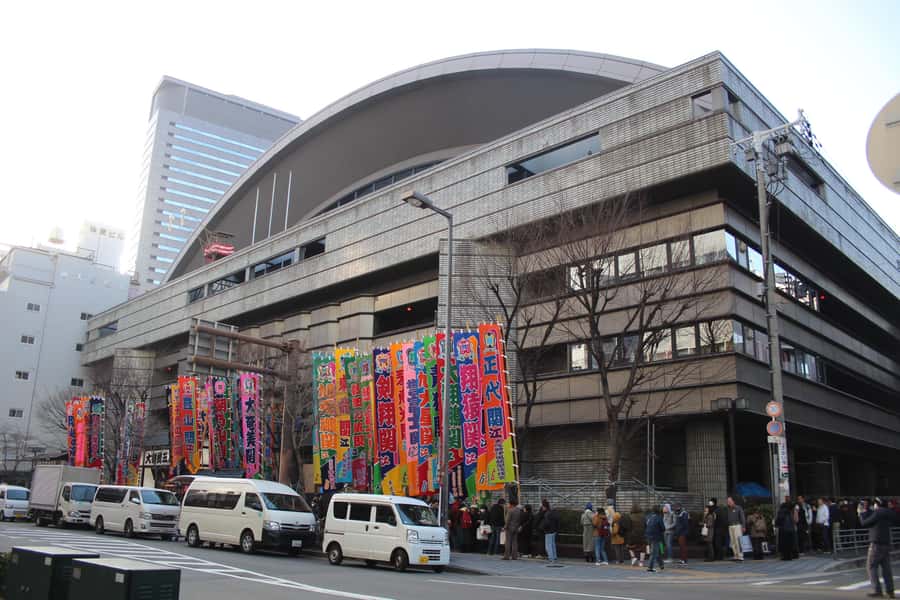
This is an afternoon-focused sumo experience, with your day beginning at 2:15 PM at the Ōsaka Namba Post Office. Your guide is easy to spot, holding a signboard that says Japan Wonder Travel. If Osaka navigation is already a little stressful for you, do yourself a favor and arrive early enough to get oriented before the group gathers.
From there, the tour shifts from city streets to tournament mode. Expect a guided pre-brief and then a smooth walk-in to Edion Arena Osaka, where the atmosphere is the real show: big indoor energy, lots of voices, and the sense that everyone there knows the rules better than the average sports fan.
One practical note from how the event runs: sumo has clear “rising moments.” Your tour timing lines up well with those late-afternoon highlights, rather than forcing you to spend a full day waiting for the top names.
Compare these Sumo Stable visits in Osaka:
- Osaka: Sumo Show & Experience w/ Optional Kimono & Hot Pot
★ 4.5 · 609 reviews - Osaka: Sumo Stage Show with Bento or Snack + Fight & Photo
★ 4.3 · 364 reviews - Osaka:SUMO BEATS SHOWCASE: Taiko Drum and Wagyu burger!
★ 4.2 · 37 reviews
What You’ll See: How the Tournament Builds in the Afternoon
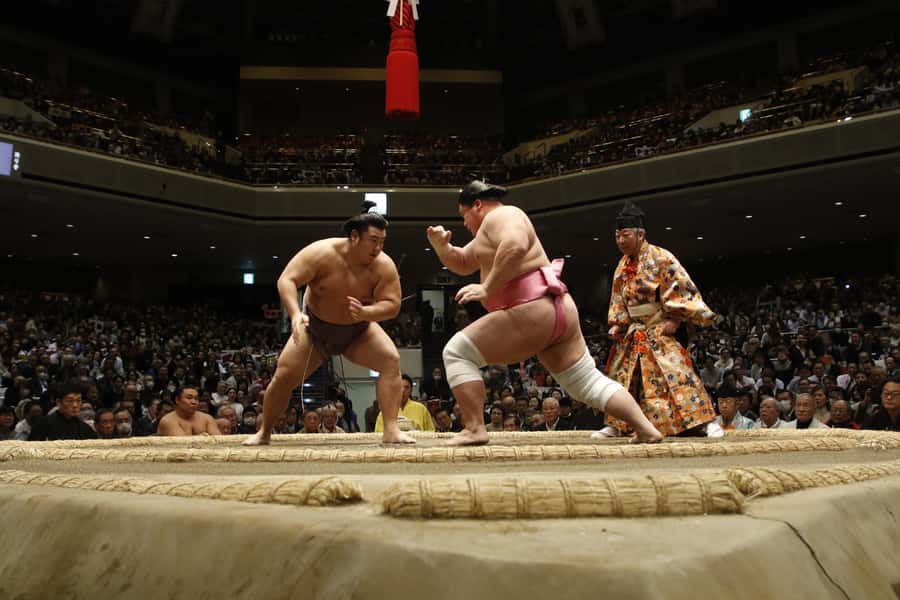
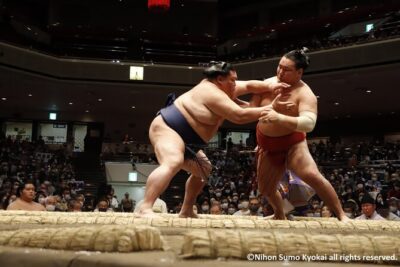
Sumo tournaments happen six times a year, and Osaka hosts the tournament in March. The big idea is that the afternoon progression matters. Early on, you tend to see lower-ranked bouts. Later, the card gets stronger, and wrestlers you recognize from rankings and reputation take the spotlight.
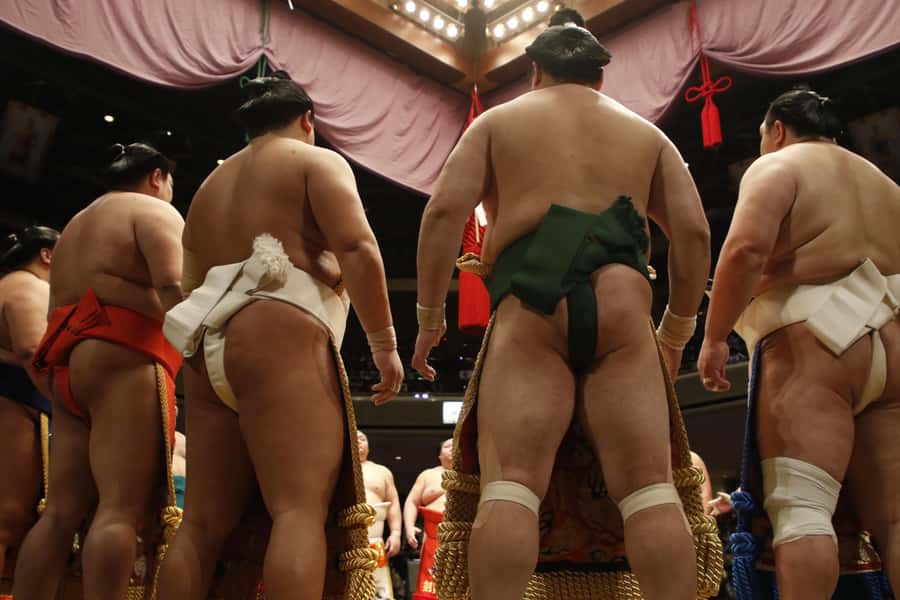
Your tour runs about 210 minutes, and the schedule is designed so you’re not just sitting quietly through filler. Instead, you’re there for the moments that make sumo feel like a tradition, not only a sport. Around 3:30 pm, the event reaches a key ceremonial point: the dohyo-iri ring-entering ceremony, when the crowd attention spikes and the wrestlers arrive with a more ritual feeling.
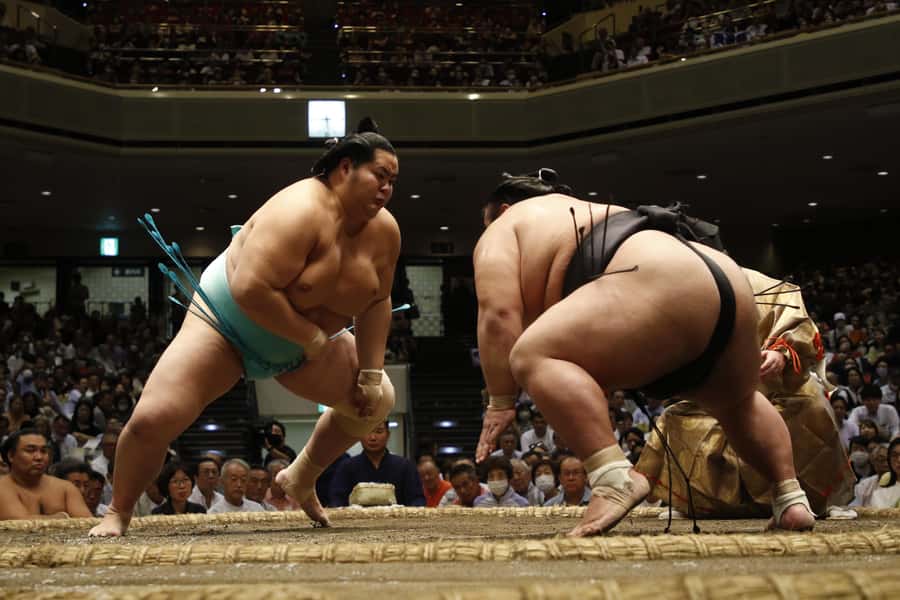
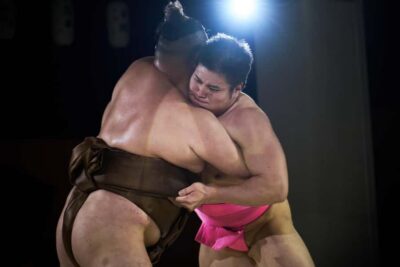
Bouts themselves are short. Many end in under a minute. Between matches, there’s downtime. This is not a stadium where something happens every second. It’s more like chess with thunder crashes: quick conclusions, then resets. If you go in expecting a constant sprint, you might be surprised by the pacing.
That said, once you understand what you’re seeing, the gaps become useful. You’ll start tracking wrestlers, not just watching collisions. And with a guide, you get the context that makes those seconds between bouts feel like part of the event, not lost time.
Chair Seats at Edion Arena Osaka: The View and the Trade-Off
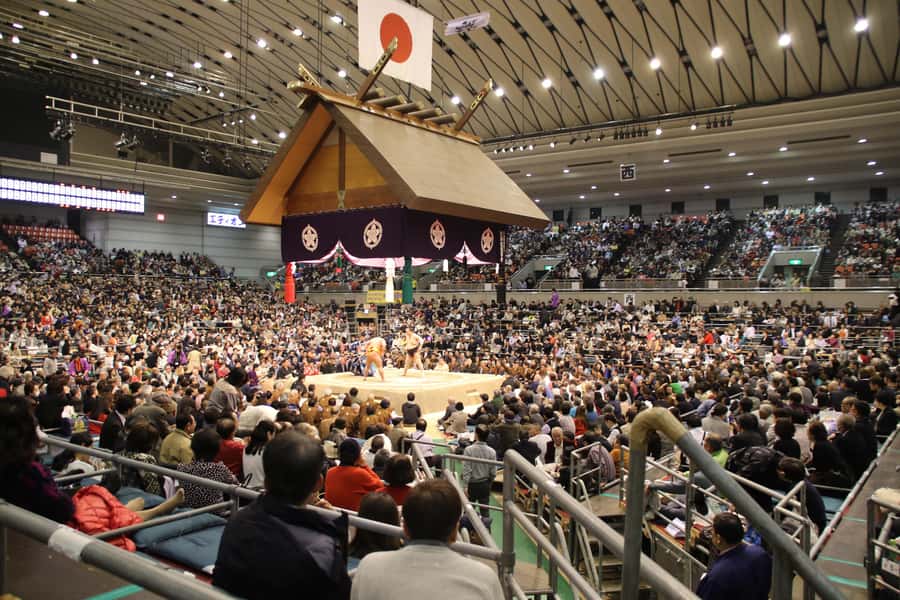
This tour uses chair-seat tickets in 2F sections, and depending on the option you choose you’ll land in Chair S, A, B, C, or D. What you cannot do is pick the exact seats ahead of time. The guide hands out tickets on the tour date, based on the option you booked.
So what does that mean for you?
- Comfort is decent enough for an afternoon, but seats are compact, and legroom is not where you want to spend your energy.
- View can vary depending on where your group is placed. A couple of seat-location complaints in the wild are usually about ending up toward the back two rows rather than closer to the action.
If you hate uncertainty, this might feel annoying. But if you’re more focused on the experience than a perfect angle, chair seats are a smart compromise. And importantly, the value comes from knowing you’re not gambling on finding a ticket at the last second.
Also, keep expectations realistic if you’re tall or traveling with bulky items. Large luggage cannot be brought into the seating area, and baby strollers are not allowed. If you’re traveling light, you’ll feel much more relaxed once you arrive.
Meeting the Ritual: Salt Purification, Respect, and Shinto Roots
Sumo is not only a wrestling match. It is ritual plus sport, and your guide helps you catch that shift.
You’ll learn how sumo is believed to have ancient ceremonial origins. One common explanation you’ll hear is that sumo began as a performance to entertain Shinto deities, with the legend that gods practiced sumo before passing it to humans. Over time, sumo became connected to Shinto rituals tied to ensuring a good harvest.
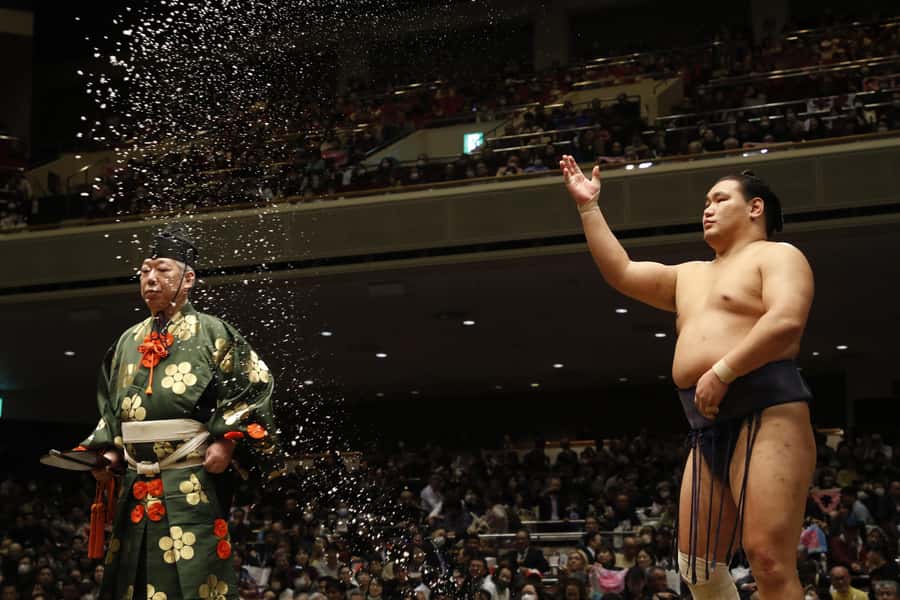
During the tournament, you can see reminders of those older roles. Wrestlers perform ring-related rituals, including purifying the dohyo with salt and showing respect before a bout begins. When you understand why those steps exist, they stop looking like random stagecraft. They become a visible thread connecting today’s arena to the older spiritual story.
I especially like this part of the tour because it changes what you notice. You stop treating sumo as just physics and start noticing the choreography, the intent, and the discipline.
A few more Osaka days to weigh up
- Osaka Go Karting Tour with Funny Costume
★ 5.0 · 2,658 reviews - Osaka Castle: Museum and Tower Entry Ticket
★ 4.5 · 2,380 reviews - Osaka: Shinsekai Food Tour with 13-15 Dishes at 5 Eateries
★ 4.8 · 2,204 reviews - Osaka Food Tour: 13 Dishes at 5 Local Eateries
★ 5.0 · 2,149 reviews
The Guide Factor: Turning Noise Into Meaning
This is where the tour earns its high scores. Most people don’t come to sumo without curiosity. They come for culture, spectacle, and a chance to say they saw Japan’s national sport live. But the reason this experience is consistently praised is simple: the guide makes you able to follow.
You’ll get an explanation of the basics, and then the guide keeps working in real time, pointing out what’s happening and why it matters. Several guides are mentioned by name in experiences, including Tadashi Okumura, Keiko, Yoshi, Midori, Satsuki, Yoko, Yuji, and Yoshi again. The specific names vary by date, but the pattern is the same: the guide treats sumo like something you can learn, not something you must endure blindly.
What you might receive can include printed handouts. One guide prepared laminated sheets with top match notes, wrestlers to watch, and even the current win-loss records. That kind of prep matters because it turns your seat time into active learning.
Guides also help you connect the human side of the sport. You’ll hear background stories on wrestlers and how they’re ranked. If you’re cheering, you’ll do it with purpose, not just random shouting.
One more practical benefit: navigating to the event is often the hardest part for non-Japanese speakers. Your guide is there to handle the flow and keep the group together so you don’t spend the afternoon lost with your ticket in your pocket.
Tour Flow Breakdown: What Happens Before and After the Bouts
Here’s the rhythm you should expect from a practical standpoint.
You meet at 2:15 PM at Namba Post Office. Then you spend a chunk of time on a guided tour and sightseeing portion, billed around 3 hours. This is long enough for a real briefing, and it also helps the day feel like a complete activity rather than a rushed ticket pickup.
After that, you finish at Edion Arena Osaka, where the tournament portion unfolds during your remaining time window. Because the stronger-rank ceremony is about 3:30 pm, your tour timing is set up so you arrive with enough lead-in to understand what you’re about to see, not only when the first bout starts.
Between bouts, you’ll likely hear additional explanations. That’s another reason the guide is valuable. Sumo has a lot of small signals, and without context, you might miss what caused a result. With a guide, you learn to notice those cues.
Price and Value: Why $122 Can Make Sense Here
At $122 per person, this is not a budget-only outing. So you should ask, what am I paying for?
You’re paying for two things:
- Ticket access, with chair seats included. Sumo tournament tickets can be hard to get, and tours like this reduce the stress of hunting and verifying seating.
- Meaningful guidance, in English, that explains what you’re looking at and helps you follow the flow of bouts.
If you can buy official tickets yourself at a lower price, you might save money. Some people have pointed out that direct tickets can be cheaper. But the trade-off is time and effort, and sometimes that’s exactly what you want to spend less of during a trip.
When the guide includes helpful match context and printed materials, the experience stops being only a seat in a crowd. It becomes an organized introduction to how sumo works.
So for me, the value lands when you want both the event and the understanding. If you only want the noise and you’re fluent in sports rules already, you may feel the cost is harder to justify.
Who This Suits Best, and Who Should Rethink It
This is a great fit if you want a local cultural experience that isn’t “museum culture.” You also have a shot at making it genuinely fun even if sumo rules are totally new to you, thanks to English explanations and wrestler guidance.
It’s also a decent fit for couples and solo travelers who want a shared activity with structure. The guide checks in on groups during matches and answers questions, and you can stay engaged even when there are short breaks between bouts.
But consider skipping or adjusting expectations if:
- You dislike sports and want constant action. The pace includes lots of downtime, and many bouts are very quick.
- You need guaranteed proximity to the ring. These are fixed 2F chair seats that you cannot choose.
If you’re sensitive about comfort, note the seating is compact. If you’re bringing gear, note that large luggage can’t go into the seating area.
And if you use a wheelchair, this one is not suitable per the tour rules. Plan an alternative activity where accessibility is built in.
Practical Tips So You Enjoy It More
A few grounded tips will help you have an easier time once you arrive:
- Arrive a little early for the meeting point. Even when it’s a clear landmark, Osaka can be a maze at street level.
- Dress for an indoor arena. Even if it’s mild outside, indoor air conditioning can surprise you.
- Bring a small bag only. Large luggage is not allowed into the seating area.
- Expect short bouts and settle in for the rhythm. When you know what matters, downtime feels less like waiting.
- If you’re hoping to cheer for someone, let the guide steer you. Some guides actively encourage cheering for local wrestlers.
Food is not described in detail for this tour. One guest felt they could bring food, with limited options available inside. If eating is part of your plan, I’d treat it as a “might be limited” situation and keep your expectations flexible.
Should You Book This Osaka Sumo Tour?
Book it if you want the easiest path to a top-sport, genuinely Japanese event, and you care about understanding what you’re watching. The biggest win here is the combo: tickets included plus an English guide who explains rules, history, and wrestler context while the tournament rolls on.
Skip it or consider another approach if you only want nonstop action and you dislike compact arena seating where you cannot pick your exact spot. Also skip if you need wheelchair accessibility, since this tour isn’t built for that.
If you’re curious about sumo but don’t want to figure it all out alone, this is a smart way to spend an afternoon. And when the dohyo ceremony hits around 3:30 pm, you’ll be one of the people who actually knows why the moment matters.
Newly listed around Osaka
- Osaka: Private Ceramic Painting Workshop★ 5.0 · 13 reviews
- Eat Like a Local in Osaka – Private Custom Street Food Tour★ 4.3 · 33 reviews
- Pickleball in Osaka & Kyoto with Locals!★ 4.6 · 64 reviews
- Osaka:SUMO BEATS SHOWCASE: Taiko Drum and Wagyu burger!★ 4.2 · 37 reviews
- Osaka/Kyoto: Kiyomizudera Fushimi Inari, Nara Tour w/ Pickup★ 4.5 · 8 reviews
- OSAKA:Japanese Taiko Drum Experience – WADAIKO RHYTHM QUEST★ 4.9 · 13 reviews
- Osaka: Walking Tour to Local Gems, Food & Culture★ 4.9 · 21 reviews
- Osaka: Private Discovery Tour with a Local★ 4.7 · 11 reviews
Sumo Stable Visits, compared.
Sumo Show Experience with Chicken Hot Pot and a Photo
Read our review →
Tokyo Sumo Entertainment Show with Chicken Hot Pot and Photo
Read our review →
Tokyo Grand Sumo Tournament Viewing Tour with Tickets
Read our review →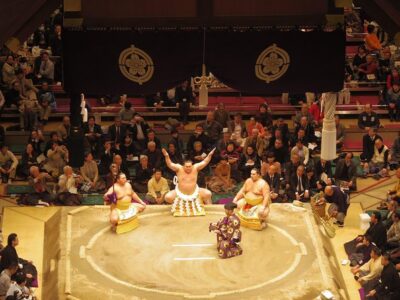
Sumo Show & Experience w/ Optional Kimono & Hot Pot
Read our review →Browse the lists this tour appears in