
Review · SUMO STABLE VISITS
Tokyo Sumo Wrestling Tournament Experience
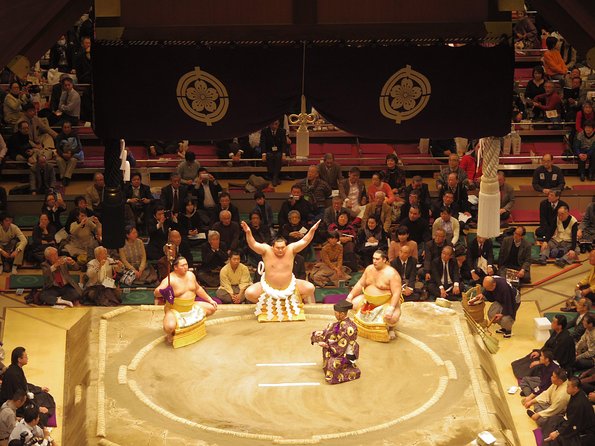
Sumo hits hard in Tokyo. This guided Tokyo sumo tournament experience at Ryogoku Kokugikan turns a big, loud spectacle into something you can actually follow, with reserved chair seats so you do not spend the afternoon standing. You also get quick context at the sumo museum and a walk around the Ryogoku area, which helps the rituals make sense once the bout starts.
I especially like the way the tour leans on real teaching, with guides who stay energetic and explain what to watch, how the match works, and why the traditions matter. In the group, I saw names like Tetsu, Taka, Yuko, and Kenichi connected with high praise for making the rules feel clear and the crowd feel understandable, not confusing. I also like that you can add the included Japanese hot pot lunch, which turns a “ticket only” outing into a smoother half-day plan.
One consideration before you book: the total price can feel steep if you compare it to a face-value stadium ticket price you might find elsewhere. And once you are seated, comfort is practical, not plush, since the chair seats are cushion style with no backrest, and you remove your shoes when sitting.
In This Review
- Key points to know before you go
- Why Ryogoku Kokugikan is the sumo place to go
- Meeting at Ryogoku Station and getting your seat sorted early
- Ryogoku area walk and the sumo museum stop
- Reserved chair and box seats: comfort rules you should know
- The tournament afternoon: rituals, force-out moments, and real crowd energy
- Optional Japanese hot pot lunch that actually helps the timing
- Price and value: what $124 buys you, and what might feel off
- Who should book this sumo tournament tour?
- Should you book it?
- FAQ
- What kind of seats do I get?
- Where do I meet for the tour?
- How long is the tour?
- Is lunch included?
- Do we always visit the sumo museum?
- What should I know about sitting comfort and shoes?
- What is the cancellation cutoff?
Key points to know before you go
- Reserved chair seating at Ryogoku Kokugikan means you can focus on the bouts instead of hunting for views.
- An English-speaking guide helps you understand the rituals, the rules, and the wrestlers, so the roar has meaning.
- Seat location details matter: most get chair seats on the 2nd floor, with box seat options on the 1st floor.
- A quick stop at the sumo museum adds context, but it may be skipped if it is too crowded.
- Optional hot pot lunch is included with the lunch plan, saving you a meal decision during tournament season.
- Group size stays small (max 15), which keeps the pace manageable in a busy venue.
Why Ryogoku Kokugikan is the sumo place to go
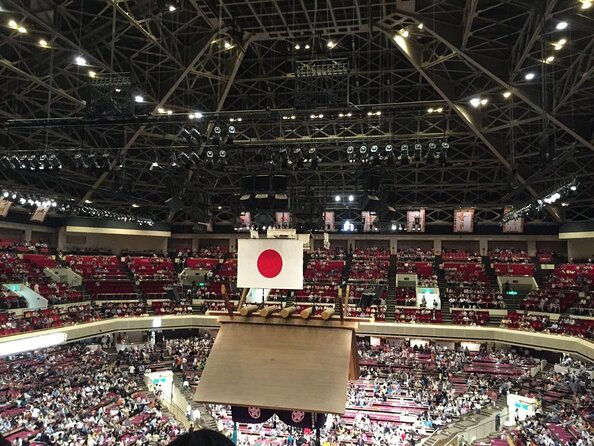
Tokyo’s sumo tournaments are a seasonal highlight, and Ryogoku Kokugikan is where the action centers. This is one of three annual tournaments in Tokyo, so if you hit the dates, it feels like catching sumo at its peak rhythm. Even if you are a first-timer, you will quickly notice that the day is not only about the final result. It is about the build-up, the ceremony, and how the crowd reacts match by match.
Sumo also has a long cultural backstory. The tour frames it as a sport with roots over 1,500 years old, with development tied to Japan’s Shinto religious system. That matters because sumo is not just athletic competition here. It is a performance with rules, symbolism, and a strong sense of heritage. When your guide points out what you are seeing, the bouts stop being random pushing and start looking like a chess match with bodies.
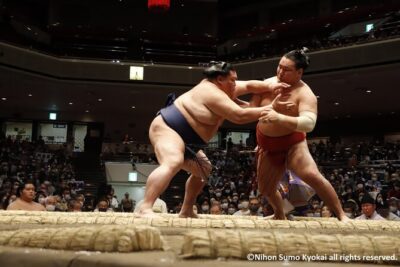
The stadium setting helps too. Ryogoku Kokugikan is built for noise, and the atmosphere is part of the experience. You feel the match momentum as the crowd shifts with it, and you can sense the intensity in the way opponents test distance and timing before contact.
Compare these Sumo Stable visits in Tokyo:
- Tokyo: Sumo Show Experience with Chicken Hot Pot and a Photo
★ 4.8 · 6,678 reviews - Tokyo: Sumo Show and Dining Experience
★ 4.8 · 2,742 reviews - the SUMO show
★ 5.0 · 1,960 reviews
Meeting at Ryogoku Station and getting your seat sorted early
Your day begins around Ryogoku Station, specifically the West Gate meetup for most options. For chair seating options labeled S, A, and B, you meet at JR Ryogoku station West gate. If you picked the Chair C option, the meetup moves to Ryogoku River Center. If you are going with the lunch plan, you meet at Ryogoku Hanano-mai Restaurant.
This is not just “show up and wander.” The tour is timed and group-paced, and you want to be there on time so you do not feel rushed. The guide hands out the ticket on the tour date, and you are not expected to manage ticketing alone. For anyone who has ever tried to wrangle event seats in Japan, that peace of mind is a real value.
A small group size also matters here. With a maximum of 15 travelers, it is easier to move as a unit inside the station and around the stadium area without losing people. You do not get that large-tour feeling where you spend half the time waiting for the group to regroup.
Practical tip: if you want the extra street vibe people love around Ryogoku during tournament season, arrive a touch early. Some guides and groups suggest showing up before your set time so you can catch more of the sumo rhythm around the area as the day starts moving.
Ryogoku area walk and the sumo museum stop
After you meet, you walk over to Ryogoku Kokugikan. This part is short, but it helps you settle in. You are not dropped at the door and left to figure it out. You get a guided transition from the outside neighborhood into the stadium world.
Inside, the tour includes a visit to the sumo museum. The catch is simple: it may be skipped due to congestion. Tournament days get busy, and if the line or crowd density is too much, the guide will prioritize getting you seated and ready for the bouts.
What you gain from the museum stop is background. The tour is designed for people who want tradition and context, not only the match itself. Even a short museum visit can help you recognize terms and understand why certain rituals happen before action begins. That is what makes the tournament feel less like you are watching random wrestling and more like you are following a structured cultural event.
If the museum does get skipped for crowd reasons, you still keep the core benefit: you move into your seats with a guide explaining what you will see next.
Reserved chair and box seats: comfort rules you should know
This is one of the biggest reasons the tour is appealing. Instead of standing and hoping you have a good view, you get reserved seating. You also get clearer logistics about where you end up inside.
You are told you will get chair seat on the 2nd floor. On the 1st floor, there are only box seats. The box seat setup also has an advantage if you are traveling with a small group, because 1F box seats provide your own private seating space without sharing.
Now for the practical side that can surprise people. The seating is cushion style without a backrest. Also, you remove your shoes when sitting. That is normal for many venues in Japan, but you will want to plan clothing and footwear accordingly so it does not slow you down.
If you are bringing binoculars because you are a genuine sumo fan, that is something you might consider. One review specifically called out bringing binoculars for a close look, especially if your seat is higher up and you want to read details on movement.
For families and strollers: the tour data says there is a place in the stadium to store baby strollers, but they cannot be brought up to the seats. If you are traveling with a stroller, go in knowing you will step away from it during seating time.
And one more common-sense note: large luggage cannot be brought into the seat area. Light carry is easiest.
A few more Tokyo days to weigh up
- Mt Fuji and Hakone 1-Day Bus Tour Return by Bullet Train
★ 5.0 · 26,383 reviews - 1-Day Tokyo Bus Tour
★ 5.0 · 14,250 reviews - Tokyo: TOKYO SKYTREE® Admission ticket
★ 4.5 · 11,192 reviews - Tokyo: teamLab Planets TOKYO Digital Art Museum Entry Ticket
★ 4.6 · 9,779 reviews
The tournament afternoon: rituals, force-out moments, and real crowd energy
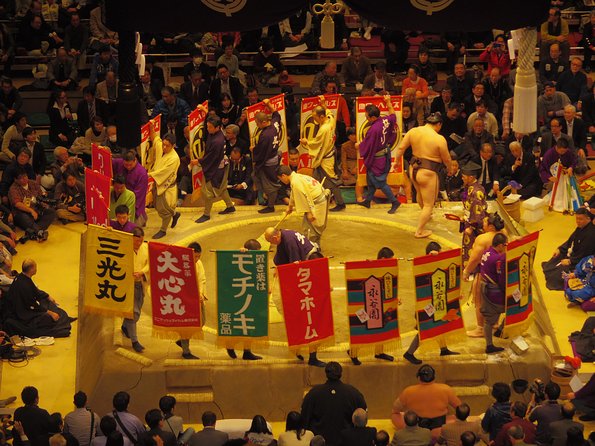
Your main event is the sumo tournament itself at Ryogoku Kokugikan. The tournament segment runs for about three hours, and the tour ends around 6:00 pm.
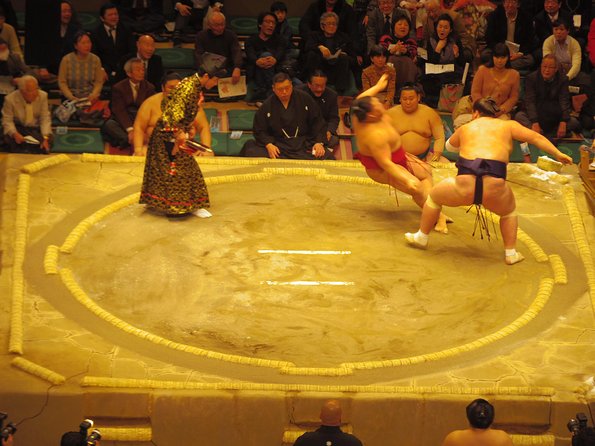
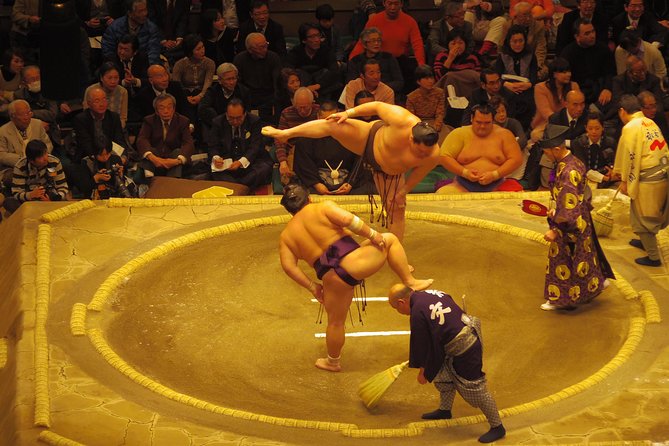
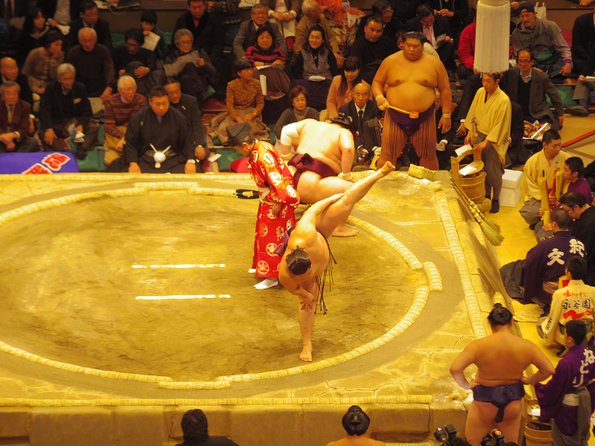
This is where sumo becomes surprisingly gripping. The guide’s job is to help you read what is happening. Instead of only watching for the winner, you learn to spot the pattern: how wrestlers test balance, how they close distance, and how they aim to force the opponent out of the ring. The tour description emphasizes the key idea of trying to push or force an opponent out of their ring, and you will feel the crowd’s roar swing as momentum changes.
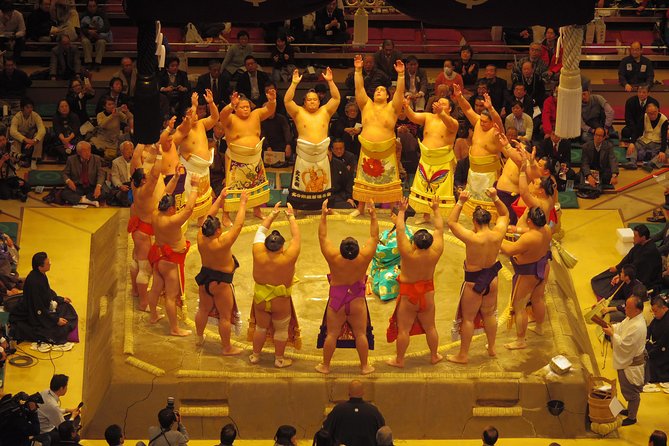
The beginning of matches is also a big deal. Reviews mention the ceremony at the start of bouts, and that is often where first-timers feel the most awe. Once you understand what the ceremony signals, it stops feeling like random pageantry and starts feeling like the sport’s setup.
How many bouts will you see? The tour gives you a clear time block for the afternoon session. Some groups report around 16 bouts in the senior portion of the schedule they attended, even including Japan’s top wrestler. That exact lineup depends on the tournament day and schedule, but you should expect a full afternoon of action, not a quick taste.
One more possible bonus: occasionally, there can be brief moments as wrestlers exit the venue. Some groups reported a quick meet or photo opportunity when a sumo wrestler was leaving. Do not plan your whole day around it, but it is the kind of small payoff that makes a “just watch” ticket feel memorable.
Optional Japanese hot pot lunch that actually helps the timing
If you choose the lunch plan, Japanese hot pot lunch is included. You meet at Ryogoku Hanano-mai Restaurant, then you move into the stadium day plan.
This is a smart choice for most people. Tournament days can make food planning stressful, especially if you arrive hungry and your seat time is fixed. An included meal keeps the afternoon smooth. Also, hot pot is exactly the kind of comfort food that pairs well with a long sitting event where you cannot easily wander out for a quick snack.
If you have allergies or dietary restrictions, the tour data says you should inform the provider at booking or after reserving. Since hot pot ingredients can vary, this is one of those “tell them early” situations where it is worth taking care before you go.
Even if you skip lunch, the tour still fills your schedule with museum and seating time. But lunch helps you avoid turning the day into a rushed search for the nearest restaurant.
Price and value: what $124 buys you, and what might feel off
This tour is priced at $124 and includes the tournament ticket with reserved seating, the local professional English guide, and (if you choose it) the hot pot lunch.
For value, the key is what is bundled:
- You get guide interpretation, which saves you time figuring out what matters and what to watch.
- You get reserved seating, so you are not spending your money for the privilege of standing in a crowded venue.
- You get a structured half-day, including a museum stop and a guided walk through Ryogoku.
The price can still feel high if you compare it to a face-value ticket you might see published elsewhere. One review mentioned a major ticket price mismatch they noticed after paying through a platform, which left them feeling ripped off. I cannot verify any individual receipt, but I can tell you this: event ticket pricing through third parties can include service costs and varies by availability.
Here is the balanced way to look at it. If you are comfortable buying tickets yourself early, you might find cheaper options. But if you show up during tournament season and inventory is limited, buying a package can be worth it for the simplicity. Reviews even liken it to buying sold-out concert tickets, where the convenience cost is part of the deal.
So I would treat $124 as a convenience-and-context fee. You are paying not only for entry, but for an afternoon that makes the sport understandable and easier to enjoy.
Who should book this sumo tournament tour?
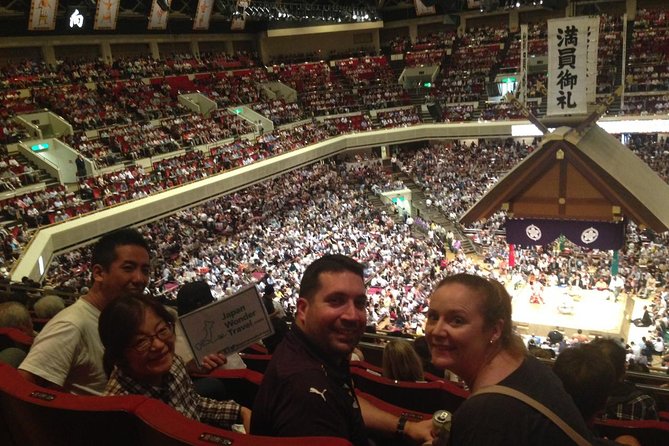
I think this is a great fit if you want sumo to feel like a cultural experience, not just a spectacle. The guide-led explanation is the difference between watching bodies collide and understanding why the ritual and rules matter.
It also suits travelers who care about logistics. You get set meeting points, a timed plan that keeps you moving, and a guide who helps you handle the venue flow without confusion. With a max group size of 15, the experience stays human scale.
It is also family-friendly in a practical way. The tour data says children 3 and under can enter for free but will need to sit on your lap, and children 4 and up need their own ticket. One review mentioned bringing an 11-month-old and feeling that the venue worked well for young children, so it appears the stadium environment can handle family needs, as long as you plan around seating rules and stroller storage.
If you are a sumo superfan, the reserved seat is still useful, and you might add binoculars to improve the close-up feel. If you are not a superfan yet, the guide is what turns you into one by the end of the afternoon.
Should you book it?
Book this tour if you want the best chance of enjoying sumo without extra planning. The reserved seating, shoe-off venue etiquette handled with guidance, and an English-speaking guide who can explain the structure of the matches are exactly what make it worth it for most first-timers.
Skip it or reconsider if price sensitivity is your main concern and you plan to buy tickets on your own ahead of time. The experience is still sumo, and you will still get the sport. But the tour’s strongest value is the context, and that is what you are paying for.
If you are traveling during a tournament and you care about having a clear, easy afternoon, this is one of the simplest ways to do it right at Ryogoku Kokugikan.
FAQ
What kind of seats do I get?
You will get chair seats on the 2nd floor. Box seats are on the 1st floor, and box-seat guests choose that option.
Where do I meet for the tour?
For chair S, A, and B options, you meet at JR Ryogoku station West gate. For Chair C seats, you meet at Ryogoku River Center. If you choose the lunch plan, you meet at Ryogoku Hanano-mai Restaurant.
How long is the tour?
The tour runs about 3 hours 30 minutes total, and it finishes around 6:00 pm.
Is lunch included?
Lunch is included only if you select the lunch plan. The lunch provided is a Japanese hot pot lunch.
Do we always visit the sumo museum?
A sumo museum visit is included, but it may be skipped due to congestion.
What should I know about sitting comfort and shoes?
The chair seating is cushion seating without a backrest, and you need to remove your shoes when sitting.
What is the cancellation cutoff?
Free cancellation is available up to 24 hours in advance for a full refund. If you cancel less than 24 hours before the start time, the amount you paid is not refunded.
Newly listed around Tokyo
- Tokyo private transfer for Yokohama Port★ 4.5 · 63 reviews
- Tokyo Allstar Food Tour★ 4.5 · 206 reviews
- Luxury Kimono Photoshoot at Ginza Tokyo★ 5.0 · 7 reviews
- Tokyo Art Aquarium Museum E-Ticket with optional Tokyo Metro Pass★ 5.0 · 17 reviews
- Tokyo: Best Ginza Food Tour at 3 Local Eateries★ 5.0 · 83 reviews
- Private One Day Nikko Tour with Bilingual driver★ 3.5 · 11 reviews
- PRIVATE tour in 180SX to Daikoku+++++★ 5.0 · 6 reviews
- Kabuki Talk★ 5.0 · 10 reviews
Sumo Stable Visits, compared.
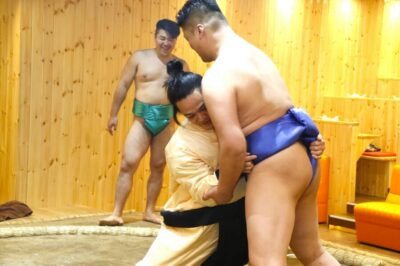
Sumo Show Experience with Chicken Hot Pot and a Photo
Read our review →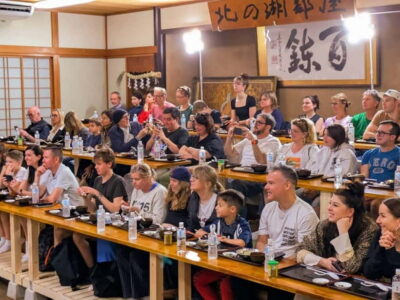
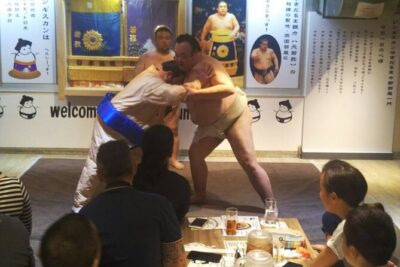
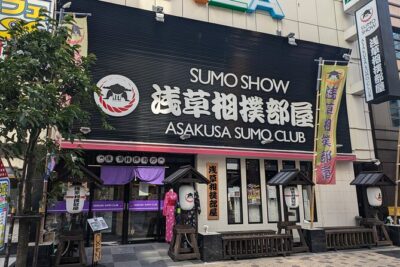
Tokyo Sumo Entertainment Show with Chicken Hot Pot and Photo
Read our review →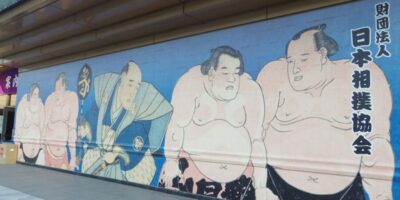
Tokyo Grand Sumo Tournament Viewing Tour with Tickets
Read our review →
Sumo Show & Experience w/ Optional Kimono & Hot Pot
Read our review →
Authentic Sumo Experience in Tokyo: Enter the Sanctuary
Read our review →Browse the lists this tour appears in