
Review · SAPPORO TOURS
Otaru Rickshaw Tour
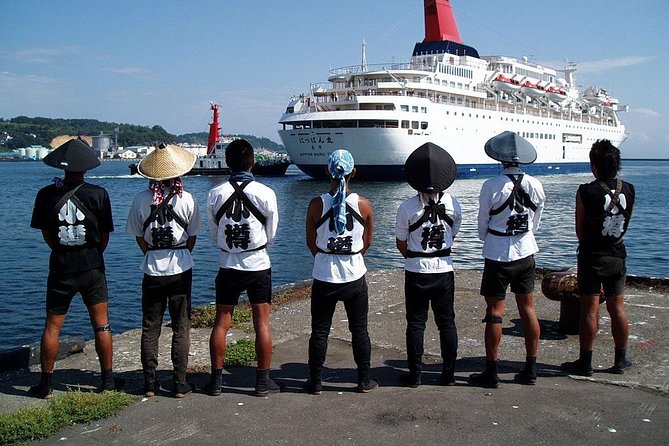
A rickshaw in Otaru feels old-school and fast. You get Otaru canal views right away, then you’ll spend real time around the quieter corners too, including a stop for the former Nippon Yusen Kaisha Otaru Branch inside the old post office. I love how the ride gives you an easy orientation for later walking, and I love the way guides like Koto and Kuma turn small details into clear, useful stories. One possible drawback, especially if you have a larger group, is comfort, because the rickshaw is narrow and you may need more than one rickshaw for everyone to sit comfortably.
This tour is private for your group, so you are not sharing the experience with strangers. It also moves at a human pace, with a duration ranging from about 30 minutes to 2 hours, so it can work as a snack-sized cultural stop between other Otaru plans. Just keep in mind it does not include hotel pickup, and the meeting point is the Central Bridge area (Chuo-bashi), so you’ll want to get yourself there on time.
In This Review
- Key things that make this Otaru rickshaw tour worth it
- Stepping into Otaru by rickshaw
- Price and value: what $42.90 per person is really paying for
- Where you meet at Chuo-bashi, and how timing works
- The route stop by stop: canal icons, old rail, and marina air
- Guides like Koto and Kuma: the difference between seeing and understanding
- Comfort and safety: rickshaw fit rules you should check first
- How to plan your day around this Otaru rickshaw tour
- Practical tips that make the ride smoother
- Should you book this Otaru rickshaw tour?
- FAQ
- How long is the Otaru Rickshaw Tour?
- What is included in the price?
- What is not included?
- Where do I meet the tour?
- Is the tour language guaranteed?
- Can everyone ride a rickshaw?
- What is the cancellation policy?
Key things that make this Otaru rickshaw tour worth it
- Canal-first route, including the north Otaru canal area and the classic warehouse-view bridge.
- A real indoor stop at the former Nippon Yusen Kaisha Otaru Branch old post office (admission ticket not included).
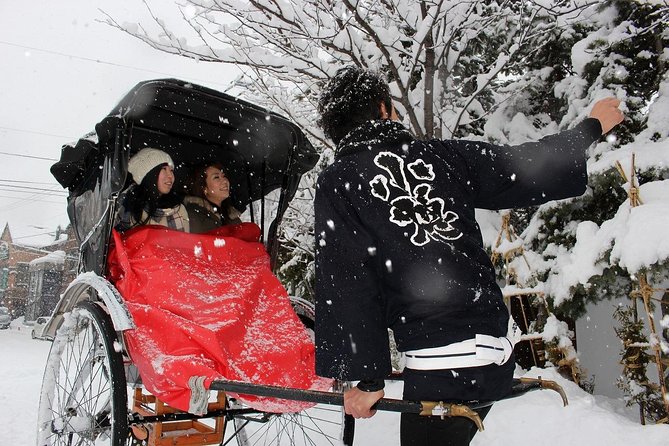
- Guide-led storytelling, with English-speaking drivers such as Koto or Kuma mentioned for clear explanations and good humor.
- You get your bearings fast, making later self-guided walking around Otaru easier.
- Comfort planning matters, because there’s a maximum of 2 adults per rickshaw and the width is limited.
Stepping into Otaru by rickshaw
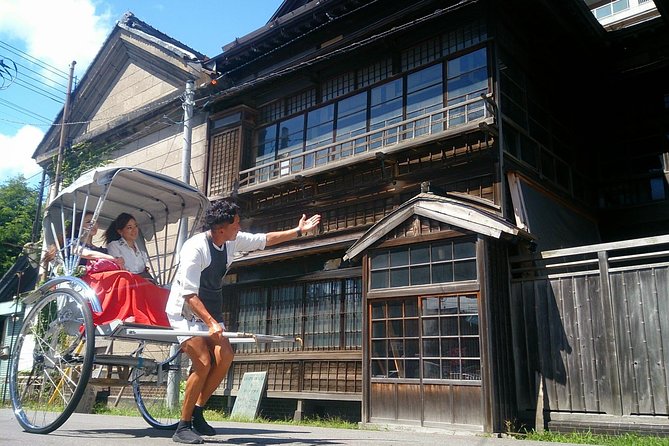
Otaru has this way of feeling both coastal and old-fashioned at the same time. One minute you’re staring at canal water and warehouse lines, and the next you’re in tighter streets and old-town edges where the city feels like it kept its habits. A rickshaw is one of the simplest ways to move through that mix without turning your day into a map-chasing exercise.
What you’re really buying here is momentum plus context. The ride gives you quick context for what you’re seeing, and then it sets you up to walk on your own with more confidence. If you like practical sightseeing, this hits the sweet spot.
Also, this is a private tour/activity. That matters more than it sounds, because your guide can pace the stops around your group.
A few more Sapporo days to weigh up
- Sapporo Bar Hopping Food Tour
★ 5.0 · 232 reviews - Hokkaido Seasonal: Lake Toya & Noboribetsu Jigokudani Valley
★ 4.7 · 173 reviews - Sapporo Private Tour with a Local – Highlights & Hidden Gems
★ 5.0 · 91 reviews
Price and value: what $42.90 per person is really paying for
At $42.90 per person, this is not the cheapest thing you can do in Hokkaido. But it is also not priced like a “big luxury” tour. The value comes from three parts: the rickshaw ride itself, a local driver/guide, and a route designed to cover multiple Otaru highlights without requiring long transit or lots of walking at the start.
The ride length is flexible, running from about 30 minutes up to 2 hours. In other words, you can treat it like a short orientation loop or a longer sightseeing block depending on what else you have planned.
A few small things affect value in real life. Mobile ticketing is convenient, and the tour ends back at the meeting point by default, which can save you time. On the flip side, you should expect that food and drinks are on you, and admission for the old post office stop is not included.
Where you meet at Chuo-bashi, and how timing works
You’ll start at Chuo-bashi (中央橋) in Otaru. That’s a central spot, and it’s also listed as being near public transportation, so it’s easier than meeting at a remote pier with no clear transit.
Timing is another point worth treating carefully. The starting time you select is not automatically guaranteed. You’ll get an email confirmation within 24 hours of booking, so check that message and plan to arrive a bit early. It’s an outdoor ride too, so being ready to go matters.
One more practical note: you should aim for the meeting point to avoid any confusion, since pickup and drop-off from hotels are not included. If your tour needs a different finishing location, that can mean an extra drop-off fee paid on the day.
The route stop by stop: canal icons, old rail, and marina air
The itinerary is built around Otaru’s classic “old port” look, but it also includes enough variety that you don’t feel like you’re stuck staring at one view.
Here’s how the stops fit together, and what to watch for at each one.
Iconic scenery of Otaru
This is the warm-up moment. Early on, you’ll get the kind of views that make Otaru instantly recognizable: the harbor-port feel plus the canal-side historic atmosphere. If you’re planning to walk later, this first part helps your eyes learn the layout fast.
What to consider: since this is the early phase, it can feel like you are still settling in. If you’re the type who loves photos, tell your guide right away and ask for quick photo stops rather than waiting until the end.
North part of Otaru canal
This is where the canal becomes more than decoration. You’ll get the sense of how the city’s old warehouse and port life lined up with the water. The canal also makes good natural framing for pictures, especially if you want “Otaru in one frame” shots.
What to consider: canal areas can have lots of visual competition, like signage and passing foot traffic. Your guide’s pacing matters here, because you want clear sightlines.
Former Nippon Yusen Kaisha Otaru Branch, old post office visit
This is a standout stop for anyone who likes buildings with a story. You’ll visit inside the former Nippon Yusen Kaisha Otaru Branch, and it’s a quick 15-minute stop. Admission is not included, so budget for that separately.
Why it matters: a lot of canal tours stop outside. This one gives you an indoor break where you can slow down and actually see how the place functioned in the past. It also breaks the ride rhythm, which can make the whole tour feel less like one long street loop.
What to consider: 15 minutes is short. If you want to read every detail, you may not finish. Go in with a couple priorities, like photos and a quick look at key rooms or exhibits if present.
Old rail tracks
This stop adds texture. The old rail element gives you a different angle on Otaru’s transportation history, and it helps explain why the port and shipping mindset shaped the town. Even if you don’t get a full “museum explanation,” it’s a useful visual clue.
What to consider: if weather is rough, this stop can feel a bit colder or windier. Dress in layers so you’re not rushed through it.
Small alley
This is the human-scale contrast. After open canal and port space, the alley brings you into tighter streets where you can feel the quieter daily side of Otaru. It’s also often where small architecture details show up better than big landmarks.
What to consider: alleys can mean uneven footing. You’ll be happier if you wear stable shoes, not flip-flops.
The most popular bridge in Otaru
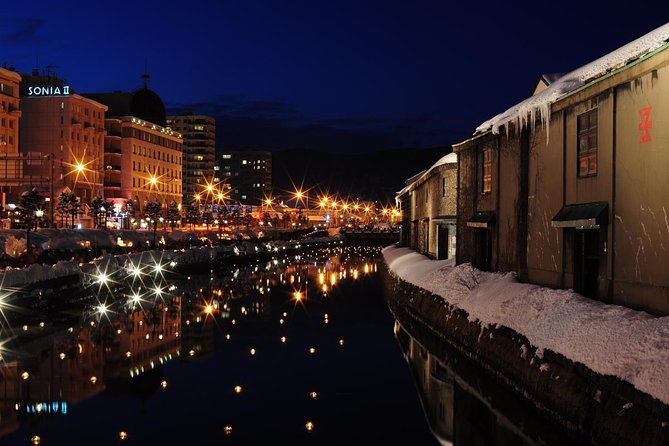
This is a key photo-and-view moment. From this bridge, you get a fantastic view of the Otaru canal lined with the old warehouses. If you only remember one visual image from your day, this is the one that usually sticks.
What to consider: bridges can be busy in peak times. The benefit of having a guide is that the tour can time the look, and you can move to the angle you want without wasting time.
Otaru Marina quick stroll
To close, you’ll get a quick stroll through the Otaru Marina area, which ties into Otaru’s identity as a fishing town. This ending shift is helpful because it changes the scene from canal-and-warehouses to the working-waterfront feel.
What to consider: it’s a stroll, not a long boardwalk hang. If you’re hoping for extended marina time, plan extra walking afterward.
A different sort of day in Japan:
- Sapporo: Hokkaido, Noboribetsu and Lake Toya Day Tour
★ 4.1 · 88 reviews - Sapporo: Sumo Show Experience with Japanese food & Photo
★ 4.9 · 81 reviews - Popular in SapporoExperience authentic hand-made soba at a real soba shop!
★ 5.0 · 77 reviews - Mondo’s most popular plan! Experience making soba noodles and the king of Japanese cuisine, tempura, in Sapporo!
★ 5.0 · 71 reviews
Guides like Koto and Kuma: the difference between seeing and understanding
The biggest theme you’ll feel on this kind of tour is guide quality. Here, the ride is short enough that your guide’s pacing and storytelling really matter. People have praised drivers such as Koto and Kuma for self-taught English and for making stops understandable, not just scenic.
Koto, for example, has been noted for excellent English and for sharing an informative ride that helps you walk around later with more sense of where you are. Kuma has been described as professional, with lots of know-how and clear English too.
Another practical plus: some guides treat photography as a hobby, so you’re not just taking random snaps. You can often get help with timing and positioning, so your photos look like they belong together as an Otaru set.
Just keep in mind language is subject to availability. If you want a specific language, you can ask at the departure point, and the tour may be operated by a multi-lingual driver depending on what’s available.
Comfort and safety: rickshaw fit rules you should check first
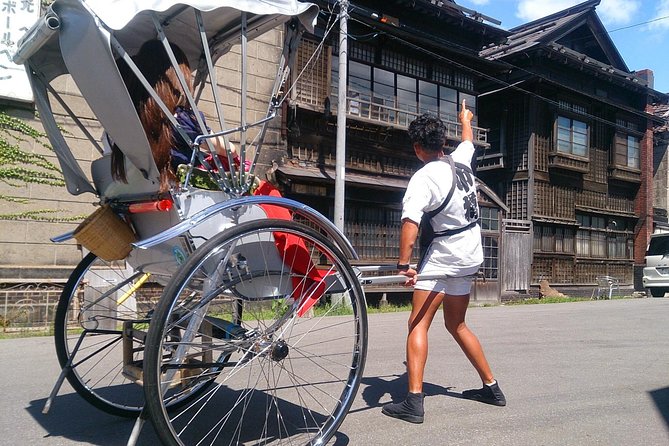
This tour is fun, but it is not a lounge chair.
The rickshaw is 29.1 inches (74 cm) wide, and the capacity rules matter. A maximum of 2 adults per rickshaw is allowed, and up to 2 children (age 5 and under) can ride, but children must sit on an adult’s lap if they are not occupying a seat. If you have more people than can fit comfortably, you’ll likely need additional rickshaws.
One important tip: if you or your group tends to be larger in size, it’s recommended to book a separate rickshaw for each participant. That keeps you from spending the ride thinking about space instead of enjoying the views. If you do not book extra rickshaws when needed, availability may not be guaranteed.
Pregnancy has a specific restriction: expecting mothers in their first 16 weeks of pregnancy are not permitted to ride a rickshaw. If anyone in your group falls under that guideline, plan an alternate activity.
What I’d do if I were with a mixed-age group: I’d confirm the seat and lap arrangement before the day so there’s no last-minute scramble. Small planning now can make the ride feel effortless.
How to plan your day around this Otaru rickshaw tour
Because the tour typically returns you to the meeting point, you can treat it as your “starter loop.” It’s a strong way to handle Otaru early in the day, when you’re still figuring out which streets you want to explore later.
If you’re doing other Otaru activities, aim to schedule this before you commit to a long, self-paced walking plan. The stops here include a bridge view that helps you orient the canal area, plus side streets that make it easier to route yourself afterward.
If you want to keep the day flexible, remember the duration range. Some bookings run closer to 30 minutes, others closer to 2 hours. When you pick your starting time, choose based on when you want the orientation to happen, not just convenience.
Practical tips that make the ride smoother
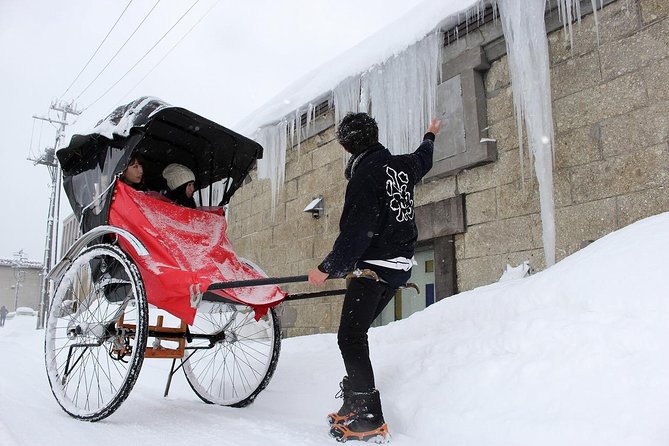
These are small things that can save you stress.
Arrive a few minutes early at 中央橋 (Chuo-bashi) so you’re not rushing. Once you book, watch for the email confirmation within 24 hours, since your selected starting time is not automatically guaranteed.
If you care about language, ask for the guide you want at the departure point. The tour may be operated by a multi-lingual driver depending on availability, so asking helps.
Bring a camera and keep your hands free when possible. The route includes the canal, warehouse views from the popular bridge, and the marina stroll, which are all photo-friendly moments. If you want help posing, ask early. Some guides with a photography hobby tend to set you up for better angles.
Finally, plan for the one extra cost that surprises people: the old post office stop admission ticket is not included. You’ll still get the visit, but you should have the funds ready.
Should you book this Otaru rickshaw tour?
If you want a fast, efficient way to understand Otaru, I think this is an easy yes. The price feels fair for what you get, especially because you’re paying for both transportation and interpretation. The canal-and-warehouse bridge views plus the indoor old post office visit give the ride both scenery and structure.
You should consider a different option if you’re hoping for a long, slow stroll with lots of free time. This is a guided route with specific stops, and the indoor visit is time-limited. You also need to think ahead about rickshaw comfort and the capacity rules, particularly for groups of more than 2 adults or for anyone who needs extra room.
For families, this can work well since it’s private and short, but follow the age and lap rules. For older visitors, the ride can be a good way to reduce walking, but again, check fit and comfort since the rickshaw is narrow.
Overall, this is the kind of tour that helps you spend less time figuring out where to go and more time enjoying what Otaru looks like.
FAQ
How long is the Otaru Rickshaw Tour?
The duration ranges from about 30 minutes to about 2 hours, depending on the option booked and how the tour runs.
What is included in the price?
The price includes a local driver/guide and the rickshaw ride.
What is not included?
Food and drinks are not included unless specified. Hotel pickup and drop-off are also not included, and admission for the former Nippon Yusen Kaisha Otaru Branch old post office is not included.
Where do I meet the tour?
The tour starts at Chuo-bashi (中央橋) in Otaru, Hokkaido, Japan, and it ends back at the meeting point.
Is the tour language guaranteed?
Confirmation and language depend on availability. The driver may be multi-lingual, and you can ask for a driver who speaks your language at the departure point.
Can everyone ride a rickshaw?
Most travelers can participate. However, expecting mothers in their first 16 weeks of pregnancy are not permitted to ride. There are also limits on how many people can fit per rickshaw.
What is the cancellation policy?
You can cancel for a full refund up to 24 hours before the experience start time. If you cancel less than 24 hours before, the amount paid is not refunded.
Newly listed around Sapporo
- Otaru Canal Private Sightseeing Tour from Sapporo Station★ 5.0 · 11 reviews
- Sapporo Private Tour with a Local – Highlights & Hidden Gems★ 5.0 · 91 reviews
- Hokkaido Private Car Service – Toyota Alphard with Driver★ 5.0 · 6 reviews
- One Day Highlights Tour of Sapporo★ 5.0 · 41 reviews
- Private Car Tour of Furano and Biei in Hokkaido with Local Guide★ 5.0 · 6 reviews
- Mountain Bike Tour from Sapporo Including Hoheikyo Onsen and Lunch★ 4.5 · 35 reviews
- Mt. Moiwa Ropeway / Moriscar Ticket★ 5.0 · 8 reviews
- Gluten-free only.Soba making experience plan!★ 5.0 · 9 reviews
Sapporo Tours, compared.
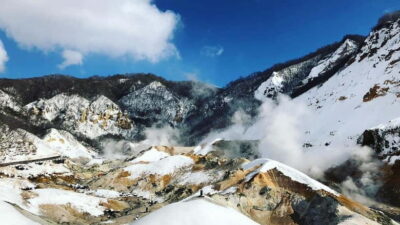
Hokkaido Seasonal: Lake Toya & Noboribetsu Jigokudani Valley
Read our review →
Sapporo Private Tour with a Local – Highlights & Hidden Gems
Read our review →
Popular in SapporoExperience authentic hand-made soba at a real soba shop!
Read our review →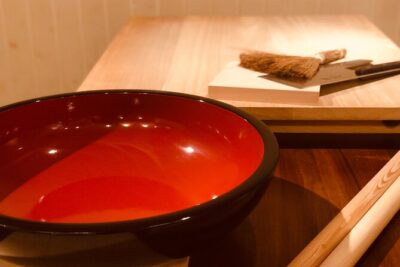
Mondo’s most popular plan! Experience making soba noodles and the king of Japanese cuisine, tempura, in Sapporo!
Read our review →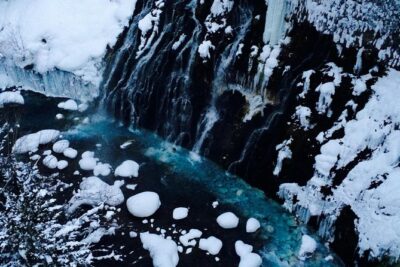
【Private Car】Asahiyama Zoo, Blue Pond, Shirahige Falls, Ningle Terrace (from Sapporo)
Read our review →Browse the lists this tour appears in