
Review · SOBA & UDON MAKING CLASSES
Gluten-free only.Soba making experience plan!
Buckwheat soba gets real fast, and this class proves it. You will work with gluten-free only noodles made from 100% buckwheat flour, with no wheat flour and no binding. The focus is practical technique, plus the eating part of the culture, so you leave knowing what to do with your noodles, not just how to form them.
Two things I really like: first, the class is run like a real soba restaurant, not a visitor workshop. Second, the teacher guidance is hands-on and patient, including instruction from a guide named Taku, which makes a tricky process feel doable. You also learn how to use the house-style dipping sauce and how to finish the meal the sobayu way.
One drawback to consider is that gluten-free soba is genuinely more delicate. With no binding, the noodles can crack more easily, and the dough is sensitive to temperature and humidity, so you will move with purpose and follow instructions closely.
In This Review
- Key highlights you will care about
- Gluten-free soba from 100% buckwheat, no wheat flour
- The restaurant mindset, where craftsmen run the show
- Inside the noodle technique: speed, stretch, and careful handling
- Your “how to eat soba” lesson, plus the sobayu finish
- Tools, temperature, and the little “gluten-free” differences that matter
- What the class feels like in practice (and why it ends with confidence)
- Price, timing, and why it is reasonable for what you get
- Who should book this gluten-free soba experience
- Should you book this gluten-free soba class in Sapporo?
- FAQ
- Is this soba experience gluten-free only?
- What is the soba made from?
- How long does the experience last?
- Do you get to eat what you make?
- Is this a private tour?
- Are non-experiencers allowed?
- If I choose tempura, is it gluten-free?
- What is the cancellation policy?
- Where is the meeting point?
Key highlights you will care about
- 100% buckwheat, gluten-free only soba, with no flour binder
- Technique under pressure, because the noodles can crack if you go too slow
- Sapporo restaurant lesson, including how to eat soba and finish with sobayu
- Temperature and humidity matter, and the class teaches you the real why
- Restaurant cleanup discipline, with extra attention to keeping tools gluten-free
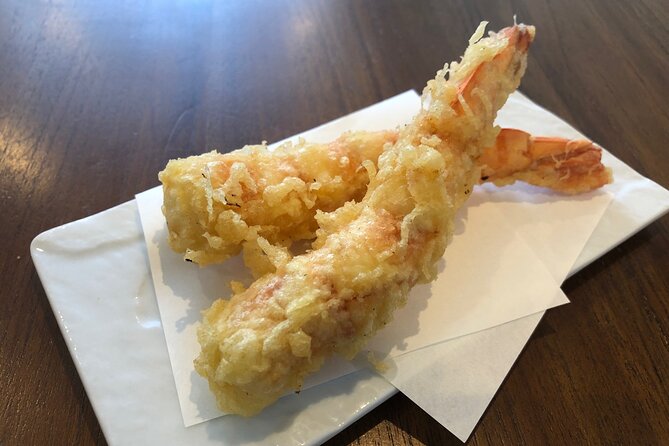
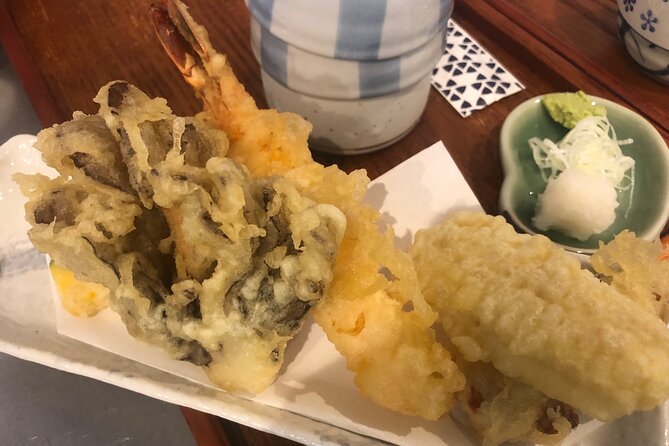
- Optional tempura style, using rice oil and rice-flour tempura batter
Gluten-free soba from 100% buckwheat, no wheat flour
If you think you know soba, start here. This experience is built around one big rule: gluten-free only. Instead of the usual mix (often buckwheat with some wheat flour for structure), your noodles are made entirely from buckwheat flour, using water only as the base. That means there is no wheat flour and no binding agent to help the dough hold together.
That setup changes everything. Wheat flour can act like a helper for texture, stretch, and strength. Without it, the dough behaves differently and the finished noodles are easier to break if you handle them at the wrong pace. The upside is that you are learning the true craft under real constraints, and you get to taste the result in a restaurant meal format, not as a quick demo.
You also get context on why gluten-free soba is rare. The experience explains that gluten-free soba is difficult to make, and even in Japan only a limited number of artisans can manage tougher buckwheat ratios consistently. It is not about hype. It is about physics and practice, plus the right conditions.
Soba and Udon Making classes readers book most in Sapporo:
- Popular in SapporoExperience authentic hand-made soba at a real soba shop!
★ 5.0 · 77 reviews - Mondo’s most popular plan! Experience making soba noodles and the king of Japanese cuisine, tempura, in Sapporo!
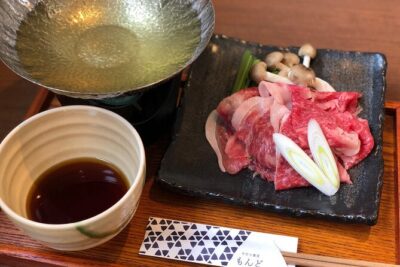
★ 5.0 · 71 reviews - in Sapporo! Hand-made soba experience and shabu-shabu experience plan of Yezo deer meat (Gibier meat) from Hokkaido
★ 5.0 · 29 reviews
The restaurant mindset, where craftsmen run the show
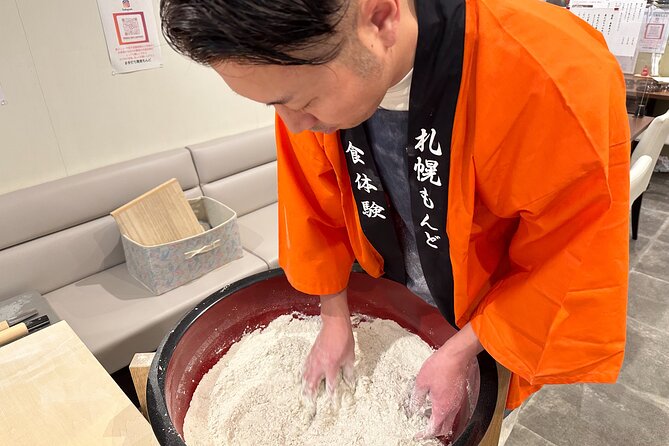
What makes this class feel different is the operating style. It is not just someone teaching you a hobby step-by-step. It is a shop supported by soba craftsmen who have been making noodles for years, and that shows in how seriously they treat the details.
In practical terms, you will notice the restaurant approach in two places. First, you will follow a tight workflow that mirrors real noodle production. Second, they talk about soba not as a tourist product, but as a craft with standards. Even the way they explain eating matters, because soba is not only something you cook, it is something you order and enjoy correctly.
One detail I appreciate: they clean and manage equipment before the gluten-free plan. Tools like kettles and colanders are cleaned and used with gluten-free procedures in mind. They also use the containers the restaurant normally serves food with. The goal is to keep your noodles and your meal as consistent as possible with what is served in the shop, while still respecting the special gluten-free needs.
And yes, you will get a friendly teaching tone. In the class setting, a guide named Taku is specifically credited with making it hands-on and fun while still being careful about technique.
Inside the noodle technique: speed, stretch, and careful handling
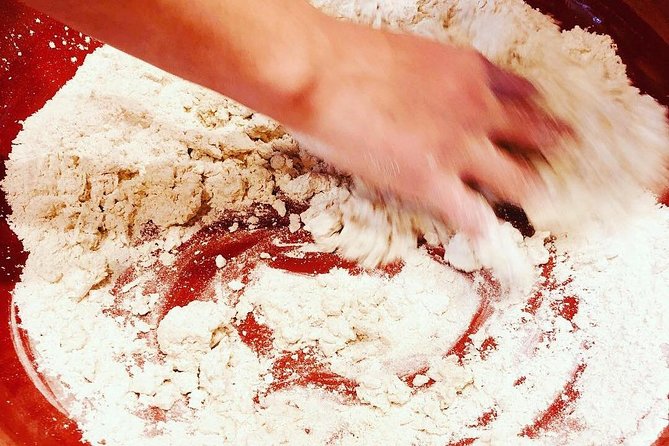
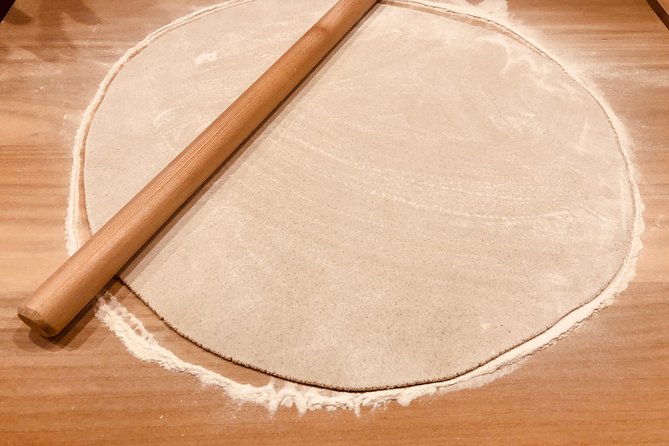
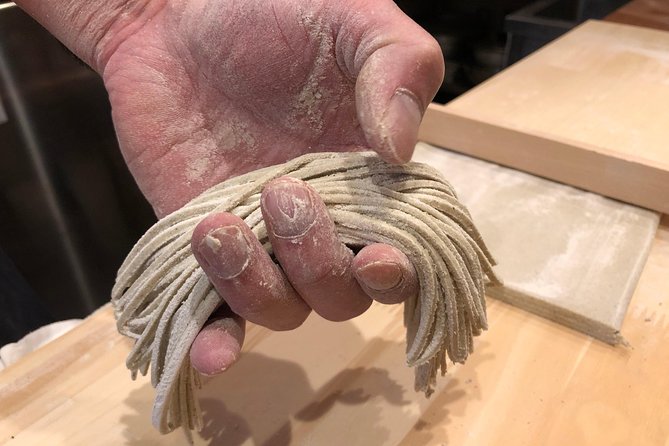
This is a hands-on class where you touch the real steps. Expect to move through a sequence that matches the core phases of making soba: mix, knead, stretch, and cut. Then, you eat what you made, which is the best way to learn. You can feel the noodle texture and understand why each step matters.
Here is the key reason the class keeps telling you to work quickly. Because there is no binding flour, gluten-free soba noodles can dry and cut differently than typical soba. They are easier to form into shape, which is great for learning, but they can also crack more easily. That means timing matters more than it would in a wheat-flour based noodle class.
You also learn that the dough and noodles are sensitive to the environment. Temperature and humidity affect dough behavior and finished noodle quality. That is not just a passing note. It is part of what makes this type of soba hard, and it is why you should listen when your teacher explains what to do next.
If you are the kind of person who likes process and feedback, this class will feel satisfying. You get a structured workflow, plus real reasons for each instruction. It is not only hands-on, it is also instruction with purpose.
Your “how to eat soba” lesson, plus the sobayu finish
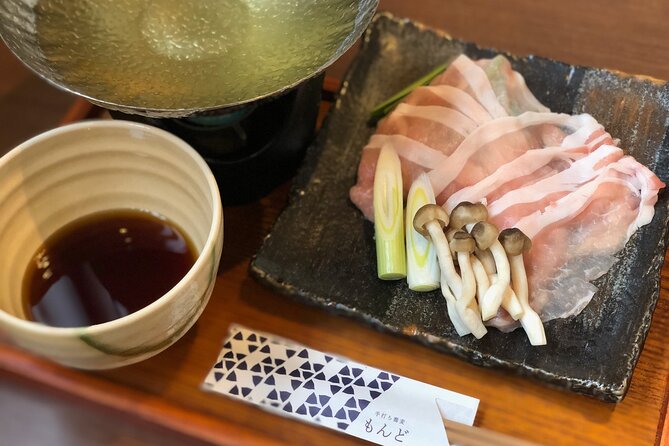
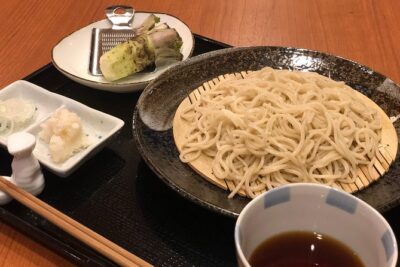
Making noodles is only half the fun. The class also teaches you how to eat soba, which is where many short food classes fall flat. Here, you learn the correct rhythm: dipping sauce use, how to handle the noodles, and how to make the flavor work on your tongue.
They include a special soba sauce made from soup stock. That matters because soba sauce is not one-size-fits-all. You are learning a flavor approach tied to tradition, not just grabbing any store-bought bottle and calling it done.
You will also learn about soba culture from the Edo period, around 1600, and how the method of striking and serving noodles can vary by region and time period. That cultural framing makes the eating lesson more interesting, because you understand why people care about details like sauce balance and how the meal ends.
Then comes sobayu, the practice of finishing with hot soba liquid. The class explains how that fits into the experience. In plain terms, you are not just eating noodles, you are learning a full meal sequence that Japanese soba shops have long used.
A few more Sapporo days to weigh up
- Sapporo Bar Hopping Food Tour
★ 5.0 · 232 reviews - Hokkaido Seasonal: Lake Toya & Noboribetsu Jigokudani Valley
★ 4.7 · 173 reviews - Sapporo Private Tour with a Local – Highlights & Hidden Gems
★ 5.0 · 91 reviews - Sapporo: Hokkaido, Noboribetsu and Lake Toya Day Tour
★ 4.1 · 88 reviews
Tools, temperature, and the little “gluten-free” differences that matter
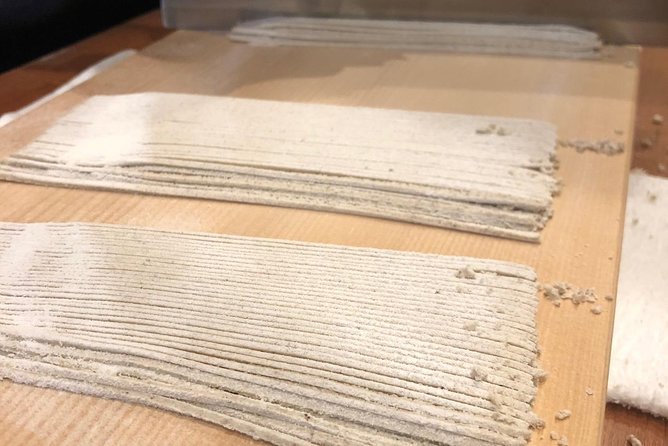
For a gluten-free only experience, small operational details make a big difference, and this class doesn’t ignore them.
Before the gluten-free plan, they clean equipment you will use, including kettles and colanders. They also talk through equipment and flow lines, which helps you understand why certain steps are done the way they are. When you know the why, you feel less rushed and more confident.
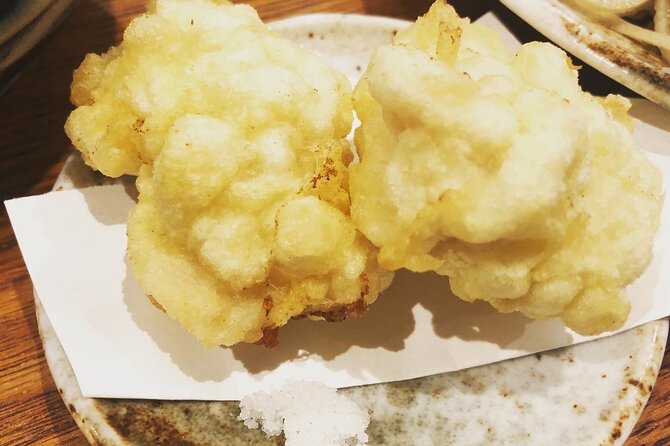
If you choose an option that includes tempura, the class uses rice-based products rather than wheat-based ones. The oil described for the tempura style is rice oil, and the tempura flour is rice flour. The takeaway is simple: you are not just making buckwheat noodles. The restaurant handles gluten-free compatibility across the meal components too.
One more practical point: because gluten-free soba is sensitive to humidity and temperature, the staff’s process discipline helps protect the noodles. Even if you do everything right as a participant, the environment can still throw off dough behavior. You will see that this is why craftsmen take conditions seriously.
What the class feels like in practice (and why it ends with confidence)
The duration is about 1 hour 15 minutes, which is a good length for a hands-on food class. Long enough to do real mixing, kneading, stretching, and cutting. Short enough that you do not feel exhausted before the meal.
The pacing is also aligned with the noodle fragility. You will not have endless time to admire your dough ball like a sculpture project. You will work in a rhythm that matches noodle drying and cracking risk. It is a little like learning bread timing, except you are dealing with buckwheat noodles instead of yeast dough.
At the end, you taste real soba made from your own session’s work. That is crucial for value. You get to compare your expectation of soba with the real texture and flavor you created with the craftsmen technique. One review highlights that the class increased appreciation for how complex making soba is, and that is exactly what happens when you handle every step with instruction.
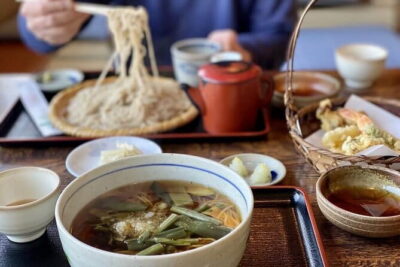
And because this is a real soba restaurant, the meal portion is not treated as an afterthought. The class wraps up with soba and a full restaurant-style finish. Some sessions include items like tempura and shabu shabu as part of the meal format, so you can expect a proper sit-down food experience, not just a small tasting plate.
Price, timing, and why it is reasonable for what you get
The price is $84.70 per person. On paper, that sounds like a lot for a short class. In practice, it is closer to paying for a trained restaurant craft lesson plus a meal, in a gluten-free only format.
What justifies the cost is the combination of:
- Real technique steps (mix, knead, stretch, cut) taught in a restaurant setting
- gluten-free only constraints that require extra handling discipline
- a guided soba eating lesson, including sauce use and sobayu culture
- a meal finish that matches what a soba shop serves
Also, it is not just you and a cooktop. The experience is private for your group, so you should expect more direct attention than a big public class. It also includes all fees and taxes, which helps avoid surprise add-ons.
Booking trend matters too. This class is often booked about 37 days in advance on average, so if you are traveling during busier seasons, secure your slot sooner rather than later.
Who should book this gluten-free soba experience
This class is a great fit if you:
- want a gluten-free soba experience that is fully gluten-free only
- enjoy hands-on cooking where you learn the steps, not just watch
- care about food culture, especially how meals are eaten in Japan
- want a Sapporo activity that ends with a real meal in a restaurant style
It might be less ideal if you:
- hate feeling rushed, because noodle quality depends on speed
- need a super slow, beginner-only pace with lots of waiting time
- are sensitive to hands-on food prep where temperature and humidity can change results
If you are a couple or a family looking for a shared activity, it works well as a team project. One review calls it a wonderful family activity, and the vibe sounds friendly and educational without making you feel lost.
Should you book this gluten-free soba class in Sapporo?
Book it if you want gluten-free soba that treats the craft seriously, and you want the full story, not just the noodle demo. This is one of the few formats that connects making the noodles with how to eat soba correctly, including sobayu. The restaurant approach, plus the trained guidance from people like Taku, makes it feel doable even when the technique is technically hard.
Skip it only if you know you cannot handle timing pressure or you want a low-touch class. Otherwise, this is a strong choice for your Sapporo food plan, especially if you want something authentic that ends with a meal you actually understand.
FAQ
Is this soba experience gluten-free only?
Yes. The plan is gluten-free only, using noodles made from buckwheat flour with no wheat flour and no binding flour.
What is the soba made from?
For this specific plan, the noodles are made entirely from buckwheat flour and water, with no original wheat flour used.
How long does the experience last?
It runs about 1 hour 15 minutes.
Do you get to eat what you make?
Yes. After you make the soba, you can taste the soba, and the experience includes an eating lesson.
Is this a private tour?
Yes. It is described as a private tour or activity, with only your group participating.
Are non-experiencers allowed?
Non-experiencers can visit, but they are charged the same amount as the experiencer, at ¥15,000.00 per person.
If I choose tempura, is it gluten-free?
The tempura described for the option uses rice oil and rice flour for tempura flour.
What is the cancellation policy?
You can cancel for a full refund if you cancel at least 24 hours before the experience starts. Free cancellation is offered under that rule.
Where is the meeting point?
The meeting point is 9-chōme-17-28 Hassamu 6 Jō, Nishi Ward, Sapporo, Hokkaido 063-0826, Japan.
Newly listed around Sapporo
- Otaru Canal Private Sightseeing Tour from Sapporo Station★ 5.0 · 11 reviews
- Sapporo Private Tour with a Local – Highlights & Hidden Gems★ 5.0 · 91 reviews
- Private Car Tour of Furano and Biei in Hokkaido with Local Guide★ 5.0 · 6 reviews
- Hokkaido Private Car Service – Toyota Alphard with Driver★ 5.0 · 6 reviews
- One Day Highlights Tour of Sapporo★ 5.0 · 41 reviews
- Mountain Bike Tour from Sapporo Including Hoheikyo Onsen and Lunch★ 4.5 · 35 reviews
- Mt. Moiwa Ropeway / Moriscar Ticket★ 5.0 · 8 reviews
- Nopporo Forest Mountain Bike Tour from Sapporo, presenting a retro Cycle cap★ 5.0 · 16 reviews
Soba & Udon Making Classes, compared.
Popular in SapporoExperience authentic hand-made soba at a real soba shop!
Read our review →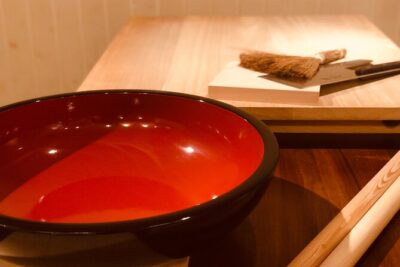
Mondo’s most popular plan! Experience making soba noodles and the king of Japanese cuisine, tempura, in Sapporo!
Read our review →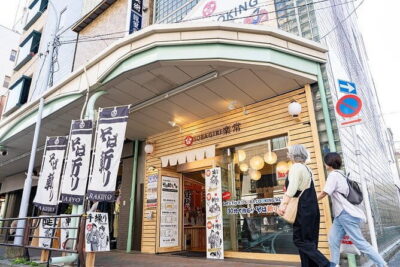
Experience Big soba knife Soba Making Class in Tokyo Kappabashi
Read our review →
in Sapporo! Hand-made soba experience and shabu-shabu experience plan of Yezo deer meat (Gibier meat) from Hokkaido
Read our review →
Made from flour in 30min! Ramen-noodle Making Experience!
Read our review →
1-Day Togakushi Tour: Soba making, Ninja Town, and Hidden Shrines
Read our review →Browse the lists this tour appears in