
Review · ANIME & MANGA TRIPS
Private Harajuku Omotesando Architecture Walking Tour
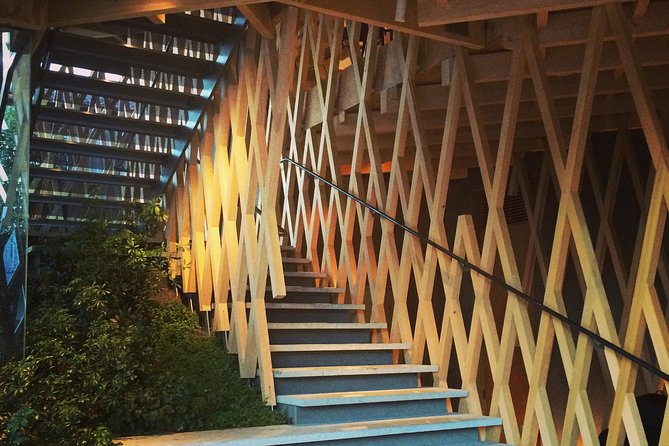
Modern Tokyo, mapped in real time. This private walk mixes Harajuku and Omotesando architecture with Olympic-era design context, plus fashion-street stops that you would miss on your own. I especially like the way the route is customizable, so you can steer toward showpiece buildings or quieter backstreets. One thing to consider is that it’s a 3.5-hour walking tour, so you’ll want comfy shoes and a little stamina.
You start at Meiji Jingu and end near Omotesando, so you get a clean “one-direction” flow from shrine grounds into Tokyo’s designer shopping corridor. Expect a licensed guide, photo-rich explanations, and a short pause for drinks along the way, which matters because the time adds up fast. If you’re brand-new to Tokyo architecture, bring your curiosity and let the guide set the pace.
In This Review
- Key highlights you will feel on the street
- Why Harajuku plus Omotesando is the perfect architecture mix
- Starting at Meiji Jingu: atmosphere first, architecture second
- Boutique streets as design lessons (Dior, Louis Vuitton, Tod’s, Prada)
- Olympics-era Tokyo: Yoyogi National Gymnasium and what to look for
- The backstreet detour and the café pause that makes it human
- How customization actually plays out on the ground
- Walking level and timing: what 3 hours 30 minutes feels like
- Ending near Omotesando and Aoyama-dori: make it easy to continue
- Price and value at $132.14 per person
- Who should book this walking architecture tour
- Should you book this tour or not?
- FAQ
- How long is the Private Harajuku Omotesando Architecture Walking Tour?
- Where does the tour start?
- Where does the tour end?
- Is this tour private?
- What is included in the price?
- Is hotel pickup or drop-off included?
- Is there any admission cost mentioned for the first stop?
- Do I need a mobile ticket?
- What is the cancellation policy?
- What physical condition do I need for the tour?
Key highlights you will feel on the street
- Private and customizable route, so your interests shape what you focus on
- Meiji Jingu kickoff, followed by Olympics-era landmarks like Kenzo Tange’s Yoyogi National Gymnasium (viewed from the area)
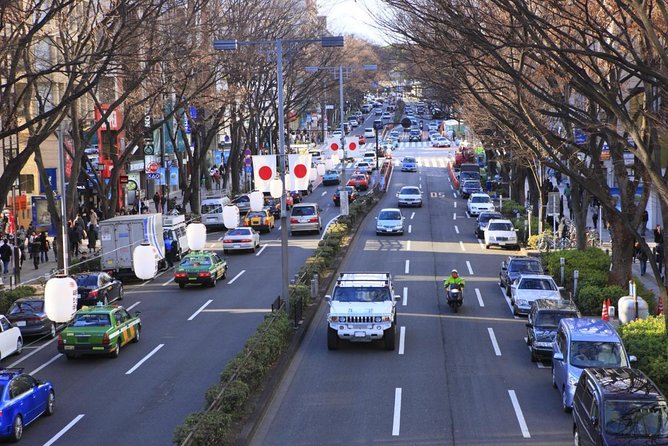
- Fashion boutiques as architecture stops, including storefront design at places like Dior, Louis Vuitton, Tod’s, and Prada
- Under-the-radar backstreet detours that explain why Harajuku looks the way it does
- A planned break with drinks, so the walking stays fun, not painful
Why Harajuku plus Omotesando is the perfect architecture mix
Most architecture tours pick one lane. This one blends two worlds that actually talk to each other. Harajuku gives you the street-level energy and the fashion-house shell game, while Omotesando is where the design polish shows up in clean lines, careful facades, and storefronts that look like small museums.
The real value is that the guide treats the whole area like a living design catalog. You’re not only staring at famous buildings. You’re learning how Tokyo’s commercial architecture and city planning influence what you see in everyday life: entrances, sightlines, glass angles, rooftop features, and how pedestrians move through space.
Because the tour is private, you can ask follow-up questions without feeling rushed. Several guides on this experience are known for being well prepared with photos and clear explanations, including guides such as Yoshi and Yoko. That matters because architecture can feel abstract until you have something concrete to point at.
If you like your travel experiences practical, this one is practical. You get a focused route that starts at a major landmark, uses public transport areas efficiently, and ends in a busy shopping district where it’s easy to continue on your own.
More Walking Tours in Tokyo
- Tokyo Tsukiji Fish Market Food and Culture Walking Tour
★ 5.0 · 3,184 reviews - Tokyo: Shinjuku Local Bar and Izakaya Guided Walking Tour
★ 4.9 · 1,794 reviews - Tokyo: Tsukiji Fish Market Food and Walking tour
★ 5.0 · 1,724 reviews
Starting at Meiji Jingu: atmosphere first, architecture second
The tour begins in front of Meiji Jingu at the Meiji Jingu area near Harajuku Station. Even if you’re not a shrine superfan, it’s a smart opener. You start with a calmer zone, then you gradually work your way toward modern Tokyo’s architectural language.
A nice detail here: the stop is marked as free for admission. That means you’re not paying to begin, and you get time to settle into the day’s walking rhythm before the tour shifts into modern design.
From the shrine area, you also get distance views of Tokyo’s Olympics-linked design icon, Kenzo Tange’s Yoyogi National Gymnasium. Standing at the right spot matters for architecture. A guide helps you see the building’s overall massing and layout, not just a random angle from the street.
One practical tip: if your group tends to run hot in the afternoon, bring water early. The route later includes a drinks pause, but you still want to start hydrated.
Boutique streets as design lessons (Dior, Louis Vuitton, Tod’s, Prada)
Harajuku and Omotesando are often treated as shopping districts first. On this tour, they become architecture classrooms. You’ll slow down and look at storefront design as if it were a public building, because in Japan it often is.
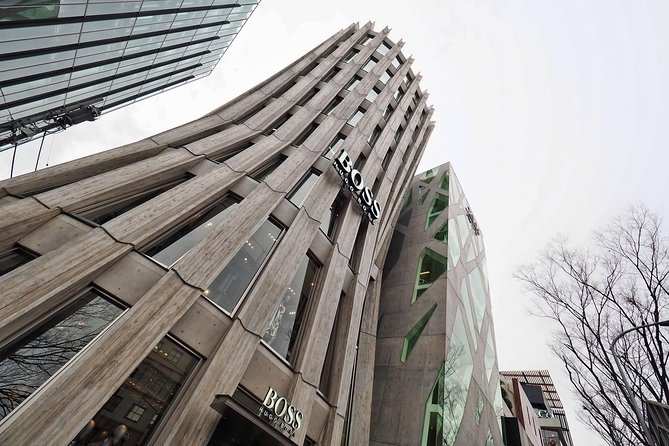
During the walk, the tour includes stops at high-end boutique architecture, with specific brands mentioned such as The Iceberg, Dior, Louis Vuitton, Tod’s, Sunny hills, and Prada. Even if you never plan to buy anything, you’ll learn to see the details:
- How facades frame pedestrians
- How glass and signage shape your movement
- How “luxury” is expressed through materials, proportions, and light
This is also where guides tend to shine with photo-based context. People have praised guides like Yoshi and Aki for bringing documented photos of the architects and design elements. That sort of visual aid turns the tour from sightseeing into pattern recognition. You start noticing, for example, how a building’s curves or angles relate to its function and how the surrounding street responds to it.
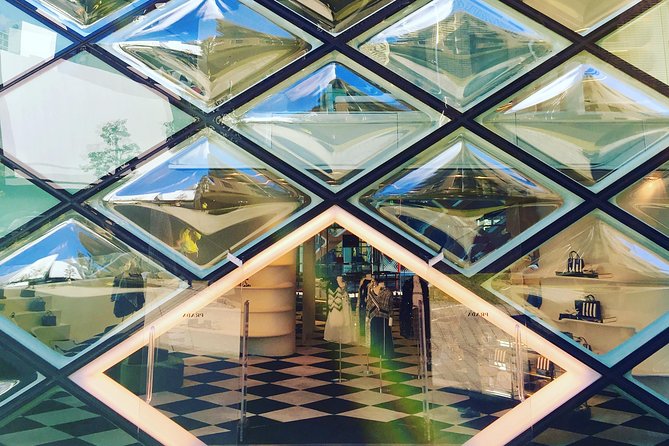
The Prada stop can be especially interesting for architecture fans. One guide highlighted the convex and concave glass design by Jacques Herzog and Pierre de Meuron, and this is the kind of stop where a guide’s “stand here for the best view” guidance can save you from walking past a key angle.
Olympics-era Tokyo: Yoyogi National Gymnasium and what to look for
The tour’s Olympics history theme isn’t just a marketing line. It shows up in the choice of major landmarks and in the way the guide connects design decisions to the era.
Even when you’re viewing Yoyogi National Gymnasium from the distance, you can still learn a lot if you look with intention. Ask your guide to point out:
- The building’s overall form and why it looks the way it does
- How the structure sits in the landscape and how it reads from nearby streets
- The difference between iconic “event buildings” and everyday commercial architecture
This theme is a helpful lens. Tokyo architecture can feel timeless until someone explains the moment in history when it was designed for public spectacle. Then it clicks.
Other Anime and Manga trips worth a look in Tokyo:
- Official Street Go-Kart Tour – Akihabara
★ 5.0 · 1,578 reviews - Tokyo Go Kart: Asakusa, Skytree, and Akihabara **IDP MUST**
★ 5.0 · 988 reviews - Tokyo: Tokyo Tower, Shibuya Crossing, Harajuku, Go Kart Tour
★ 4.7 · 446 reviews - Tokyo Studio Ghibli Museum and Ghibli Film Appreciation Tour
★ 4.5 · 421 reviews
The backstreet detour and the café pause that makes it human
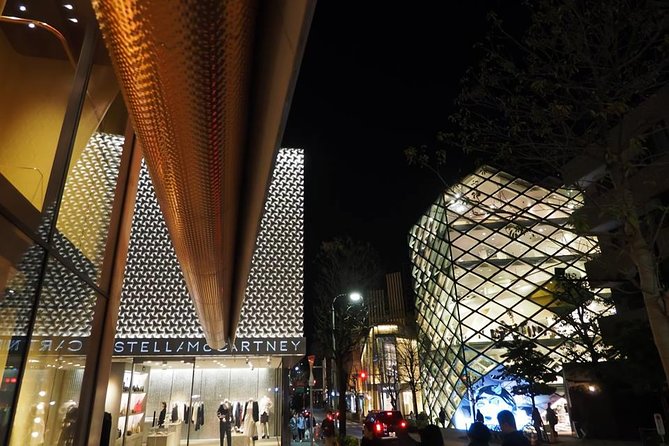
A big reason this walk works for real people is the mix of big-name sights and smaller, lesser-known blocks. The tour includes side trips to backstreet neighborhoods where the area’s diversity shows up fast.
This is not just for variety. It helps you understand how Harajuku functions beyond the fashion-brand facades. You’ll get a sense of the local texture: streets that feel more lived-in, side blocks that contrast with the glossy main shopping corridors, and the way neighborhoods evolve.
And yes, you also get a break. The tour includes a cozy pause with drinks along the way. That detail seems small until you’re the one doing 3.5 hours of walking in Tokyo heat or even mild wind. A planned break keeps the tour from turning into a nonstop information sprint.
If you’re planning your day, think of this as a morning-to-early-afternoon kind of activity. You’ll come away with enough context to enjoy the rest of your Tokyo time, without needing a nap to recover.
How customization actually plays out on the ground
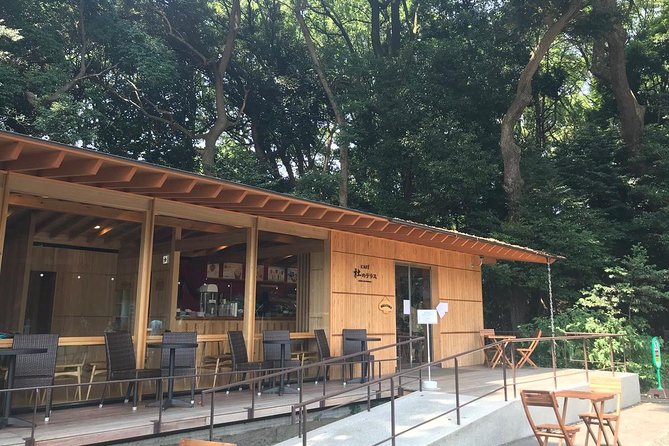
The tour is described as fully customizable, with a mix of top attractions and under-the-radar sites. In practice, this is where private tours earn their keep.
You can steer what gets emphasized. If your group loves high-contrast modern architecture, ask for more focus on signature works and interior access where available. If you prefer street-level architecture and design evolution, ask for more time in the side streets and storefront sections.
Several guide styles have been highlighted across experiences, and you can use that as a strategy when you book:
- If you love lots of visual backup, ask for a photo-heavy walkthrough. Guides such as Yoshi have been praised for bringing tons of documented photos for each architect.
- If your group wants clear pacing and adaptation, Aki and Mari are noted for tailoring the tour and adjusting for conditions like hot weather.
- If you want extra architect-level detail, one guide named Taka has been described as a retired architect who used detailed background information and even floor-plan style guidance.
Don’t be afraid to ask, in plain language, what the guide recommends based on your interests. This tour format is designed to respond.
Walking level and timing: what 3 hours 30 minutes feels like
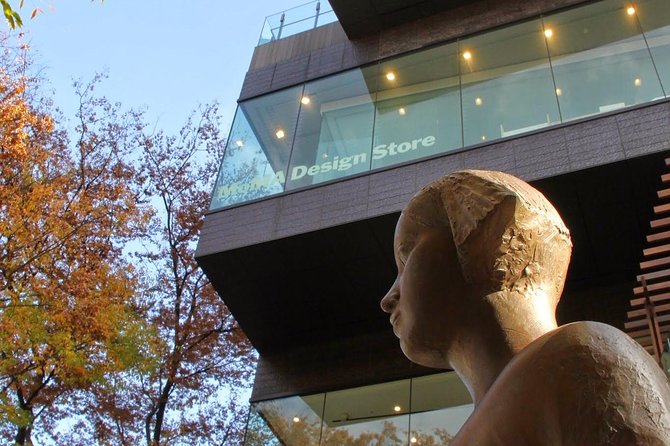
The tour runs about 3 hours 30 minutes. It’s a moderate fitness experience, which generally means you should assume steady walking with a few stops, not long sit-down museum time.
That timing matters because your attention span is also part of the “value.” The guide structure keeps you from wandering aimlessly and helps you see multiple design concepts in one stretch. You’ll also likely cover both outside viewpoints and some interior moments, since some experiences include going inside select buildings or stores when possible.
Practical planning:
- Wear comfortable shoes you trust for several blocks back-to-back.
- Bring a light layer, especially if you’re going in warmer months and plan to stop for coffee or drinks during the pause.
- Have your phone charged enough for navigation. The meeting point is specific, and you’ll want to arrive calm, not sprinting.
Ending near Omotesando and Aoyama-dori: make it easy to continue
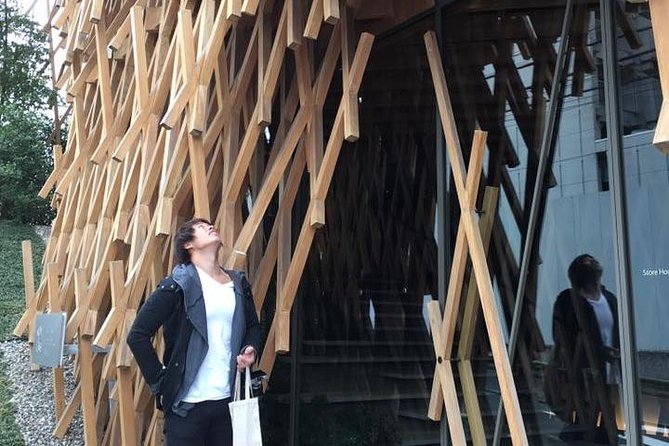
The tour concludes at the Omotesando and Aoyama-dori intersection in front of a Mizuho bank, near Minamiaoyama. This is a good ending point because it keeps you in a transit-friendly, high-restaurant and high-café area.
In other words, you’re not dumped in the middle of nowhere. You can keep exploring the streets immediately, or you can use the surrounding area to grab a late lunch while the architecture ideas are still fresh in your head.
If your group wants to extend the day, Omotesando’s shopping streets make it easy to keep walking in a similar design vibe. And if you’d rather switch to culture, this area connects well to other Tokyo neighborhoods via public transport.
Price and value at $132.14 per person
At $132.14 per person for about 3.5 hours, this tour isn’t a “cheap and cheerful” option. But you’re paying for three things that add up quickly in Tokyo:
- A local licensed guide who can interpret architectural details instead of leaving you to guess
- A private, customizable route that adapts to your interests
- A drinks pause included in the tour
If you’re traveling solo, the price may feel steep compared with group tours. If you’re a couple, or you’re traveling with two to four people who all care about design, it tends to feel more reasonable fast because you’re not paying for “seats on a bus,” you’re paying for your time with the guide.
Also note the tour is commonly booked about 53 days in advance on average. That’s a clue to plan ahead, especially during busy seasons when private guides can fill up.
Who should book this walking architecture tour
Book this if you fit at least two of these:
- You like architecture that shows up in everyday places, not only monuments
- You want a guided route through Harajuku and Omotesando that actually teaches you what you’re seeing
- Your group enjoys fashion streets, but you want the design and materials explained too
- You prefer a private guide who can adjust pacing and emphasis on the fly
Skip it if you want almost no walking, or if you only care about traditional sightseeing and want minimal modern design commentary.
Should you book this tour or not?
Yes, if you want a high-impact design day without needing to plan a whole architecture route by yourself. This experience shines when you care about modern architecture and you like learning how Tokyo’s design choices shape what you experience on the street.
If you’re the kind of traveler who enjoys asking why a facade looks the way it does, and you appreciate guides who show photos and context, you’ll likely love it. If you’re mainly shopping or mainly sightseeing, and architecture is just a side interest, you might find it more rewarding to choose a shorter, more general tour first.
FAQ
How long is the Private Harajuku Omotesando Architecture Walking Tour?
It runs about 3 hours 30 minutes.
Where does the tour start?
It starts in front of Meiji Jingu at the Meiji Jingu (Harajuku Eki) area, 1 Yoyogikamizonocho, Shibuya, Tokyo 151-0052, Japan.
Where does the tour end?
It ends at the Omotesando and Aoyama-dori intersection, in front of Mizuho bank, at 5-chōme-1-27 Minamiaoyama, Minato City, Tokyo 107-0062, Japan.
Is this tour private?
Yes. It is a private tour/activity, and only your group participates.
What is included in the price?
Included are a local licensed tour guide and a cozy pause with drinks along the way.
Is hotel pickup or drop-off included?
No. Hotel pickup and drop-off are not included.
Is there any admission cost mentioned for the first stop?
For the first stop at Meiji Jingu Shrine, it lists admission ticket free.
Do I need a mobile ticket?
Yes. The tour uses a mobile ticket.
What is the cancellation policy?
Free cancellation is available. You must cancel at least 24 hours before the experience’s start time for a full refund.
What physical condition do I need for the tour?
You should have a moderate physical fitness level, since it is a walking experience.
Newly listed around Tokyo
- Private Tokyo Food Tour – A Journey Through Time Through Food★ 5.0 · 36 reviews
- Private Tokyo Tour with Licensed Guide & Vehicle (Max 15 persons)★ 5.0 · 107 reviews
- Private Tokyo Custom Full-Day Tour by Chartered Vehicle★ 5.0 · 16 reviews
- Private Tokyo Custom Half-Day Tour by Chartered Vehicle★ 4.5 · 13 reviews
- Private Outstanding Nikko Tour with English Speaking Driver★ 4.0 · 11 reviews
- Private Sightseeing to Mt Fuji and Hakone with English Driver★ 5.0 · 51 reviews
- Private Snow Monkeys park Day Trip From Tokyo or Nagano★ 4.5 · 26 reviews
- 4 Day Tour – Mount. Fuji, Tokyo, Hakone, Kamakura and Yokohama★ 5.0 · 19 reviews
Anime & Manga Trips, compared.
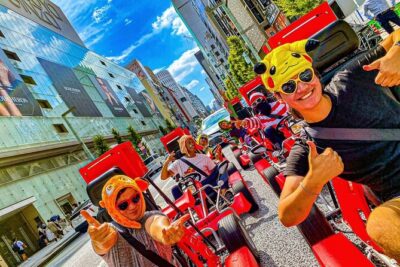

Tokyo Go Kart: Asakusa, Skytree, and Akihabara **IDP MUST**
Read our review →
Tokyo Tower, Shibuya Crossing, Harajuku, Go Kart Tour
Read our review →
Tokyo Studio Ghibli Museum and Ghibli Film Appreciation Tour
Read our review →
Akihabara Anime & Game Adventure Walking Tour (Group or Private)
Read our review →

Browse the lists this tour appears in