
Review · SHIBUYA & SHINJUKU NIGHTLIFE
Takoyaki cooking experience in Kabukicho, Shinjuku
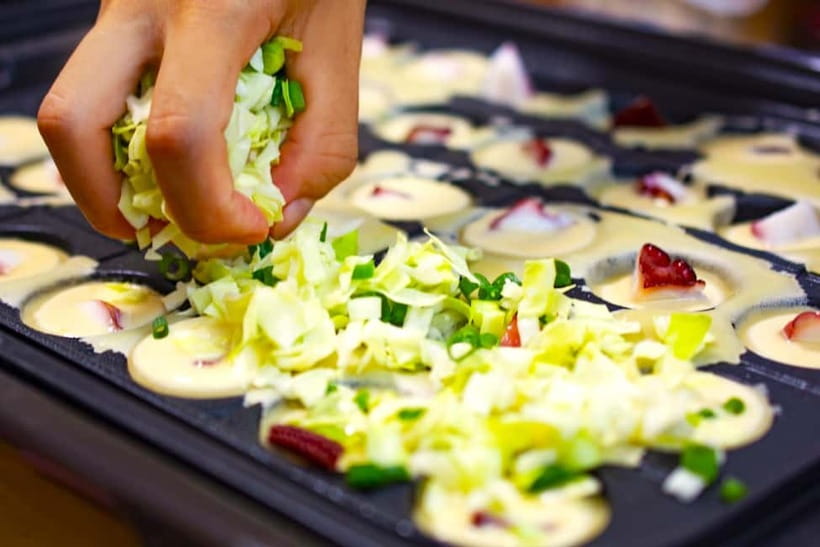
Turn hot griddle skills into a meal. This takoyaki cooking experience in Kabukicho, Shinjuku lets you grill the famous octopus balls yourself, then eat them piping hot. What makes it especially fun is that it is a hands-on class in a real food neighborhood, not a demo you watch from a seat.
I really like that the session is small-group and you get English support, with instructors like Chihiro and Shuma highlighted in past sessions. I also like the simple, repeatable process, so even if you are not a cook, you still leave feeling capable and fed. One thing to consider: it is not suitable for gluten intolerance, and children under 4 are not recommended.
The experience runs about 1 hour, and the focus stays on one thing: making and eating takoyaki. That short timeframe is good value, especially if you want a tasty, practical Shinjuku moment without committing to a long class or meal plan.
In This Review
- Key Points to Know Before You Go
- Takoyaki in Kabukicho, Shinjuku: Why This Feels So Fun
- One Hour, Small Group, and You Get Hands-On Time
- Finding the Meeting Point Near Shinjuku Station Without Stress
- What Happens During the Session, Step by Step
- 1) Quick intro, then you get to work
- 2) Batter, octopus, and the first round of timing
- 3) Flip and shape, so the outside gets crisp
- 4) Plate it and eat while it is hot
- 5) Wrap-up and your last bites
- Toppings and Sauce: Your One-Tap Way to Make It Feel Authentic
- Instructor Support, English Help, and the Small Details That Matter
- Price and Value: What You Really Pay For
- Who This Is Best For, and Who Should Skip It
- Logistics That Make the Day Easier
- Should You Book This Takoyaki Cooking Experience in Kabukicho?
- FAQ
- How long is the takoyaki cooking experience?
- Where is the meeting point in Shinjuku?
- What does the price include?
- What is not included?
- Are the instructors English-friendly?
- Is it suitable for young children?
- Is this experience okay for someone with gluten intolerance?
- Can I cancel or book flexibly?
Key Points to Know Before You Go
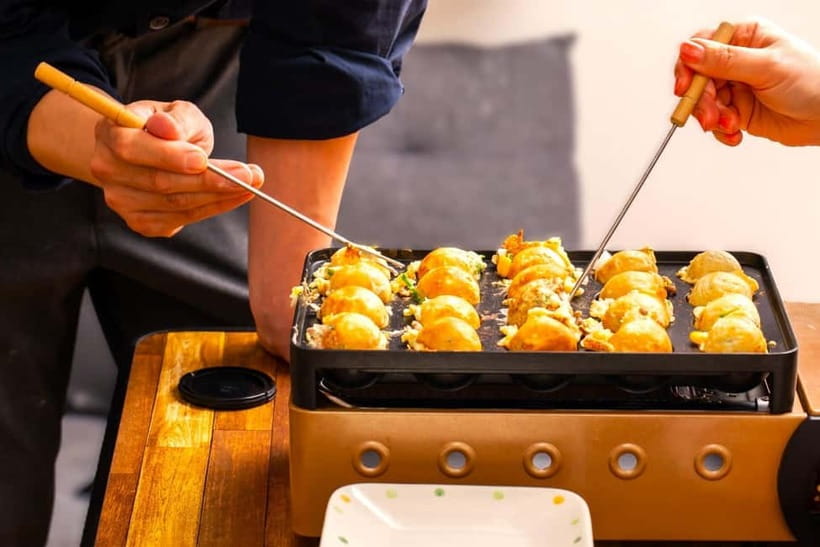
- You actually cook the takoyaki on a round griddle, then eat what you make
- Up to 6 participants, so you get help while you pour batter and flip
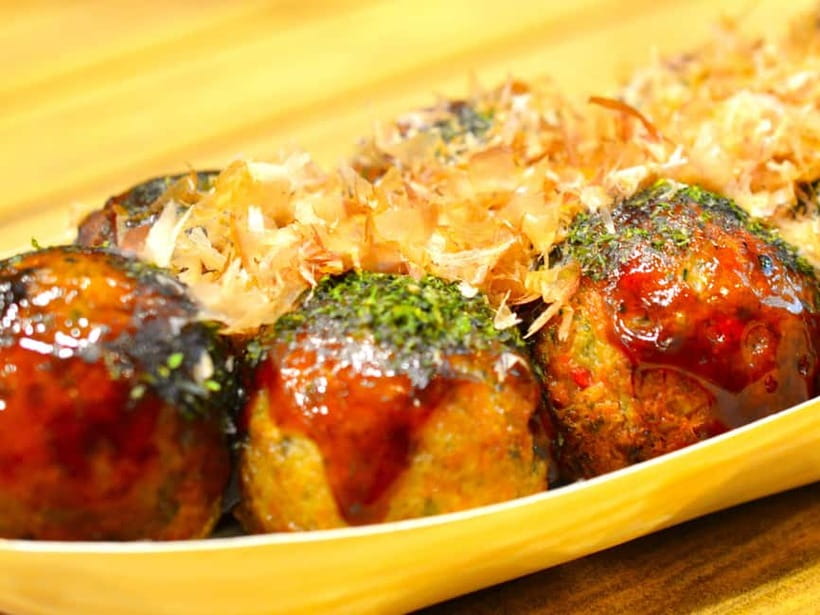
- Sauce and toppings like bonito flakes and aonori are part of the eating experience
- English and Japanese support, sometimes with translation help if needed
- Family-friendly in practice, with past sessions describing good care for kids
Takoyaki in Kabukicho, Shinjuku: Why This Feels So Fun
Kabukicho is the kind of place where you can walk a few minutes and suddenly you are surrounded by neon food signs, snack stands, and people on their way to something delicious. A takoyaki class fits right into that mood. You get the same comfort-food energy, but with an activity that keeps your hands busy the whole time.
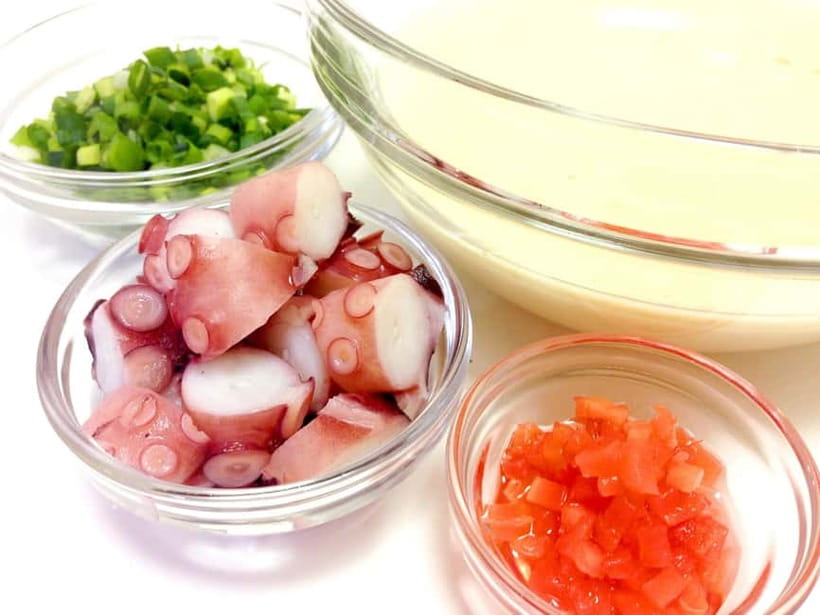
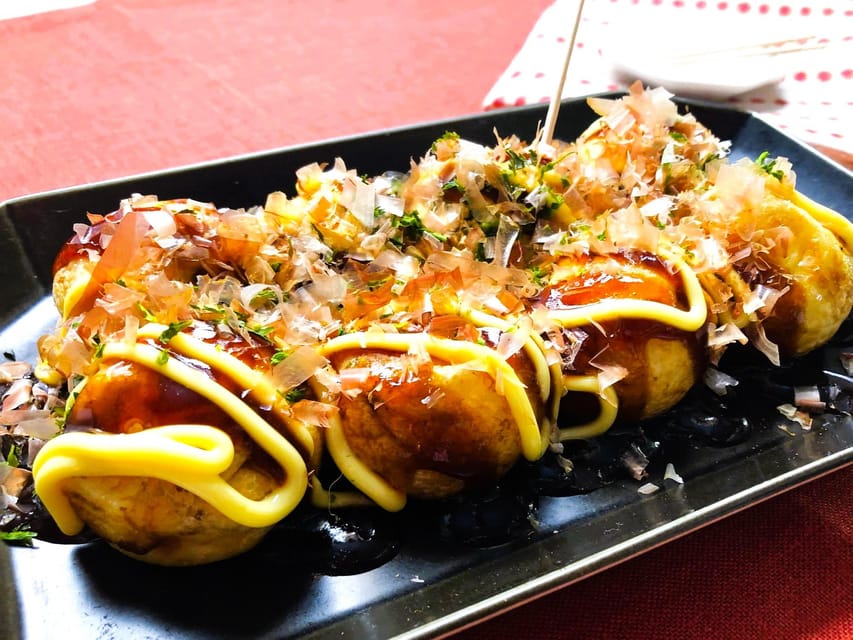
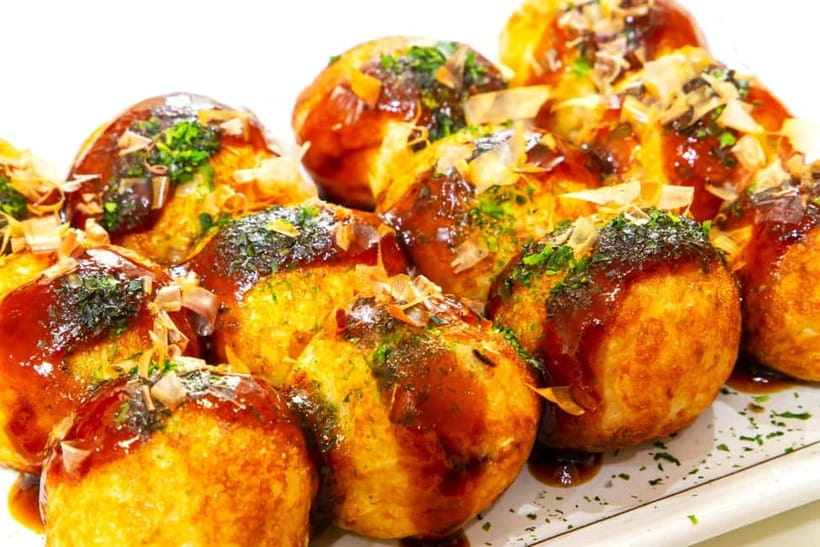
Takoyaki itself is Japanese soul food in a snack form. The basics are straightforward: batter goes into round molds on a griddle, chopped octopus gets placed inside, and you grill it until the balls form that crisp outside and fluffy inside texture. Then comes the part that makes it addictive, sauce and toppings like dried bonito flakes and aonori, plus mayonnaise for some styles.
I like that the class keeps it practical. You are not studying complicated Japanese cooking theory for weeks. You are doing the real motions, learning the timing, and eating while it is still hot.
More Cooking Classes in Tokyo
- Ramen & Gyoza Cooking Class in Tokyo with Local Supermarket Visit
★ 5.0 · 823 reviews - Tokyo: Easy Ramen Cooking Experience in Kabukicho, Shinjuku
★ 4.6 · 321 reviews - Ramen and Sushi Cooking Class with Sake Pairing Set in Tokyo
★ 5.0 · 291 reviews
One Hour, Small Group, and You Get Hands-On Time
This experience is designed to be tight and focused, about 1 hour from start to finish. You start with an intro, move into cooking, and end when you finish eating. That pacing is ideal if you are touring Shinjuku and want something satisfying that does not swallow your whole day.
The group size is limited to 6 participants, which matters more than it sounds. In a smaller group, instructors can correct your grip on the tools, show you how to portion batter, and help you flip when it is the right moment. If you have ever watched a cooking demo and wished you could try the one step you missed, this is the opposite of that.
Past sessions also describe a relaxed atmosphere, with instructors supportive and easy to talk to. People note good English, and there is also translation support if an instructor is not fluent. That means you can ask questions and not just nod politely.
Finding the Meeting Point Near Shinjuku Station Without Stress
You meet about a 5-minute walk from Shinjuku Station on the JR Yamanote Line. The directions are pretty specific, which is a good thing in Kabukicho, where it is easy to drift into the wrong alley.
Here is the route that matches the provided directions:
- Walk along Kabukicho Central Road toward TOHO Cinemas
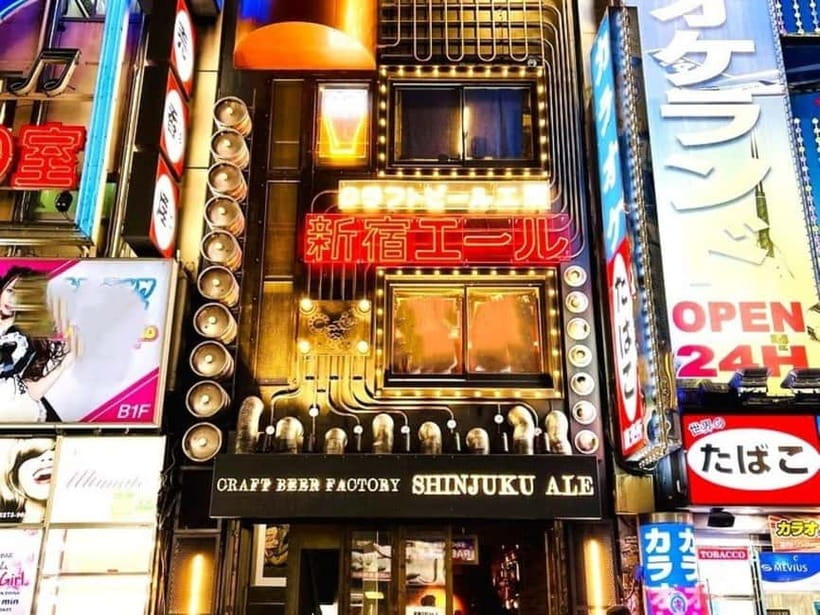
- Before you reach the end, look for Shinjuku Ale on the right next to Karaoke 747
- The correct address is 1-14-5 Kabukicho, Shinjuku-ku, Tokyo
- Plus code: MPV2+VR Shinjuku City, Tokyo
Tip: give yourself a few extra minutes. With this kind of area, you want time to re-check street signs before your class start.
If you are staying near Shinjuku, this location also makes an easy add-on. Kabukicho has major landmarks nearby, and you can often tack on photos or a stroll after your meal time window.
What Happens During the Session, Step by Step
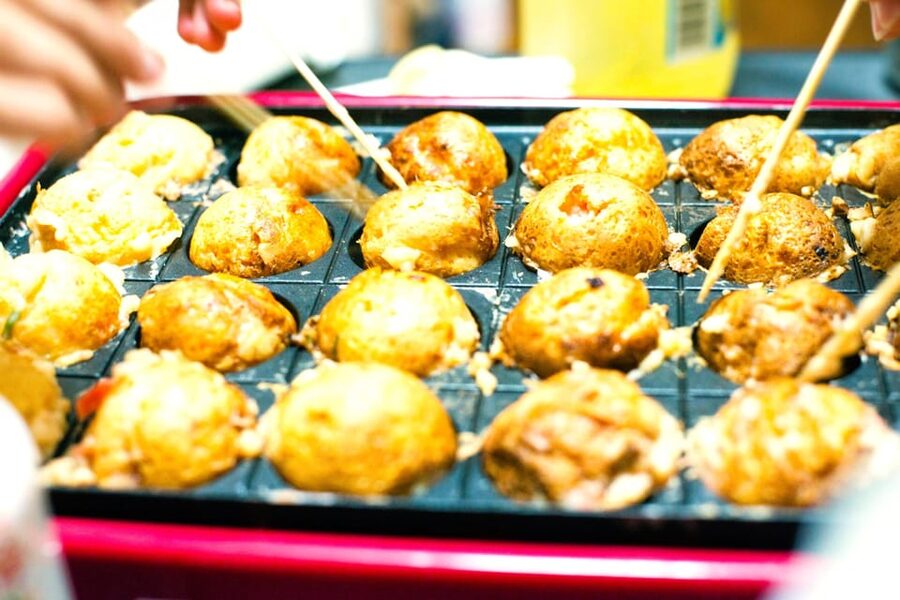
Even with just one hour, the flow is built around the mechanics of takoyaki. Think of the class as a sequence of tasks you repeat until you get the hang of it.
A few more Shibuya and Shinjuku Nightlife around Tokyo:
- Tokyo: Shinjuku Food Tour (13 Dishes at 4 Local Eateries)
★ 5.0 · 6,603 reviews - Tokyo Bar Hopping Tour in Shinjuku (All-You-Can-Drink + Dinner)
★ 5.0 · 3,587 reviews - Official Street Go-Kart in Shibuya
★ 5.0 · 3,435 reviews - Tokyo: Shinjuku Food Tour (15 Dishes and 4 Eateries)
★ 4.9 · 2,033 reviews
1) Quick intro, then you get to work
When you arrive, you are asked to inform staff of your reservation. From there, the instructor sets up the griddle and tools and explains the method. You do not need to know Japanese before you start, but it helps if you are willing to listen and follow a few key terms.
In past classes, the vibe is friendly and encouraging. People describe feeling supported while they learned. Names that came up include Chihiro, Shuma, and Sakiko, and the common theme is guidance that feels like cooking with a friend, not a strict classroom.
2) Batter, octopus, and the first round of timing
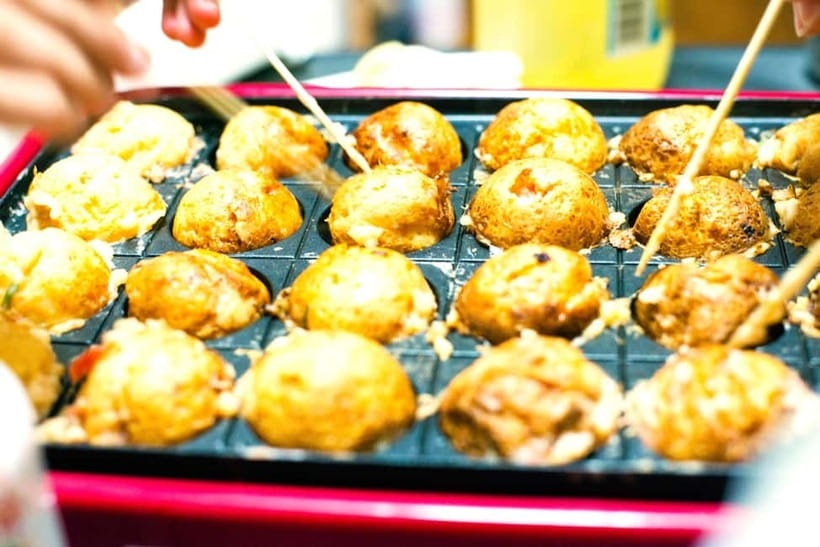
Takoyaki starts with batter poured into the round molds on the griddle. Then comes the octopus: chopped and placed so it cooks inside the ball.
This is where you learn the rhythm. Pour too much or too little and the texture changes. Pour at the wrong time and the batter does not set right. The instructor helps you get that timing so your balls can form a clean round shape.
3) Flip and shape, so the outside gets crisp
Once the first side sets, you flip. Takoyaki is often crisp outside and tender inside, and that requires the flip at the right moment. If it is undercooked, the ball falls apart. If it is overcooked, you lose that soft interior.
In a class setting, this is the main skill you walk away with. A good instructor keeps it simple and practical, showing you how to handle the takoyaki so you can keep shaping as they cook.
4) Plate it and eat while it is hot
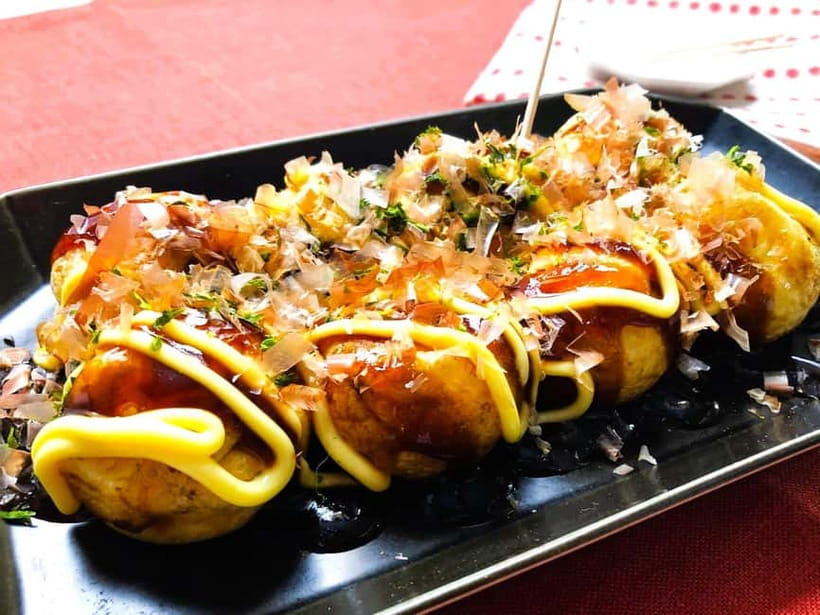
When your takoyaki are done, you get served on a plate and you eat what you cooked. The meal is included, so you are not stuck buying extra food after you finish cooking.
The typical toppings match the classic style described for takoyaki here:
- Dried bonito flakes
- Aonori, green laver
- Sauce and often mayonnaise
And yes, it is easy to eat. It is also a snack that pairs nicely with beer, which is a big reason takoyaki shows up in Japan as both comfort food and party food.
5) Wrap-up and your last bites
The experience ends when you finish eating. That is helpful, because you can plan your next stop in Shinjuku without wondering how much longer it might run.
Toppings and Sauce: Your One-Tap Way to Make It Feel Authentic
If you are used to Western street snacks, takoyaki can feel like it comes with a whole flavor system already assembled for you. That is exactly why toppings matter. You are not just tasting octopus and batter. You are tasting sauce, saltiness from bonito, and the sea notes from aonori.
The class structure usually makes it easy to taste the difference between:
- Crispy outside, fluffy inside texture
- Rich sauce coating
- Fresh green laver notes
- Optional mayonnaise creaminess
You also learn something subtle: how toppings balance the heat and texture. Eat it too slowly and it loses crispness. Eat it too fast and sauce can smear. In other words, it is a snack that rewards your attention without demanding precision.
Instructor Support, English Help, and the Small Details That Matter
The instructors are listed as English and Japanese speakers, and if an instructor is not fluent in English, the team uses a translation machine. That detail is important because it changes how much you can actually enjoy the class.
In past sessions, people specifically mention no language barriers and clear instruction. Others highlight staff who helped them chat about culture and practice basic Japanese while cooking. Names that came up include Koi and Kai, and one description praised that the instructor was willing to talk and support even with limited Japanese skills.
Also worth noting: past experiences mention care around kids, including keeping children from getting hurt. If you are traveling with family, that kind of attention to safety turns the class into a real memory instead of a stress test.
Price and Value: What You Really Pay For
At $25 per person for about one hour, you are paying for three things:
1) An instructor-led cooking session
2) A meal you eat right away
3) The convenience of a ready-made, hands-on setup in the middle of Shinjuku
If you price this like a standard restaurant meal, it is not the cheapest option. But you are not just buying takoyaki. You are buying the experience of learning how it is made, getting feedback while you flip, and eating food that you cooked while it is at its best temperature.
In Tokyo, the value is often tied to time and access. A class like this gives you a structured activity near a major rail hub. You can go, cook, eat, and move on. That tight schedule is a big part of why it feels worth it.
One practical note: bottled drinks are not included. If you want beer or another drink, you will likely pay extra. The good news is you are not required to overspend on extras because the meal is already covered.
Who This Is Best For, and Who Should Skip It
This experience is a good match for people who want something active but not complicated. You do not need special cooking skills. The class is set up so anyone can try making takoyaki.
It is also a solid choice for families who can handle the food and the age guidance. The information specifically says children under 4 are not suitable, but it also notes you can enjoy making and eating takoyaki with your children. That suggests the practical setup works well for older kids, especially with staff paying attention to safety.
The biggest mismatch is dietary. The activity is not suitable for people with gluten intolerance. Since takoyaki uses batter made from flour, this is a clear limitation you should respect.
If you are traveling solo, a couple, or as a small group, the limit of 6 participants keeps it personal. If you are expecting a large crowd event, this is not that.
Logistics That Make the Day Easier
A few practical details help you plan smoothly:
- Duration is about 1 hour, so treat it like a meal slot
- Meeting point is clearly near Shinjuku Station on the JR Yamanote Line
- Staff may use translation support, depending on who is working that session
- You should tell staff about your reservation when you arrive
- You may want to plan for bottled drinks if you want them, since they are not included
Also, since the experience ends when you finish eating, you will not get pushed into extra time or additional courses. That makes it easier to keep your Shinjuku itinerary moving.
If you are also planning photos, Kabukicho is full of photo stops. Some prior experiences mention that the area is close enough to major sights like the Godzilla statue for photos afterward, so you can often link this class with a quick scenic walk.
Should You Book This Takoyaki Cooking Experience in Kabukicho?
Book it if you want a hands-on Shinjuku food moment that stays fun and manageable. It is especially worth it when you value learning something small and real, like the timing of batter and flipping, and you want the payoff of eating hot takoyaki you made yourself.
Skip it if gluten intolerance is in play, or if you are traveling with a child under 4. Also, if you hate cooking anything at all and only want to observe, this class will feel too active.
If you are on the fence, here is the decision rule I use: if you will actually enjoy making something with your hands for an hour, this is a great fit. If you just want a snack with zero effort, you might prefer a nearby stand and spend that time shopping or walking instead.
FAQ
How long is the takoyaki cooking experience?
The experience lasts about 1 hour.
Where is the meeting point in Shinjuku?
You meet about a 5-minute walk from Shinjuku Station on the JR Yamanote Line. Go along Kabukicho Central Road toward TOHO Cinemas, and before the end look for Shinjuku Ale next to Karaoke 747 on the right. Address: 1-14-5 Kabukicho, Shinjuku-ku, Tokyo. Plus code: MPV2+VR Shinjuku City, Tokyo.
What does the price include?
The included items are the takoyaki cooking experience and a meal.
What is not included?
Bottled drinks, additional meals and drinks, and transportation expenses to the meeting place are not included.
Are the instructors English-friendly?
The instructor can speak English and Japanese. If a staff member who is not fluent in English is responding, a translation machine will be used.
Is it suitable for young children?
Children under 4 years are not suitable. The experience is described as something you can enjoy with your children.
Is this experience okay for someone with gluten intolerance?
No. The experience is not suitable for people with gluten intolerance.
Can I cancel or book flexibly?
Free cancellation is available up to 24 hours in advance for a full refund. You can also reserve now and pay later.
Newly listed around Tokyo
- Tokyo private transfer for Yokohama Port★ 4.5 · 63 reviews
- Luxury Kimono Photoshoot at Ginza Tokyo★ 5.0 · 7 reviews
- Tokyo Allstar Food Tour★ 4.5 · 206 reviews
- Tokyo Art Aquarium Museum E-Ticket with optional Tokyo Metro Pass★ 5.0 · 17 reviews
- Tokyo: Best Ginza Food Tour at 3 Local Eateries★ 5.0 · 83 reviews
- Private One Day Nikko Tour with Bilingual driver★ 3.5 · 11 reviews
- PRIVATE tour in 180SX to Daikoku+++++★ 5.0 · 6 reviews
- Kabuki Talk★ 5.0 · 10 reviews
Shibuya & Shinjuku Nightlife, compared.
Shinjuku Food Tour (13 Dishes at 4 Local Eateries)
Read our review →
Tokyo Bar Hopping Tour in Shinjuku (All-You-Can-Drink + Dinner)
Read our review →
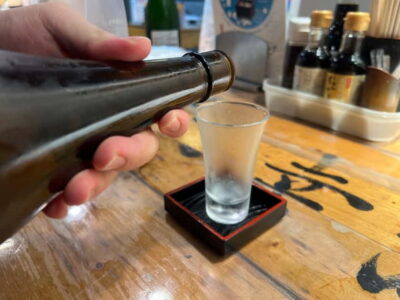
Shinjuku Food Tour (15 Dishes and 4 Eateries)
Read our review →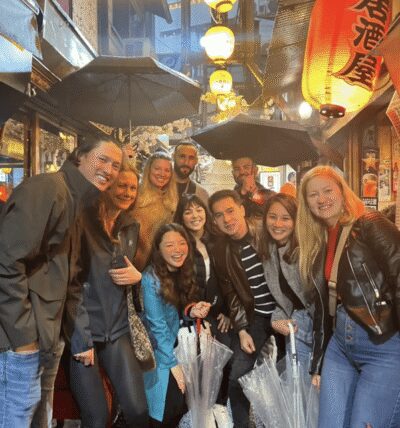
Shinjuku Local Bar and Izakaya Guided Walking Tour
Read our review →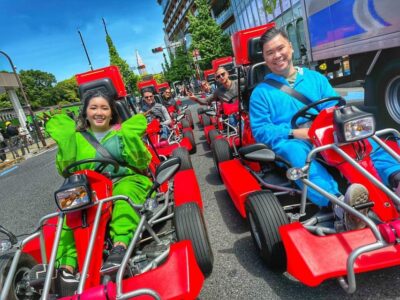
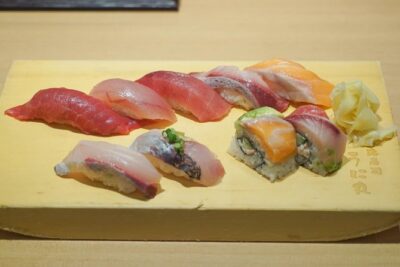
Tokyo Night Foodie Tour in Shinjuku – Seasonal Sushi, Wagyu Beef
Read our review →
Shibuya Meltdown Nightlife Tour: All-You-Can-Drink Bar Hopping
Read our review →Browse the lists this tour appears in