Review · TOKYO TOURS
Tameike: Exploring the Heart of Japanese Politics Tour
Japanese politics feels less abstract here.
I love the English guided walkthrough of the National Diet Building, and I also love pairing it with Hie Shrine, a power spot people visit for career success and matchmaking. One thing to plan for is physical effort, this route includes stairs at the National Diet Building, so comfortable shoes matter.
The tour ends with a calm, satisfying finish: matcha and sweets at the long-established Dobashi-en, plus a small tea souvenir. You get a small group setup, limited to 5 people, which makes it easier to ask questions rather than just listen.
In This Review
- Quick take: key reasons this tour works
- National Diet Building: Japan’s political center, explained in plain language
- How to look at the chambers like a voter, not a tourist
- Hie Shrine: career luck, matchmaking, and the monkey at the gate
- Worship etiquette that makes your visit calmer
- Dobashi-en: matcha and sweets, the smart way to end a walking tour
- Price and what you actually get for $129
- Logistics that affect comfort: shoes, cash, and the walking rhythm
- Who this tour is best for
- Should you book this politics tour?
- FAQ
- Where is the meeting point?
- How long is the tour?
- Is the tour offered in English?
- What is the group size?
- How much does it cost?
- What is included besides sightseeing?
- What will I see at Hie Shrine?
- What do I get to eat and drink at the tea shop?
- What should I bring for the day?
- Can I cancel if my plans change?
Quick take: key reasons this tour works
- National Diet Building with English guidance so you can connect what you see to how Japan’s government actually functions.
- Hie Shrine’s monkey details at the gate and main hall, plus monkey motifs on votive tablets and charms.
- Thousand Torii Gates vibe right near where you start thinking politics, then switch to spiritual hope.
- Dobashi-en matcha and sweets to cool down after the walking.
- Small group limit of 5 that keeps the Q and A from feeling rushed.
National Diet Building: Japan’s political center, explained in plain language
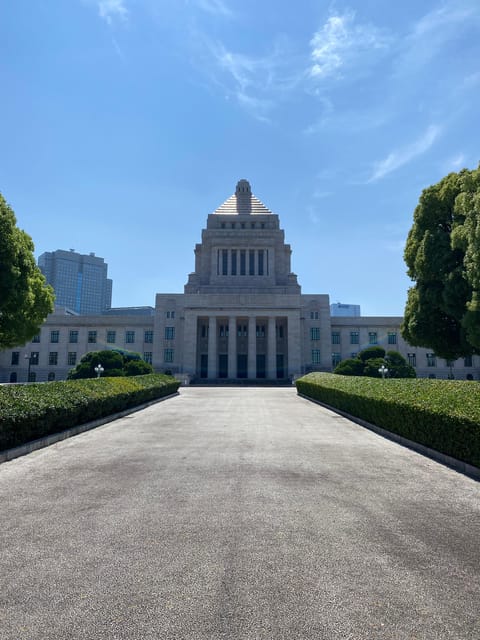
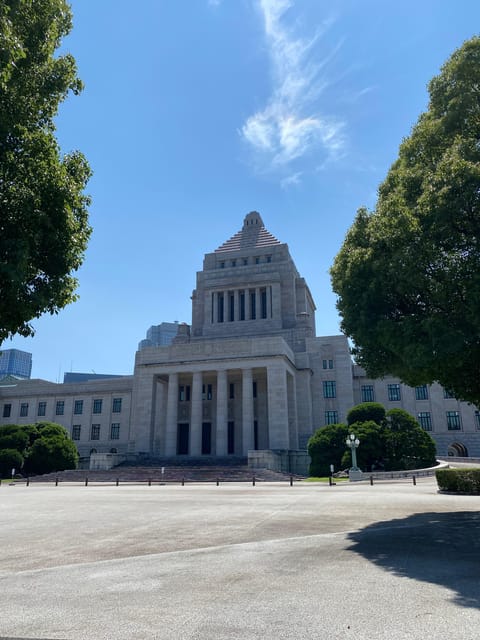
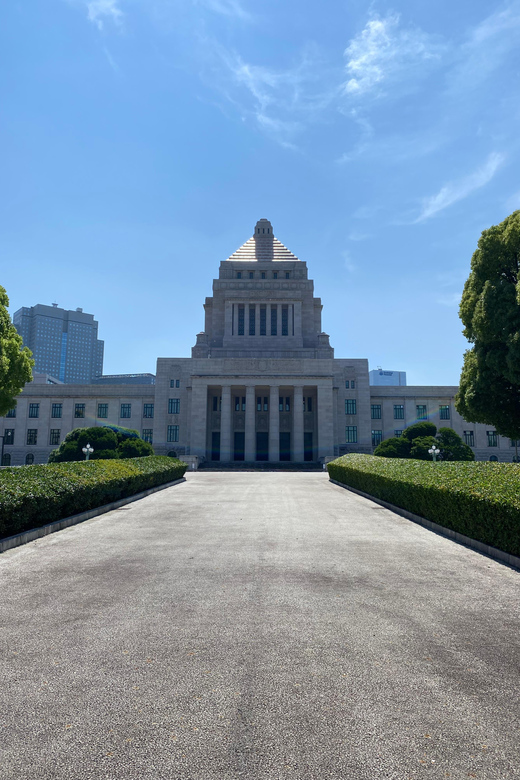
The tour begins at Kokkai-gijidōmae Station, Exit 1, with your guide in a navy blue happi. From there, you walk a short distance to the National Diet Building, Japan’s lawmaking hub. Even before you enter, it feels like a place where decisions are real, not just history behind glass.
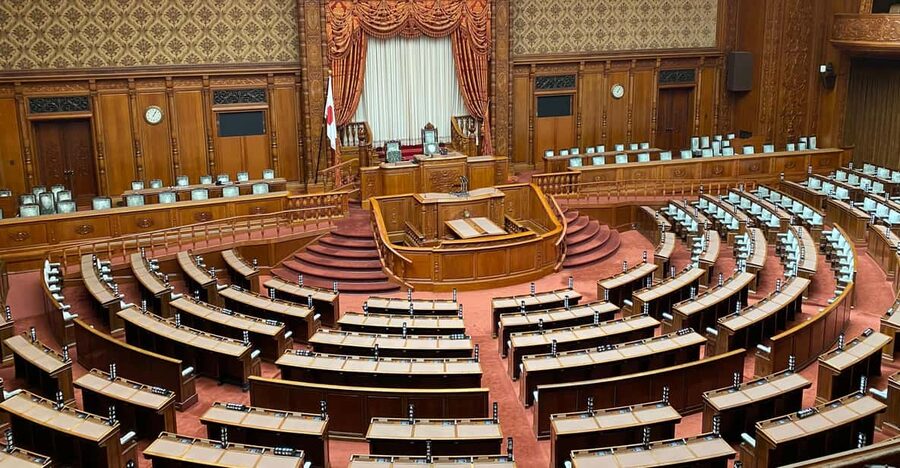
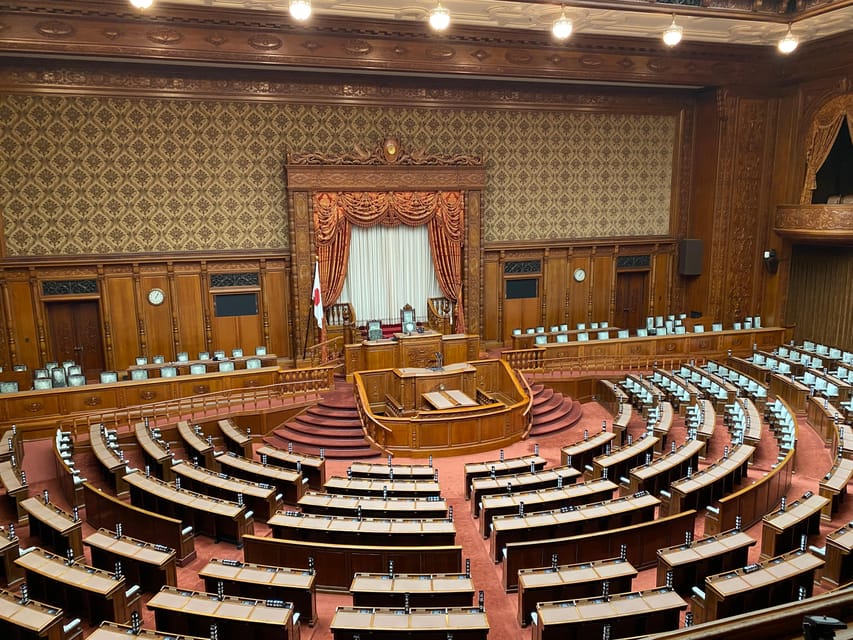
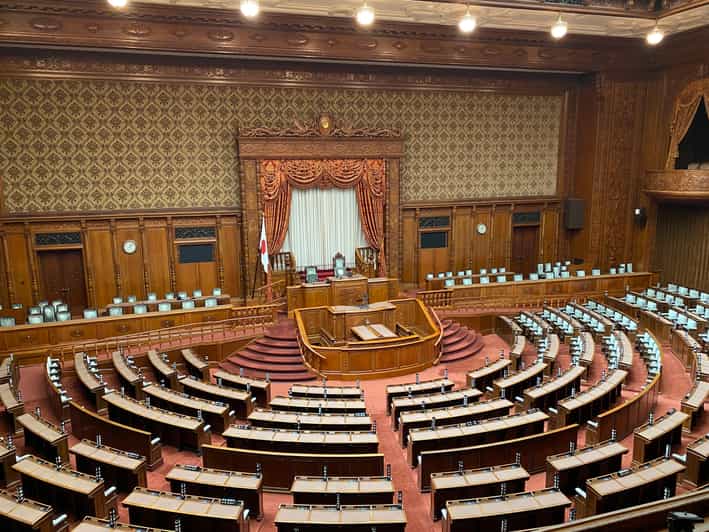
Once inside, the focus is on the big picture and the human scale. You’ll get an English guided tour, and you’ll see the grand chambers and learn how key political processes play out in this space. What I like about this stop is that it gives you a mental map, so later, when you hear terms like voting procedures or party politics in the news, you can picture the actual setting.
One practical note: there are stairs at the National Diet Building. It is not a marathon, but it is enough that I would not wear fashion shoes. If you want to enjoy the architecture and not just conserve energy, plan to climb a bit.
A few more Tokyo days to weigh up
- Mt Fuji and Hakone 1-Day Bus Tour Return by Bullet Train
★ 5.0 · 26,383 reviews - 1-Day Tokyo Bus Tour
★ 5.0 · 14,250 reviews - Tokyo: TOKYO SKYTREE® Admission ticket
★ 4.5 · 11,192 reviews
How to look at the chambers like a voter, not a tourist
When people tour government sites, it can turn into a photo sprint. This one tries to prevent that by pairing the visuals with context. I like that you are not only told what the building is, you get the why behind what you’re seeing.
Here is what you can watch for as you move through the space:
- Where the political action happens, so your brain links the ceremony to the outcomes.
- How procedures work, explained in a way that helps you picture steps and roles rather than memorizing facts.
- Cultural context around everyday life, so the building stops feeling like a distant museum.
Also, you may pick up small but memorable lessons about daily Japan. I learned one fascinating detail about why trash cans are not commonly seen in public parks, and how that ties to different habits of responsibility and cleanliness. It is the kind of side fact that makes the tour feel like it is teaching you how people live, not only how institutions run.
Hie Shrine: career luck, matchmaking, and the monkey at the gate
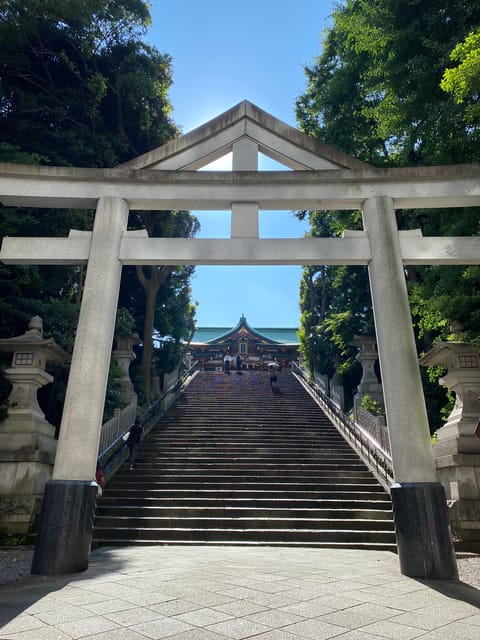
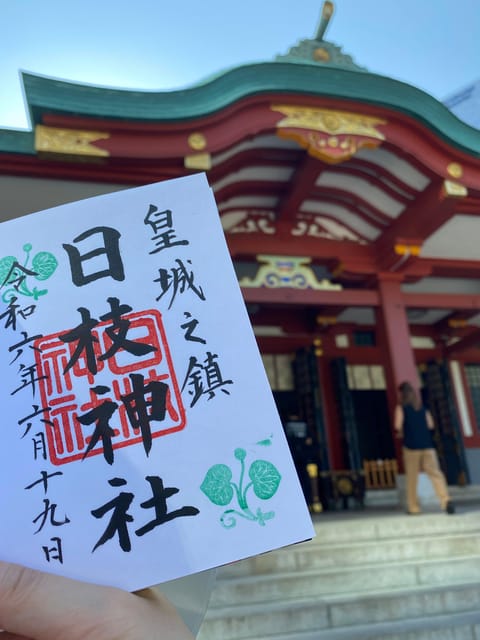
After the Diet Building, you head to Hie Shrine, close enough that the whole shift feels natural. You go from political architecture to a shrine experience that people treat as practical, not just decorative. This shrine is known as a power spot for career success and matchmaking, and the tour helps you understand what that means in the context of Shinto belief.
The first thing to look for is the monkey theme. You will see guardian monkey statues at the gate and main hall, and monkey motifs also appear on votive tablets and charms. That repetition matters, because it makes the symbol easy to notice. Instead of feeling like a random decorative theme, it feels like a message you can follow.
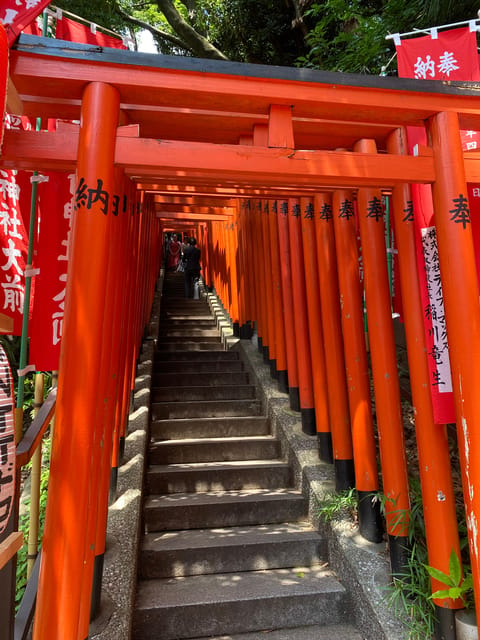
Then there is the visual feature many visitors remember. The shrine area includes Thousand Torii Gates, a famous pattern you may recognize if you have seen other torii gate clusters around Japan. Here, it gives you that sense of moving through a sacred rhythm, even if you came for the politics earlier in the day.
Worship etiquette that makes your visit calmer
Shrines can be intimidating if you do not know what to do. This tour gives you guidance on how to worship at a Shinto shrine, which means you can focus on the moment instead of guessing the steps.
I like that you are shown the basics and then left with enough room to participate respectfully. If you enjoy small rituals and you want to take home more than photos, this portion is genuinely satisfying.
Also, the symbolism is easy to connect with the topics you just learned. You spend time understanding decision-making in government, then you visit a place people associate with personal outcomes like career and relationships. It is a neat contrast, not a contradiction.
A different sort of day in Japan:
- Tokyo: teamLab Planets TOKYO Digital Art Museum Entry Ticket
★ 4.6 · 9,779 reviews - Mt Fuji & Hakone Cruise, Drum Show Bullet Train 1 Day from Tokyo
★ 4.0 · 7,413 reviews - Tokyo: Sumo Show Experience with Chicken Hot Pot and a Photo
★ 4.8 · 6,678 reviews - Tokyo: Shinjuku Food Tour (13 Dishes at 4 Local Eateries)
★ 5.0 · 6,603 reviews
Dobashi-en: matcha and sweets, the smart way to end a walking tour
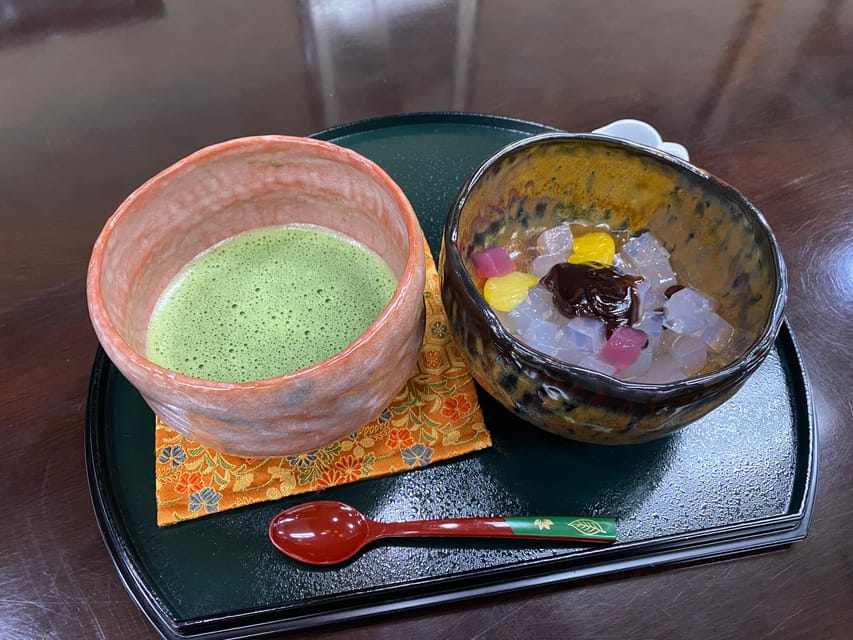
The last stop is Dobashi-en, a long-established green tea shop. After walking between stations and sightseeing at two major sites, this is your reset. The tour includes traditional matcha and delicious sweets, along with tea and local snacks.
I love this kind of ending because it is not just a meal break. Matcha is part of Japan’s everyday hospitality culture, and eating it after cultural and historical stops helps the whole day feel coherent. You finish with a slower pace and a clear taste memory.
You also receive a small souvenir tea gift. It is a nice touch because you actually have something you can use later, not just a paper receipt of your day.
Price and what you actually get for $129
At $129 per person for a 3-hour experience, the value depends on what you want from your Japan time.
For the money, you get:
- An English guided tour inside the National Diet Building
- A guided visit at Hie Shrine
- Matcha, sweets, and local snacks at Dobashi-en
- A tea souvenir gift
If you were to DIY this, you might save money on the guide. But you would likely lose the smooth explanations of how the government works, and you might miss the worship cues that keep a shrine visit comfortable. For me, the guide component is what turns the day from sightseeing into understanding.
The small group size, limited to 5 participants, also matters here. It is much easier to ask questions about the Japanese political system when you are not competing with a big crowd. That is not a luxury detail, it affects what you learn.
Logistics that affect comfort: shoes, cash, and the walking rhythm
This tour runs about 3 hours and moves at a steady sightseeing pace. You start at Kokkai-gijidōmae Station, Exit 1, then walk short segments between stops.
The timing looks like this in rough terms:
- A short walk to the National Diet Building
- A guided visit of about 1 hour inside
- A walk to Hie Shrine, then about 45 minutes there
- A final walk to Dobashi-en, then about 45 minutes for tea and snacks
- You finish at Akasaka-Mitsuke Station
Two practical things I would not ignore:
- Wear comfortable walking shoes, especially because stairs are part of the National Diet Building visit.
- Bring some cash, since some shops may not accept cards.
Even if you rely on cards normally, having a bit of cash keeps you from dealing with last-minute surprises during the tea stop.
Who this tour is best for
This experience is ideal if you want more than pretty buildings. It is for you if you:
- Want to understand Japan’s political system in a way that feels human and clear
- Like mixing major landmarks with spiritual meaning
- Enjoy Q and A, and want your questions answered in real time
- Prefer small group travel, where you can actually talk
If your idea of a great day is nonstop museums with no conversation, you might find this slower and more reflective. But if you like explanations and cultural context, it is a smart use of a half day.
Should you book this politics tour?
I would book it if you want a guided, English explanation that connects architecture to real political life, and you also want a meaningful add-on at Hie Shrine. The matcha finish at Dobashi-en makes the experience feel complete, not abrupt.
I would think twice if stairs or uneven mobility are a concern, because the National Diet Building visit includes stairs. If that is you, consider whether you can manage short climbs comfortably.
If you want value, target the format: small group size, English live guide, and included entry plus food and tea. Those are the ingredients that make the $129 price feel fair rather than random.
FAQ
Where is the meeting point?
Meet your guide at Kokkai-gijidōmae Station, Exit 1. Your guide will be wearing a navy blue happi.
How long is the tour?
The tour lasts 3 hours.
Is the tour offered in English?
Yes. The tour is guided in English.
What is the group size?
It is a small group limited to 5 participants.
How much does it cost?
The price is $129 per person.
What is included besides sightseeing?
You get entry to the National Diet Building, tea and local snacks at Dobashi-en, and a souvenir tea gift.
What will I see at Hie Shrine?
You will visit Hie Shrine and see the monkey-themed guardian statues at the gate and main hall, monkey motifs on votive tablets and charms, and the area with Thousand Torii Gates.
What do I get to eat and drink at the tea shop?
You will have traditional matcha and sweets at Dobashi-en, plus tea and local snacks.
What should I bring for the day?
Wear comfortable walking shoes, since there are stairs at the National Diet Building. Also bring cash, because some shops may not accept cards.
Can I cancel if my plans change?
Yes. Free cancellation is available up to 24 hours in advance for a full refund.
Newly listed around Tokyo
- Tokyo private transfer for Yokohama Port★ 4.5 · 63 reviews
- Luxury Kimono Photoshoot at Ginza Tokyo★ 5.0 · 7 reviews
- Tokyo Allstar Food Tour★ 4.5 · 206 reviews
- Tokyo Art Aquarium Museum E-Ticket with optional Tokyo Metro Pass★ 5.0 · 17 reviews
- Tokyo: Best Ginza Food Tour at 3 Local Eateries★ 5.0 · 83 reviews
- Private One Day Nikko Tour with Bilingual driver★ 3.5 · 11 reviews
- PRIVATE tour in 180SX to Daikoku+++++★ 5.0 · 6 reviews
- Kabuki Talk★ 5.0 · 10 reviews
Tokyo Tours, compared.
Mt Fuji and Hakone 1-Day Bus Tour Return by Bullet Train
Read our review →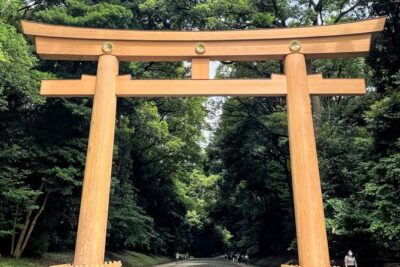

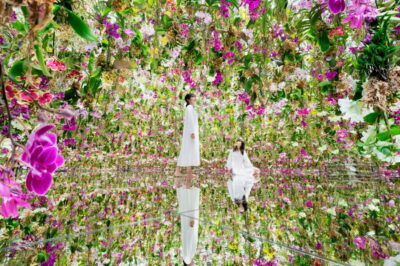
teamLab Planets TOKYO Digital Art Museum Entry Ticket
Read our review →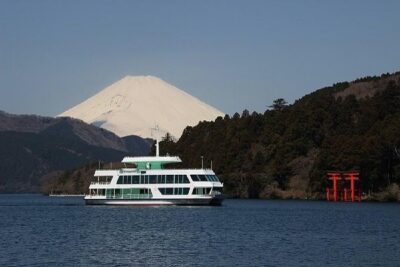
Mt Fuji & Hakone Cruise, Drum Show Bullet Train 1 Day from Tokyo
Read our review →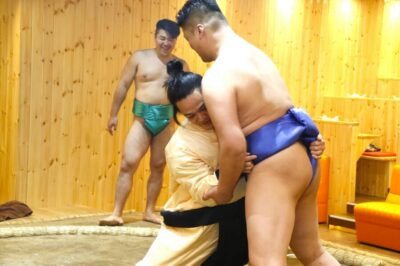
Sumo Show Experience with Chicken Hot Pot and a Photo
Read our review →
Shinjuku Food Tour (13 Dishes at 4 Local Eateries)
Read our review →