
Review · MUSEUMS
Tokyo Art Aquarium Museum E-Ticket with optional Tokyo Metro Pass
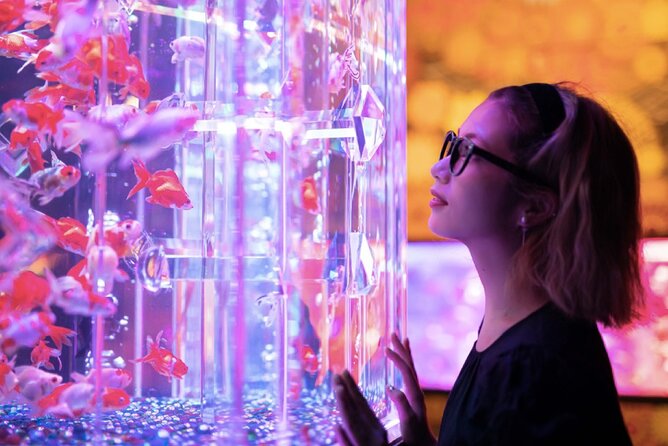
Goldfish, but make it art. At Art Aquarium Museum Ginza, I love the way Japanese goldfish culture is turned into a modern, sensory art show with light, sound, and even fragrance. I also like the themed displays of goldfish as tiny living artworks, including flower-focused moments like cherry blossom styling. One thing to think about first: this is a focused, mostly indoor stop, so it works best when you plan your other Ginza time around it rather than expecting a long day.
You’re in Ginza Mitsukoshi, so the location is a big plus. It’s close to Tokyo Station and the Imperial Palace Plaza, which makes this easy to slot into your sightseeing flow. Plan for about 1 to 2 hours, bring a valid photo ID for entry, and expect a calm, picture-friendly visit that’s more art gallery feeling than walk-through tank zoo.
In This Review
- Key highlights you should know before you go
- Ginza Mitsukoshi, close to Tokyo Station and easy to connect
- What the museum experience really is: goldfish culture turned into art
- Price and logistics: is $29 good value for what you get?
- Entering and finding the flow inside Ginza Mitsukoshi
- The main show: Art Aquarium Museum Ginza and the Hyakka Ryoran theme
- Light, sound, and fragrance: why the sensory design matters
- Pairing your visit with Ginza Mitsukoshi and nearby sights
- Who should book this, and who might want to skip it
- Quick FAQ on tickets, ID, and practical rules
- FAQ
- How long does the Art Aquarium Museum Ginza visit take?
- Where is the museum located?
- How much does it cost?
- Is the admission ticket included?
- Do I need to print the ticket?
- What ID do I need to show at the entrance?
- Can I bring outside food, drinks, or luggage?
- Is pickup or drop-off included?
- What happens if I cancel?
- What if the experience is canceled due to poor weather?
- Should you book this goldfish art experience?
Key highlights you should know before you go
- Ginza Mitsukoshi location: convenient access near Tokyo Station and the Imperial Palace Plaza
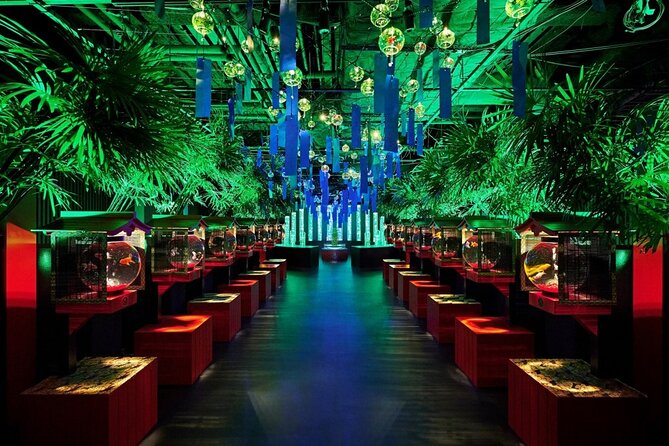
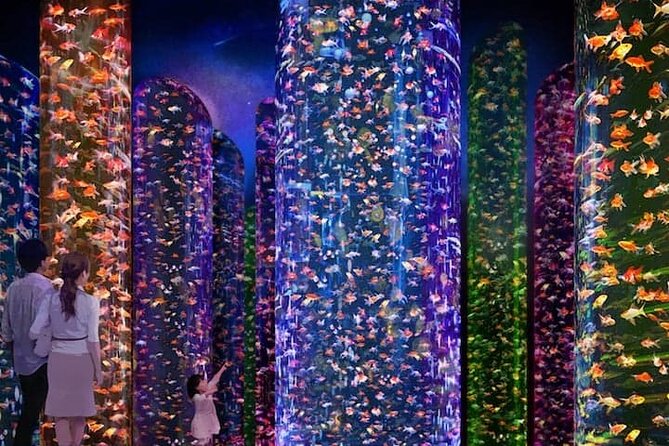
- Goldfish as art: themed tanks built like installations, not just exhibits
- Sensory storytelling: light, sound, and fragrance used to set the mood
- Hyakka Ryoran theme: evolving art concept with a Japanese flower focus
- Short and sweet timing: ideal for a quick break between bigger Tokyo sights
- Admission included: the $29 price covers your entry ticket for the selected time
Ginza Mitsukoshi, close to Tokyo Station and easy to connect
Art Aquarium Museum Ginza is inside Ginza Mitsukoshi, a department store in the heart of Tokyo. That sounds like a minor detail, but it changes the whole experience, because you are not fighting transit or trekking across town. You can pair this with other Ginza wandering like shopping streets, classic cafes, and a quick look at Imperial Palace area views when the weather cooperates.
For planning, I like the “spoke-and-wheel” approach here. Put Art Aquarium Museum Ginza near the middle of your day, then build outward. If you’re starting from Tokyo Station, you’ll have a straightforward route into Ginza. If you’re already in the Imperial Palace Plaza area, this is one of those stops that feels like it was designed for tourists who want efficiency without giving up something fun and different.
Because the visit is mostly indoor, it also works when Tokyo weather is doing its own thing. You’ll still want to think about the general good-weather requirement tied to the experience, but as a practical matter, this is far less weather-sensitive than outdoor-only attractions.
More Museum Tours in Tokyo
- Tokyo: teamLab Planets TOKYO Digital Art Museum Entry Ticket
★ 4.6 · 9,779 reviews - Tokyo: Samurai Ninja Museum Guided tour and Experience
★ 4.6 · 1,010 reviews - Skip the lines Basic Ticket at SAMURAI NINJA MUSEUM TOKYO
★ 5.0 · 470 reviews
What the museum experience really is: goldfish culture turned into art
This is not a typical aquarium. Yes, you’ll see ornamental goldfish, the kind people in Japan have cherished for a long time. But Art Aquarium Museum Ginza frames that tradition as art, using theme, styling, and atmosphere to help you appreciate goldfish as part of Japanese cultural aesthetics.
You get the historical context too, especially the idea that appreciation of goldfish dates back to the Edo period, 1603 through 1867. The museum uses that thread to connect old taste with a modern art space concept. The result is that you’re not only looking at fish. You’re looking at design choices, presentation, and symbolism.
The museum also emphasizes that it’s part of a longer story. Art Aquarium has 15 years of history, and the museum in Ginza is described as a second chapter. That matters because it signals the place isn’t just “a tank in a mall.” It’s built to feel like an art installation that happens to use goldfish as the living centerpiece.
If you like experiences that blend culture and visual design, this is a great match. You’ll come out feeling like you saw something specifically Tokyo and not a generic attraction you could find anywhere.
Price and logistics: is $29 good value for what you get?
At $29 per person, you’re paying for an included admission ticket for your selected date and time. That one detail changes the value math. You’re not paying extra at the door, and you’re not trying to figure out a separate entry system while you’re standing in a busy building.
The other value factor is the time window. The visit runs about 1 to 2 hours, which is a sweet spot in a city like Tokyo. When your schedule is packed, an hour can be a lifesaver. When your day has gaps, 1 to 2 hours is enough to feel satisfied without turning your whole afternoon into a single attraction.
What is not included is also worth knowing. Food and drinks are not part of the ticket, and there’s no pickup or drop-off. So if you plan to make this the middle stop of a longer day, think about where you’ll eat next, especially since Ginza Mitsukoshi is a large shopping area with lots of options nearby.
Logistics you should take seriously:
- You need a valid photo ID or passport displayed at the entrance.
- You can use your e-ticket on your phone. No printing is required.
- E-tickets are sent via email about one day before your date.
- No outside food or beverages, and no luggage allowed.
None of this is extreme, but if you show up with bags, snacks, or the wrong documentation, it can slow you down. Getting these basics right makes the experience feel smooth and calm, the way you want it to.
Entering and finding the flow inside Ginza Mitsukoshi
Once you’re inside Ginza Mitsukoshi, the museum portion feels like a focused indoor circuit. The big practical advantage is that department store buildings in Japan are built for easy navigation, so you can usually find your way without a full map quest. That said, you’ll still want to arrive a bit early so you can handle entry and any ID checks without rushing.
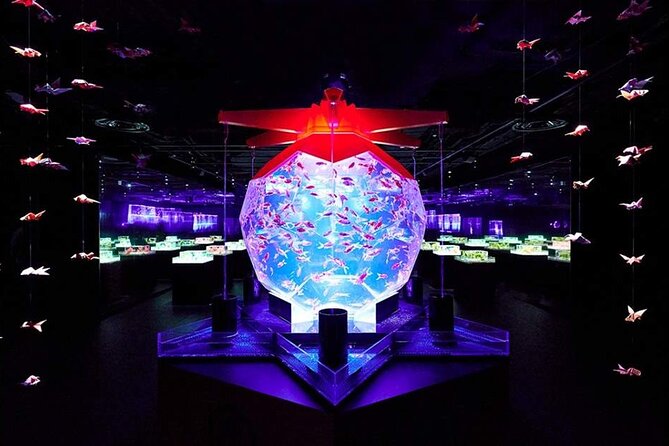
Plan on moving at a relaxed pace. This is the kind of attraction where it helps to pause and look longer than you think you need to. The tanks are arranged as themed installations, so your eyes will naturally jump between details, containers, and color schemes.
There’s also a very specific kind of atmosphere here: a modern art space that uses light, sound, and fragrance. That means you may notice the environment changes as you progress through sections. If you’re sensitive to strong smells or loud audio, take it slow and choose a calmer viewing rhythm. The overall experience is meant to feel relaxing, but the sensory elements are part of the design language.
Because the museum is tied to your selected time slot, you’ll get the most out of it if you don’t treat it as a “wander when you feel like it” stop. Treat it like a small appointment. Then you can pair the rest of your day with confidence.
A few more Ginza days to weigh up
- Osaka Castle: Museum and Tower Entry Ticket
★ 4.5 · 2,380 reviews - Kyoto: Tea Museum Tickets and Matcha Grinding Experience
★ 4.9 · 739 reviews - Skip the lines Basic Ticket at SAMURAI NINJA MUSEUM KYOTO
★ 4.5 · 632 reviews - Tokyo Studio Ghibli Museum and Ghibli Film Appreciation Tour
★ 4.5 · 421 reviews
The main show: Art Aquarium Museum Ginza and the Hyakka Ryoran theme
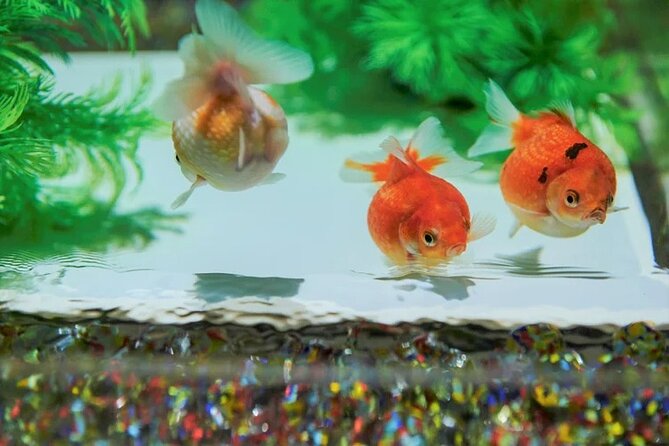
The core of your itinerary is the Art Aquarium experience itself. Expect a museum built around goldfish as the main subject, presented through themed tanks and cultural styling. The museum’s focus is described as Hyakka Ryoran, evolving art, with the idea of Japanese beauty and flower imagery running through the installation concept.
In practice, what you’ll appreciate is the variety in how goldfish are displayed. Some displays can feel like small “worlds,” with goldfish arranged in multiple containers and scenes that look designed for close attention. This is where the experience becomes more than sightseeing. You start noticing the choices: the way colors interact with the set, the way the tank arrangement frames the fish, and the way the theme guides your eye.
One of the standout moments tied to the theme is cherry blossom styling. It’s the kind of detail that makes you stop, look again, and realize they’re using goldfish to represent seasonal and cultural imagery. Even if you’re not deeply into goldfish, that visual storytelling helps the displays land emotionally.
The museum is also known for limited-time exhibitions held in various places over the years. So even within the general concept, you may see different thematic presentations across seasons. That’s a big reason this attraction can feel fresh rather than repetitive.
Timing-wise, this works best when you give yourself time to absorb. If you rush, you’ll miss the point, because the “art” part is in the presentation details, not just the presence of fish.
Light, sound, and fragrance: why the sensory design matters
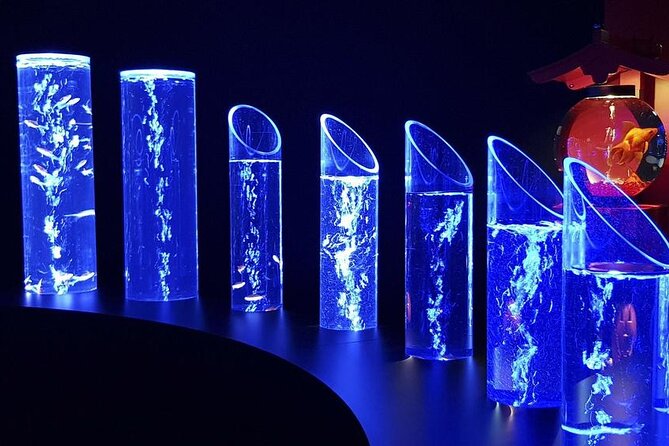
The museum doesn’t rely only on what’s in the tanks. It uses the environment as part of the artwork. Light and sound set mood, and fragrance helps create a sensory layer that reinforces the cultural theme.
This matters because goldfish are small, and they can look similar at a glance. The museum’s trick is to make you look longer by changing the atmosphere around you. When lighting shifts and sound adds a gentle texture, your attention stays on the scene. When fragrance supports the theme, it makes the flower-and-Japan concept feel more complete.
I like that this turns a simple subject into a more meditative experience. You’re not just moving from exhibit to exhibit. You’re being guided through a mood. That is why many people find it relaxing, even though it’s still a visual museum.
Practical tip: keep your phone camera handy, but don’t let it fully take over. The installation is designed to be experienced in person first. If you do take photos, look for the moments when the lighting and tank framing line up. Those tend to be the most satisfying.
If you’re traveling with kids, this kind of sensory design can be a win. It gives the visit energy without turning it into a loud, chaotic attraction. It’s a controlled environment with plenty to look at.
Pairing your visit with Ginza Mitsukoshi and nearby sights
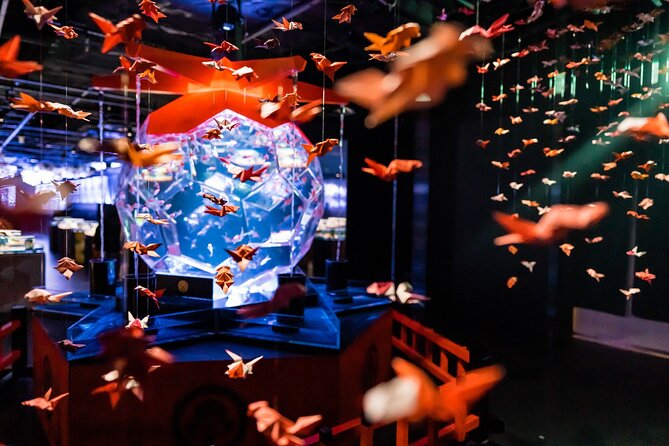
Because the museum is inside Ginza Mitsukoshi, you get an easy “combo day” advantage. You can turn your trip into more than one ticketed thing. Before or after your aquarium stop, you can use the department store as a base for snacks, shopping, and getting out of the weather.
Food and drinks aren’t included with the ticket, but that’s not a downside here because the location makes meal planning simple. Just keep in mind the museum itself has a no outside food or beverages rule, so you’ll want to eat after.
For nearby sightseeing, your geography is helpful. Ginza’s central location makes it reasonable to connect to Tokyo Station area views and the Imperial Palace Plaza area without turning your day into a transit marathon. If you like walking with purpose, plan a route that starts near one anchor point, moves through Ginza, and ends with the aquarium as a mid-afternoon reset.
This is also a good time to browse those classic Ginza details like long-established restaurants and retro cafe culture. Not all of that is specifically about goldfish, but it gives your day texture, and it helps the aquarium feel like part of a bigger, more Tokyo experience.
Who should book this, and who might want to skip it
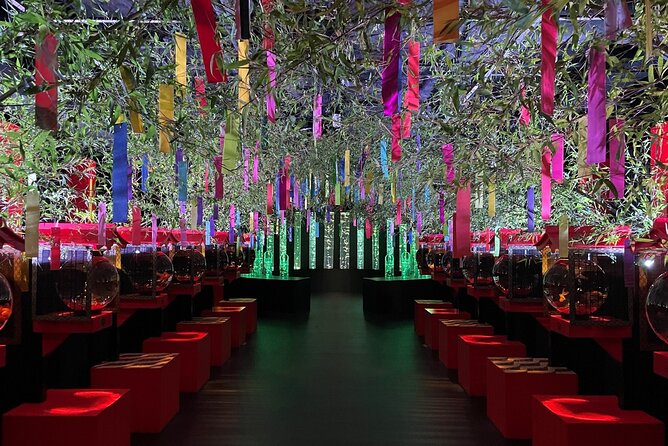
This experience is best for you if:
- You like art museums and design as much as you like animals
- You’re curious about Japanese aesthetics, including the goldfish appreciation tradition
- You want a short, low-stress indoor stop that still feels special
- You enjoy seasonal themes and photo-friendly installations
It might not be your best fit if:
- You’re expecting a huge aquarium with lots of different marine species
- You want a multi-hour program filled with guides, shows, and outdoor exhibits
- You dislike sensory elements like fragrance and sound and want a purely visual experience
The sweet spot is people who want something different in Tokyo that’s still easy to fit into a packed schedule. It’s also a strong choice for couples and solo travelers who like calm, curated spaces.
For families, the mix of creative theming and a manageable time commitment can work well. For older travelers, the indoor setting and short duration can be a plus too.
Quick FAQ on tickets, ID, and practical rules
You’ll move through entry based on your time slot, and the most common hiccups are paperwork and prohibited items. Here are the practical answers that matter before you go.
FAQ
How long does the Art Aquarium Museum Ginza visit take?
It takes about 1 to 2 hours.
Where is the museum located?
It is located in Ginza Mitsukoshi in Tokyo.
How much does it cost?
The price is $29.00 per person.
Is the admission ticket included?
Yes. Admission Ticket is included as per the tour grade selected.
Do I need to print the ticket?
No. You can show the e-ticket from your smartphone. E-tickets are sent by email about one day before.
What ID do I need to show at the entrance?
A valid photo ID or passport is required and must be displayed at the entrance.
Can I bring outside food, drinks, or luggage?
No. Outside food or beverages and luggage are not allowed.
Is pickup or drop-off included?
No. Pickup and drop are not included.
What happens if I cancel?
This experience is non-refundable and cannot be changed for any reason.
What if the experience is canceled due to poor weather?
If it is canceled due to poor weather, you will be offered a different date or a full refund.
Should you book this goldfish art experience?
Book it if you want a genuinely different kind of Tokyo visit. For the price, you’re getting a dedicated indoor art-and-culture presentation centered on goldfish, plus a sensory setting with light, sound, and fragrance. The 1 to 2 hour length makes it easy to build into a day around Tokyo Station, Ginza Mitsukoshi, and the Imperial Palace area.
Skip it if you’re hunting for a big, animal-heavy aquarium experience. This is more about how the fish are presented, themed, and styled like living art.
If you’re deciding at the last minute, my rule is simple: if you like calm, curated spaces and you want something photogenic that still has cultural context, this is a smart pick. Just make sure you bring the photo ID they ask for, and keep your schedule flexible enough to slow down and actually look.
More Aquariums in Ginza
- Naha: North Okinawa Sightseeing Tour & Churaumi Aquarium
★ 4.4 · 472 reviews - Tokyo: Art Aquarium Museum GINZA Entry Ticket
★ 4.5 · 278 reviews - Okinawa: Churaumi Aquarium, Ryukyu Village & Manza Bus Tour
★ 4.5 · 118 reviews - Tokyo: Sumida Aquarium Entry Ticket
★ 4.6 · 70 reviews
Newly listed around Ginza
- Luxury Kimono Photoshoot at Ginza Tokyo★ 5.0 · 7 reviews
- Tokyo Allstar Food Tour★ 4.5 · 206 reviews
- Tokyo: Best Ginza Food Tour at 3 Local Eateries★ 5.0 · 83 reviews
- Private One Day Nikko Tour with Bilingual driver★ 3.5 · 11 reviews
- PRIVATE tour in 180SX to Daikoku+++++★ 5.0 · 6 reviews
- Kabuki Talk★ 5.0 · 10 reviews
- Japanese Whisky Tasting Experience at Local Bar in Tokyo★ 5.0 · 59 reviews
- Full Tokyo: Meiji Shrine, Imperial Palace, Asakusa & Skytree★ 5.0 · 20 reviews
Museums, compared.
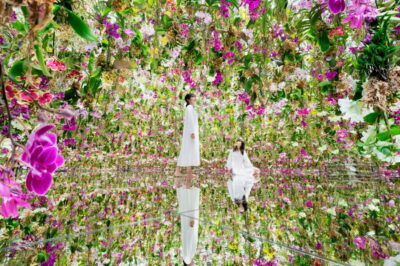
teamLab Planets TOKYO Digital Art Museum Entry Ticket
Read our review →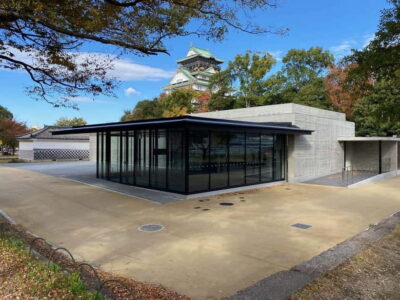
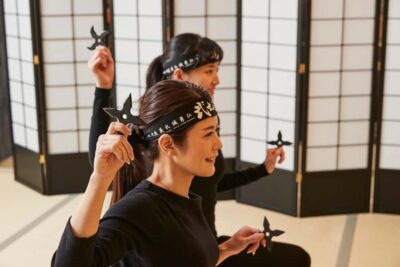
Samurai Ninja Museum Guided tour and Experience
Read our review →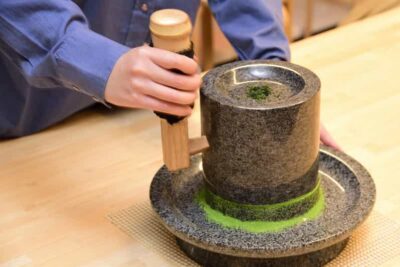
Tea Museum Tickets and Matcha Grinding Experience
Read our review →
Skip the lines Basic Ticket at SAMURAI NINJA MUSEUM KYOTO
Read our review →
Skip the lines Basic Ticket at SAMURAI NINJA MUSEUM TOKYO
Read our review →
Tokyo Studio Ghibli Museum and Ghibli Film Appreciation Tour
Read our review →
Geiko Maiko Dance of Kyoto & Visits of Gion Museum
Read our review →Browse the lists this tour appears in