Review · SHOW
Tokyo: Authentic Japanese Dance Show ticket by professionals
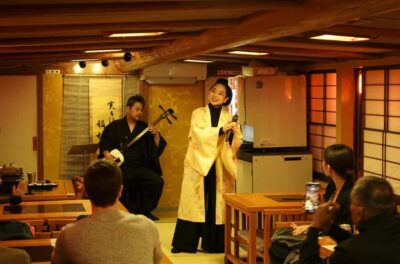
Japanese dance lives in Shinjuku. I love the close-up feeling, where you can read performers’ expressions, and the award-winning professionalism behind the kimonos and precise footwork. One consideration: photography is not allowed during the performance.
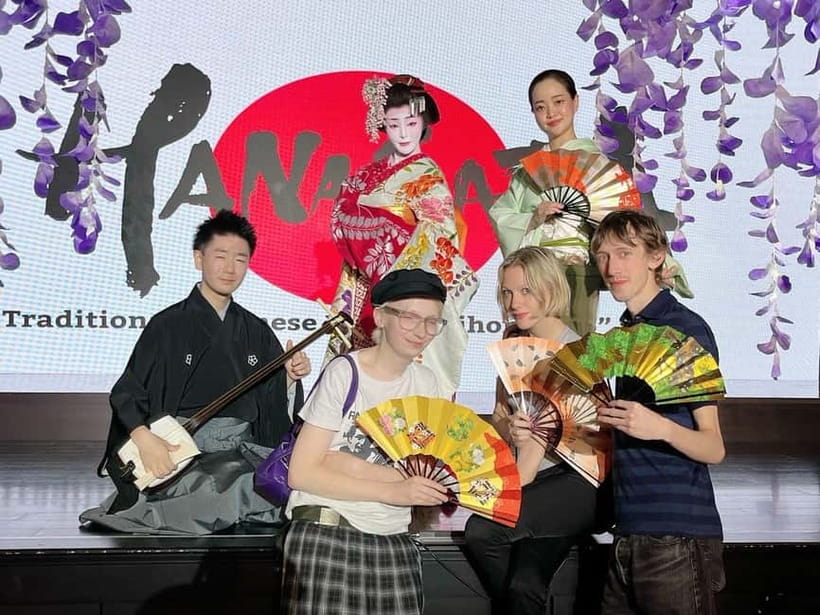
Between pieces, staff share helpful context, and the pacing makes it easier to follow even if you know little about traditional Japanese dance. At the end, you get a chance for taking pictures, which helps you leave with memories that feel earned, not distracted.
In This Review
- Key things to know before you go
- Shinjuku, Kimonos, and Close-Up Dance That Feels Personal
- What You’re Really Seeing: Dance as a 400-Year Language
- How the Show Runs: Before, During, and the Photo Window
- Your Seats and Your View in Shinjuku
- Photography Rules: How to Enjoy Without a Camera
- Language Support and Friendly Staff, Including YUKI YOSHIDA
- Pricing: Is $54 a Good Value for a Tokyo Cultural Show?
- Included vs Not Included: What You Should Plan Around
- Who This Show Suits Best (and Who Might Want to Skip It)
- Should You Book the Tokyo Japanese Dance Show Ticket?
- FAQ
- Where is this Japanese dance show located?
- How much is the ticket?
- What is included with the ticket?
- Is photography allowed during the performance?
- Is there a time to take pictures during the experience?
- Are food and drinks included?
- Is hotel pickup included?
- Can childcare be arranged?
Key things to know before you go
- Shinjuku location that keeps this cultural stop easy to plug into a Tokyo day
- Professional Japanese dancers with competition awards behind them
- 400-year technique performed live, with explanations to help you appreciate it
- Kimonos up close, including fine details in the fabric and decorations
- Photography rules that protect focus, with photo time after the show
Shinjuku, Kimonos, and Close-Up Dance That Feels Personal
Tokyo has tons of performances, but this one hits differently because it puts you near the action. In Shinjuku, you get a front-row style experience where facial expressions and small gestures matter. That is a big deal in Japanese dance, where meaning often lives in the timing, stillness, and the exact way an arm or foot lands.
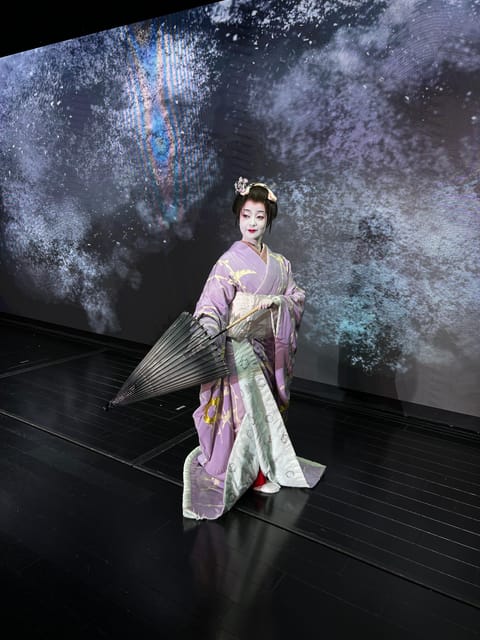
I also like the visible care in the presentation. The dancers wear beautiful kimonos with delicate decorations, and up close, you can actually see that the costumes are part of the storytelling, not just decoration. The result is that you start watching the movement, then you notice the clothing and the music link together.
The main trade-off is simple: you will not be able to film or take photos during the performance. If you need to document everything like a documentary shoot, this will feel restrictive. If you can set your phone aside for a bit, you’ll get far more out of the evening.
A few more Tokyo days to weigh up
- Mt Fuji & Hakone Cruise, Drum Show Bullet Train 1 Day from Tokyo
★ 4.0 · 7,413 reviews - Tokyo: Sumo Show Experience with Chicken Hot Pot and a Photo
★ 4.8 · 6,678 reviews - Tokyo: Sumo Show and Dining Experience
★ 4.8 · 2,742 reviews
What You’re Really Seeing: Dance as a 400-Year Language
The show’s big promise is that Japanese dance is more than entertainment. It is a style passed down for about 400 years, and it carries history and culture in its movement patterns. You feel that most when the dance moves through different moods, with changes in posture, tempo, and intensity.
Even without a background in the form, you can catch the structure. The performance is not just random steps. It is built like a language: start with recognizable shapes, then refine them, then shift emotion through rhythm and balance. That is why people often walk out feeling educated but also emotionally moved, not like they sat through a lecture.
A practical plus: staff provide information between parts of the show, so you are not left totally guessing. Some performances include English support, and that helps a lot if you are traveling without Japanese skills. You still need to watch actively, but you do not need to decode everything alone.
How the Show Runs: Before, During, and the Photo Window
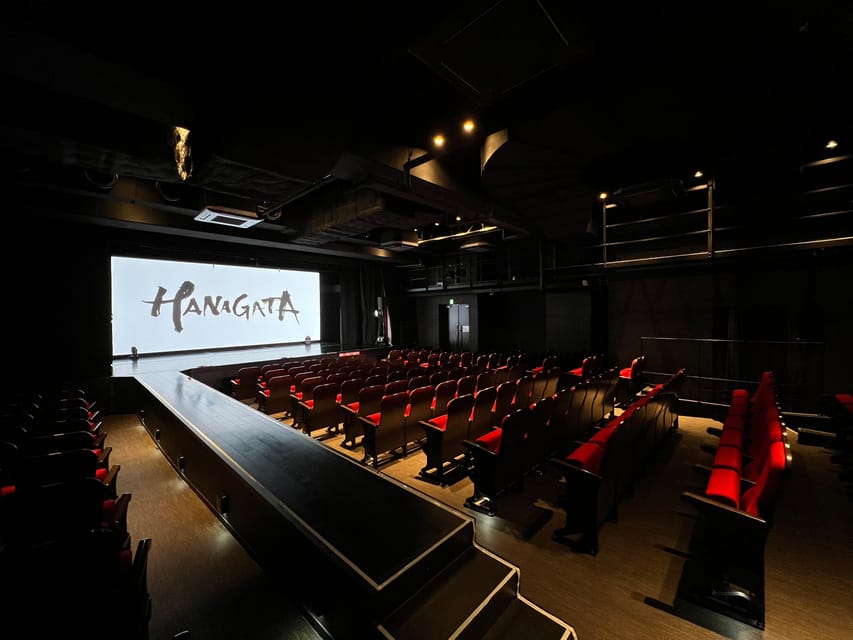
Here’s what you can expect, in plain terms.
Before the performance, you are in the show space with time to settle in. Staff are described as kind and welcoming, and you may receive small welcome touches. That matters because it sets expectations: this is designed to help you focus on the art, not to rush you through.
During the show, you watch professional dancers perform in an environment where everyone can concentrate. That is directly connected to the no-photography rule during performances. It keeps lights and attention steady, and it protects the dancers’ timing.
Between pieces, you can get cultural context in Japanese and, based on visitor experiences, often in English as well. That means you can connect the movement to meaning while you are still in the moment.
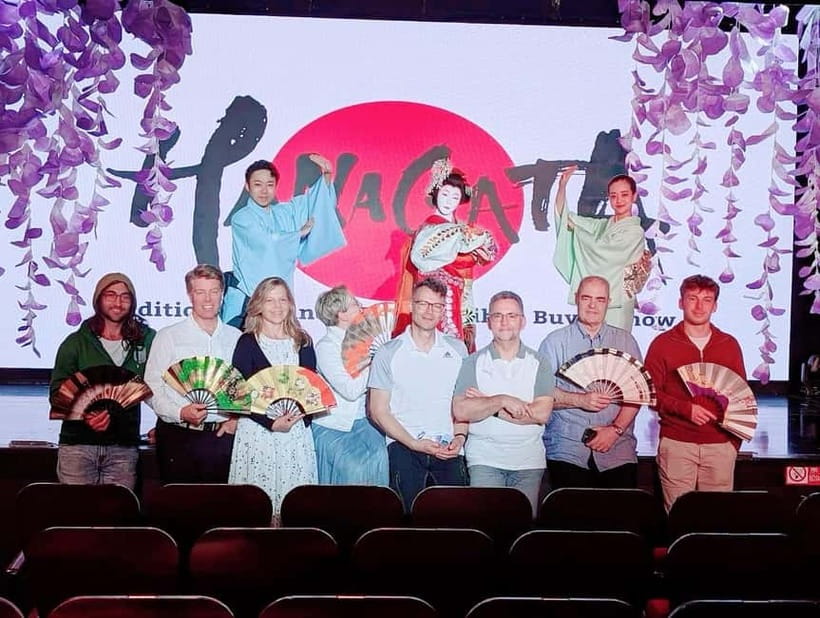
At the end, the experience shifts. There is a designated period for taking photos after the performance. It is a nice compromise: you keep the live performance distraction-free, then you get the chance to do your memory-capturing when the show has already landed.
Your Seats and Your View in Shinjuku
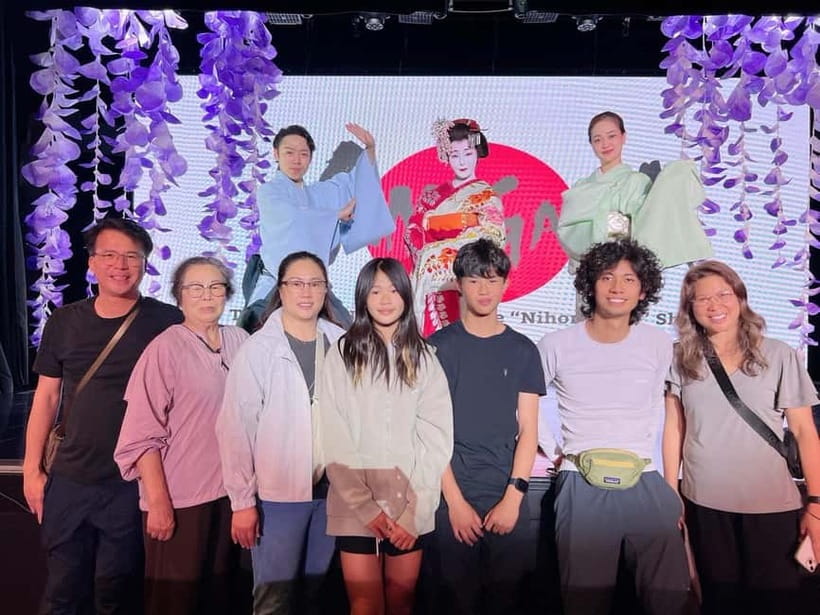
Seat anxiety is real. Good news here: people have said there are not really bad seats. When a show is built for close viewing, the staging tends to work from multiple angles, and you still get good visibility of the dancers’ expressions and kimonos.
Still, you should show up with the mindset that this is about details. The beauty of Japanese dance often lives in the small stuff: how the arms float, how a turn resolves, how posture shifts from strong to soft. If you sit back and scroll on your phone, you will miss the whole point.
If you want the best experience, treat it like a theater show. Go in calm, look up early, and keep your attention on what changes from one segment to the next. That is where the skill shows.
A different sort of day in Japan:
- Mt Fuji and Hakone 1-Day Bus Tour Return by Bullet Train
★ 5.0 · 26,383 reviews - 1-Day Tokyo Bus Tour
★ 5.0 · 14,250 reviews - Tokyo: TOKYO SKYTREE® Admission ticket
★ 4.5 · 11,192 reviews - Tokyo: teamLab Planets TOKYO Digital Art Museum Entry Ticket
★ 4.6 · 9,779 reviews
Photography Rules: How to Enjoy Without a Camera
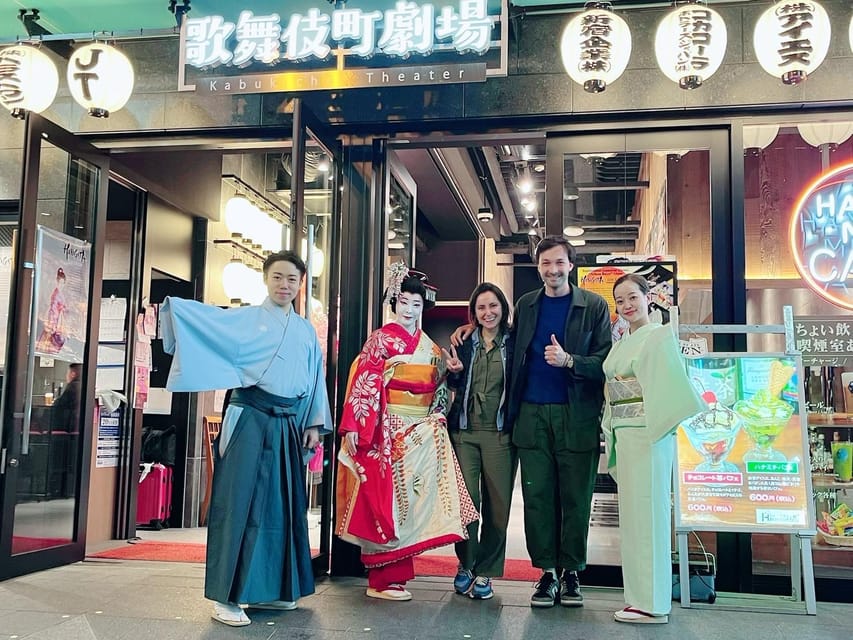
Let me be blunt, because this rule is the one thing that can change your experience.
Photography is prohibited inside during the performance. No filming, no snapshots mid-dance.
Why it matters: in Japanese dance, movement is subtle and timed. A camera can pull focus, add light, and break the atmosphere. The venue’s rule creates a consistent viewing environment for everyone.
How to handle it:
- Put your phone in a mode where notifications are silent.
- Use your eyes first, your camera second.
- Plan to take photos after the show during the allowed time.
If you can do that, the no-photo rule stops feeling like a limitation and starts feeling like a helpful nudge toward actually watching.
Language Support and Friendly Staff, Including YUKI YOSHIDA
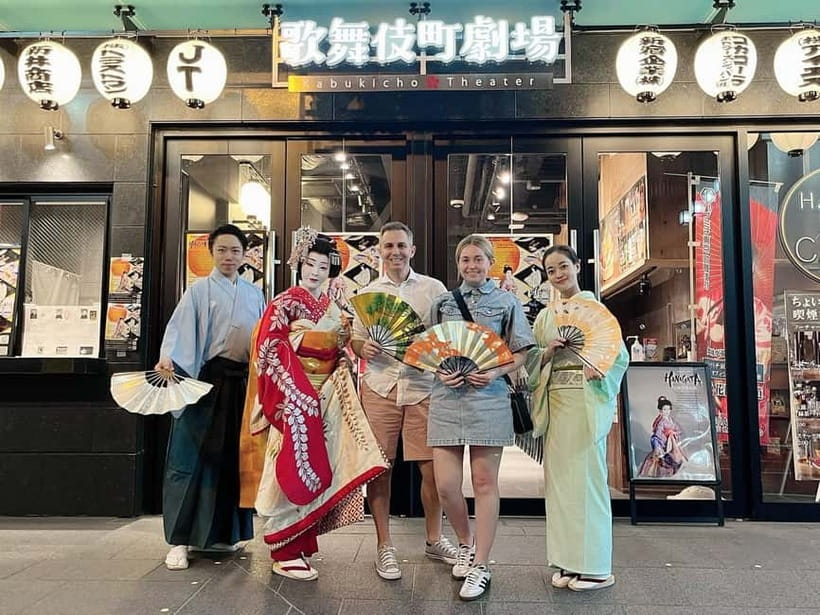
The experience provider is YUKI YOSHIDA. Staff are described as friendly and approachable, including after the performance when visitors had chances to talk.
Language is listed as Japanese, which matters for communication before and after. That said, many visitors report that staff know English well enough to explain what’s happening and to make conversation easy. You can also use this as an opportunity to practice a little Japanese in a low-stakes way. Even if your Japanese is basic, the tone is welcoming.
Practical tip: if you want to understand the dance quickly, arrive ready to listen during the between-parts explanations. Those short bursts of context are where you pick up the meaning that connects the choreography to emotion and tradition.
Pricing: Is $54 a Good Value for a Tokyo Cultural Show?
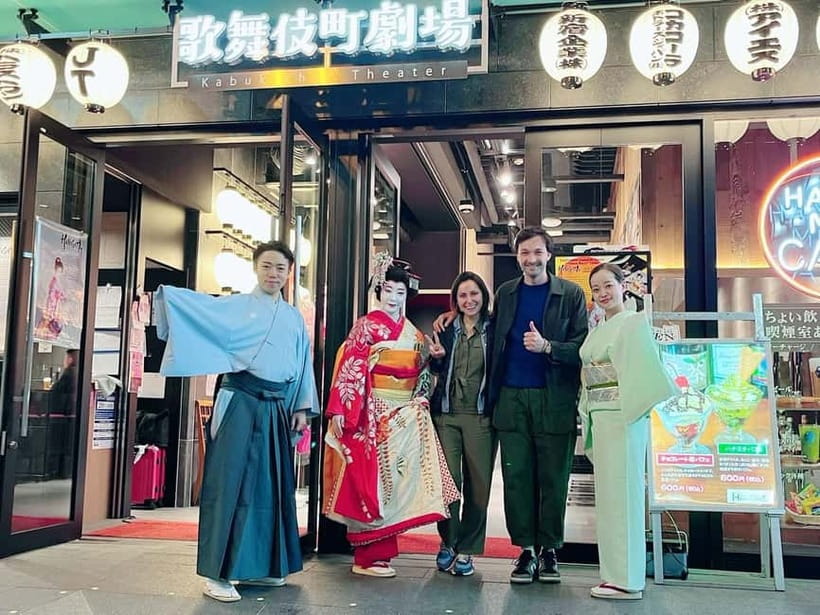
At $54 per person, you are paying for a live, professional performance with trained dancers, specialized costumes, and an educational component built into the show flow.
So is it good value? In my view, yes, if your goal is cultural understanding and you care about craftsmanship. You are not just buying a seat. You’re paying for:
- professional dancers with competition recognition
- traditional kimonos and stage presentation
- structured context during the show, so you are not left out of the story
- an experience designed around close viewing
Would it be overpriced if you only want general entertainment? Possibly. If you’re the type who wants constant visuals and zero rules, a traditional dance performance might feel slower than you expected.
But if you like artistry, technique, and meaning, $54 is a reasonable price for a high-touch cultural event in Tokyo.
Also remember the opportunity cost. Shinjuku is an easy place to combine plans, so this ticket can act like a solid cultural anchor without swallowing your whole day.
Included vs Not Included: What You Should Plan Around
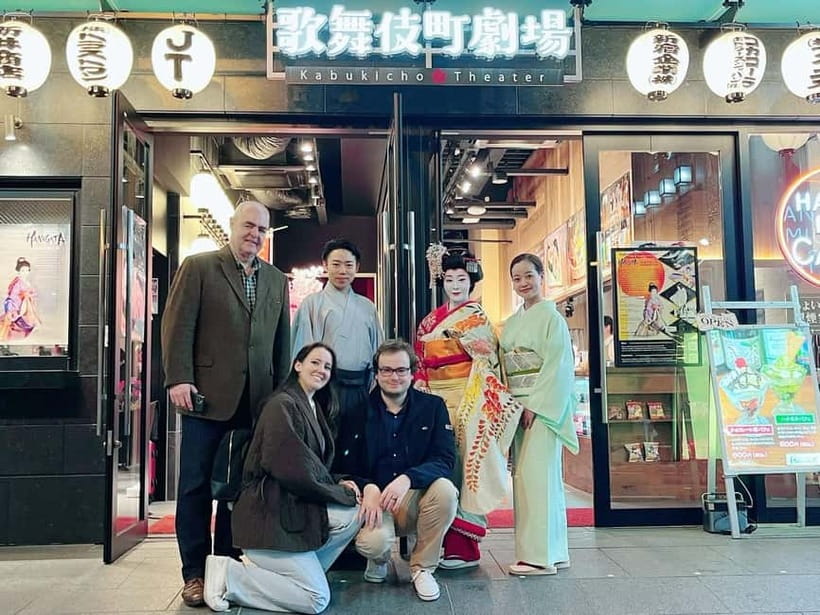
Your ticket includes the entrance fee only.
Not included:
- Food and beverage
- Hotel pickup
That means you’ll want to plan dinner or snacks separately. Since the show includes restrictions and focus, you probably will not want to count on being able to grab food nearby right before you sit down. If you are hungry, eat first, then go in ready.
And because there is no hotel pickup, you’ll be on your own for getting there. Shinjuku is a major Tokyo hub, so reaching it is usually straightforward. Just give yourself a little extra buffer so you are not rushing when it is time to take your seat.
Who This Show Suits Best (and Who Might Want to Skip It)
This ticket is ideal if you want:
- traditional Japanese performing arts in a concentrated, easy-to-schedule format
- a close view of kimonos, facial expressions, and refined technique
- an experience that explains what you’re seeing while you watch
- a night in Tokyo that feels more like cultural craft than just sightseeing
You might consider skipping if:
- you strongly prefer filming throughout events
- you need lots of action and constant novelty
- you dislike structured rules, since photography is clearly controlled
This is also a great fit for people who enjoy art that is detailed and emotional. You do not need to be an expert. You just need curiosity and the willingness to watch carefully.
Should You Book the Tokyo Japanese Dance Show Ticket?
If you’re in Tokyo and you want one traditional performing-arts experience that is both beautiful and understandable, I would book it. The close-up format, the professional level of the dancers, and the way the show supports your understanding between segments make it a strong value at $54.
The decision comes down to one question: can you put your phone away during the performance? If yes, you’ll likely feel the craft more than you expect. If no, you may feel annoyed by the rules and miss what makes the show special.
FAQ
Where is this Japanese dance show located?
The experience takes place in Shinjuku, on Honshu, Japan.
How much is the ticket?
The price is $54 per person.
What is included with the ticket?
The ticket includes the entrance fee.
Is photography allowed during the performance?
No. Photography inside is prohibited during the performance.
Is there a time to take pictures during the experience?
Yes. After the performance, there will be time for taking pictures.
Are food and drinks included?
No. Food and beverage are not included.
Is hotel pickup included?
No. Hotel pickup is not included.
Can childcare be arranged?
Yes. Childcare is available through a kids program, and you need to make a reservation using the provided link.
Newly listed around Tokyo
- Stand-Up Comedy in Shibuya (English)★ 4.2 · 27 reviews
- Join a Unique Cultural Ceremony at Tokyo’s Meiji Shrine★ 5.0 · 9 reviews
- Sightseeing Day Trip to Mount Fuji and Hakone Green Number★ 4.5 · 16 reviews
- Shinjuku: Golden Gai Food Tour★ 4.6 · 77 reviews
- Shinjuku Tokyo: Authentic Japanese Home-Style Culinary Class★ 4.9 · 125 reviews
- Shinjuku: bar hopping night tour at Japanese Izakaya★ 5.0 · 8 reviews
- Shinjuku: Explore the Hidden Local Bars – 3.5 Hours★ 4.7 · 41 reviews
- Shibuya Tokyo: Sushi Making Class (Vegan/Vegetarian/Halal)★ 4.7 · 29 reviews
Show, compared.

Mt Fuji & Hakone Cruise, Drum Show Bullet Train 1 Day from Tokyo
Read our review →
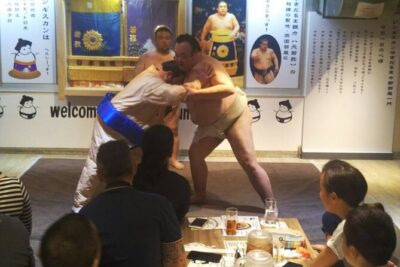
Sumo Show Experience with Chicken Hot Pot and a Photo
Read our review →
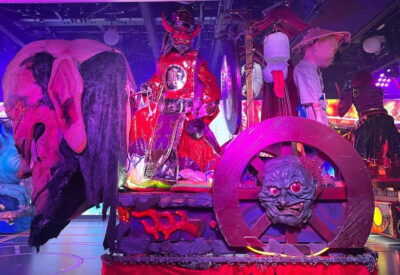

Mt Fuji & Hakone Cruise, Drum Show Bus 1 Day from Tokyo
Read our review →
Tokyo Sumo Entertainment Show with Chicken Hot Pot and Photo
Read our review →