Review · PRIVATE
Tokyo Countryside Exploration Private Tour
Tokyo gets quieter fast once you leave the city. On this private 8 to 9 hour countryside tour, I love how you trade Tokyo crowds for mountains, shrines, and waterfalls that feel tucked away from the usual tourist map. The day is guided by Jeremy Owen, and it stays personal with a group of up to 5.
I especially like two things. First, the stop choices are odd in the best way, from the Bamboo Temple tied to the Buddhist king Gozu to a Dragon Taming Temple where the monk has telepathy with carp in a pond. Second, the small group means you actually get time to ask questions and slow down for the views, instead of racing through like you are in a line. My only real caution is the day can feel long in your legs, since you are spending hours in a car and only getting about 30 to 40 minutes per stop, plus weather matters in the mountains.
In This Review
- Key Things I’d Plan Around
- A Private Countryside Day, Designed for a Small Group
- Hanno’s Bamboo Temple, Deer, Monkeys, and the Gozu Story
- Koma Shrine and Ne-no-gongen, Mountain Shrines With Actual Purpose
- Ogose-machi Temples and Waterfalls, Plus the Dragon Taming Temple
- Torii Pagoda in the Mountains, Xuanzang Bones, and Arima Dam
- How the 30 to 40 Minute Stop Format Works in Real Life
- Price and Value, Based on What You Actually Get
- Weather, Rain, and What to Bring for Mountain Days
- Jeremy Owen’s Guiding Style, and Why It Matters
- Should You Book This Tokyo Countryside Exploration?
- FAQ
- How long is the Tokyo countryside tour?
- What is the group size for this private tour?
- Is pickup included?
- Are there admission fees for the stops?
- What happens if the weather is bad?
- Can I use a mobile ticket, and is a service animal allowed?
Key Things I’d Plan Around
- A maximum of 5 people keeps the tour genuinely interactive, not a loud bus experience.
- Bamboo Temple in Hanno includes the Gozu legend and chances to see shy deer and monkeys around the grounds.
- Mountain shrines with practical themes, like Ne-no-gongen, where people pray for healthy legs and backs.
- Dragon Taming Temple carp lore adds a fun story thread between shrines and waterfalls.
- Arima Dam Totoro connection comes in as a drive-by moment, for fans of My Neighbor Totoro.
- Free admissions at the listed stops helps this day feel like good value, since you are paying mainly for transport and guiding.
A Private Countryside Day, Designed for a Small Group
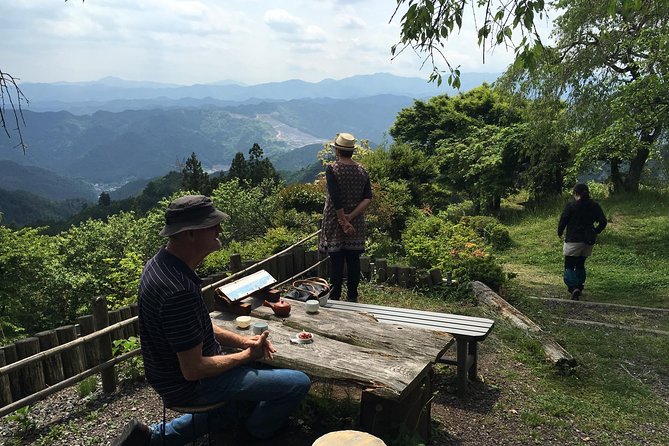
This is a private tour, which means you are not sharing the day with strangers. Even though it is private, the experience is built around a small-group feel, with a maximum of 5. That matters because the countryside stops are not set up like big-city attractions with fast throughput, so quiet time and questions are part of the package.
Pickup is offered, and you get a mobile ticket. The itinerary is also flexible enough that the guide can adjust to what the day is doing, like traffic or weather, while still keeping the main shrine and nature rhythm. If you like feeling like you are traveling with a local who knows where to park and how to time things, this format fits.
The tradeoff is simple: you are committing to an 8 to 9 hour outing. If you want a very slow, leisurely day with lots of long hikes, you may wish you had more time at fewer stops.
A few more Tokyo days to weigh up
- Mt Fuji and Hakone 1-Day Bus Tour Return by Bullet Train
★ 5.0 · 26,383 reviews - 1-Day Tokyo Bus Tour
★ 5.0 · 14,250 reviews - Tokyo: TOKYO SKYTREE® Admission ticket
★ 4.5 · 11,192 reviews
Hanno’s Bamboo Temple, Deer, Monkeys, and the Gozu Story
Stop 1 is in Hanno, centered on the Bamboo Temple deep in the mountains. This is an ancient Buddhist temple dedicated to King Gozu, a figure described as having the head of a cow and the body of a man. The whole place has that magical, slightly offbeat feel you want from a countryside detour.
Here is what to expect on the ground. You are walking the temple complex at a relaxed pace for about 40 minutes, and you may see very timid wild deer and monkeys. They tend to watch from nearby and keep their distance, so do not crowd them, just let them do their own thing. It is one of those small moments that turns into a memory later, even if you are not a big animal person.
The main drawback at this kind of mountain temple is that you are at the mercy of conditions. If it is wet or slippery, take your time and wear shoes with solid grip.
Koma Shrine and Ne-no-gongen, Mountain Shrines With Actual Purpose
After Hanno, the tour moves into Saitama Prefecture for Koma Shrine. The shrine is described as connected to Korean kings of the Tang Dynasty. That is not the sort of reference you hear in typical Tokyo day trips, and it is one reason I like this itinerary: it gives you a sense of how layers of history and belief sit side by side outside the city.
You get about 40 minutes here as well. That is enough time to understand what matters at the shrine, notice the details, and still have time to move on without feeling like you are trapped in a long queue.
Next comes Ne-no-gongen, another nearby mountain shrine. This one sits at the top of the mountains and is known for beautiful views for hikers. People also pray there for healthy legs and backs, which makes it feel less like a vague stop and more like a place with a clear everyday purpose.
If you are short on mobility, it is smart to be mindful here. The tour includes the shrine and viewpoints, but it is still a mountainous environment.
Ogose-machi Temples and Waterfalls, Plus the Dragon Taming Temple
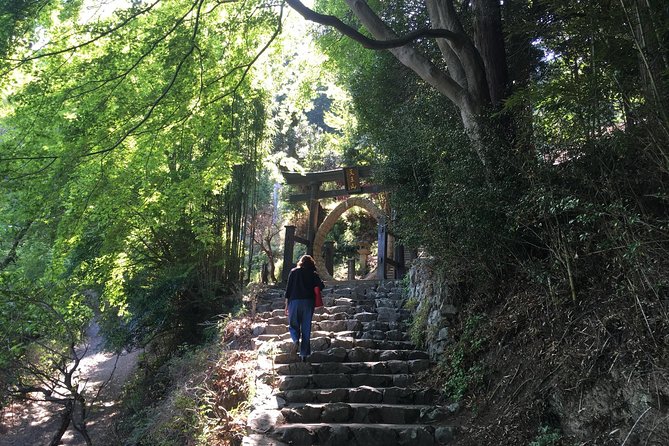
Stop 4 takes you into Ogose-machi, where the day leans hard into the rural feel. You are set up to see mountains, temples, shrines, and waterfalls, so you are not only looking at buildings. You are watching the way the terrain shapes what people built and how they use sacred space.
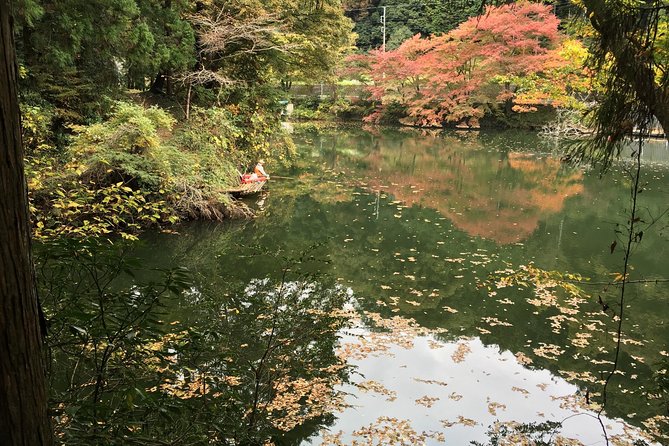
You also visit the Dragon Taming Temple, and the story is the kind that makes you smile. The monk is said to have telepathy with the carp in the pond beside the temple. Even if you are not the type to latch onto folklore, the pond-side setting makes it easy to understand why the legend stuck, and it gives the whole stop extra flavor beyond the typical shrine photo.
Time here is around 30 minutes. That is short, but for this particular stop, the setting does a lot of the work. You can usually get what you need quickly, as long as you do not rush.
One consideration: waterfalls and ponds can mean damp ground. Keep an eye on the surface underfoot, and if it is raining, go slower.
A different sort of day in Japan:
- Tokyo: teamLab Planets TOKYO Digital Art Museum Entry Ticket
★ 4.6 · 9,779 reviews - Mt Fuji & Hakone Cruise, Drum Show Bullet Train 1 Day from Tokyo
★ 4.0 · 7,413 reviews - Tokyo: Sumo Show Experience with Chicken Hot Pot and a Photo
★ 4.8 · 6,678 reviews - Tokyo: Shinjuku Food Tour (13 Dishes at 4 Local Eateries)
★ 5.0 · 6,603 reviews
Torii Pagoda in the Mountains, Xuanzang Bones, and Arima Dam
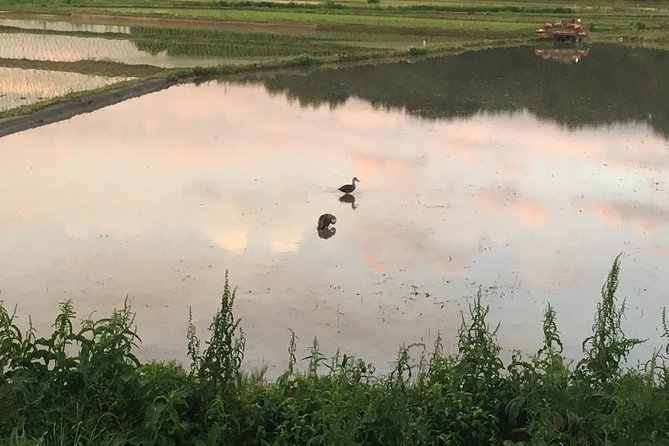
Stop 5 is in Saitama, with a visit to the Torii Pagoda deep in the mountains. The site is described as holding the bones of Xuanzang, the Chinese monk who traveled in the Tang period and journeyed toward India. That reference adds a wider East Asia thread to the day, tying the countryside shrines back to major historical travel stories.
You get about 40 minutes, which again is the right length for a site like this. You are there long enough to get the meaning, but not so long that you lose the flow of the day.
After the main stops, the guide drives past Lake Arima Dam, noted as a root inspiration for My Neighbor Totoro. This is not a long timed excursion where you hop out for an extended walk, but it is a fun pop of pop-culture into the real outdoors. If you are a Totoro fan, it is one of those small extras that makes the day feel more personal to you.
How the 30 to 40 Minute Stop Format Works in Real Life
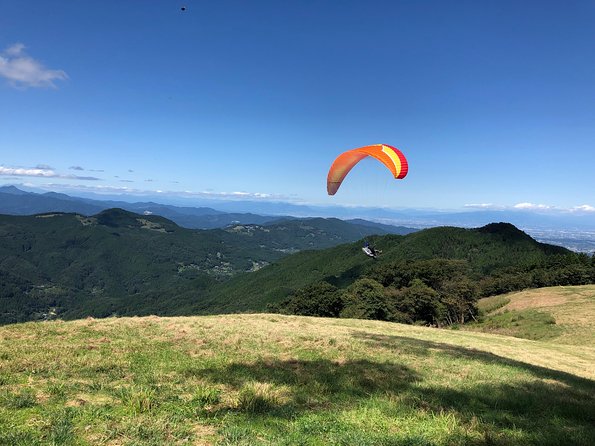
The itinerary is built around frequent stops with short time blocks, usually 30 to 40 minutes each. I like this style for countryside touring because it reduces decision fatigue. You do not have to figure out how to connect rural sites on your own, and you still see a lot.
The tradeoff is that you have to accept a certain pace. If you want to sit with a shrine for a long time or take a long hike, you might feel a little time pressure. The good news is that most of the sights listed are naturally suited to a focused visit, and the mountain air and scenic drives fill in the rest of the day.
Also, the drive itself is part of the value. One review mentioned the guide being a great driver, and the experience is clearly designed around mountain roads and air that feels cleaner than the city.
Price and Value, Based on What You Actually Get
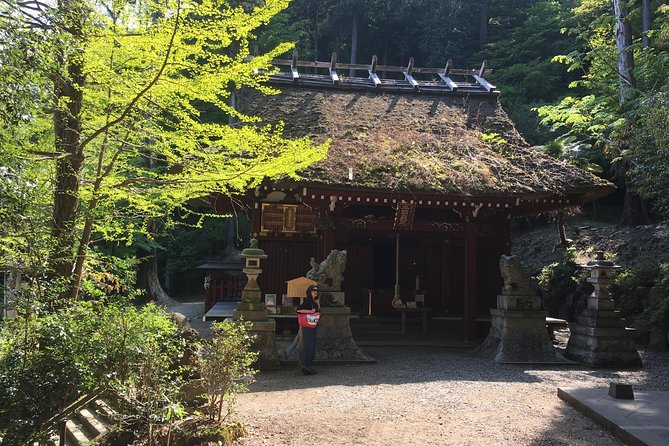
At $280.94 per person for an 8 to 9 hour private day trip, the cost can sound steep until you look at what is included in practice. You are paying for private guiding, transportation with pickup, and the small-group cap of 5. You are also visiting multiple free-admission sites listed in the plan, which helps keep the day from becoming a pay-as-you-go scramble.
Booking tends to happen far ahead too, with an average booking window of 77 days. That suggests demand for this exact style of countryside route, not just any day trip out of Tokyo.
If you are traveling as a pair or small family, the private format can feel like better value than you might expect, because you are not splitting the day with a large group where your time and attention get diluted.
Who gets the most out of this? People who want authentic countryside without the stress of planning rural logistics. It also fits families, including teenagers, since the day keeps moving while still offering story-based explanations and real nature time.
Weather, Rain, and What to Bring for Mountain Days
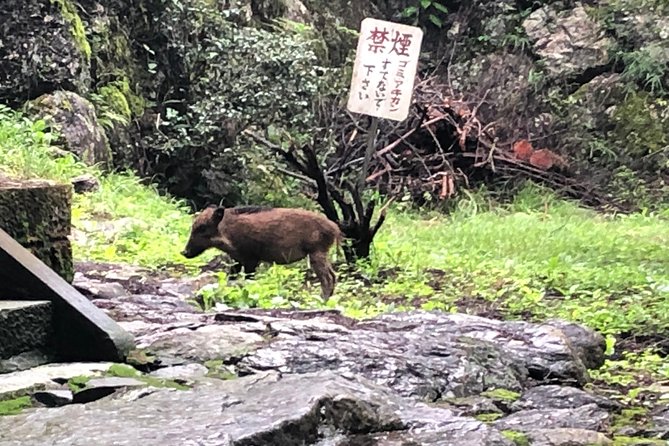
This experience needs good weather. That is not just a polite line, it matters because the day’s setting is in and around mountain shrines and rural paths. If conditions are poor, you may be offered a different date or a refund, so you are not stuck no matter what the sky decides.
I also like that the tour can still work on a rainy day, since rain can change the feel of forests and make temple grounds look even more dramatic. What you should do is prepare like it might rain: bring a compact rain layer, wear shoes that grip, and plan for cooler air away from the city.
One more practical tip: since each stop is only 30 to 40 minutes, you do not want to spend that time searching for the restrooms or warming up. Do your comfort prep before you leave Tokyo, then just focus on the sights.
Jeremy Owen’s Guiding Style, and Why It Matters
Jeremy Owen is the guide named for this tour, and the tone of the experience comes through in the way people describe the day. The guiding approach is friendly and chat-friendly, but also structured enough that you do not feel lost. It is the kind of day where you learn while you walk, and you still get plenty of time to look around.
In at least some tours, there is also a second team member mentioned by name, Julian, alongside Jeremy. Even when you do not know what that second person’s role is, the takeaway is clear: the operation is set up so you can enjoy the day without feeling like everything depends on one person sprinting around.
One more thing I’d call out: the route includes story-driven stops, like the carp telepathy at the Dragon Taming Temple and the Gozu legend at the Bamboo Temple. If you enjoy folklore and cultural context, this itinerary keeps those threads tied together.
Should You Book This Tokyo Countryside Exploration?
I think you should book if you want a real rural taste outside Tokyo, with a guide doing the navigation and story work. The small group cap, the private feel, and the mixture of temples, shrines, waterfalls, mountain viewpoints, and even a Totoro reference make this day more varied than most city-to-country outings.
Skip it, or at least reconsider, if you hate driving days or you need lots of long downtime. With 8 to 9 hours total and short stops, it is not built for a slow, lingering hiking vacation.
If you fit the first group, book. Then do your part: check the weather, wear grippy shoes, and plan to enjoy the ride as much as the stops. This kind of Tokyo day trip is at its best when you stop thinking like a checklist and start thinking like a story you are walking through.
FAQ
How long is the Tokyo countryside tour?
It runs about 8 to 9 hours.
What is the group size for this private tour?
It is a private tour, with your group only, and the tour has a maximum of 5 people.
Is pickup included?
Pickup is offered.
Are there admission fees for the stops?
The itinerary lists free admission for the listed sites, including the Bamboo Temple in Hanno, Koma Shrine, Ne-no-gongen, the Dragon Taming Temple area, and the Torii Pagoda.
What happens if the weather is bad?
This experience requires good weather. If it is canceled due to poor weather, you will be offered a different date or a full refund.
Can I use a mobile ticket, and is a service animal allowed?
Yes, there is a mobile ticket. Service animals are allowed.
Newly listed around Tokyo
- Tokyo Morning Tour: Asakusa, Meiji Shrine and Tsukiji Fish Market★ 5.0 · 128 reviews
- Tokyo: E-scooter Experience & Tokyo Tower night Tour★ 5.0 · 12 reviews
- Tokyo Disneysea Round Trip Shared Transfers with Admission Tickets★ 4.5 · 11 reviews
- Tokyo Disneyland Round Trip Shared Transfers with Admission Tickets★ 4.0 · 14 reviews
- 1-Hour Tokyo Tour in Tokyo Drift Mazda RX7★ 4.5 · 12 reviews
- Tokyo Private Customizable Full Day Tour★ 5.0 · 12 reviews
- Tokyo Private Customizable Half Day Tour★ 5.0 · 12 reviews
- Tokyo Disney Resort Park E-Tickets with Options★ 4.0 · 41 reviews
Private, compared.
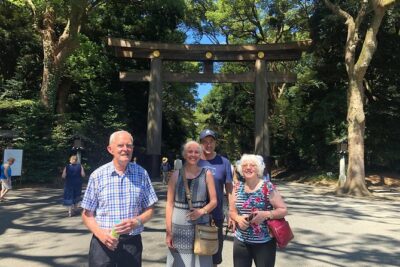
Tokyo 6hr Private Tour with Government-Licensed Guide
Read our review →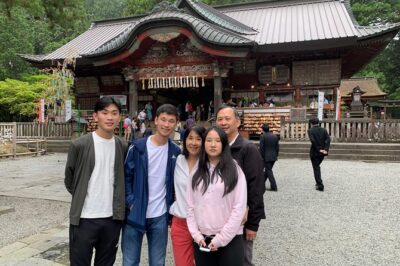
Private Tour to Mt. Fuji and Hakone (Fully Licenced Operator)
Read our review →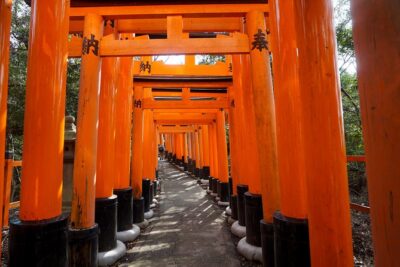
Fushimi Inari Hidden Hiking Tour (Private Option Available)
Read our review →
Private Kyoto Tour with a Local, Highlights & Hidden Gems, Personalised
Read our review →
Tokyo Customized Private Tour (Must See Places in 1 Day)
Read our review →
Mount Fuji Full-Day Private Tour from Tokyo (Customizable)
Read our review →
Private City Highlights Tour with Local Guide
Read our review →