Review · FULL-DAY
Tokyo Private Customizable Full Day Tour
Tokyo is easier with a plan in motion. This private, fully customizable full day pairs an English-speaking guide with hotel pickup and help with bookings and transport, so you can focus on what you came for, not logistics. I especially like the undivided guide attention and the way the day can be built around your interests, whether that’s temples, shopping, or skyline views. One consideration: because the tour arranges reservations and tickets on your behalf, changes and cancellations can be strict.
You choose 4 to 5 sights from a menu, and the guide builds an 8-hour route starting at 8:00 am. Expect a smart mix of iconic Tokyo stops and classic walking streets, with enough structure to hit many highlights without feeling like you’re sprinting.
In This Review
- Key points to know before you go
- Why a private customizable Tokyo day feels worth it
- Price and what $250.83 per person is really buying
- The day plan at 8:00 am, and how to pace 8 hours
- Tsukiji Outer Market, where you start with flavor and energy
- Akihabara for electronics and manga culture fans
- Imperial Palace area, Edo Castle site to Imperial residence
- Senso-ji and Nakamise-dori, Tokyo’s temple-and-street combo
- Tokyo Skytree, the 450-meter view day
- Ueno Park area, a calmer break in the middle
- Tokyo’s premier shopping district, built for browsing and buying
- Shibuya Crossing and the Hachiko statue, Tokyo in one scene
- Meiji Jingu, Tokyo’s most important Shinto shrine
- Shinjuku Station area and Shinjuku Gyoen, big city and big park
- Food and lunch, planning where you’ll actually enjoy yourself
- Booking and timing tips that keep the day from going sideways
- Who should book this tour, and who should skip it
- Should you book this Tokyo private customizable full day tour?
- FAQ
- How long is the Tokyo Private Customizable Full Day Tour?
- What time does the tour start?
- Where does the tour end?
- Is hotel pickup and drop-off included?
- How many sights can I choose?
- What sights are available in the itinerary list?
- What’s included in the tour price?
- Are meals included?
- Do I need to fill out a form after booking?
- What is the cancellation and change policy?
Key points to know before you go
- Choose 4 to 5 sights from a list, so the day fits your energy and interests.
- Hotel pickup and drop-off reduce the stress of Tokyo’s getting-there math.
- Reservations and bookings handled for you, including transport support within the city.
- Prepaid transit helps in the best cases, with guides prepared to keep your group moving.
- A true private tour means only your group participates, no merging into a crowd.
- A skyline and a shrine on the same day lets you balance views with calm.
Why a private customizable Tokyo day feels worth it
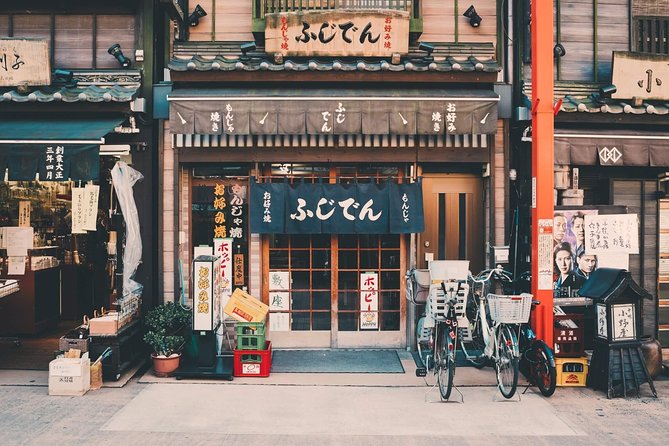
Tokyo can be overwhelming fast. The streets are packed, the transit system is efficient but confusing for first-timers, and every “must-see” list has too many items for one day. A private tour like this solves the big problem: you stop spending your limited time planning routes and start spending it experiencing places.
What makes this setup work is the combination of two things. First, you’re not locked into a fixed, one-size-fits-all itinerary. You pick from a selection of Tokyo sights such as Tsukiji Outer Market, Akihabara, the Imperial Palace area, Senso-ji, Tokyo Skytree, Shibuya Crossing, Meiji Jingu, Shinjuku Station area, and Shinjuku Gyoen National Garden. Second, your guide is responsible for creating the schedule and organizing what needs organizing, including reservations and bookings on your behalf.
I also like the “private attention” angle in practical terms. You’re not just buying narration. You’re buying someone to keep the day coherent, help with pacing, and adjust when your group wants a little more time in a market or a shorter walk between stops.
The main drawback is not the guide or the sights. It’s that a customized day can involve pre-arranged tickets and reservations. If your plans change, you’ll want to be sure before you book.
A few more Tokyo days to weigh up
- Mt Fuji and Hakone 1-Day Bus Tour Return by Bullet Train
★ 5.0 · 26,383 reviews - 1-Day Tokyo Bus Tour
★ 5.0 · 14,250 reviews - Tokyo: TOKYO SKYTREE® Admission ticket
★ 4.5 · 11,192 reviews
Price and what $250.83 per person is really buying
At $250.83 per person for about 8 hours, this is not a budget group tour. But private tours in Tokyo come with real costs: an English-speaking professional guide plus transportation support and the work of arranging reservations and bookings.
Here’s what you get for your money that matters on the ground:
- Hotel pickup and drop-off, which is a big time saver in Tokyo.
- An 8-hour fully customized tour, with the ability to choose 4 to 5 sights.
- Reservations and bookings made on your behalf, which can reduce the risk of sold-out tickets or lost time.
- Transportation within the city only, handled based on your booking (public transportation or a private vehicle).
- A guide focused on your group, since only your group participates.
There’s also a mention of group discounts. If you’re traveling with family or friends and you can keep your group size reasonable, you may get better value per person.
The smartest way to justify the price is to think about how hard it would be to reproduce the same day yourself. If you want a temple stop, a major shopping district, a big market, a shrine, a skyline view, and a neighborhood scene like Shibuya, you’re already in “too much to DIY in one day” territory.
The day plan at 8:00 am, and how to pace 8 hours
The tour starts at 8:00 am and ends back at the meeting point. The route is built around 4 to 5 selected stops from the menu, so your guide can shape the day to reduce backtracking.
You should plan for a full day of walking, transfers, and transitions. The tour notes say a moderate physical fitness level is recommended. That usually means you’ll be on your feet for most of the day, plus time for station navigation and getting in and out of transport.
Tokyo timing also matters. If your route includes a market (like Tsukiji Outer Market) and a big viewpoint (like Tokyo Skytree at 450 meters), you’ll want early planning so you’re not fighting crowds and waiting around longer than necessary. A private guide helps here by sequencing your stops efficiently and keeping you moving.
One small but important practical tip: arrive at least 10 minutes early. The guide waits up to 30 minutes after the start time before the tour is canceled. That rule is there for a reason, so build a buffer into your morning.
Tsukiji Outer Market, where you start with flavor and energy
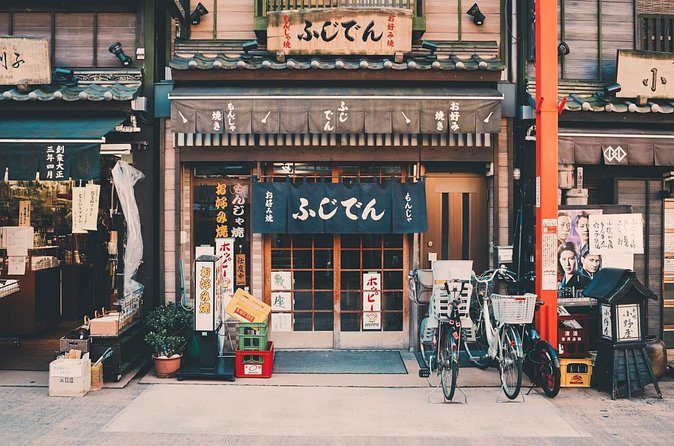
Tsukiji Outer Market is a classic Tokyo start. It’s known for seafood and, historically, it was famous for tuna auctions. Even if you’re not chasing tuna history, the atmosphere and food stalls make it a strong first stop because it sets your senses on high alert right away.
If your group loves eating, this is a great anchor for the morning. The market works well early in the day when you want to browse before you’re tired. It also gives you a low-stress way to taste Tokyo without committing to a sit-down meal.
What to expect:
- Lots of people and quick-moving lines if you decide to eat on the go.
- A street-market vibe that’s easy to enjoy even if you don’t know Japanese.
A drawback to keep in mind is simple: markets can be noisy and crowded. If your group prefers quiet sightseeing, you might pick a shorter market stop or swap it for a more serene choice from the list.
A different sort of day in Japan:
- Tokyo: teamLab Planets TOKYO Digital Art Museum Entry Ticket
★ 4.6 · 9,779 reviews - Mt Fuji & Hakone Cruise, Drum Show Bullet Train 1 Day from Tokyo
★ 4.0 · 7,413 reviews - Tokyo: Sumo Show Experience with Chicken Hot Pot and a Photo
★ 4.8 · 6,678 reviews - Tokyo: Shinjuku Food Tour (13 Dishes at 4 Local Eateries)
★ 5.0 · 6,603 reviews
Akihabara for electronics and manga culture fans
Next up, Akihabara is the place to go if you want the otaku and manga culture side of Tokyo. The area is famous for electronics shops, and it tends to attract visitors who want that “Tokyo is weird in the best way” experience.
Akihabara also makes sense in a private itinerary because you can tailor the time. If you’re shopping, you might spend longer. If you’re more interested in sightseeing and browsing, you can keep it to a short walk-and-photo stop.
What I like about including Akihabara in an all-day route is contrast. You can do market food in the morning, then switch to gadgets, character goods, and tech displays. That mix keeps the day from feeling monotonous.
Imperial Palace area, Edo Castle site to Imperial residence
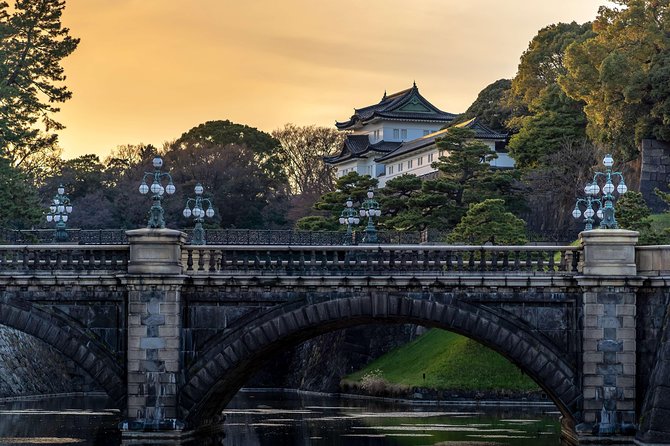
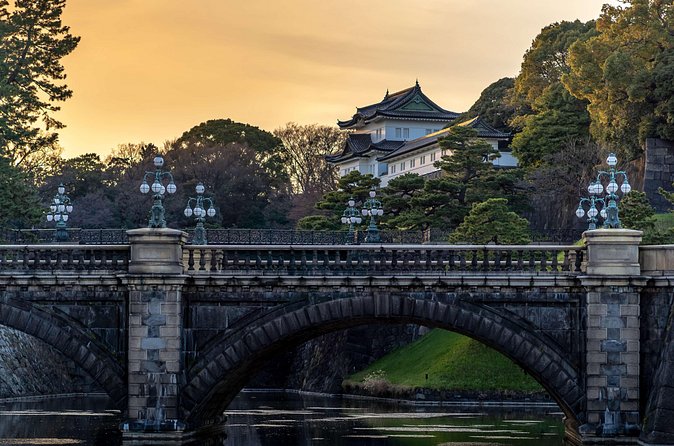
The Imperial Palace area connects old Tokyo to the present. This stop is on the site of the former Edo Castle and it’s the residence of the Imperial Family.
If your group likes architecture and big, symbolic spaces, it’s a solid choice. If your group mainly wants shopping and entertainment, it can feel more “walk and observe” than “shop and snack.” Either way, it’s a meaningful pause in the middle of a packed day.
A practical note: this kind of sightseeing can be sensitive to crowds and access patterns. Having a guide who manages the flow of your day helps you keep momentum without making you guess.
Senso-ji and Nakamise-dori, Tokyo’s temple-and-street combo
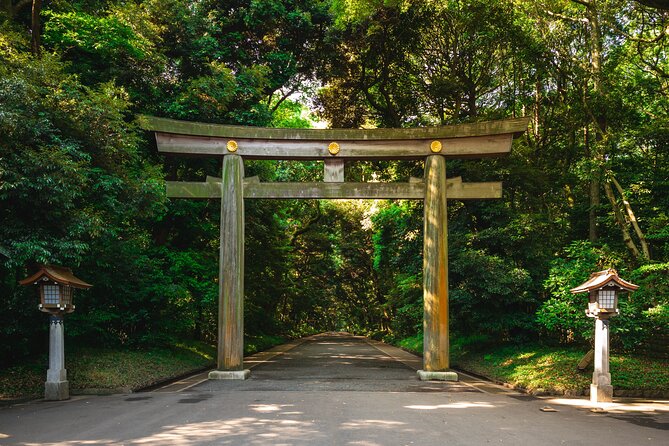
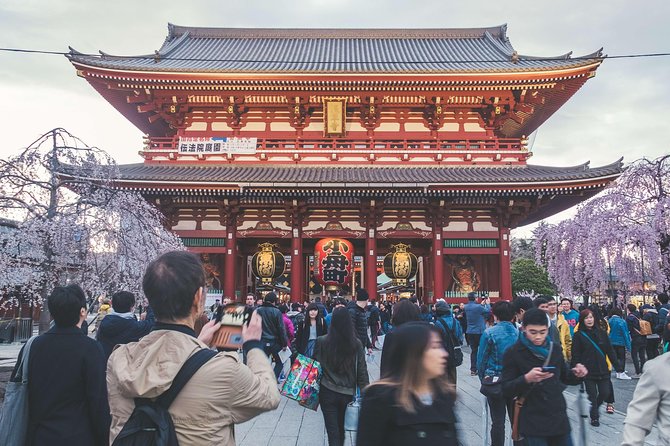
Senso-ji is described as Tokyo’s oldest and most significant temple since 645. The area also includes Nakamise-dori, the shopping street with shops that have been around for over 100 years.
This is a strong stop because it has two layers. You get the temple itself, and you also get a classic old-Tokyo shopping street experience right next to it. Even if you only browse, Nakamise-dori is one of those places where you can feel Tokyo’s traditions in the everyday shopping rhythm.
The drawback is that it’s popular, so expect crowds at peak times. The private guide approach helps you manage timing. You can also pick what kind of experience you want: quick photos and a short browse, or more time for souvenirs and snacks.
Tokyo Skytree, the 450-meter view day
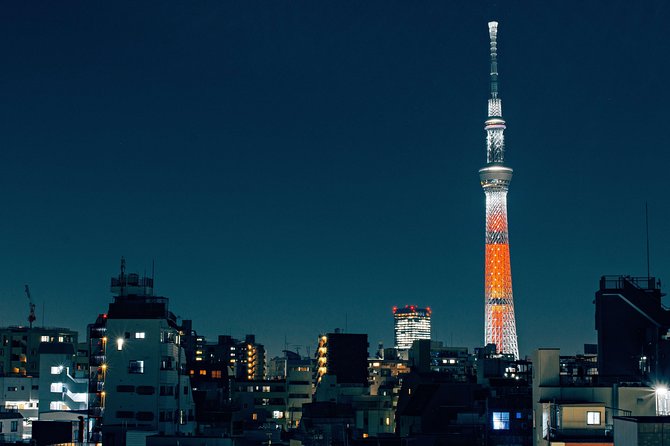
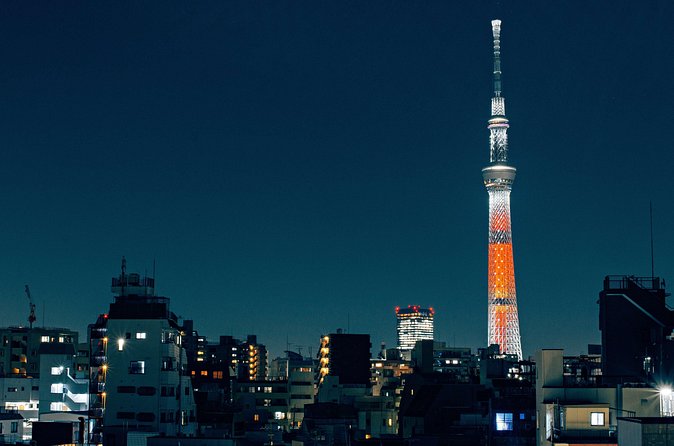
Tokyo Skytree is the tallest structure in Japan at 450 meters, and it’s built for skyline lovers and city photographers. This is one of those stops that instantly makes a one-day plan feel special, because the view gives you a sense of scale that street-level sightseeing can’t.
I like pairing a viewpoint with earlier neighborhood time. It turns the day into a story: you explore Tokyo up close, then step back and see how everything connects.
What you should consider:
- Viewpoints can involve waiting or ticket logistics depending on the day.
- A 450-meter height means you’ll likely want time for photos and moving around comfortably.
One advantage of having bookings made on your behalf is that it reduces the risk of wasted time at a major attraction.
Ueno Park area, a calmer break in the middle
The itinerary includes a large park originally owned by the ruling Tokugawa clan. It’s also described alongside a district that offers a pleasant old-Tokyo atmosphere within walking distance of Ueno Park.
This is the “slow down” part of the day. Parks help you recover from the intensity of shopping streets and major intersections. If you’re planning a route heavy on crowds (like Shibuya Crossing and central stations), this is a smart counterbalance.
What to expect is straightforward: walking paths, open space, and an easier pace to reset your legs. If you’re traveling with older family members or you want fewer late-day crowds, keeping this stop in your 4 to 5 list can make the day more comfortable.
Tokyo’s premier shopping district, built for browsing and buying
The tour menu includes Tokyo’s most famous premier shopping district. If shopping is part of your plan, this is where you’ll likely spend a focused block of time.
Shopping districts in Tokyo are great because they connect you to the present-day culture, not just the historic highlights. They also offer a convenient way to handle breaks. If you need a café moment or a rest stop, it’s usually easier here than between major attractions.
A balanced approach is key. If you already have a busy day with multiple iconic stops, try to set expectations with your group. Pick a clear goal, like one shopping street or one department store area, instead of trying to do everything.
Shibuya Crossing and the Hachiko statue, Tokyo in one scene
Shibuya Crossing and the Hachiko statue are among Tokyo’s most recognizable experiences. Even if you’ve seen photos, standing there is a different thing. It’s where Tokyo’s energy is easy to feel.
This stop is also a good “late morning to early afternoon” anchor. It’s visually iconic, but it’s not the kind of attraction you want to squeeze in too late if your day is already stretched.
If you care about photos, choose a time when your group can take it slow. Crossings move fast. A guide helps you position your group and keep everyone together.
Meiji Jingu, Tokyo’s most important Shinto shrine
The tour menu includes Tokyo’s most important Shinto shrine. This is your chance to trade urban intensity for a calmer setting.
Shrines work well in a private itinerary because they’re reflective spaces, not just check-the-box sights. You can take a bit more time, slow your pace, and enjoy the contrast.
What to keep in mind:
- Shrines can involve walking through designated areas, so wear comfortable shoes.
- If your day includes big crowds elsewhere, this is where you can breathe and reset.
Shinjuku Station area and Shinjuku Gyoen, big city and big park
The itinerary includes the district around the world’s busiest railway station, plus Shinjuku Gyoen National Garden, one of Tokyo’s largest and most popular parks.
This pairing is smart because it covers both sides of Shinjuku. The station area gives you a sense of Tokyo as a transport machine. The garden gives you a break in green space, with room to wander without the constant push of crowds.
If you’re selecting only 4 to 5 stops, Shinjuku might compete with other icons. But if your group wants the full Tokyo contrast, it’s a strong combination. You get the “how does everyone move through here?” feeling, then a place to recover.
Food and lunch, planning where you’ll actually enjoy yourself
Meals are not included, but food can still be a highlight when your guide times your stops well. A standout detail from past experience is that lunch at a traditional Japanese restaurant became one of the most memorable moments.
That tells you something important about this tour style. It’s not just showing up at attractions. A good guide helps you land in the right lunch environment for your day, instead of leaving you to fend for yourself when everyone is hungry and reservations are hard.
My practical advice:
- If food matters to you, mention preferences in your tour form and during planning (for example, your comfort with wait times or your interest in traditional spots).
- Keep lunch flexible. In a one-day plan, “where” you eat can matter as much as “what” you eat.
Booking and timing tips that keep the day from going sideways
This is where custom tours win or lose, so pay attention.
You’ll receive a link to a Tokyo form after booking, and you should complete it accurately at least 7 days before your tour date. That’s how the guide builds your itinerary and starts organizing bookings.
Because reservations and bookings may be challenging to cancel, it’s smart to lock in your choices early. The tour also notes that you should book as early as possible, ideally 3 months in advance or at least 1 month before travel. Requests made within 7 days may not be able to be arranged in time, and your booking request may be canceled with a full refund.
On the day:
- You’ll get the guide’s phone number before the tour.
- You should arrive at the meeting point at least 10 minutes early.
- The guide waits up to 30 minutes at the start time.
Who should book this tour, and who should skip it
This tour fits best if:
- You’re short on time and want to hit a lot of Tokyo highlights without doing the planning.
- You want an English-speaking guide handling reservations and bookings on your behalf.
- You like the idea of building your own day from a menu of major sights, rather than being stuck with a fixed route.
- You want hotel pickup, which is a real quality-of-life upgrade in Tokyo.
You might want to skip it if:
- You prefer total freedom and don’t want a planned sequence.
- Your schedule is likely to change, because cancellations and amendments can be strict, especially once planning and bookings are underway.
- You want a very relaxed day with no transfers, because this is built to cover multiple major areas in one block of time.
Should you book this Tokyo private customizable full day tour?
If you want a smart, efficient Tokyo day where someone else handles the “how do we get there and what do we book” parts, this is a strong choice. The value is clearest when your group can commit to the itinerary you create from the menu and when your interests match the mix of iconic sights on offer.
Book it if your dream day includes at least a few of these: Tsukiji Outer Market, Akihabara, Senso-ji, Tokyo Skytree, Shibuya Crossing, Meiji Jingu, Shinjuku Station area, and Shinjuku Gyoen. Skip it if you’re mainly looking for open-ended wandering, or if you already have a smooth plan for transit and reservations.
FAQ
How long is the Tokyo Private Customizable Full Day Tour?
The tour runs for 8 hours approximately.
What time does the tour start?
The start time is 8:00 am.
Where does the tour end?
The tour ends back at the meeting point.
Is hotel pickup and drop-off included?
Yes, hotel pickup and drop-off are included.
How many sights can I choose?
You can choose 4 to 5 sites for a personalized tour of Tokyo.
What sights are available in the itinerary list?
The tour includes choices such as Tsukiji Outer Market, Akihabara, the Imperial Palace area, Senso-ji (with Nakamise-dori), Tokyo Skytree, Shibuya Crossing with Hachiko, Meiji Jingu (the most important Shinto shrine in Tokyo), the Shinjuku Station area, and Shinjuku Gyoen National Garden.
What’s included in the tour price?
Included are an 8-hour fully customized tour with reservations and bookings made on your behalf, an English-speaking professional guide, hotel pickup and drop-off, transportation within the city, and the selection of 4 to 5 sights.
Are meals included?
Meals, food, and drinks are not included unless specified as part of optional activities.
Do I need to fill out a form after booking?
Yes. After booking, you receive a link to a Tokyo form that asks for information required for the booking. You should complete it accurately at least 7 days before your tour date.
What is the cancellation and change policy?
The experience is stated as non-refundable and cannot be changed for any reason. The listing also indicates cancellation fees depending on how many days before the event you cancel, and that if you cancel after the custom itinerary has been sent, a 15% service fee may be nonrefundable.
Newly listed around Tokyo
- Tokyo: E-scooter Experience & Tokyo Tower night Tour★ 5.0 · 12 reviews
- Tokyo Disneysea Round Trip Shared Transfers with Admission Tickets★ 4.5 · 11 reviews
- Tokyo Morning Tour: Asakusa, Meiji Shrine and Tsukiji Fish Market★ 5.0 · 128 reviews
- Tokyo Disneyland Round Trip Shared Transfers with Admission Tickets★ 4.0 · 14 reviews
- 1-Hour Tokyo Tour in Tokyo Drift Mazda RX7★ 4.5 · 12 reviews
- Tokyo Private Customizable Half Day Tour★ 5.0 · 12 reviews
- Tokyo Disney Resort Park E-Tickets with Options★ 4.0 · 41 reviews
- Tokyo Limited-Date Cherry Blossom Route Cruise & Show & Meal★ 5.0 · 11 reviews
Full-Day, compared.

Mount Fuji Full-Day Private Tour from Tokyo (Customizable)
Read our review →
Hiroshima / Miyajima Full-day Private Tour with Government Licensed Guide
Read our review →
Full-Day Guided Bus Tour to Top Highlights & Tickets
Read our review →