Review · TOKYO TOURS
Tokyo: Discover the Art of Kintsugi in Ginza
Tokyo repair art is strangely soothing and smart.
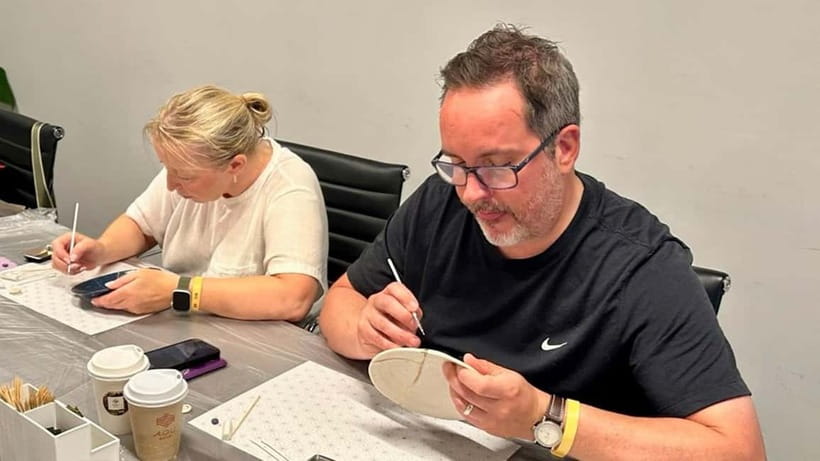
In a small Kintsugi workshop near Ginza Station, I like the calm, hands-on pace and the fact you leave with a real, usable souvenir. The best part is watching your instructor guide you step-by-step, with English support from teachers like Tatsu and Teki Sensei. One consideration: the repaired piece is for decoration only, and it is not microwave-safe.
The class runs in a cozy private room above or behind a café vibe in the Daiwa Ginza Building area, so you can keep the rest of your day focused on Tokyo without a long detour. It also helps that your materials are provided, including a ceramic item to restore, so you can spend your energy on the creative process rather than logistics.
In This Review
- Key things I’d watch for in this Ginza Kintsugi class
- Kintsugi in Ginza: a calm 90-minute craft near Ginza Station
- Meeting at Cafe AOU Ginza Forest, Daiwa Ginza Building (ground level)
- Inside the private room: small group, hands-on tools, and a welcome drink
- The 90-minute Kintsugi method, synthetic lacquer, and metallic powder
- Step-by-step guidance: from crack lines to your metallic finish
- Your finished ceramic: a take-home souvenir with real travel packaging
- Price and value: why about $75 makes sense for Ginza
- Who should book, and who should skip this Kintsugi workshop
- Should you book this Ginza Kintsugi class? My take
- FAQ
- How long is the Kintsugi workshop in Ginza?
- Where do I meet for the class?
- What is the price per person?
- What is included in the workshop?
- Can I take my repaired ceramic home?
- Is the repair microwave-safe?
- How does this workshop finish in 90 minutes if traditional Kintsugi takes weeks?
- What languages are available?
- Is this class suitable for kids?
- What is the group size?
Key things I’d watch for in this Ginza Kintsugi class
- Close to Ginza Station and easy to fit into a shopping day
- Small group size (8 max), which keeps the instruction personal
- 90-minute results using synthetic lacquer and metallic powder
- Take-home packaging designed to survive real luggage
- Instructor-led step-by-step guidance in English or Japanese
- Decorative-only care advice, since the repair is not microwave-safe
Kintsugi in Ginza: a calm 90-minute craft near Ginza Station
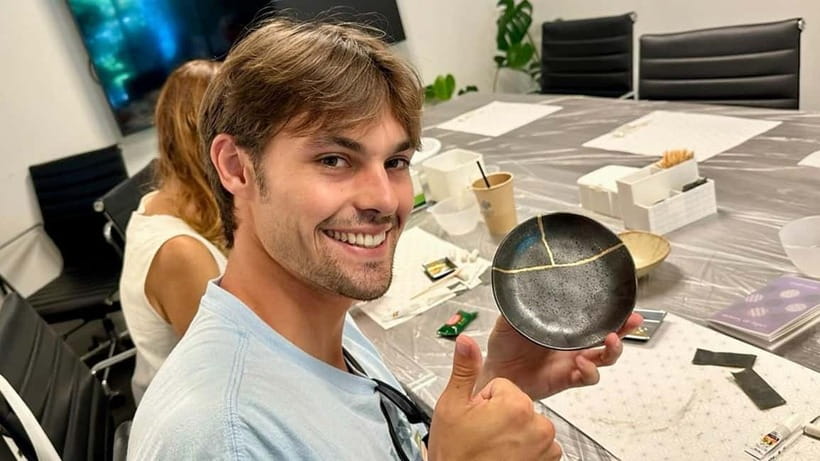
If Tokyo feels like it’s always moving, this is a welcome slowdown. The workshop is built around one simple idea: when a ceramic breaks, you do not hide the damage. You repair it in a way that makes the repaired lines part of the story.
This class is a good fit for people who want something cultural without turning it into a half-day project. You are in and out in 90 minutes, and you get the full experience, including taking home the finished piece.
I also appreciate that you are not expected to know anything ahead of time. Your ceramic is provided, your tools are provided, and your instructor walks you through what to do next.
A few more Tokyo days to weigh up
- Mt Fuji and Hakone 1-Day Bus Tour Return by Bullet Train
★ 5.0 · 26,383 reviews - 1-Day Tokyo Bus Tour
★ 5.0 · 14,250 reviews - Tokyo: TOKYO SKYTREE® Admission ticket
★ 4.5 · 11,192 reviews
Meeting at Cafe AOU Ginza Forest, Daiwa Ginza Building (ground level)
You will meet at Cafe AOU Ginza forest, on the ground level of the Daiwa Ginza Building. The practical upside is that this is straightforward to find, especially if you are arriving from Ginza Station.
Ginza can be a maze when you are carrying shopping bags. Having a ground-level meeting point helps. And because there is no hotel pickup or drop-off, you are in charge of your own route, which is often the fastest way to keep your schedule tight in central Tokyo.
One more real-world detail: the workshop venue can change based on availability and reservations. If that happens, you get an email one day before with the updated location.
Inside the private room: small group, hands-on tools, and a welcome drink
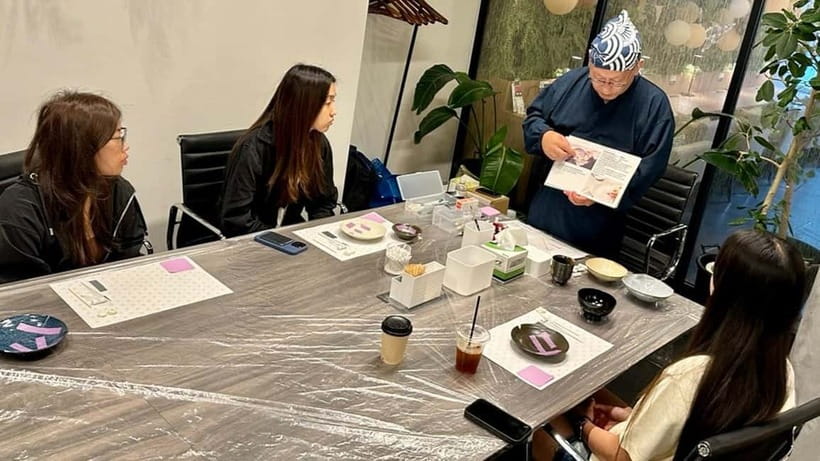
The workshop happens in a private room near Ginza Station. Even though Ginza is busy outside, you get a more focused environment once you step in.
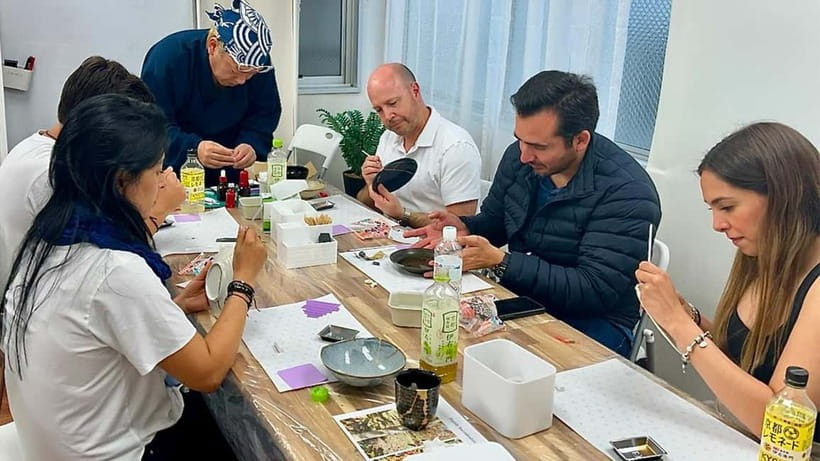
Group size matters here. Limited to 8 participants, it is small enough that the instructor can check your progress without leaving you hanging. I like that for a craft where small timing and placement decisions affect the final look.
You also get a complimentary soft drink. In at least one class experience, the welcome drink was coffee, which makes the whole start feel more relaxed.
And yes, you get materials. You are not asked to bring anything. You get the ceramic to restore, the tools, and what you need to complete the repair within the class time. That means you can show up light and still leave with something tangible.
The 90-minute Kintsugi method, synthetic lacquer, and metallic powder
Here is the key difference between traditional Kintsugi and what this class lets you do.
Traditional authentic Kintsugi takes about a month. It uses natural lacquer that needs time to cure. This workshop uses synthetic lacquer and a metallic powder substitute so you can finish and take the repaired piece home within 90 minutes.
That might sound like a downgrade if you are chasing authenticity at all costs, but it is actually a smart value choice. You get the creative process and the aesthetic thinking. You also get the satisfaction of completing your own piece in one sitting, which is hard to replicate with a month-long method.
So think of this class as learning the craft and the philosophy, not making a museum-grade traditional specimen that takes weeks to perfect.
A different sort of day in Japan:
- Tokyo: teamLab Planets TOKYO Digital Art Museum Entry Ticket
★ 4.6 · 9,779 reviews - Mt Fuji & Hakone Cruise, Drum Show Bullet Train 1 Day from Tokyo
★ 4.0 · 7,413 reviews - Tokyo: Sumo Show Experience with Chicken Hot Pot and a Photo
★ 4.8 · 6,678 reviews - Tokyo: Shinjuku Food Tour (13 Dishes at 4 Local Eateries)
★ 5.0 · 6,603 reviews
Step-by-step guidance: from crack lines to your metallic finish
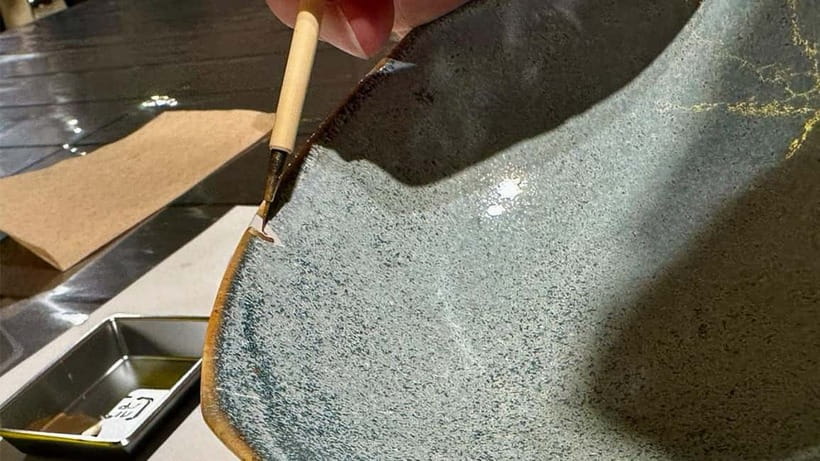
The core structure is simple: your instructor explains, demonstrates, then you do the work. You follow clear steps and learn the essential Kintsugi techniques without needing prior experience.
In real classes, this is where the instructor’s communication style makes or breaks the experience. Many people highlight the instructor’s calm guidance and the way they keep the process moving. Teachers like Tatsu have been described as starting with a friendly welcome outside the building, then guiding the workshop while sharing stories about Ginza.
If you care about technique, you will probably appreciate the class framing too. One detailed note mentioned both the history and the practical logic behind the materials, including a science angle about how the sap is reconstituted in traditional contexts. Even if this specific workshop uses synthetic materials, you still learn the “why” behind the approach.
Hands-on time is also a point to consider. A couple of class experiences mention that if one participant needs extra support, the instructor may help speed things up for the group. That is not a problem with the craft, it is just the reality of a timed workshop with a small group.
Your finished ceramic: a take-home souvenir with real travel packaging
You take home your repaired ceramic piece. That is the whole point of doing a class like this, and it is also why people keep recommending it.
The repair you create is meant for decorative use. The repaired item is not microwave-safe, and the note given is important: there is a risk of ignition. So, no heating leftovers on your new “art plate,” even if it looks tempting.
Where this class really scores for practical travelers is packaging. Multiple experiences mention that your piece is packaged so it is safe for travel. If you have ever tried to protect fragile souvenirs through Tokyo station crowds and airplane bins, you know how valuable this is.
One review also mentioned choosing between two colored cracked plates. You might see options like this depending on what is available in your session, but it is worth asking when you arrive if there are multiple starting piece choices.
Price and value: why about $75 makes sense for Ginza
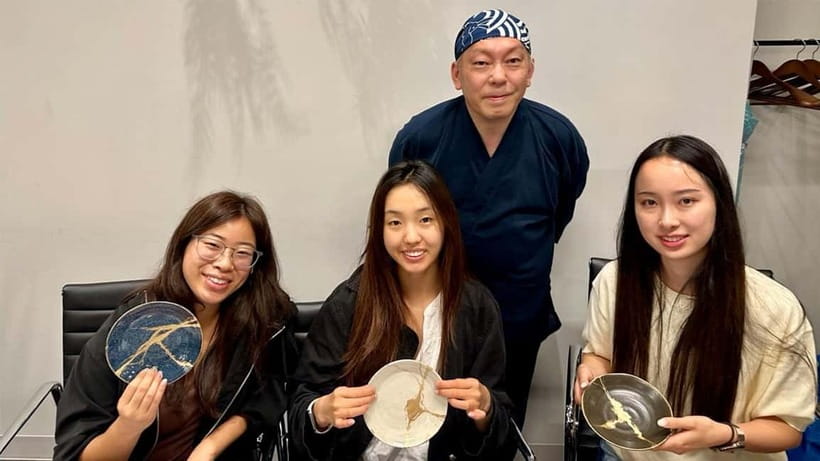
At about $75 per person for 90 minutes, this is not a “cheap and cheerful” activity. But the value is clear when you break down what you get:
- You are paying for guided instruction in English or Japanese
- You receive all materials and tools, including the ceramic to restore
- You get the corrected outcome you can take home the same day
- You also get packaging help designed for travel
- You spend time in a convenient Ginza location instead of wasting a half day commuting
In central Tokyo, location alone can swallow time and money. Here you pay for a focused experience that gives you a finished souvenir, not just a lesson.
If you are deciding between this and a big-ticket shopping day, I’d choose this if you want something personal, creative, and distinctly Japanese. If you only want to watch and take photos, you might prefer a different kind of cultural activity.
Who should book, and who should skip this Kintsugi workshop
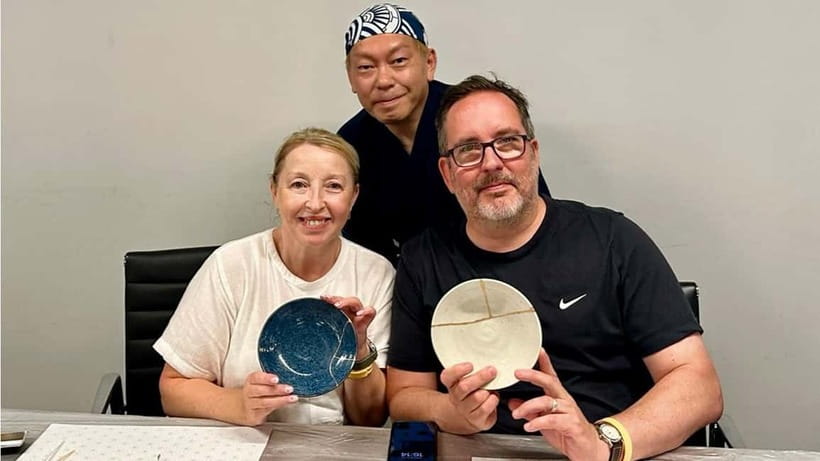
This is best for people who enjoy making things and appreciate quiet, careful work. It also works well for teens and adults who want a break from the sensory overload of Ginza.
It is not suitable for:
- Children under 10
- People with mobility impairments
- People with a cold
- Babies under 1
- Hearing-impaired people
Also consider the nature of the finished item. Since it is decorative and not microwave-safe, this is not an everyday kitchen replacement. It is a keepsake and a conversation starter.
If you want a craft with a strong cultural message, this class fits. The aesthetic idea is that repair can be beautiful and meaningful. You are literally re-framing damage into design.
Should you book this Ginza Kintsugi class? My take
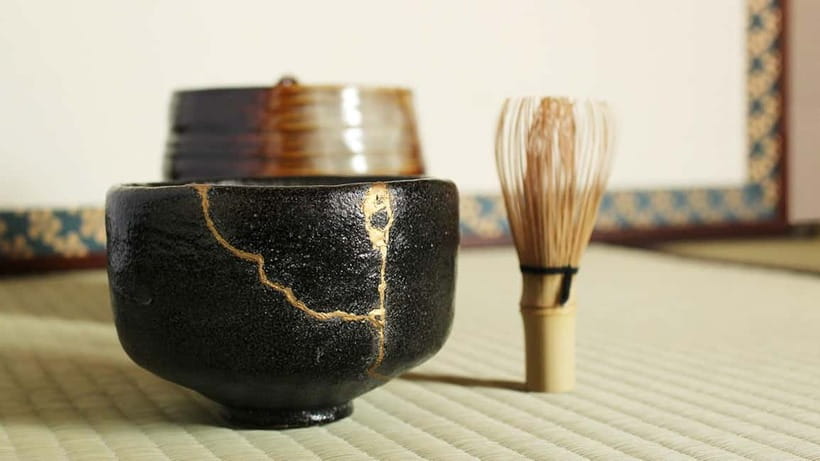
Book it if you want a hands-on Tokyo experience that ends with a real souvenir, done in a reasonable 90 minutes, and in a location that does not wreck your day. The small group size helps, the instruction in English or Japanese helps, and the take-home packaging makes it practical.
Skip it if you need your finished ceramic to be microwave-safe or you are looking for a fully traditional month-long Kintsugi cure process. Also skip if your situation fits any of the provided restrictions, like mobility limitations or having a cold.
If you want to leave Tokyo with something personal that captures a Japanese way of thinking, this is one of the more satisfying options in Ginza.
FAQ
How long is the Kintsugi workshop in Ginza?
The workshop lasts 90 minutes.
Where do I meet for the class?
Meet at Cafe AOU Ginza forest. The venue is on the ground level of the Daiwa Ginza Building.
What is the price per person?
The price is listed as $75 per person.
What is included in the workshop?
You get the 90-minute workshop, all necessary tools and materials, an instructor, a ceramic piece to restore, and a complimentary soft drink.
Can I take my repaired ceramic home?
Yes. You will take home your repaired ceramic piece.
Is the repair microwave-safe?
No. The repaired item is not microwave-safe due to the risk of ignition. It is recommended for decorative use only.
How does this workshop finish in 90 minutes if traditional Kintsugi takes weeks?
Traditional authentic Kintsugi takes about a month with natural lacquer. This workshop uses synthetic lacquer and metallic powder so you can complete and take home your piece within 90 minutes.
What languages are available?
The instructor offers English and Japanese.
Is this class suitable for kids?
It is not suitable for children under 10. It is listed as not suitable for babies under 1.
What is the group size?
The workshop is a small group limited to 8 participants.
Newly listed around Tokyo
- Tokyo private transfer for Yokohama Port★ 4.5 · 63 reviews
- Luxury Kimono Photoshoot at Ginza Tokyo★ 5.0 · 7 reviews
- Tokyo Allstar Food Tour★ 4.5 · 206 reviews
- Tokyo Art Aquarium Museum E-Ticket with optional Tokyo Metro Pass★ 5.0 · 17 reviews
- Tokyo: Best Ginza Food Tour at 3 Local Eateries★ 5.0 · 83 reviews
- Private One Day Nikko Tour with Bilingual driver★ 3.5 · 11 reviews
- PRIVATE tour in 180SX to Daikoku+++++★ 5.0 · 6 reviews
- Kabuki Talk★ 5.0 · 10 reviews
Tokyo Tours, compared.

Mt Fuji and Hakone 1-Day Bus Tour Return by Bullet Train
Read our review →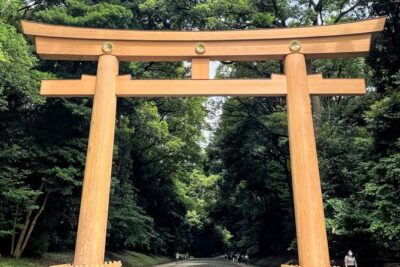


teamLab Planets TOKYO Digital Art Museum Entry Ticket
Read our review →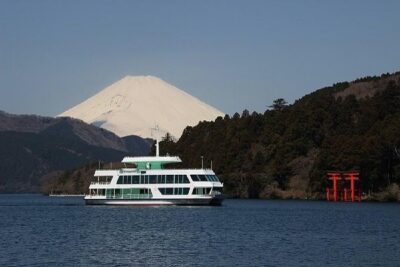
Mt Fuji & Hakone Cruise, Drum Show Bullet Train 1 Day from Tokyo
Read our review →
Sumo Show Experience with Chicken Hot Pot and a Photo
Read our review →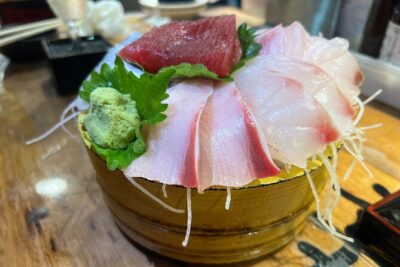
Shinjuku Food Tour (13 Dishes at 4 Local Eateries)
Read our review →