
Review · JDM CAR MEET TRIPS
Tokyo: Fantastic Daikoku car meeting&c1 high way car tour
Daikoku PA is where Japanese car culture turns up loud. This tour pairs a Daikoku Parking Area car-meet stop with a real highway ride on the C1 Loop and Wangan route, so you get both the spectacle and the drive in one 3.5-hour window. I especially like that the group stays small (up to 4), which makes it easier to get answers while you’re watching the cars. The main thing to consider is that Daikoku can close due to police activity, and the plan may shift to an APIT car meeting with no refund.
You also get a scenic hit list of Tokyo and Yokohama viewpoints, plus quick pass-by looks at places like Ginza and Rainbow Bridge. It’s a practical way to see the city’s big skyline moments without spending hours on trains. Still, some stops are brief pass-bys, so if you want long photo walks at every location, plan on loving the driving and Daikoku time more than the sightseeing segments.
In This Review
- Key moments that make this tour worth your time
- Daikoku Parking Area, Why It Matters for Tokyo Car Culture
- The Silver Lexus Ride: C1 Loop and Wangan Highways
- Akihabara Pickup and the First Skyline Pulse
- Ginza, Rainbow Bridge, Odaiba, Kawasaki, and Haneda Pass-By Views
- Daikoku Time: How to Make the Most of 1.5 Hours
- What Happens If Daikoku Closes (APIT and Umihotaru Options)
- Who This Tour Suits Best (And Who Might Want Something Else)
- Price and Value: What $105 Buys in Tokyo
- The Guide Factor: Stories, Language, and Host Energy
- Should You Book This Daikoku Car Meeting and C1 Highway Tour?
- FAQ
- How long is the Tokyo Daikoku car meeting and C1 highway car tour?
- Where does the tour pick up?
- Is food included?
- What languages does the guide speak?
- Do I need a passport?
- Are alcohol and drugs allowed?
- What happens if Daikoku closes?
Key moments that make this tour worth your time
- Daikoku Parking Area free time (about 1.5 hours) to see modern builds and classic styles up close
- C1 Loop and Wangan highway ride in a silver luxury Lexus for big views from the road
- Small group format (max 4), which keeps the experience calmer and more personal
- Tokyo and Yokohama sights in one loop with multiple pass-by landmarks
- A guide who brings Japan car-culture context, including local story and practical tips
- Backup possibility of APIT or Umihotaru if Daikoku closes (optional fee may apply)
Daikoku Parking Area, Why It Matters for Tokyo Car Culture
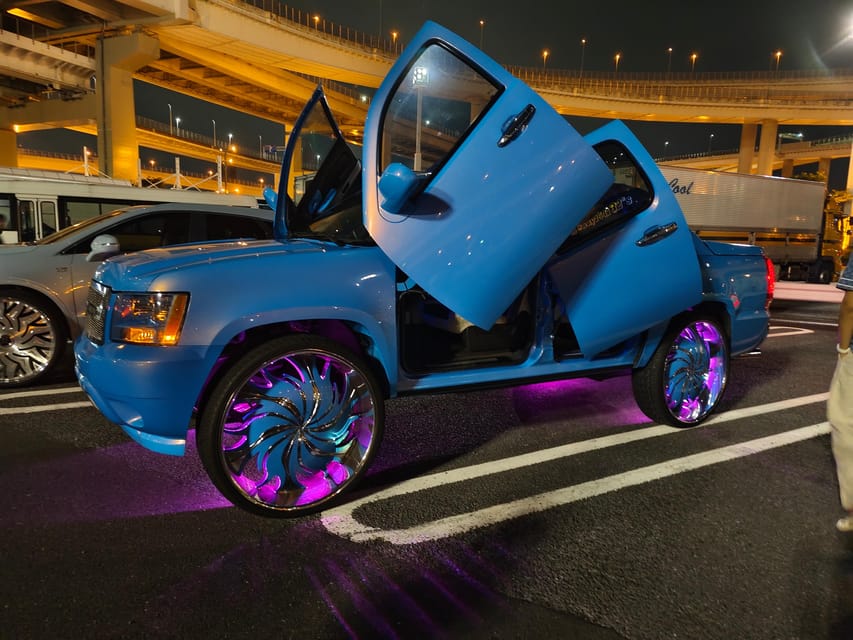
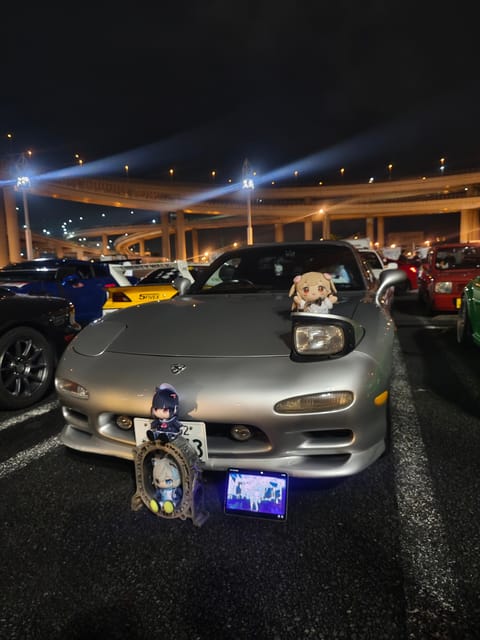
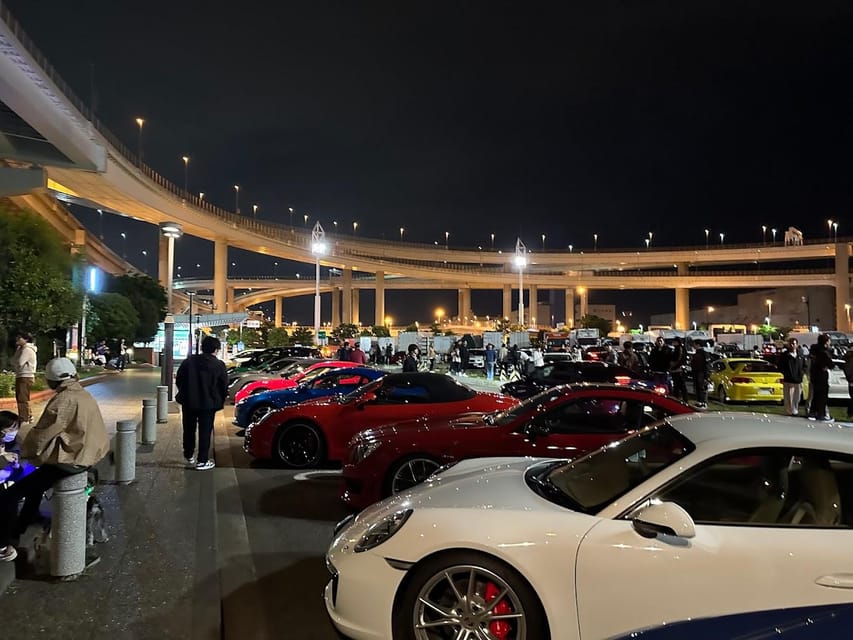
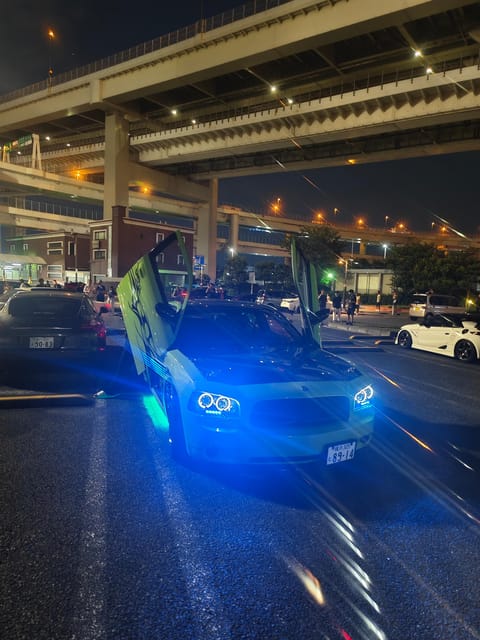
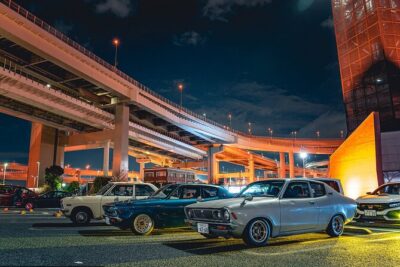
If you’re even mildly into cars, Daikoku Parking Area is the name you’ll keep hearing. It’s the kind of place where the mix of builds feels intentional, not random. You’ll find everything from classic-looking cars to newer, sharp-edged machines, and the crowd energy is part of the experience. This tour’s strongest ingredient is that you don’t just pass by. You’re scheduled to stop and get free time there, which is the difference between watching from a bus window and actually clocking details in person.
The good move here is how the tour uses Daikoku as an anchor. Tokyo can feel huge and fast. Daikoku slows things down just enough. You can look at paint finishes, wheel styles, stance, and the little personal touches that owners put into their cars. And because the visit is long enough (about 1.5 hours), you’re not stuck with a rushed “walk-by and go” rhythm.
What to expect at Daikoku is simple: you’ll arrive, you’ll have time to wander and take photos where permitted, and you’ll get to absorb why this kind of car-meet culture exists in Japan. It’s a focused stop in a city full of distractions.
JDM Car Meet trips readers book most in Tokyo:
- Tokyo: Fast & Furious Tokyo Drift III Experience
★ 4.8 · 2,432 reviews - GT-R35 800hp Club Membership – secret underground car meet
★ 4.8 · 998 reviews - Tokyo: Daikoku JDM Car Meet & Night Car Culture Tour
★ 4.8 · 626 reviews
The Silver Lexus Ride: C1 Loop and Wangan Highways
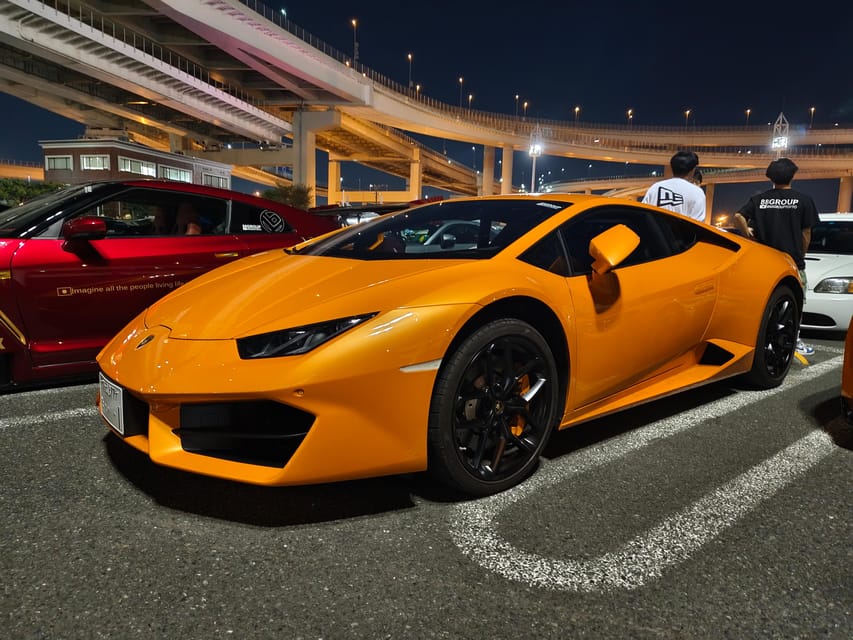
The highway portion is where the tour turns from a sightseeing outing into something you’ll remember. You ride in a silver luxury Lexus, and the route covers two of the most famous Tokyo driving experiences: the C1 Loop and the Wangan highway run. Even if you’re not a car enthusiast, there’s a “wow” factor to highways that cut through dense city scenery, especially in this part of Tokyo Bay.
Here’s the value for you: a drive like this gives you a different angle on the city. You don’t just see landmarks from sidewalks. You watch the skyline shift as you move, and you catch those wide views that are tough to recreate on foot or train. Plus, in a guided format, you’re not dealing with route planning, traffic stress, or figuring out where to safely take photos.
This is also where the guide story matters. The tour includes Japan local story, and that kind of context helps you understand what you’re seeing at Daikoku and why certain car styles get attention on these roads. You get a better “reason” behind the visuals, not just the visuals themselves.
If you’re prone to motion sickness, keep that in mind before you go. The tour is built around highway time, so you’ll be in the car for the bulk of the experience.
Akihabara Pickup and the First Skyline Pulse
The tour starts in the Akihabara area, with a pickup point sent to you by WhatsApp the day before. You’ll want to arrive about 15 minutes early so you don’t end up standing around while traffic does its thing.
From there, the drive becomes a quick hit of Tokyo identity. Akihabara is famous for electronics and pop-culture energy, and it makes a fun contrast to what comes next. You’re leaving one kind of Tokyo intensity and heading toward the car-culture world, then toward the bay-side highway views.
The big picture rhythm is: you get set up at the start, you move through several city zones, and then you reach Daikoku for the longer stop. That pacing works well if you want one solid half-day experience without committing to a full day plan.
Ginza, Rainbow Bridge, Odaiba, Kawasaki, and Haneda Pass-By Views
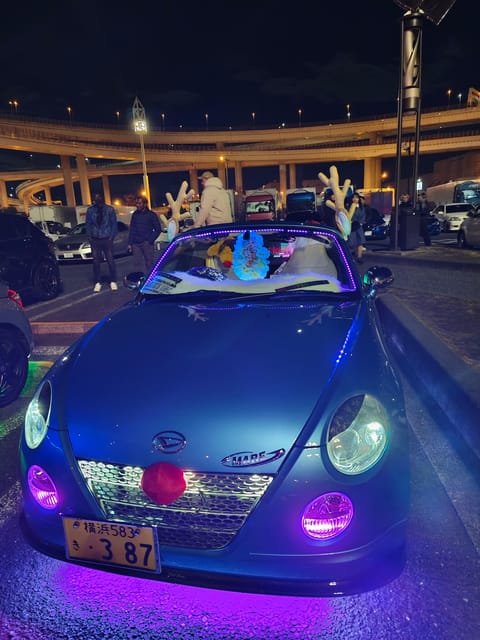
One thing to know up front: several locations are pass-by stops rather than extended sightseeing breaks. You’ll go by Ginza, Rainbow Bridge, Odaiba, Kawasaki, and Haneda Airport within minutes at a time. That can feel limiting if your travel style is slow and photo-walk heavy.
Still, these pass-bys make sense. They’re designed to give you broad, recognizable city markers while keeping the schedule on track for the Daikoku visit and the highway drive.
Here’s what you should focus on during these segments:
- Ginza for that polished, central Tokyo feel and the sense of scale
- Rainbow Bridge for iconic bay views that are hard to catch from street level
- Odaiba to see how Tokyo Bay’s leisure and skyline zones look when viewed from the road
- Kawasaki as a reminder that this region is more than “just Tokyo,” it’s a whole connected metro area
- Haneda Airport pass-by for the aviation-to-city connection, especially when light conditions are good
If you want more time at any one landmark, you can still do that before or after. This tour is best treated as a driving and car-culture highlight, with skyline glimpses as a bonus.
A few more Tokyo days to weigh up
- Mt Fuji and Hakone 1-Day Bus Tour Return by Bullet Train
★ 5.0 · 26,383 reviews - 1-Day Tokyo Bus Tour
★ 5.0 · 14,250 reviews - Tokyo: TOKYO SKYTREE® Admission ticket
★ 4.5 · 11,192 reviews - Tokyo: teamLab Planets TOKYO Digital Art Museum Entry Ticket
★ 4.6 · 9,779 reviews
Daikoku Time: How to Make the Most of 1.5 Hours
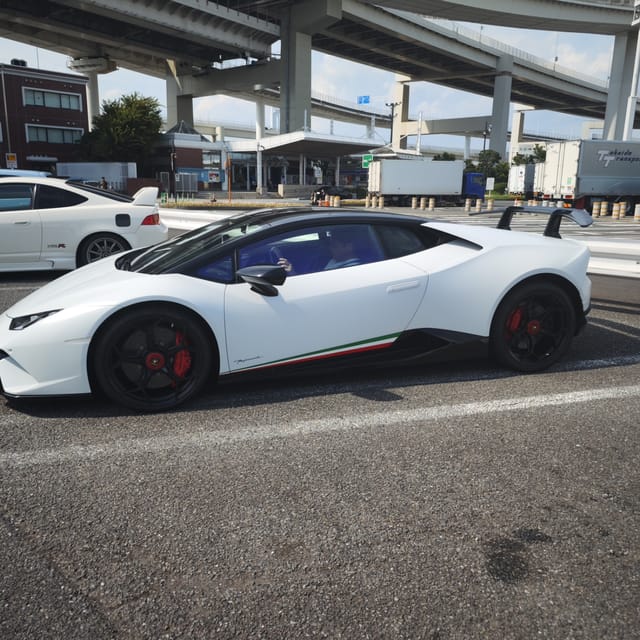
The Daikoku stop is the center of gravity. You get free time for about 1.5 hours, which is enough to do two things: take photos and actually look.
To get real value from that time, I’d go in with a plan. Pick a few themes:
- Look at different eras, then compare how owners achieved a similar “look” through different techniques
- Watch the wheel and tire choices. In car-meet culture, that’s one of the fastest ways to understand how a build is meant to sit and handle
- Note how lighting and color affect what you see. Colors can look completely different in daylight versus late-day light, and Daikoku can give you both depending on timing
The guide also plays a role here. The tour includes a local story component, and a good guide will help you connect what you see with what it means in Japanese car scenes. If you’re lucky, you’ll get a host who adds personality and humor. One host name that comes up is Mr Lee, praised for hosting energy and strong English, plus a sense of humor.
Practical tip: bring a passport with you as required, and avoid anything that could slow the vibe down. Alcohol and drugs are not allowed on the tour.
What Happens If Daikoku Closes (APIT and Umihotaru Options)
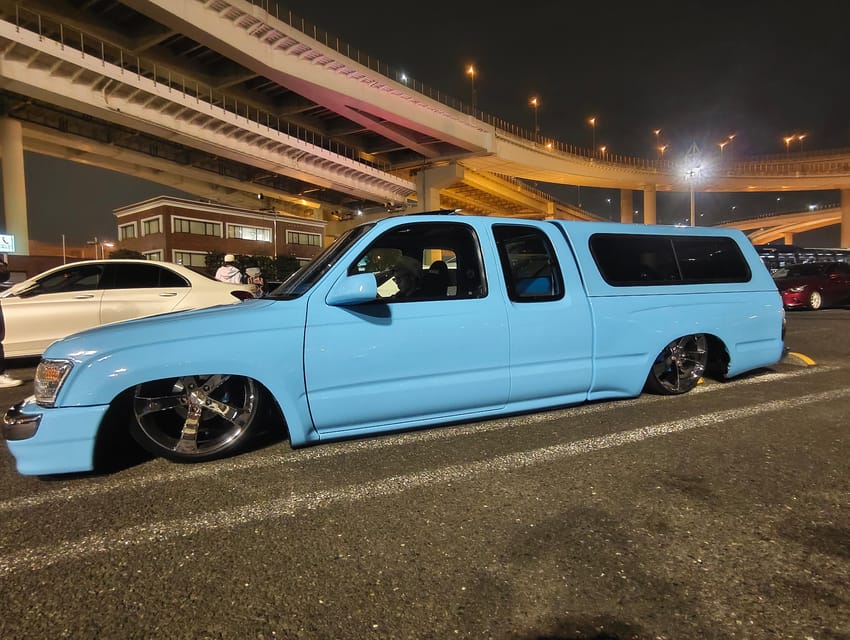
Here’s a key consideration that’s not about your taste, it’s about the reality of public spaces. Daikoku can close due to police activity. When that happens, the tour may switch to an APIT car meeting instead, and the info provided also notes that an Umihotaru option (APIT and Umihotaru possible for an optional fee) may be available.
The practical takeaway for you is this: if Daikoku is the must-see reason you booked, you should feel mentally prepared for a plan adjustment. The tour states that the change can happen and notes no refund in that closure scenario. So it’s worth deciding whether you’re booking for the highway ride plus car-culture atmosphere in general, or strictly for Daikoku by name.
Also, don’t panic if the plan shifts. APIT and Umihotaru are still in the same broader world of Japanese meeting culture. You’ll still get the chance to see cars and take in that scene, even if the location changes.
Who This Tour Suits Best (And Who Might Want Something Else)
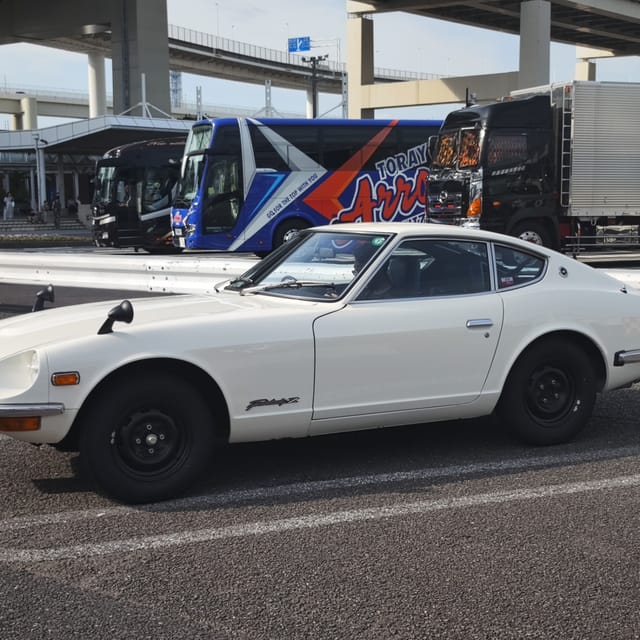
This kind of half-day experience works best for people who enjoy car culture and like getting around with less logistical effort. With a small group limit of up to 4 participants, you’ll likely feel more like you’re traveling with a mini crew than being herded like a number.
It suits you if:
- You want a Japan car-culture experience without renting a car
- You care about seeing real cars at a famous meeting spot
- You want skyline moments tied to highway views, not just walking routes
- You like having a guide to explain what you’re seeing and connect it to local context
It might not suit you if:
- You need long, slow sightseeing breaks at every landmark (many stops are pass-by)
- You’re sensitive to highway motion
- You want a family-friendly option for very young kids, since it’s not suitable for children under 5, babies under 1, or people over 70
- You use a wheelchair, since the tour is noted as not suitable for wheelchair users
Price and Value: What $105 Buys in Tokyo
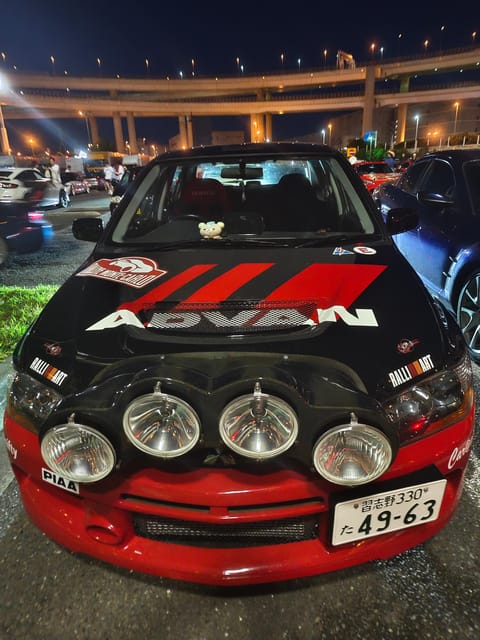
At about $105 per person for roughly 3.5 hours, this is priced like an organized “experience package” rather than a simple transfer. You’re not just paying for a ride. You’re paying for:
- Transportation, with a luxury Lexus used specifically for the highway route
- A guide for car-culture context and stories
- Highway access as part of the experience
- Time at Daikoku Parking Area, the key event-style stop
- Extra practical items like a charger
So the value question becomes: does it replace multiple trips you’d otherwise stitch together on your own? For many people, yes. You avoid planning a highway-heavy itinerary, you avoid hunting for the best route and meeting points, and you avoid guessing what’s worth your time when you reach Daikoku.
Group size also affects value. With only up to 4 participants, it’s not a huge group experience. That can matter a lot for comfort, questions, and how the guide manages timing.
If you’re on a tight budget and only want one piece of the experience, you might question the total cost. But if you want Daikoku plus C1 and Wangan in one clean block, this is a direct way to get it.
The Guide Factor: Stories, Language, and Host Energy
This tour includes a live guide in English and Japanese, and that’s more important than it sounds. When you’re looking at car styles and scenes, names and context help you read what you’re seeing. Otherwise, you can take photos and still feel like you’re only getting half the story.
Also, one of the most praised details is the host energy. Mr Lee is specifically mentioned for precise pickup timing and good English, plus a humorous touch. That kind of guide style matters when you’re moving through traffic and doing short pass-by segments. The guide keeps the day from feeling like a rushed checklist.
You’ll also have room for questions. Small group time means your guide can tailor explanations, at least within the limits of the route schedule.
Should You Book This Daikoku Car Meeting and C1 Highway Tour?
If your top priorities are Daikoku Parking Area, a luxury Lexus highway ride on C1 and Wangan, and a guided look at Tokyo and Yokohama with minimal effort, I think this tour is an excellent fit. The strongest part is the combination: car-meet time plus city-and-bay views from the road.
Book it if:
- You want a compact half-day car-culture highlight
- You like guided storytelling, not just transportation
- You’re okay with some stops being pass-by rather than long breaks
- You’re comfortable with the possibility of a location change if Daikoku closes
Skip or consider another option if:
- Daikoku is your only goal and you’d be disappointed by an APIT switch
- You need lots of walking time at landmarks
- Your travel party includes someone who doesn’t meet the stated age or mobility notes
If you’re the kind of traveler who likes Tokyo from behind the wheel, or you want a real taste of Japan’s car culture without the heavy planning, this one is worth your time.
FAQ
How long is the Tokyo Daikoku car meeting and C1 highway car tour?
The duration is about 3.5 hours.
Where does the tour pick up?
Pickup is arranged near the Akihabara area. The pickup point is sent to you by WhatsApp the day before.
Is food included?
No. Food and drinks are not included.
What languages does the guide speak?
The tour includes a live guide in English and Japanese.
Do I need a passport?
Yes, a passport is listed as what to bring.
Are alcohol and drugs allowed?
No. Alcohol and drugs are not allowed.
What happens if Daikoku closes?
Sometimes Daikoku will close due to police activity. The tour may switch to a car meeting at APIT. The info also says APIT and Umihotaru can be possible for an optional fee, and it notes no refund if Daikoku closes.
Newly listed around Tokyo
- Tokyo private transfer for Yokohama Port★ 4.5 · 63 reviews
- Luxury Kimono Photoshoot at Ginza Tokyo★ 5.0 · 7 reviews
- Tokyo Allstar Food Tour★ 4.5 · 206 reviews
- Tokyo: Best Ginza Food Tour at 3 Local Eateries★ 5.0 · 83 reviews
- Private One Day Nikko Tour with Bilingual driver★ 3.5 · 11 reviews
- Tokyo Art Aquarium Museum E-Ticket with optional Tokyo Metro Pass★ 5.0 · 17 reviews
- PRIVATE tour in 180SX to Daikoku+++++★ 5.0 · 6 reviews
- Kabuki Talk★ 5.0 · 10 reviews
JDM Car Meet Trips, compared.
GT-R35 800hp Club Membership – secret underground car meet
Read our review →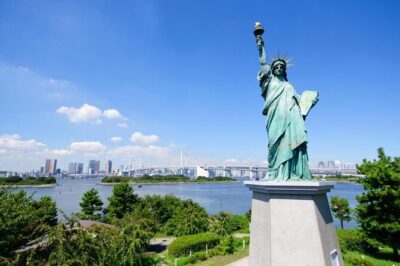

Secret Car Meet: R34 Skyline Car Club Membership
Read our review →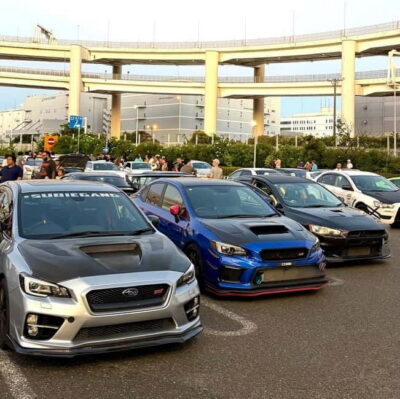
EVO, WRX, Skyline – JDM Night Run to Daikoku Car Meet
Read our review →
Tokyo Drift: Daikoku PA Supreme Car Experience 大黒PA
Read our review →
Browse the lists this tour appears in