Review · TOKYO TOURS
Tokyo: Ghost Tour with Scary Japanese Stories and Folklore
Tokyo gets spookier after dark. This small-group ghost walk in Tokyo Station area turns modern streets into a living set of scary stories and old rules people still follow.
I love the storytelling variety, from folklore and paranormal reports to true crime and missing persons, all delivered in a way that keeps you listening. I also like the payoff at Yoshiwara-jinja Shrine, where the legend is not just told, it is tied to how people behave day to day.
One thing to consider: it is a night walking tour, so you will need comfortable shoes and you should skip it if you have heart problems or if the group includes kids under 10.
In This Review
- Key details you’ll care about
- Starting in Tokyo Station, right where the night route begins
- Tokyo Station area storytelling that sets the mood
- Yoshiwara-jinja Shrine and the 1,000-year fear of turning backs
- Asakusa’s Shitamachi at night, where folklore feels local
- The guide factor: Matthias and Maikel-style storytelling
- Price and value at $90 for a 1-day night route
- Practical tips so the night walk stays fun
- Should you book this Tokyo ghost tour?
- FAQ
- Where do I meet the guide for the Tokyo ghost tour?
- How long is the tour?
- What languages are available for the live guide?
- Is flash photography allowed during the tour?
- What should I bring and wear?
- Is the tour suitable for children?
- What is included in the price, and what is not?
- Can I cancel and get a refund?
Key details you’ll care about
- Meet inside Tokyo Station at the Marunouchi North Exit, with a guide holding a sign with your name
- Visit Yoshiwara-jinja Shrine, linked to a vengeful spirit said to haunt the area for over 1,000 years
- Learn the shrine behavior rule office workers still do not follow lightly, not turning their backs
- Small-group ghost walk through Asakusa’s Shitamachi district after dark
- Professional multilingual guide (French, German, Italian, English), with guides like Matthias and Maikel standing out
- A Japanese traditional snack included to break up the walk
Starting in Tokyo Station, right where the night route begins
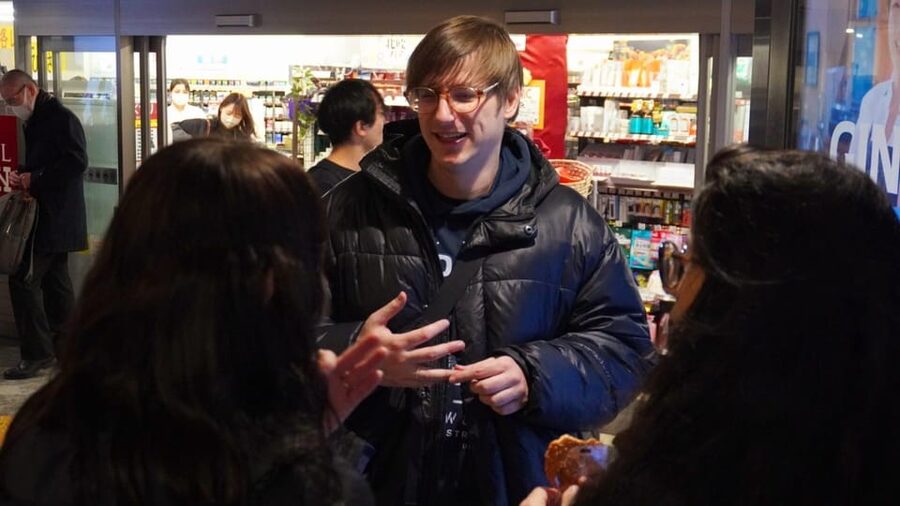
The tour starts at Tokyo Station, inside the north side (Marunouchi North Exit). You meet in the North wing, and the guide picks you up with a sign that has your name on it, which is a huge help in a place as big as this station.
I like this setup because it reduces stress on arrival. Tokyo Station can make first-time visitors feel a little lost, and a ghost tour is not the night to be figuring out train lines. When the guide is already waiting inside, you get your bearings fast and move on.
From there, you head into a guided walk that is designed around listening. The stories are the point, so the pacing matters. You will be walking at night, and the atmosphere does a lot of work for the guide, especially once you leave the station lights.
The tour is also built for different experience levels. If you live in Tokyo, you still get a new way to look at familiar areas. If you are visiting for the first time, you get context instead of just taking photos.
A few more Tokyo days to weigh up
- Mt Fuji and Hakone 1-Day Bus Tour Return by Bullet Train
★ 5.0 · 26,383 reviews - 1-Day Tokyo Bus Tour
★ 5.0 · 14,250 reviews - Tokyo: TOKYO SKYTREE® Admission ticket
★ 4.5 · 11,192 reviews
Tokyo Station area storytelling that sets the mood
After meeting at Tokyo Station, you begin with a guided tour around the station area. Even though this is a modern hub, the guide connects it to the darker side of local legend and history. That contrast is part of the fun, because the ghost stories land harder when you can still see how people move through the city today.
You should expect a tour that mixes themes, not just one straight line of ghosts. One guide style noted in past groups includes a range from local legends and paranormal activity to true crime and missing persons. If you like your scary stories grounded in real-world references, that mix keeps things from feeling like only fantasy.
Practical tip: keep your camera ready. Flash photography is not allowed on the tour, so you will rely on normal camera settings and whatever low-light skills you already have. If you plan to photograph at night, do not wait for the perfect moment, keep an eye on where the guide stops and looks.
This first stretch also helps you understand what the rest of the evening is doing. The tour is not only about walking to spooky places. It is about learning how folklore becomes behavior, and how those old stories still influence the modern city.
Yoshiwara-jinja Shrine and the 1,000-year fear of turning backs
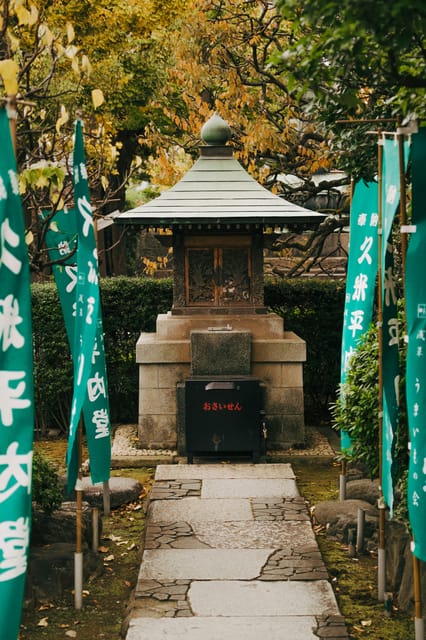
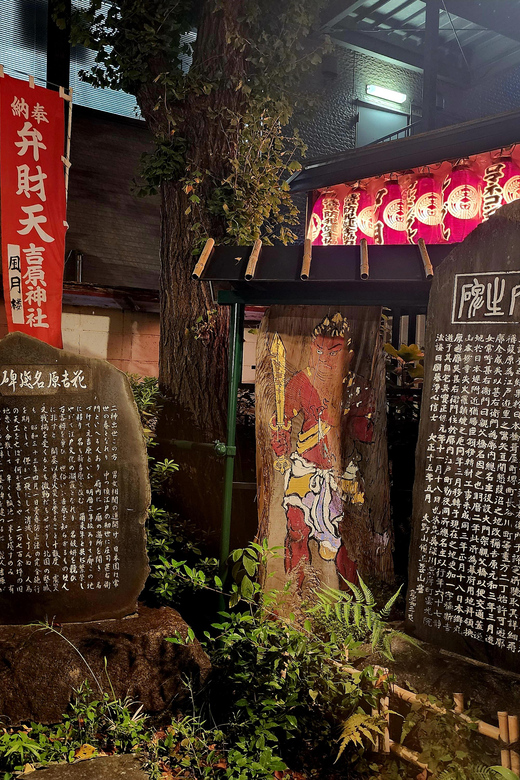
The most specific and memorable stop is Yoshiwara-jinja Shrine. This is where the tour’s legend goes from story to social rule. The guide explains a vengeful spirit said to have haunted the area for more than 1,000 years, and the key detail is how people treat the shrine in daily life.
At this shrine, people working around the area still do not dare to turn their backs toward the shrine. That kind of behavior is the real hook for me, because it shows how folklore can shape routine, even in office districts. You are not just hearing a ghost tale, you are seeing the ghost tale expressed through caution and habit.
This stop is also where you should slow down mentally. Pay attention to where the guide guides you to stand and where you face. This is not the time to rush for photos or wander off when the group is focused on the story.
And because flash photography is not allowed, you will experience it more like a scene than a photo shoot. If you are hoping to capture dramatic shrine images, you will need patience, not a camera flash. Let your eyes adjust, and let the mood do the work.
Asakusa’s Shitamachi at night, where folklore feels local
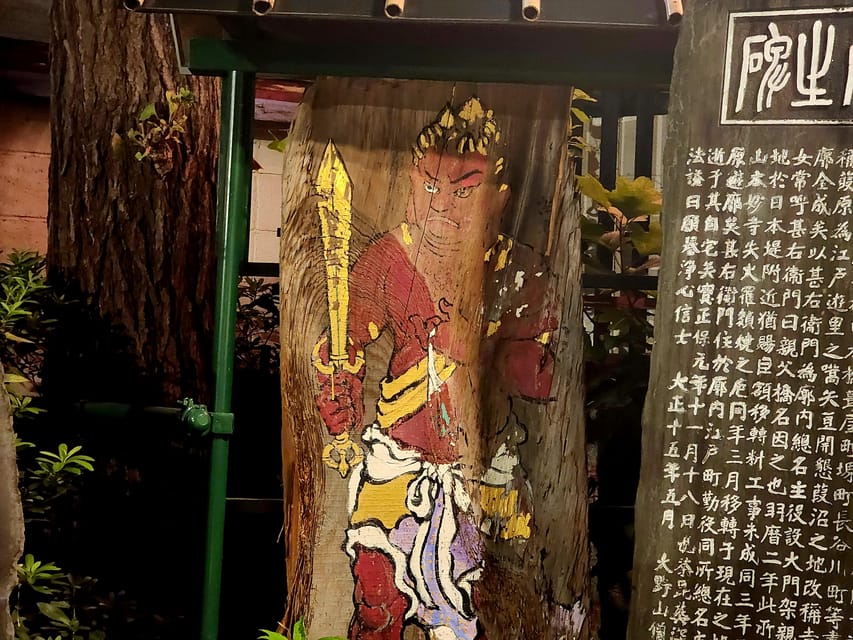
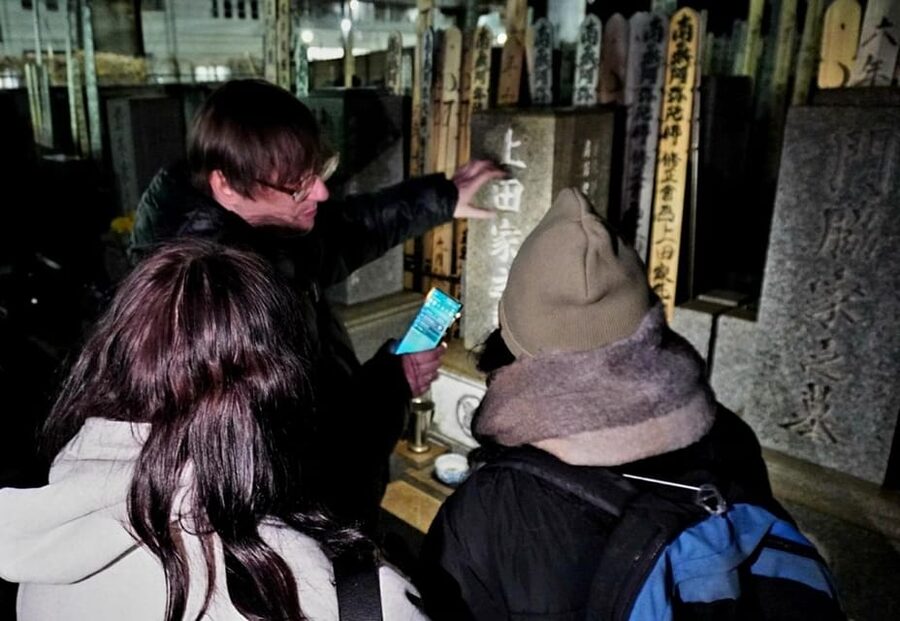
After the shrine, the tour heads toward Asakusa, specifically the Shitamachi district. This is where the night walking starts to feel like a neighborhood story. You are moving through streets where traditional Tokyo vibes are easier to imagine, and the guide connects that feel to the folklore being told.
What I like about ending up in Asakusa is that it helps the stories feel rooted. The tour is not only repeating a legend in the abstract. It gives you a sense of place, why the area is a good stage for ghost tales, and how local imagination lives alongside daily life.
The group stays small, which matters here. In a larger crowd, ghost tours can turn into a shuffle. In a smaller group, you can actually hear the guide and follow the route without constantly stopping and starting.
You will also get a Japanese traditional snack during the tour. That small included break does more than fill your stomach. It gives you a moment to reset your brain so the next story lands fresh instead of feeling like nonstop spooky input.
For night walking, plan for comfort. You do not need to dress like you are going hiking, but you do want shoes you trust. You will be on your feet, and Asakusa’s backstreet feel makes it easy to forget you still have to walk back.
A different sort of day in Japan:
- Tokyo: teamLab Planets TOKYO Digital Art Museum Entry Ticket
★ 4.6 · 9,779 reviews - Mt Fuji & Hakone Cruise, Drum Show Bullet Train 1 Day from Tokyo
★ 4.0 · 7,413 reviews - Tokyo: Sumo Show Experience with Chicken Hot Pot and a Photo
★ 4.8 · 6,678 reviews - Tokyo: Shinjuku Food Tour (13 Dishes at 4 Local Eateries)
★ 5.0 · 6,603 reviews
The guide factor: Matthias and Maikel-style storytelling
A ghost tour lives or dies by the guide. This one is led by professional guides, with languages offered including French, German, Italian, and English. That language support is not a small detail, because folklore has tone. When the guide can speak in your language, you lose fewer nuances.
Two names that stand out from past experiences are Matthias and Maikel. The style described in those group stories highlights a wide range of topics, from local legends and ghost stories to true crime and missing persons, with a lot of information packed into a fun, varied route.
I like guides who do not just narrate. They guide your attention. You should feel like you are being pointed toward why each location matters, not just collecting stops. A strong guide also keeps the pace moving, so you are not waiting around while the story fades.
If you are the type who wants cultural context, this helps. If you want only pure scares, you still get that. The tour seems to aim for “interesting and unsettling” rather than screaming and chaos, which is a better fit for most people who want to enjoy Tokyo at night.
Price and value at $90 for a 1-day night route
The price is $90 per person for a 1-day experience. That is not cheap, so it helps to look at what is actually included.
You get:
- A professional guide
- True ghost stories and folklore
- A visit to a haunted shrine (Yoshiwara-jinja)
- A Japanese traditional snack
What you do not get:
- Transportation to and from the attractions
- Drinks
So where does the value come from? Mostly from guidance and access. Tokyo Station meeting inside the building removes guesswork, and the shrine stop includes the specific legend detail about behavior around the shrine. If you tried to do this on your own, you would spend time searching, trying to match stories to places, and translating meaning from scattered sources.
Also, the tour is built for a guided night experience through Asakusa’s Shitamachi district, with small-group movement. In a city like Tokyo, that combination saves energy. You can spend your mental bandwidth listening instead of reading directions.
If you are traveling with someone, the value can feel even better because you get a shared experience built around stories, not just ticking off sights.
Practical tips so the night walk stays fun
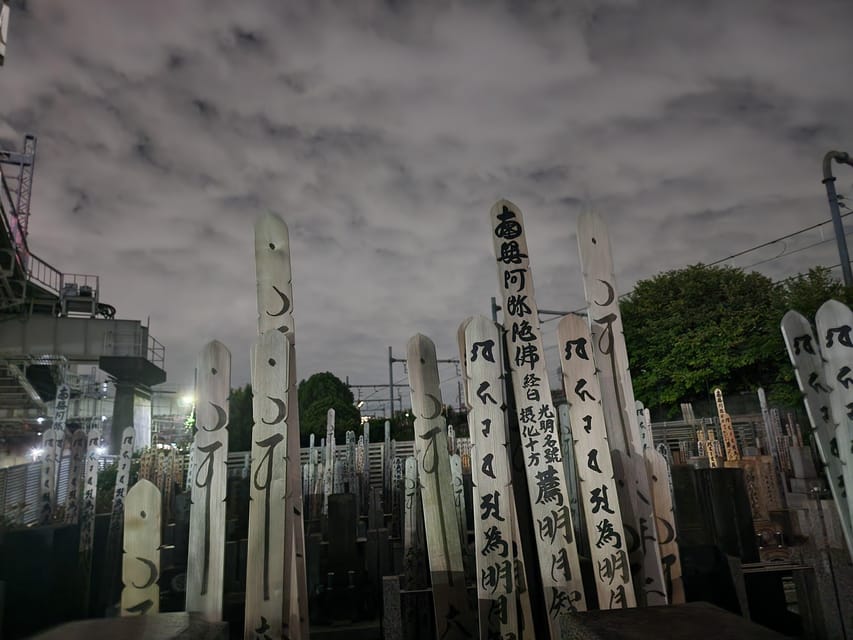
Before you go, make a simple plan: comfortable shoes, camera ready, and clothing that works with the weather. This tour involves walking at night, so your feet matter.
Bring:
- Comfortable walking shoes
- A camera (flash photography is not allowed)
Wear:
- Clothes appropriate for the weather
Also, consider the fit:
- Not suitable for children under 10
- Not suitable for people with heart problems
That last part is important. This is a walking tour at night, and you should choose it only if you can handle the physical side calmly. If you have any health limitations, this is the kind of activity you should treat seriously.
One more practical note: since flash is off-limits, do not expect to “fix” dark conditions with a quick burst of light. Instead, rely on steady framing, slower shutter speeds if your camera supports it, and the fact that the guide will stop at meaningful moments where you can see what matters.
Should you book this Tokyo ghost tour?
If you like Japanese folklore and you want it explained in context, this is a strong match. The shrine element, including the idea of a vengeful spirit over 1,000 years old and the rule about not turning your back, is specific enough to feel real, not just vague spookiness.
I would also recommend it if you want a night walk that is guided end to end, starting right in Tokyo Station, then moving through Asakusa’s Shitamachi district. The included Japanese traditional snack helps keep the experience comfortable.
Skip it if you need a fully seated experience, or if walking at night is not realistic for you. Also, it is not for kids under 10, and the tour is not suitable for people with heart problems.
If you can check your comfort box, you will likely enjoy how the guide connects legend to place, and how the evening feels like Tokyo, but with the lights turned down.
FAQ
Where do I meet the guide for the Tokyo ghost tour?
You meet inside Tokyo Station at the Marunouchi North Exit, in the North wing. Look for signs for Marunouchi North Exit, and your guide will pick you up with a sign that has your name on it.
How long is the tour?
The tour is listed as 1 day.
What languages are available for the live guide?
The live tour guide is offered in French, German, Italian, and English.
Is flash photography allowed during the tour?
No. Flash photography is not allowed.
What should I bring and wear?
Wear comfortable shoes, and bring a camera for photos. The tour involves walking at night, so dress appropriately for the weather.
Is the tour suitable for children?
No. It is not suitable for children under 10.
What is included in the price, and what is not?
Included: a professional guide, true ghost stories and folklore, a visit to a haunted shrine, and a Japanese traditional snack. Not included: transportation to or from the attractions, and drinks.
Can I cancel and get a refund?
Yes. You can cancel up to 24 hours in advance for a full refund.
Newly listed around Tokyo
- Tokyo private transfer for Yokohama Port★ 4.5 · 63 reviews
- Luxury Kimono Photoshoot at Ginza Tokyo★ 5.0 · 7 reviews
- Tokyo Allstar Food Tour★ 4.5 · 206 reviews
- Tokyo Art Aquarium Museum E-Ticket with optional Tokyo Metro Pass★ 5.0 · 17 reviews
- Tokyo: Best Ginza Food Tour at 3 Local Eateries★ 5.0 · 83 reviews
- Private One Day Nikko Tour with Bilingual driver★ 3.5 · 11 reviews
- PRIVATE tour in 180SX to Daikoku+++++★ 5.0 · 6 reviews
- Kabuki Talk★ 5.0 · 10 reviews
Tokyo Tours, compared.
Mt Fuji and Hakone 1-Day Bus Tour Return by Bullet Train
Read our review →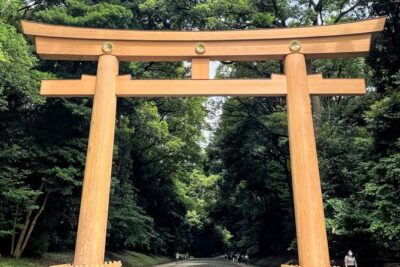

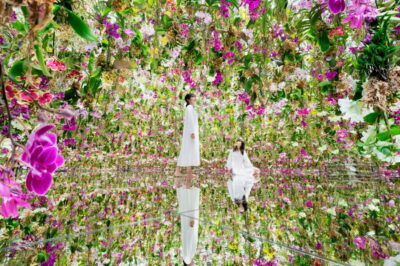
teamLab Planets TOKYO Digital Art Museum Entry Ticket
Read our review →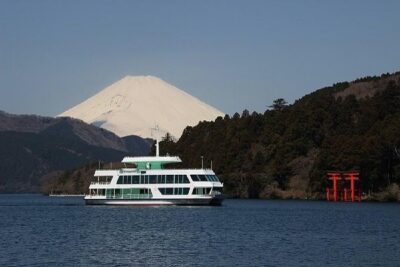
Mt Fuji & Hakone Cruise, Drum Show Bullet Train 1 Day from Tokyo
Read our review →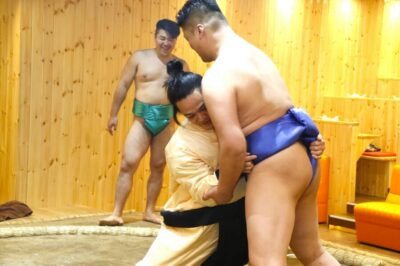
Sumo Show Experience with Chicken Hot Pot and a Photo
Read our review →
Shinjuku Food Tour (13 Dishes at 4 Local Eateries)
Read our review →