
Review · ANIME & MANGA TRIPS
Tokyo: Manga Drawing Workshop Guided by Pro Manga Artist
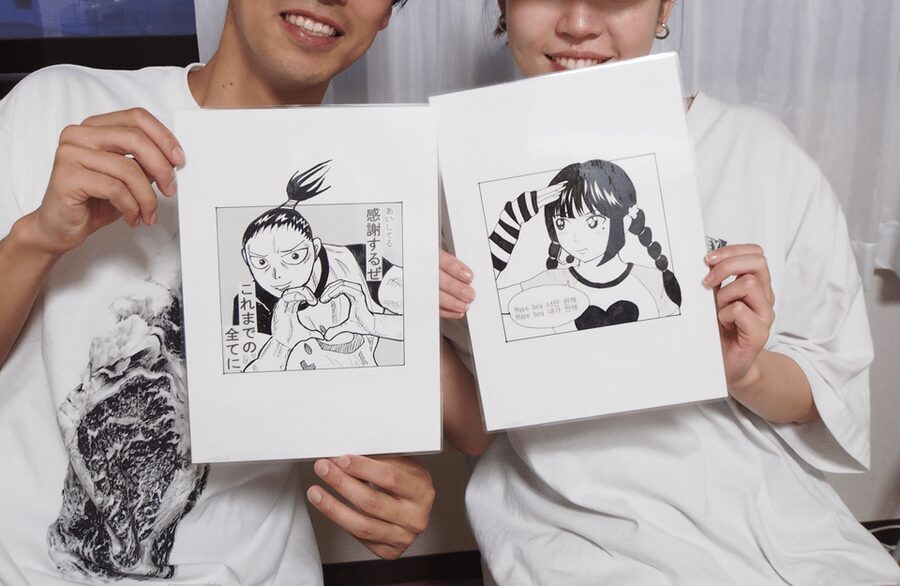
Shibuya manga class turns fans into creators. In a small room in Tokyo, you learn the real workflow behind panels you know from series like One Piece or Naruto, not just how to copy a face. Pro guidance plus traditional tools makes the whole thing feel like backstage work in Japan’s comic scene.
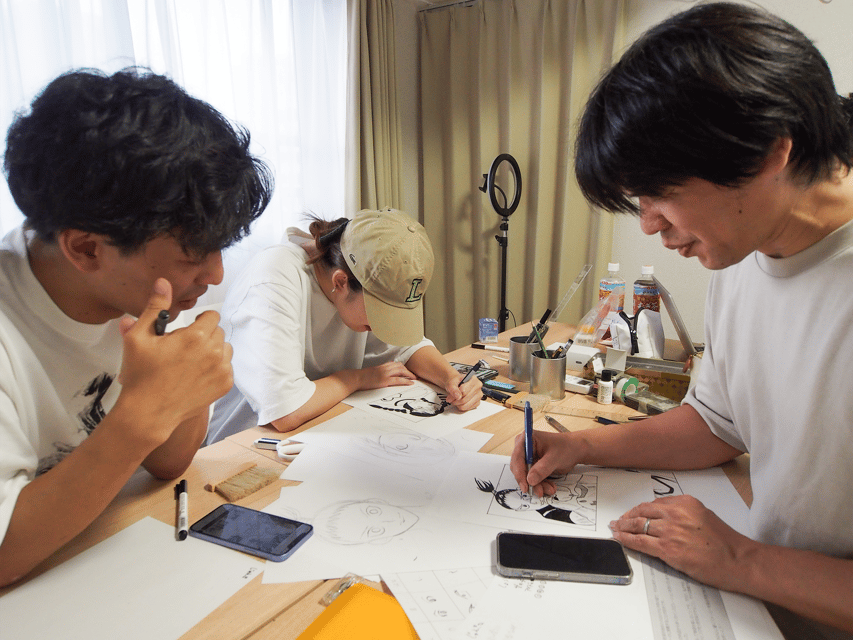
I especially like how friendly the instruction is for first-timers. People with zero drawing confidence still leave with a finished panel, because the process is broken into clear stages and someone is watching every line. I also love the translator setup, since English and Japanese keep the craft details from getting lost.
One thing to consider is location friction. The meeting spot is on the 6th floor of a thin black TR Building, and Shibuya can be chaotic, so plan to arrive a bit early to avoid stress.
In This Review
- Key things I’d circle before you book
- Why a Manga Workshop in Shibuya Feels Like Backstage Tokyo
- The Pro Manga Artist and Interpreter Duo That Keeps It Smooth
- Finding 6F, Shibuya 3-chome TR Building: A Real-World Tip
- From Prompt to Panel: What Happens in the Full 150 Minutes
- Choosing your character and panel idea
- Ideation and rough sketch planning
- Drafting and inking the real lines
- Solid blacks and finishing contrast
- Screen tones for the grayscale look
- Speech bubbles and the final manga read
- Tools and Techniques: Lines, Blacks, and Screen Tones
- Linework you can feel
- Solid blacks for focus
- Screen tones that look like the real thing
- What You Take Home: A Wall-Ready Manga Keepsake
- Price and Value: Is $129 Worth 150 Minutes?
- Who This Workshop Suits Best (And Who Might Be Happier Elsewhere)
- Potential Downsides to Know Before You Go
- Should You Book This Tokyo Manga Drawing Workshop?
- FAQ
- Do I need drawing experience for this manga workshop?
- How long is the class?
- How much does it cost?
- Where exactly do I meet the group in Shibuya?
- What languages are supported during the workshop?
- What’s included in the price?
- Is food or drinks included?
- Do they offer pickup?
- Is the finished artwork something I can take home?
- Can I get a refund if my plans change?
Key things I’d circle before you book
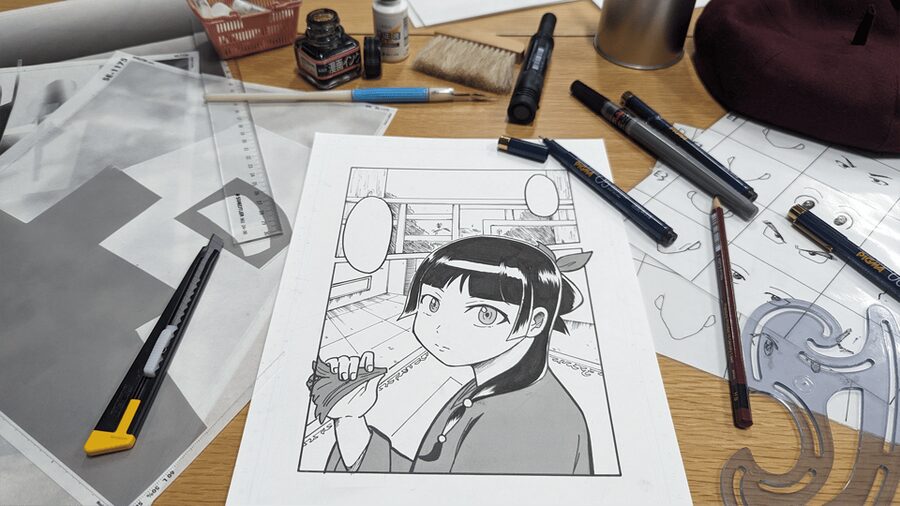
- Small group of up to 8 means more time with the manga artist
- 150 minutes, full panel workflow from rough sketch to tones and speech bubbles
- Interpreter included so you can ask questions and get corrections
- Traditional techniques like solid blacks and screen tones (the manga look)
- You keep your finished panel, often laminated for an easy souvenir
Why a Manga Workshop in Shibuya Feels Like Backstage Tokyo
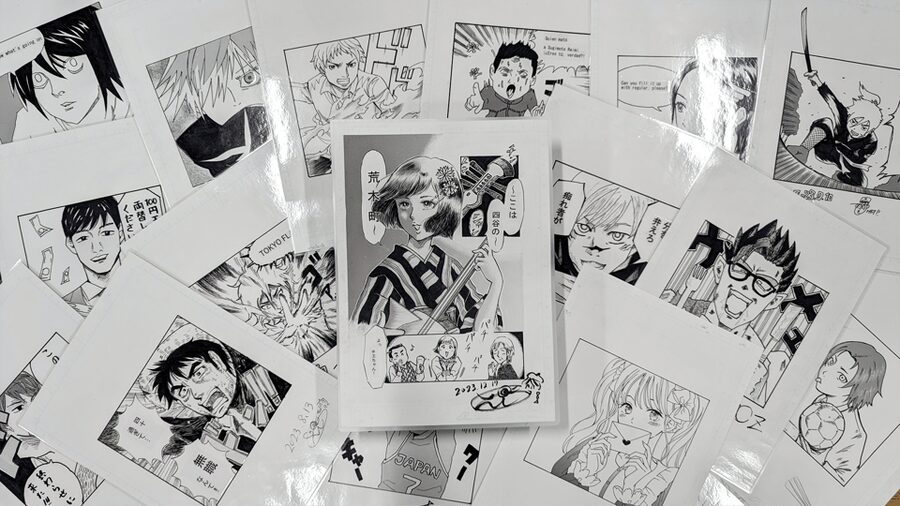
Tokyo is loud with manga love. But this workshop gives you something rarer than photos: the step-by-step method that makes manga look like manga. You’re not just studying characters, you’re learning how creators build a readable, dramatic panel.
What makes it fun is the mix of structure and creativity. You start with an idea, then the artist helps shape it into a manga layout that works. Even if your sketch feels messy at the start, you’re moving through the same professional stages.
And yes, you’ll get that fan-dream moment: drawing in the language of Japanese comics while you’re standing in Shibuya, the area that practically runs on pop culture. It’s a hands-on souvenir that feels earned, not purchased.
Other Anime and Manga trips worth a look in Tokyo:
- Official Street Go-Kart Tour – Akihabara
★ 5.0 · 1,578 reviews - Tokyo Go Kart: Asakusa, Skytree, and Akihabara **IDP MUST**
★ 5.0 · 988 reviews - Tokyo: Tokyo Tower, Shibuya Crossing, Harajuku, Go Kart Tour
★ 4.7 · 446 reviews
The Pro Manga Artist and Interpreter Duo That Keeps It Smooth
You learn with a professional manga artist instructor who has been working with manga for decades using traditional methods that have developed over the past century. That matters because manga drawing is not one magic trick. It’s a chain of choices, from composition to line weight, blacks, and tones.
The class runs in English and Japanese, supported by an interpreter. In practice, that means you can talk through what you want to draw, and you can also understand the why behind the steps. Translators like Madoka, Machi, and Ai appear in different sessions, and the common thread is clear communication and a relaxed, helpful vibe.
I also like how the instruction adapts to your comfort level. Some people show up as sketchers with experience in digital art, others arrive with little more than enthusiasm. The process still lands on a finished panel for everyone, because the artist shapes the structure and you build the details.
Finding 6F, Shibuya 3-chome TR Building: A Real-World Tip
The meeting point is 6F, Shibuya 3-chome TR Building, 3-8-11 Shibuya, Shibuya-ku. The building is described as black and relatively thin, which is exactly the kind of detail that can make you do a few extra loops if you arrive at the last minute.
Shibuya is also famous for heavy foot traffic, and sometimes there are crowds or distractions around major intersections. If that happens, don’t panic. Give yourself extra time to find the entrance, then take the elevator or stairs to the 6th floor.
Quick practical move: screenshot the address and zoom in on the pin before you leave the station. In a busy area, that simple step can save you a lot of frustration.
From Prompt to Panel: What Happens in the Full 150 Minutes
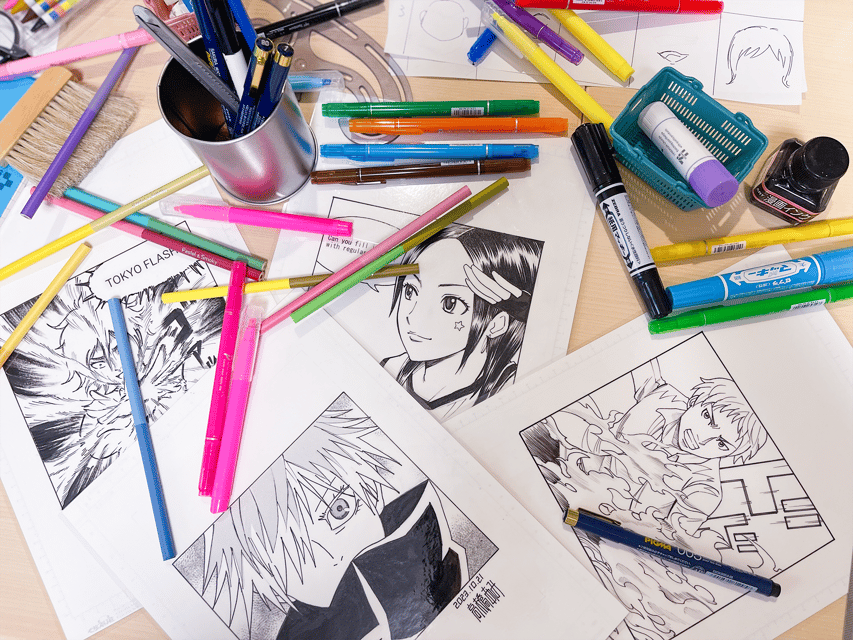
This is a 150-minute, guided hands-on session. The pacing is set up so you can get real progress even if you’ve never drawn manga before. You’ll follow a workflow that mirrors how manga artists think: idea, plan, execution, and finishing.
Here’s the typical flow you can expect:
A few more Tokyo days to weigh up
- Mt Fuji and Hakone 1-Day Bus Tour Return by Bullet Train
★ 5.0 · 26,383 reviews - 1-Day Tokyo Bus Tour
★ 5.0 · 14,250 reviews - Tokyo: TOKYO SKYTREE® Admission ticket
★ 4.5 · 11,192 reviews - Tokyo: teamLab Planets TOKYO Digital Art Museum Entry Ticket
★ 4.6 · 9,779 reviews
Choosing your character and panel idea
You’ll start by selecting what you want to draw. Some sessions use provided sample options. Others let you use your own face or a photo reference idea. You can also bring your own characters in spirit, and the artist helps turn that into a manga-style version.
Ideation and rough sketch planning
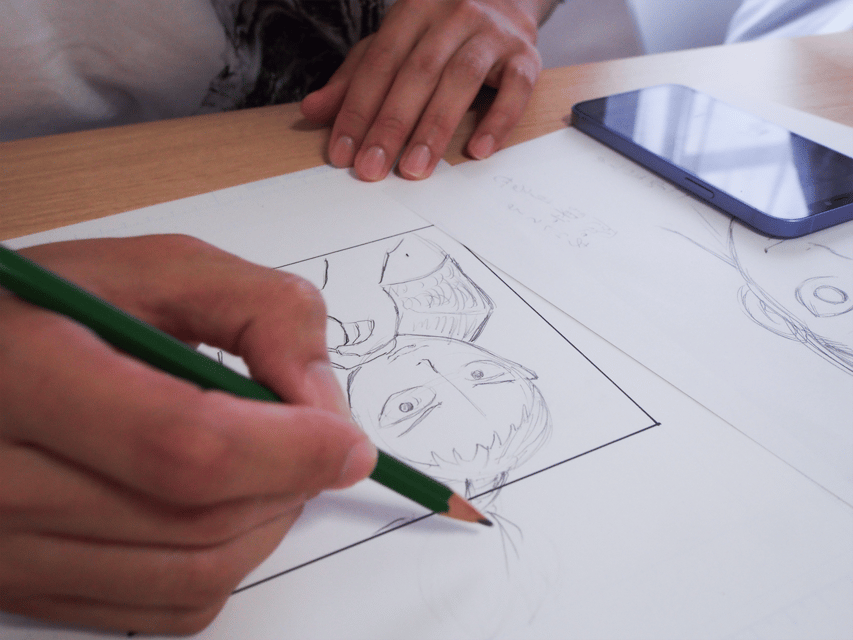
Next comes the rough stage. The artist may sketch an outline for your selected concept, then you refine it with pencil. This is where you learn how manga characters are proportioned and posed for readability, not realism.
Drafting and inking the real lines
After the pencil foundation looks right, you move to inking. Inking is where the panel becomes unmistakably manga. You learn how clean lines, controlled thickness, and confident strokes create the look.
Solid blacks and finishing contrast
Then you add solid blacks. Blacks are not just decoration. They shape focus and depth, like stage lighting for the page. People often notice that once solid blacks go in, their panel suddenly looks finished instead of sketchy.
Screen tones for the grayscale look
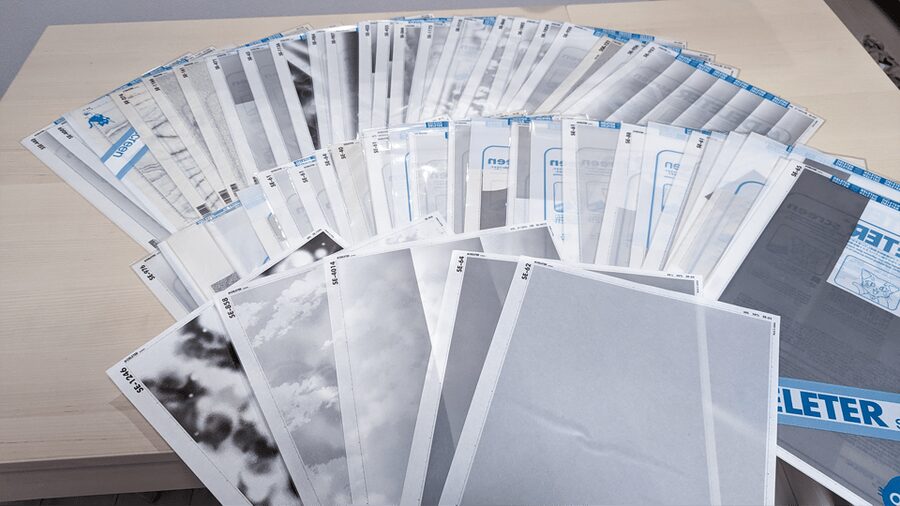
After blacks, you apply screen tones, which is one of the most iconic parts of manga. Screen tones create shading without heavy color painting. They also add texture that looks right on the page and photographs well as a souvenir.
If you’ve never used tones before, don’t worry. The artist and interpreter help you handle the tools and get the tones placed so they look natural.
Speech bubbles and the final manga read
Finally, you add speech bubbles. This is the fun step where your panel stops being a drawing and starts being a readable comic moment. You’ll leave with a complete, coherent panel, not just a half-finished headshot.
Tools and Techniques: Lines, Blacks, and Screen Tones
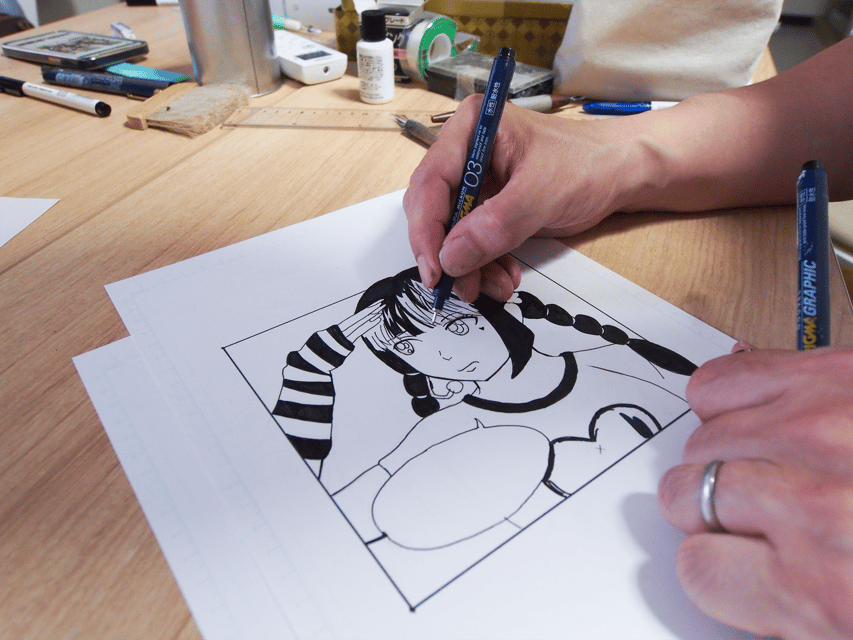
This class is most valuable if you care about how manga is actually made. The instruction spends time on the tools that create the manga style: pencil for structure, ink for linework, and tones for shading.
Linework you can feel
You’ll get guidance on how to make lines that look intentional. In manga, a shaky line can make a character look off-balance. The artist corrects in real time, so you learn what “clean” means in context.
Solid blacks for focus
Solid blacks teach you contrast control. Without blacks, many drawings look flat. With blacks, your eyes know where to go first, and your panel looks dramatic even if the subject is simple.
Screen tones that look like the real thing
Screen tones can feel fiddly until someone shows you how to handle them. You’ll learn how tones work visually and how to avoid the common mistakes, like tones that look pasted on rather than part of the shading plan.
Also, you’ll often be shown how to work carefully with tone placement and cutting tools. That hands-on skill is one reason this makes a more interesting souvenir than a generic craft session.
What You Take Home: A Wall-Ready Manga Keepsake
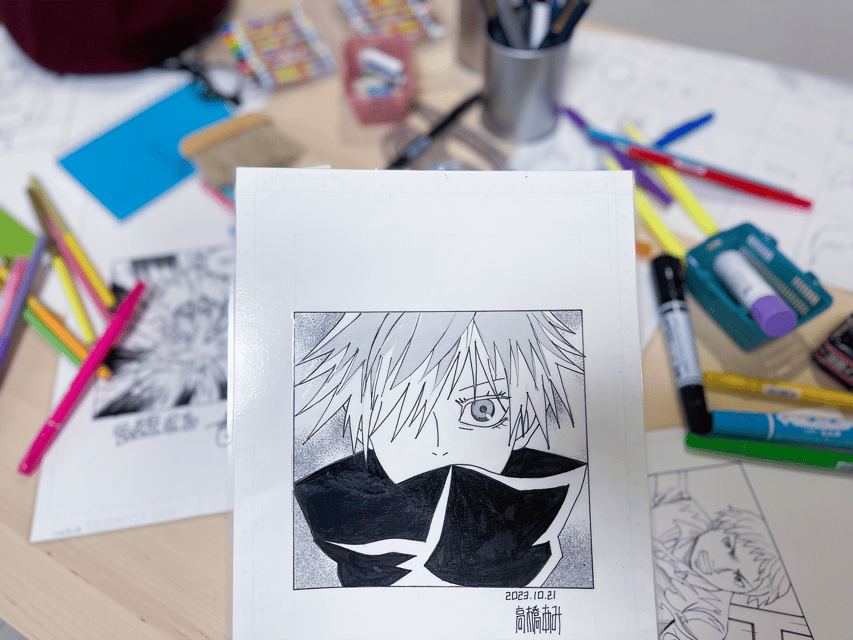
Your main reward is obvious: you leave with your self-drawn manga panel as a one-of-a-kind keepsake. That alone is worth a lot, because you can’t replicate this kind of memory from a shop.
In the sessions described, the finished panel is often laminated, which is a big practical win. Lamination helps protect the paper, keeps your panel flat, and makes it easier to bring home without creasing.
You can also frame it later or display it right away. Many people treat it like a personal piece of Japanese fan art that happens to be made by their own hand, with help from a pro.
One more nice detail: you’ll sign or mark the work in a way that makes it feel like a true panel, not just a class worksheet.
Price and Value: Is $129 Worth 150 Minutes?
At $129 per person for 150 minutes, the price can look steep if you’re comparing it to low-cost crafts. But this includes more than supplies.
You get:
- a professional manga artist instructor
- an interpreter
- manga drawing materials
- a guided, step-by-step process that ends in a finished panel you can take home
That’s why it can be good value compared to buying a souvenir. A store item costs money once. This costs more, but you also walk away with a skill you can practice later, plus an art piece you made yourself.
It’s also a rare experience where language is handled for you. If you’ve ever tried to ask questions in Japan and felt lost, the interpreter support is a major part of what you’re paying for.
Who This Workshop Suits Best (And Who Might Be Happier Elsewhere)
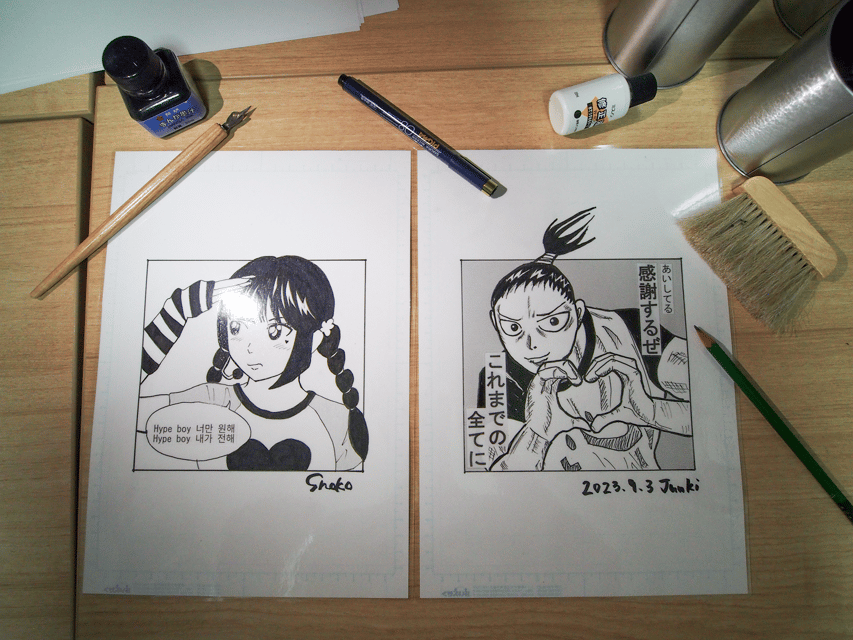
This is ideal if you love manga and want to get beyond watching. It’s also great if you don’t think you’re an artist. The class is set up so beginners can succeed.
Here are the kinds of people who tend to get the most out of it:
- Manga and anime fans who want the craft behind the style
- Couples and friends who want a shared creative memory
- Adults who can sketch a little but want the manga-specific techniques, like tones
- Families with kids who are curious and want to leave with something real to show off
- Solo travelers who like small-group attention and conversation
If you’re expecting a lecture-heavy “how to draw manga” course, you might find the format is more about guided production. Some sessions lean toward making a finished panel based on your choice and the artist’s structure, with you doing key parts of the drawing process.
Potential Downsides to Know Before You Go
There are a couple things worth setting expectations for.
First, some people find the start slower than they hoped. That’s usually because you’re settling into the workflow, selecting an idea, and getting pencil lines right before inking begins. Once you’re past the early steps, momentum usually picks up.
Second, depending on the style of your particular session, the class may not feel like a pure beginner tutorial where you learn every concept from scratch. Some experiences focus more on the artist creating the manga-style version of a reference and guiding you as you build the panel. Either way, you should still come away with a strong result.
If you really want maximum freedom to create totally original art from zero, ask yourself if you’re okay with an artist helping shape the panel so it comes out readable and manga-like within the time limit.
Should You Book This Tokyo Manga Drawing Workshop?
I think you should book it if you want a hands-on Tokyo souvenir with real craft behind it. The mix of small group size, pro instruction, and interpreter support makes it work even when your drawing confidence is low. You’ll learn enough about manga tools and technique to feel like you gained something, not just completed an activity.
Skip it only if you want a purely instructional class where you design everything independently with minimal guidance. Or if you hate the idea of drawing in a structured timeline, this workshop may feel a bit too guided for your taste.
If you do book: arrive early, bring a clear idea of what you want to draw, and ask questions when you don’t understand a step. That’s where the experience turns into a standout memory you can actually hold.
FAQ
Do I need drawing experience for this manga workshop?
No. The workshop is designed for participants with different skill levels, and you can complete a high-quality panel in the session even if you’re a beginner.
How long is the class?
The duration is 150 minutes.
How much does it cost?
The price is $129 per person.
Where exactly do I meet the group in Shibuya?
Meet at 6F, Shibuya 3-chome TR Building, 3-8-11 Shibuya, Shibuya-ku, Tokyo. The building is described as black and relatively thin.
What languages are supported during the workshop?
English and Japanese are supported, and a live guide/interpreter is included.
What’s included in the price?
A professional manga artist instructor, an interpreter, and manga drawing materials.
Is food or drinks included?
No. Food and drinks are not included.
Do they offer pickup?
No. Pickup is not included.
Is the finished artwork something I can take home?
Yes. You keep your own self-drawn manga as a keepsake.
Can I get a refund if my plans change?
Yes. Free cancellation is available up to 24 hours in advance for a full refund.
Newly listed around Tokyo
- Tokyo private transfer for Yokohama Port★ 4.5 · 63 reviews
- Luxury Kimono Photoshoot at Ginza Tokyo★ 5.0 · 7 reviews
- Tokyo Allstar Food Tour★ 4.5 · 206 reviews
- Tokyo Art Aquarium Museum E-Ticket with optional Tokyo Metro Pass★ 5.0 · 17 reviews
- Tokyo: Best Ginza Food Tour at 3 Local Eateries★ 5.0 · 83 reviews
- Private One Day Nikko Tour with Bilingual driver★ 3.5 · 11 reviews
- PRIVATE tour in 180SX to Daikoku+++++★ 5.0 · 6 reviews
- Kabuki Talk★ 5.0 · 10 reviews
Anime & Manga Trips, compared.

Tokyo Go Kart: Asakusa, Skytree, and Akihabara **IDP MUST**
Read our review →
Tokyo Tower, Shibuya Crossing, Harajuku, Go Kart Tour
Read our review →
Tokyo Studio Ghibli Museum and Ghibli Film Appreciation Tour
Read our review →
Akihabara Anime & Game Adventure Walking Tour (Group or Private)
Read our review →

Browse the lists this tour appears in