
Review · SHIBUYA & SHINJUKU NIGHTLIFE
Tokyo Shibuya and Harajuku Walking Tour With A Guide
Tokyo does not do quiet well. This Shibuya and Harajuku walking tour turns that energy into a clear, doable route, with a guide to keep you moving and make sense of what you see, from the Shibuya Scramble to Harajuku’s street-style neighborhoods.
I like that the stops are the kind you can’t really replicate with a “wander and hope” plan, especially the famous meeting points and shopping streets like Takeshita Street and Shibuya 109. One thing to plan for: it’s a lot of walking in a dense area, so comfortable shoes matter.
In This Review
- Key highlights at a glance
- Why this Shibuya and Harajuku route works in 3 hours
- Meeting point and how the tour moves on foot
- Stop 1: Shibuya Station Tourist Center, your orientation launch
- Stop 2: Hachiko, the meeting spot with a story
- Stop 3 and 4: Center-gai and Shibuya 109, youth culture in plain sight
- Stops 5 and 6: Harajuku Station and Takeshita Street people-watching
- Stop 7 and 8: Ura-Harajuku backstreets and Omotesando’s designer contrast
- Stop 9: Meiji Shrine Imperial Garden, a quiet reset inside the city
- What you learn from having a guide here
- Price and value: what $48.21 gets you
- Practical tips to make this tour more comfortable
- Who should book this Shibuya and Harajuku walking tour
- Should you book this tour?
- FAQ
- How long is the Shibuya and Harajuku walking tour?
- Where does the tour start?
- Is this tour private, or is it shared?
- What languages are the guides available in?
- Is there a mobile ticket?
- Are admission tickets included for the main stops?
- What is not included in the price?
- Is public transportation part of the tour price?
- How far in advance is it usually booked?
- What is the cancellation window?
Key highlights at a glance
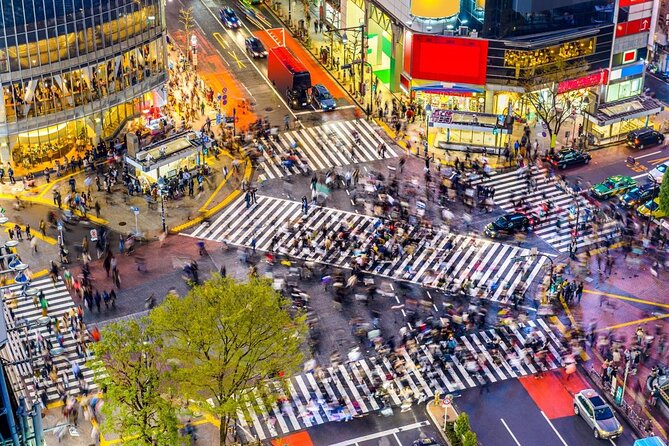
- Shibuya Scramble Crossing right at the city’s busiest intersection, with a guide to help you time it
- Harajuku street fashion, front and back streets (Takeshita and Ura-Hara)
- Big-name photo spots like Hachiko and high-visibility shopping zones
- A real Tokyo contrast, pairing fashion lanes with a calmer forest stop at Meiji Shrine
- Customization is built in, so you can steer more toward shopping, culture, or people-watching
Why this Shibuya and Harajuku route works in 3 hours
Shibuya and Harajuku can eat a whole day fast. This tour keeps it focused. You get a concentrated hit of the places people come to Tokyo for, but you do it in a walking format that helps you read the neighborhoods as you go, not just snap photos from train windows.
The value here is not any single landmark. It is the sequencing. You start in Shibuya, where the city’s movement is loud and obvious. Then you shift into Harajuku, where the vibe changes from commuter chaos to street-style browsing. Finally, you add a breather at Meiji Shrine, so you are not trapped in nonstop shopping mode the whole time.
And because it is designed to be easy on the logistics side, you spend more brainpower on what you are seeing. That matters, because Tokyo can be mentally heavy if you are constantly figuring out trains, exits, and timing. This route does that hard work for you.
More Walking Tours in Tokyo
- Tokyo Tsukiji Fish Market Food and Culture Walking Tour
★ 5.0 · 3,184 reviews - Tokyo: Shinjuku Local Bar and Izakaya Guided Walking Tour
★ 4.9 · 1,794 reviews - Tokyo: Tsukiji Fish Market Food and Walking tour
★ 5.0 · 1,724 reviews
Meeting point and how the tour moves on foot
The tour starts at 24-2 Sakuragaokachō, Shibuya, Tokyo 150-0031 and ends back there. Expect a steady walking pace, with multiple stops that are close enough to connect without public-transport during the tour itself.
You can go as a private group, meaning only your group participates. There is also a small-group option, and that option has a minimum of 2 participants. If you like the idea of tailoring the route, the good news is that customization is listed as available, so you can nudge the guide toward what you care about most.
Languages are also a practical plus: guides speak English, Spanish, French, and Italian in person. And from the guide style praised in the feedback, you can expect explanations that go beyond signage, including how people actually live their daily routines around these sights. Names that have shown up in the guide praise include Riccardo, Sébastien, Sergio, Francine, Joe, Timothy, and Jenny.
Stop 1: Shibuya Station Tourist Center, your orientation launch
You kick off at the Tokyu Tokyo Metro Shibuya Station Tourist Center. This is not just a “meet here” spot. It is a real transport hub and a natural place to get oriented, because the surrounding streets and flows show you how Shibuya works at street level.
Look around before you move on. Notice how crowds move in waves. Notice how shops are woven into the station area. This is the kind of context that makes the later stops easier to understand, especially when you reach the Scramble Crossing area nearby.
This first stop is about resetting your bearings. Even if you have seen pictures of Shibuya online, nothing teaches you the real layout like standing in it.
Stop 2: Hachiko, the meeting spot with a story
Next is Hachiko, the statue just outside Shibuya Station. It is a popular meeting point, and the reason it stuck around is emotional, not just famous-face status.
What you should do here is treat it like a local anchor. It tells you that Shibuya is not only about speed and shopping, it also has shared reference points for people meeting friends. That becomes useful later, when you are trying to understand why these areas feel so easy to navigate for people who live here.
This stop is quick, and that is intentional. You are not bogged down with long museum time. Instead, you keep momentum and roll right into the street-energy zones.
A few more Shibuya and Shinjuku Nightlife around Tokyo:
- Tokyo: Shinjuku Food Tour (13 Dishes at 4 Local Eateries)
★ 5.0 · 6,603 reviews - Tokyo Bar Hopping Tour in Shinjuku (All-You-Can-Drink + Dinner)
★ 5.0 · 3,587 reviews - Official Street Go-Kart in Shibuya
★ 5.0 · 3,435 reviews - Tokyo: Shinjuku Food Tour (15 Dishes and 4 Eateries)
★ 4.9 · 2,033 reviews
Stop 3 and 4: Center-gai and Shibuya 109, youth culture in plain sight
Then you head into Shibuya Center-gai, a pedestrian street known for its dense mix of shops, cafés, and everyday hangout energy. This is where Shibuya starts to feel less like transit and more like a place you come to browse.
Right after that is Shibuya 109, a landmark department store that focuses on fashion for a younger crowd. This is not a “one boutique and done” stop. It is a place to see how fast trends move and how street fashion is packaged for retail.
A practical way to enjoy these two stops without getting overwhelmed: pick one area to focus on. Maybe you want accessories and novelty items. Maybe you want street-style basics. Maybe you want to watch how people are dressing and what patterns show up repeatedly. With only three hours total, your energy needs a target.
Stops 5 and 6: Harajuku Station and Takeshita Street people-watching
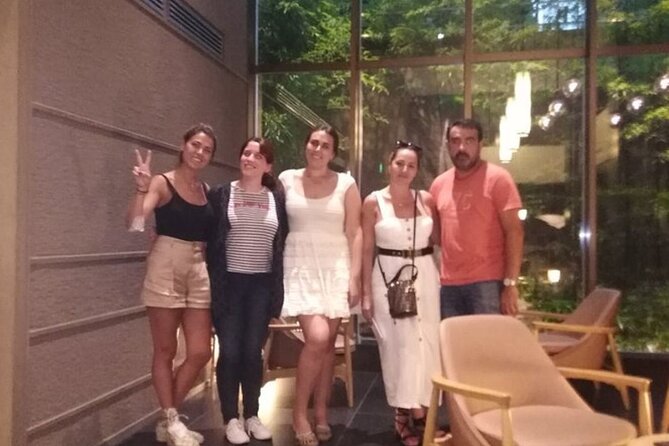
At Harajuku Station, you transition into the heart of youth culture and fashion. This is where Tokyo often looks the most “movie-like,” but the best part is that it is also everyday real life.
From there you walk to Takeshita Street. This is the place most people picture first, and for good reason. It is a pedestrian strip packed with shops selling fashion, accessories, snacks, and novelty goods. It is also a top people-watching zone.
If you are shopping, make a plan before you enter. Decide whether you want gifts and small items, or if you want to try specific brands. If you are not shopping, still go slowly. The street is designed for browsing. You will spot color combos, accessory trends, and style cues you will never notice from far away.
This is also a good moment to take a breath and choose where you want to spend more time later in the day. Even if your tour is only three hours, this section helps you understand what is worth returning for.
Stop 7 and 8: Ura-Harajuku backstreets and Omotesando’s designer contrast
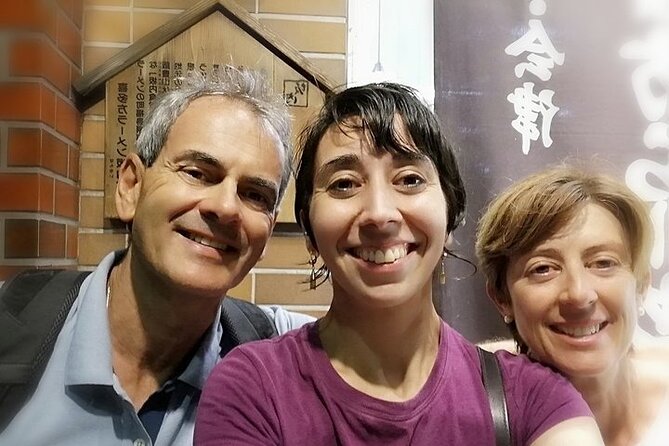
After Takeshita, you go to Urban Harajuku, also called Ura-Hara, meaning the backstreets. This is where the vibe can feel more alternative and less “main strip.” Expect independent boutiques and cutting-edge streetwear energy.
Then you shift to Omotesando, often compared to Tokyo’s Champs-Élysées for its designer-lined avenue feel. The architecture and store mix here changes the mood quickly. One moment you are in a more chaotic, street-level fashion zone. The next you are in a cleaner, fashion-forward boulevard with luxury labels and sleek storefronts.
This contrast is one of the reasons this tour is worth doing. You get more than “one type of Harajuku.” You get the spectrum, from loud street styles to polished designer retail.
Stop 9: Meiji Shrine Imperial Garden, a quiet reset inside the city
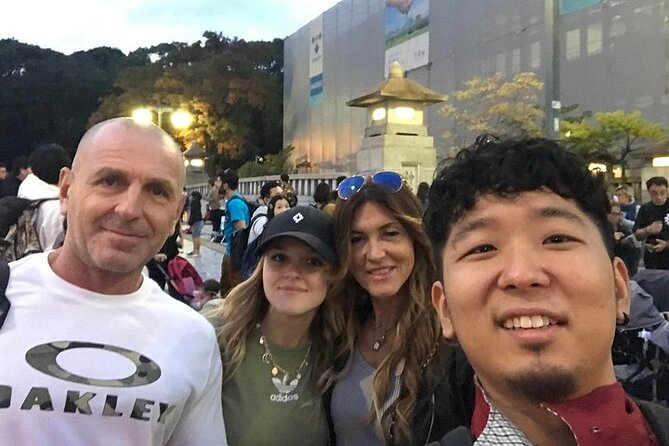
The final stop is Meiji Shrine Imperial Garden. You go from shopping streets into a forested shrine area, and that shift is dramatic in the best way. This is one of Tokyo’s best reset buttons if you are spending most of your day in high-density neighborhoods.
Even if you are not deeply into Shinto practice, you will still appreciate the change in sound and space. It is a break for your eyes and your legs, and it gives the day some balance.
You are not touring monuments or museums here. This is more about walking the grounds and taking in the atmosphere. It helps make the whole tour feel less like an all-day shopping sprint.
What you learn from having a guide here
A walking tour like this is not only about where you go. It is about how you understand what you see.
Guides on this kind of route often share practical context, like how these districts function day to day. In the feedback, multiple guides were praised for sharing cultural context and everyday life insights, not only facts about the sights. Names that came up include Francine (helpful with insider recommendations) and Joe (highlighted for taking people from quieter back streets to the main chaos).
You will also benefit from pacing and routing decisions. When you arrive at major crowd zones like Shibuya, a guide can help you avoid wasting time waiting or moving at the wrong pace.
And because customization is part of the offering, you can steer the day. If you want more fashion talk, you can spend more attention on the retail-heavy stops. If you want more atmosphere, you can slow down in the backstreets and people-watching areas.
Price and value: what $48.21 gets you
At $48.21 per person, this is not a “cheap and short” tour. But for Tokyo, the value is in three things you cannot fully DIY quickly:
First, you are paying for a guided route through dense neighborhoods. Second, you get a live explanation in one of the listed languages. Third, you are combining famous Shibuya points with Harajuku streets and a shrine area without having to manage the whole logistics puzzle.
Also, many of the stops are set up so you are not constantly paying extra entry fees. The tour notes that admissions for the listed stops are free, and it is framed as a city tour rather than an inside-museum day. Still, entry to monuments and museums is not included, so if you want museum time, you would add it outside this tour.
If your goal is to get your bearings fast and see the Tokyo everyone comes to see, this price can feel fair. If you are already a confident Tokyo navigator with a clear plan for shopping and street photography, you might skip a guide. But most people appreciate the time saved.
Practical tips to make this tour more comfortable
Wear walking shoes. Seriously. Three hours in tight areas means you will rack up steps.
Plan for weather. Tokyo can swing from warm and humid to cooler evenings depending on season. Bring a small layer or rain protection just in case.
Bring cash and cards for shopping, but also decide in advance whether you are shopping or just browsing. If you go in with a shopping list, you will spend less time spinning your wheels.
Finally, pace your expectations. The tour is designed for sight hits, not deep shopping marathons. If you want to shop longer at one store or street, use the tour to scout what you like, then go back on your own later.
Who should book this Shibuya and Harajuku walking tour
This tour is a strong fit if you:
- Want an efficient way to see Shibuya and Harajuku without sorting out every transit detail
- Like street fashion and want context for what you are seeing
- Are in Tokyo for a short trip and want a high-impact introduction
- Prefer a guide to help balance crowds, timing, and route flow
It is also a good starting point if you want ideas for where to eat and return to afterward. In the feedback, guides were praised for sharing recommendations for things to do next, and that can save you a lot of trial and error.
If you hate walking, or you want museum-heavy time, you may prefer a different style of tour. This one is built for moving on foot and taking in the neighborhoods as streets.
Should you book this tour?
Yes, if you want a smart first taste of Tokyo’s fashion districts, and you would rather spend your energy looking at details than figuring out logistics. The route hits the big Shibuya icons, then shifts into Harajuku street style, and finishes with a calmer shrine stop so the day does not feel one-note.
Book it especially if you like the idea of a guide tailoring the day to your interests and speaking your language. If you have your heart set on long museum visits or you want minimal walking, then you might not love the format. But for most visitors, this is a practical way to get oriented and enjoy Tokyo’s street culture in a tight, memorable window.
FAQ
How long is the Shibuya and Harajuku walking tour?
The tour is about 3 hours.
Where does the tour start?
It starts at 24-2 Sakuragaokachō, Shibuya, Tokyo 150-0031, Japan.
Is this tour private, or is it shared?
It can be booked as a private tour/activity, and in that case only your group participates. There is also a group option with a minimum of 2 participants.
What languages are the guides available in?
The guide is available in person in English, Spanish, French, and Italian speaking.
Is there a mobile ticket?
Yes, the tour offers a mobile ticket.
Are admission tickets included for the main stops?
Admission tickets are listed as free for the stops included on the tour. Entry to monuments and museums is not included.
What is not included in the price?
Food or drinks are not included, and tips are optional. Public transport costs are also at your own expense during the tour.
Is public transportation part of the tour price?
No. The cost of using public transport during the tour is at your own expense.
How far in advance is it usually booked?
On average, this tour is booked about 30 days in advance.
What is the cancellation window?
You can cancel up to 24 hours in advance for a full refund.
Other Anime & Manga Trips in Tokyo
- Official Street Go-Kart Tour – Akihabara
★ 5.0 · 1,578 reviews - Tokyo Go Kart: Asakusa, Skytree, and Akihabara **IDP MUST**
★ 5.0 · 988 reviews - Tokyo: Tokyo Tower, Shibuya Crossing, Harajuku, Go Kart Tour
★ 4.7 · 446 reviews - Tokyo Studio Ghibli Museum and Ghibli Film Appreciation Tour
★ 4.5 · 421 reviews
Newly listed around Tokyo
- Best of Tokyo’s Shopping & Food: Japanese Cultural Experience★ 5.0 · 135 reviews
- Tokyo SkyTree Admission E-Tickets with options★ 3.5 · 56 reviews
- Tokyo Shopping Street Hopping Private Tour with Government Licensed Guide★ 5.0 · 18 reviews
- Full Day Tokyo Tour, From/To Tokyo,Yokohama, Narita, 2- 12 guests★ 5.0 · 7 reviews
- 【10 mins】Tokyo Helicopter Tour + Private Car Pickup & Drop off★ 5.0 · 7 reviews
- Tokyo: Locals Secret Shrine Tour // Walk with a Guide★ 5.0 · 11 reviews
- Tokyo Samurai Experience★ 5.0 · 27 reviews
- Tokyo private Driving Tour by car/van English speaking chauffeur★ 5.0 · 10 reviews
Shibuya & Shinjuku Nightlife, compared.
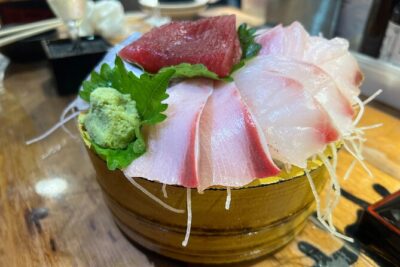
Shinjuku Food Tour (13 Dishes at 4 Local Eateries)
Read our review →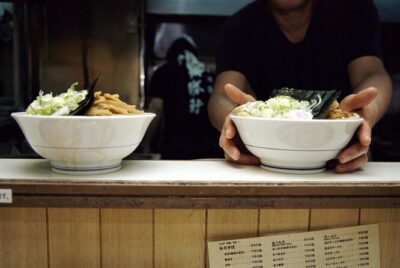
Tokyo Bar Hopping Tour in Shinjuku (All-You-Can-Drink + Dinner)
Read our review →
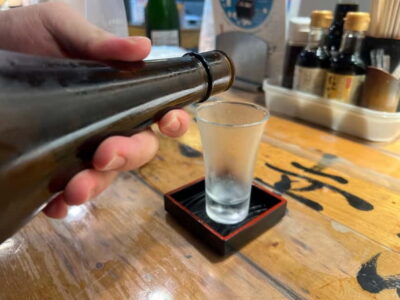
Shinjuku Food Tour (15 Dishes and 4 Eateries)
Read our review →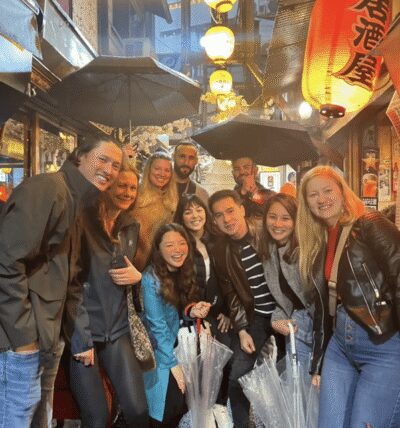
Shinjuku Local Bar and Izakaya Guided Walking Tour
Read our review →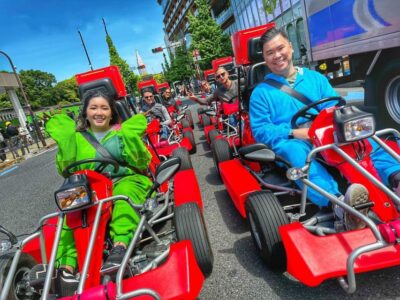
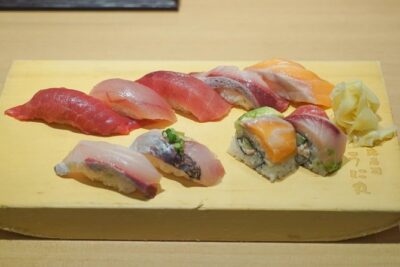
Tokyo Night Foodie Tour in Shinjuku – Seasonal Sushi, Wagyu Beef
Read our review →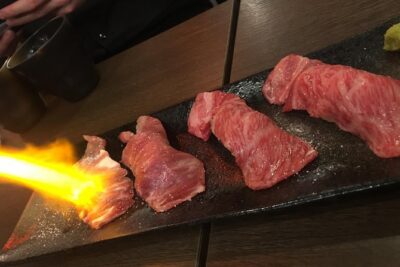
Shibuya Meltdown Nightlife Tour: All-You-Can-Drink Bar Hopping
Read our review →Browse the lists this tour appears in