
Review · SHRINE & TEMPLE VISITS
Tokyo: Locals Secret Shrine Tour // Walk with a Guide
Tokyo’s shrines make more sense with a guide.
This 2-hour small-group tour strings together major sites in Ochanomizu, Kanda, Ueno, and beyond, with stories of who the shrines are for and how locals actually worship. You also get practical shrine etiquette guidance so you can act naturally, not like you’re guessing.
Two things I like a lot are the focused route (you hit multiple shrines without burning time on complicated transit) and the way the guide connects each stop to a real reason people care, like academics at Yushima Tenjin or protection during Kanda Myojin’s festivals. One consideration: Toshogu has a twist, the inner grounds require a ticket, so not everything is strictly free.
In This Review
- Key things to know before you go
- A shrine tour that teaches how to participate, not just look
- Meeting point at Ochanomizu, then slipping into Kanda’s shrine world
- Yushima Seido Shrine: where ideas about learning took a cultural path
- Kanda Myojin: festivals, deities, and the idea of community protection
- Yushima Tenjin: academic success, seasonal plums, and a very Japanese kind of hope
- Shinobazu-no-ike Benten-do: music and knowledge by the pond
- Ueno Toshogu Shrine: the one ticket detail you should plan for
- What the guide work adds: stories, etiquette, and real-world help
- Duration, walking, and group size: why it feels manageable
- Price and value: $42 for a guided understanding, not just locations
- Who this shrine tour fits best
- Should you book this Tokyo locals shrine tour?
- FAQ
- How long is the Tokyo Locals Secret Shrine Tour?
- What does the tour cost?
- Is admission free?
- Where do I meet the guide, and where does the tour end?
- How many people are in the group?
- What’s included, and what’s not?
Key things to know before you go
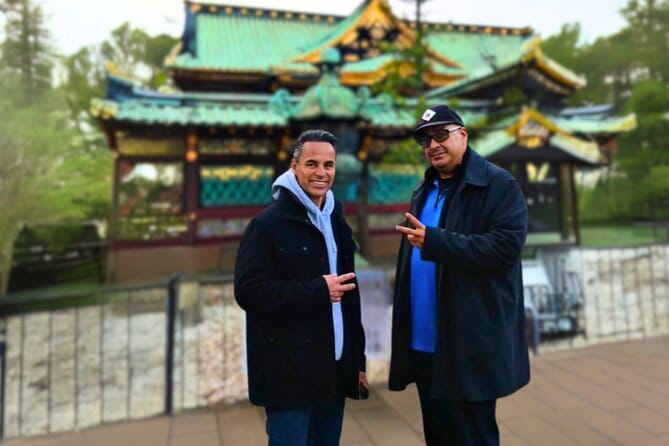
- Small group size (max 4) keeps questions and photo stops from feeling rushed
- English-speaking guide explains both history and day-to-day worship behavior
- Mostly free admissions, but Ueno Toshogu inner grounds needs a separate ticket
- Meet in Ochanomizu near Starbucks, end at Ueno Station, great for pairing with other plans
- Mobile ticket makes check-in straightforward
- Moderate walking fits most visitors, but you should be comfortable on your feet
A shrine tour that teaches how to participate, not just look
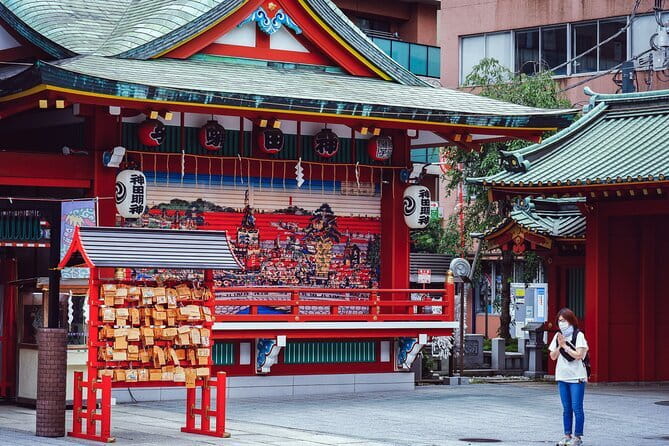
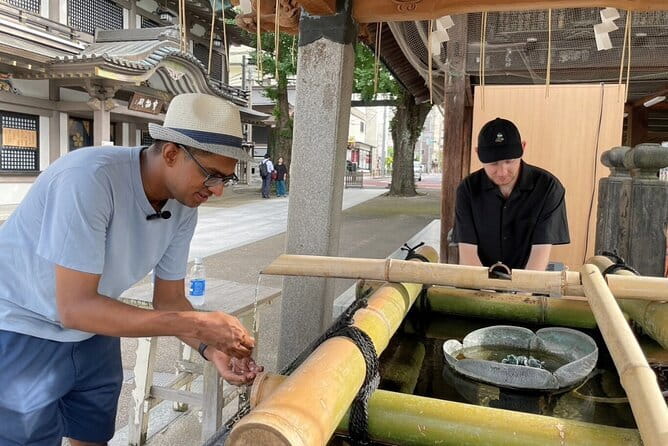
Tokyo shrine sightseeing can be oddly confusing at first. You see the gates, the offerings, the prayers, the clapping, then you wonder what’s “right” and what’s tourist-only. This tour’s strength is that it doesn’t treat shrines like museum exhibits. Instead, you learn the patterns locals follow, with clear etiquette tips you can use the rest of your trip.
I also like that the pacing matches a real neighborhood walk. Two hours sounds short, but it’s long enough to slow down at each place and still end in Ueno without feeling trapped. The route also does a clever thing: it links shrines with themes people recognize, like learning, music, knowledge, community protection, and cultural philosophy.
More Shrine & Temple Visits in Tokyo
- Tokyo: Meiji Shrine, Asakusa, Skytree Bus Tour and Cruise
★ 4.7 · 1,986 reviews - Tokyo: Asakusa Walking Tour with Sensoji Temple Visit
★ 4.8 · 1,583 reviews - Nikko: Kegon Falls, Lake Chuzenji & Toshogu Temple
★ 4.6 · 1,577 reviews
Meeting point at Ochanomizu, then slipping into Kanda’s shrine world
You start at Starbucks Coffee near Ochanomizu Station (Ochanomizu Saint Clair, Chiyoda). This is a smart choice for most visitors, because it’s easy to find and it gets you into the flow quickly. The tour also connects the Ochanomizu, Akihabara, and Kanda area, so even though you’re doing shrine stops, you’re not completely cut off from the modern Tokyo feel.
From there, you’ll walk with your guide and hear the day’s context before you even reach the first shrine. That helps. When you know what a shrine is for, your eyes stop sliding over details and start catching meaning. You also get photo opportunities built into the route, which is handy if you want shots without turning every stop into a long detour.
Yushima Seido Shrine: where ideas about learning took a cultural path
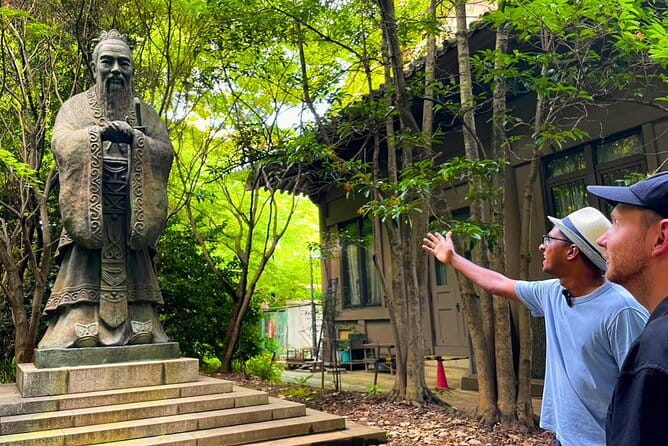
The first shrine stop is Yushima Seido Shrine, and the focus is not just architecture or gates. The guide explains how Neo-Confucianism from China influenced modern Japanese society. That sounds like a big, academic topic, but it lands well on the ground because the guide ties it to how people think about order, education, and proper conduct.
Why this stop matters on a shrine tour: it reminds you that Japanese religion and Japanese culture have been mixed and re-mixed over centuries. Shrines are living places, but they sit inside bigger systems of beliefs, study, and social values. If you’ve been to temples and shrines before and felt like you were only collecting visuals, this is the moment where things start clicking.
Practical note: expect some walking and standing time. This isn’t a drive-by stop, so if you have stiff legs, bring comfortable shoes.
Kanda Myojin: festivals, deities, and the idea of community protection
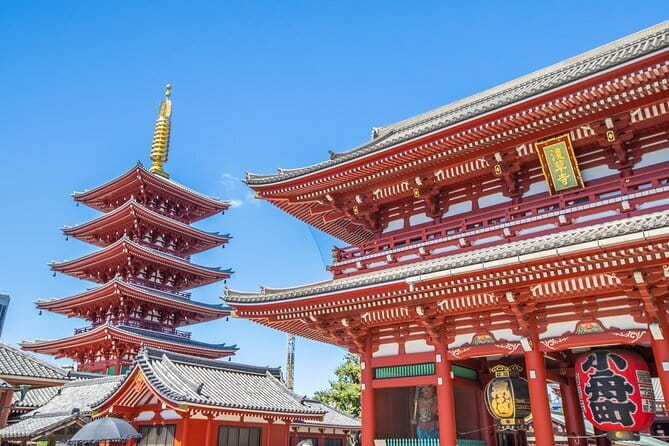
Next up is Kanda Myojin Shrine, a vibrant shrine known for its lively festivals and for protecting the community. The guide’s storytelling style matters here, because festivals are where shrines feel most “alive,” even if you’re not visiting during the big dates.
This stop is a great example of why a guide is worth it. A shrine looks like a shrine, but its personality depends on who it serves and what people ask for. Kanda Myojin’s reputation for community protection gives you a lens to understand what locals might be thinking as they pray.
Also, the guide doesn’t just list facts. You’ll be taught how worship works in practical terms, so you’re less likely to do the wrong thing at the wrong moment. That’s one of the most appreciated parts of the experience, and it’s the sort of detail that makes your next shrine visit feel calmer and more respectful.
More Walking Tours in Tokyo
- Tokyo Tsukiji Fish Market Food and Culture Walking Tour
★ 5.0 · 3,184 reviews - Tokyo: Shinjuku Local Bar and Izakaya Guided Walking Tour
★ 4.9 · 1,794 reviews - Tokyo: Tsukiji Fish Market Food and Walking tour
★ 5.0 · 1,724 reviews - Tokyo: Tsukiji Fish Market Guided Walking Tour
★ 4.9 · 1,397 reviews
Yushima Tenjin: academic success, seasonal plums, and a very Japanese kind of hope
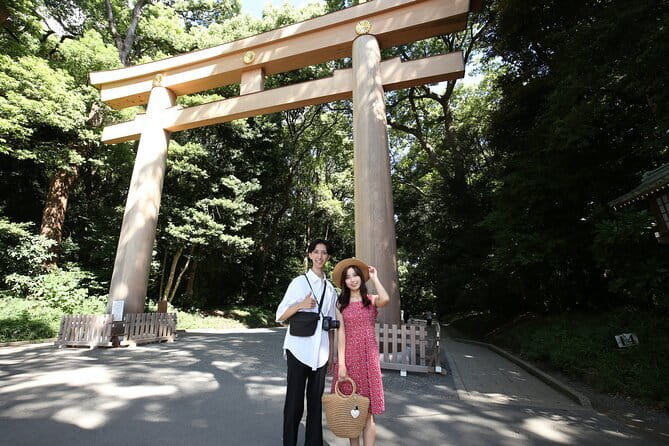
Then you go to Yushima Tenjin Shrine, dedicated to academic success. This is the stop where the tour becomes personal, even if you’re traveling for fun. Plenty of visitors connect with the idea of wishing for study, tests, and future direction, because the symbolism is easy to understand.
The guide also mentions the seasonal plum blossoms and their cultural significance. Even if you’re not there during peak bloom, the point is useful. You start to see how nature and the calendar shape shrine meaning in Japan. Shrines often feel tied to seasons, school schedules, and yearly rhythms, not only to big religious holidays.
If you’ve ever wondered why Japanese shrines can feel both spiritual and culturally specific, this is the answer in plain terms. It’s not one-size-fits-all religion. It’s local, seasonal, and tied to everyday goals.
Shinobazu-no-ike Benten-do: music and knowledge by the pond
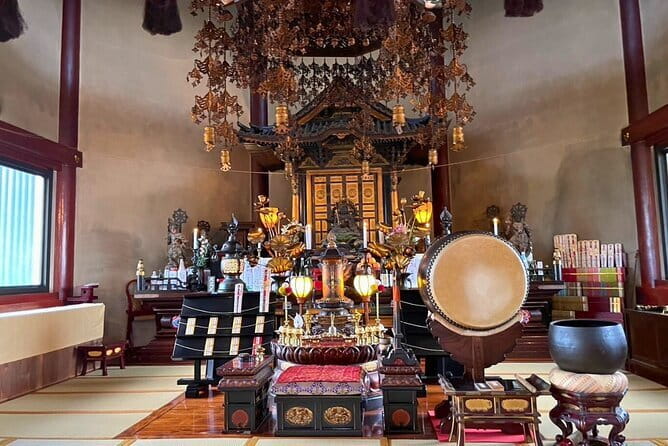
After that, you’ll visit Shinobazu-no-ike Benten-do, a peaceful shrine on a pond, dedicated to Benzaiten, the goddess of music and knowledge. This stop is where the tour adds variety. The earlier shrines are about learning, culture, community identity, and festivals. Here, the atmosphere shifts.
Standing near water changes how a shrine feels. Even if you don’t know the symbolism, you tend to slow down. That’s good, because this is one of the places where you’ll benefit from the guide’s explanation of who Benzaiten is and why people might pray for art, learning, or mental inspiration.
It’s also a strong photo stop, not because it’s flashy, but because it’s atmospheric. You get a composition that feels distinctly Tokyo: shrine details plus pond calm.
Ueno Toshogu Shrine: the one ticket detail you should plan for
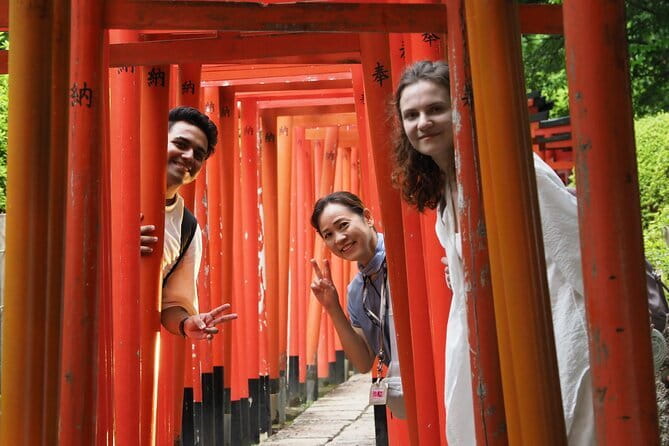
Finally, the tour ends at Ueno Toshogu Shrine. This is an important location, but here’s the practical catch: Toshogu’s inner grounds require a ticket, while the other shrines are explored with free access. Your tour covers the nearby areas too, so you’re not left disappointed if you only expected everything to be free.
This is a good thing to know before you go, because it affects your budget and your time. If you’re trying to keep the day lean, plan for the inner grounds possibility. If you’re not interested in the ticketed sections, the tour still aims to show you enough to feel you got a proper Ueno shrine experience, then it ends at Ueno Station for easy onward plans.
What the guide work adds: stories, etiquette, and real-world help
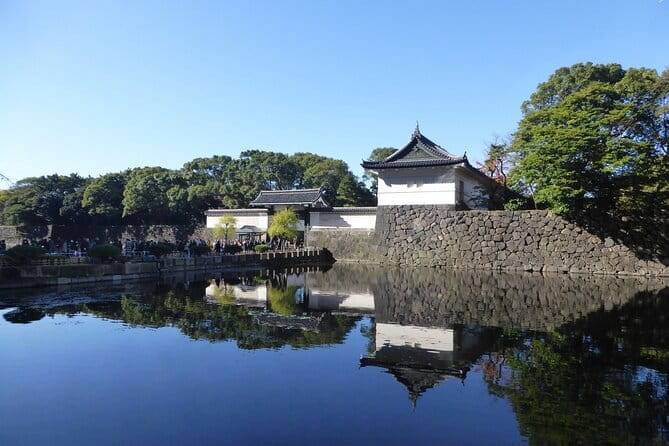
This tour is run by Sunrise Adventure, with an English-speaking guide. The name that comes up repeatedly is Lakki (sometimes written Lukki in messages), and his style is a big reason people rate this experience so highly. The standout theme is not just facts, it’s the ability to connect history and culture to what you should do right in front of the shrine.
You’ll get guidance on shrine etiquette, which is the kind of “small” thing that makes a big difference. When you know how to behave, you stop worrying, and you start paying attention. I’ve found that’s when the experience turns from sightseeing into understanding.
The other practical advantage: the guide is hands-on. One traveler shared that they got lost and the guide team went out of their way to help them find their way. That doesn’t mean you’ll need that, but it’s a comforting sign that the guide team treats the tour like something personal and supportive, not just a checklist.
Duration, walking, and group size: why it feels manageable
The tour is about 2 hours and is listed as requiring moderate physical fitness. The walking is not described as hardcore, but you should still plan for steady on-foot time across multiple stops.
Group size is capped at 4 travelers, which is a big deal. With a larger group, you can end up watching from the back, or you might hesitate to ask questions. Here, the tight group helps the guide tailor explanations and keep the flow calm. It also makes the end at Ueno Station easier, because you’re not herded into a crowd situation.
The tour also uses a mobile ticket, so you don’t need to hunt down printed documents.
Price and value: $42 for a guided understanding, not just locations
At $42.44 per person for roughly two hours, this isn’t a “cheap and cheerful” tour. But it is also not overpriced if you compare what you actually get: an English-speaking guide, a focused route with several shrines, cultural storytelling, photo opportunities, and local tips you can use the rest of your Japan trip.
Most shrine visits are free, and the tour is built around free access shrines plus a clearly explained Toshogu ticket detail. For me, that makes the price easier to justify. You’re paying for interpretation and etiquette guidance, not for admissions.
If you’re in Tokyo for the first time and you want a fast path to understanding shrine etiquette, this price starts to look like good value. If you already know shrine basics and prefer to roam independently, you might decide to DIY. But even then, the route efficiency and guide explanations can still be helpful.
Who this shrine tour fits best
This tour is a strong fit if you want:
- A clear, respectful way to visit shrines without guessing
- A short Tokyo plan that connects Ochanomizu, Kanda, and Ueno
- A small group experience with room for questions
- Cultural context tied to real worship themes like study, music, and community
It may be less ideal if you hate walking or if you’re only interested in one major “big ticket” highlight at Toshogu. The tour is built to spread attention across several meaningful sites, not to rush one place.
Also, because good weather is required, you should treat it like an outdoor walking plan. If the weather turns, you might be offered another date or a refund.
Should you book this Tokyo locals shrine tour?
If your goal is to leave Tokyo feeling like you actually understood what you saw, I’d book it. The biggest reason is the combination of etiquette coaching and guide-led context at each stop. Shrines can be visually stunning, but they get even better when you understand why people come and what actions mean.
If you’re just hunting for photos and don’t care about etiquette or context, you can save money by going independently. But if you want a smooth introduction to how locals pray, plus an itinerary that ends conveniently at Ueno Station, this one earns its place in your plan.
FAQ
How long is the Tokyo Locals Secret Shrine Tour?
It runs for about 2 hours.
What does the tour cost?
The price is $42.44 per person.
Is admission free?
Most of what you visit is free, but Ueno Toshogu Shrine inner grounds require a ticket. The tour also explores nearby areas.
Where do I meet the guide, and where does the tour end?
You meet at Starbucks Coffee – Ochanomizu Saint Clair near Ochanomizu Station. The tour ends at Ueno Station.
How many people are in the group?
The maximum group size is 4 travelers.
What’s included, and what’s not?
Included are an English-speaking guide, cultural insights, photo opportunities, and local tips, with a mobile ticket. Transportation costs are not included.
Newly listed around Tokyo
- Best of Tokyo’s Shopping & Food: Japanese Cultural Experience★ 5.0 · 135 reviews
- Tokyo SkyTree Admission E-Tickets with options★ 3.5 · 56 reviews
- Tokyo Shopping Street Hopping Private Tour with Government Licensed Guide★ 5.0 · 18 reviews
- Full Day Tokyo Tour, From/To Tokyo,Yokohama, Narita, 2- 12 guests★ 5.0 · 7 reviews
- 【10 mins】Tokyo Helicopter Tour + Private Car Pickup & Drop off★ 5.0 · 7 reviews
- Tokyo Samurai Experience★ 5.0 · 27 reviews
- Tokyo private Driving Tour by car/van English speaking chauffeur★ 5.0 · 10 reviews
- Tokyo Shibuya and Harajuku Walking Tour With A Guide★ 4.5 · 16 reviews
Shrine & Temple Visits, compared.
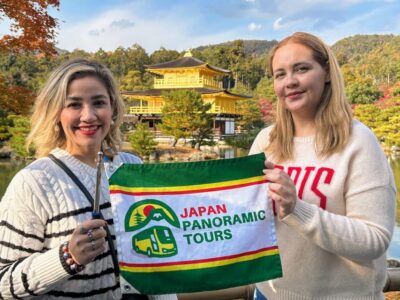
Fushimi Inari, Kinkakuji, Bamboo Grove 1 Day Bus Tour
Read our review →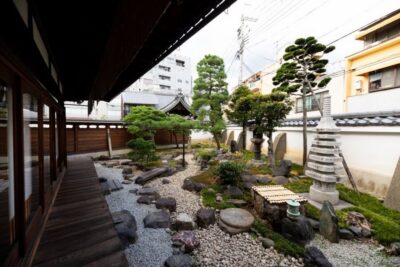
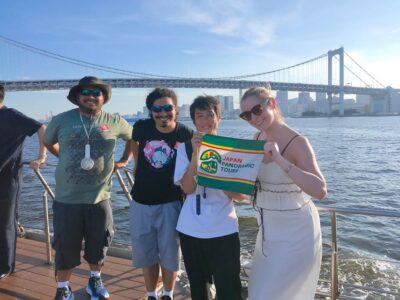
Meiji Shrine, Asakusa, Skytree Bus Tour and Cruise
Read our review →
Fushimi Inari Hidden Hiking Tour (Private Option Available)
Read our review →
Osaka/Kyoto:Kinkakuji,Arashiyama,FushimiInariShrine,NaraPark
Read our review →
Asakusa Walking Tour with Sensoji Temple Visit
Read our review →
Nikko: Kegon Falls, Lake Chuzenji & Toshogu Temple
Read our review →
Kamakura & Enoshima Day Trip including Temple Tickets
Read our review →Browse the lists this tour appears in