
Review · SHOPPING TOURS
Best of Tokyo’s Shopping & Food: Japanese Cultural Experience
Tokyo’s best flavors live in tiny streets. This 3-hour walk through Ningyocho and Nihonbashi mixes classic crafts with practical food stops, so you leave with souvenirs you actually want and tastes you can’t recreate at home. I love the small group limit of 10 for real conversation, and I love that the tour feeds you along the way with traditional snacks, not just museum-style stops.
One thing to plan for: it is a moderate walking tour, so bring comfortable shoes and don’t schedule it as your only leg day. I also like that the operator is carbon neutral, run by a B Corp certified company, so your sightseeing has an easier footprint.
In This Review
- Key things to know before you go
- How the route gives you two Tokyo vibes in one afternoon
- Stop 1: Ningyocho Mechanical Clock Tower and Rakugo stories
- Stop 2: Itakuraya and the real deal Ningyoyaki
- Amazake Yokocho: sweet non-alcoholic drinks and the lane atmosphere
- Nihonbashi crafts: washi paper, brushes, fans, dashi, knives, and gold leaf
- The guide factor: why the best part is the people
- What you actually eat and why it feels like value
- Shopping without stress: how to find souvenirs you will keep
- Price and booking timing: what you’re paying for
- Who this tour fits best
- Should you book this Ningyocho and Nihonbashi tour?
- FAQ
- How long is the tour, and how much walking is involved?
- What food and drinks are included?
- Where does the tour start and where does it end?
- What neighborhoods and types of shops will we see?
- Is the tour vegetarian or vegan friendly?
- How large is the group?
- Is this tour carbon neutral or eco-focused?
Key things to know before you go
- Small group of max 10 means more time to ask questions in English.
- Food tastings are built in, including Ningyoyaki, rice crackers, and Wagyu beef sukiyaki croquettes.
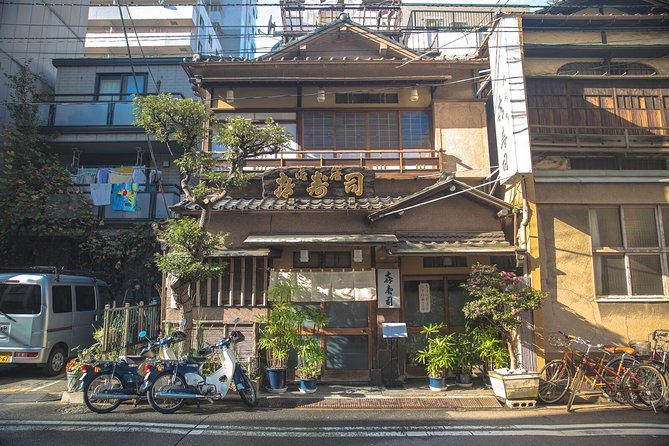
- You’ll see Edo-era craftsmanship up close, from washi paper to fans and brush makers.
- Calligraphy, music, and incense culture are part of the learning, not just background talk.
- Guide-led pacing works especially well if you like traditional shops you would skip on your own.
- Starts near Ningyocho and ends near Mitsukoshi-mae, so it’s easy to keep exploring afterward.
How the route gives you two Tokyo vibes in one afternoon
This tour is built around a simple idea: old Tokyo isn’t just a photo. You experience it by walking through neighborhoods where daily life still looks hand-made and slightly old-school, even when the city around you feels brand new.
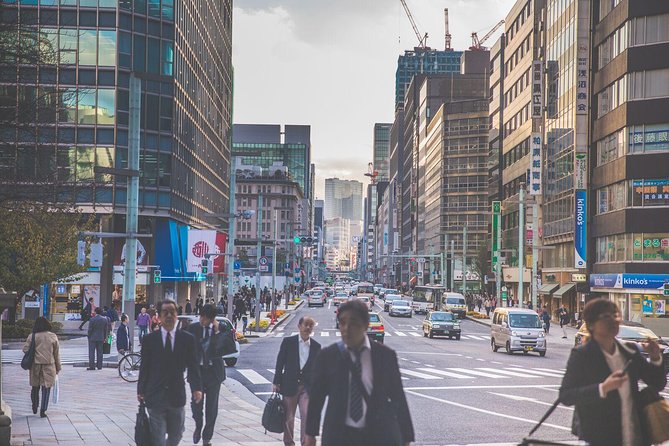
You’ll cover Ningyocho first, known for long traditions and old-style shopfronts, then move into Nihonbashi, where you’ll find more traditional retailers side by side with modern Tokyo energy. The pacing is steady for a walking tour, and because the group is capped at 10, your guide can steer you toward what matters.
It’s also a smart length. At about 3 hours, you get enough stops to feel like a real day activity, but not so long that you’re exhausted before dinner.
More Food Tours in Tokyo
- Tokyo: Shinjuku Food Tour (13 Dishes at 4 Local Eateries)
★ 5.0 · 6,603 reviews - Tokyo Tsukiji Fish Market Food and Culture Walking Tour
★ 5.0 · 3,184 reviews - Tokyo: Shinjuku Food Tour (15 Dishes and 4 Eateries)
★ 4.9 · 2,033 reviews
Stop 1: Ningyocho Mechanical Clock Tower and Rakugo stories
The walk starts at the Ningyocho Mechanical Clock Tower. At 12:45 pm, the tower clock ties into stories about Edo lifestyle, and you’ll get the background of how Ningyocho came to be. Even if you’ve never heard of Rakugo (the classic Japanese storytelling style), this start gives you the cultural context so the rest of the route lands better.
This first segment is short, around 10 minutes, and it sets the tone: you’re not just moving between shops, you’re learning what shaped the street culture you’re about to see.
Practical tip: arrive a few minutes early and take a moment to orient yourself around the clock. It helps the rest of the tour feel smooth.
Stop 2: Itakuraya and the real deal Ningyoyaki
Next comes Itakuraya, a Ningyoyaki shop founded 116 years ago. Ningyoyaki is one of those classic Tokyo snacks you see in photos, but it hits differently when you’re standing in a real counter-service shop that’s been doing it for generations.
Here you’ll learn that the traditional Ningyoyaki includes red bean paste inside. If the shop is less crowded, you may even be able to walk toward the back area to observe how the snack is made. Then you get to try one prepared for the moment, which is the best way to understand what you’re actually tasting.
I like that this isn’t framed as a single bite and a goodbye. Your guide explains the idea behind the food and connects it back to local tradition, so it feels like culture, not just sugar.
Amazake Yokocho: sweet non-alcoholic drinks and the lane atmosphere
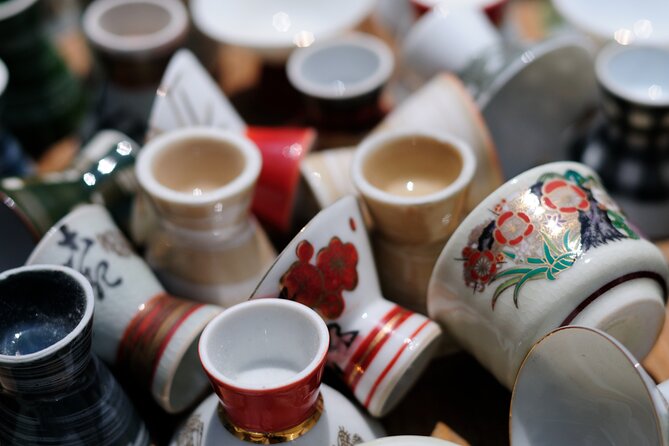
Amazake Yokocho is where the tour shifts into tasting mode in a bigger way, with about 1 hour 30 minutes here. Amazake is a sweet fermented rice drink, and you’ll hear it explained in plain terms before you sample it.
What I like is that the guide breaks amazake into two seasonal types:
- Cold Kome-koji amazake (summer style), made with rice malt and steamed rice combined with rice koji, and naturally slightly sweet. It’s non-alcoholic.
- Warm Sake-kasu amazake (winter style), made with sake lees (Sake-kasu). Because sake lees aren’t naturally very sweet, sugar is added, and it may contain less than 1% alcohol. Drinks under 1% are treated as non-alcoholic in Japan.
That seasonal distinction matters. It gives you a reason to order confidently if you see amazake later on your own, not just a drink label.
Even if you don’t consider yourself a foodie, this stop is fun because the lane atmosphere is part of it. You’re walking through a cluster of shops that specialize in the same category, which makes Tokyo feel focused rather than chaotic.
More Shopping Tours in Tokyo
- Tokyo: Tsukiji Fish Market Food and Walking tour
★ 5.0 · 1,724 reviews - Tokyo: Tsukiji Fish Market Guided Walking Tour
★ 4.9 · 1,397 reviews - Tsukiji Fish Market Guided Tour and Sushi Making with Pro Chef
★ 5.0 · 775 reviews - Tokyo: Tsukiji Fish Market Food and Culture Walking Tour
★ 4.7 · 757 reviews
Nihonbashi crafts: washi paper, brushes, fans, dashi, knives, and gold leaf
After Ningyocho, you’ll move into Nihonbashi for long-established handicrafts stores. This is the section where you start thinking about souvenirs, not just snacks.
A few specific shop categories you’ll encounter:
- A traditional wash i paper shop established in 1653, where paper quality is the point.
- Brush makers with a shop established in 1718, including tools like hair brushes and clothes brushes, plus makeup brushes.
- A fan-focused store with ukiyo-e prints, in a shop described as about 430 years old.
- Stops that may include dashi soup stock, kitchen knives, and gold leaf products.
I like this mix because it’s not random shopping. It’s categories that connect back to Japanese daily life and aesthetics, from paper for writing to tools and finishes for taste and beauty.
The tour ends at Mitsukoshi department store, a major Tokyo landmark with a history going back about 350 years. Even if you don’t buy anything, walking out at Mitsukosh i-mae gives you a clean handoff into the rest of your day.
The guide factor: why the best part is the people
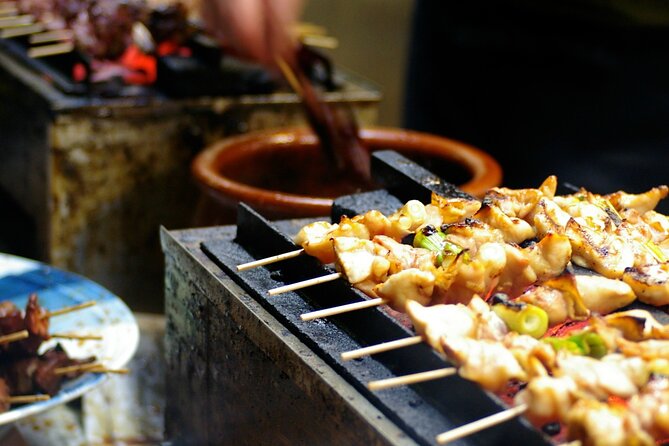
The biggest difference between this tour and wandering alone is the guide. When you’re in older neighborhoods with small storefronts, it’s easy to miss what you’re looking at. A good guide points out details fast, and also explains why they mattered to people back then.
From the guides’ names shared on tours like this, I’ve heard strong standouts including Kaori, Miki, Yoshi, Meg, Aya, Ayaka, and Seishi. The common thread is that they connect food, crafts, and street history in a way that feels practical, not like a lecture.
One consideration: English quality can vary by guide. The schedule is fixed, but your experience depends on whether you can clearly follow the explanation. If you’re sensitive to slower English, this is worth keeping in mind.
What you actually eat and why it feels like value
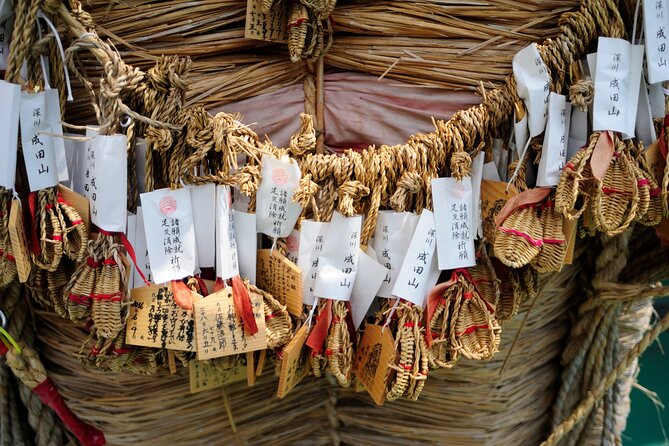
The snack list is one of the main reasons this tour works. Included bites are built around classic Japanese flavors and textures, so you’re not paying mainly for walking.
You can expect traditional treats such as:
- Ningyoyaki cakes
- Rice crackers
- Wagyu beef sukiyaki croquettes
- Plus amazake, the sweet drink
I recommend you don’t eat a big meal right before you start. Even if you’re not a heavy snacker, the pace and number of tastings mean you’ll want space in your stomach.
For vegetarians and vegans, options are available. That’s helpful, because many Japanese snack categories include animal-based ingredients. Still, if you have strict dietary needs, plan to communicate them when you meet.
Shopping without stress: how to find souvenirs you will keep
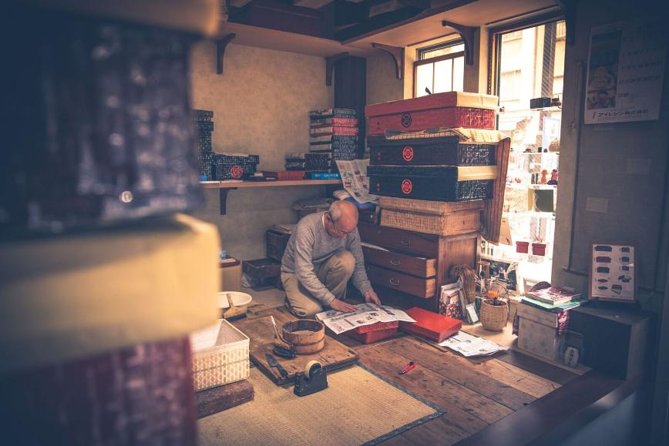
This tour is often described as shopping focused, but it’s smart to think of it as shopping plus tasting plus seeing the makers behind the products. You get guidance on what to buy, and you learn how to spot quality.
Here’s what tends to make the most sense for souvenirs:
- Handmade or specialized items like brushes, paper, fans, or gold leaf goods.
- Food items that are easy to pack, like crackers or other snacks you can buy after tasting.
- Stationery and calligraphy-related materials, if you actually write or plan to use them.
Because the tour includes multiple craft categories, you can compare quality quickly without guessing. The small group format also helps, since you can ask the guide questions while you’re inside the shops.
If you come in hoping for nonstop bargain shopping, you might feel the emphasis is more on learning and sampling than on buying everything. But if you want thoughtful souvenirs and you like craftsmanship, this style pays off.
Price and booking timing: what you’re paying for
At $63.68 per person for about 3 hours, the price is easiest to justify when you look at what’s bundled.
You’re paying for:
- A local English-speaking guide
- Multiple included tastings and amazake
- Entry is free for the stops that require it, based on how the tour is set up
- Structured routing through two neighborhoods, not just an aimless walk
- Time-saving, because you’re guided to traditional shops you might not notice
Also, this tour is commonly booked about 45 days in advance. That’s usually a sign it’s popular with people who want a first-day Tokyo plan, or anyone who prefers organized street experiences over full-day itineraries.
If you’re traveling with limited time, the value improves. This is a short tour that still gives you enough Tokyo texture to feel like more than a snack break.
Who this tour fits best
I think this tour is a great match if you:
- Like walking in small streets where the city feels older and calmer
- Want Japanese crafts explained in human terms, including incense culture, calligraphy, and music references
- Prefer small groups so you can ask questions instead of standing behind someone’s camera
It’s also a good pick for first-time Tokyo visitors because it pairs a traditional district (Ningyocho) with a famous shopping center (Nihonbashi) in one clean loop. That way you can still plan the rest of your day in familiar places like Mitsukoshi.
If you dislike walking, or if you only want food and no crafts, you might feel it’s not focused enough. But for most people who like both snacks and shopping, it hits the sweet spot.
Should you book this Ningyocho and Nihonbashi tour?
Yes, if you want a small-group, guide-led taste of Tokyo street culture that includes real snacks and classic craft shop categories. The strongest reasons to book are the small group, the included tastings, and the way the route connects what you eat to what you see.
I’d only hesitate if walking is a problem for you, or if you need very fast, clear English to enjoy explanations. If you’re in good shoes and you’re open to learning a little culture while you eat, this tour is a smart use of half a day.
FAQ
How long is the tour, and how much walking is involved?
The tour is about 3 hours, and it includes a moderate amount of walking. Comfortable walking shoes are recommended.
What food and drinks are included?
Included snacks can include Ningyoyaki cakes, rice crackers, and Wagyu beef sukiyaki croquettes. You also taste amazake, a sweet non-alcoholic drink.
Where does the tour start and where does it end?
The tour starts at McDonald’s Ningyōchō2-chōme-3-1 Nihonbashiningyōchō in Chuo City and ends at Mitsukoshimae Station area (Mitsukoshimae Station2 Chome-1 Nihonbashimuromachi, Chuo City). The end is near Mitsukoshimae Station.
What neighborhoods and types of shops will we see?
You’ll visit Ningyocho, including areas around the Ningyocho Mechanical Clock Tower and traditional snack shops, then move to Nihonbashi for long-established handicraft stores such as wash i paper, brushes, fans, and other specialty shops.
Is the tour vegetarian or vegan friendly?
Vegetarian and vegan options are available on this tour.
How large is the group?
The tour has a maximum of 10 travelers.
Is this tour carbon neutral or eco-focused?
The tour is described as carbon neutral, operated by a B Corp certified company committed to using travel as a force for good.
More Food & Drink in Tokyo
- Shinjuku Izakaya Food Tour
★ 5.0 · 1,041 reviews - Eat and Drink Like a Local: Tokyo Ueno Food Tour-Taverns&Ramen
★ 5.0 · 957 reviews - Tokyo: Shibuya Food Tour (13 dishes and 4 Eateries)
★ 5.0 · 770 reviews - Tsukiji Fish Market: Street Food & Culture Walking Tour
★ 5.0 · 669 reviews
Newly listed around Tokyo
- Tokyo SkyTree Admission E-Tickets with options★ 3.5 · 56 reviews
- Tokyo Shopping Street Hopping Private Tour with Government Licensed Guide★ 5.0 · 18 reviews
- Full Day Tokyo Tour, From/To Tokyo,Yokohama, Narita, 2- 12 guests★ 5.0 · 7 reviews
- 【10 mins】Tokyo Helicopter Tour + Private Car Pickup & Drop off★ 5.0 · 7 reviews
- Tokyo: Locals Secret Shrine Tour // Walk with a Guide★ 5.0 · 11 reviews
- Tokyo Samurai Experience★ 5.0 · 27 reviews
- Tokyo private Driving Tour by car/van English speaking chauffeur★ 5.0 · 10 reviews
- Tokyo Shibuya and Harajuku Walking Tour With A Guide★ 4.5 · 16 reviews
Shopping Tours, compared.
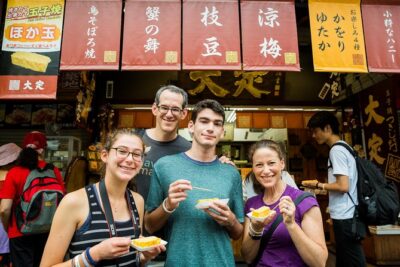
Tokyo Tsukiji Fish Market Food and Culture Walking Tour
Read our review →
Nishiki Market Brunch Walking Tour (7 Tastings + Brunch)
Read our review →
Tsukiji Fish Market Guided Tour and Sushi Making with Pro Chef
Read our review →Tsukiji Fish Market Food and Culture Walking Tour
Read our review →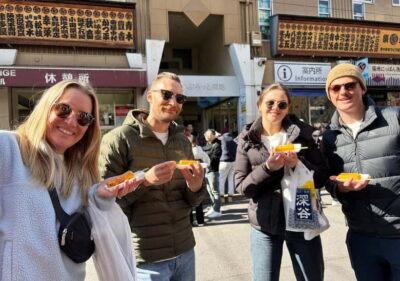
Tsukiji Fish Market: Street Food & Culture Walking Tour
Read our review →
Tsukiji Fish Market Small-Group Food Walking Tour
Read our review →Browse the lists this tour appears in