Review · TOKYO TOURS
Tokyo: True Crime And Ghost Stories Tour
Tokyo has a darker second side. This 3-hour walk through Shinjuku’s shadows mixes true crime facts with ghost stories in real places like Kabukicho, Toyama Park, and Aoyama Cemetery.
I especially like John’s storytelling style, which lands between serious history and dark humor, and I like how each stop ties the spooky angle to specific places in Tokyo’s modern story. You are not just hearing legends, you are seeing the settings where they cling to the city.
One clear drawback: this is not for the easily grossed out. The tour uses adult language, and it covers sensitive topics like prostitution and murder, plus it involves a lot of walking.
In This Review
- Key Highlights Worth Planning For
- Meeting Point at Hanazono Shrine, Near Golden Gai
- Kabukicho: Shinjuku’s Red Light District and the Underworld Angle
- Toyama Park: Ghost Lore Meets Wartime Atrocities
- Aoyama Cemetery: Ghost Stories, Hachiko, and the Proper Setting for Spooky
- Golden Gai Finish Energy, Then Trains Home
- Price and Value: $35 for 3 Hours Plus a Small Transit Add-On
- Who This Tour Fits Best (And Who Should Skip)
- The Overall Vibe: Dark History, Then Lighter Humor
- Should You Book This Tokyo True Crime and Ghost Stories Tour?
- FAQ
- Where does the tour start?
- Who is the tour guide?
- How long is the tour?
- How much does it cost?
- Is the tour wheelchair accessible?
- Is the tour suitable for children?
- What should I bring for the walking parts?
- Are there any entry fees?
- How much extra money should I plan for transit?
- What language is the tour in?
- FAQ
- Can I get a refund if my plans change?
- Is dinner included?
Key Highlights Worth Planning For
- John’s performance plus research: he tells the stories with acting and jokes, while still grounding it in real historical context.
- Kabukicho at night energy: you start in Shinjuku’s red light district, then connect the street life to the crime stories.
- Toyama Park and Unit 731 context: the tour frames this place as a site linked to atrocities from Japan’s wartime history.
- Aoyama Cemetery for ghost tales: you get spooky storytelling in Tokyo’s largest cemetery setting.
- Hachiko’s grave stop: it adds an emotional, human scale to all the darkness.
- A small but real logistics detail: transport costs about 200 yen, so budget a little extra on top of the $35.
Meeting Point at Hanazono Shrine, Near Golden Gai
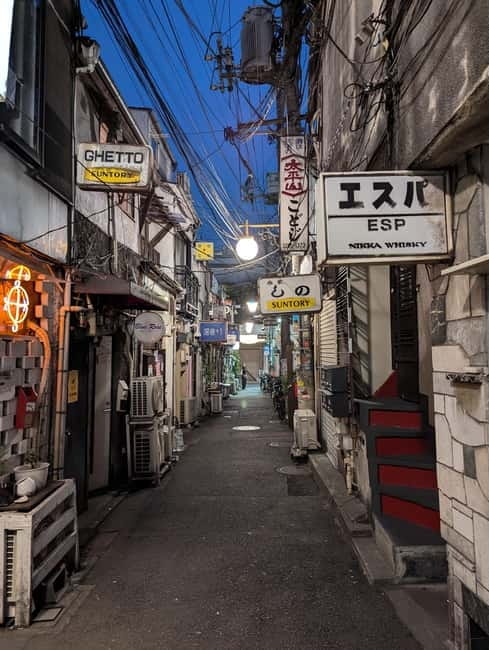
You start at Hanazono Shrine, in Shinjuku, near Golden Gai. The meeting point is just in front of the stairs leading up to the main shrine building inside the shrine grounds. This is a good start if you like easy wayfinding, because Golden Gai is a well-known neighborhood landmark, and it places you right in the thick of Shinjuku.
Your guide is John, a thin, bald white man who leans into spooky humor without turning the tour into pure slapstick. From the vibe described by multiple guests, John mixes a slightly quirky, dramatic presence with very solid topic command, so the tone shifts smoothly from street-corner crime talk to straight-up ghost-lore storytelling later on.
Before you go, take one minute to read your email or GetYourGuide messages for any updates on where exactly to stand. Meeting at a shrine entrance sounds simple, but Shinjuku has plenty of side streets and similar-looking access points.
A few more Tokyo days to weigh up
- Mt Fuji and Hakone 1-Day Bus Tour Return by Bullet Train
★ 5.0 · 26,383 reviews - 1-Day Tokyo Bus Tour
★ 5.0 · 14,250 reviews - Tokyo: TOKYO SKYTREE® Admission ticket
★ 4.5 · 11,192 reviews
Kabukicho: Shinjuku’s Red Light District and the Underworld Angle
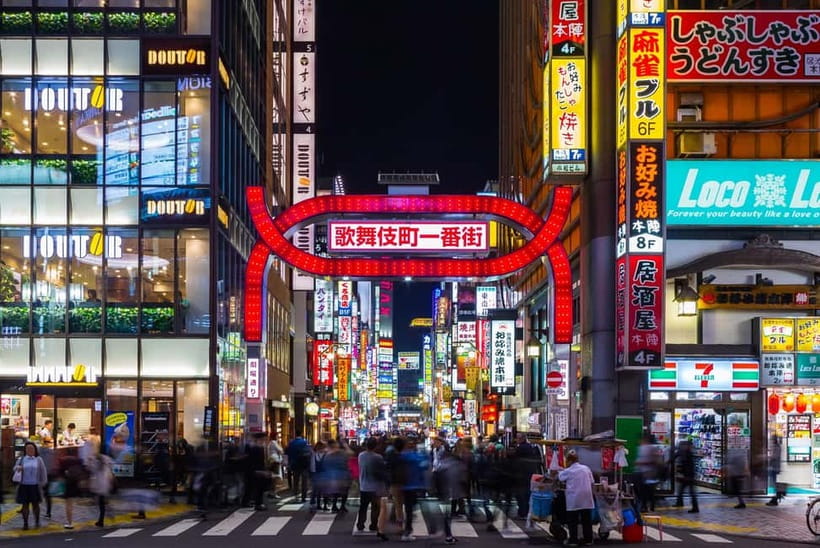
Your first major block of time is Shinjuku, specifically Kabukicho, with a guided segment that runs about 45 minutes. Kabukicho is Japan’s biggest red light district, and the tour uses that location as more than atmosphere. You get a tour of how gang wars, shocking murders, and the city’s quasi-legal nightlife ecosystem shaped the area’s reputation.
What I like about starting here is that Kabukicho gives you Tokyo’s contrast right away. You are walking through a place that is loud, neon, and commercial, but you are also hearing it explained as a social machine that pulled in organized crime and desperate people. The guide’s jokes help you stay comfortable, but the story does not feel like it is trying to shock you for sport.
The tour also mentions “shirked lovers” and that “sex industry” zone, which matters for expectations. You should be mentally ready for frank discussion and occasional adult language. If you prefer crime stories that stay clinical, you might find the humor a little too earthy. If you like your history told like a gripping crime doc with a wink, you will probably have a great time.
Practical tip: bring shoes that can handle long, steady walking. You are moving between stops on foot, and the tour includes cemetery ground later, where the terrain can feel more uneven than the shopping streets.
Toyama Park: Ghost Lore Meets Wartime Atrocities
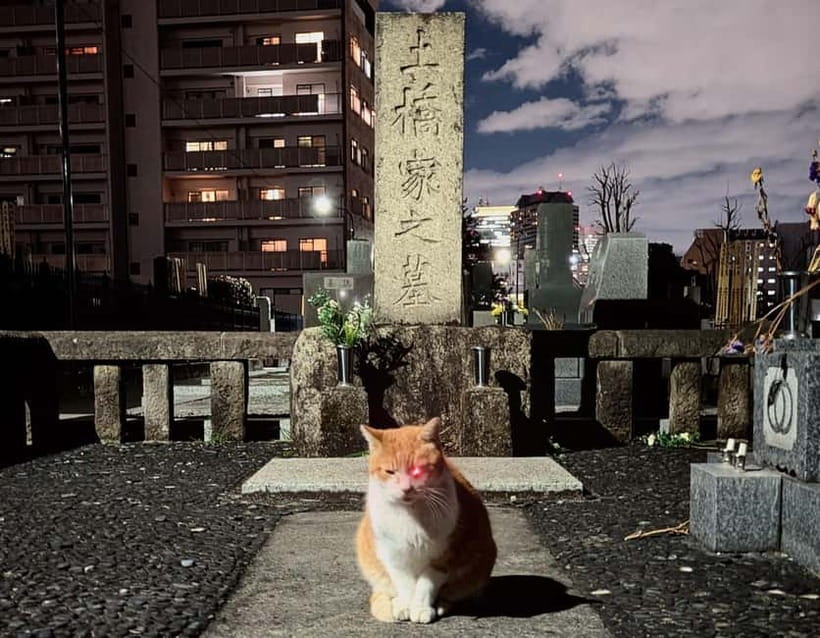
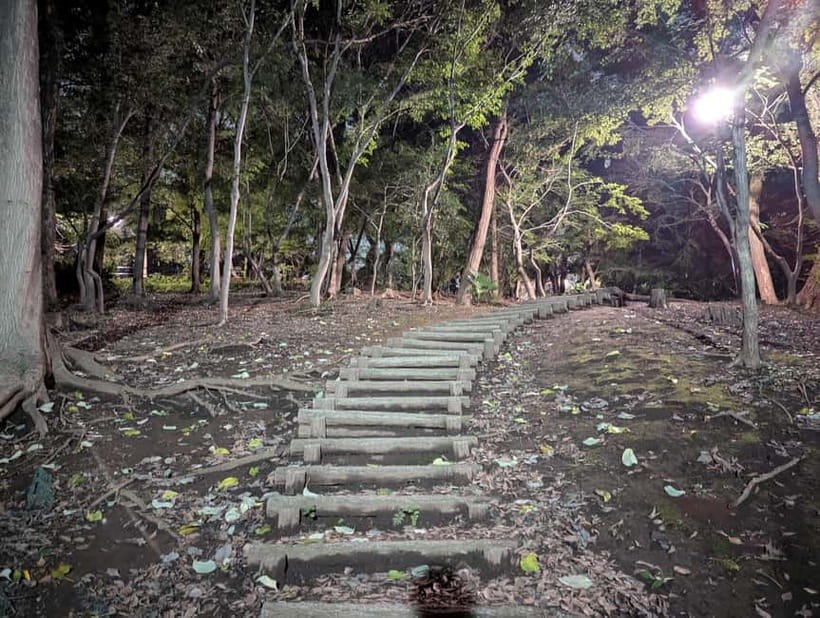
Next comes the darker turn, around the Toyama Park stop, guided for about 30 minutes. Toyama Park is described as a site of terrible crimes against humanity, and the tour’s framing connects it to Unit 731, the infamous wartime program tied to brutal human experimentation.
This part is where the tour feels most “serious,” even with the guide’s irreverent style. He is not just telling you there were atrocities. He is explaining why this place carries a long shadow in Tokyo, and how wartime actions were absorbed, denied, or treated like something too ugly to talk about for decades afterward.
If you are into true crime because you want context, not just gore, this is one of the most valuable stops on the whole walk. Tokyo has plenty of history sites, but this one is the kind of location people often avoid because it is emotionally heavy and politically complicated. Hearing it connected to a specific park location helps the story land in the real world.
A note on tone: because the tour is a mix of history, horror, and comedy, you should expect swings in mood. The guide’s job is to keep you with him, and his mix of jokes and horror beats can make the topic feel less overwhelming than a dry lecture. Still, if sensitive historical content makes you uneasy, this is the stop that may test your comfort level the most.
Aoyama Cemetery: Ghost Stories, Hachiko, and the Proper Setting for Spooky
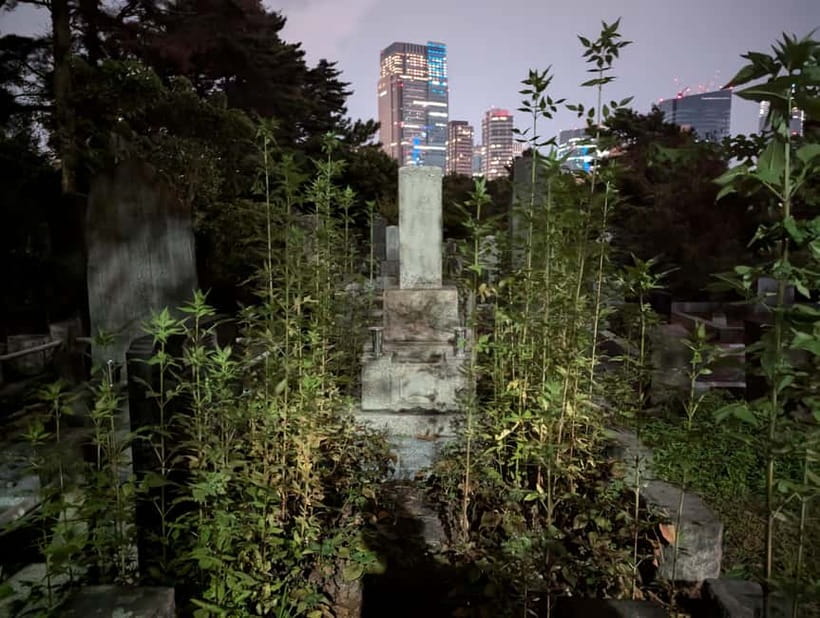
Your final guided segment is about 45 minutes in Aoyama Cemetery, finishing at Aoyama-Itchome Station. Aoyama Cemetery is listed as the largest cemetery in Tokyo, and that size matters for the experience. The setting gives you a natural “movie scene” feel that fits ghost storytelling without needing special effects.
This is where the tour shifts toward classic Japanese ghost lore. You get good old-fashioned ghost stories in a place designed for quiet reflection. And yes, you will feel the contrast between Tokyo’s nightlife districts earlier and the hush of a cemetery here.
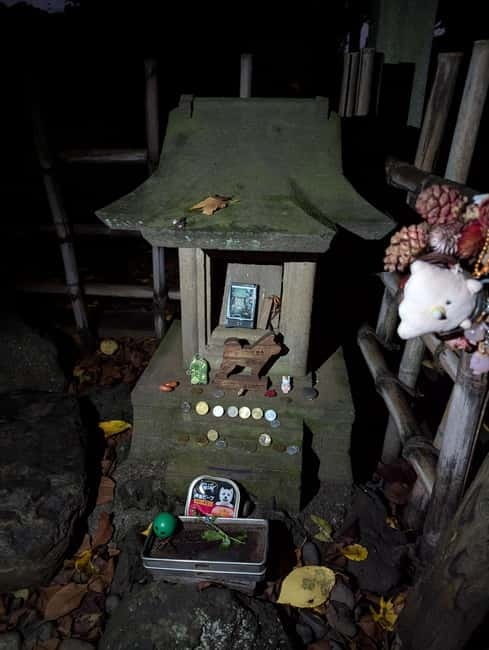
One emotional highlight included in the route is the grave of Hachiko, Japan’s famously loyal dog. It is a welcome pivot point. Hachiko is not part of the wartime atrocities narrative, and that change helps the tour avoid ending on pure bleakness. It also makes the horror feel more human, because you are reminded that Tokyo’s darkest stories and its most affectionate legends sit side by side.
There is also an included angle labeled ghost cats. The way the tour uses that is less about literal animal sightings and more about the guide’s spooky humor and playful paranormal framing. If you like your horror stories with a bit of theatrical silliness, this kind of detail fits perfectly with the John style guests describe: dramatic delivery, quick jokes, and enough atmosphere to make the cemetery stories stick.
Practical tip for this last stretch: wear layers. Cemetery walks can feel colder or more exposed, especially later in the day. And plan for steps. One guest mentioned the guide is not the best at counting stairs, which is a polite way of saying the route may include climbs and uneven sections.
A different sort of day in Japan:
- Tokyo: teamLab Planets TOKYO Digital Art Museum Entry Ticket
★ 4.6 · 9,779 reviews - Mt Fuji & Hakone Cruise, Drum Show Bullet Train 1 Day from Tokyo
★ 4.0 · 7,413 reviews - Tokyo: Sumo Show Experience with Chicken Hot Pot and a Photo
★ 4.8 · 6,678 reviews - Tokyo: Shinjuku Food Tour (13 Dishes at 4 Local Eateries)
★ 5.0 · 6,603 reviews
Golden Gai Finish Energy, Then Trains Home
Golden Gai is not just nearby, it’s part of the story setup. You start near it, and the tour positioning makes sense: Golden Gai is Tokyo’s most famous small-lot drinking district. You are effectively learning the city in layers, starting in a nightlife cluster, moving into crime and atrocity sites, and then closing in a cemetery where ghost stories feel appropriate.
The tour ends at Aoyama-Itchome Station, which is useful if you plan your evening around getting home smoothly. Multiple guests also note that John helps people get back to trains correctly when the tour wraps up, which can be a big deal if you are tired, or if the last hour feels like it goes by fast.
If your plan is dinner right after, know that dinner is not part of the tour. You may want a flexible timeline. The tour also is not designed for a leisurely stroll and then a sit-down. It is a narrative walk, and you will likely stay moving and listening until the end.
Price and Value: $35 for 3 Hours Plus a Small Transit Add-On
The price is $35 per person for a 3-hour guided walk. That is good value for two reasons.
First, it includes a guide fee and a guide who does more than talk facts, he performs the stories. The guide’s acting and humor show up repeatedly in guest feedback, and that changes the feel of the tour from lecture to experience.
Second, there are no entry fees for anything along the route. You are paying for guidance and interpretation, not tickets to museums. The tour does include a small transportation cost, about 200 yen, which is worth budgeting for in advance. On a $35 base, that extra small amount is typical for short public transit or transit connection needs.
For what you get, this is the kind of tour that can be worth it even if you are not a hardcore horror fan. The crime and history context gives it structure, and the ghost stories give it atmosphere.
Who This Tour Fits Best (And Who Should Skip)
This tour is aimed at adults, and it comes with clear “know before you go” notes. If you tire easily, you might struggle. This is a walking-focused experience, and you should expect sustained time on your feet.
It is also not for wheelchair users. And it lists a weight limit of 300 lbs (136 kg). So if you need accessibility accommodations, you will want to choose a different type of tour.
The subject matter is another big filter. The tour is described as educational but irreverent and humorous, with dirty humor and adult language used occasionally. It covers sensitive themes like prostitution and murder, and some of the stories are presented as genuinely disturbing. If you get grossed out easily, or if graphic crime stories and adult jokes are a no-go, skip it.
On the other hand, if you like true crime documentaries, urban ghost lore, and history told with a storyteller who keeps the energy up, this is exactly the sort of evening you will remember. John’s personality is described as a major part of the fun, and the best version of this tour is the one where you let the guide steer, ask questions, and enjoy the mix of scares and jokes.
The Overall Vibe: Dark History, Then Lighter Humor
What ties Kabukicho, Toyama Park, and Aoyama Cemetery together is tone control. The tour does not treat Tokyo’s dark side like a theme park ride, even if the guide’s humor can make it feel theatrical. At the same time, it does not become so heavy that it stops being engaging.
That balancing act shows up in the way guests describe John’s approach: he keeps the mood moving, uses humor at the right times, and still gives the historical context that makes the stories more than campfire tales. You leave with a different mental map of Tokyo. You do not just remember places, you understand why those places got their reputations.
If you are the type who normally avoids this kind of content, I would still say it can work. The guide’s style may soften the edges. But you do need the right mindset: you are not here for a light comedy walking tour. You are here for the city’s shadow stories, told well.
Should You Book This Tokyo True Crime and Ghost Stories Tour?
Book it if:
- You want Tokyo after dark that feels real, not polished.
- You enjoy true crime and ghost stories, especially when the guide connects them to specific locations.
- You like a guide who brings energy, jokes, and performance, and still keeps the factual backbone.
Skip it if:
- You want a family-friendly outing.
- You hate adult language or dirty humor.
- You get overwhelmed by sensitive topics like prostitution and murder, or by wartime atrocities framed in story form.
- You have mobility limits, because the tour is walking-heavy and includes stairs.
If you match the audience, this is a smart use of a 3-hour window in Tokyo. For $35, plus about 200 yen for transit, you get a guided narrative that pulls you through Kabukicho’s red light world, Toyama Park’s wartime weight, and Aoyama Cemetery’s ghost-lore setting, with John as the main reason the whole thing flows.
FAQ
Where does the tour start?
The meeting point is in front of the stairs leading up to the main shrine building inside Hanazono Shrine in Shinjuku, near Golden Gai.
Who is the tour guide?
The guide is named John.
How long is the tour?
The tour lasts about 3 hours.
How much does it cost?
It costs $35 per person.
Is the tour wheelchair accessible?
No. It is not suitable for wheelchair users.
Is the tour suitable for children?
No. It is not suitable for children under 14.
What should I bring for the walking parts?
You should wear comfortable shoes, since the tour involves quite a bit of walking and includes stairs at the shrine area and along the route.
Are there any entry fees?
No. The tour says there are no entry fees for anything along the route.
How much extra money should I plan for transit?
Transportation fees are listed as 200 yen.
What language is the tour in?
The tour is in English.
FAQ
Can I get a refund if my plans change?
Yes. You can cancel up to 24 hours in advance for a full refund.
Is dinner included?
No. Dinner is not part of the tour.
Newly listed around Tokyo
- Tokyo private transfer for Yokohama Port★ 4.5 · 63 reviews
- Luxury Kimono Photoshoot at Ginza Tokyo★ 5.0 · 7 reviews
- Tokyo Allstar Food Tour★ 4.5 · 206 reviews
- Tokyo Art Aquarium Museum E-Ticket with optional Tokyo Metro Pass★ 5.0 · 17 reviews
- Tokyo: Best Ginza Food Tour at 3 Local Eateries★ 5.0 · 83 reviews
- Private One Day Nikko Tour with Bilingual driver★ 3.5 · 11 reviews
- PRIVATE tour in 180SX to Daikoku+++++★ 5.0 · 6 reviews
- Kabuki Talk★ 5.0 · 10 reviews
Tokyo Tours, compared.
Mt Fuji and Hakone 1-Day Bus Tour Return by Bullet Train
Read our review →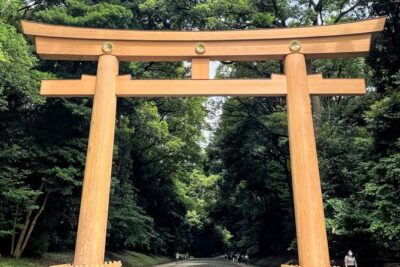

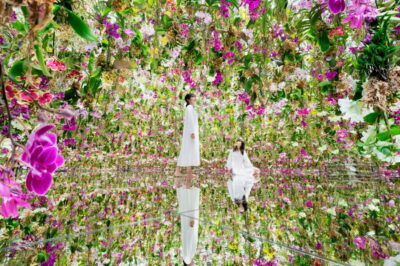
teamLab Planets TOKYO Digital Art Museum Entry Ticket
Read our review →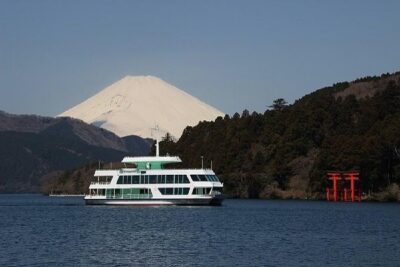
Mt Fuji & Hakone Cruise, Drum Show Bullet Train 1 Day from Tokyo
Read our review →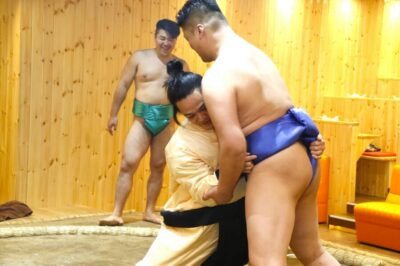
Sumo Show Experience with Chicken Hot Pot and a Photo
Read our review →
Shinjuku Food Tour (13 Dishes at 4 Local Eateries)
Read our review →