Review · TOKYO TOURS
Tokyo : Yanaka and Nezu-Old Traditional Town Cultural Experience
Old Tokyo still breathes in Yanaka and Nezu. This tour is interesting because it pairs a slow, small-group pace with temple-and-shrine storytelling from guide Sui, so you see more than just pretty streets. One possible drawback is you will be walking for about 3.5 hours, so comfortable shoes matter.
I like how the stops feel layered, from Nezu Shrine’s torii path and fortune drawing to the quiet corners of residential Nezu. You also get a built-in photo break at Yuyake Dandan, then you end on Yanaka Ginza, where your guide points you toward local snacks and souvenirs.
Logistics are also friendly: it starts near public transportation at Nippori Station, and it runs on a mobile ticket with a maximum of 9 travelers. The price is $39.41 per person for a half-afternoon guided walk through multiple historic sites.
In This Review
- Key things I’d focus on before you go
- Old Tokyo vibes without the tour-bus pressure
- Price and timing: paying $39.41 for structure, not just walking
- The meeting point and the route flow from Nippori Station
- Nezu Shrine: torii-lined calm and hands-on ritual time
- Tennoji Temple: a quick pause with a powerful centerpiece
- Yanaka District: remnants across Meiji, Taisho, and Showa
- Walking local Nezu: old and new houses in the same frame
- Yanaka Cemetery: a scenic pause with famous burials
- The 100-year-old Himalayan cedar tree: a quick nature moment
- Yuyake Dandan: the sunset staircase and that street-view payoff
- The old bath house turned art gallery: history with a new use
- Ueno Sakuragi Atari: wooden houses turned into shops
- Yanaka Ginza Shopping Street: snacks, sweets, and practical souvenir ideas
- What Sui brings to the tour, and why that matters
- Who should book this Yanaka and Nezu tour
- Should you book it? My take
- FAQ
- How long is the Yanaka and Nezu Old Traditional Town cultural experience?
- Where does the tour start, and does it end nearby?
- How big is the group?
- Is the tour mostly free to enter, or are there paid stops?
- Is the tour suitable for most people, and are service animals allowed?
- What is the cancellation policy?
Key things I’d focus on before you go
- Small group, max 9 people, which keeps the pace relaxed and questions easy
- Guide Sui’s explanations, including temple and shrine details and how to pray
- Old Tokyo photo stops, like Yuyake Dandan and the 100-year-old Himalayan cedar tree
- Real neighborhood wandering, past Meiji, Taisho, and Showa era building remains
- Yanaka Ginza ending, with guidance on street food, desserts, and souvenirs
Old Tokyo vibes without the tour-bus pressure
Yanaka and Nezu sit in a calmer part of Tokyo where the city feels more human scale. This is the kind of outing that helps you understand Tokyo as more than skyscrapers and neon. You are moving through a patchwork of old streets, small religious sites, and everyday neighborhood lanes.
What makes this experience work is the mix of sacred spaces and local life. You start at a shrine where you can follow the ritual flow, then you shift into temples and older streets that show Tokyo changing over time. By the end, you are in Yanaka Ginza, where you can put your energy into simple pleasures like snacks and browsing.
A few more Tokyo days to weigh up
- Mt Fuji and Hakone 1-Day Bus Tour Return by Bullet Train
★ 5.0 · 26,383 reviews - 1-Day Tokyo Bus Tour
★ 5.0 · 14,250 reviews - Tokyo: TOKYO SKYTREE® Admission ticket
★ 4.5 · 11,192 reviews
Price and timing: paying $39.41 for structure, not just walking
At $39.41 per person for about 3 hours 30 minutes, you are paying for more than transportation. You’re buying a guided route that strings together major stops in a sensible order, including Nezu Shrine, Tennoji Temple, Yanaka Cemetery, and Yanaka Ginza.
The value here is in the pacing and the guide’s input. The reviews you provided strongly emphasize Sui’s engaging approach, good English, and her habit of sharing practical context you would miss if you just wandered. In other words, the tour saves you time figuring out what matters, and it helps you enjoy the places you might otherwise treat as scenery.
The meeting point and the route flow from Nippori Station
The tour starts at Nippori Station, address listed as 2 Chome-19 Nishinippori, Arakawa City, Tokyo 116-0013. It ends back at the meeting point, which is a comfort for first-time Tokyo visitors who don’t want to end up across the city.
The route is designed for a steady walk with short pauses. Stops are mostly free admission at the temples and shrine, with at least one paid-included segment at Ueno Sakuragi Atari. That helps the day feel light on extra costs while still giving you access to multiple “old Tokyo” settings.
Also, the group size caps at 9 travelers. That matters because you are walking through residential areas. With a smaller group, it feels less like you are blocking sidewalks and more like you are politely moving with the flow of the neighborhood.
Nezu Shrine: torii-lined calm and hands-on ritual time
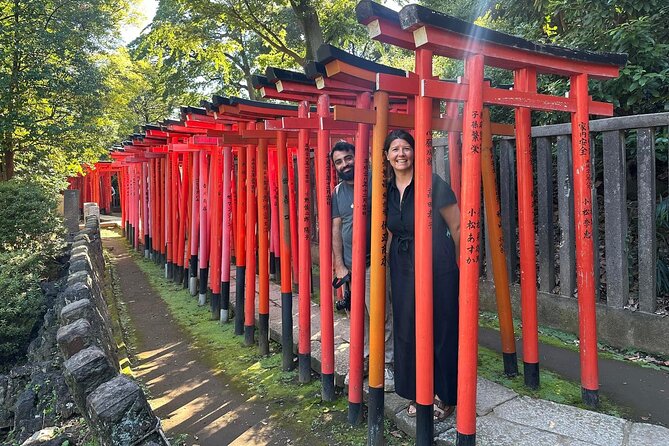
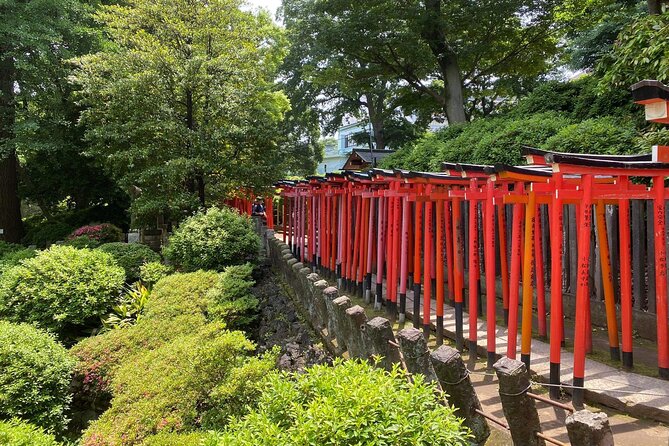
Your first major stop is Nezu Shrine. This is where the tour gives you an immediate sense of place. The shrine is known for a picturesque path lined with torii gates, so you get that classic mood right away.
A big part of the experience is not just looking. You get to learn how prayer works there, including the chance to write your wish and get your fortune. Even if you have zero interest in fortune telling, the process gives you a window into how people interact with sacred spaces in Japan.
The time block is about 30 minutes, and that’s important. It gives you enough room to follow along with the guide’s directions, take photos, and still avoid the feeling of being rushed.
A different sort of day in Japan:
- Tokyo: teamLab Planets TOKYO Digital Art Museum Entry Ticket
★ 4.6 · 9,779 reviews - Mt Fuji & Hakone Cruise, Drum Show Bullet Train 1 Day from Tokyo
★ 4.0 · 7,413 reviews - Tokyo: Sumo Show Experience with Chicken Hot Pot and a Photo
★ 4.8 · 6,678 reviews - Tokyo: Shinjuku Food Tour (13 Dishes at 4 Local Eateries)
★ 5.0 · 6,603 reviews
Tennoji Temple: a quick pause with a powerful centerpiece
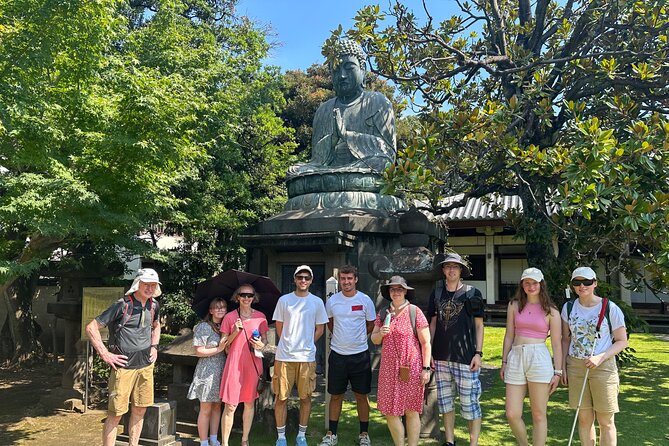
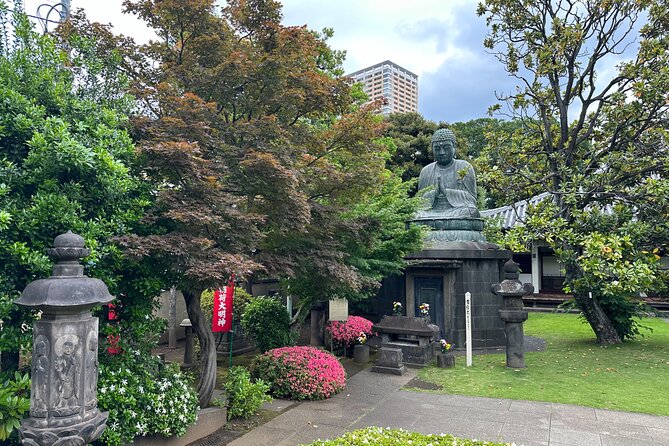
Next up is Tennoji Temple, described as one of the oldest temples in the Yanaka area. The standout detail is the large, bronze, seated image of Buddha.
This stop is brief at about 5 minutes, so treat it like a reset point, not a long sit-down. You can appreciate the quiet and the garden views around the temple without losing the rhythm of the walk. If you tend to like reflection spots, you will probably enjoy using those few minutes as a mental break before you head into streets and shops.
Yanaka District: remnants across Meiji, Taisho, and Showa
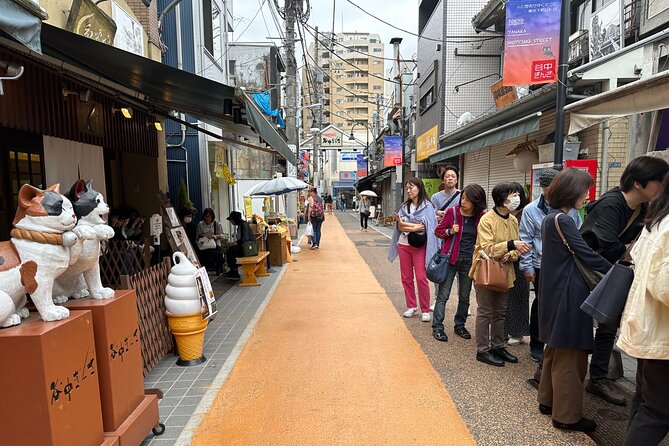
After Nezu and Tennoji, the day shifts into “street history.” Yanaka District is about seeing remains of buildings from the Meiji period, Taisho period, and Showa period. You also get traditional small shops that have been passed down through generations.
This is one of the best parts of the tour if you enjoy texture. You are not only looking at a single landmark. You are watching how time shows up in shopfronts, streets, and the layout of the neighborhood.
Time here is about 50 minutes, which is generous. It means you can slow down, ask questions, and actually notice details without feeling like you are sprinting between photo points.
One practical thought: keep your camera handy, but also put it away sometimes. This area rewards patient looking, not constant shooting.
Walking local Nezu: old and new houses in the same frame
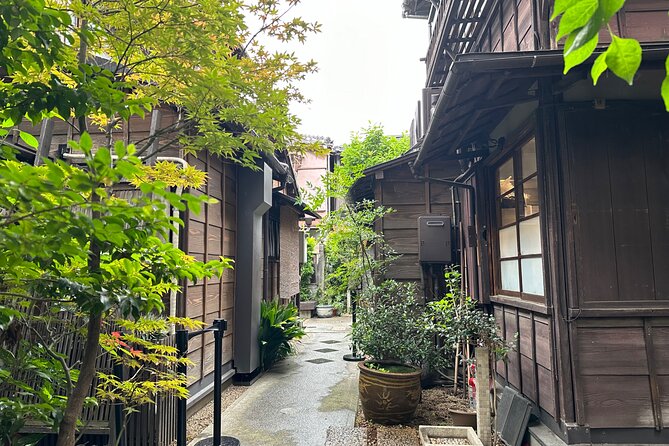
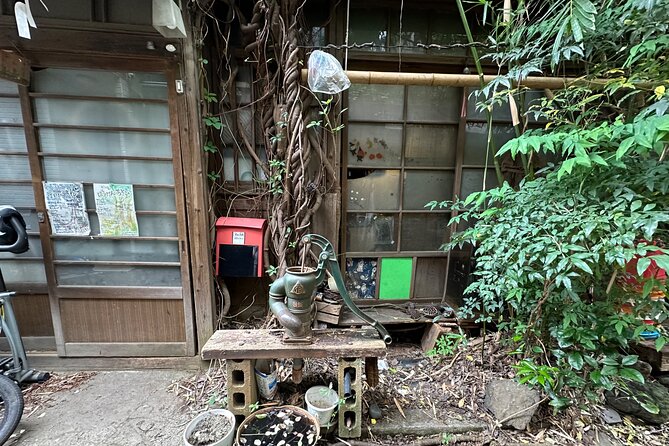
The tour then spends time in Nezu, described as a local residential area. Here, your guide leads you on a slower walk through older and newer houses and shops, helping you understand how this neighborhood functions day to day.
You will likely appreciate this stop most if you like atmosphere. It is less about dramatic monuments and more about everyday Tokyo, with history showing up in lived-in places.
This portion is about 30 minutes. With a max group size of 9, it should feel manageable even in narrower lanes. If you prefer quiet walks where you can hear explanations without competing with crowds, this stop is a strong match.
Yanaka Cemetery: a scenic pause with famous burials
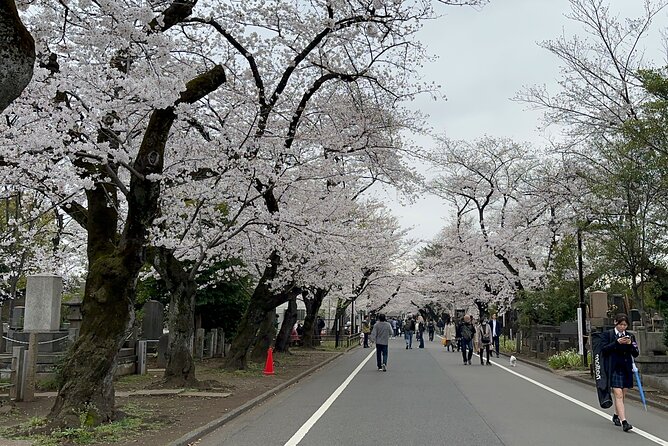
Then comes Yanaka Cemetery, with about 20 minutes on the schedule. The cemetery is described as one of the largest and most scenic in Tokyo, and it’s noted for important figures being buried there.
This is the kind of stop that can change how you experience the neighborhood. Cemeteries in Japan are not just places to pass through. They can be peaceful, well-kept, and deeply tied to memory.
Keep your expectations balanced. This is not an amusement-style attraction. Instead, treat it like a calm landscape moment. If you are someone who enjoys reflective spaces, you will probably find it fits perfectly into an old-Tokyo day.
The 100-year-old Himalayan cedar tree: a quick nature moment
There is also a pass-by stop for a 100-year-old Himalayan cedar tree. It’s short, but it’s the kind of detail that adds depth.
These small segments matter on a walking tour. They break up the heavy sightseeing blocks and remind you that Tokyo’s “old” is not only buildings and temples, it is also long-lived trees and local landmarks.
Yuyake Dandan: the sunset staircase and that street-view payoff
You then reach Yuyake Dandan, known as the sunset staircase. The key draw is the view, with Yanaka Ginza street views visible from the staircase, plus sunset photo potential.
Time here is about 2 minutes, so do not plan to linger. Instead, use the guide time to get the best angle quickly. If you are chasing photos, that timing helps because the tour keeps the day flowing.
Even if you are not there at golden hour, the staircase still gives a dramatic perspective that feels different from street-level walking. It also gives you a natural “checkpoint” where you can mentally reset before the shop-focused portion of the day.
The old bath house turned art gallery: history with a new use
Another quick pass-by highlights a 200-year-old bath house that has turned into an art gallery.
This kind of adaptive reuse is part of what makes Yanaka interesting. You are seeing old Tokyo not frozen in time, but repurposed and kept relevant. It is the same theme as the neighborhood’s small shops that have been passed down through generations, just in a different form.
Don’t try to over-plan this stop. It’s a pass-by, so the goal is to notice it as you move, then keep walking.
Ueno Sakuragi Atari: wooden houses turned into shops
Next is Ueno Sakuragi Atari, with about 15 minutes and admission marked as included. This stop is centered on wooden houses that are turned into shops.
What I like about this kind of stop is that it gives you a “pause and browse” moment. You are not just learning, you can also check what is actually for sale inside these spaces. Even if you do not buy anything, it helps you connect the area’s old structure with modern everyday use.
If you love small-scale shopping, this segment is a nice bridge between temples and Yanaka Ginza’s street atmosphere.
Yanaka Ginza Shopping Street: snacks, sweets, and practical souvenir ideas
The tour ends at Yanaka Ginza Shopping Street. This is where you get your biggest payoff for food and browsing. Your guide introduces popular local street foods, Japanese desserts, and Japanese souvenirs. You choose what to eat and what to buy.
The “end spot” design is smart. After hours of temples, cemetery views, and neighborhood lanes, you are ready for something simple: snack time.
This is also where the guide’s personality shows. The reviews you shared highlight that Sui recommends places to eat and speaks in a way that helps you understand how to enjoy the spaces respectfully and confidently. If you like a little help picking what to try, this ending is a big plus.
One practical tip: plan your budget for snacks here. Even with free admissions at many stops, you will likely want to try at least a couple things on Yanaka Ginza.
What Sui brings to the tour, and why that matters
From the reviews provided, Sui is repeatedly described as engaging, energetic, and easy to follow. She is also credited with sharing temple and shrine etiquette details, plus plenty of local recommendations that go beyond typical guidebook facts.
That matters because Yanaka and Nezu are not the kind of places where you can instantly “get it” by reading a sign. The meaning comes from knowing what you are seeing and how locals approach it. Having a guide help you connect prayer steps at Nezu Shrine, the role of temples and shrines, and what to pay attention to makes the whole route feel more coherent.
If you prefer tours where you can ask questions without feeling rushed, the small group size plus Sui’s approach should suit you well.
Who should book this Yanaka and Nezu tour
This tour fits best if you want:
- An older, calmer side of Tokyo with slower pacing
- A walking route that connects shrines, temples, cemetery scenery, and shopping
- Help choosing what to eat and what to notice, especially around Yanaka Ginza
It is also a good first-day option if you are staying somewhere nearby, because it helps you orient yourself to the neighborhood style quickly. And since the tour is marked as near public transportation, getting to the start point should not feel like a mission.
If you hate walking, or if your priority is to hit only the biggest famous sights, you might find the pace too gentle and the route too “neighborhood-based.” But if you want character and context, this is exactly the right kind of half-day.
Should you book it? My take
I would book this tour if you like Tokyo that feels lived in, with old streets, religious sites you can actually participate in, and a final block of food and souvenir browsing. The strong value is the combination of a small group (max 9) and a guide who makes the sites understandable, not just scenic.
I would think twice if you need lots of indoor attractions, or if you are sensitive to walking time. There is also limited time at each stop, so if you prefer deep solo wandering for hours in one place, you may want a different style of tour.
Overall, this is a smart way to see Yanaka and Nezu without getting lost in a maze of streets. It gives you structure, context, and a satisfying ending at Yanaka Ginza.
FAQ
How long is the Yanaka and Nezu Old Traditional Town cultural experience?
It runs about 3 hours 30 minutes approximately.
Where does the tour start, and does it end nearby?
It starts at Nippori Station (2 Chome-19 Nishinippori, Arakawa City, Tokyo 116-0013) and ends back at the meeting point.
How big is the group?
The tour has a maximum of 9 travelers.
Is the tour mostly free to enter, or are there paid stops?
Most stops list free admission, while Ueno Sakuragi Atari is marked as having admission included.
Is the tour suitable for most people, and are service animals allowed?
The tour is marked as most travelers can participate, and service animals are allowed.
What is the cancellation policy?
You can cancel for a full refund if you cancel at least 24 hours before the experience starts. Free cancellation is available up to 24 hours in advance.
Newly listed around Tokyo
- Discover Tokyo: 3-Hour Private Guided Photo Walking Tour★ 5.0 · 11 reviews
- Tokyo Metropolis★ 5.0 · 51 reviews
- Tokyo Portrait Tour with a Professional Photographer★ 5.0 · 58 reviews
- Private Tokyo Night Tour★ 5.0 · 115 reviews
- Tokyo Full-Day Private Tour (Customizable)★ 5.0 · 14 reviews
- Tokyo Off the Beaten Path 6hr Private Tour with Licensed Guide★ 5.0 · 64 reviews
- Tokyo Original Shoes Making 1 Day Workshop / Ready made orders★ 5.0 · 21 reviews
- Tokyo Okutama Day Trip Tour★ 5.0 · 40 reviews
Tokyo Tours, compared.
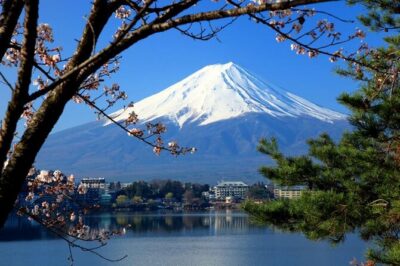
Mt Fuji and Hakone 1-Day Bus Tour Return by Bullet Train
Read our review →


teamLab Planets TOKYO Digital Art Museum Entry Ticket
Read our review →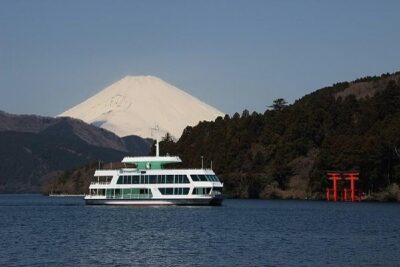
Mt Fuji & Hakone Cruise, Drum Show Bullet Train 1 Day from Tokyo
Read our review →
Sumo Show Experience with Chicken Hot Pot and a Photo
Read our review →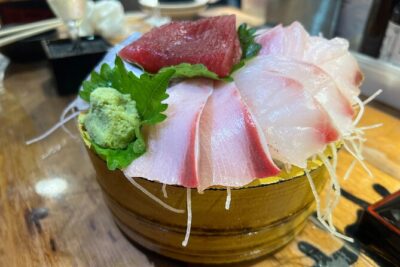
Shinjuku Food Tour (13 Dishes at 4 Local Eateries)
Read our review →