
Review · WORKSHOPS
Tokyo Original Shoes Making 1 Day Workshop / Ready made orders
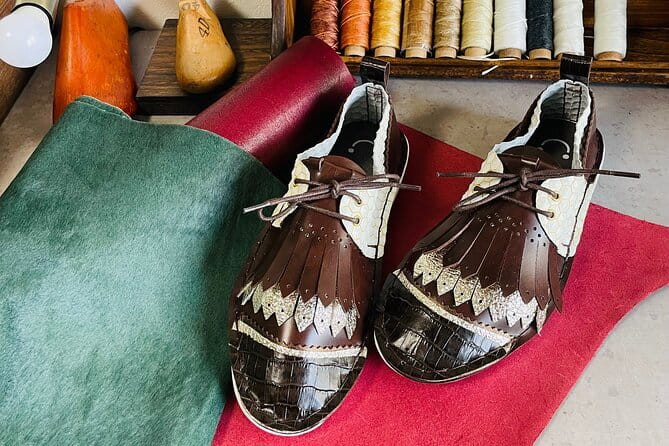
Custom shoes in Tokyo, made with your own hands. This 6-hour private workshop in Jiyugaoka lets you design a pair from scratch, choosing the shoe pattern, sole type, size, and materials like Japanese and Italian leather, antique kimono fabric, lace, and more. What I like most is the hands-on feel, and that your experience is built around your choices, not a fixed script.
Second, I love how you get real guidance while you work, so you do not feel lost in a sea of options. HaruKa is the teacher behind the atelier, and the process aims to keep things clear and manageable. One thing to consider: finishing time depends on your design, so you might not walk out with the final pair in hand, but rather get it delivered during your stay.
In This Review
- Key Points You’ll Care About
- Where the Workshop Happens, and Why Jiyugaoka Works
- Selecting Your Shoe Style: The Real Fun Part Starts Immediately
- Choosing Sole Types Without Getting Overwhelmed
- Fitting and Sizing: You Can Pick From 33 to 45
- Materials: Leather, Kimono Fabric, Lace, and More
- From Sketch to Draft: Assembling the Shoe Part You Do in the Workshop
- Where the Teacher’s Style Really Shows: Clear Choices, Patient Guidance
- Ready Made Orders: Same Process Through Step 4
- Delivery During Your Tokyo Stay: The Useful Part After the Workshop
- Price and Value: What You’re Actually Paying For
- Who Should Book This Shoe Workshop (and Who Might Want to Think Twice)
- Should You Book This Workshop? My Straight Answer
- FAQ
- Where is the meeting point for this workshop?
- How long does the shoe-making workshop take?
- Is this experience private?
- What shoe styles can I choose?
- What materials are available to use?
- What sizes and soles are available?
- Can I place a ready made order instead of making everything?
- How does cancellation work?
Key Points You’ll Care About
- A truly private shoe-making session for just your group, not a crowded class
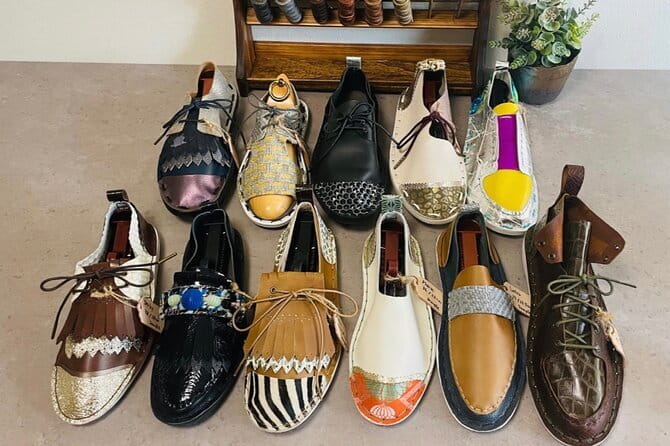
- Pattern plus sole plus size decisions (including Hi-cut or Lowcut sneakers)
- Material choices go beyond leather, including antique kimono fabrics, lace, tweed, and more
- Draft assembly happens in-session, with finishing completed by the shoemaker
- Ready made orders are welcome, with the same process through the main design steps
Where the Workshop Happens, and Why Jiyugaoka Works
The experience is set in Jiyugaoka (Meguro City), which is a quieter corner of Tokyo compared with the big name tourist zones. The day starts back at the meeting point in Jiyugaoka and ends there too, which keeps the plan simple. You are also told it is near public transportation, and in practice you can expect easy logistics once you find the right station area.
The workshop is scheduled for about 6 hours, and it runs 10:00 AM to 10:00 PM on all days within the stated dates. That matters because shoe projects tend to get time-consuming, and having a long window means you can usually work around your Tokyo schedule.
Another plus is the format: it is a private tour/activity, meaning only your group participates. If you are traveling with a partner or small group, that private setup is a big value. You get focused instruction, and you are not competing for attention while deciding between styles, colors, and materials.
A few more Tokyo days to weigh up
- Mt Fuji and Hakone 1-Day Bus Tour Return by Bullet Train
★ 5.0 · 26,383 reviews - 1-Day Tokyo Bus Tour
★ 5.0 · 14,250 reviews - Tokyo: TOKYO SKYTREE® Admission ticket
★ 4.5 · 11,192 reviews
Selecting Your Shoe Style: The Real Fun Part Starts Immediately
The workshop starts with choosing a pattern, and this is where the experience stops feeling like a class and starts feeling like personal design work. You can select from several recognizable shoe types, including Derby, Macalon, Plain, Open, Lofer, and sneakers with Hi-cut or Lowcut options.
This step matters because the pattern choice shapes everything that comes after, especially how materials sit on the shoe and how the finished look comes together. If you already know you want something classic, a Derby or Lofer route can keep your design focused. If you want your shoes to feel more fashion-forward, the Hi-cut or Lowcut sneaker options give you more room to play with contrasting materials like ribbon lace or tweed.
You also have the option of kilties for an extra fee (+¥3,850). Kilties can add a distinct, slightly traditional accent. If you are unsure, I would treat this as a “small detail with big impact” choice, not an afterthought. Your teacher can help you decide if it matches the rest of your look.
Choosing Sole Types Without Getting Overwhelmed
Next comes the sole selection, and this is where you can make the shoe feel more casual, more structured, or more visually bold. There are three sole types offered:
- Flat/White, size 33 to 45
- Platform/White, size 35 to 40
- Platform/Black, size 35 to 40
This is important for two reasons. First, not every sole option works for every size, so check fit early instead of leaving it for the end. Second, platform soles tend to change the whole silhouette. If you are choosing between a classic flat look and something with height, that decision will affect what materials look best on top.
If you like the idea of leather with a clean, wearable vibe, you may lean toward the flat option. If you want a stronger visual statement, the platform options can turn your materials into a bolder design feature.
Fitting and Sizing: You Can Pick From 33 to 45
After style and sole, you move into fitting and select your size, with sizes 33 to 45 available. That range is a helpful detail for travelers, because shoe workshops often assume a narrow size band.
This fitting step is also a good time to think practically. Even if you love the look of a certain pattern, fit determines comfort once you start walking around Tokyo in your new shoes. The workshop is designed to guide you through these choices, and that is a big reason the experience works well in one day.
A different sort of day in Japan:
- Tokyo: teamLab Planets TOKYO Digital Art Museum Entry Ticket
★ 4.6 · 9,779 reviews - Mt Fuji & Hakone Cruise, Drum Show Bullet Train 1 Day from Tokyo
★ 4.0 · 7,413 reviews - Tokyo: Sumo Show Experience with Chicken Hot Pot and a Photo
★ 4.8 · 6,678 reviews - Tokyo: Shinjuku Food Tour (13 Dishes at 4 Local Eateries)
★ 5.0 · 6,603 reviews
Materials: Leather, Kimono Fabric, Lace, and More
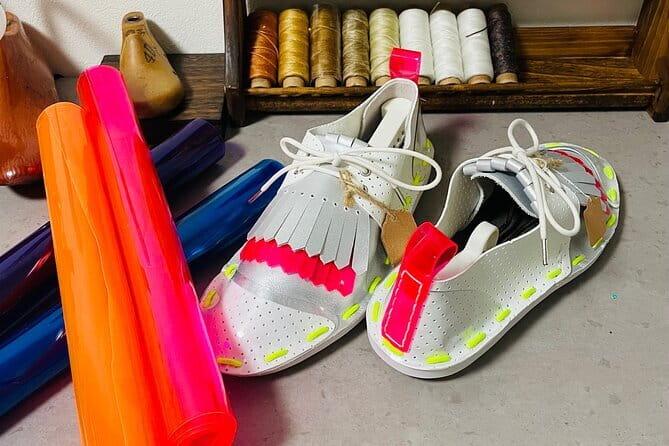
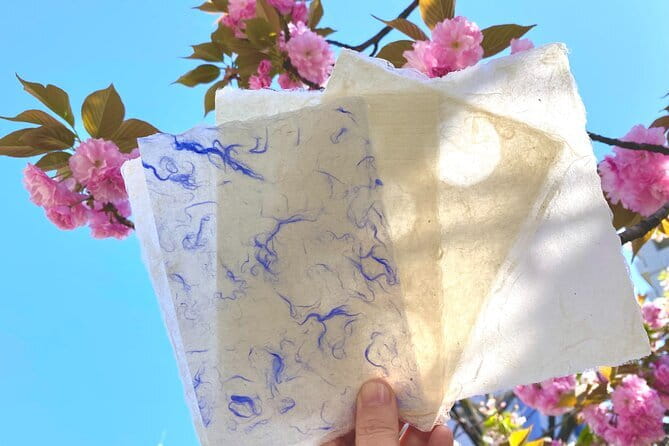
Now for the part that makes this workshop feel special in Tokyo. You can choose from a wide menu of materials, including Japanese-made leather and Italian leather, plus options like furs, PVC’s, tweed, ribbon lace, and antique kimono fabrics.
That mix matters because you are not limited to one style of “shoe craft.” You can build a pair that feels traditional, modern, or somewhere in between. Antique kimono fabric, for example, can bring pattern and texture that plain leather just cannot replicate. Ribbon lace can add delicate contrast. Tweed can make your shoes feel warm and characterful, especially if you are visiting in cooler months.
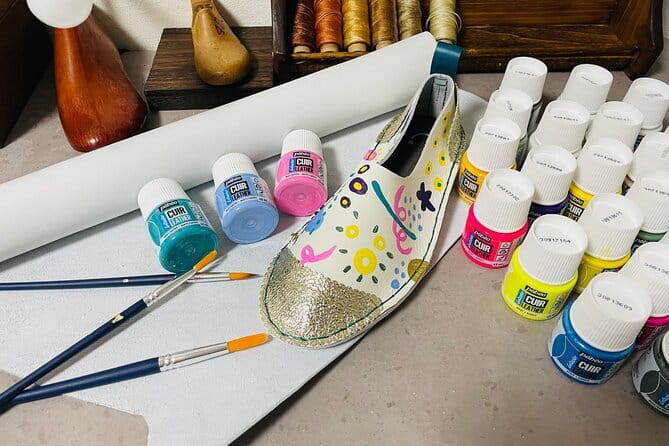
You can also draw your own patterns using paints. If you like the idea of making your shoes feel like wearable art, this is your chance. Even simple custom markings can make the final result feel more personal than a standard color swap.
One more detail that is easy to miss: the overview notes eco-friendly materials as part of the options. Since the material list also includes items like PVC’s and furs, I would treat this as “choose among what the atelier offers” rather than assume every option is eco-friendly. Ask your teacher what they recommend for the specific material category you care about most.
From Sketch to Draft: Assembling the Shoe Part You Do in the Workshop
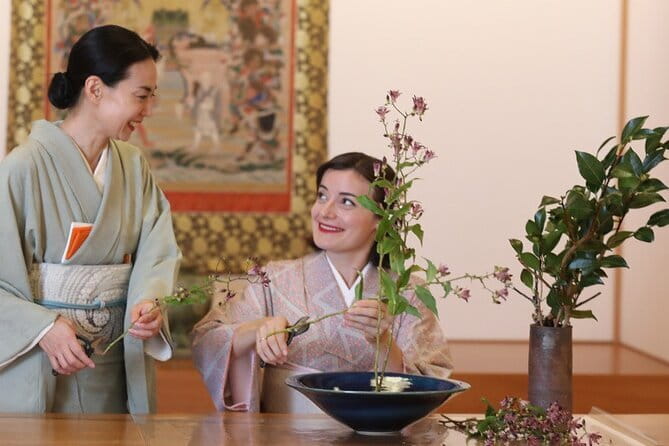
Once you pick your pattern, sole, size, and materials, you move into assembly and finishing steps. The process is described as selecting pattern, selecting sole, fitting and size, choosing materials, then assembling your draft and finishing.
You will also be able to assemble with ropes or needle and thread, depending on the pattern and what you are building. That sounds technical, but the workshop goal is to keep it clear enough that you do not feel overwhelmed. The feedback from past participants highlights that HaruKa is patient and keeps instructions understandable, which is exactly what you want in a hands-on craft day.
Time works like this: based on your pattern and design, finishing takes 3 to 8 hours. Your workshop itself is listed at about 6 hours, which means you should expect a split between what you do in-session and what the professional shoemaker completes afterward. Think of your day as the “design and key assembly” block, with finishing carried through to the final shoes.
Where the Teacher’s Style Really Shows: Clear Choices, Patient Guidance
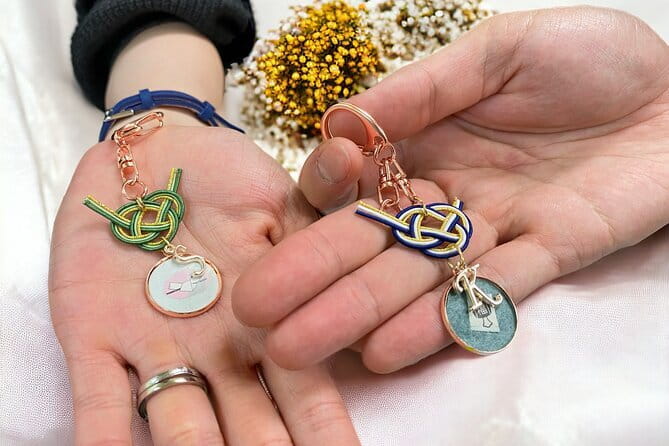
Haruka is the lead at Leather Atelier HaruKa, and the tone of the experience is supportive. Past participants point to a smooth process where you can make choices without getting bogged down, and where your teacher steps in with patience when you need clarity.
That “keep it manageable” approach is not a small thing. Shoe making has real craft complexity, and without good teaching you can end up spending the day stressed, stuck, or second-guessing everything. Here, the whole format is designed so you pick from a structured set of options, then you build your draft with guidance.
Communication also seems strong, with the teacher meeting at the station and escorting you to the atelier. If you want an easy start, message after booking as suggested and confirm your preferred start time based on availability. The ticket voucher includes the link and contacts, so you are not left guessing.
Ready Made Orders: Same Process Through Step 4
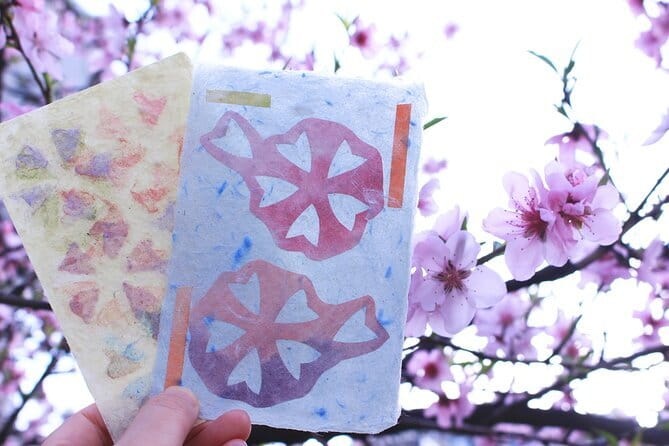
This workshop is not only about full custom design. You can also place ready made orders, and the process follows the same general flow through the early stages. That includes selecting your style and materials through step 4, then the atelier delivers your shoes during your stay in Tokyo.
Why this is valuable: if you want custom materials and your own design input, but you do not necessarily want to do the full assembly in one day, ready made orders can still give you the feel of being part of the design process. It also can reduce pressure if you are tight on time.
Delivery During Your Tokyo Stay: The Useful Part After the Workshop
One practical detail that helps this experience fit into a real trip: you are delivered your personalized pair during your stay in Tokyo. That means the “I made shoes in Tokyo” story does not end with you hauling materials around.
Because the finishing time can run 3 to 8 hours depending on the design, you should treat the in-atelier time as the build and draft stage. The shoemaker completes what you started, and you receive the final result later in your trip window.
If you are the type who likes to plan ahead, this timing is easier than it sounds. You know you will not be scrambling to find time to pick up finished shoes on a different day. The delivery promise is built into the experience format.
Price and Value: What You’re Actually Paying For
The price is listed at $164.22 per person, and it includes materials and rental of tools, plus all fees and taxes. That is a key value point. In many hands-on experiences, you pay for instruction, then you end up adding costs for supplies. Here, your big variable costs are already handled.
So what are you buying, beyond the price tag? You are paying for:
- a structured design menu (pattern, sole, size)
- high-touch instruction while you assemble a draft
- access to premium and interesting materials, including options like Japanese and Italian leather and antique kimono fabrics
- finishing by a shoemaker and delivery during your stay
Is it cheap? Not really. But it can be excellent value if your goal is something tangible and personal. You are not just buying a souvenir. You are commissioning a pair that reflects your material choices and your design input.
Booking also looks popular, with an average booking window around 10 days in advance. If you are visiting for a short stay, start looking early so you can get the start time that matches your schedule.
Who Should Book This Shoe Workshop (and Who Might Want to Think Twice)
I think this is a great fit if you enjoy crafts, want wearable art, or you like the idea of taking a Tokyo experience that is not just shopping. It is especially good for people who want one memorable activity that feels intimate: you get a private group setup and direct teaching.
It also works well for travelers who want a guided decision process. You pick among clear options, and you get help so you do not spiral while choosing between patterns, soles, and materials.
Two situations where you might want to think twice:
- If you need a completed pair in your hands immediately after the 6-hour session, the finishing timeline suggests you may receive the final shoes later during your stay.
- If you are not interested in choosing between different styles and material textures, the experience might feel like too much decision work for you. This workshop is designed to prevent overwhelm, but it is still your design day.
Should You Book This Workshop? My Straight Answer
Book it if you want a Tokyo souvenir you can wear, and you like the idea of making your own choices. The core strengths are the private, guided design process, the wide material menu, and the fact that your shoes are finished and delivered during your stay. If you care about craftsmanship, this is the kind of experience that gives you a real story, and you get an actual product at the end.
Skip it only if you are looking for a quick, light activity with no real commitment to design. This is hands-on, with craft time and materials. Even with guidance, you will be making decisions and assembling parts of your shoes.
If you do book, do one thing in advance: think about the style direction you want, and be ready to choose from the pattern list and sole options. Then let HaruKa guide you step by step.
FAQ
Where is the meeting point for this workshop?
The start meeting point is Jiyugaoka, Meguro City, Tokyo 152-0035, Japan. The activity ends back at the meeting point.
How long does the shoe-making workshop take?
The duration is listed as about 6 hours.
Is this experience private?
Yes. It is a private tour or activity, and only your group participates.
What shoe styles can I choose?
You can choose from Derby, Macalon, Plain, Open, Lofer, or Sneaker (Hi-cut or Lowcut).
What materials are available to use?
You can choose from Japanese-made leather, Italian leather, furs, PVC’s, tweed, ribbon lace, and antique kimono fabrics. You can also draw your own patterns using paints.
What sizes and soles are available?
Sizes 33 to 45 are available. Sole options include Flat/White (size 33 to 45), Platform/White (size 35 to 40), and Platform/Black (size 35 to 40).
Can I place a ready made order instead of making everything?
Yes. Ready made orders are welcome, and the process would be the same through step 4, with delivery during your stay in Tokyo.
How does cancellation work?
You can cancel for free up to 24 hours in advance of the experience start time for a full refund. Changes within 24 hours of the start time are not accepted, and refunds are not provided for cancellations made less than 24 hours before start time.
Newly listed around Tokyo
- Discover Tokyo: 3-Hour Private Guided Photo Walking Tour★ 5.0 · 11 reviews
- Tokyo Portrait Tour with a Professional Photographer★ 5.0 · 58 reviews
- Tokyo Metropolis★ 5.0 · 51 reviews
- Private Tokyo Night Tour★ 5.0 · 115 reviews
- Tokyo Full-Day Private Tour (Customizable)★ 5.0 · 14 reviews
- Tokyo : Yanaka and Nezu-Old Traditional Town Cultural Experience★ 5.0 · 23 reviews
- Tokyo Okutama Day Trip Tour★ 5.0 · 40 reviews
- Tokyo Off the Beaten Path 6hr Private Tour with Licensed Guide★ 5.0 · 64 reviews
Workshops, compared.
Sushi Making Tokyo Roll and Authentic Japanese Sushi Class
Read our review →
Roll and Authentic Sushi Making Class in Asakusa
Read our review →
Ramen Cooking Class at Ramen Factory in Kyoto
Read our review →
Sushi Making Class in a Happi Coat near a Famous Spot
Read our review →

Tokyo Sushi Making Class in Tsukiji with Professional Chef
Read our review →
Ramen & Gyoza Cooking Class in Tokyo with Local Supermarket Visit
Read our review →Browse the lists this tour appears in