Review · TOKYO TOURS
【Tokyo/Asakusa】Traditional Japanese Washi Papermaking experience
Paper from trees, made by hand. In Asakusa, this workshop takes you from the story of Tosa Washi to your own postcards, with a short video and then real hands-on work. I like that you start the class in traditional samue work clothes, and I also like that you make four postcards you can keep as a souvenir.
One thing to keep in mind is the process includes unavoidable drying time, so you may spend a bit of the workshop waiting for paper to set. Also, there’s no restroom in the shop, so plan that before you start.
In This Review
- Key Highlights You Should Know Before You Go
- Where This Asakusa Washi Class Starts (And Why It Matters)
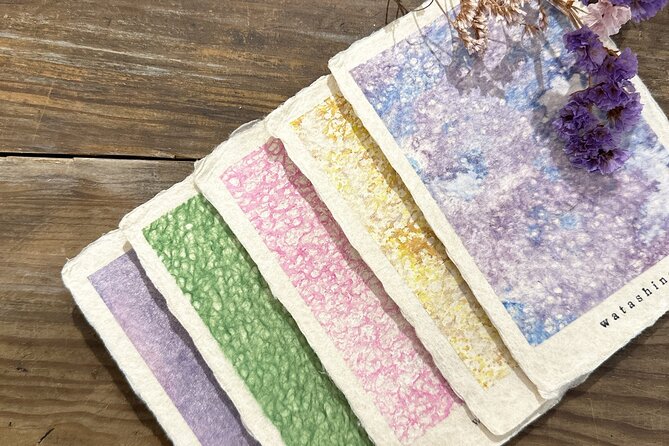
- Plain or Colored Postcards: What You Actually Make
- Plain Paper Plan: four postcards you make from scratch
- Colored Paper Plan: four postcards plus Rakusuishi layers
- The Workshop Flow: From Tosa Washi History to Your Finished Sheets
- 1) A short video on Tosa Washi
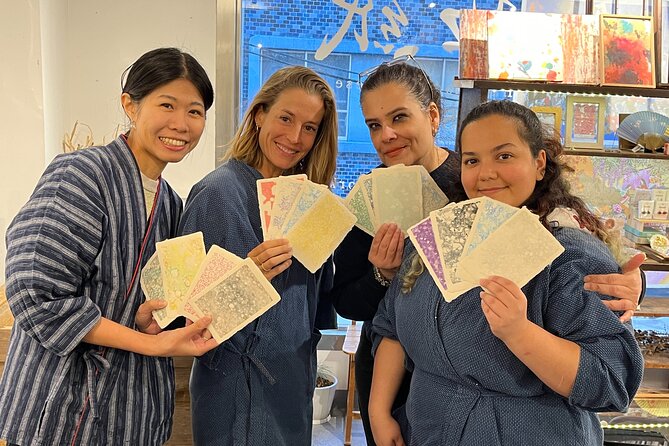
- 2) Dress in samue work clothes
- 3) Hands-on washi postcard making with instructor help
- 4) The drying step, plus the wait it can cause
- 5) Take home your washi souvenir
- Group Size and Instructor Support: Why This Feels Personal
- Location Tips for Asakusa: Make Your Day Easier
- Price and Value: Is $31.18 Worth It?
- Who Should Book This Washi Workshop (And Who Might Not Love It)
- It’s a great choice for
- You might skip it if
- Should You Book This Tokyo Asakusa Washi Experience?
- FAQ
- How long is the traditional Japanese washi papermaking experience?
- How many people are in each workshop session?
- Where do I meet for the workshop?
- What do I make during the workshop?
- What should I do if I arrive late?
- Is there a restroom at the shop?
- What is the cancellation policy?
Key Highlights You Should Know Before You Go
- Small groups (up to 8 at a time), so the instructor can actually check your work and move at a steady pace.
- Two project options: Plain Paper Plan or Colored Paper Plan, both ending with four handcrafted postcards.
- Rakusuishi layer for color lovers: the colored plan adds lace-like decorative washi on top, and you choose four colors.
- Short learning intro, then making: a video covers Tosa Washi history and process before you get to the bench.
- Take-home paper that feels legit: the washi you make is strong enough to bring home as a meaningful souvenir.
- Drying time is part of the craft: it can create some sitting time while your sheet finishes.
Where This Asakusa Washi Class Starts (And Why It Matters)
This workshop is based in Asakusa, on Asakusa Kannon Street. You’ll meet at watashino (Handmade Japanese Paper Goods and Papermaking Experience), at 1-chōme 32-1, Asakusa, Taito City, on the 2nd floor.
Why the exact meeting point matters: Asakusa is busy, and the shop is one specific location on a specific street. If you show up late, you might not be able to join the experience, since the class timing is strict. Aim to arrive early, because you’re working on a schedule that depends on making and drying paper.
If you like to keep plans simple while sightseeing, this one is friendly. It’s near public transportation, and it’s described as something most travelers can participate in. You’ll also use a mobile ticket.
A few more Asakusa days to weigh up
- Tokyo Sumo Entertainment Show with Chicken Hot Pot and Photo
★ 5.0 · 1,205 reviews - Mt Fuji Private Day Trip from Tokyo with English speaking driver
★ 5.0 · 846 reviews - Kimono Tea Ceremony at Tokyo, Asakusa Maikoya
★ 5.0 · 638 reviews
Plain or Colored Postcards: What You Actually Make
The core of the experience is simple: you handcraft four washi postcards. Your choice changes the look and the steps.
Plain Paper Plan: four postcards you make from scratch
With the Plain Paper Plan, you’ll make four plain postcards. That means you get the satisfying part of the craft, without extra decorative layering. It’s a great option if you want something classic, minimal, and very clearly washi-made.
Colored Paper Plan: four postcards plus Rakusuishi layers
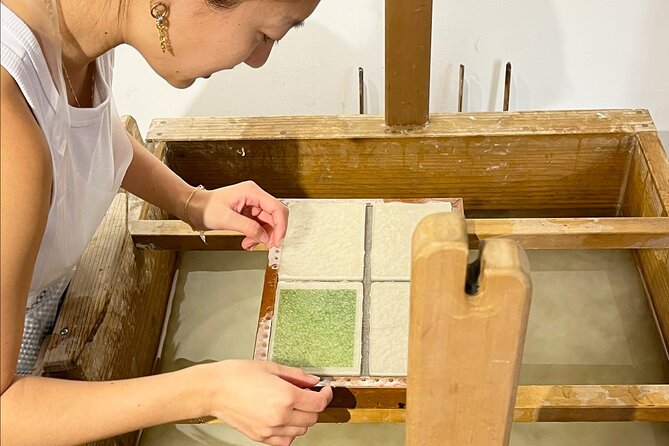
If you pick the Colored Paper Plan, you’ll add an extra step: layering Rakusuishi on top. Rakusuishi is described as lace-like decorative washi. You also choose your favorite four colors, so your postcards end up more personal and “designed,” not just handmade.
This is one of the best value points in the whole experience. You are not just watching paper magic happen. You’re building your final souvenirs step by step, and the colored plan gives you a visible way to express your taste.
A different sort of day in Japan:
- Asakusa Senso-ji Temple and Old Tokyo Walking Tour
★ 5.0 · 560 reviews - Skip the lines Basic Ticket at SAMURAI NINJA MUSEUM TOKYO
★ 5.0 · 470 reviews - Official Street Go-Kart Tour in Asakusa
★ 5.0 · 461 reviews - Private Craft Your Own Ring Handmade Experience in Asakusa, Tokyo
★ 5.0 · 358 reviews
The Workshop Flow: From Tosa Washi History to Your Finished Sheets
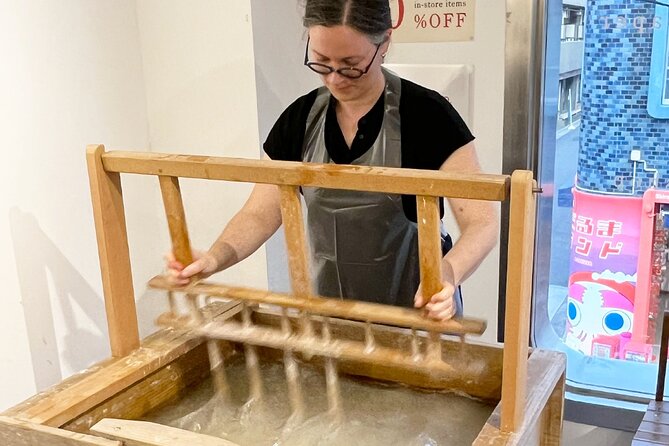
The class is about an hour, give or take, and it’s structured so you don’t feel dragged around. The pacing is: learn a little, then make a lot of it yourself.
1) A short video on Tosa Washi
You start with a brief video explaining Tosa Washi’s history and the basic paper process. Tosa Washi is described as having over 1,000 years of history, and it’s known for strength and warmth.
That matters because it gives meaning to the steps. If you’ve ever wondered why a handmade paper workshop feels different from a craft class, this is the reason. You’re not only making something pretty, you’re learning what makes washi special.
2) Dress in samue work clothes
Next, you wear traditional Japanese work clothes called samue. This is more than a costume. It helps the experience feel like a real workshop, not a staged demo.
Many people also find that the moment they change clothes, their brain shifts into craft mode. You stop “touring” and start doing.
3) Hands-on washi postcard making with instructor help
Then you get to the main event: making the postcards with guidance from a friendly instructor. The experience is offered with a maximum of 8 people at a time, so you’re not lost in a crowd.
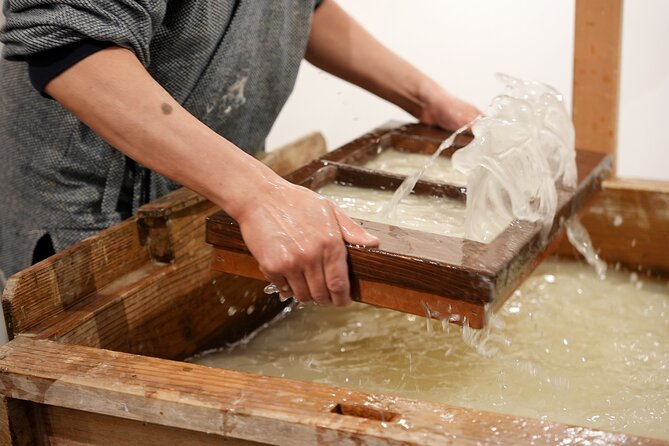
You’ll follow along while learning the process and then working on your own postcards. One review specifically notes the education includes the whole process from harvesting mulberry bark to making paper. Even in a short class, that big-picture context makes the final product feel more earned.
4) The drying step, plus the wait it can cause
Traditional washi-making includes a drying period. Even when the overall class is around an hour, drying can create a chunk of waiting where you may not be actively producing.
I’d treat that as normal craft reality, but still plan your expectations. One person reported the class felt shorter than the advertised time, and that a chunk of that time was waiting for paper to dry. The takeaway for you is simple: you are paying for a hands-on craft, but the paper schedule controls part of the timeline.
5) Take home your washi souvenir
When your postcards are ready, you take home your handmade washi paper. The finished results are presented as strong and beautiful, with plenty of smiles during the process.
Also, bring a camera if you like craft process photos. There are opportunities to take photos along the way, and instructors typically help keep the class flowing.
Group Size and Instructor Support: Why This Feels Personal
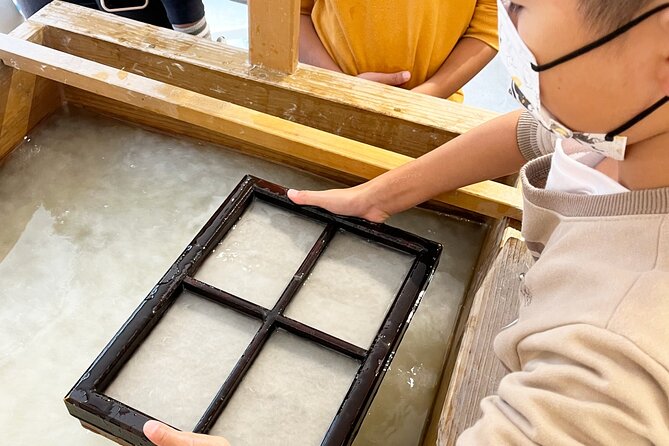
This is capped at 8 travelers at a time, which changes the whole vibe. In bigger classes, you often end up following instructions from the back and hoping you get enough attention. Here, the small group structure is built into the workshop design.
In plain terms, you get help when you need it. People described the instructor as friendly, encouraging, and patient. Names that come up include Kazu and Kenzo, both tied to an approachable teaching style.
You’ll probably feel it most during the moments where your paper technique matters. Reviews also mention the teacher uses a combination of ancient and innovative tools, which is a nice reminder that tradition is still practical, not museum-only.
If you like learning by doing, this workshop hits the sweet spot: you’re not stuck watching, and you’re not thrown in with zero guidance.
Location Tips for Asakusa: Make Your Day Easier
Asakusa is a great place to add a craft break because it’s already full of cultural sights. This workshop is located on Asakusa Kannon Street, so you’re in the middle of the action.
Here are the practical moves that help your workshop go smoothly:
- Arrive early enough to settle in without stress.
- Know that the class can start promptly, since being late can mean you may not participate.
- Plan your bathroom stop before you go in, since there’s no restroom in the shop.
Also, because there’s no restroom on site, don’t treat this as a “squeeze it in anytime” activity. It’s a one-hour block where you want to feel comfortable.
If you’re pairing this with temple sightseeing, I’d schedule it earlier in your Asakusa day. That way, you’ll have the energy for the hands-on part and you won’t be rushed.
Price and Value: Is $31.18 Worth It?
The price is $31.18 per person, and it’s worth thinking about what you’re buying.
You’re not just paying for a small packet of paper. You’re paying for:
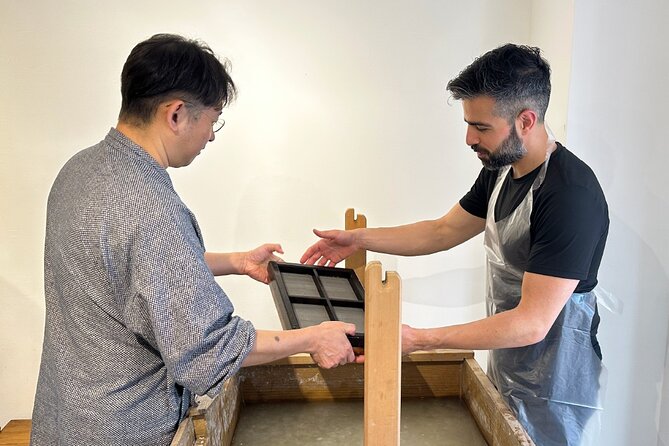
- An instructor-led process
- Time with traditional washi techniques
- Materials and guidance for four handmade postcards
- The included learning intro on Tosa Washi history and process
- A take-home souvenir made by you (plain plan) or with decorative Rakusuishi layers (colored plan)
Is it a fair price? For most people, yes, because the class size is small and you genuinely do the work. But one review called the cost a little high, which tells me a small number of people expected more active making time or more output.
My practical advice: if you love crafts and you want a souvenir that feels personal, it’s a strong value. If you’re trying to cram in lots of activities and you hate any waiting at all, the drying step might bother you.
Choose the Plain Paper Plan if you want classic, minimalist postcards. Choose the Colored Paper Plan if you want that extra decorative look and the ability to pick four colors.
Who Should Book This Washi Workshop (And Who Might Not Love It)
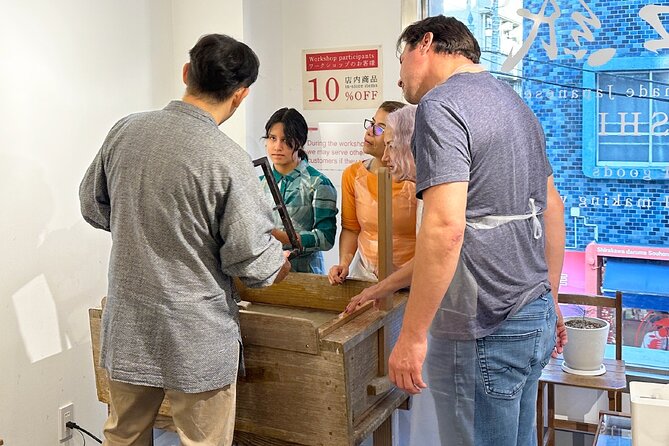
This workshop fits best if you want a real cultural craft experience without needing special skills.
It’s a great choice for
- Families looking for a shared hands-on activity in Asakusa
- Couples who want something calmer than a busy sightseeing day
- Anyone who enjoys paper crafts or wants to understand traditional making methods
- Travelers who like taking home a souvenir that was made with their own hands
People also described it as relaxing, engaging, and surprisingly calm, which is a big plus when you’re tired from walking.
You might skip it if
- You strongly dislike any waiting time, even brief drying pauses
- You need restroom access during the activity (since there’s no restroom in the shop)
- You want a very long, multi-stage workshop. This is about learning and making within an hour, not a full-day course.
Should You Book This Tokyo Asakusa Washi Experience?
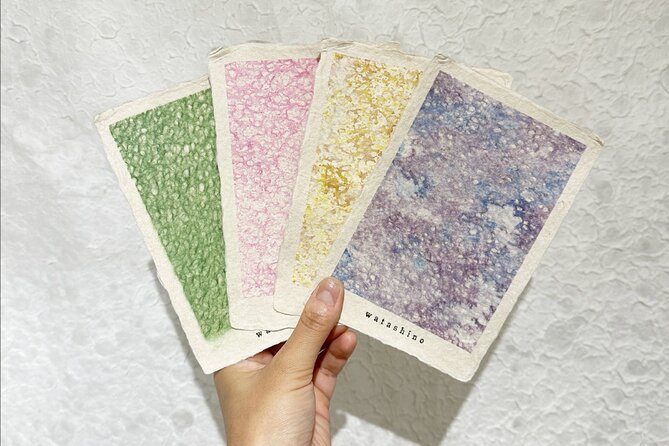
Yes, I’d book it if you want a hands-on craft that feels authentically Japanese and leaves you with something you can hold, display, or even use as postcards. The small group size, samue work clothes, and the fact you make four postcards yourself make it feel like more than a quick demo.
Before you go, go in with the right expectation: drying time is part of washi paper, and the shop has no restroom. If those two points are fine for you, this is one of those activities that gives you a real story to bring home, not just a photo.
If you’re choosing between plans, pick based on how you want your souvenir to look. Plain is classic and focused. Colored adds Rakusuishi decoration and lets you choose four colors, which is perfect if you want your postcards to feel more custom.
FAQ
How long is the traditional Japanese washi papermaking experience?
The workshop is about 1 hour.
How many people are in each workshop session?
Sessions are held with a maximum of 8 people at a time.
Where do I meet for the workshop?
Meet at watashino, Handmade Japanese Paper Goods and Papermaking Experience, located at 111-0032 Tokyo, Taito City, Asakusa, 1-chōme 32-1, 2F. The activity ends back at the meeting point.
What do I make during the workshop?
You make washi postcards. In the Plain Paper Plan you make four plain postcards, and in the Colored Paper Plan you make four postcards with an added Rakusuishi layering step and choose four colors.
What should I do if I arrive late?
If you arrive after 10 minutes, you may not be able to participate. Contact the provider in advance if you think you’ll be late.
Is there a restroom at the shop?
One review notes there is no restroom in the shop.
What is the cancellation policy?
You can cancel for a full refund if you cancel up to 24 hours in advance of the experience start time, and cancellations within 24 hours are not refundable.
Newly listed around Asakusa
- Tokyo : Asakusa Food Tour – 12 Dishes & 3 Drinks★ 5.0 · 44 reviews
- Tokyo: Customized Private Tour with a Local Guide★ 5.0 · 16 reviews
- Asakusa Kimono Photography Tour (Private Option Available)★ 5.0 · 20 reviews
- Tokyo Japanese Dance Cabaret Theater Asakusa-Kaguwa★ 5.0 · 170 reviews
- Tokyo: Asakusa & Sensoji ー Oldest Temple Walking Tour (2hrs)★ 5.0 · 213 reviews
- Asakusa Rental Kimono in Tokyo★ 5.0 · 11 reviews
- Asakusa:Family-Friendly Kimono & Yukata Experience at WARGO★ 5.0 · 30 reviews
- Refreshing in Asakusa! Tile-breaking / kawara smash in Asakusa, Tokyo★ 4.5 · 6 reviews
Tokyo Tours, compared.
Mt Fuji and Hakone 1-Day Bus Tour Return by Bullet Train
Read our review →

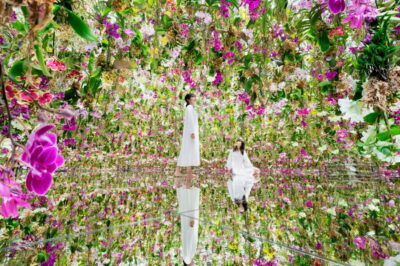
teamLab Planets TOKYO Digital Art Museum Entry Ticket
Read our review →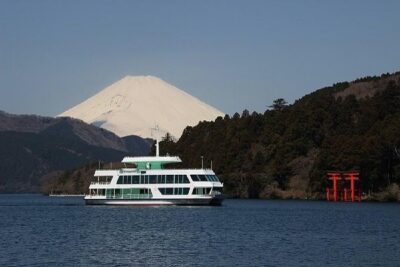
Mt Fuji & Hakone Cruise, Drum Show Bullet Train 1 Day from Tokyo
Read our review →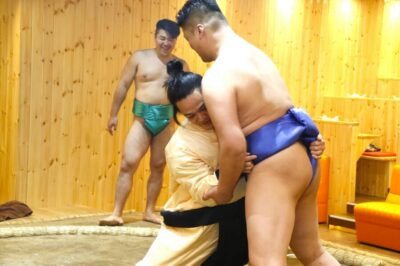
Sumo Show Experience with Chicken Hot Pot and a Photo
Read our review →
Shinjuku Food Tour (13 Dishes at 4 Local Eateries)
Read our review →