
Review · SHRINE & TEMPLE VISITS
Tokyo: Asakusa & Sensoji ー Oldest Temple Walking Tour (2hrs)
Senso-ji feels crowded, but the route makes sense. This 2-hour walking tour takes you through the Thunder Gate area and into Senso-ji, Tokyo’s oldest temple, with a local guide keeping the history clear and the pace manageable.
I especially like how you get hands-on temple moments, like drawing a fortune and doing the simple purification ritual at Senso-ji. I also like that you’re not stuck only at monuments, you also move through Asakusa’s snack-and-souvenir streets with practical stop-by-stop guidance.
One thing to consider: while street food tasting is part of the tour concept, real-world experiences can vary by day and guide, so don’t count on every tasting moment exactly as described.
In This Review
- Key things I’d circle before you go
- From Thunder Gate to Senso-ji: why this walk works
- Kaminarimon and Nakamise: where the tour helps you avoid the maze
- Inside Senso-ji: fortune, purification, incense, and prayer
- Yogodo and Jizo statues: the short stop that gives you the best photos
- Matcha sweets and quick dessert stops that fit the schedule
- Hoppy Street and Edo-style shops: the fun culture break
- Ending at a local grocery: souvenirs that feel real
- Price and logistics: what $19.90 really buys
- Who this tour is best for
- The one drawback to plan around: food tasting expectations
- Should you book this Asakusa oldest-temple walking tour?
- FAQ
- FAQ
- How long is the Tokyo Asakusa and Senso-ji walking tour?
- How much does the tour cost?
- Where do I meet the guide?
- Is Senso-ji admission included?
- What can I do at Senso-ji during the tour?
- What happens at the Senso-ji Temple Yogodo area?
- Is there a street food component?
- How big is the group?
- Can I cancel and get a full refund?
Key things I’d circle before you go
- A small group size (max 15), which makes it easier to ask questions and keep up
- Two hours, not a marathon, with several short stops so you can see more without wiping out
- Senso-ji rituals you can actually do, including fortune-telling and hand purification
- Asakusa street shopping with direction, so you know where the famous treats and photo spots are
- Edo-era style streets like Hoppy Street, plus shops tied to swords and traditional crafts
- A local grocery finish, great if you want everyday items as souvenirs
From Thunder Gate to Senso-ji: why this walk works
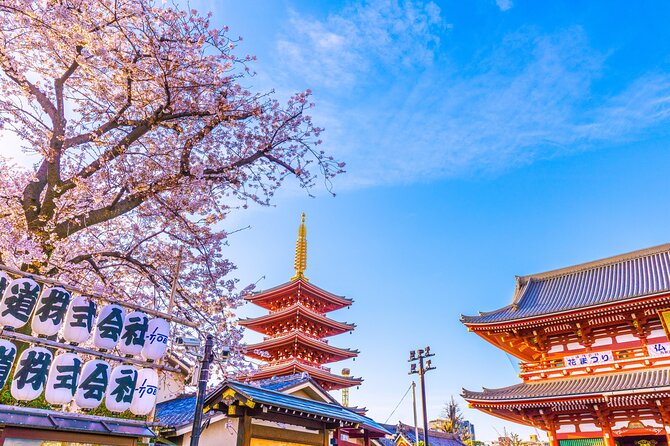
Asakusa is one of those neighborhoods where you can wander for hours and still not understand what you’re looking at. This tour fixes that problem fast. You start right at Kaminarimon, the big outer gate at Senso-ji, and your guide turns the landmarks into a story you can follow.
That matters, because Senso-ji is not just one building. It’s a cluster of sacred spaces with different traditions in the same area. The tour also highlights a rare setup: a Buddhist temple and a Shinto shrine sharing the same ground. Once you know that, the incense smoke, prayer space, and the way people move around the temple feel much less like tourist chaos and more like lived tradition.
My favorite part is that the guide doesn’t just point. You’re given cues for what to do and what to notice. You’re also guided through shopping streets right when your energy is still good, not at the end when everyone’s hungry and decisions turn into blur.
More Shrine & Temple Visits in Tokyo
- Asakusa Senso-ji Temple and Old Tokyo Walking Tour
★ 5.0 · 560 reviews - From Asakusa: Old Tokyo, Temples, Gardens and Pop Culture
★ 5.0 · 47 reviews - Goshuin Collecting tour at Asakusa Local Temples & Shrines, Tokyo
★ 5.0 · 8 reviews
Kaminarimon and Nakamise: where the tour helps you avoid the maze
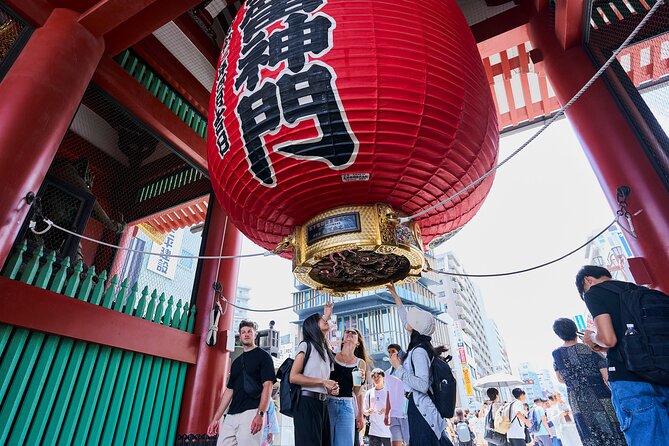
You begin at the Kaminarimon Police Box meeting point in Asakusa. From there, the first real moment is the gate itself. Your guide explains what the gate is called, what it represents, and why its features matter. It’s one of those things that feels obvious once someone explains it, and kind of invisible if you’re just taking photos.
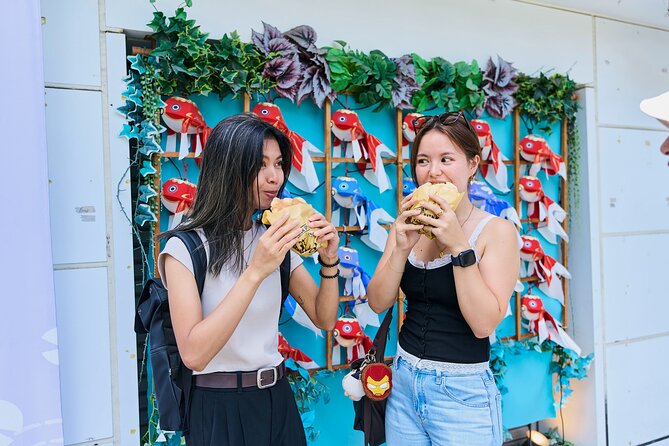
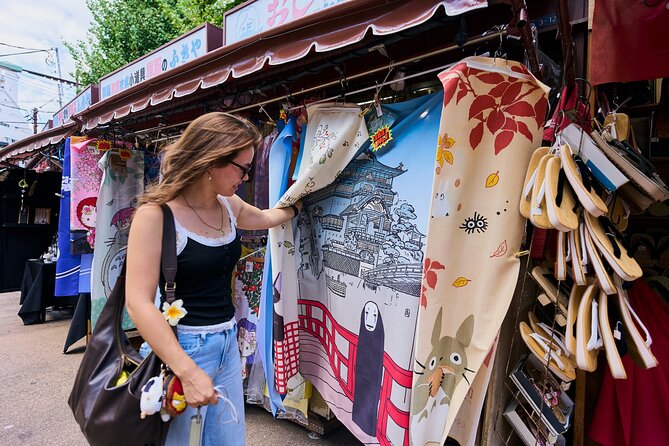
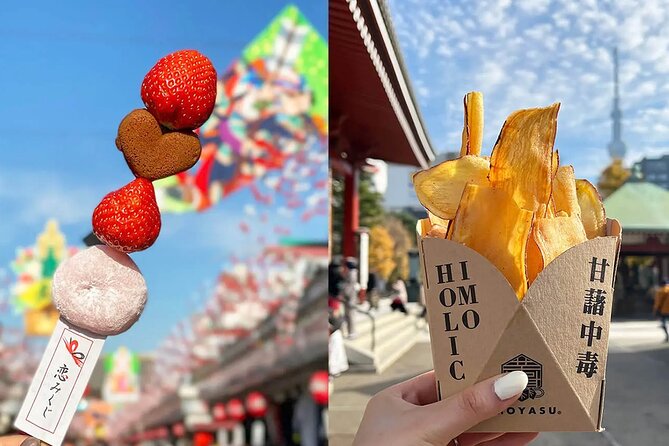
After that, you head into Nakamise Shopping Street. This is where Asakusa earns its reputation. The street is lined with souvenir shops and snack stands, and it moves fast. The tour gives you a structure for this stretch, so you’re not spending your time zigzagging and second-guessing.
Here’s what I think you’ll like if you’re shopping but still want to keep momentum:
- You get the chance to compare popular souvenir types without feeling rushed.
- You can treat it like a tasting and browsing zone, not just a souvenir stampede.
- You’re encouraged to try local-style snacks instead of defaulting to whatever looks easiest.
The practical downside is simple: Nakamise can be crowded. Even with a guide, you’ll share the pavement with lots of people. If you’re sensitive to tight spaces, try to keep your pace steady and follow the group rather than trying to thread ahead.
Inside Senso-ji: fortune, purification, incense, and prayer
Stop three is the heart of the experience, Senso-ji Temple. This is where the tour shifts from streets to ceremonies, and it gives you concrete things to do.
You can:
- Draw a fortune
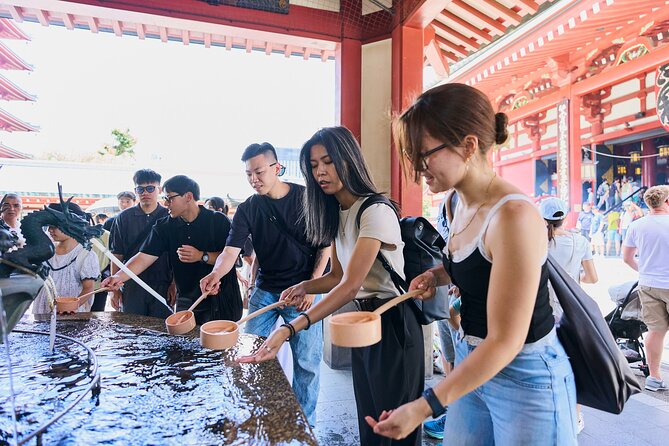
- Purify your hands with water
- Experience the incense smoke area
- Offer a traditional prayer
Those might sound like generic temple activities, but the value is in the guidance. Without direction, it’s easy to do nothing or do the wrong thing at the wrong time. With a guide, you understand what’s happening, why people are doing it, and how to participate respectfully.
Also, Senso-ji is famous as Tokyo’s oldest sacred Buddhist worship site. You feel that in the attention people pay to the ritual areas. It’s not just a backdrop. It’s an active spiritual space where people come for meaning, not only selfies.
Time-wise, this segment is around 20 minutes. That’s enough to participate in the key actions, but not so long that you get temple fatigue.
Yogodo and Jizo statues: the short stop that gives you the best photos
Next comes a focused add-on area: Senso-ji Temple Yogodo. This stop is only about 5 minutes, but it’s packed.
You’ll see:
- A goshuin seal desk
- A pond with koi fish
- Rows of Jizo statues linked to a well-known story
- A popular photo spot
This is the part of the tour that helps you understand the layering of meaning in the temple complex. Jizo statues in particular are tied to protective care and compassion themes, and seeing the rows in one place makes the symbolism easier to grasp.
If you want good photos, this stop is timed right. You’ll have enough time to step back, frame shots, and notice details like the pond without feeling rushed across the whole property.
The only caution: since it’s a quick stop, you’ll want to decide your photo priorities before you reach the tightest spots.
More Walking Tours in Tokyo
- Asakusa Cultural Walk & Matcha Making Tour
★ 5.0 · 245 reviews - Tokyo Tsukiji Fish Market Food and Culture Walking Tour
★ 5.0 · 3,184 reviews - Tokyo: Shinjuku Local Bar and Izakaya Guided Walking Tour
★ 4.9 · 1,794 reviews - Tokyo: Tsukiji Fish Market Food and Walking tour
★ 5.0 · 1,724 reviews
Matcha sweets and quick dessert stops that fit the schedule
Asakusa is famous for snacks, but you don’t need to guess what to try. The tour includes a small sweets stop around Kaminari Issa, where you can sample matcha-focused treats.
This is one of those sections that works even if you’re tired, because the time is short (about 5 minutes) and the goal is clear: taste and move on.
What you might encounter includes rich matcha soft serve, matcha truffles, and other seasonal items. I like stops like this because they give you a specific flavor reference for the area. You leave with an actual memory, not just a bag of random purchases.
You should still be aware that dessert windows can vary with the shop’s flow and your guide’s route. The tour is structured, but it’s still street-level travel, not an indoor museum with controlled timing.
Hoppy Street and Edo-style shops: the fun culture break
After Senso-ji, you shift into Hoppy Street. This street is known for people enjoying daytime drinks, and it keeps the old-world vibe going with shops tied to the Edo period.
Here’s what stands out in this part of the walk:
- You observe locals having drinks during the day
- You’ll pass stores that feel tied to older Tokyo, including sword-related shops and kimono shops
- The area is designed for browsing, and you get a sense of what everyday Asakusa looks like when it’s not strictly temple-focused
Then the route continues into another lively section styled after old Edo, with retro storefronts and playful details. The tour suggests you watch for unique vending machines and sample street foods like menchi-katsu and skewers.
This is a good segment for you if you like culture that’s not frozen in time. It’s also a good reset after the solemn temple areas.
On the shopping side, the tour highlights specific categories you might see along the route:
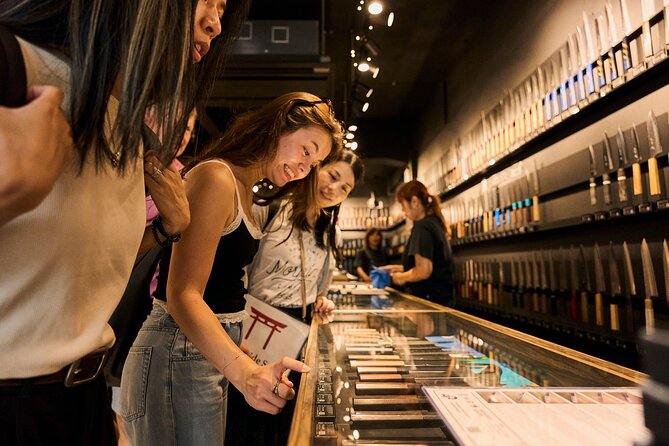
- A pro chef knife shop
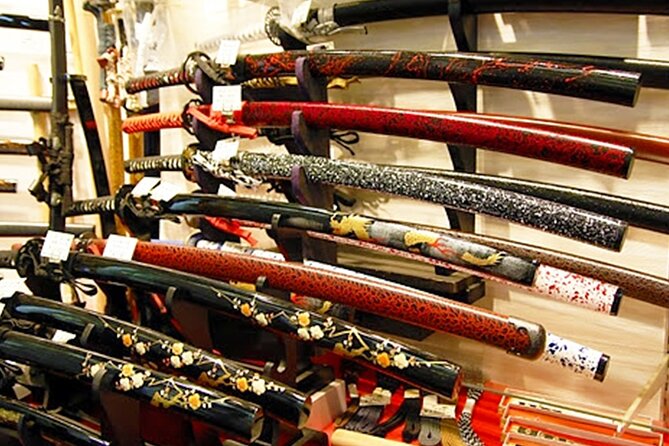
- A samurai sword and ninja gear store
If you’re a craft nerd, this is where you’ll appreciate the contrast. You go from incense and prayers to metalwork and gear shops, all within the same neighborhood.
Ending at a local grocery: souvenirs that feel real
The last major stop is Ozeki Asakusa Kaminarimon Grocery & Supermarket, about 10 minutes. This is a smart finish.
Instead of ending at another souvenir trap, you get a chance to browse everyday Japanese groceries and pick up small items that make sense as gifts or pantry souvenirs. Even if you’re not buying much, it helps you understand what locals actually stock.
This stop also gives you something practical: you can compare what you saw on the streets with what’s available in stores. Often, you’ll notice packaging types, snack formats, or brand choices that explain why certain street treats are so popular.
At the meeting point and end, the tour returns back to where you started. That means you’re not forced into a complicated navigation problem after you’ve already been walking for two hours.
Price and logistics: what $19.90 really buys
At $19.90 per person for about 2 hours, this is priced like a value-focused walking tour. Since the temple stops list admission as free, your payment is mostly for the guide, the route planning, and the context that keeps you from getting lost in Asakusa’s maze of streets and stalls.
Here’s why that matters:
- Senso-ji and Nakamise are easy to enjoy, but harder to understand without help.
- Asakusa shopping streets are dense. A guide saves time and helps you target what you care about.
- A maximum group size of 15 helps you keep a conversational pace instead of getting swept along.
The tour also uses a mobile ticket, and it’s near public transportation. You’ll spend less time figuring out how to get into position and more time actually doing the experience.
Two more small notes that affect value:
- Multiple stops are brief, including 5-minute photo or ritual moments. That pacing is part of why the tour can hit so many highlights in only two hours.
- Some parts of the route are more about observation than shopping, like Hoppy Street. If you love people-watching and street culture, that’s a good deal. If you want shopping-only, you might wish the emphasis were heavier on purchases.
Who this tour is best for
I’d put this tour near the top of your list if you fit one of these categories:
- You want Senso-ji context without reading guidebooks for hours first
- You like a guided mix of temple moments and street-level food and shopping
- You prefer not to walk all day, because the route is broken into focused, time-boxed stops
- You want a small-group experience where you can ask questions mid-walk
It’s also a strong choice when you’re jet lagged or just not ready to over-plan. Guides for this kind of tour have been praised for being patient and attentive, including helping families and travelers who needed a calmer pace.
One more tip: if your English needs to be crisp and direction-based, the guides mentioned in feedback include people noted for clear communication, like Josh and Naoto.
The one drawback to plan around: food tasting expectations
The tour concept includes street food tasting. Still, one piece of feedback indicated that the tasting part did not fully happen as expected.
So here’s my practical advice: treat tasting as a bonus, not a guarantee of a set menu. If food is your top priority, come hungry but also keep a backup plan so you can buy your own snacks immediately after the guided segment.
That way you’re not disappointed, and you can still enjoy the walk for what it’s strongest at: temple understanding plus smart street guidance.
Should you book this Asakusa oldest-temple walking tour?
I think you should book this tour if you want a fast, friendly way to experience Senso-ji and Asakusa with a plan. It’s good value for the price, and the pacing fits a typical first-time Tokyo schedule. You’ll get the key ritual moments like fortune and hand purification, plus enough street time to actually enjoy Nakamise and Edo-style shopping streets.
Don’t book it if you’re strictly food-obsessed and want a guaranteed, detailed tasting lineup. Also, if you hate crowds, know that Nakamise and the temple approach are popular places, and you’ll be part of the flow even with a guide.
If you do book, go with a mindset of learning and noticing. This is one of those rare Tokyo experiences where two things that usually feel separate, temples and shopping streets, end up working together as one coherent story.
FAQ
FAQ
How long is the Tokyo Asakusa and Senso-ji walking tour?
It is about 2 hours.
How much does the tour cost?
The price is $19.90 per person.
Where do I meet the guide?
You meet at Kaminarimon Police Box, 1-chōme-3-1 Asakusa, Taito City, Tokyo 111-0032, Japan.
Is Senso-ji admission included?
The tour lists admission tickets for the temple stops as free.
What can I do at Senso-ji during the tour?
You can draw a fortune, purify your hands with water, enjoy the incense smoke area, and offer a traditional prayer.
What happens at the Senso-ji Temple Yogodo area?
You’ll visit the goshuin (temple seal) desk, see a pond with koi fish, and view rows of Jizo statues connected to a well-known story.
Is there a street food component?
There is time on the Nakamise and local shopping streets for tasting and trying street foods, and there is also a sweets stop with matcha treats.
How big is the group?
The tour has a maximum of 15 travelers.
Can I cancel and get a full refund?
Yes, you can cancel up to 24 hours in advance for a full refund. If you cancel less than 24 hours before the start time, the amount paid is not refunded.
More Walking Tours in Asakusa
- Kyoto Geisha Walking Tour: Gion District & Hidden Gems
★ 4.7 · 3,273 reviews - Kyoto: Gion Geisha District Walking Tour – Stories of Geisha
★ 4.7 · 2,187 reviews - Night Walk in Gion: Kyoto’s Geisha District
★ 4.5 · 2,003 reviews - Tokyo: Asakusa Walking Tour with Sensoji Temple Visit
★ 4.8 · 1,583 reviews
More Shrine & Temple Visits in Asakusa
- Kyoto: Fushimi Inari, Kinkakuji, Bamboo Grove 1 Day Bus Tour
★ 4.8 · 4,316 reviews - Kyoto: Tea Ceremony Ju-An at Jotokuji Temple
★ 4.9 · 3,207 reviews - Tokyo: Meiji Shrine, Asakusa, Skytree Bus Tour and Cruise
★ 4.7 · 1,986 reviews - Fushimi Inari Hidden Hiking Tour (Private Option Available)
★ 5.0 · 1,750 reviews
Newly listed around Asakusa
- Tokyo : Asakusa Food Tour – 12 Dishes & 3 Drinks★ 5.0 · 44 reviews
- Tokyo: Customized Private Tour with a Local Guide★ 5.0 · 16 reviews
- 【Tokyo/Asakusa】Traditional Japanese Washi Papermaking experience★ 5.0 · 146 reviews
- Asakusa Kimono Photography Tour (Private Option Available)★ 5.0 · 20 reviews
- Tokyo Japanese Dance Cabaret Theater Asakusa-Kaguwa★ 5.0 · 170 reviews
- Asakusa Rental Kimono in Tokyo★ 5.0 · 11 reviews
- Asakusa:Family-Friendly Kimono & Yukata Experience at WARGO★ 5.0 · 30 reviews
- Refreshing in Asakusa! Tile-breaking / kawara smash in Asakusa, Tokyo★ 4.5 · 6 reviews
Shrine & Temple Visits, compared.
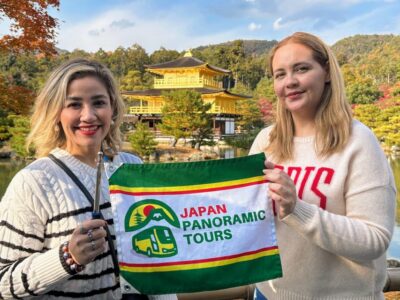
Fushimi Inari, Kinkakuji, Bamboo Grove 1 Day Bus Tour
Read our review →
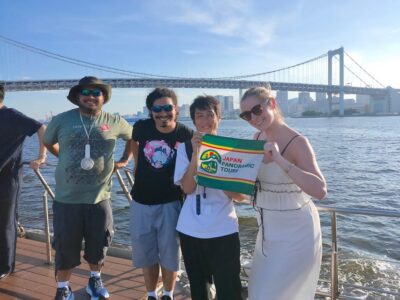
Meiji Shrine, Asakusa, Skytree Bus Tour and Cruise
Read our review →
Fushimi Inari Hidden Hiking Tour (Private Option Available)
Read our review →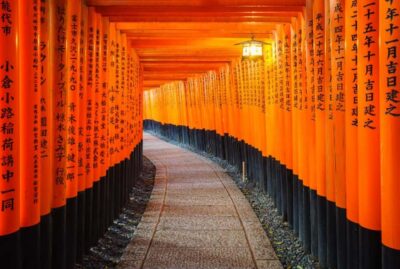
Osaka/Kyoto:Kinkakuji,Arashiyama,FushimiInariShrine,NaraPark
Read our review →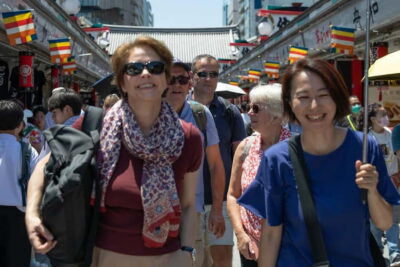
Asakusa Walking Tour with Sensoji Temple Visit
Read our review →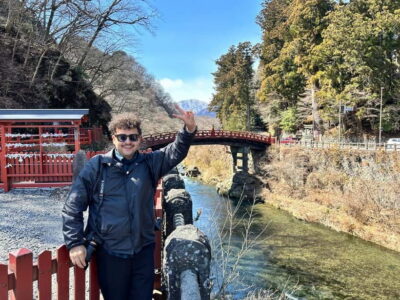
Nikko: Kegon Falls, Lake Chuzenji & Toshogu Temple
Read our review →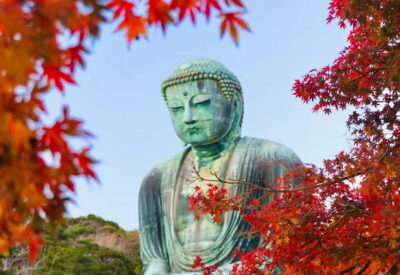
Kamakura & Enoshima Day Trip including Temple Tickets
Read our review →Browse the lists this tour appears in