
Review · MATCHA & TEA CEREMONY SESSIONS
Kimono Tea Ceremony at Tokyo, Asakusa Maikoya
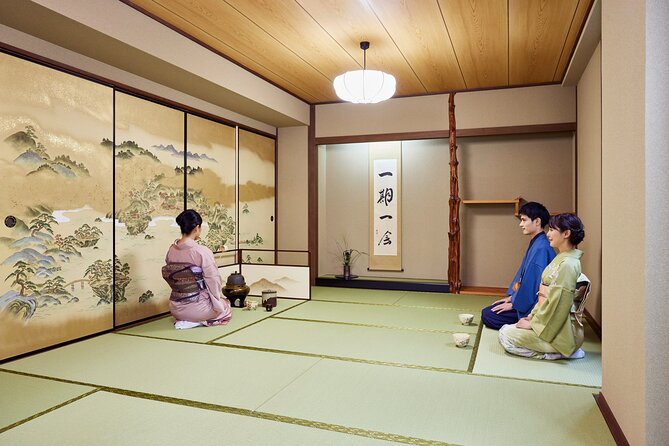
Tokyo does drama well, and this one is calm. You get kimono photo time in Asakusa, then settle into a formal tea room to learn matcha etiquette and make your own bowl. It is a simple, structured 90-minute experience that feels special without dragging on.
I especially like the way the staff helps you look and feel correct, from kimono selection to simple hairstyling if you want it. I also like the teaching style, with a professional tea master guiding you through the movements and meaning behind the tools, so the ceremony clicks instead of feeling like a script.
One consideration: tripods are not allowed, and photo or video recording may be limited based on the tea master’s instructions. Also, the venue has a strict age cutoff for kids.
In This Review
- Key things to know before you go
- Kimono and matcha in Asakusa, what 90 minutes really delivers
- Where to meet Maikoya Asakusa, and how the time slots fit your day
- Dressing the part: choosing a kimono and getting your hair sorted
- The tea room experience: calm instruction from the tea master
- Making matcha yourself: the hands-on part that turns learning into memory
- Snacks, seating on tatami, and comfort details that matter
- Photo time after the ceremony, including Senso-ji and nearby spots
- Small group size and how it changes the vibe
- Price and value: is $55.81 worth it?
- Who should book, and who might want a different option
- Should you book this kimono tea ceremony at Tokyo’s Maikoya Asakusa?
- FAQ
- How long is the Kimono Tea Ceremony experience?
- Where does the experience take place?
- What is the price per person?
- What is included in the experience?
- Do they offer both morning and afternoon time slots?
- Are tripods allowed during the ceremony?
- Can children participate?
- What is the group size?
- Is there hotel pickup or transportation included?
- What is the cancellation policy?
Key things to know before you go
- Kimono, matcha, and etiquette in one tight 90 minutes, designed to feel respectful, not touristy
- Morning and afternoon time slots for flexibility with your Asakusa day
- Included snacks plus green tea as part of the full ceremony flow
- Simple hairstyling offered, so you do not have to figure out hair with a kimono
- Small group feel with a maximum of 3 travelers
- Photo time after the ceremony, with spots around Asakusa including Senso-ji
Kimono and matcha in Asakusa, what 90 minutes really delivers
Asakusa is the right neighborhood for this. You get the classic Tokyo vibe outside your door, and then inside, the pace slows down on purpose. This experience is built around a formal matcha ceremony, but it does not feel intimidating. You are guided step by step, with staff help for the kimono first, then instruction for the tea ritual.
The best part is the combo. Wearing a kimono turns the day into something you remember, but the real payoff is what you learn while making matcha. Once you whisk it yourself, you understand why the movements matter and why people treat this as more than a beverage.
If you are the type who likes structured cultural activities but hates long, confusing workshops, this format is a good fit. The ceremony is not rushed, but it also is not vague. You know what to do, where to look, and when it is your turn.
More Kimono Rentals in Tokyo
- Sweets Making and Kimono Tea Ceremony at Tokyo Maikoya
★ 5.0 · 57 reviews - Asakusa:Family-Friendly Kimono & Yukata Experience at WARGO
★ 5.0 · 30 reviews - Japanese Matcha Tea Ceremony and Kimono Experience in Hanayaka
★ 5.0 · 26 reviews
Where to meet Maikoya Asakusa, and how the time slots fit your day
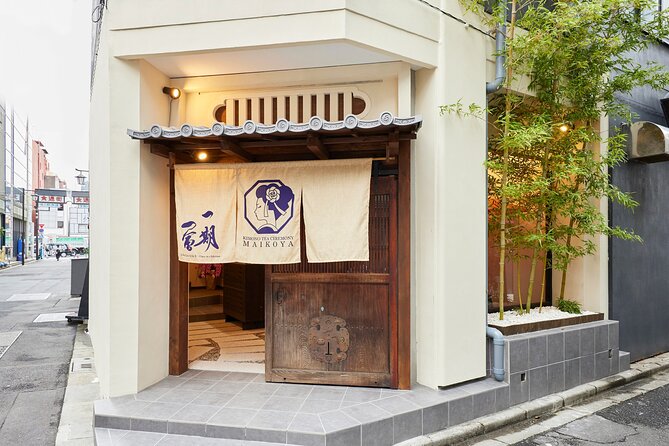
You meet at Kimono Tea Ceremony MAIKOYA Asakusa, 1-chōme-12-2 Asakusa, Taito City, Tokyo. It is described as near public transportation, so you can build it into an Asakusa walking plan without a big logistics headache.
You also get morning and afternoon time slots. That matters because Asakusa can swing between busy and calmer depending on time of day. If you want photos without feeling like you are constantly stepping aside, the slot you pick can change the vibe a lot. If you want to pair this with temple and street wandering, a timeslot that matches your energy level is key.
Tip for timing: arrive a bit early, even if you think you know where you are going. The entrance and signposting can be easy to miss when you are in a busy area. Give yourself buffer time so you start relaxed.
Dressing the part: choosing a kimono and getting your hair sorted
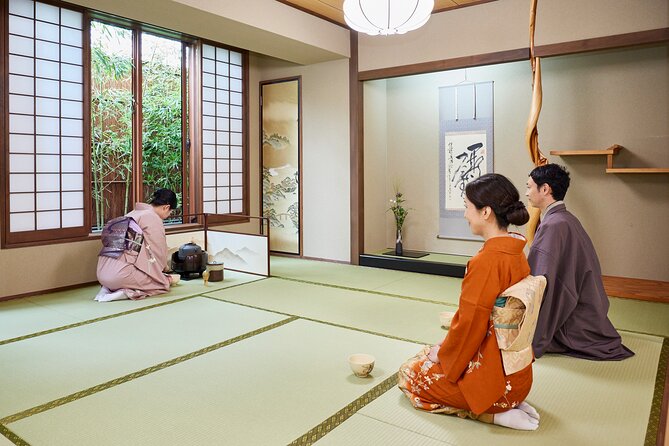
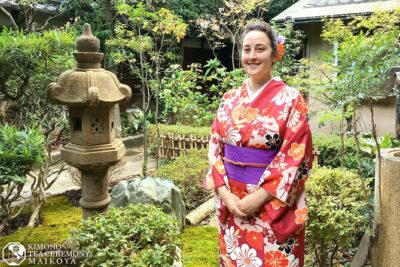
The dressing portion is a big reason people rate this so highly. You get a selection of kimonos, and staff assist with dressing so you are not left wrestling fabric alone. There is also an option for simple hairstyling, which helps a lot because kimono hair is its own look, not just “tie your hair up and go.”
What I like about this approach is that it solves the two problems tourists usually have with kimonos:
- You get help with fit and finish.
- You get a style that looks right for photos and for the ceremony setting.
You will likely feel a little awkward at first. Then, once you are dressed and your hair is in place, that awkwardness turns into confidence fast. One extra plus from the experience flow: there is time to change out and take photos after, so the kimono is not just a quick costume moment.
The tea room experience: calm instruction from the tea master
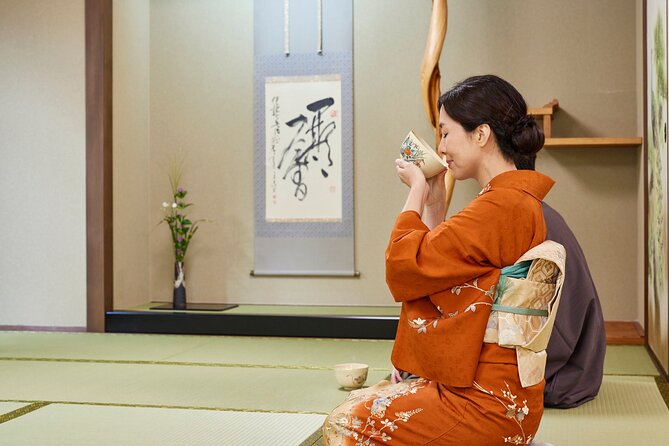
After dressing, you shift into a more formal mood. The experience is guided by a professional tea master, with friendly staff alongside. You are not just watching from the edges. You see each step, learn what it means, and then practice your own.
A big deal here is context. The ceremony is explained as a real tradition with etiquette, not as a generic “tea demo.” You learn why tools and movements look the way they do, and you pick up the basic etiquette that makes the ritual feel respectful instead of performative.
The English instruction quality tends to be a strong point. Names that show up in past sessions include hosts like Iyume and Erika, both praised for clear explanations and warm hosting.
Even if you have never held matcha tools before, you will not be thrown into the deep end. The pacing is designed for first-timers.
More Tea Ceremonies in Tokyo
- Asakusa Cultural Walk & Matcha Making Tour
★ 5.0 · 245 reviews - A 90 min. Tea ceremony Workshop In The Authentic Tea Room
★ 5.0 · 174 reviews - Matcha Making Class in Tokyo with Authentic Japanese Sweets Set
★ 5.0 · 744 reviews - Tokyo: Traditional Tea Ceremony with a Tea Master
★ 5.0 · 528 reviews
Making matcha yourself: the hands-on part that turns learning into memory
Here is where the experience becomes more than photos.
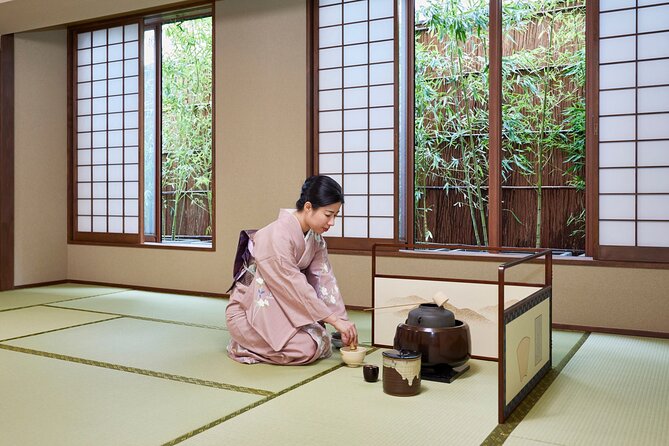
You prepare a bowl of matcha with the tea master’s guidance. The whisking step is the moment people remember, mostly because it is sensory and physical. You see how the tea changes as you whisk, and you feel the rhythm of the ceremony.
This is also where etiquette becomes practical. You learn how to handle the utensils properly, how to present and receive items, and how to move with intention. Even the “small” rules help because you are not trying to guess what comes next.
If you are a coffee drinker, the taste comparison helps in your head, but try not to treat matcha as just a flavored drink. The ceremony teaches it as an experience of attention. That shift is one reason the overall mood feels serene.
Snacks, seating on tatami, and comfort details that matter
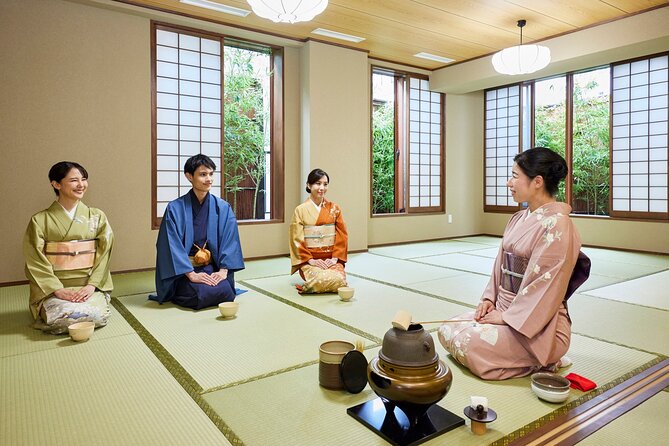
The ceremony is not all tea and silence. Snacks are included, along with green tea. This helps make the experience feel like a full cultural moment instead of a single activity that ends abruptly.
You also get seating arrangements that account for real body comfort. One common praise point is that there are chairs and tables available for people who might have flexibility challenges with kneeling or sitting directly on tatami. That is a big quality-of-life detail. If you have any concerns about floor seating, you will still be able to participate comfortably.
Also, the pace of the ceremony matters. It is not a rushed conveyor belt. You have time to watch, then time to do it yourself, then time for photos afterward.
Photo time after the ceremony, including Senso-ji and nearby spots
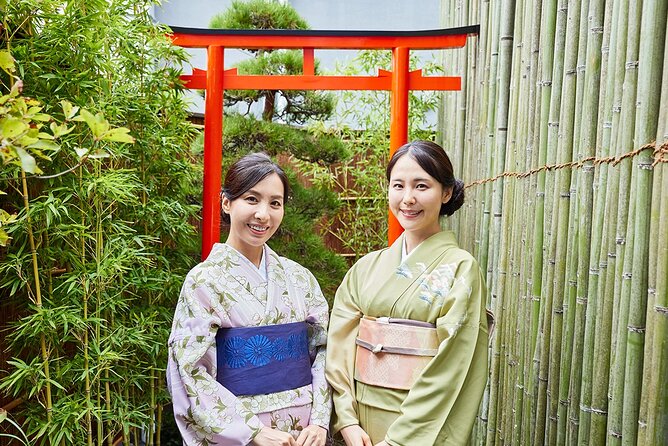
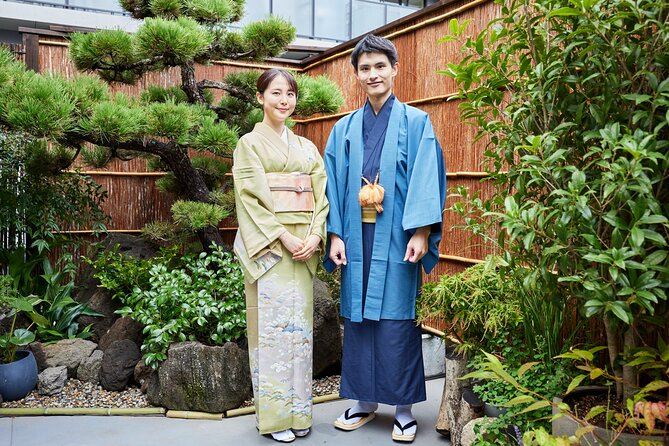
This is one of the main reasons people book. You are not just in a back room. There are photo opportunities after the ceremony, including patio-style and garden areas, plus spots that connect well with Asakusa sightseeing.
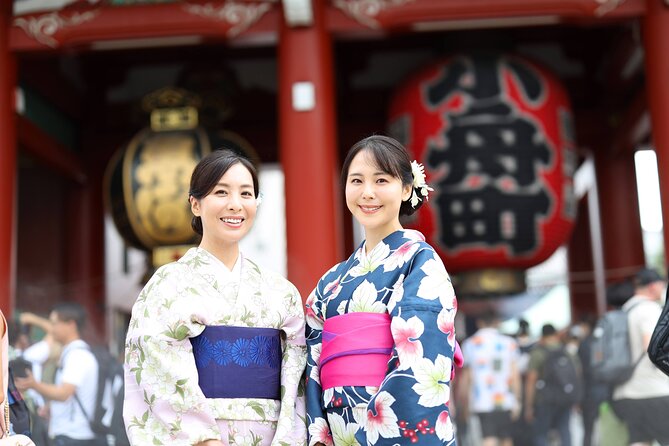
A standout detail: you can wear the kimono beyond the ceremony for a while to walk around and take pictures, as long as you return it before closing. Some sessions mention a 6 pm closing time, so plan your schedule like a “don’t miss the return window” day.
One of the photos people love is the connection to Senso-ji, since it is nearby. You can coordinate your temple visit around your kimono time, which is a fun way to make your photos look more authentic than standard street shots.
Practical photo note: tripods are not allowed during the ceremony. Plan accordingly. If you want steady shots, use phone supports that do not count as tripods, or save your tripod-style work for the after-ceremony photo areas.
Small group size and how it changes the vibe
This experience is capped at a maximum of 3 travelers, and it is described as acceptably sized for small groups. Even when larger parties book overall, the sessions are run in a way that keeps things from turning into chaos.
That small-group design matters. You get more individual attention during kimono dressing and during matcha prep. You can ask questions without shouting across a room.
It also makes the ceremony feel more personal. You are not performing for a crowd. You are learning.
Price and value: is $55.81 worth it?
At $55.81 per person, this is not the cheapest thing you can do in Tokyo. But it includes a lot of what usually costs extra:
- Kimono costume
- Simple hairstyling
- Green tea and ceremony utensils
- Snacks
When you break it down, you are paying for staff time, a professional tea master, and the cost of a full guided session in a formal setting. You are also buying convenience. You do not need to rent a kimono separately, learn etiquette on your own, and figure out matcha tools and process.
For the value test, ask yourself what you want most:
- If you mainly want kimono photos, you might find cheaper options, though they may not include hands-on tea learning.
- If you want a respectful cultural activity with guidance and you like trying things, this price can feel fair.
My take: it is best value when you treat it as a learning experience, not only a photo opportunity.
Who should book, and who might want a different option
This experience fits best if you:
- Want an easy, guided cultural activity with structure
- Like photos, but also want to understand what you are doing
- Travel solo, as the small group format can feel welcoming
- Are in Asakusa anyway and want a meaningful anchor to your day
It might not be for you if:
- You rely heavily on filming during the ceremony and hate any limitations
- You are traveling with children who fall under the venue age restrictions (the guidance given is strict for kids under 7)
If you are unsure about matcha, that is not a dealbreaker. The ceremony introduces it in a gentle way. After you whisk and taste, you usually get past any nerves quickly.
Should you book this kimono tea ceremony at Tokyo’s Maikoya Asakusa?
Yes, if you want a calm, structured cultural experience with high “Tokyo special” payoff. The hands-on matcha and guided etiquette are the core. The kimono dressing and photo time are the bonus that makes the day feel like a memory, not just a class.
Book it if you can use the time slot you want, and if you are okay with basic filming rules like no tripods during the ceremony. If that fits your style, this is one of the cleaner, more respectful ways to experience matcha culture while also looking your best for Asakusa.
FAQ
How long is the Kimono Tea Ceremony experience?
It lasts about 1 hour 30 minutes.
Where does the experience take place?
The meeting point is Kimono Tea Ceremony MAIKOYA Asakusa, 1-chōme-12-2 Asakusa, Taito City, Tokyo 111-0032, Japan.
What is the price per person?
The price is $55.81 per person.
What is included in the experience?
Kimono costume, green tea, utensils, snacks, and hairstyling (simple style).
Do they offer both morning and afternoon time slots?
Yes. You can choose from morning and afternoon time slots.
Are tripods allowed during the ceremony?
No. Tripods are not allowed during the ceremony.
Can children participate?
Children under 7 cannot enter the tea ceremony venue. The guidance also notes children under 6 are not permitted.
What is the group size?
This tour/activity has a maximum of 3 travelers.
Is there hotel pickup or transportation included?
No. Hotel pickup and drop-off, plus transportation, are not included.
What is the cancellation policy?
You can cancel for free up to 24 hours in advance for a full refund. If you cancel less than 24 hours before the start time, the amount paid is not refunded.
More Kimono Rentals in Asakusa
- Asakusa Kimono Photography Tour (Private Option Available)
★ 5.0 · 20 reviews - Kimono rental in Asakusa Tokyo
★ 5.0 · 17 reviews - Asakusa Rental Kimono in Tokyo
★ 5.0 · 11 reviews - Kimono Tea Ceremony at Kyoto Maikoya, NISHIKI
★ 5.0 · 911 reviews
More Tea Ceremonies in Asakusa
- Kyoto: Tea Ceremony in a Traditional Tea House in Kiyomizu
★ 4.9 · 3,519 reviews - Kyoto: Tea Ceremony Ju-An at Jotokuji Temple
★ 4.9 · 3,207 reviews - Kyoto: 45-Minute Tea Ceremony Lesson Experience
★ 4.3 · 2,378 reviews - World Heritage Kyoto & Nara Uji Authentic Matcha Experience
★ 5.0 · 1,573 reviews
Newly listed around Asakusa
- Tokyo : Asakusa Food Tour – 12 Dishes & 3 Drinks★ 5.0 · 44 reviews
- Tokyo: Customized Private Tour with a Local Guide★ 5.0 · 16 reviews
- 【Tokyo/Asakusa】Traditional Japanese Washi Papermaking experience★ 5.0 · 146 reviews
- Asakusa Kimono Photography Tour (Private Option Available)★ 5.0 · 20 reviews
- Tokyo Japanese Dance Cabaret Theater Asakusa-Kaguwa★ 5.0 · 170 reviews
- Tokyo: Asakusa & Sensoji ー Oldest Temple Walking Tour (2hrs)★ 5.0 · 213 reviews
- Asakusa Rental Kimono in Tokyo★ 5.0 · 11 reviews
- Asakusa:Family-Friendly Kimono & Yukata Experience at WARGO★ 5.0 · 30 reviews
Matcha & Tea Ceremony Sessions, compared.
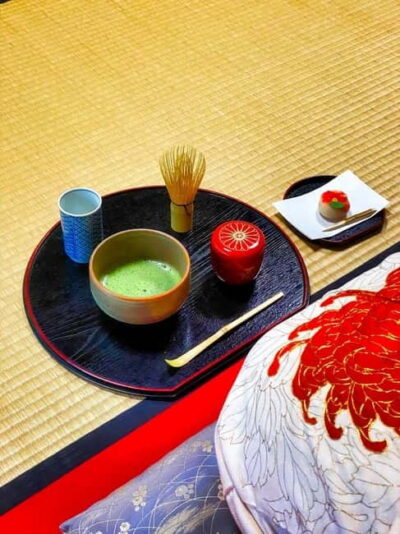
Tea Ceremony in a Traditional Tea House in Kiyomizu
Read our review →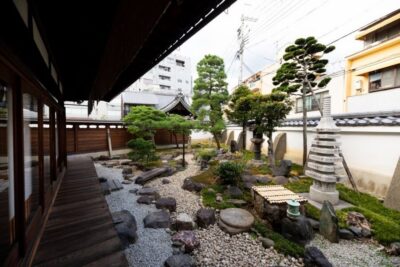
World Heritage Kyoto & Nara Uji Authentic Matcha Experience
Read our review →
Browse the lists this tour appears in